E-MTB
Best E-MTB Roundup: Santa Cruz Bullit vs Whyte E-180 vs Orbea Wild
Three high-end enduro e-MTBs compared on geometry, motor character, battery range and trail feel, with clear guidance on which one suits which rider.
Introduction
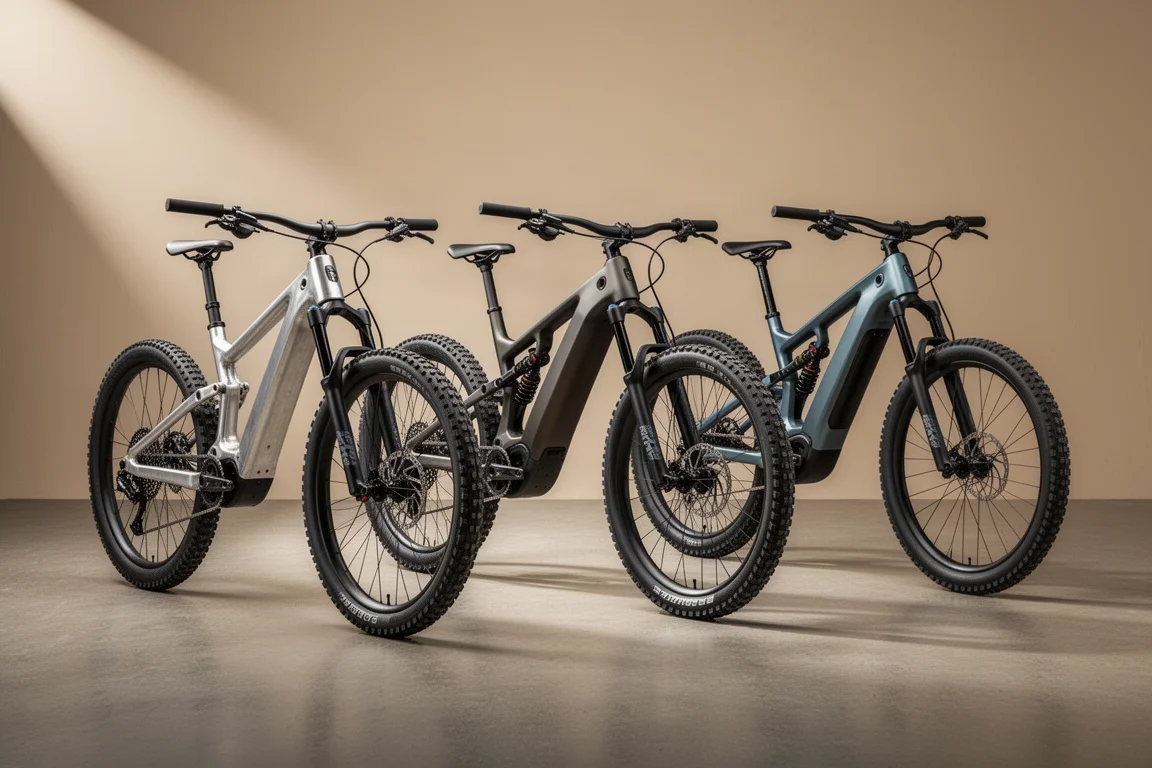
The high-end enduro e-MTB category has become remarkably tight. Three of the strongest machines available finished within a hair of each other in a demanding comparative test, and even a week of hard riding in Italian sunshine on genuinely brutal terrain did little to separate them. With margins this small, the third and second placed bikes could comfortably have swapped with the machines just behind them.
That is good news for anyone shopping in this bracket. All three bikes here are exceptional, and the differences come down to character rather than outright capability. What matters is how the motor delivers its power, how the geometry holds you on long climbs, and how the suspension behaves when the trail turns steep, fast and rough.
How These E-MTBs Compare on Paper
Rear suspension travel sits within 10mm across the group: 170mm on the Santa Cruz Bullit, 165mm on the Whyte E-180 and 160mm on the Orbea Wild. Each brand makes a similar claim about its suspension, describing a supple start to the stroke, plenty of mid-stroke support and a progressive ramp toward bottom out. The layouts behind those claims are quite different.
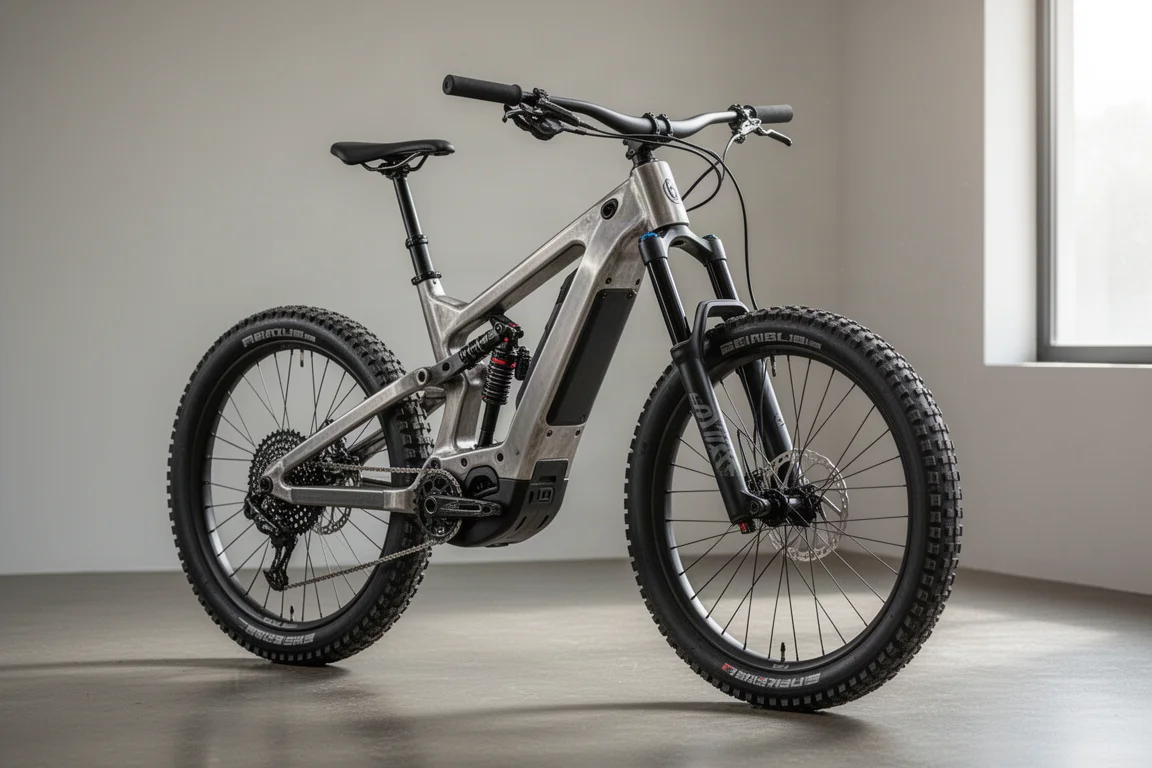
The Whyte uses a 6061 T6 aluminium frame with a fully sealed down tube. Rather than dropping into a cutout, its battery slides into the base of the tube on a rail, and the motor is rotated forward to create space beneath it. That keeps the weight of the bulky battery lower in the frame. The Orbea follows the same no-cutout philosophy with its OMR carbon front end, but the battery sits directly in line with the motor. The Bullit uses the brand’s CC carbon and keeps a conventional down tube cutout, which makes battery removal quick and easy, while its low-mounted rear shock helps keep the centre of gravity down.
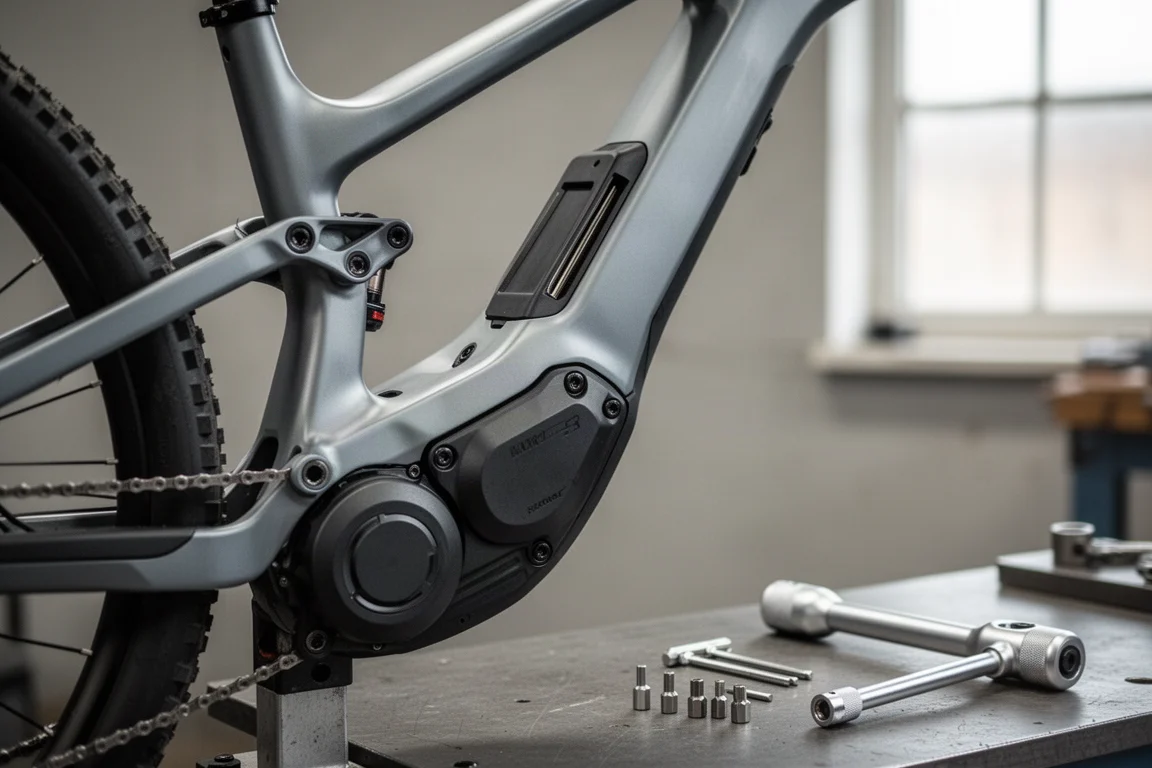
Cable routing is another point of difference. The Whyte and Santa Cruz route internally through ports on the side of the down tube, while the Orbea runs its cables through the headset. That tidies the front of the bike, but it can affect headset bearing longevity and make cable installation more involved, and it locks you into a specific headset design.
Geometry is close between the Bullit and the Wild. Both run 64 degree head angles and seat tube angles around 77 degrees, with chainstays within a millimetre of each other at 449mm and 448mm. Reach is 475mm on the Bullit and 480mm on the Wild. The Whyte takes a different path, with a 63.2 degree head angle and a 75.2 degree seat angle in the high setting, a longer 483mm reach and shorter 444mm chainstays. It also has a flip chip in the shock yoke that slackens the head angle further and lowers the bottom bracket.
Santa Cruz Bullit CC
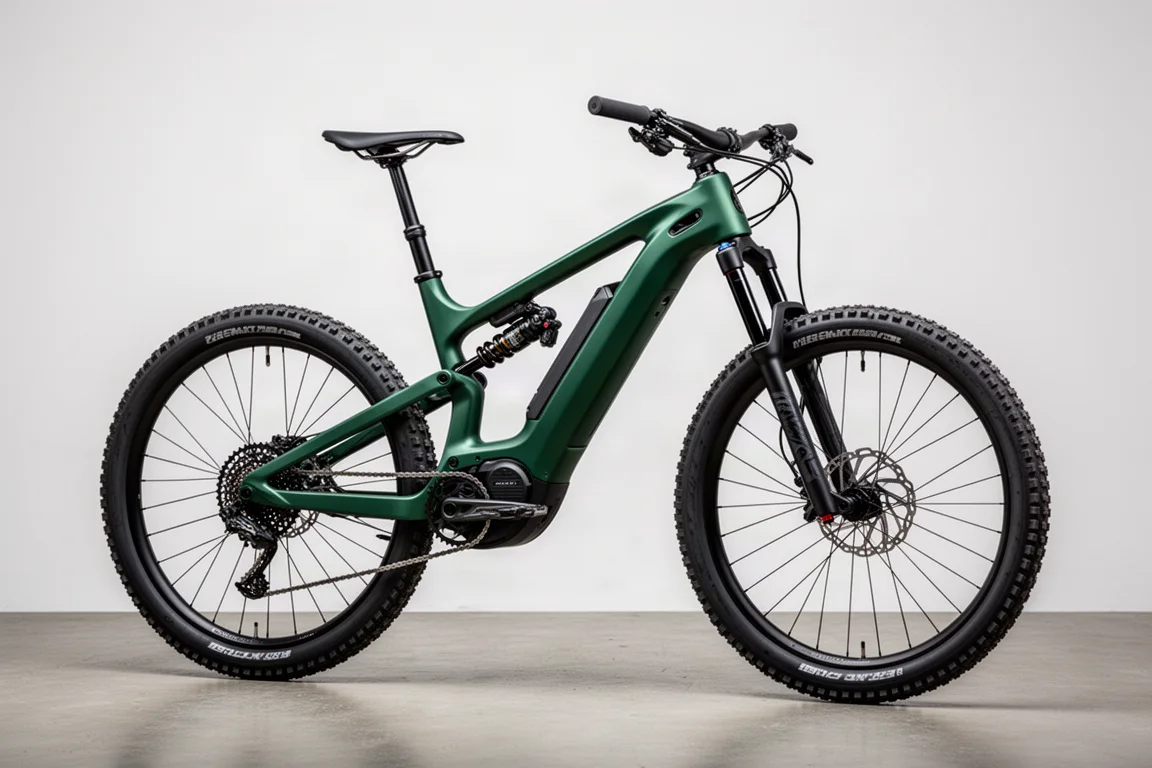
The Bullit pairs 170mm of rear travel with a counter-rotating twin-link virtual pivot point that moves as the suspension compresses, which lets the kinematics be tuned specifically for e-bike duties. Its Shimano EP8 motor and 630Wh battery are the least powerful and least capacious combination in this group, and the build is fixed rather than configurable.
The spec looks modest on paper for the £8,699 asking price, but the choices are shrewd. There is little you would want to upgrade, and the Performance level 38 fork is in some cases better than the more advanced GRIP 2 damper. At 22.81kg in a size large without pedals, it is the lightest bike here by a clear margin.
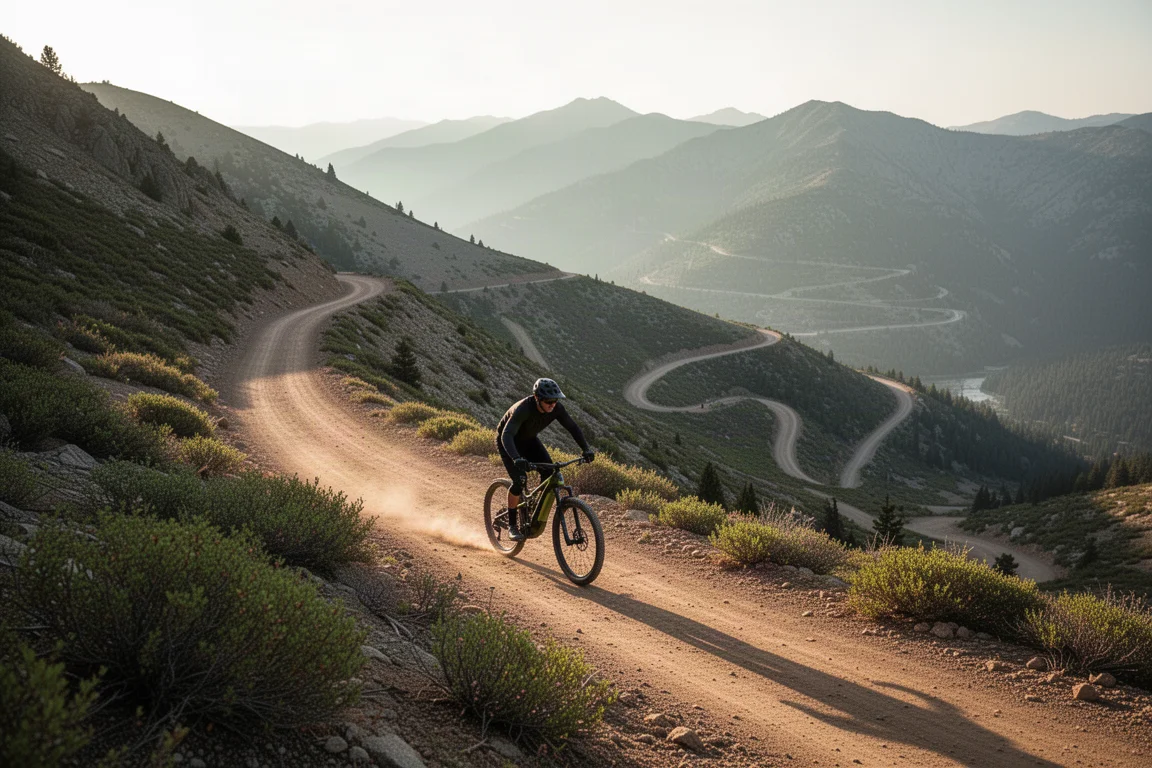
On the trail, the Bullit climbs with a more stretched-out feel than its numbers suggest, lowering your shoulders toward the bar and giving it a trail bike character that encourages you to push harder. Descending is where it shines. Suspension smoothness dominates, with a supple and well-controlled beginning stroke that irons out rough rock gardens, a mid stroke that stays predictable rather than kicking back harshly through the pedals, and grip that feels pinned to the ground even on greasy terrain. Maxxis MaxGrip front and MaxTerra rear tires add to that traction. Minimal rider input is needed to keep it online, and it changes direction quickly and responsively.
The trade-off is motor character and range. The EP8 tapers its assistance off the harder and faster you pedal, so it feels natural but can be frustrating when you are trying to keep pace with more powerful bikes. Range is shorter too: around 1,600 metres of ascent on a charge in Shimano’s equivalent of Trail mode, with Eco needed to reach the 2,000 metre mark.
Whyte E-180
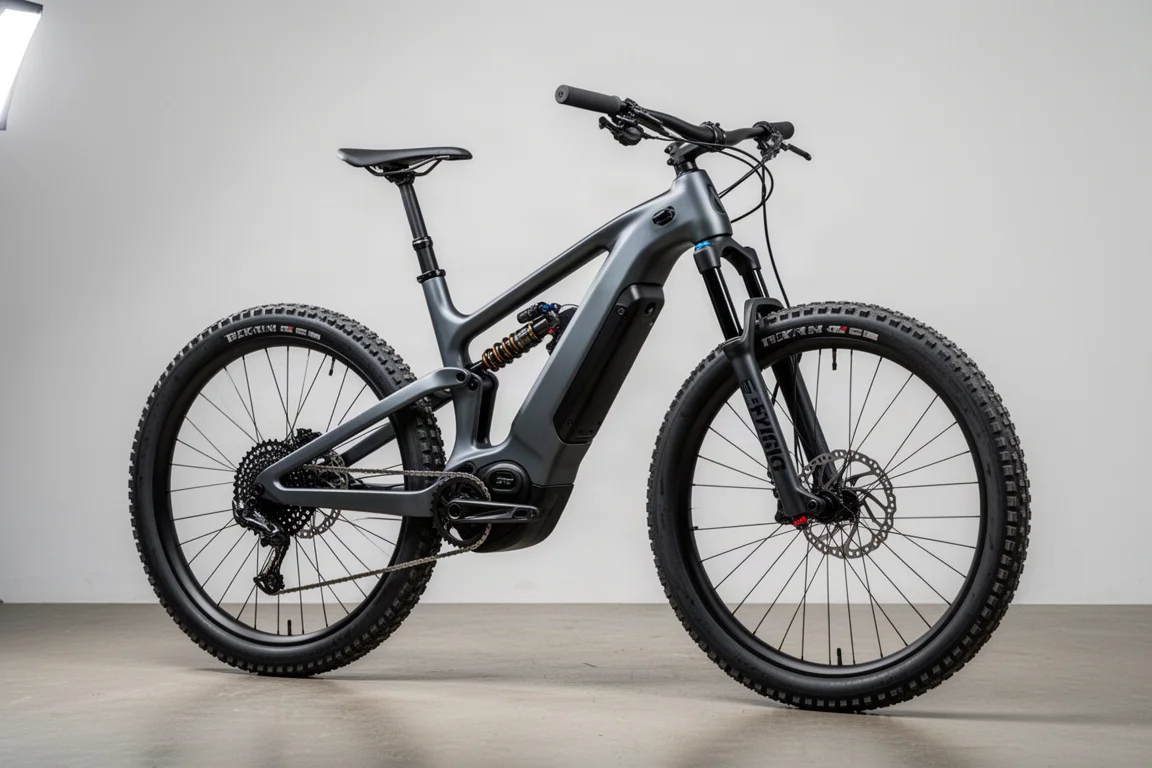
Whyte’s E-180 is the only aluminium frame in this group, built from 6061 T6 tubing with a Horst link layout that mounts the rear axle and brake to the seatstay. It runs Bosch’s Smart System Performance Line CX motor with a 750Wh PowerTube battery, paired with a smartphone app for tuning motor output and recording rides. There is no large colour display; instead you get discreet controllers with mode and battery indicators.
This build sits one model below the range-topping E-180 Works at £8,799, and it is generously equipped: a Fox Factory 38 fork and Float X2 shock, a SRAM X01 Eagle AXS derailleur with a 12-speed drivetrain, Code RSC brakes, MaxxGrip compound Maxxis Assegai tires and Hope Fortus 30 wheels. The burly aluminium frame and heavy-duty components push weight to 26.88kg in a size large without pedals, the heaviest of the three.
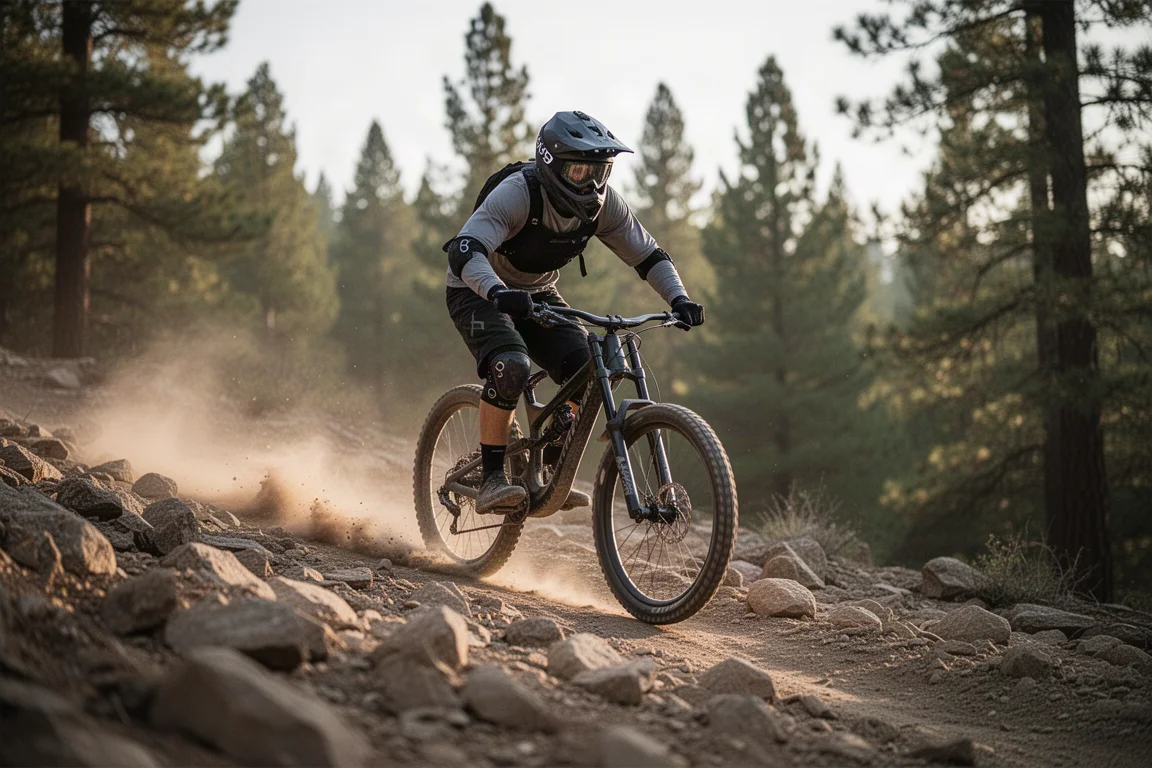
Descending performance is virtually untouchable. It stays controlled and composed regardless of speed or how gnarly the trail gets, with a traction-rich, super stable platform and excellent front-to-back balance. A supple beginning stroke absorbs small bumps for comfort and grip, a robust ramp-up through the mid travel holds the geometry together in high-load turns, and the air spring and kinematics cushion deep hits well. To get the most from it, the E-180 needs to be ridden hard and fast with confidence.
Climbing is where the compromise appears. The 75.2 degree seat tube angle could be steeper, and on very steep gradients your feet can feel stretched out in front of your hips, which marginally reduces pedalling efficiency. Sliding the saddle forward in the post clamp and angling it nose down helps, but it is not a substitute for a steeper angle.
Orbea Wild
The Wild is built from Orbea’s OMR carbon, described as tough and stiff while staying light, and it uses a concentric seatstay and chainstay pivot at the rear axle that separates braking and suspension forces. Rear travel is 160mm, the shortest here, and the 750Wh battery sits directly in line with the Bosch Performance Line CX motor.
What sets the Wild apart is the MyO programme. Components can be upgraded or swapped at the point of order, and frame colours can be chosen too. The test build added DH casing tires and a Fox Transfer Factory dropper, while the standard M-Team spec includes a Fox Factory 38 fork, Float X2 shock, Shimano XT drivetrain and four-piston brakes with Orbea finishing kit. At 23.73kg in a size large without pedals including the upgrades, it sits between the other two. Price is £9,027, around £500 more than the Whyte.
The seated position is more upright than the numbers alone would suggest, closer to a standard gravity-focused enduro bike. The steep seat tube angle and 448mm chainstays place your weight centrally, so there is no need to slide onto the nose of the saddle on steep climbs, and your hips sit directly above the cranks. That makes long days in the saddle efficient and comfortable.
Descending, the Wild has a commanding sense of stability. The suspension is impressively absorbent and irons out rough chatter, which keeps the bike level over large choppy bumps and reduces the corrective weight shifts needed to hold speed. DH casing MaxGrip tires front and rear add to the muted, smooth feel. Leaning into turns takes little effort, it squats into its mid stroke predictably, and light, deliberate movements are enough to switch direction. It is balanced and genuinely fun to ride.
Motor, Battery and Range
The Bosch equipped Whyte and Orbea pull ahead of the Shimano powered Bullit in a straight drag race. Bosch’s unit feels more powerful, and its assistance strengthens as rider input and cadence rise, which makes it responsive and rewarding to use. Shimano’s EP8 does the opposite, tapering its output the harder and faster you pedal. That feels natural and mimics your own legs reducing power as cadence increases, but it can be frustrating when you are chasing riders on more powerful bikes.
Range has become closer than it once was. Software updates have given the Bosch drive unit improved battery life without any reduction in power, so it now rivals Shimano on frugality, and the larger 750Wh battery extends range over the Bullit’s 630Wh unit. In practice, 2,000 metres of ascent and more was achievable on a single charge in Bosch’s most powerful assist mode, while the Bullit in Shimano’s equivalent of Trail mode managed only around 1,600 metres, with Eco needed to make the 2,000 metre figure.
Both Bosch bikes use discrete controllers and simple mode and battery indicators rather than a large colour display, and both offer Bluetooth smartphone app compatibility for tuning motor output and recording rides. The Bullit is similarly app compatible, with each of its motor outputs tunable to your preferences.
Components, Spec and Customization
Spec strategy splits the group as clearly as anything else. Orbea’s MyO programme lets you upgrade or swap components when you order, so you can shape the build around your riding. Whyte and Santa Cruz keep their specifications fixed.
Whyte’s E-180 is generously specified at its price point, with Fox Factory suspension, a SRAM X01 Eagle AXS drivetrain and Code RSC brakes. The Bullit’s spec looks less impressive on paper for £8,699, but the component choices are canny: none of the parts are range-toppers, yet there is little you would want to change to increase performance, and the Performance level 38 fork is in some cases better than the more advanced GRIP 2 damper. The Wild’s standard M-Team spec hits a sweet spot for enduro riding, and the DH casing tire upgrade on the test build is particularly well matched to its intended use.
Buying Advice
The Bullit is the lightest and most trail-oriented of the three, with quick battery removal and a ride that encourages hard climbing. Its Shimano motor is less powerful and its battery smaller, so it suits riders who value a lively, trail bike feel over outright assistance and range, and who are comfortable with a more aggressive, stretched-out seated position.
The E-180 is the pick for riders who want speed and outright control above all else. Its composure at pace is remarkable, and it thrives when ridden hard. The compromises are weight and a seat tube angle that could be steeper for long, steep climbs.
The Wild is the most well-rounded of the three and the overall winner of this comparison. Its balance shows up on both descents and climbs, its upright seated position makes long days easier, and its spec is well judged for enduro use. It costs around £500 more than the Whyte, and its on-trail performance and customization options help justify that.
Whichever of the three you choose, you are buying one of the best e-MTBs on the market. The differences between them are small enough that fit, terrain and the kind of riding you actually do should decide it.
Conclusion
Three excellent bikes, separated by tiny margins. The Santa Cruz Bullit CC is the lightest and most trail-focused, with a suspension character that shines on rough, fast descents, but its Shimano motor and 630Wh battery trail the Bosch bikes on power and range. The Whyte E-180 is a descending machine with superb control and a heavy-duty build, held back only by weight and a seat angle that could be steeper. The Orbea Wild wins because it is the most complete package: upright and efficient climbing, absorbent and stable descending, and a specification programme that lets you tailor the bike to your riding.
Further reading
Related Reviews

Backpacking Gear
Building a 10 lb Base Weight: An Ultralight Backpacking Gear List
A practical walkthrough of the ultralight pieces behind a 10 lb base weight, from a 765 g pack and a roomy one-person tent to a full camp chair and a dependable water filter.

Road Bikes
10 New Road Bikes Worth Watching: Aero, Titanium, Steel and Endurance Standouts
A practical roundup of 10 new road bikes, from aero flagships chasing single-watt gains to titanium, steel and endurance platforms built for real roads.
Bikepacking Gear
11 Bikepacking Essentials for Long-Distance Cycling
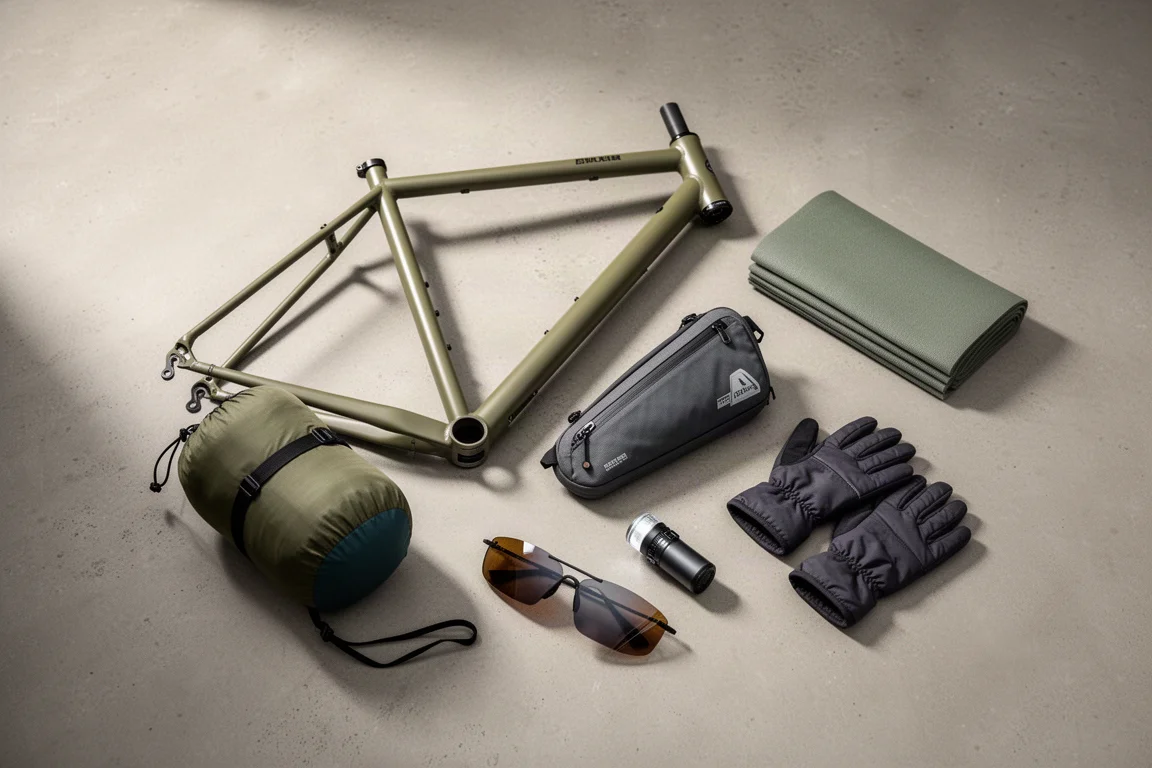
Eleven bikepacking essentials for long-distance cycling, from a steel gravel frame and a two-person tent to helmet lights, packable gloves, and a frame bag that puts weight in the right place.