Home Theater
Samsung 90C TV and 990C Soundbar Review: A Compact Dolby Atmos Setup
A very bright 65-inch Samsung 90C television paired with the 11.1.2-channel 990C soundbar system, and how the two work together in a real room.
Introduction
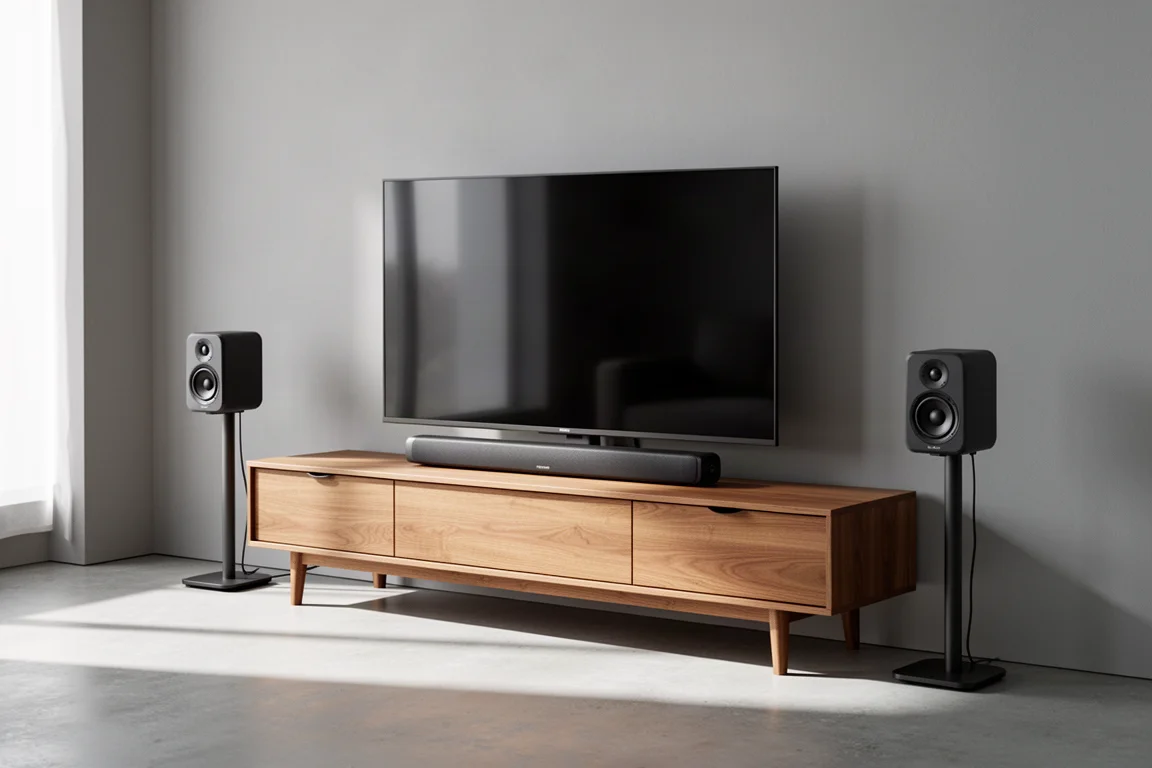
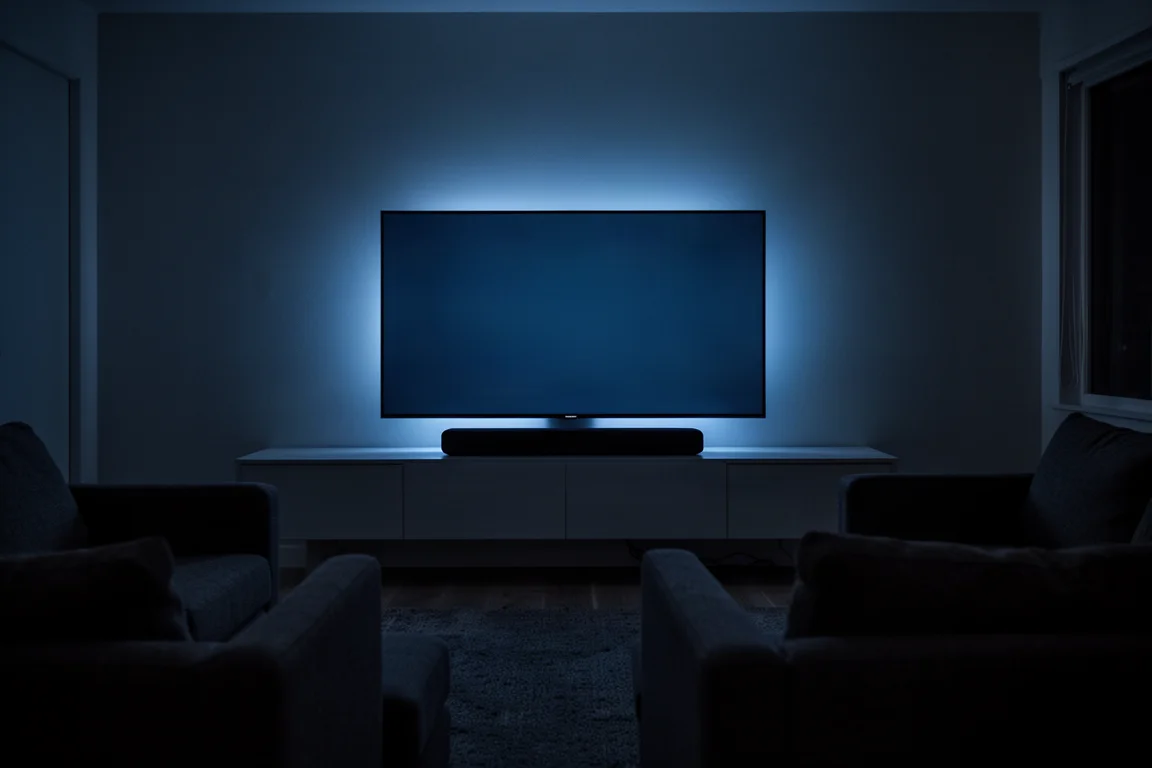
Samsung’s 90C television and the 990C soundbar system are designed to be used together, and that is exactly how they were assessed here: a 65-inch 90C on the wall with the 990C soundbar sitting underneath it. The appeal of the pairing is straightforward. The television handles brightness and color in difficult rooms, while the soundbar adds a wireless 11.1.2-channel Dolby Atmos system that does not require running speaker cable through walls. For anyone building a compact home theater in a small or medium-sized room, the combination deserves a close look.
Two Products, One Setup
The 990C soundbar is sized to sit under the 90C without covering any part of the screen, so the two read as a single installation rather than two separate purchases. The bigger surprise is how little work the setup requires. Each speaker only needs power. Once the soundbar, the two rear channel speakers and the subwoofer are plugged in, they connect to each other wirelessly, with no speaker cable to run along skirting boards or through walls. In practice the whole process took minutes.
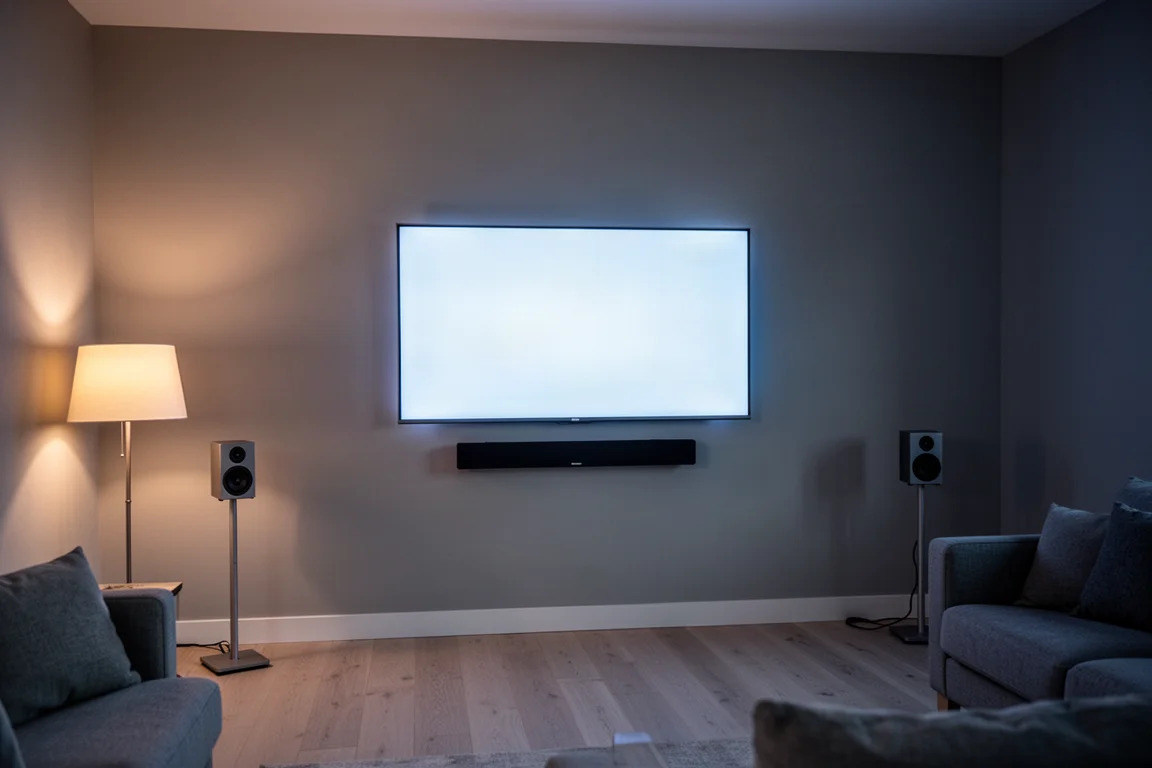
That matters most for people who have been put off home theater by cable management. Hanging a rear speaker on a wall or setting it on a shelf is a very different job when the only thing to think about is a power socket. The 90C also replaced an older Samsung 80T set in the same room, which makes the step up in brightness and color easy to see.
Samsung 90C TV: A Bright, Colorful Centerpiece
The 90C gets extremely bright. In a room with daylight coming in, that headroom removes any concern about the picture looking washed out, and it is the most obvious difference compared with the older 80T. Color is the second improvement: images simply pop more, while the 80T remains a capable television in its own right.
Calibration is handled through a phone and the Samsung SmartThings app. Rooms differ in their lighting and color temperature, and the calibration process adjusts the picture to suit the space so the colors you see are the ones intended. It is an unusually low-effort route to a calibrated picture.
The television’s own speakers also sound good out of the box, including when the set sits close to a wall or near room boundaries. That is a useful baseline if you plan to add the soundbar later rather than at the same time.

Samsung 990C Soundbar: 11.1.2 Channels Without the Cable Clutter
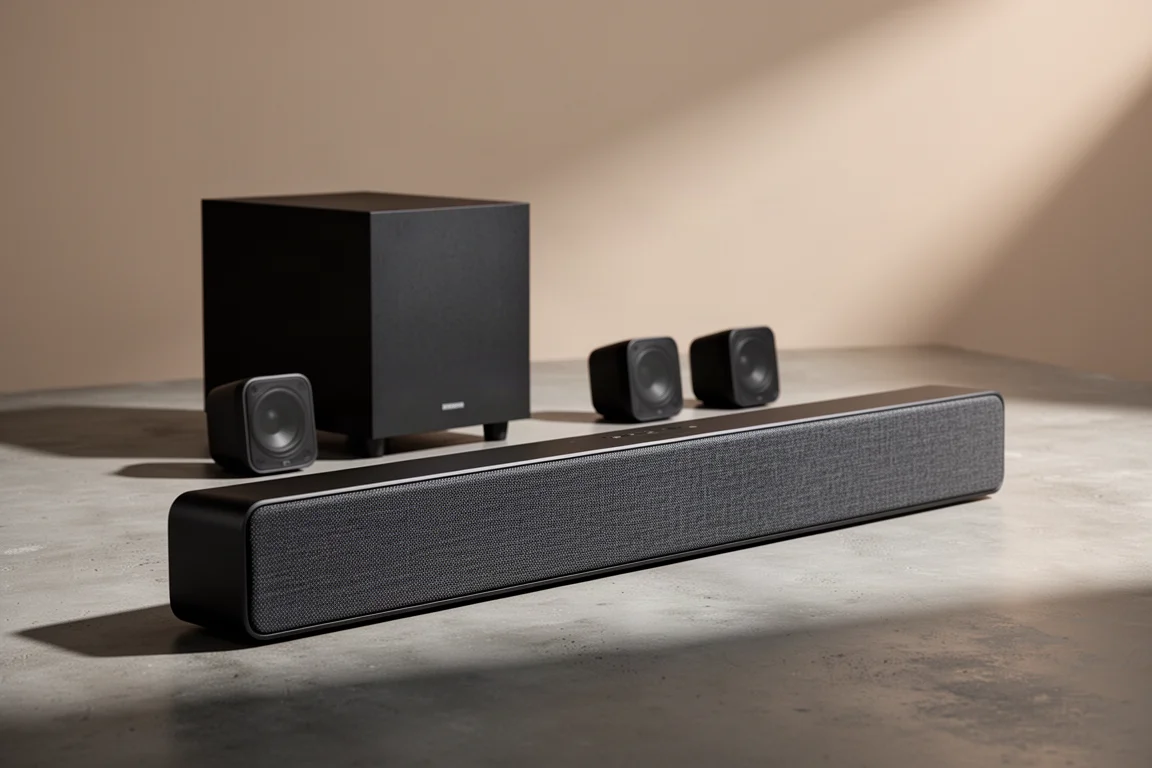
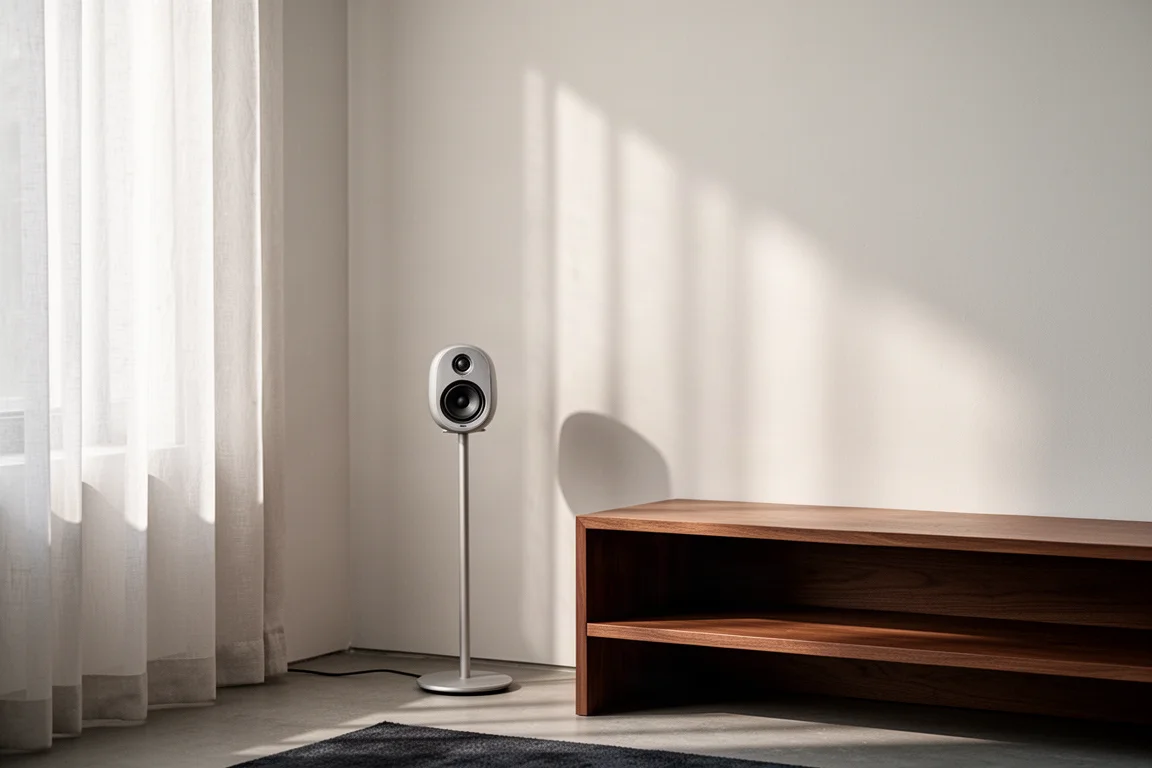
The 990C is an 11.1.2-channel system. Alongside the soundbar itself, the package includes two rear channel speakers and a subwoofer, and every part of it connects wirelessly.
The driver layout is what makes the surround effect work in an ordinary room. The soundbar carries two side-firing drivers at each end, four in total, aimed outward so sound bounces off the walls and creates the impression of speakers where none are mounted. Three front-firing drivers handle the main channels, and two upfiring drivers on top of the bar project height effects toward the ceiling. Each rear speaker adds a front-firing, a side-firing and an upfiring driver of its own. The subwoofer is included as standard, which matters for Dolby Atmos material where low-end weight carries much of the impact.
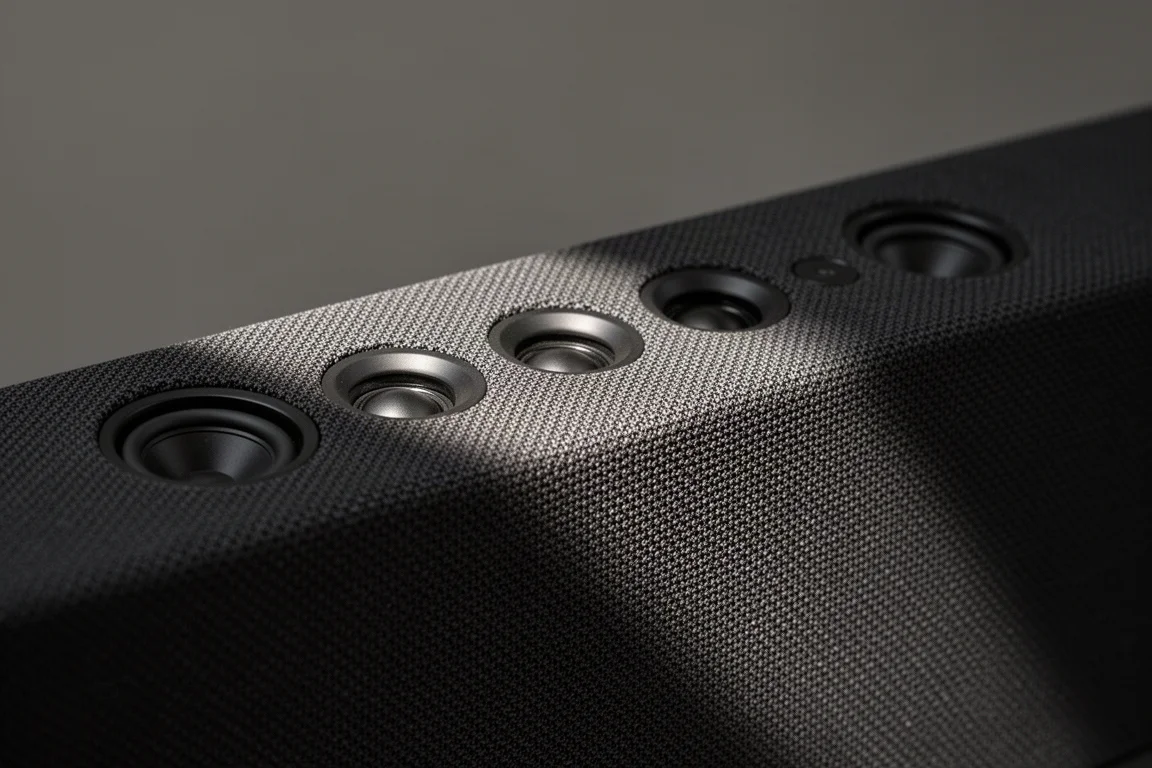
Because the rear and height effects are generated by reflection as well as by physical speakers, the system can produce a convincing bubble of sound without in-wall or in-ceiling speakers. That is the core of its appeal in a room where a full discrete installation is not realistic.
Q Symphony and SpaceFit Pro: Features Worth Enabling
Q Symphony lets the speakers inside a compatible Samsung television work together with the soundbar instead of being switched off. It supports selected Samsung TVs, including the 90C, and it also worked with the older 80T set. It has to be enabled in the settings menu rather than being active by default, and it is worth switching on: it adds a noticeable layer of immersion at no extra cost.
SpaceFit Pro takes a different approach to calibration. Rather than requiring a microphone and a manual measurement routine through an AV receiver, it analyzes the room and lets each speaker adapt to it. There is no mic to place, no expertise required and no fiddling. You enable the feature and the system adjusts itself, which puts room correction within reach of anyone who would never have attempted it before.
Adaptive Sound and EQ: Fine-Tuning the Experience
Adaptive Sound adapts to what is on screen. Quiet dialogue is lifted so it stays intelligible, which solves the familiar problem of a film whose dialogue is recorded far below the level of its explosions. It works at low volumes as well, making it useful late at night when sound effects need to stay restrained.
Other modes cover other situations: Surround mode for films where the full effect is wanted, and Game Mode for gaming. In the SmartThings app, advanced sound settings expose further options, including a bass enhancement setting that adds low-end weight, and an EQ for adjusting bass and treble. The system’s out-of-box tuning is neutral and close to flat, which makes it a good starting point for EQ adjustments rather than something you have to fight against. Bass and treble changes are most useful for music playback, where taste and mood vary more than they do with films.
In a smaller room than average, the bass enhancement is worth leaving lower, and in a larger space the EQ gives you room to push low frequencies further. Either way the adjustments are optional: the system already sounds immersive before any of them are touched.
Movies, Music, and Gaming: How the System Performs
Out of the box, with no settings changed, the 990C already sounds immersive, and that is before Q Symphony, SpaceFit Pro or Adaptive Sound are enabled.
On music, the comparison that matters most is with a two-channel stereo system. They are not equivalent experiences. A high-end two-channel setup has its own strengths, but multichannel music mixed for Dolby Atmos cannot be reproduced properly in stereo, and the side and upfiring channels here create an effect a stereo pair simply cannot. Stereo music still sounds good on this system; the two formats just do different jobs.
The more striking comparison is with a traditional 7.2-channel home theater system that cost upwards of $10,000 and had been in the same room for about a year. The 990C system outperformed it, which is a big claim for a soundbar package occupying a fraction of the space. A full discrete 11.4.1 system with individual in-ceiling speakers may still have the edge in an ideal room, but that is not really the point: in a small or medium room, that kind of installation is often impractical, and this system delivers the channel count without the renovation.
Buying Advice: Who Should Consider This Setup
The case for the 90C and 990C together rests on two things: a bright, colorful picture that copes with ambient light, and a surround system that does not demand cable runs, ceiling speakers or a rack of separate components.
Buy the 90C if your room gets a lot of light and you want a picture that holds up in it, and if you would rather calibrate with your phone than with a meter. Buy the 990C if you want Dolby Atmos and dedicated rear channels but cannot or will not install discrete speakers around the room. Buy both if you own a compatible Samsung television, because Q Symphony is the feature that ties the two halves together and it is included at no extra cost.
A few things are worth checking before you commit. Q Symphony needs a compatible Samsung television, so it is a reason to stay within the brand rather than mix and match. Speaker placement still matters, particularly for the rear channels, and bass enhancement is better kept modest in small rooms. And if your main interest is two-channel stereo listening at a high level, a dedicated stereo system remains the more appropriate tool for that job.
Conclusion
Taken on its own, the 90C is a very bright, colorful television with a calibration process that takes the guesswork out of matching a picture to a room. Taken on its own, the 990C is an 11.1.2-channel Dolby Atmos system that sets up in minutes, adapts to the room automatically and leaves plenty of room for tuning. Together, with Q Symphony enabled, they form a compact home theater that replaces far more expensive and far more invasive setups in the rooms where those setups were never really practical.
Further reading
Related Reviews
Home Theater
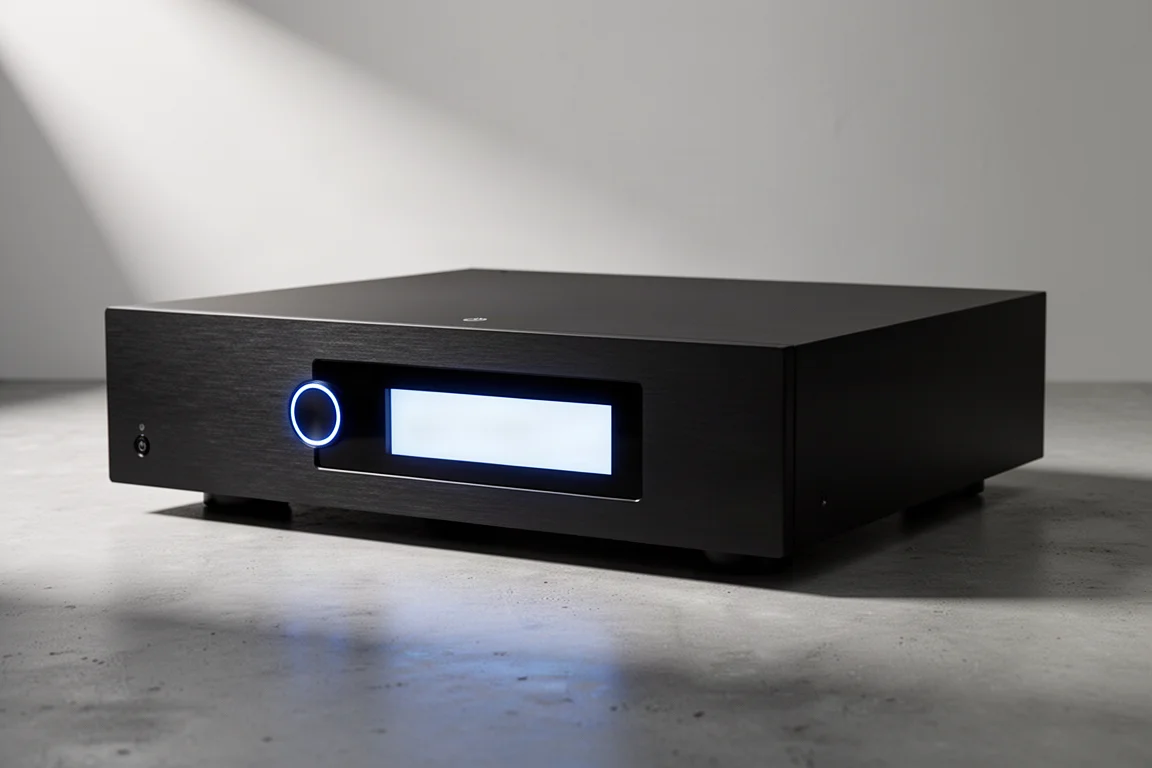
Anthem AVM 90 Review: A 15.4-Channel Flagship Preamp Processor
A close look at Anthem's flagship preamp processor, covering its dual ESS DAC architecture, 15.4-channel layout, ARC Genesis calibration and four independent subwoofer outputs.
Home Theater
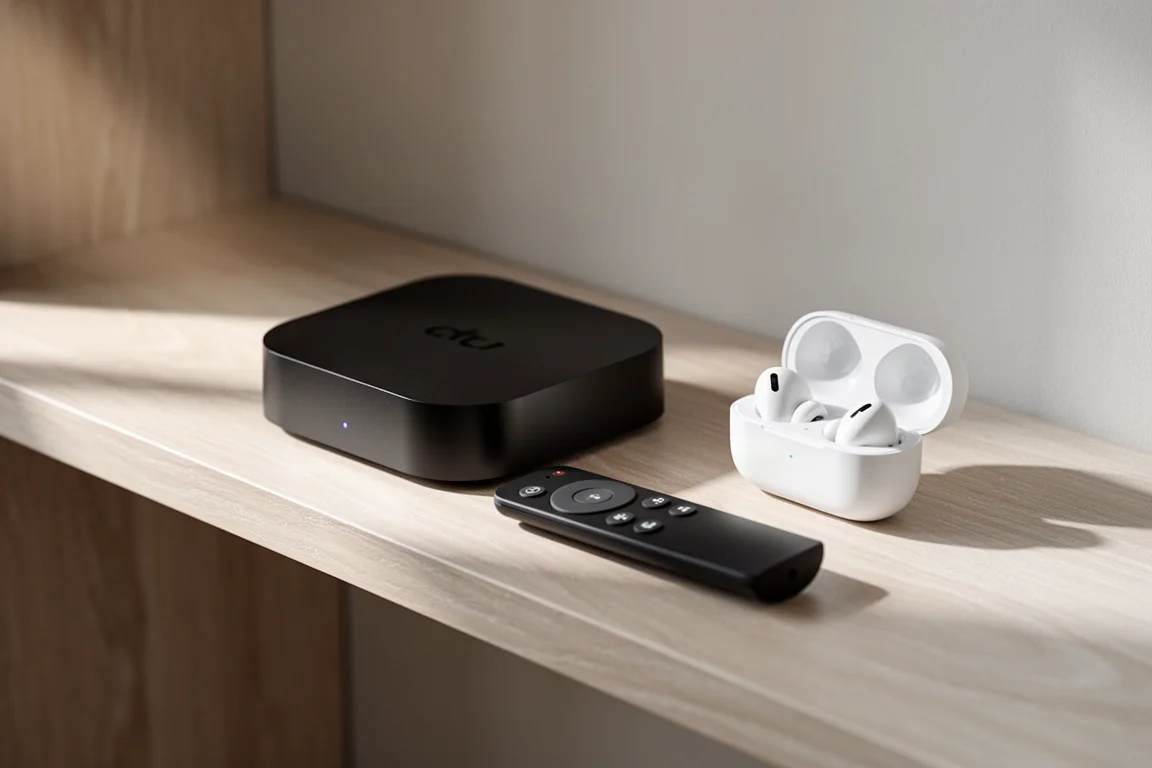
Apple TV 4K With AirPods: A Best-Value Home Theater Setup
An Apple TV 4K paired with AirPods over Bluetooth makes a compact home theater setup for movies, spatial music and late-night viewing, and it can be assembled for as little as $300.
Home Theater
Arcam AVR15, AVR25, AVR35, and AVP45 Compared: Which AV Amplifier Fits Your System?
Four new Arcam home theater components share nine-channel amplification and Dirac Live, but differ in power, processing ceiling, and channel flexibility.