Tents
Samaya Assault 2 Ultra Review: The Two-Person Alpine Tent Built for One Job
A close look at the Samaya Assault 2 Ultra, a two-person freestanding dome shelter built for high alpine mountaineering, and a clear read on who should pay for it.
Introduction
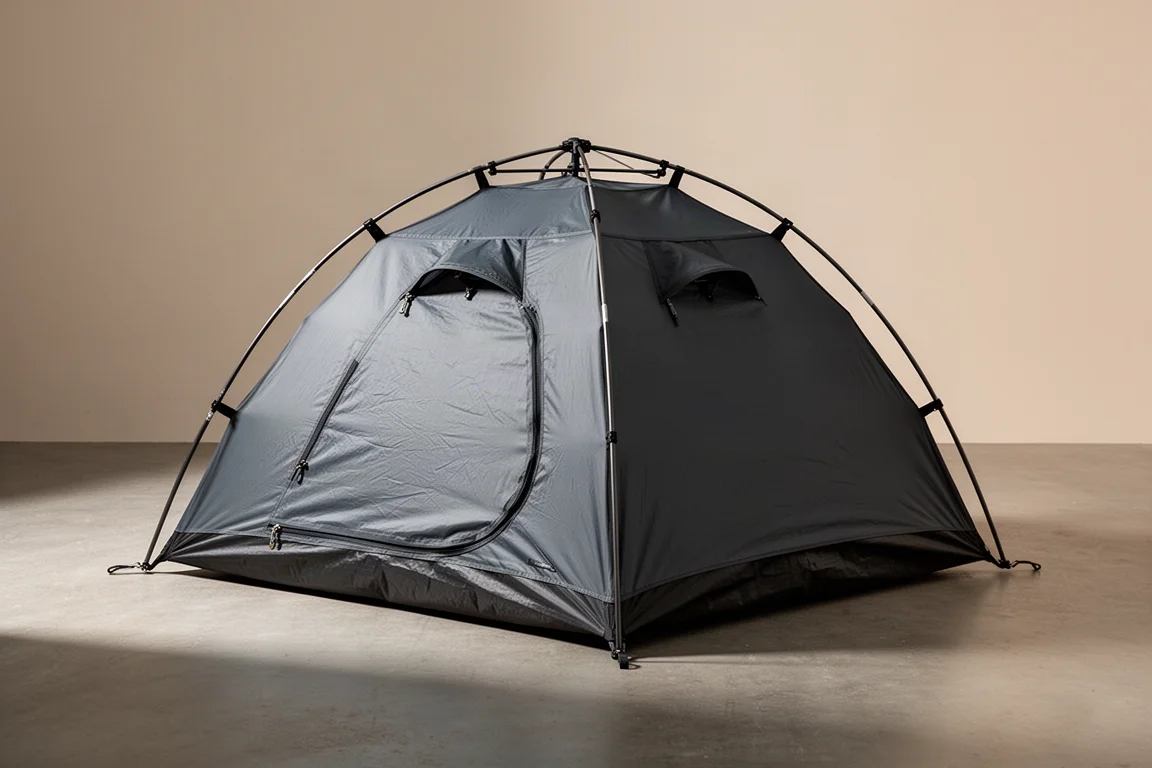
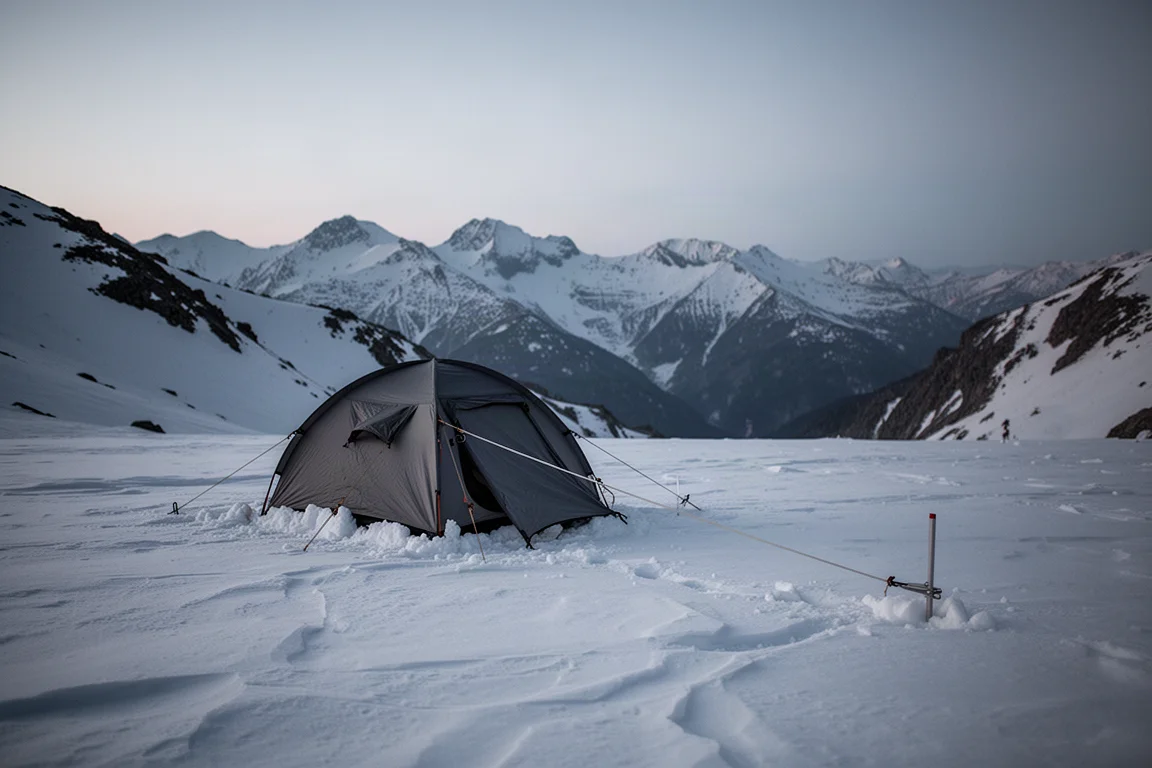
The Samaya Assault 2 Ultra is a two-person freestanding dome tent that sells for roughly $1,800 to $2,000 depending on where you buy it. At a glance there is nothing dramatic about it: a simple dome, one door, two poles. The reason it costs what it does is not something you can see from across a campsite.
This is a shelter built around a single scenario. High elevation, heavy snow, strong wind, and a climber who needs to get through a bad night on a mountain. Everything about the design follows from that, including the features it deliberately leaves out.
The sections below cover what the tent actually is, who it makes sense for, and where it falls short if your plans look anything like ordinary backpacking.
Who the Samaya Assault 2 Ultra Is For
This tent is positioned for high alpine mountaineering, and the specification backs that up. It is not aimed at everyday backpackers, bike packers, or general camping. With no mesh and no vestibule, it simply is not built to be pleasant in those settings.
The features are there to make the shelter safe rather than comfortable: a structure that stays standing under high wind and snow load, an attachment point for anchoring to a mountain, and a shell fabric that manages moisture at altitude.
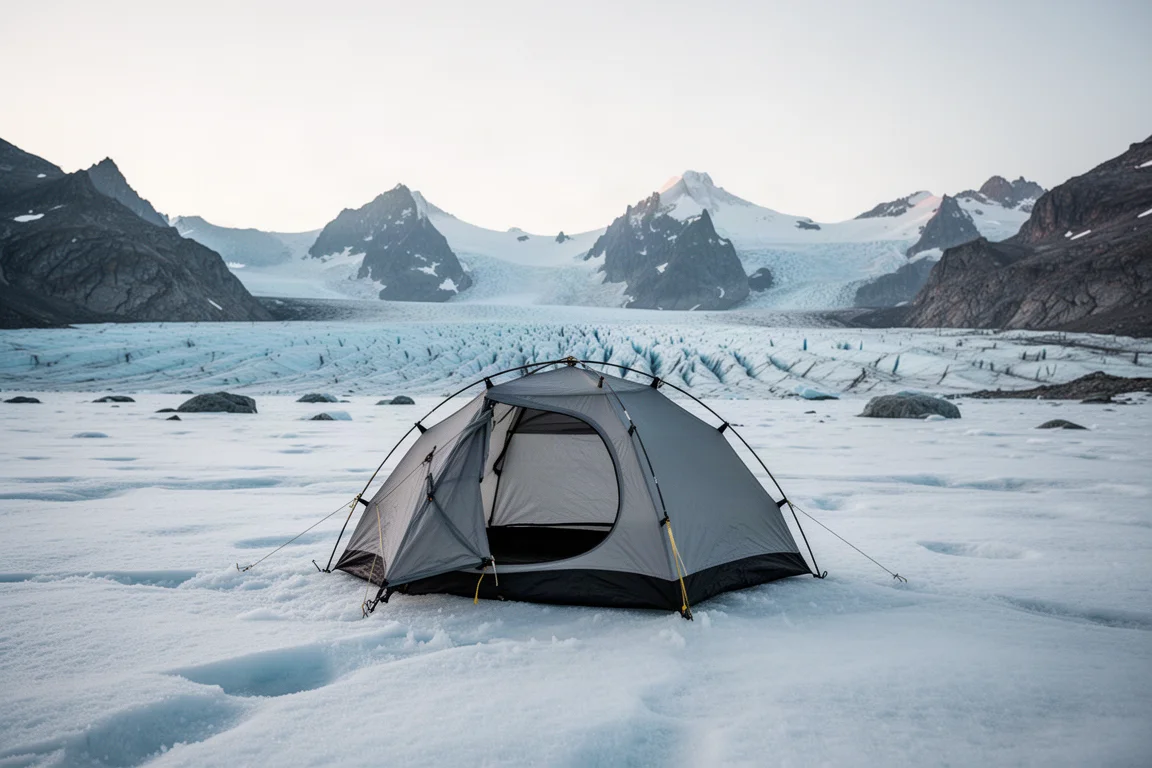
For anyone who splits the year between summer bikepacking, winter backpacking, and alpine routes, those missing features become real problems. There is nothing to cook under in the rain, no insect protection in summer, and no covered storage. For a climber who spends nights on glaciers and exposed ridges, the same omissions are deliberate trade-offs.
If you want one tent that does everything reasonably well, this is the wrong shape of product. If you want a shelter specifically engineered for storms above the treeline, it starts to make sense.
Main Strengths
The case for this tent rests on three things: the structure, the fabric, and the details that only matter in a mountaineering context.
Storm-Ready Structure and Freestanding Design
Two Easton carbon poles create the dome, with a smaller carbon cross pole supporting the peak. Because the tent is freestanding, it does not depend on tension and staking the way a trekking pole shelter does. That is a significant advantage on snow and at high elevation, where anchors are difficult and ground conditions change.
The dome geometry with cross poles is what gives the shelter its strength against high winds and heavy snow. It is a simple shape, executed in a way that prioritizes staying upright over saving the last gram.
Breathable Dyneema Membrane
The walls use a two-layer Dyneema laminated ePTFE membrane fabric, and the structure itself is made from Dyneema composite material. That membrane is designed to breathe, letting moisture vapour pass from the inside while blocking weather on the outside, in the same way a waterproof breathable jacket works.
That is a large part of why the tent carries fewer vents than you might expect. Across two nights of use there was no condensation, with the peak vents left slightly open. A shell that manages internal moisture matters most in cold, humid, high-altitude conditions, where condensation can soak a sleeping bag by morning.
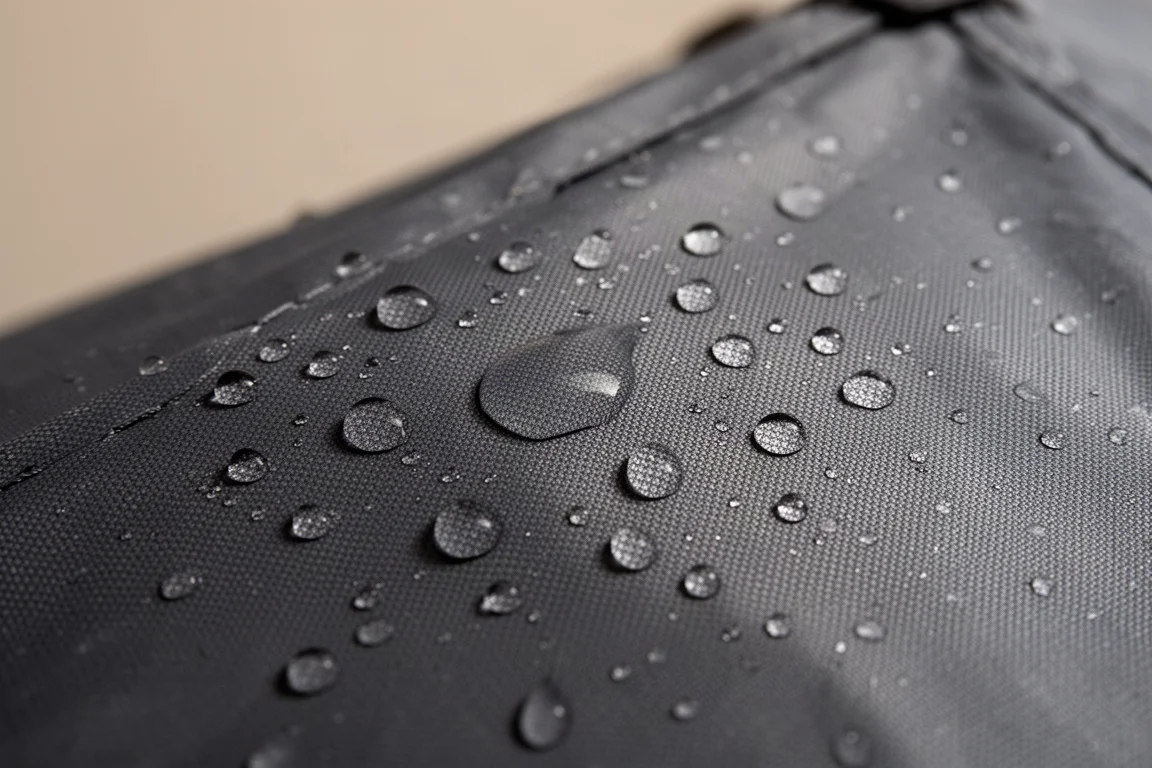
The absence of mesh is part of the same design logic. Every opening is a solid layer, which keeps spindrift and driven snow out and keeps the interior as controlled as possible when the weather is at its worst.
Storage, Vents, and the Harness Line
Inside, two large mesh pockets run the full length of the walls, one on each side, offering far more gear storage than most tents of this size. A small mesh gear loft near the top is useful for drying socks and small items overnight.
At the peak, two large zippered vents sit either side of a single Dyneema runner line. That line is the tent’s most distinctive feature. It can be anchored to the mountain and used to clip a climbing harness, so that in a severe storm neither the shelter nor the person inside is at risk of being blown off the slope.
The floor is a standard DCF bathtub, the same style of material found on lightweight Dyneema shelters, and the tent is made in France.
Things to Consider Before Buying
Interior Space and Two-Person Reality
Headroom is about average for a small freestanding dome. At six foot one, sleeping straight is not realistic and a diagonal position is necessary. Two occupants fit, but the space is tight, and it is best understood as somewhere to lie down and recover rather than somewhere to spend a long evening.
Weight is worth checking carefully. The tent is described as a two-pound class shelter, though it weighed in at around 2.6 lb on a home scale. That is still light for a freestanding design with this level of weather protection, but it is a useful reminder to verify the numbers for the exact configuration you plan to carry.
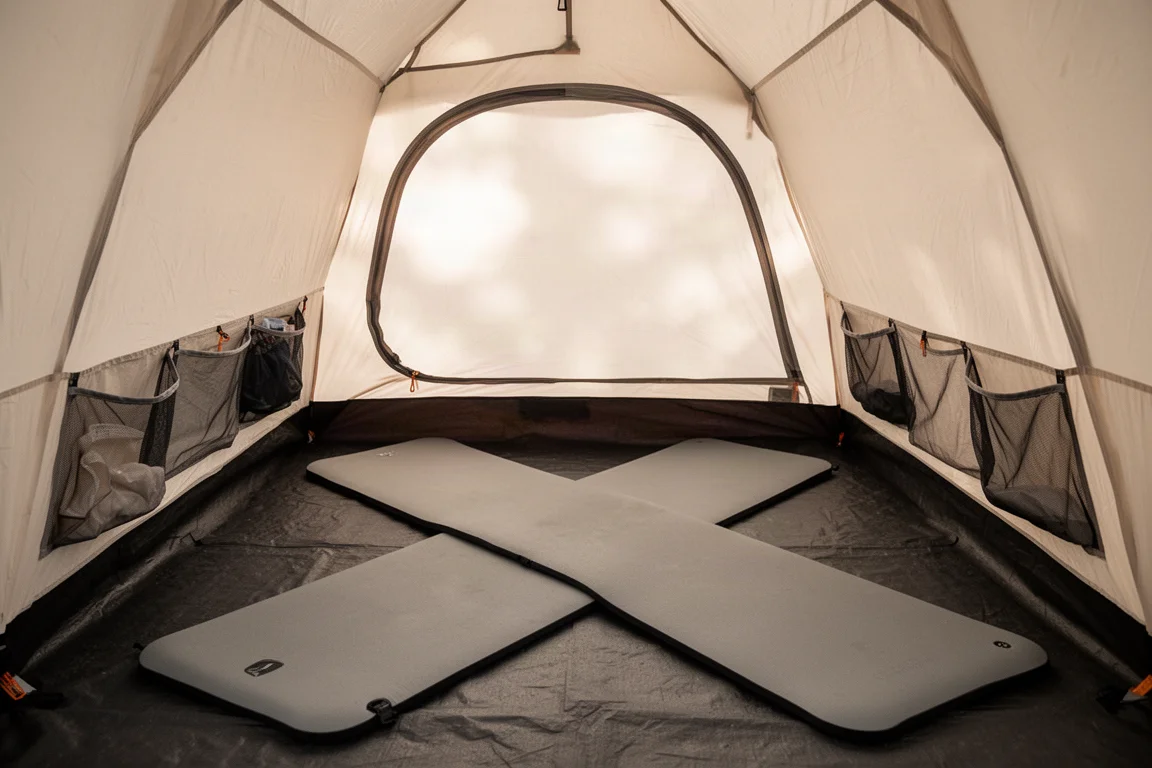
In practice, the interior works as a storm shelter for two climbers who need to sleep and then get moving again. It is not a livable two-person tent for comfortable multi-day base camp use.
No Vestibule, No Mesh
There is no vestibule, and that is intentional. At high elevation, wind can get underneath a vestibule and turn the tent into a sail, so removing it eliminates a failure mode. The cost is that in rain there is nowhere to cook, store a pack, or shelter while sorting gear, and the single front door is all you have.
There is also no mesh anywhere: not on the door, not on the vents. That means no insect protection and no way to open the shelter for airflow while keeping bugs out. The tent compensates with its breathable membrane and large peak vents, but those are tuned for cold, windy environments rather than warm, buggy ones.
Buying Advice
Whether roughly $2,000 is reasonable depends entirely on whether you need what the money buys: the Dyneema runner line for harness attachment, the dome and cross pole structure that handles wind and snow, the breathable laminated membrane that keeps condensation down at altitude, and the confidence of a shelter designed for storms above the treeline. If those are your requirements, the price is easier to justify.
If they are not, there are more versatile ways to spend the same money. A freestanding tent with a vestibule and mesh will serve backpacking, bikepacking, and general winter camping far better, and it will cost considerably less. Pricing on this tent also varies, landing between roughly $1,800 and $2,000 depending on where it is purchased, so it is worth checking availability before committing.
The clearest way to decide is to list the trips you actually take. If that list is dominated by high alpine objectives in snow and wind, this shelter addresses them directly. If it includes summer camping and bikepacking, the missing features will frustrate you long before the price does.
Conclusion
The Samaya Assault 2 Ultra is a specialist tool. It is expensive, it is tight inside, and it lacks the everyday conveniences most people expect from a tent. It also does one specific job extremely well: it provides a strong, freestanding, breathable shelter for high alpine mountaineering, with a harness attachment point that very few other tents offer.
Buy it if your plans are built around snow, altitude, and exposure. Skip it if you want one tent that covers backpacking, bikepacking, and winter camping. That is the whole decision, and the price tag only makes sense on one side of it.
Product link
View more details for Samaya Assault 2 Ultra
This product is mentioned in the review. Check the specifications, options, and compatibility before buying.
View more details for Samaya Assault 2 UltraFurther reading
Related Reviews
Tents
Black Dog Instant Setup 5 to 8 Person Tent Review: Fast Pitch, Serious Weather Problems
A quick-pitching Black Dog tent that goes up in seconds, but wet-weather testing revealed seam leaks, an overstated capacity claim, and awkward doors.
Tents
Lightfighter Dragoon Review: An Eight-Person Four-Season Military Shelter
The Lightfighter Dragoon is a 57-pound, eight-person expedition tent built for extreme weather. Here is what its materials, size, and setup demands mean for real buyers.
Tents
Lone Rider Motorcycle Tent Review: A Big Shelter That Stays Dry
A double-wall motorcycle tent with two large awnings, two entry points, and enough interior height to stand up, plus the pack size trade-off to weigh first.