Backpacking Tents
Durston X-Dome Pro 1 Plus vs X-Dome 1 Plus: Which Version Makes Sense?
A practical side-by-side look at the Durston X-Dome Pro 1 Plus and the standard X-Dome 1 Plus, covering weight, Dyneema trade-offs, interior space, and who each tent suits.
Introduction
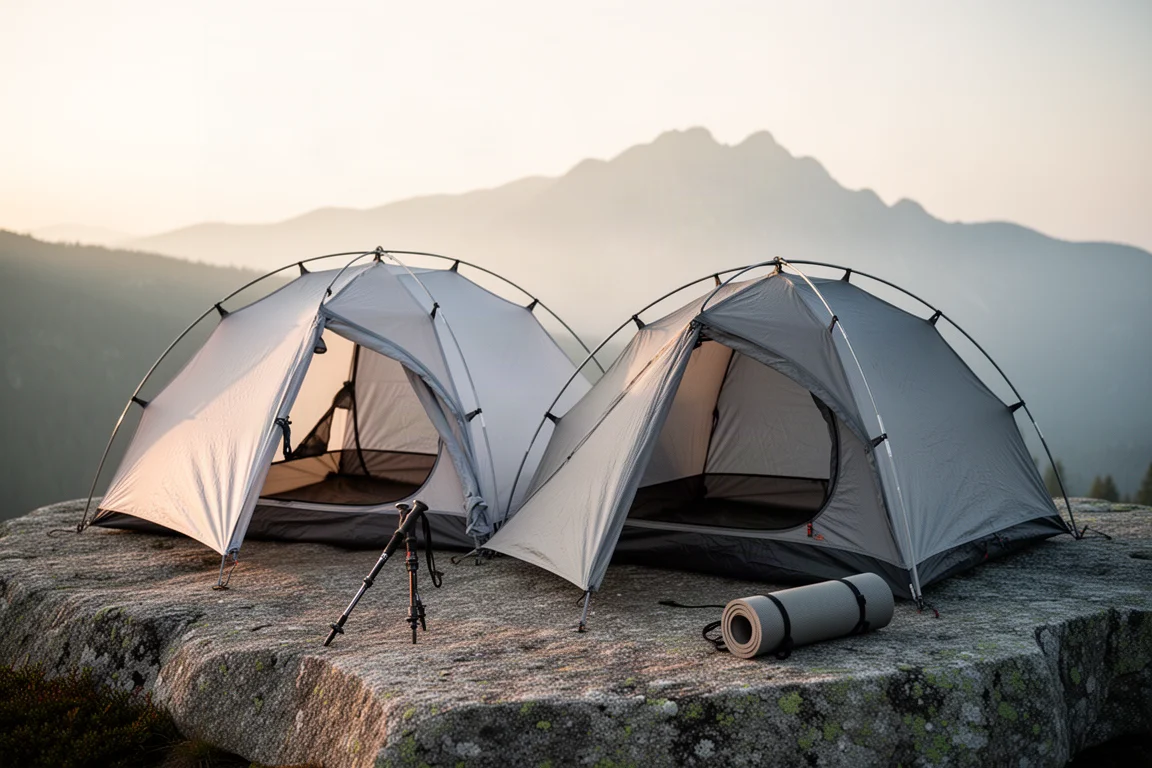
Two tents share a name, a silhouette, and a floor plan, yet they are built around different priorities. The Durston X-Dome Pro 1 Plus and the standard Durston X-Dome 1 Plus both use a double-wall, freestanding architecture with an external pole frame and an asymmetrical interior. The difference comes down to fabric: the Pro uses Dyneema for the fly and the floor, which trims roughly 200 g from the build and changes how the tent behaves in rain, wind, and cold.
That fabric difference matters more than the name suggests. Dyneema brings real advantages in wet weather and equally real compromises in winter and in packability. This comparison covers what the two tents share, where they diverge, and which one fits the way you actually camp.
Shared Design: What Both Tents Get Right
Both tents are double-wall designs with a mesh inner and a separate fly, which sets them apart from the single-wall shelters many lightweight backpackers expect at this weight. The mesh inner keeps condensation away from the sleeping area while the fly handles weather on the outside. The most recent version also adds a solid wall section across the door, a change aimed at improving wind protection over earlier builds.
The structure is freestanding. The external pole set means the tent stands on its own without stakes, which is useful on rock, sand, or tent platforms where staking is difficult or impossible. The four corners are the minimum for a secure pitch, and beyond that the tent offers a total of 19 stakeout points: two guy-out points at each corner, points at each end, and points along the broader sides. Additional attachment points at the peaks and at the hubs let you add more tension when conditions demand it, and trekking poles can be fitted to the broad sides for extra stability.
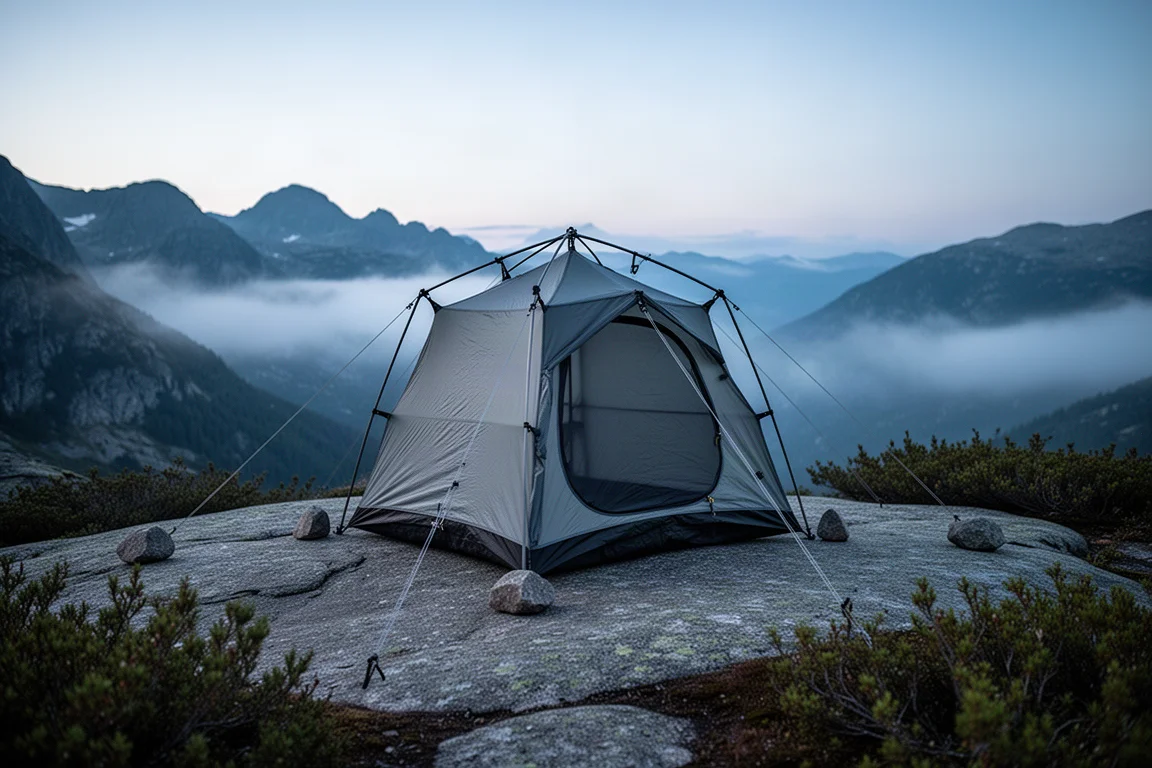
Two pitching options come with the design. You can pitch the fly and poles first and clip the inner in afterwards, which keeps the sleeping area dry in rain. Or you can leave the inner at home entirely and use the fly on its own as a much lighter shelter. Clips are also included for an inner-first pitch, so the system is genuinely modular rather than locked into a single method.
Both tents share the same asymmetrical floor plan, with a wider end and a narrower end. The short end measures 85 inches across, and rotating a sleeping pad to use the longer edge gives 90 inches of length, enough for a long pad. The narrower foot end runs close to 30 inches wide, which accommodates a long, wide pad. Taller campers should take note of the overall length: above roughly 6 feet 2 inches, with a long wide pad and a bulky sleep system, there is a real chance of pressing against the mesh inner or the fly.
Durston X-Dome Pro 1 Plus: Dyneema Fly and Floor
The Pro version moves the fly and the floor to Dyneema. The result is a double-wall freestanding tent in the 700 g range, roughly 200 g lighter than the standard version. For a shelter this roomy, that is a notable figure.
Dyneema behaves differently from silpoly and nylon in wet conditions. Rain sits on the surface rather than soaking in, so a cloth wipe in the morning removes most of the water before the tent is packed. The same applies to condensation on the inside: wipe it down, wring out the cloth, and the tent packs away close to dry. Across a long, wet trip that means less water weight carried and less damp gear in the pack.
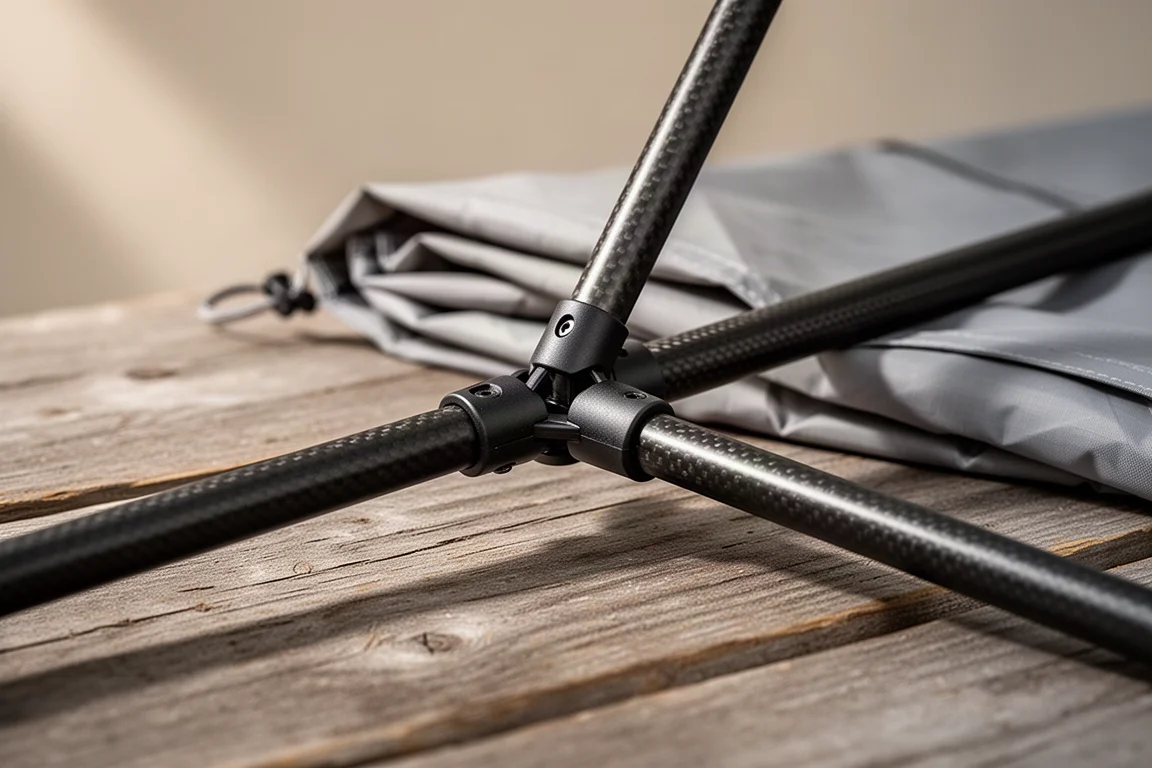
The fabric also holds its shape well. Once the pitch is dialed in, panels stay where they are put, and the material is strong for its weight. The Pro model also uses carbon fiber connectors in the pole structure in place of aluminium ferrules, a change that should make the poles both lighter and more resistant to the loosening that can develop over time. The inner uses a lighter YKK number 3 mesh zipper, which saves a little weight without affecting durability.
Durston X-Dome 1 Plus: The Versatile Baseline
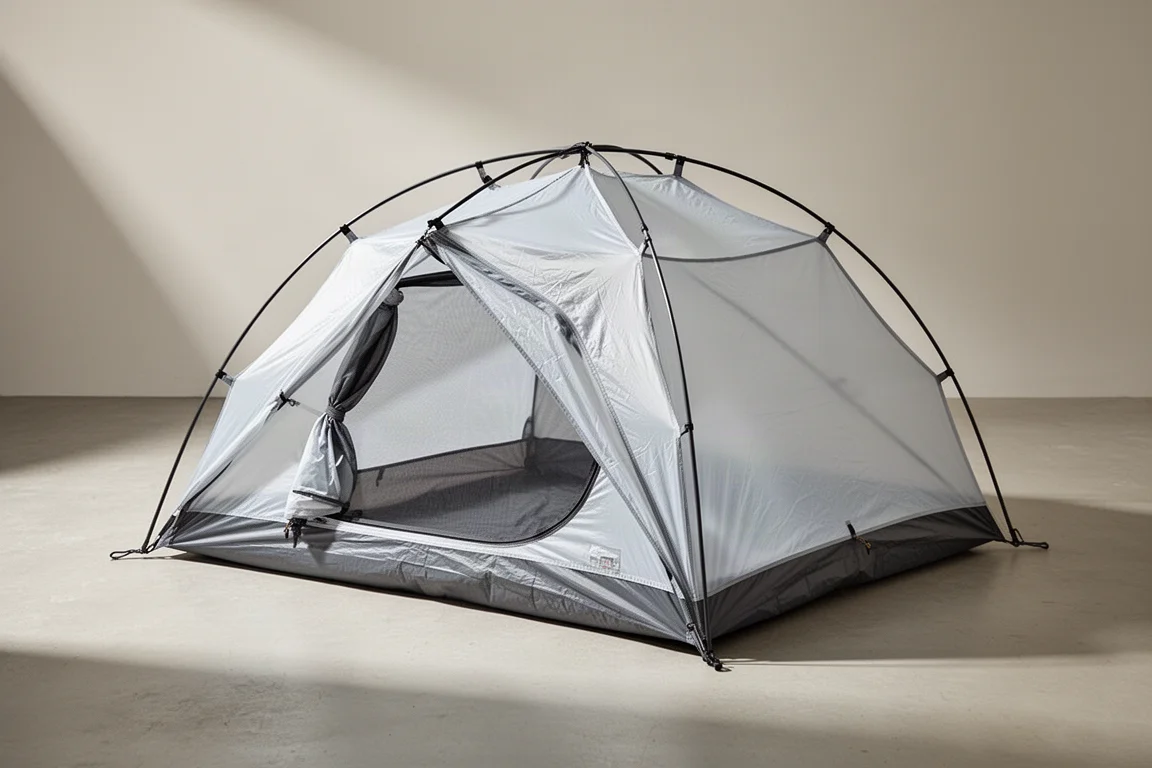
The standard X-Dome 1 Plus keeps the same architecture and floor plan with silpoly fabric for the fly. It is heavier than the Pro, but it is also more forgiving to pitch, quieter in wind and rain, and far easier to pack away. It can be stuffed into a sack rather than folded and rolled.
Those traits matter most in cold conditions. Dyneema stiffens in freezing temperatures, becomes difficult to roll, and can end up taking two or three times the packed volume it would in milder weather. For winter camping, the standard fabric version is the more practical choice, and for many backpackers it will cover the same trips without the trade-offs that come with Dyneema.
The standard version is also the more affordable route into this design, which makes it the sensible starting point if you are new to the layout and unsure how much you value the fabric upgrade.
Dyneema in the Field: Real Benefits and Trade-Offs
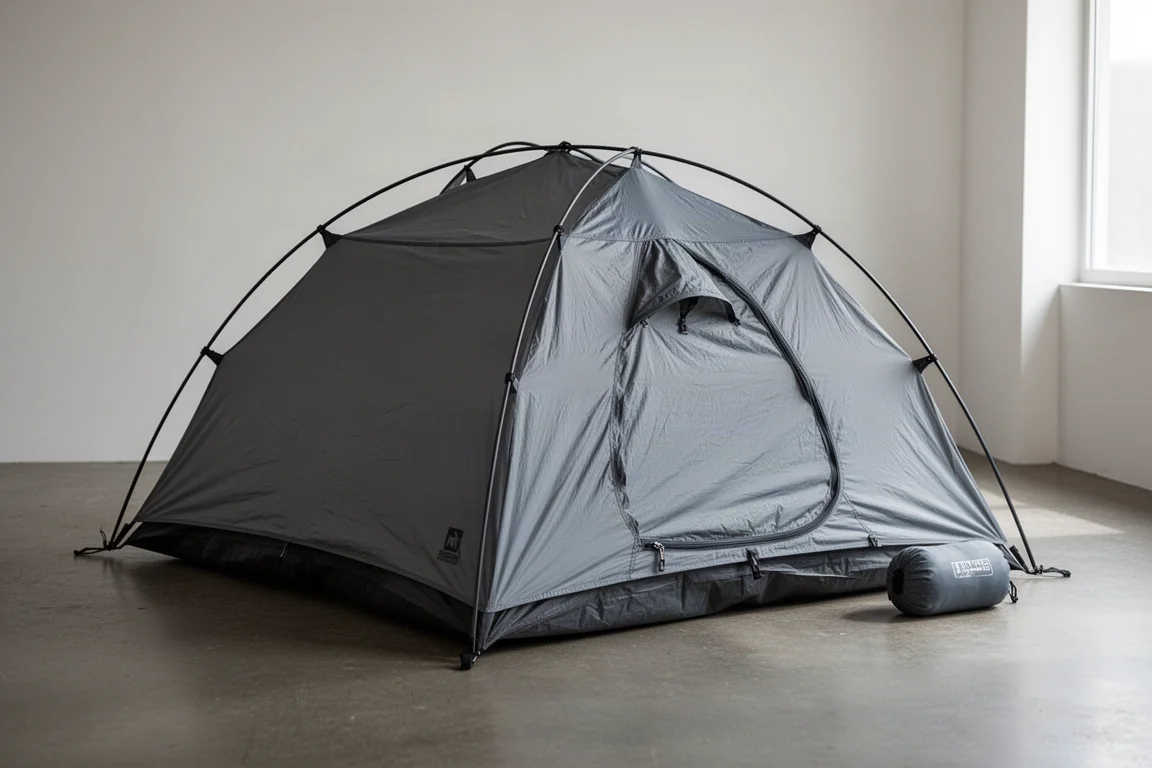
The case for Dyneema rests on weather. In sustained rain, the ability to wipe the fly dry and avoid carrying absorbed water is a genuine advantage, and it is the main reason the Pro version suits long, wet routes. Weight savings compound over a long trail as well, where 200 g matters far more than it does on a weekend.
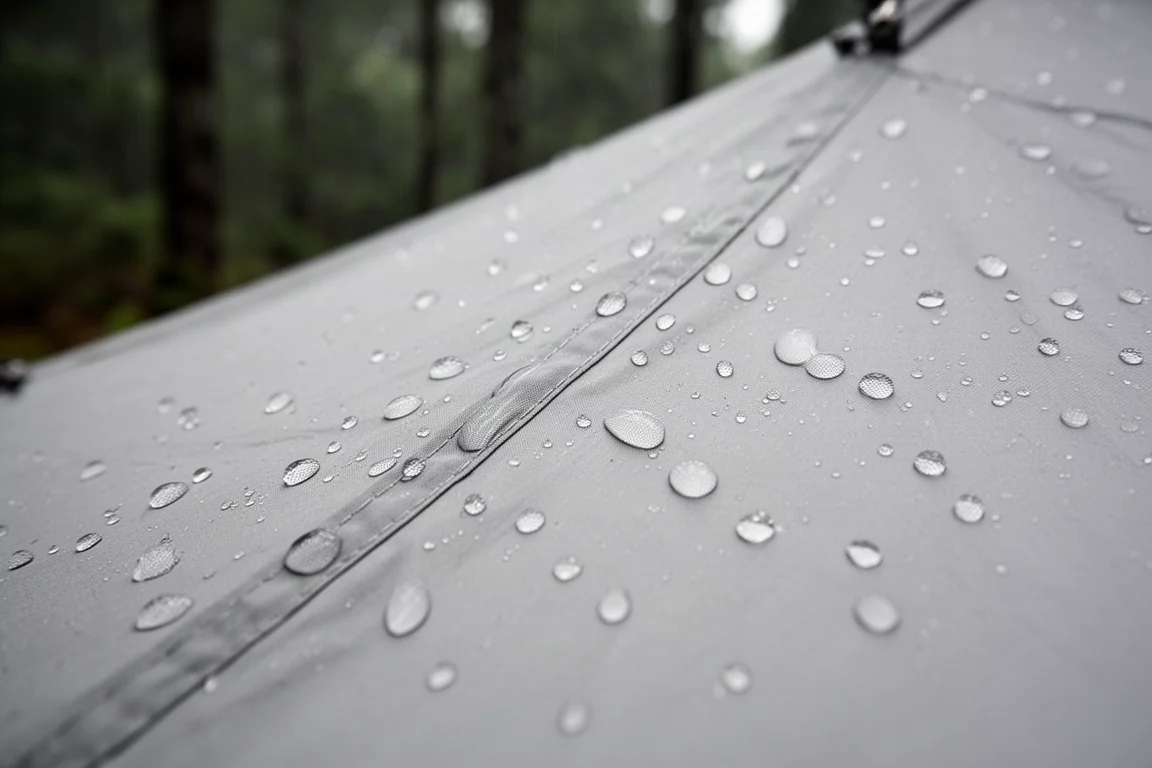
The trade-offs are equally concrete. Dyneema has no stretch, so pitching is less forgiving than silpoly or nylon, although the difference is small in practice and the tent can be pitched cleanly on a first attempt. Panels flap loudly in wind when the pitch is not perfect, and rain drumming on the fly is noticeably louder than on a silpoly fly. Packing requires folding and rolling rather than stuffing, which adds time to the morning routine, and cold weather makes that process considerably harder.
Floor durability is another consideration. Dyneema does not handle abrasion as well as nylon, so a Dyneema floor deserves reasonable care, though experience with similar floors has been trouble-free. Taken together, these points describe a tent that rewards a tidy, deliberate camping style.
Interior Space, Doors and Ventilation
Both versions share a generous interior. Two pockets are fitted: a large one at the head end along the top, and a smaller one at a side corner. There is enough floor space beside a sleeping pad to keep gear within reach.
The double-wide door is one of the more practical features. Both sides of the front roll back for a wide opening, useful for views and for moving gear in and out. The inner mirrors the design with a central zipper, so either side can be opened independently. In bad weather, a small flap can be opened on its own while the larger panel stays closed, which keeps protection high while you get in and out.
The vestibule is large enough to hold a full camping chair without collapsing it overnight, which is unusual for a tent in this weight class. Interior height is generous too, making entry and exit easier, changing clothes inside more practical, and helping condensation disperse through the larger internal volume. Any cross breeze inside the tent makes that condensation easier to manage.
Poles, Pitching and Modularity
The external pole structure is the backbone of both tents. Because the poles sit outside the inner, the fly can be pitched first in rain and the inner added afterwards, keeping the sleeping area dry. Without the inner, the fly alone makes a much lighter shelter for fast trips.
Parts are interchangeable between the two versions. A Dyneema fly can be paired with the standard inner, and pole sections from the standard version work with the Pro. For anyone who already owns the standard tent, that opens the option of adding a Dyneema fly as a separate component later rather than buying a complete second tent.
Stability has been tested hard. Wind-tunnel testing has taken the design to roughly 100 km/h, and the standard version has performed well in very strong winds. With the guy-out points deployed and trekking poles added to the broad sides, the tent holds its shape in exposed conditions.
Who Each Tent Suits
The Pro version makes the most sense for two kinds of buyers. The first is the backpacker spending many nights out in poor weather, whether on a long thru-hike or a wet-season route. Dyneema’s rain handling, the ability to wipe the tent dry, and the weight savings all pay off across a long trip. The second is the gear-focused buyer who values the fabric, the lower weight, and the feature set, and is comfortable paying for them.
For most other backpackers, the standard X-Dome 1 Plus is likely the better all-round choice. It is more versatile across seasons, easier to live with day to day, and less expensive. A Pro label does not automatically make a tent better; here the two versions trade advantages rather than one simply outperforming the other.
Buying Advice
Match the tent to the trips you actually take. If your calendar is full of wet, exposed, multi-day routes, the Pro’s Dyneema fly and floor earn their place. If you camp across seasons, want the simplest possible pack-up, or want to spend less, the standard version covers the same ground with fewer compromises.
One practical note: Dyneema supply constraints have limited how many Pro tents reach the market, so timing may matter if that is the version you want. And because parts are interchangeable, a mixed setup is a legitimate route, pairing a standard inner and poles with a Dyneema fly for wet-weather trips. Buying the two tents as a system rather than choosing one outright is a reasonable strategy for anyone who camps in a wide range of conditions.
Conclusion
Both tents are built on a strong, roomy, freestanding platform with a well-thought-out floor plan, a large vestibule, and plenty of ways to secure it in wind. The Pro version adds Dyneema and sheds about 200 g in exchange for a higher price, more demanding packing, more noise, and weaker cold-weather manners. The standard version gives up some weight savings and wet-weather convenience in return for versatility and easier handling. Choose based on the weather you expect to camp in, not on the name on the label.
Further reading
Related Reviews
Backpacking Tents
3F UL Lanchan Pro 1 Review: A 1 lb 8 oz Single-Wall Trekking Pole Tent
A practical look at the 3F UL Lanchan Pro 1, a single-wall trekking pole shelter with a 1 lb 8 oz weight, 20D silnylon fabrics, and a roomy 90 x 31 x 49 inch interior.
Backpacking Tents
3F UL Taiji 2-Person Tent: A Convertible Backpacking Shelter Worth a Closer Look
A practical look at the 3F UL Taiji two-person tent, covering its materials, true two-person interior, fly-first pitching, and the seasonal inner swap that lets one shelter cover more of the year.
Backpacking Tents
3FUL Lanshan Twoerson Pro Review: A Light Trekking Pole Shelter That Struggled in Rain
A two-person trekking pole shelter with a 2026 redesign, pitched with sticks and put through a night of steady rain. Here is what worked, what did not, and what to check before buying.