Camping Tents
Big Agnes Tiger Wall vs MSR Freelite: Two Freestanding Tents Compared
A practical comparison of two lightweight freestanding two-person tents, covering setup, weather performance, interior space, and which one suits which camper.
Introduction
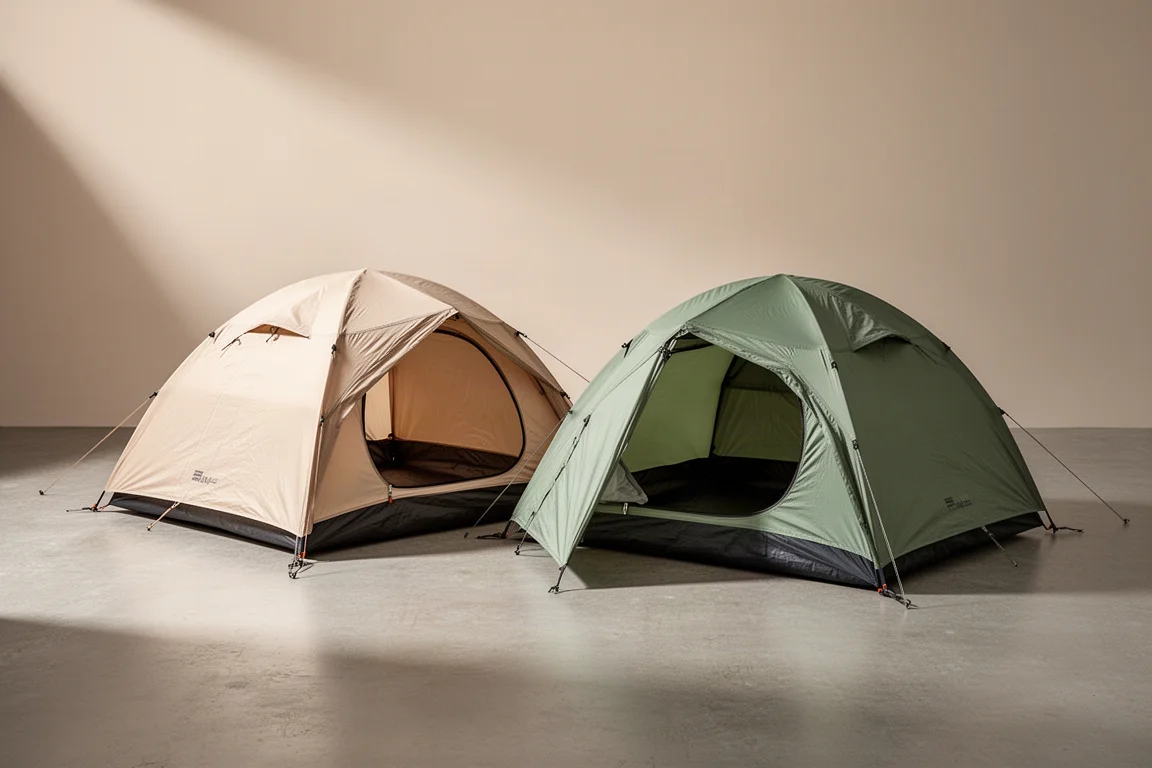
Freestanding tents appeal to campers who want a light pack without committing to a trekking pole shelter. The Big Agnes Tiger Wall has become one of the most widely used freestanding options on the market, while the MSR Freelite is a newer arrival in the same category. Comparing them directly is useful because the headline numbers look almost interchangeable, yet the details push each tent toward a different kind of camper.
On price and weight, the two are close to a wash. Both sit around four hundred US dollars. The MSR Freelite weighs 910 grams, while the Big Agnes Tiger Wall weighs 992 grams. Durability is similarly matched: both use 15 denier rip stop nylon, both rely on DAC aluminum poles, and both carry a lifetime warranty against manufacturing defects. Both are clearly built with an eye for longevity, right down to details like the zippers.
The similarities run deep enough that passers-by have asked whether these are the same tent in different colors. They are not. The differences show up in features, ease of use, weather behavior, and interior comfort.
Setup and Ease of Use
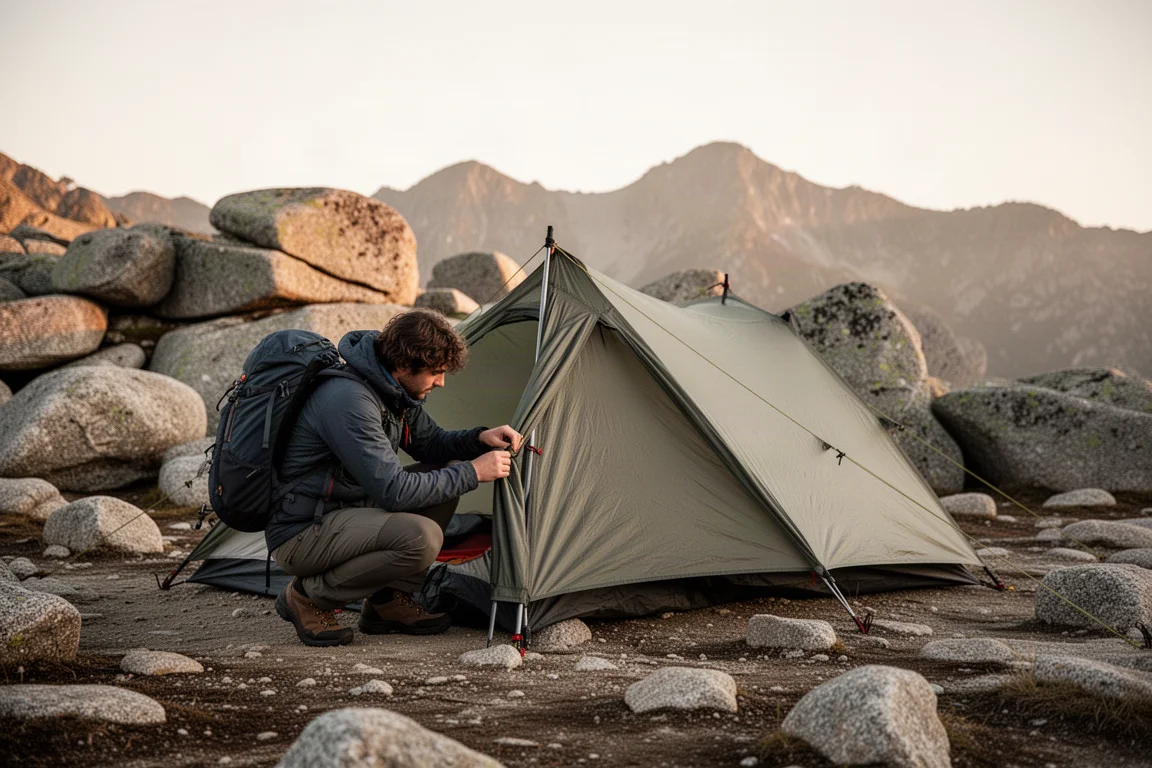
Both tents pitch easily and in nearly the same sequence: the inner goes up first, then the fly goes over the top. Anyone who has pitched a tent before will have no trouble with either one.
There are a couple of small divergences. The MSR Freelite uses a separate brow pole from the main pole structure, while the Tiger Wall connects its brow pole into a single hubbed system. The bigger practical difference is how the fly attaches. The Tiger Wall uses a buckle system that is very quick to use. The Freelite uses grommets that must be fitted onto the pole, which means reaching underneath the structure to pull the pole up and seat the grommet. It is more fiddly, particularly on sand or muddy ground.
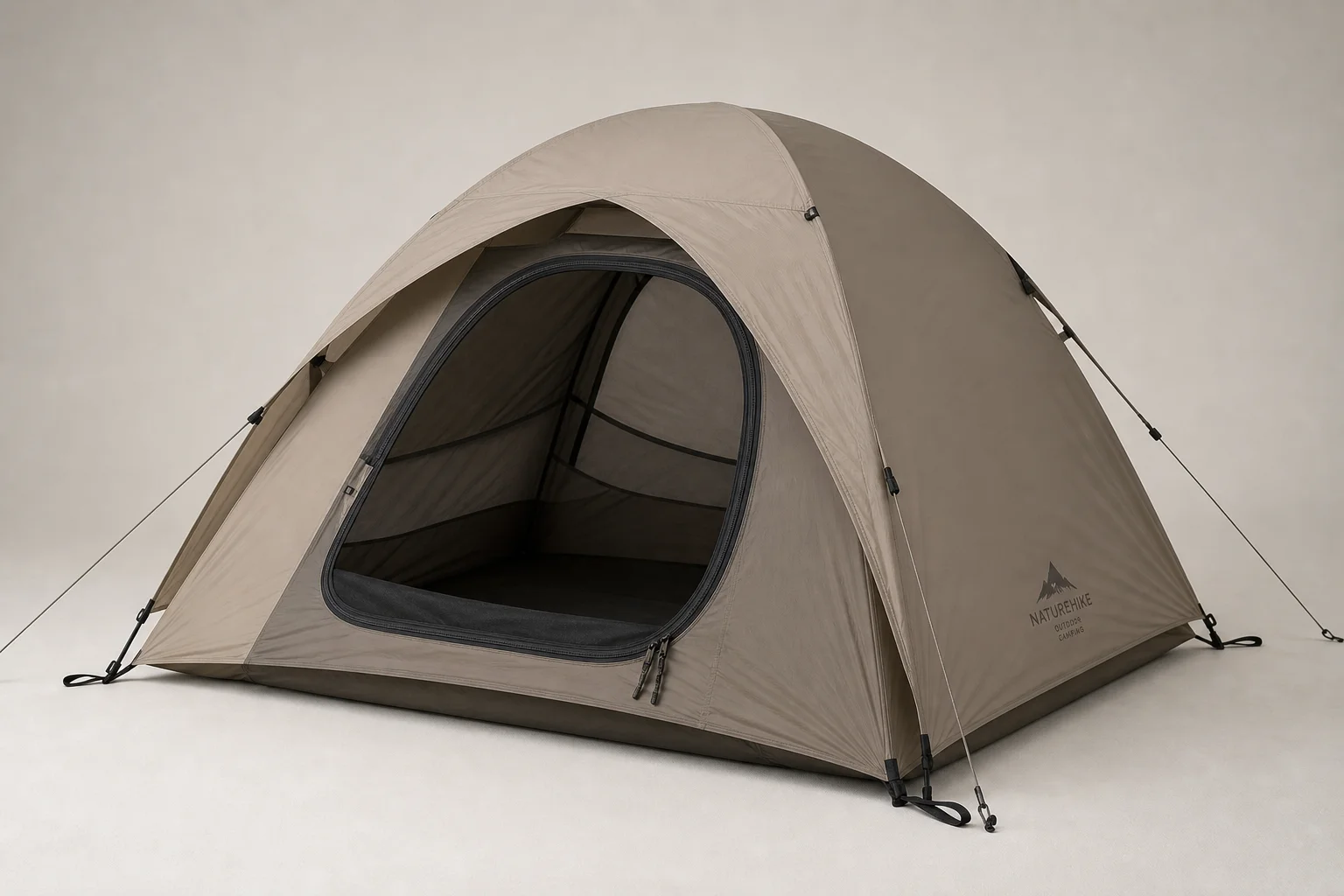
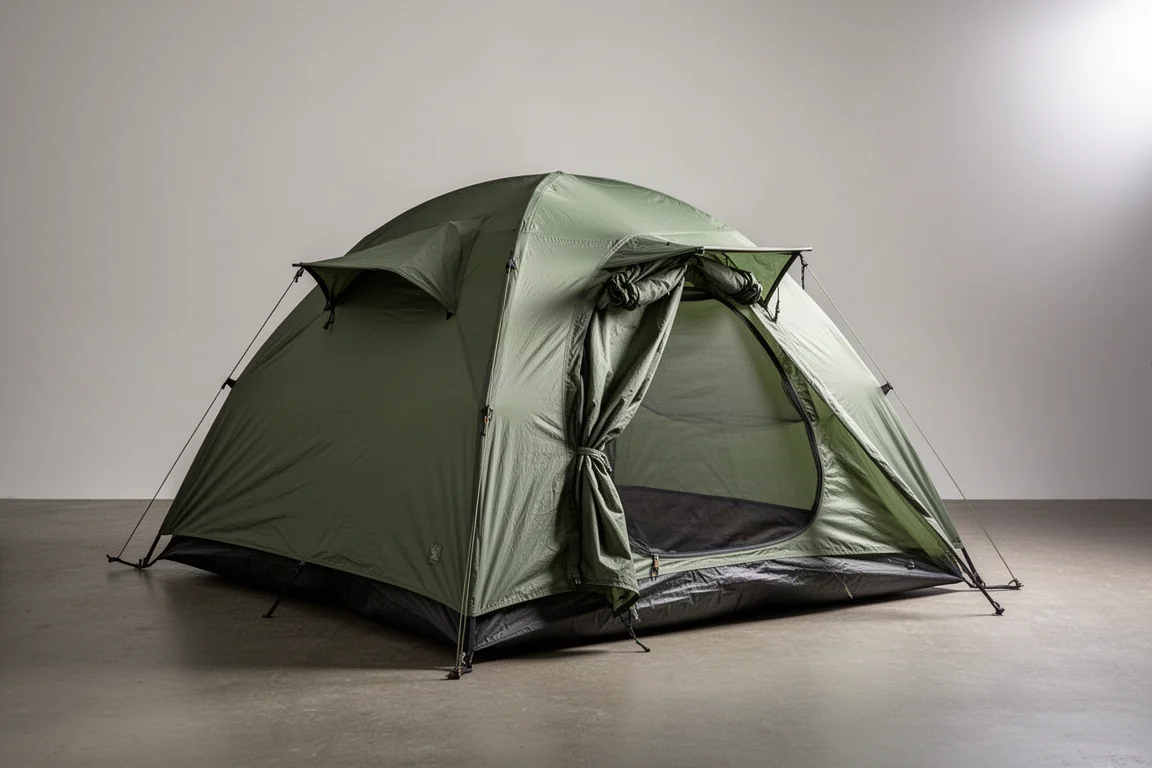
Both tents are two-person designs with two doors and two vestibules, one on each side, so nobody has to climb over a partner to get in or out. The Tiger Wall adds a flexibility the Freelite does not offer: you can roll back half of a door or both halves, opening the entire side of the tent. On the Freelite you can only roll back half the door, so part of the vestibule always stays down and attached to the ground.
Storage is generous on both. Each has a pocket on either side at the head end, giving each sleeper their own space, plus a communal pocket at the top on the roof. The Tiger Wall also adds a large pocket at the foot end, which is handy for bulky items like sweaters or jackets, or for hanging damp gear to dry.
Weather Protection and Ventilation
Both are double wall tents: a mesh inner pitches first, then the fly goes over the top. Neither can be pitched fly first, which is a drawback in rain, since the inner goes up while rain falls into it before the fly is added. The Tiger Wall can be pitched fly first if you buy its footprint, an extra one hundred dollars. MSR now uses universal footprints across its tents, so fly first setup is not an option for the Freelite even with a footprint.
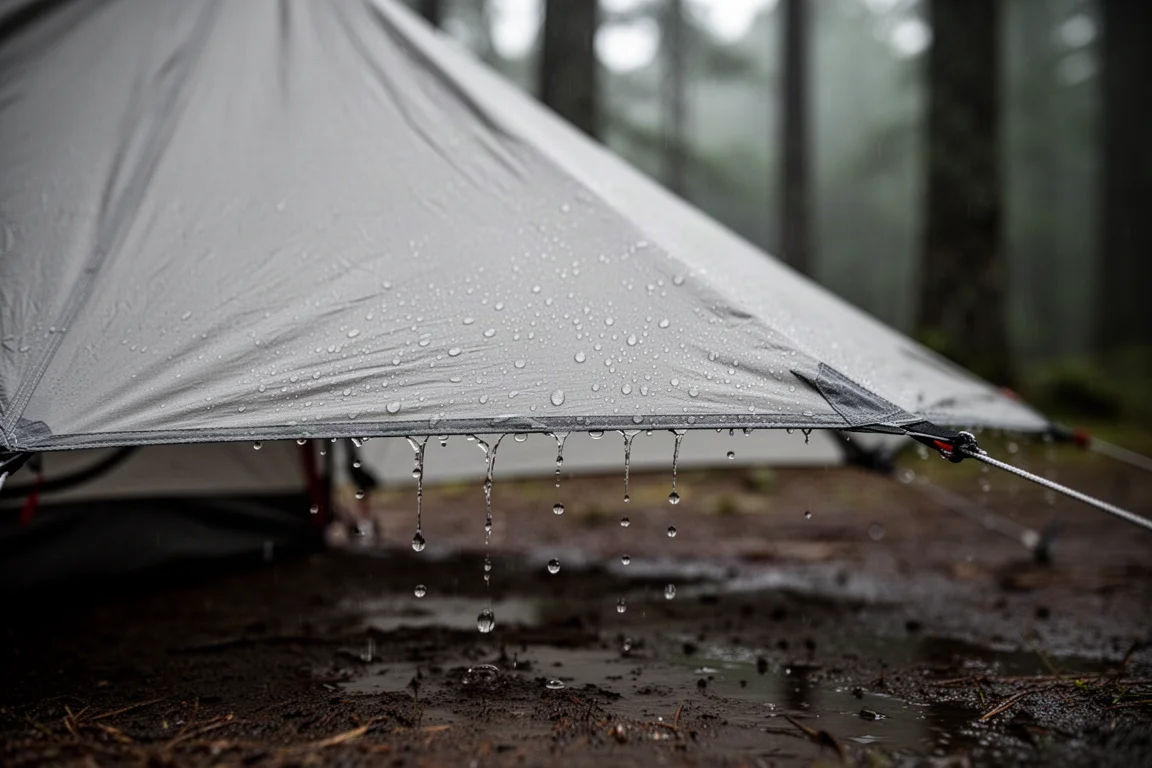
On floors, a footprint is arguably unnecessary for either tent. The floor durability is strong, and water has never come up through the floor even in very wet conditions and on snowy ground. Pitching both tents in puddles still did not let water through the bottom.
Neither tent has dedicated vents. That limits airflow unless you open the doors, though both have double zippers so you can zip down the top of the door to create ventilation. Dedicated vents would have been welcome but would have added weight. Without vents or open doors for circulation, condensation will build up. Double wall construction does not prevent condensation, but the inner mesh creates a barrier between you and the moisture on the inside of the fly, which is the real benefit.
Both flies use nylon with a 1,200 millimeter hydrostatic head. That is not a high figure for a tent fly, but it is enough to keep you dry, and neither tent has leaked through in heavy rain. Nylon does absorb moisture and stretch when wet, so in rain or very humid conditions the fly material will sag. That contrasts with materials such as silpoly or Dyneema, which do not stretch or sag when wet. Because nylon absorbs so much moisture, the flies also need time to dry out after rain.
Freestanding tents are not known for wind performance, but both have held up in significant wind. One of these tents was clocked in winds up to 30 kilometers per hour and held up well without even using the guy out points. Both offer a decent number of guy out points if you need to lock things down: three at the head end and one at the rear, with the Freelite adding two more at the top of the doors.
Door Design and Rain Behavior
The doors look similar at a glance but behave very differently in rain. The Tiger Wall uses a traditional opening, with a zipper running from the middle of the fly up to the top to open each side. The Freelite runs its door zipper from the head end corner up to the middle, a design that makes it much easier to open and close from inside the tent. Closing the Tiger Wall zipper from deep inside is awkward, and it is rarely possible to get it fully closed from within.
That Freelite advantage comes with a trade-off. When the fly is wet, opening the door sends water from the door into the tent, a result of both the door geometry and the short brow pole. With the door open in rain, water also comes straight down onto the interior. The Tiger Wall’s wider brow pole gives more overlap between the fly and the inner tent, so less water reaches the inside.
A detail many people notice immediately is the large cutout at the head end of the Freelite, which the Tiger Wall does not have, since its fly runs almost to the ground. Despite speculation about how this would affect weather performance, it has not affected performance in practice. In conditions where condensation formed on the inside of the fly, none formed inside that cutout, and rain hitting the cutout did not leak to the interior.
Interior Space and Comfort
Vestibule space is close: the Freelite offers 15 square feet across its two vestibules, the Tiger Wall 16 square feet. Both fit a pack and shoes without trouble. The Freelite’s shorter brow pole creates a steeper door wall angle, which makes taller packs harder to place, often forcing them outward to lean against the wall. The Tiger Wall handled taller packs more easily.
Both tents are 39 inches tall, which sets the headroom. Again, the Freelite’s short brow pole means headroom drops as you move toward the sides, so you lean toward the middle for maximum clearance, and two people sitting up at once feels tight. The Tiger Wall’s longer brow pole lets you sit up at the edge of the tent without difficulty.
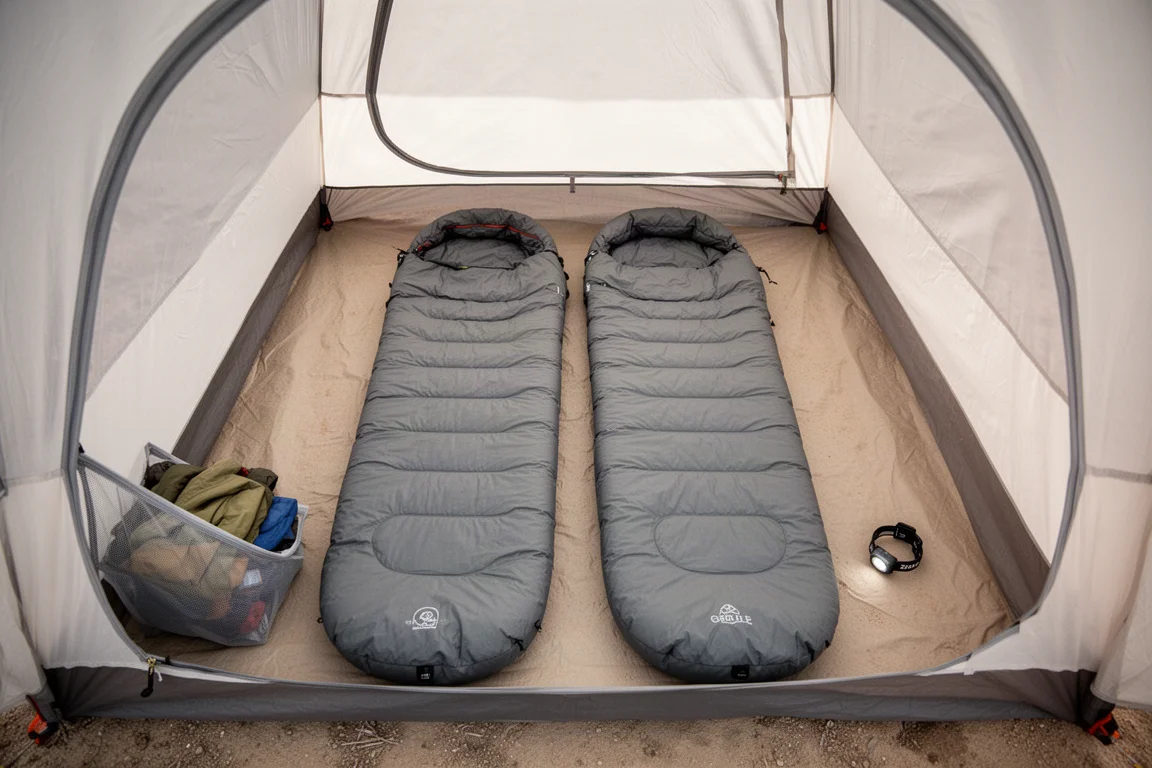
Floor shape is the biggest structural difference. The Freelite has a perfectly rectangular floor, 50 inches at the head end and 50 inches at the foot end. The Tiger Wall uses an asymmetrical floor, 52 inches at the head and 42 inches at the foot. This changes which sleeping pads work. The Freelite just barely fits two 25 inch wide rectangular sleeping pads. The Tiger Wall cannot fit two 25 inch rectangular pads at all, but it does fit two 25 inch wide mummy pads, and the extra width at the head end makes those mummy pads fit a little better than the rectangular pads do in the Freelite. If you are buying a tent and do not want to replace your sleeping pads, check how yours will fit in each.
Which Tent Should You Choose?
The Tiger Wall suits campers who want more usable interior volume, easier pack storage, the ability to sit up near the tent edge, and the option to open a full side of the tent. Its buckle attachment is faster to use, and its wider brow pole handles wet weather with less water reaching the interior. The trade-off is a zipper that is hard to close from inside, and the need for an optional footprint to pitch fly first.
The Freelite suits campers who value an easier door zipper from inside the tent, a lighter packed weight at 910 grams, and a rectangular floor that fits two 25 inch rectangular pads, even if only just. The trade-offs are a steeper door wall that complicates tall pack storage, less headroom toward the sides, water entering when a wet door opens, and no fly first option.
Conclusion
These tents are close enough on price, weight, and materials that the decision comes down to the details that affect daily use. The Tiger Wall favors interior comfort and weather management, while the Freelite favors lighter weight and a more convenient door zipper from inside. Match those traits to how you camp, and either tent will serve you well.
Further reading
Related Reviews
Camping Tents
3F UL Gear Taiji Two-Person Tent Review: Field Waterproofing Results and Buying Advice
The Taiji pairs an attached fly with a removable inner, but sustained rain exposed untaped vent seams that need sealing before this shelter can be trusted.
Camping Tents
3FUL Gear Lanshan 2 Pro 4-Season Review: A Sub-$200 Single-Wall Trekking Pole Tent
An early look at the 3FUL Gear Lanshan 2 Pro 4-Season, covering its straightforward pitch, generous interior space, and the condensation and seam-sealing questions that come with any single-wall shelter.
Camping Tents
Alps Mountaineering Lynx 1-Person Tent Review: Big Value in a Small Budget Tent
A close look at the Alps Mountaineering Lynx 1-Person Tent, covering real interior dimensions, materials, setup time, ventilation limits, and who should buy it.