Backpacking Tents
Durston Gear X-Mid Pro 2 Review: Ultralight Dyneema Shelter With Real Living Space
A close look at the Durston Gear X-Mid Pro 2, a single wall Dyneema trekking pole tent with a diagonal floor, a four-stake pitch, and roughly 20 ounces of packed weight.
Introduction
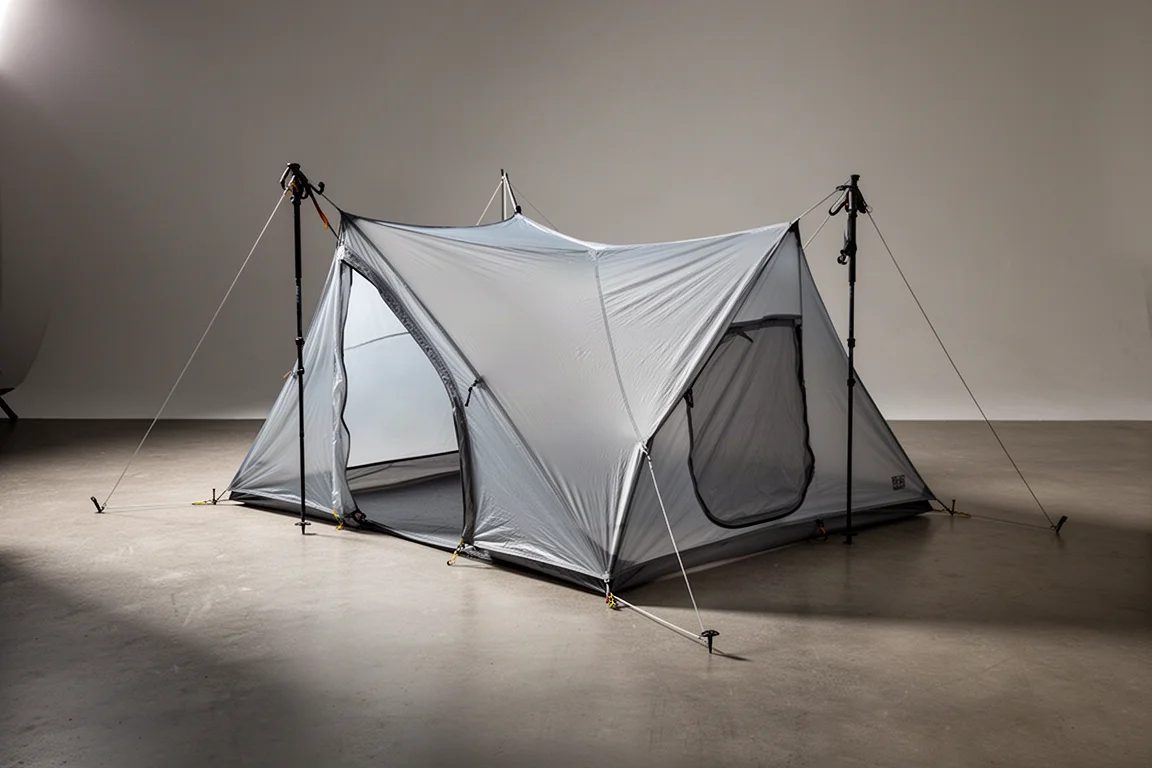
Ultralight shelters usually ask you to give something up. The Durston Gear X-Mid Pro 2 is a deliberate attempt to avoid that trade. It is a single wall trekking pole tent built from 0.55 ounce Dyneema Composite Fabric, and its most interesting idea is geometric: a rectangular floor set on a diagonal, so occupants sleep corner to corner rather than shoulder to shoulder in a narrow corridor.
The result is a shelter that stands up on four stakes, weighs around 20 ounces before you add poles, and still offers headroom and vestibule space that feel larger than the number on the scale suggests. This review covers the version that predates the 2023 update, including its specifications, its genuine strengths, and the handful of details worth weighing before you buy.
Who the X-Mid Pro 2 Is For
This tent suits backpackers who already carry trekking poles and want to keep their shelter close to a pound without surrendering interior room. The diagonal floor layout makes it especially appealing to solo hikers who want a genuinely spacious one-person setup, with the option of fitting a second person in for the occasional trip.

It also makes sense for long-distance hikers who pitch and strike camp often. Four stakes are enough to stand the tent, and the rectangular footprint gives a predictable pitch on uneven ground. It is a weaker fit for campers who want a freestanding shelter, and for two people who plan to share the tent on every trip and expect generous side-by-side sleeping room.
Main Strengths
Lightweight Dyneema Construction and Packed Size
Dyneema Composite Fabric at 0.55 ounces per square yard sits at the centre of the weight story. This version comes in at roughly 20 ounces without trekking poles, and the packed size stays small because the floor uses a 15 denier woven fabric rather than Dyneema. That floor choice also adds durability and keeps the folded bundle more compact than an all-Dyneema build would be.
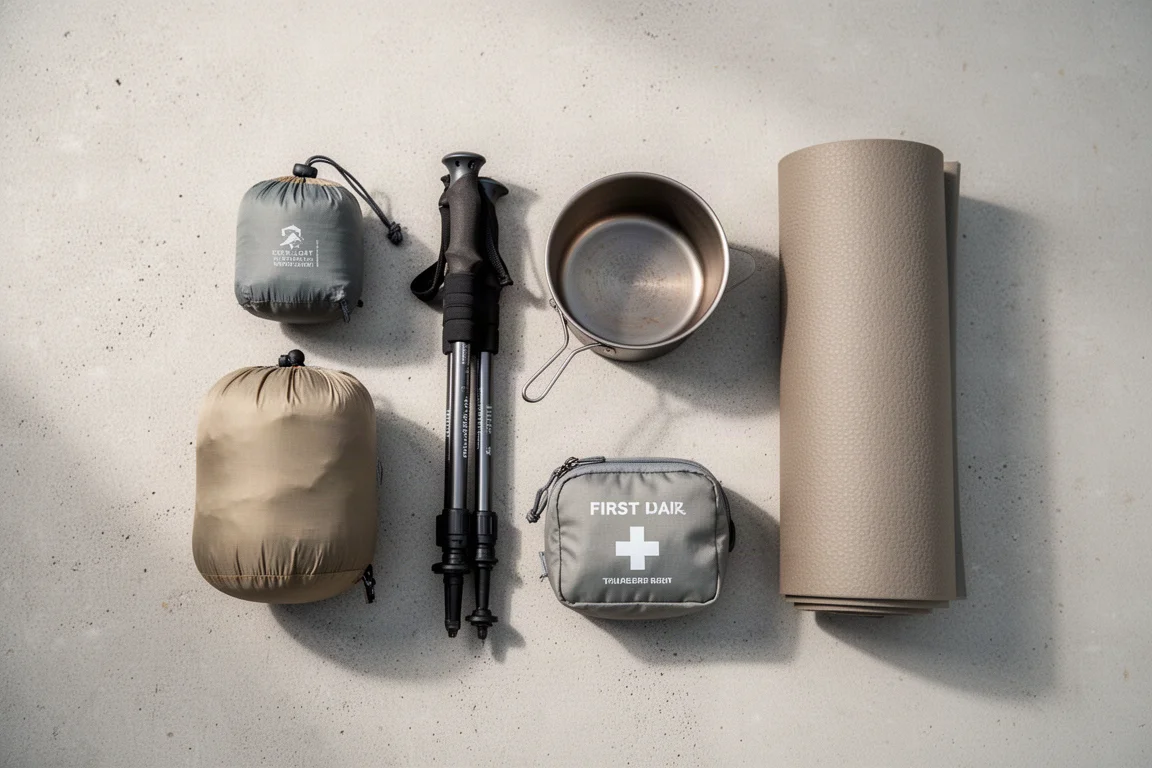
Seam count matters too. The twin pole design reduces the number of panels needed to create the interior volume, and the seams that remain are hot bonded rather than stitched, which cuts down on seam tape and bulk. Guy out points and corner reinforcements sit exactly where the structure needs them, and the zipper selection and zipper lengths are clearly chosen rather than borrowed.
Living Space and the Twin Offset Pole Design
The floor measures 90 by 48 inches inside a 100 by 80 inch footprint, with the sleeping position running diagonally across it. Two offset poles create the structure, and peak height reaches 46 inches at each door end. In practice this produces headroom and usable living space that feel out of proportion to the tent’s weight.
The vestibules are generous, with plenty of room for a backpack and gear kept clear of the doorway. The pole position also stays out of the entry path, so you are not ducking around a strut every time you go in or out. For a shelter this light, the interior feels unusually calm and uncluttered.
Ventilation, Doors, and Vestibules
Each door end has a peak vent, and the combination of two doors and two vestibules gives you real control over airflow and cross ventilation. Exterior zippers are number three YKK watertight units, while the interior mesh doors use standard number three zippers. Watertight zippers are a little stiff to work, and adding two extra stakes at the doors makes them noticeably easier to open and close.
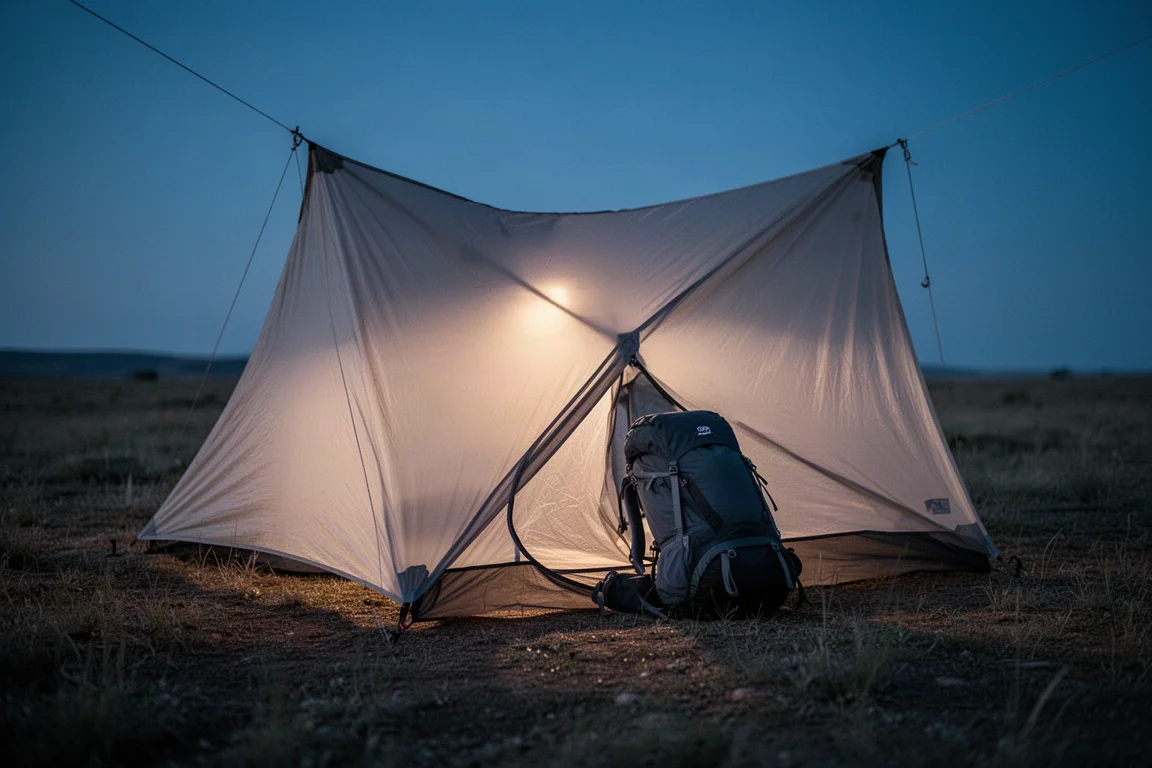
The door shape deserves credit. It opens in an L shape and stays off the ground when unzipped, so the noseeum mesh is not dragged through dirt, sand, or mud. That detail matters for longevity in abrasive environments, and it keeps grit out of the sleeping area.
Things to Consider Before Buying
Two 25 inch wide rectangular pads do fit inside the 48 inch floor, but the fit is tight and not ideal. Tapered pads reduce the overall footprint and work better in that configuration. If you regularly camp with a partner, a shelter with a genuinely larger two-person floor will be more comfortable.
The bathtub floor is properly tensioned, with small struts at the corners that hold it upright and keep it taut so you are not sliding around during the night. That said, the bathtub wall itself is fairly low. In sandy desert conditions, blowing sand works its way over the edge and through the mesh. A taller bathtub floor and a solid breathable fabric panel above it would help, though that would add weight and reflects a fairly specific set of needs.
There are also a few small omissions. This version has no interior mesh pockets, and there are no loops at the peaks for hanging a lantern or headlamp. Mesh pockets were added in a later version of the tent. The factory stakeout cordage is short, which makes dead man anchors and rock-topped stakes awkward to tension properly; longer cord with an adjustable hitch is a simple, worthwhile swap.
Buying Advice
The X-Mid Pro 2 sits at the premium end of the ultralight shelter market, and the price reflects both the Dyneema build and the design work behind the floor geometry. It is worth being honest about whether your trips actually match what this tent does well.
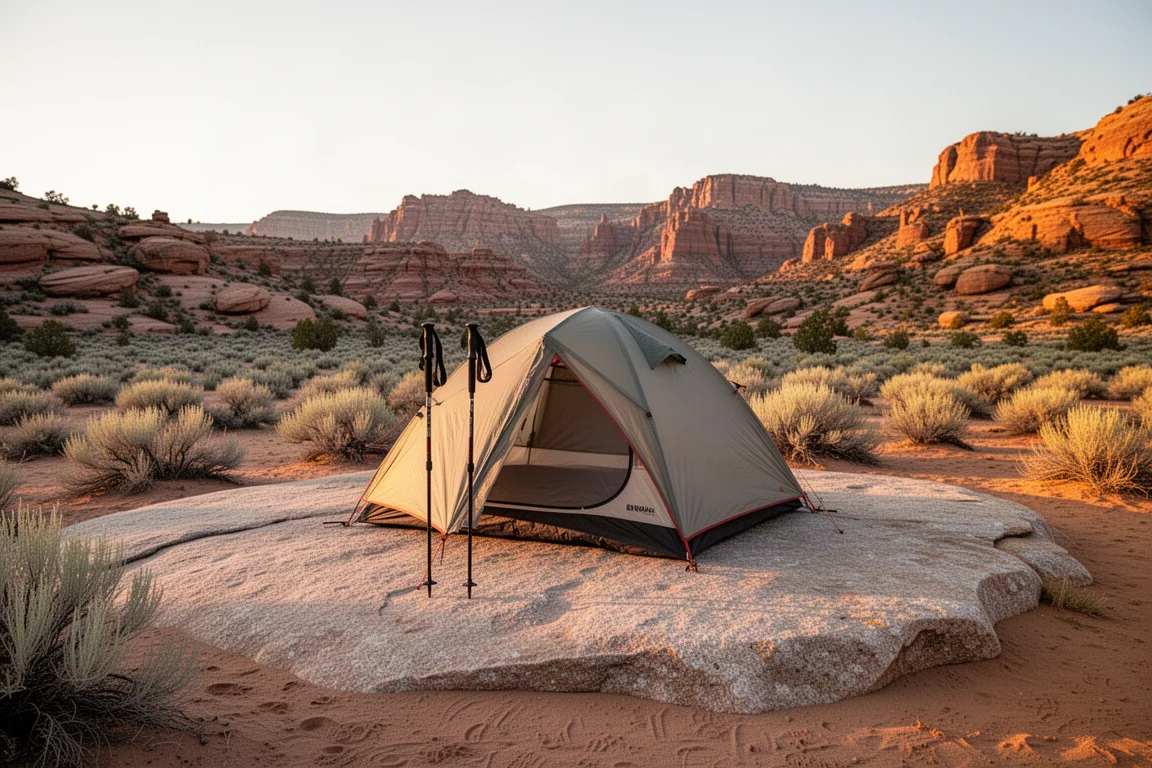
If you hike with trekking poles, count grams, and mostly camp solo or occasionally with a partner, this shelter delivers a great deal for its weight, and the four-stake pitch keeps the learning curve short. If you need a freestanding design, camp regularly on hard ground where stakes struggle to hold, or want a roomy true two-person layout, a different shelter will serve you better. For the right backpacker, this is a long-term piece of kit rather than a compromise.
Conclusion
The Durston Gear X-Mid Pro 2 earns its reputation through design rather than marketing. The twin offset pole structure, the diagonal floor, the hot bonded seams, and the thoughtful zipper and door choices all add up to a shelter that is light, quick to pitch, and genuinely pleasant to spend a night in.
It is not perfect. The floor is tight for two wide pads, the low bathtub edge lets sand in, and this version lacks peak hang loops and interior pockets. None of those change the core verdict. For backpackers who want a sub-pound-class trekking pole shelter with real living space, this is a strong and well-considered choice.
Product link
View more details for Durston Gear X-Mid Pro 2
This product is mentioned in the review. Check the specifications, options, and compatibility before buying.
View more details for Durston Gear X-Mid Pro 2Further reading
Related Reviews
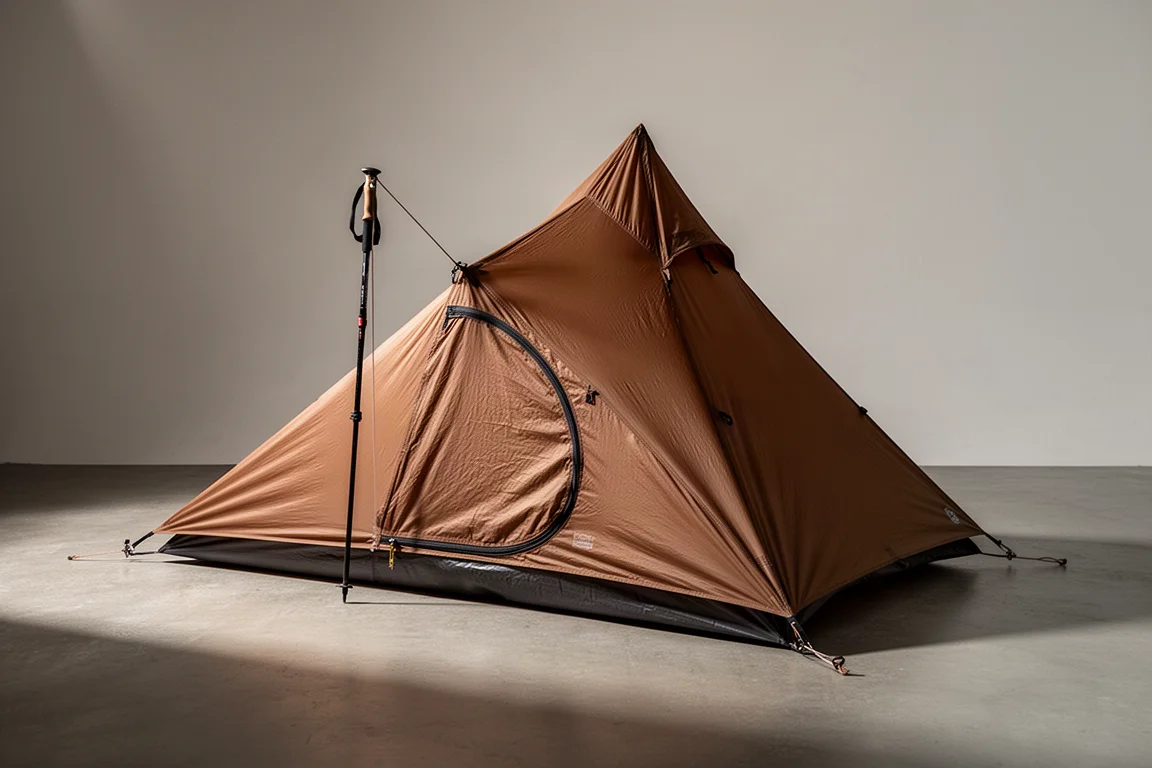
Backpacking Tents
3F UL Lanchan Pro 1 Review: A 1 lb 8 oz Single-Wall Trekking Pole Tent
A practical look at the 3F UL Lanchan Pro 1, a single-wall trekking pole shelter with a 1 lb 8 oz weight, 20D silnylon fabrics, and a roomy 90 x 31 x 49 inch interior.
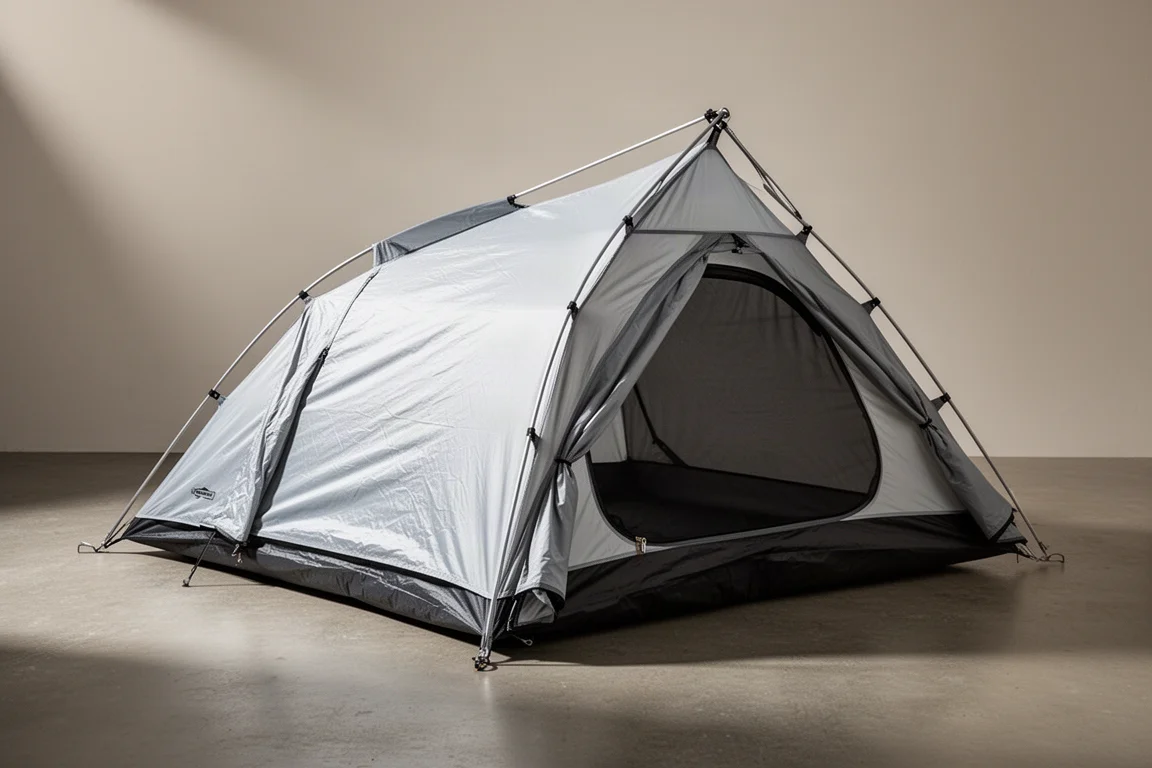
Backpacking Tents
3F UL Taiji 2-Person Tent: A Convertible Backpacking Shelter Worth a Closer Look
A practical look at the 3F UL Taiji two-person tent, covering its materials, true two-person interior, fly-first pitching, and the seasonal inner swap that lets one shelter cover more of the year.
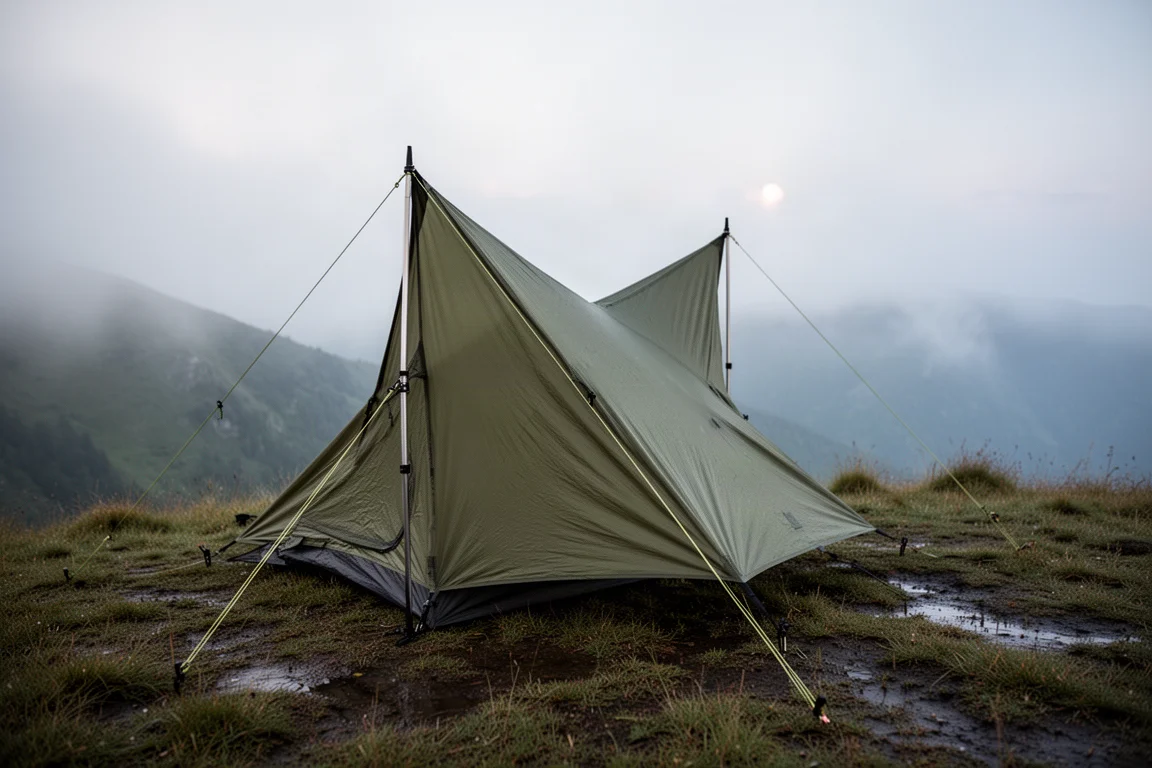
Backpacking Tents
3FUL Lanshan Twoerson Pro Review: A Light Trekking Pole Shelter That Struggled in Rain
A two-person trekking pole shelter with a 2026 redesign, pitched with sticks and put through a night of steady rain. Here is what worked, what did not, and what to check before buying.