Bike Comparison
Salsa Warbird vs Scott Spark: Gravel Bike or Mountain Bike?
A modern gravel bike and a full-suspension mountain bike tested on the same route: where each is fastest, where each feels best, and which one suits your riding.
Introduction
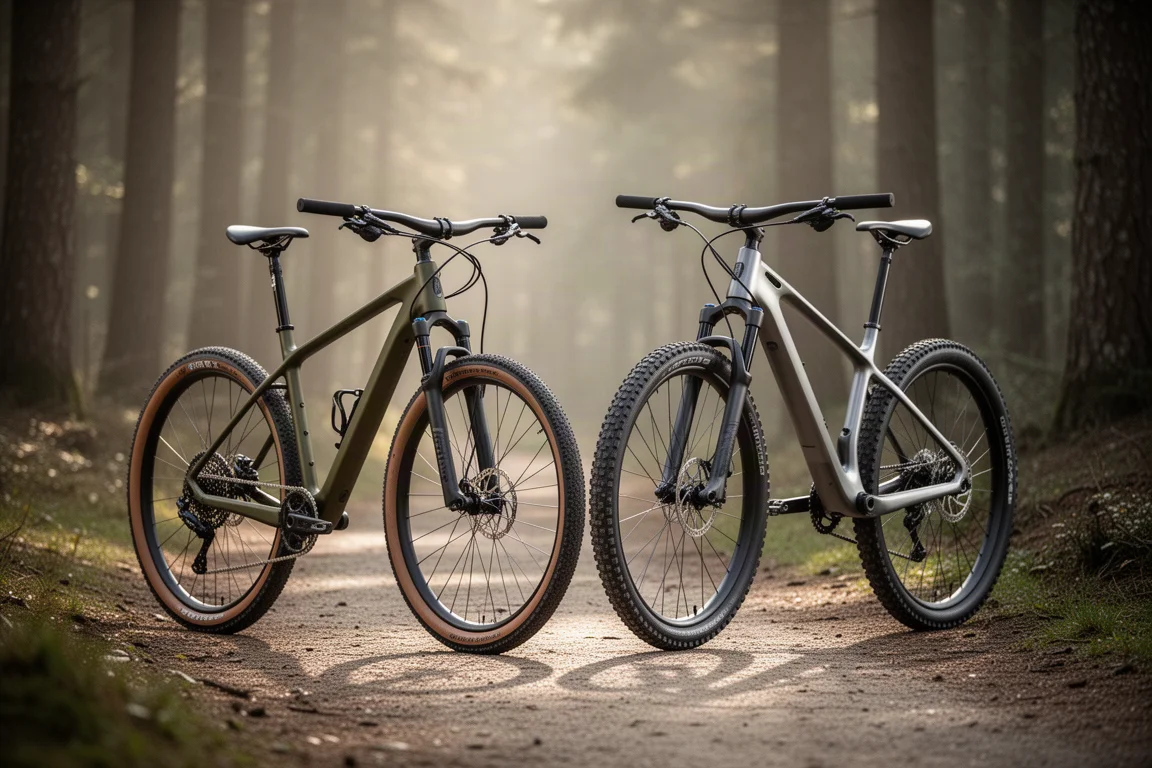
The choice between a gravel bike and a mountain bike is one of the most common decisions in cycling right now. On paper the two categories seem close, but on the trail they ride very differently. To find out where each type excels, this comparison tested a modern suspension-equipped gravel bike and a full-suspension cross-country mountain bike on the same route: a steep technical downhill, a loose gravel section, and a smooth tarmac climb.
The two bikes represent the latest thinking in each category. On the gravel side, the Salsa Warbird has been pushed far beyond what most people expect from a drop-bar bike. On the mountain bike side, the Scott Spark is a full-suspension 29er with a long race pedigree. Both bikes were timed over the same trail to see which is faster on each surface, and the result was closer than many would expect.
The Two Bikes at a Glance
Salsa Warbird: The Capable Gravel Bike
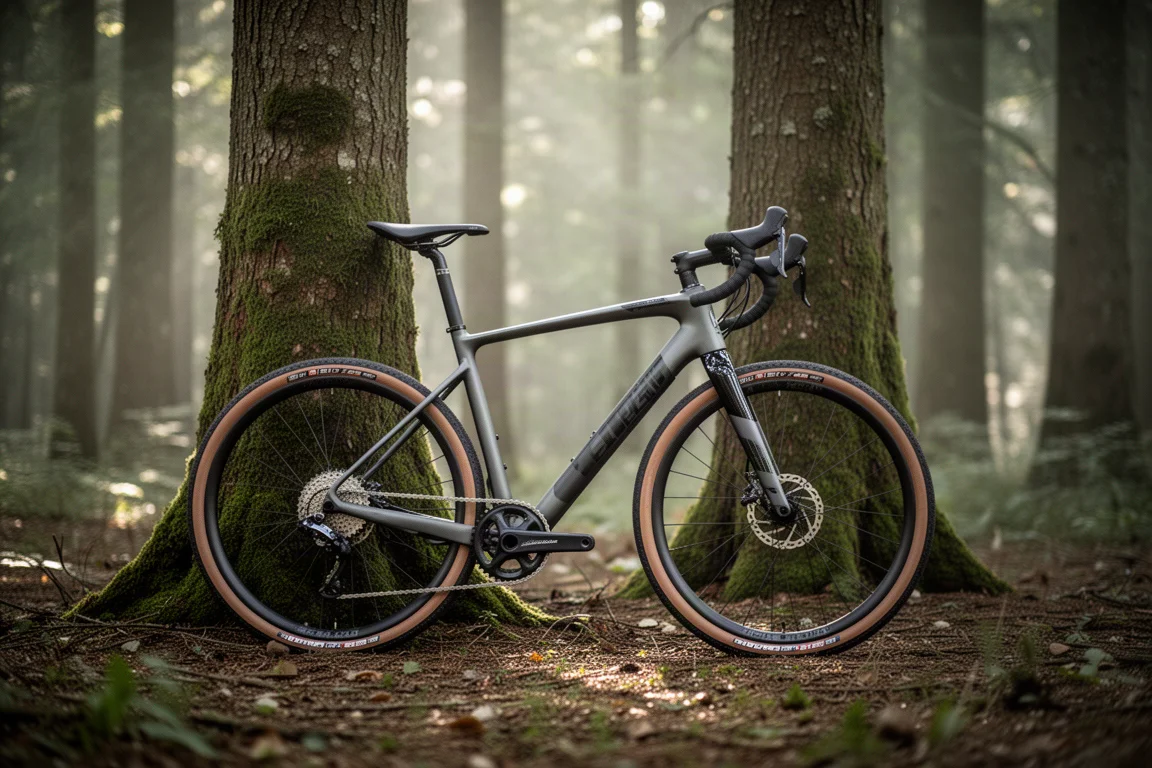
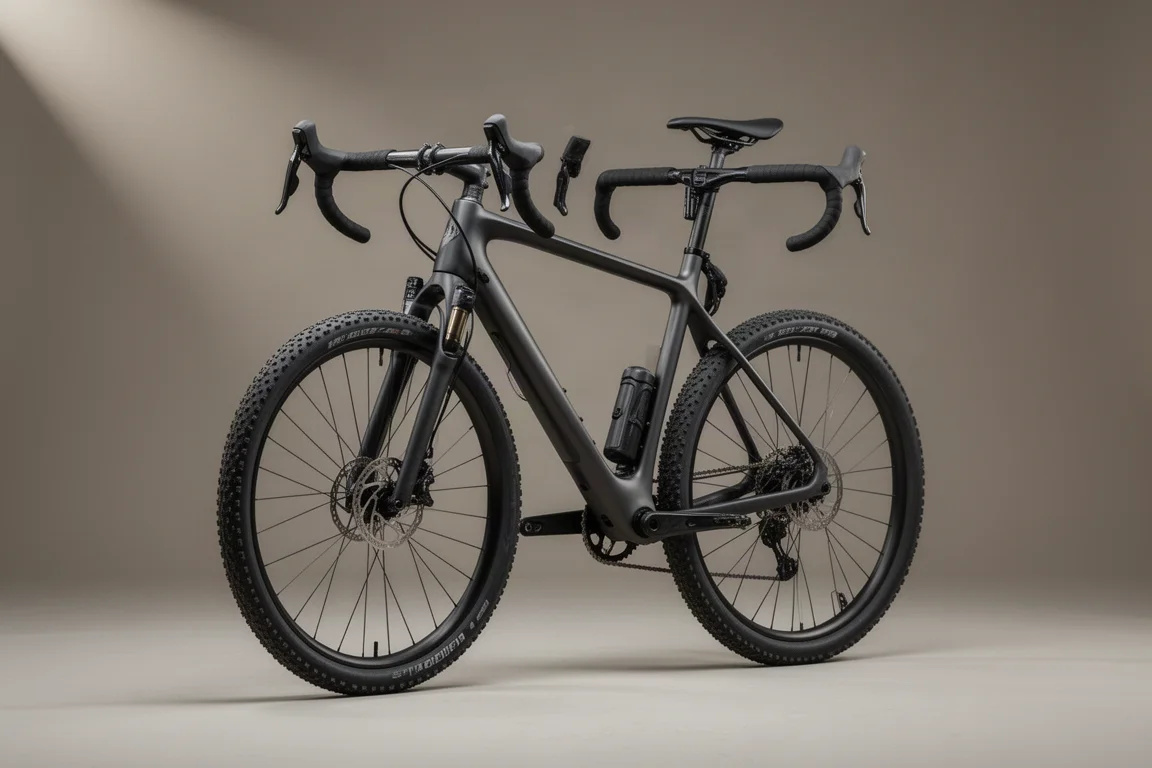
The Salsa Warbird used in this comparison is a good example of a state-of-the-art gravel bike. Gravel bikes have already borrowed a lot from mountain bikes, including disc brakes, wide tires, and more relaxed geometry. This build goes further, adding a RockShox suspension fork up front and a RockShox Reverb dropper seatpost, which pushes the boundaries of what a gravel bike can be.
All of that equipment is bolted to a carbon fiber Warbird frame with massive tire clearance. The build rolls on Zipp 101 Explorer wheels fitted with Zipp G40 tires, and uses a 1x drivetrain with a new 10-44 cassette and wireless shifting.
This kind of build divides opinion in the cycling world. For some riders, a gravel bike with a suspension fork and dropper post has strayed too far from the simplicity of the category. For others, it borrows just enough mountain bike technology to add real capability and confidence on rougher trails, without giving up the speed and efficiency that make a gravel bike so useful.
For riders who want one bike that links tarmac, smooth dirt, gravel, and the occasional rocky or rooty trail, this is a compelling package. The riding position, drop bars, and lighter overall feel make it fast over distance, while the suspension fork and dropper add a safety margin when the surface gets rougher.
Scott Spark: The Modern Full-Suspension Ride
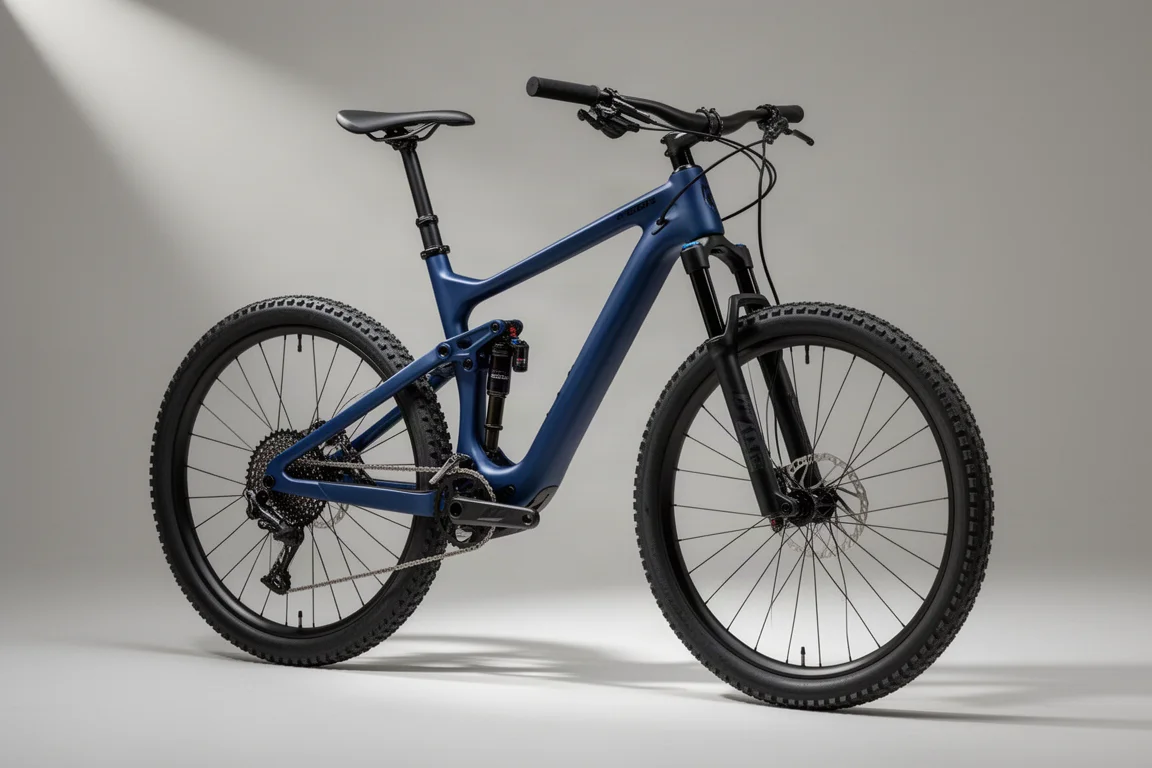
On the other side is a brand-new 2022 Scott Spark, a carbon fiber full-suspension 29er mountain bike. It builds on a long history of Olympic and World Cup success, and the frame hides the rear shock inside the frame, which keeps the shock clean and gives the bike sleek, modern lines.
The rear shock delivers 120mm of travel and can be adjusted from the handlebar with three modes, from fully open to fully locked out. Up front, a RockShox SID fork matches that 120mm of travel, which is a significant step up from the gravel bike’s suspension fork. A dropper post with more travel than the one on the gravel bike, 29-inch wheels, a 12-speed wireless drivetrain with a 10-52 cassette, and a one-piece carbon handlebar and stem complete the package.
The Comparison Route
To test the two bikes fairly, a short route was set up with three very different sections. It starts with a technical descent through the woods, steep in places with lots of roots and loose terrain. That leads to an undulating gravel section that is sandy in spots, and the route finishes with a smooth tarmac climb.
The idea was not only to see which bike is faster, but also to give each bike a section where it should naturally shine, then see how each one handles the other’s home turf.
The Steep Technical Descent
On the steep, rooted downhill, the difference between the two bikes was immediate. The mountain bike made light work of the section and felt far more at home on the steepest parts. The gravel bike, as good as it is, struggled on the same ground, especially on the very steep sections where the rider’s weight is pitched forward over the front wheel.
The main benefit of the mountain bike is simple: the front end sits much higher, so the rider’s weight is not pitched forward so alarmingly. The wide handlebars, longer-travel suspension, and geometry designed for descending provide far more control and confidence. A trail that feels serious on a gravel bike can feel much less intimidating on a mountain bike.
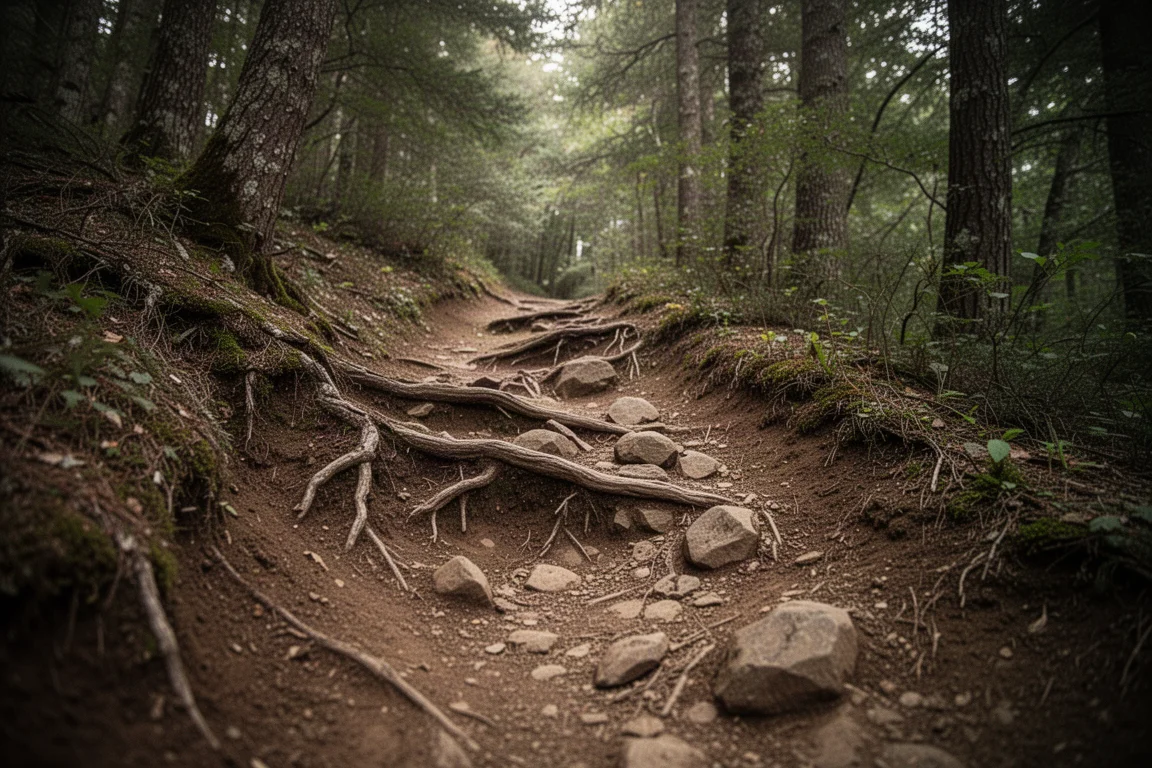
That capability showed up in the timing as well. On this section the mountain bike was clearly faster, partly because some of the steeper parts were almost unrideable on the gravel bike. That is not a knock on the Salsa Warbird; it simply confirms that a full-suspension mountain bike is designed for exactly this kind of riding. After the first section, it was 1-0 to the mountain bike.
The Gravel Section
On the gravel track, things got much closer. This is more like the terrain a gravel bike is designed for, and the Salsa Warbird felt right at home, quickly settling into a fast rhythm over the sandy, rocky surface.
The gravel bike pulled ahead by the end of the section. The more aggressive riding position and the choice of hand positions, on the hoods, drops, or tops, made it feel faster and ultimately faster against the clock. The differences were small, though. The mountain bike was still quick on the gravel, especially with its suspension set to the climbing traction mode, but the gravel bike’s variety of riding positions and faster-rolling tires gave it the edge. After this section, the score was level at 1-1.
The Tarmac Climb
The final section was a smooth tarmac climb, and here the gravel bike pulled ahead by a big margin. It is simply much faster and easier to ride fast on the road. The overall weight is lower, the tires roll more freely, and the riding position is more aggressive, with the rider angled over the bike for better power transfer and a more aerodynamic shape.
The mountain bike was not slow. The lightweight build, the lockout for both front and rear suspension, and the big 29-inch wheels all helped. But with one wide handlebar position and a more upright posture, it did not feel as quick, and the tire drag was noticeable when pushing hard.
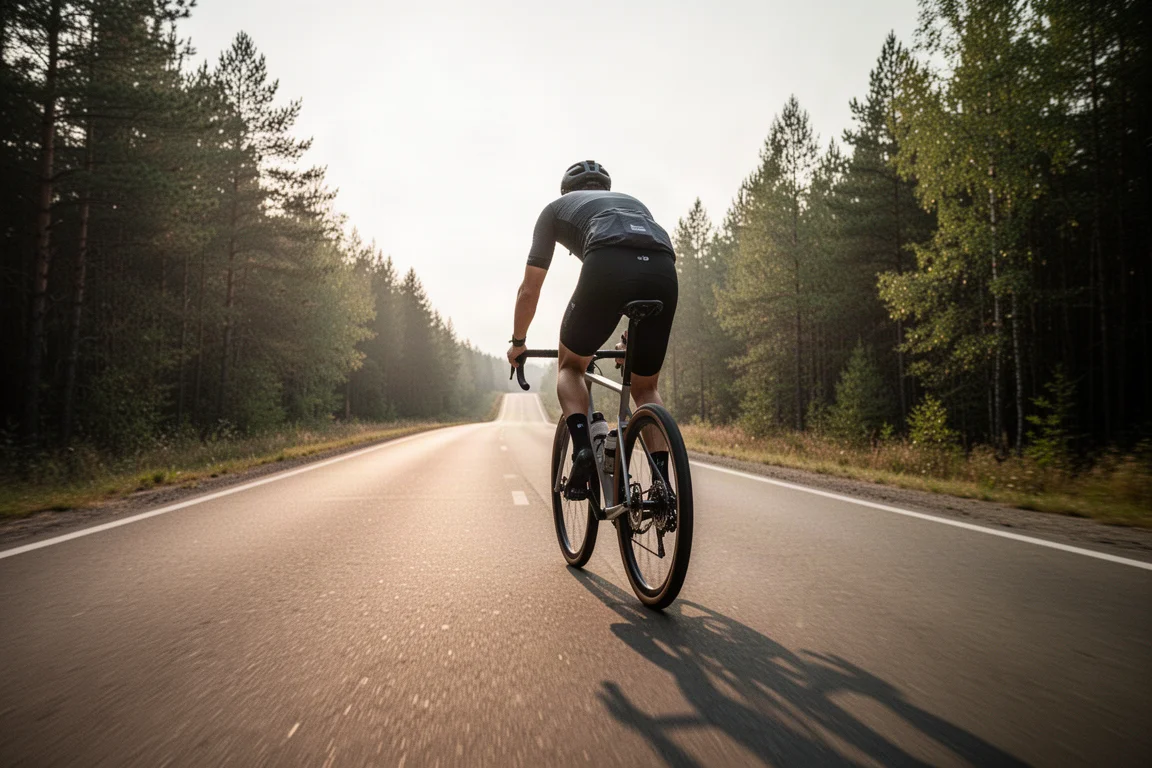
That made the final score 2-1 to the gravel bike across this particular route. But the bigger point is that this result depends heavily on where you ride and what terrain you plan to tackle most often.
Which Bike Is Right for You?
The time test only tells part of the story. Repeat the same test on different terrain and the result could easily flip. The real question is what kind of riding you actually want to do.
If you want one bike that covers a wide range of terrain, from tarmac to smooth dirt and gravel, with the occasional rocky or rooty section, the gravel bike is a genuinely versatile option. It covers ground quickly and rides brilliantly on mixed routes. A suspension fork and dropper post on a modern gravel build, like the ones on this Salsa Warbird, also add useful capability when you meet rougher trail sections.
If your riding is mostly off-road trails with big roots, rocks, and technical features, the mountain bike is the bike you want. The suspension, geometry, and wide handlebars give more control, more capability, and usually more confidence when the trail gets rough. But the mountain bike gives back some of that versatility. It is not the bike you would choose for commuting, a Sunday club run, or a road loop, and it is far less adaptable when you want to link road, gravel, and singletrack in a single ride.
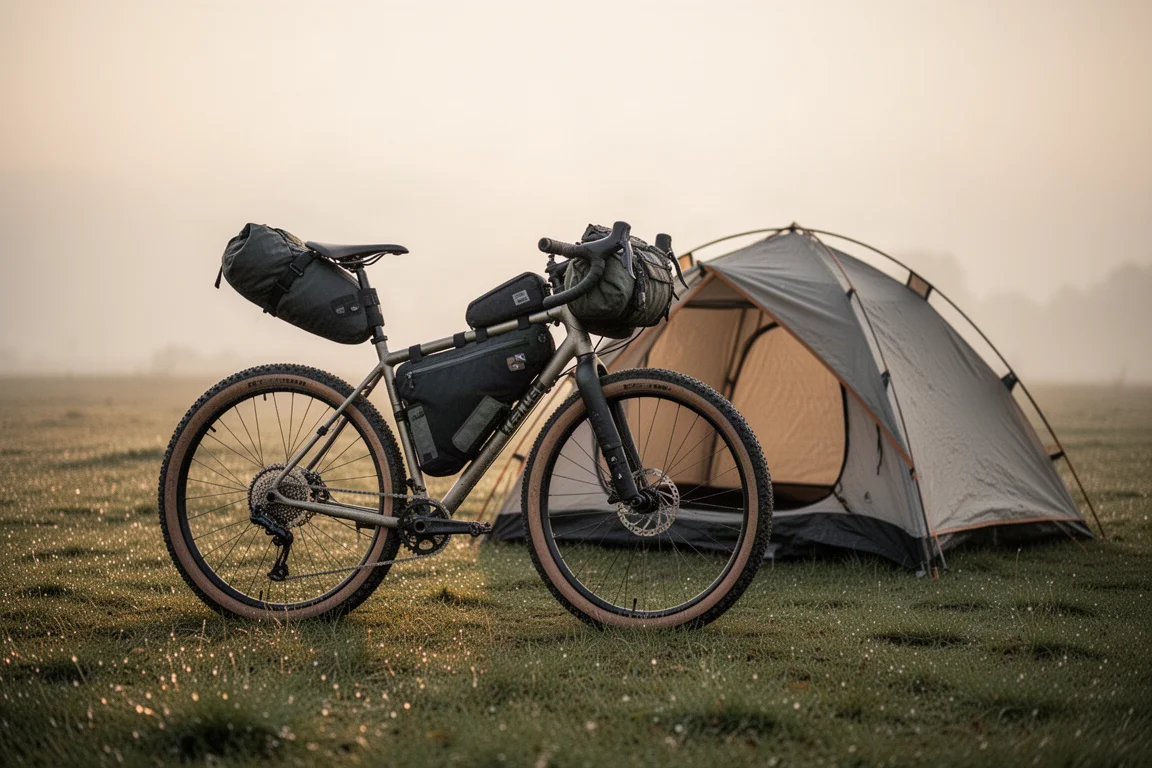
There is also the growing adventure side of gravel riding. Multi-day bikepacking trips, with bags strapped to the frame, suit bikes like the Salsa Warbird extremely well. And with two wheelsets, one with chunky tires for off-road and one with slick tires for the road, a gravel bike can effectively become two bikes in one: a commuter and a trail bike.
For road riders moving to off-road, the gravel bike is usually the easier transition. It looks closer to a road bike with knobby tires and a few changes, while a full-suspension mountain bike can feel intimidating with its suspension settings, wheel size choices, and technical features. For dedicated mountain bikers, the mountain bike remains the more natural choice, especially on the technical terrain it was built for.
Conclusion
Both of these bikes are excellent at what they do. On this test route, the mountain bike dominated the steep technical descent, while the gravel bike took the gravel section and won the tarmac climb by a comfortable margin. Neither result is surprising, and neither makes one bike better than the other.
What matters is where you ride and what you want from a bike. A gravel bike offers speed, efficiency, and versatility across mixed terrain, and it can double as a commuter or bikepacking machine. A mountain bike offers more control, capability, and fun on dedicated off-road trails. Both are brilliant bikes, and choosing between them comes down to the riding you plan to do most.
Further reading
Related Reviews

Backpacking Gear
Building a 10 lb Base Weight: An Ultralight Backpacking Gear List
A practical walkthrough of the ultralight pieces behind a 10 lb base weight, from a 765 g pack and a roomy one-person tent to a full camp chair and a dependable water filter.
Road Bikes
10 New Road Bikes Worth Watching: Aero, Titanium, Steel and Endurance Standouts
A practical roundup of 10 new road bikes, from aero flagships chasing single-watt gains to titanium, steel and endurance platforms built for real roads.
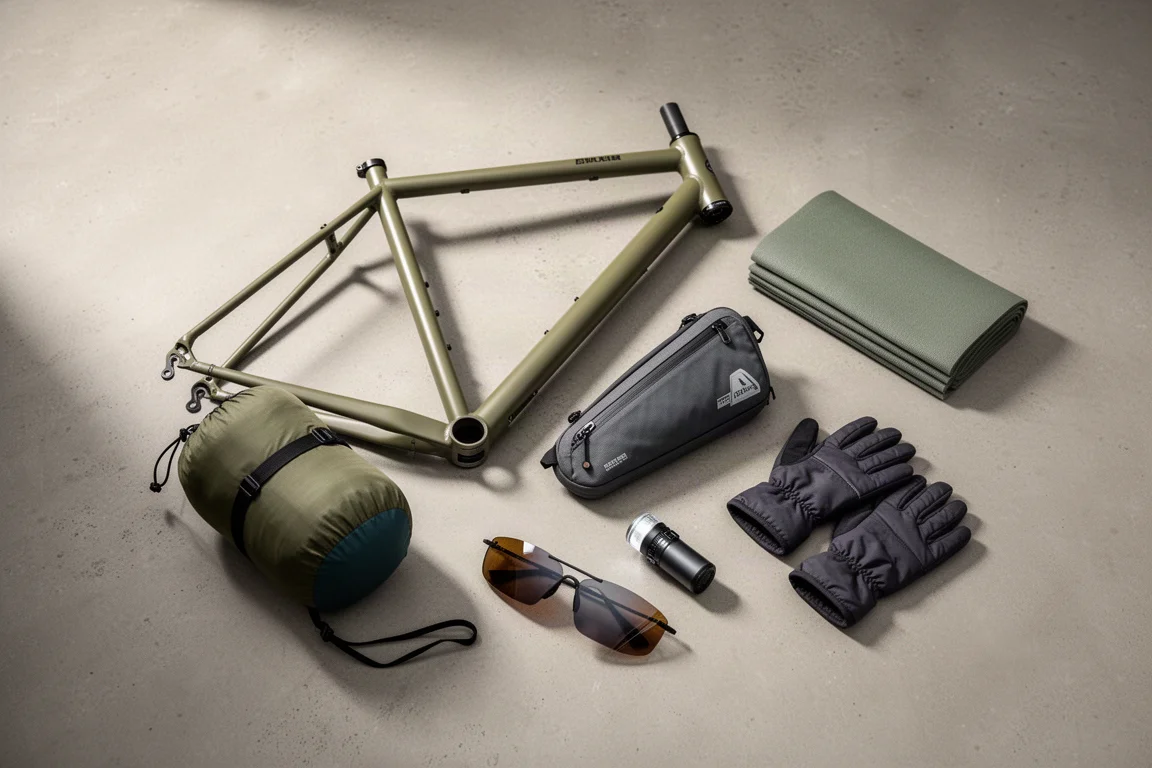
Bikepacking Gear
11 Bikepacking Essentials for Long-Distance Cycling
Eleven bikepacking essentials for long-distance cycling, from a steel gravel frame and a two-person tent to helmet lights, packable gloves, and a frame bag that puts weight in the right place.