Mountaineering Boots
Salewa Ortles Ascent Mid and Ortles Light Mid Review: Two B2 Boots for Winter Hills and Alpine Days
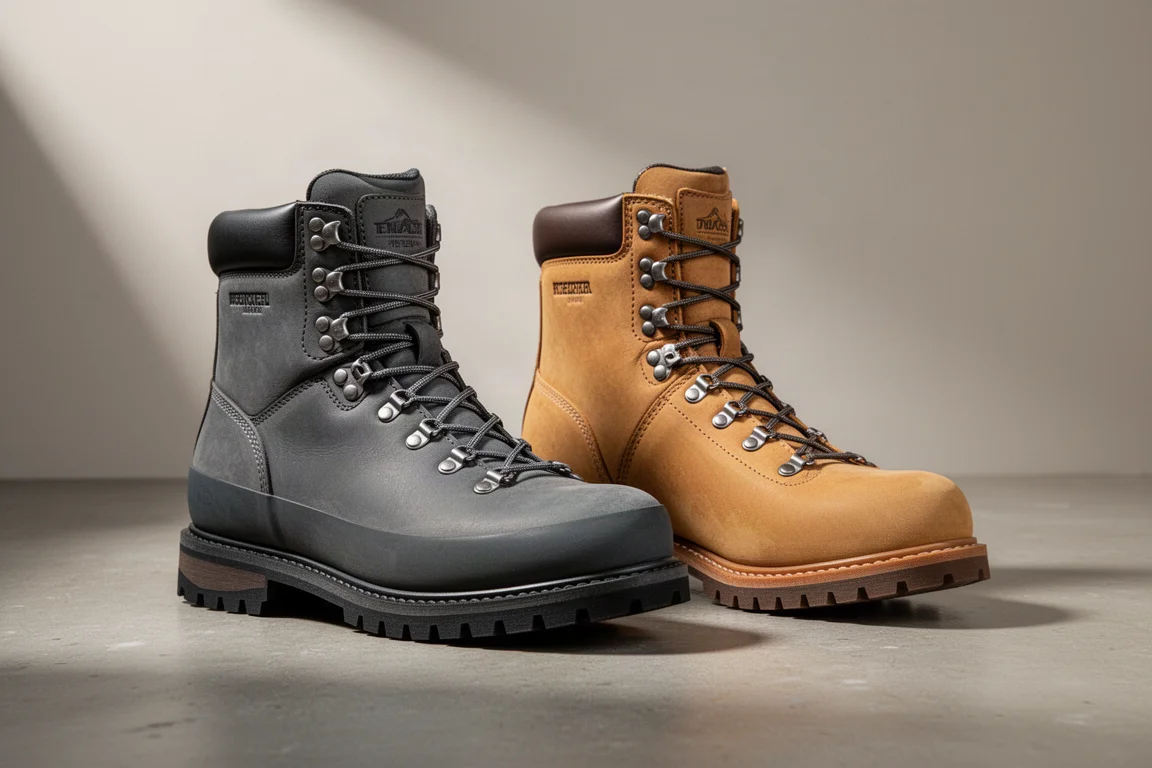
A close look at two Salewa mountaineering boots: the durable B2-rated Ortles Ascent Mid and the lighter, packable Ortles Light Mid.
Introduction
Salewa makes some of the most consistently popular mountain footwear around, from approach shoes through to the Alp Trainer Mid used for general hiking. The Ortles family sits at the more serious end of that line, covering both quick and light mountain use and burlier, more durable options.
Two boots in that family are worth a close look. The Ortles Ascent Mid is a durable all-rounder for winter walking, mountaineering and easier alpine routes. The Ortles Light Mid takes the same design thinking and strips weight out of it for summer alpine days. This guide walks through what each one does well, where the trade-offs sit, and which kind of mountain day each is built for.
Why the Salewa Ortles Range Stands Out
Salewa’s reputation rests largely on fit. The brand’s footwear has enough flexibility built into its shaping that it tends to suit a wide range of foot shapes, whether yours runs wide or narrow, and the Ortles models follow that pattern.
The range itself splits roughly into two characters. One is quick and light, the other burlier and more durable. Both are built for the hills and mountains rather than for lowland paths, and both are designed to support you on steep ground without making every approach feel like hard work.
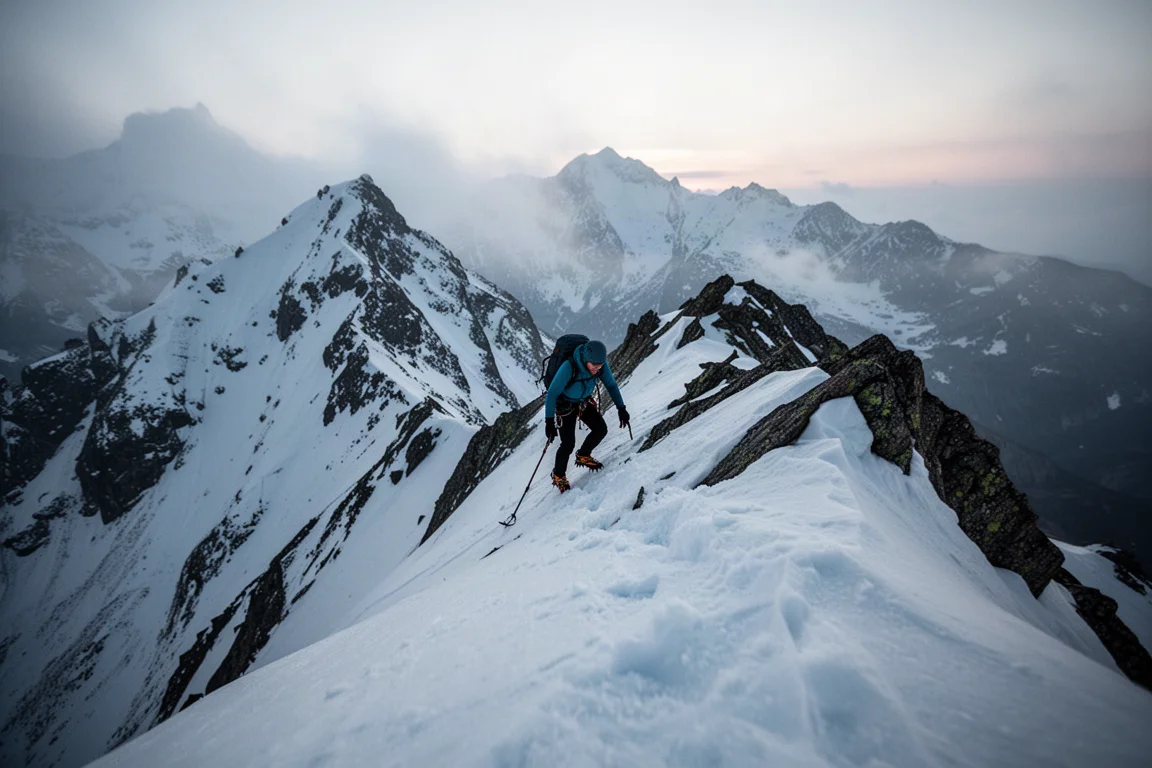
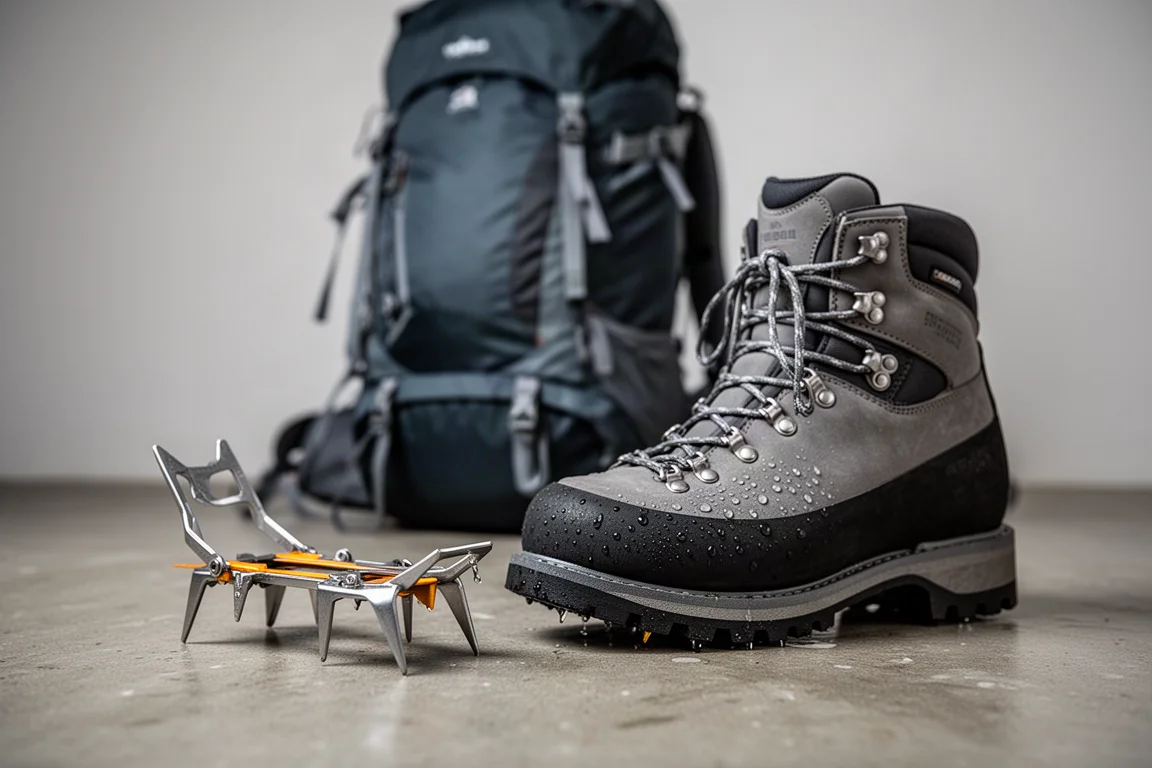
The Ortles Ascent Mid carries a B2 rating. In the British system, that means it accepts a C2 crampon, which in practice is a semi-automatic crampon that steps in at the front and clips at the heel. A B2 boot is stiff enough to hold a crampon securely and to give you support when you are front pointing up a gully, but it keeps enough flex to walk in all day, unlike a fully rigid B3 ice climbing boot that climbs beautifully and walks badly.
For the Ascent Mid, that puts the sweet spot around winter walking, mountaineering and the easier grades of alpine climbing, including summer 4,000 m peaks where the day is more about moving over mountain terrain than about technical climbing.
Salewa Ortles Ascent Mid: A Durable B2 All-Rounder
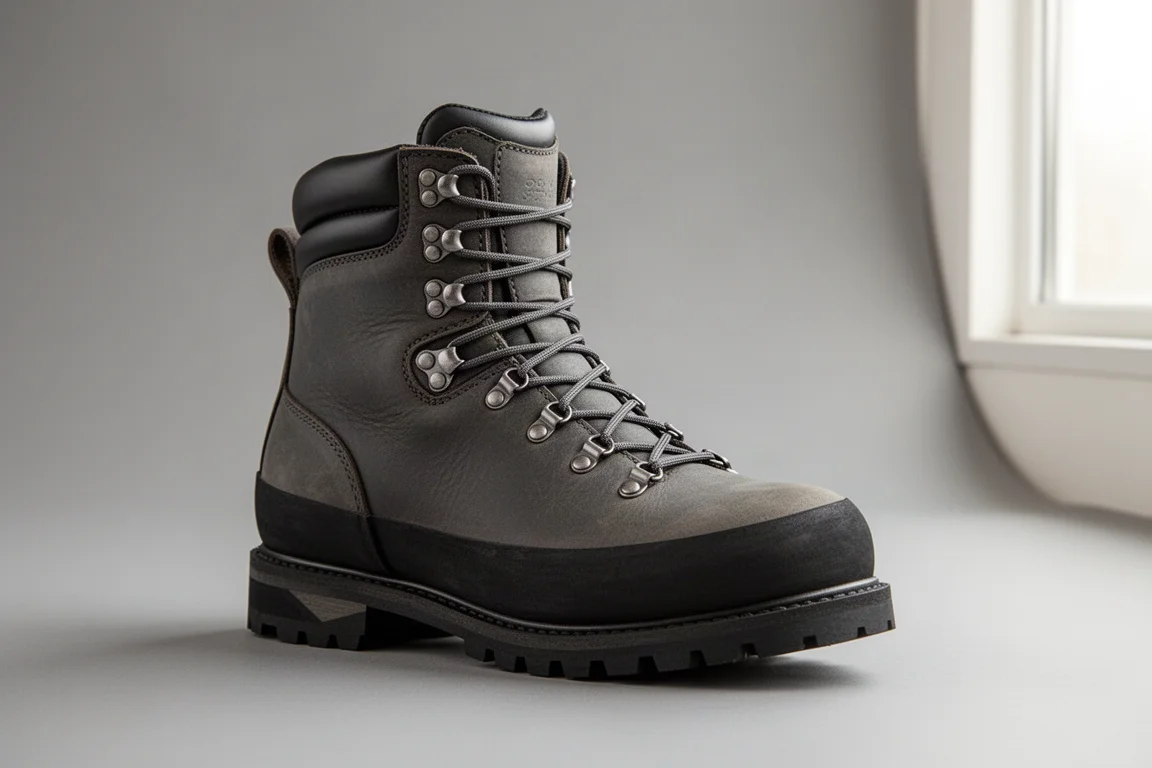
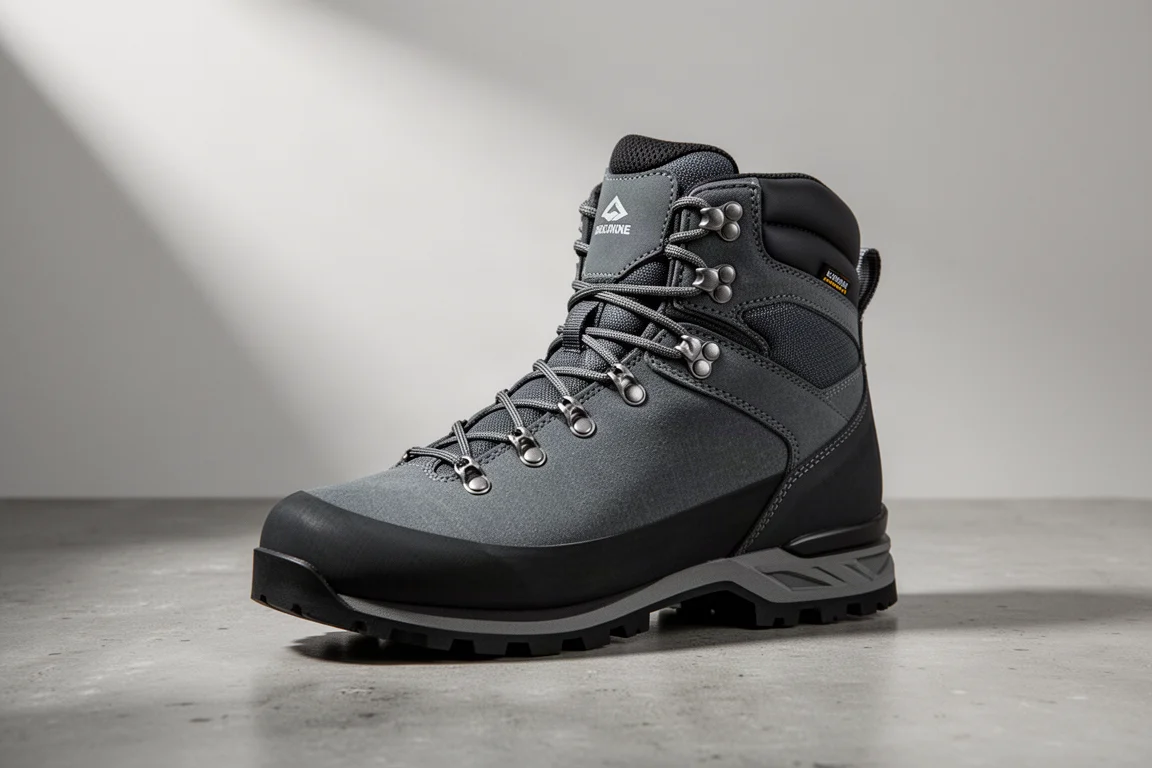
The Ascent Mid starts with a leather upper over a Gore-Tex lining, a combination that sheds water and stands up to the kind of abuse rock and scree hand out. An extra-large rand wraps around the lower boot, adding protection for the summer scrambling that British conditions tend to involve.
Underfoot there is a Vibram outsole chosen for a balance between stickiness and durability. It has a small climbing zone for edging on rock, and the tread pattern is designed so that mud and snow drop out of the lugs as soon as you lift your foot. There is a pronounced heel stop, which helps on descents so you do not simply skid away, and a small wedge at the back that gives a crampon heel clip something solid to bite onto.
The midsole is built around a carbon-loaded fibreglass nylon insole. It sounds like a mouthful, but the effect is straightforward: the boot holds its stiffness and its support over time rather than softening up with use.
Weight lands at roughly 1,800 g for a pair, depending on size. That is hardly the heaviest B2 boot on the market, but it is not the lightest either, and it is the price you pay for the durability and insulation on offer.
Fit and Adjustability: Where This Boot Excels
Lacing sounds like a dull subject until you put on a stiff mountain boot and find your heel lifting on every step. This boot addresses that directly.
The laces are round, durable and run smoothly through the eyelets, and the eyelet run starts unusually far down toward the toe box. That lets you cinch the front of the boot tight if you have a slim foot. Further up, a small 3D clip eyelet separates the tension between the lower and upper sections of the lacing, so you can keep the toe box comfortable while still locking the heel down.
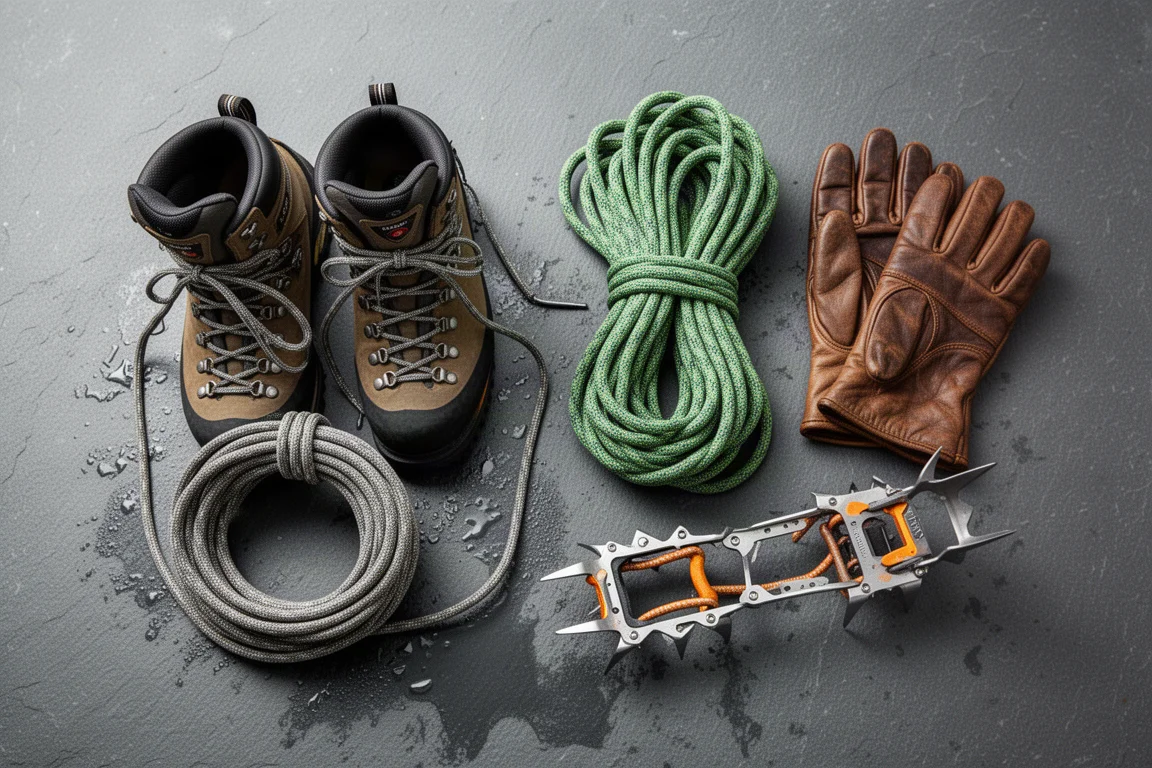
Higher still is the 3F system, a steel cable that slingshots around the back of the heel. Pulling it tight clamps the heel into place, which matters on a boot this stiff, because limited flex is exactly what allows heel lift to creep in. Straight out of the box, this boot holds the heel with no lift at all.
The tongue is a two-layer design. An outer synthetic soft shell layer takes the lace tension, while a padded leather tongue sits underneath. The gap between the two spreads the load and reduces pressure points, and the whole assembly sits on a Velcro tab that slides up and down to change the volume of the fit. Push it forward to take volume out, pull it up to free more space. A volume reducer can also be placed between the two tongues for very low volume feet.
The footbed continues the same theme. The Multi-Fit Footbed has a brushed surface that feels warm against the foot, and it comes as two liners with a removable Velcro tab. Use the larger or the smaller liner depending on how much volume you need to take up.
Add the adjustable lacing, the movable tongue and the two-part footbed together, and this is one of the most adaptable B2 boots you can put on a wide range of foot shapes.
Winter Performance, Waterproofing and Crampon Compatibility
The waterproof membrane is a Gore-Tex Comfort Fit insulated version rather than a standard Gore-Tex lining. In practice that means extra insulation, which makes the boot noticeably warm through the winter months. Combined with the leather upper, it keeps feet dry without leaving you in a cold, clammy shell.
Around the ankle there is a good amount of padding, and the cuff balances two things that usually pull against each other. There is enough flexibility to feel nimble and to walk comfortably, but enough structure to stay stable when you are climbing and to help you avoid rolling an ankle. A rubberised patch at the back stops the heel sliding around, and a large rear loop serves double duty: it takes a harness carabiner when the boot is racked, and it gives you something solid to pull on when you are getting the boot onto your foot.
It is worth saying that this is not a boot confined to high mountain days. It has enough all-round manners to feel perfectly reasonable stomping across somewhere like the Peak District, particularly if you are heavier and prefer a stiffer boot underfoot.
Salewa Ortles Light Mid: The Lighter Summer Alternative
The Ortles Light Mid is the lighter take on the same idea. It is a little more flexible, though still a very stiff boot, and it is notably light and packs down small enough to shove inside a rucksack. The trade-off is insulation: there is far less of it than on the Ascent Mid, which is exactly what you want when the boot is clipped to your harness while you wear rock boots on the route.
For summer alpine climbing where carrying weight matters more than warmth, this is the version to look at.
Things to Consider Before Buying
Weight is the first thing to weigh up. The Ascent Mid comes in at around 1,800 g a pair, so it is neither remarkably light nor remarkably heavy. If you want to save grams, the Light Mid is the obvious route.
Insulation is the second. The Ascent Mid’s insulated Gore-Tex membrane makes it genuinely warm in winter, which is a benefit in cold, damp conditions and something to think about if you run hot or plan to use the boot in warmer weather.
Finally, fit. The adjustability here is unusually broad, but footwear is personal, and a boot that suits one foot shape perfectly may not suit another. Trying a pair on, ideally later in the day and with the socks you actually walk in, is the only way to be sure.
It is also worth checking how the boot pairs with your crampons. The Ascent Mid is a B2 boot designed for C2 semi-automatic crampons, so if you already own fully automatic or strap-on models, confirm the combination before you commit.
Buying Advice
Choose the Ortles Ascent Mid if your calendar includes winter walking, mountaineering and easier alpine routes, and you want a stiff, durable boot that still walks well. The leather upper, the large rand and the carbon-loaded insole are all aimed at people who spend a lot of time on rough ground.
Choose the Ortles Light Mid if you want the same mountain-ready character in a package that is light enough to carry on a harness and pack into a rucksack, and if you do not need the extra insulation.
Either way, treat the fit as the deciding factor. The lacing, the sliding tongue and the two-part footbed give you more adjustment than most boots in this class, so take the time to dial the boot in before your first big day out.
Conclusion
Salewa’s Ortles range covers a lot of mountain ground, and these two boots split the job neatly. The Ortles Ascent Mid is the durable, warm, highly adjustable B2 all-rounder for winter hills, mountaineering and easier alpine climbing. The Ortles Light Mid strips out weight and insulation for summer alpine use where every gram counts. Match the boot to the days you actually plan, and either one will earn its place in the rack.
Further reading
Related Reviews
Mountaineering Boots
La Sportiva G-Series Mountaineering Boots: G-Tech vs G-Summit vs G2 Evo
How the La Sportiva G-Tech, G-Summit and G2 Evo differ, and which mountaineering routes each boot is built for.

Backpacking Gear
Building a 10 lb Base Weight: An Ultralight Backpacking Gear List
A practical walkthrough of the ultralight pieces behind a 10 lb base weight, from a 765 g pack and a roomy one-person tent to a full camp chair and a dependable water filter.

Road Bikes
10 New Road Bikes Worth Watching: Aero, Titanium, Steel and Endurance Standouts
A practical roundup of 10 new road bikes, from aero flagships chasing single-watt gains to titanium, steel and endurance platforms built for real roads.