Portable Power
Ryobi Portable Power Lineup: Four Battery-Powered Solutions Worth Knowing
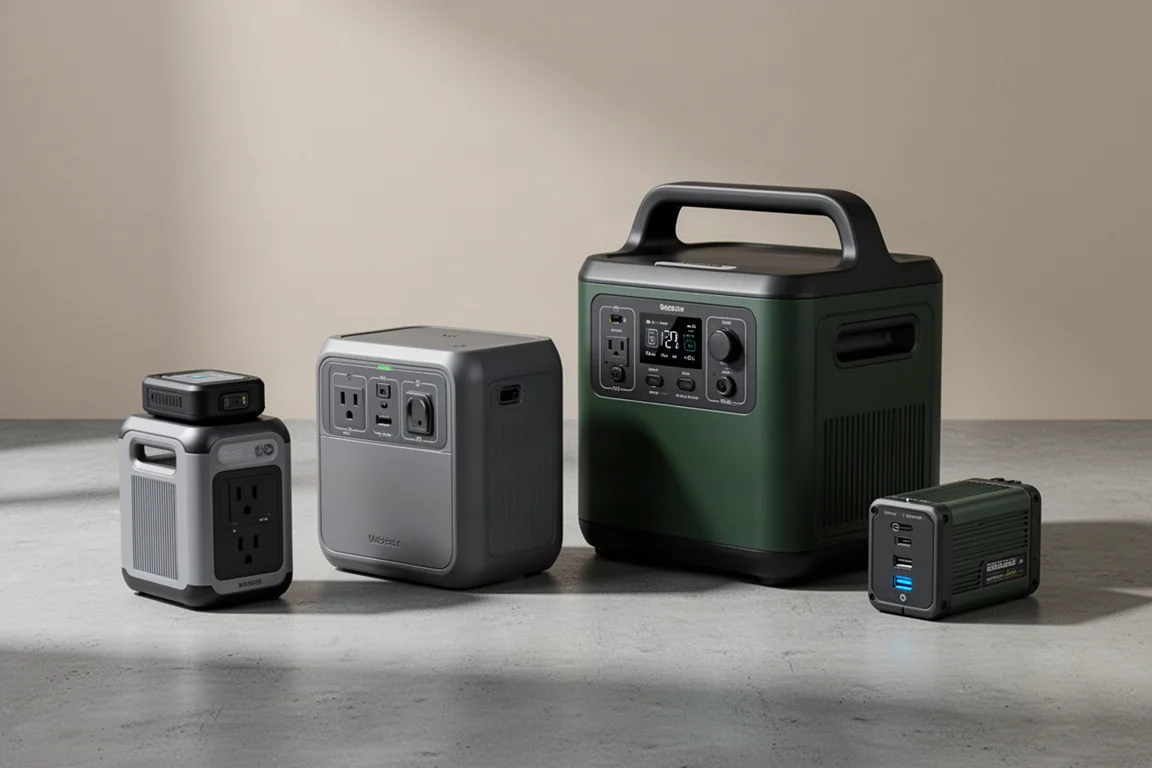
From a compact 150W battery topper to an 1800W parallel-capable power station and a new charging inverter with USB-C, these four Ryobi power products cover phones, camping, emergency backup, and remote work.
Introduction
Battery-powered power products have moved from niche to mainstream, and Ryobi’s lineup is a good snapshot of why. Instead of relying on gas generators, these units run on the batteries many tool owners already own, covering everything from charging a phone to running a refrigerator during an outage. This guide walks through four products that each solve a different problem.
Ryobi 150W Battery-Powered Power Source
This is where the lineup started, and it remains the simplest entry point. The 150W topper slides onto a Ryobi battery and charges anything from phones up to small appliances. One of the more imaginative uses reported so far: powering a pitching machine at a little league game without a cord running across the baseline.
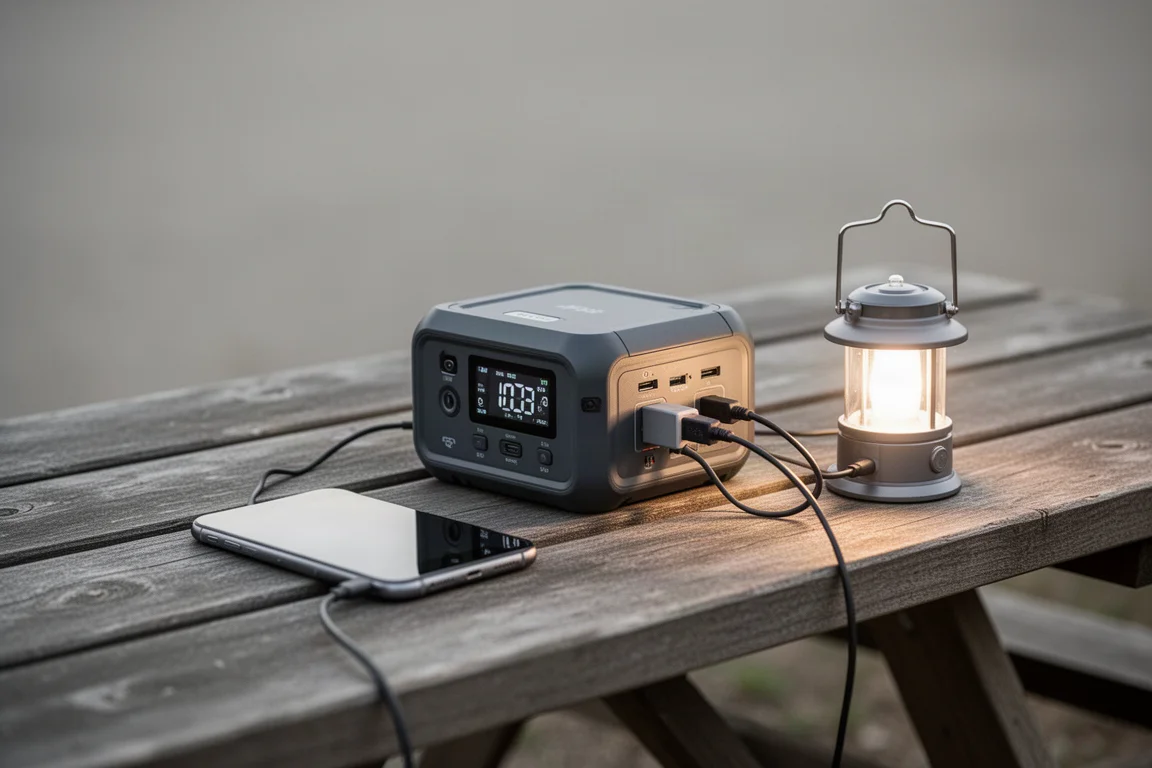
If you already own Ryobi ONE+ batteries, this is the cheapest way to turn them into a portable charger for small devices.
Ryobi 300W 40V Pure Sine Wave Power Source
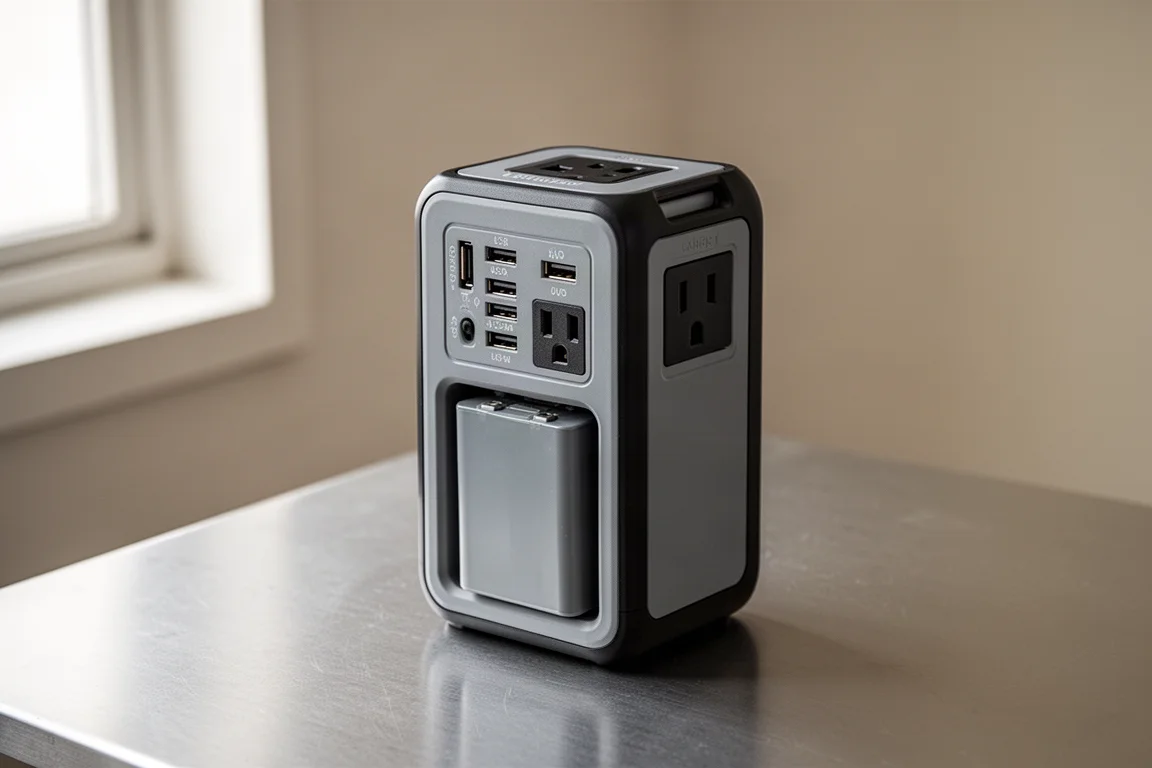
Launched not long after the 150W topper, this unit adds pure sine wave output, which matters for sensitive electronics. Roughly ten percent of buyers specifically search for that spec, and with good reason: telescopes and CPAP machines do not tolerate the buzzing and rough power of modified sine wave units. That makes this a natural pick for camping with medical gear.
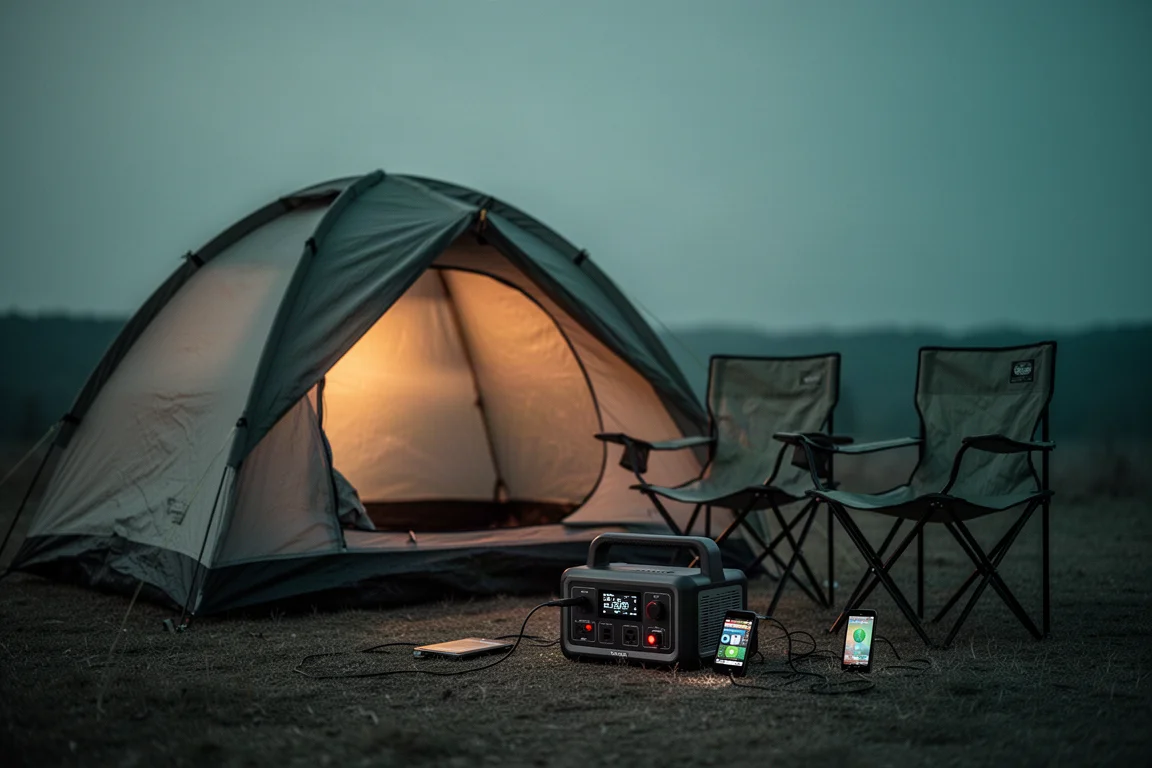
Note that a modified sine wave source is still fine for tolerant devices like fans or a TV, but pure sine wave removes the guesswork if you plan to run anything delicate.
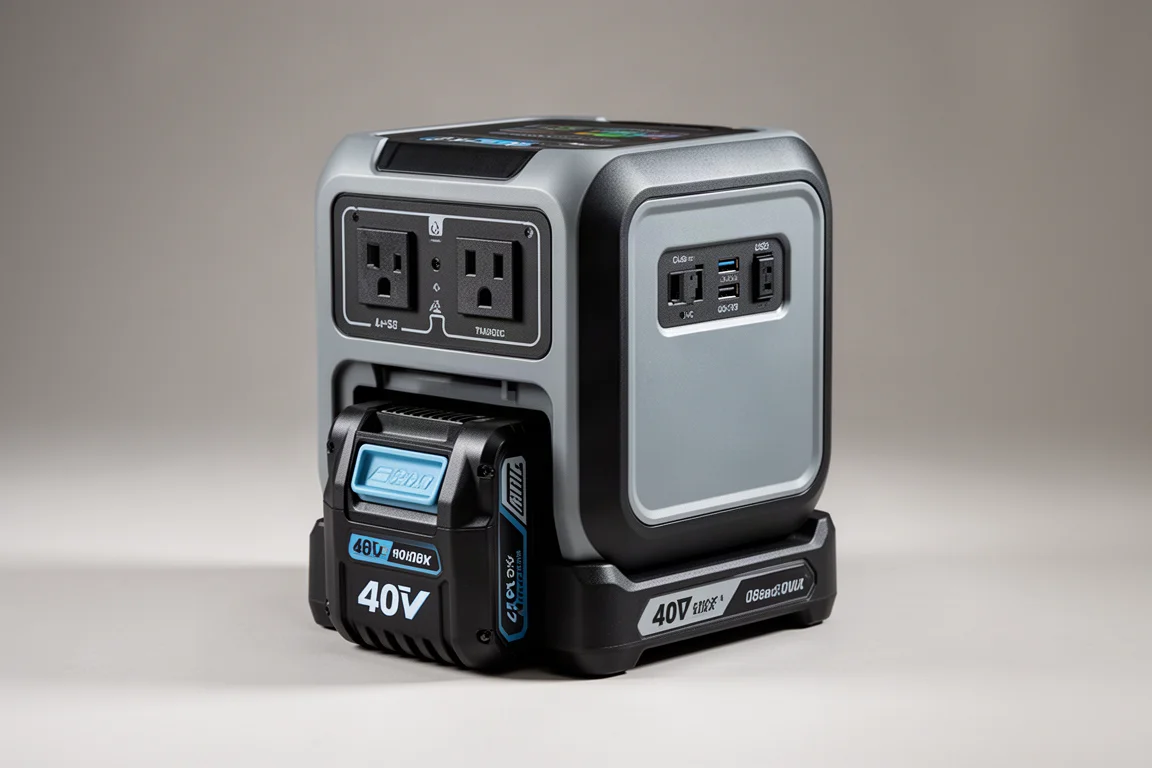
Ryobi 1800W Parallel-Capable Power Station
The largest unit in this lineup runs on up to four 40V batteries and delivers 1800W. Its biggest differentiator is that it is parallel capable: you can link it with another identical power station, or even with a parallel-capable gas unit, for more output. That flexibility is unusual at this level.
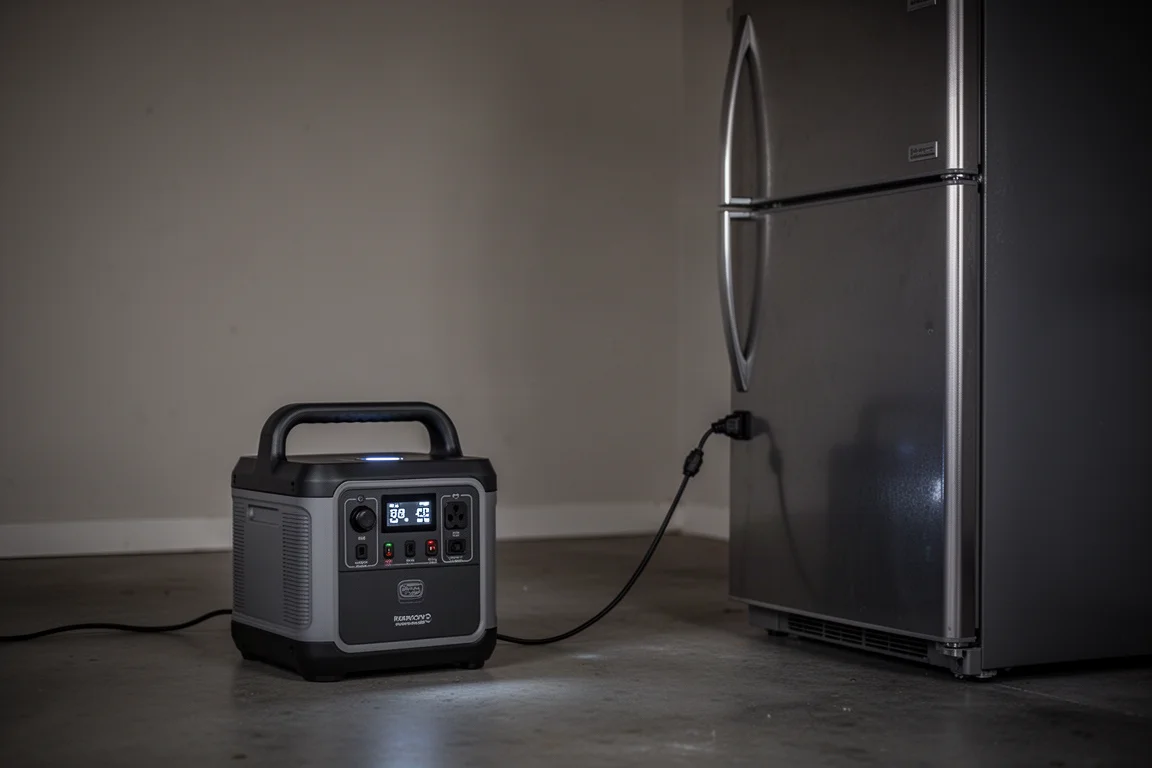
Because it is battery powered, it can be used indoors. No fumes, no refueling, no keeping a generator outside. It can sit right beside a TV or refrigerator during an outage, and the companion control app shows wattage readouts and lets you swipe between screens to monitor two parallel-connected products at once.
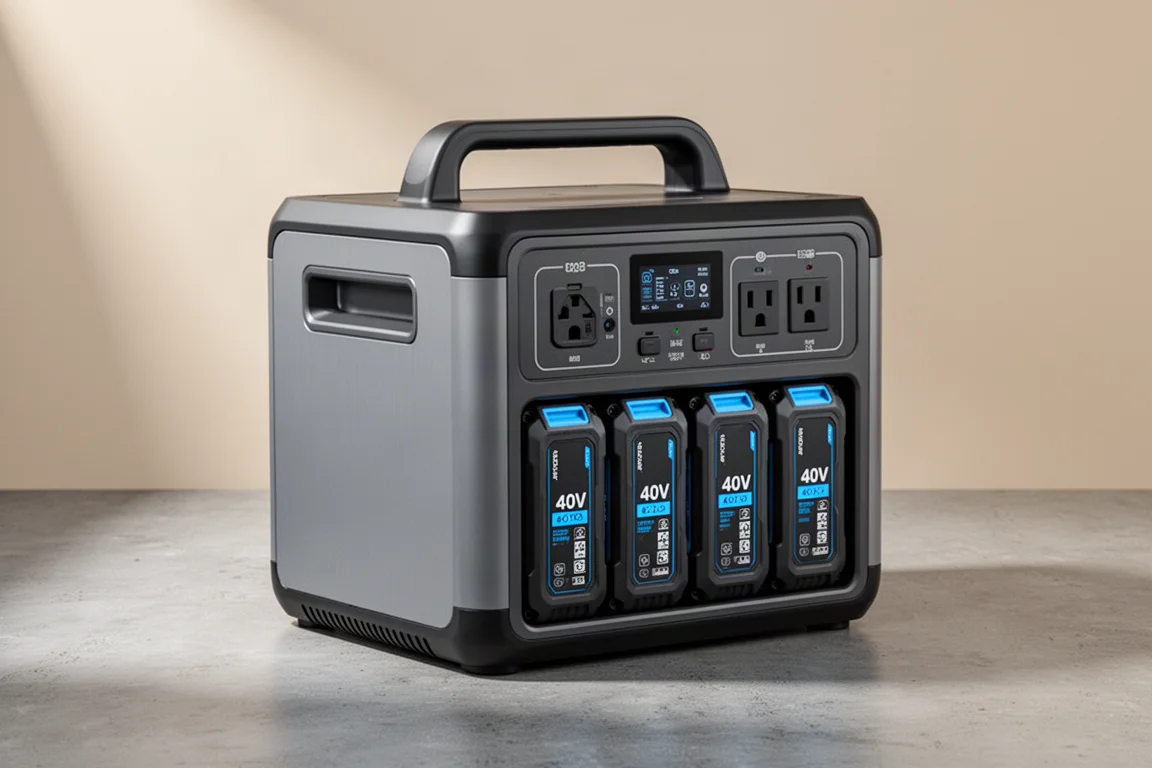
Ryobi Charging Inverter with USB-C
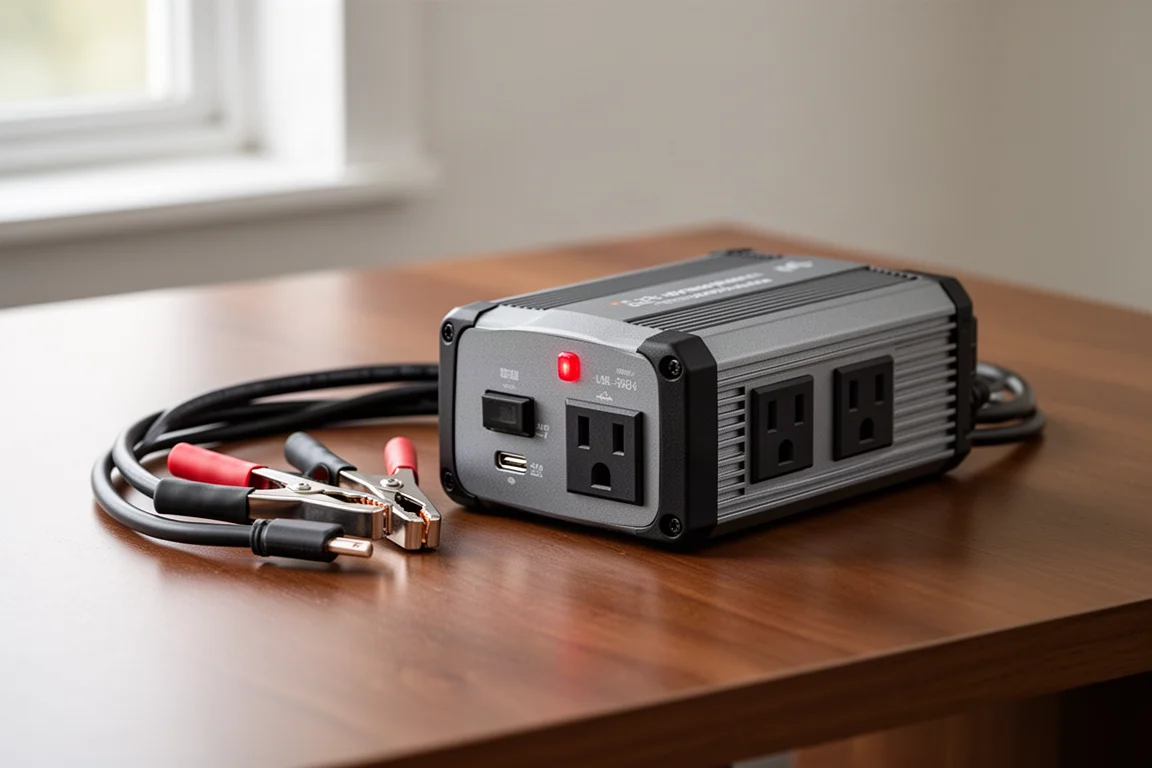
The newest model combines a car-style power inverter with a feature no one else offers: detach the cables and run it entirely from ONE+ batteries. On a car battery via alligator clamps it delivers up to 800W, through a cigarette lighter adapter 120W, and from an 18V battery 300W. Two 120V outlets, two USB-A ports, a USB-C port, and a pass-through 12V CLA round out the connections.
It handles laptops, TVs, fans, lights, and small power tools, and many buyers use it as short-duration emergency backup, running an extension cord to a refrigerator from the garage.
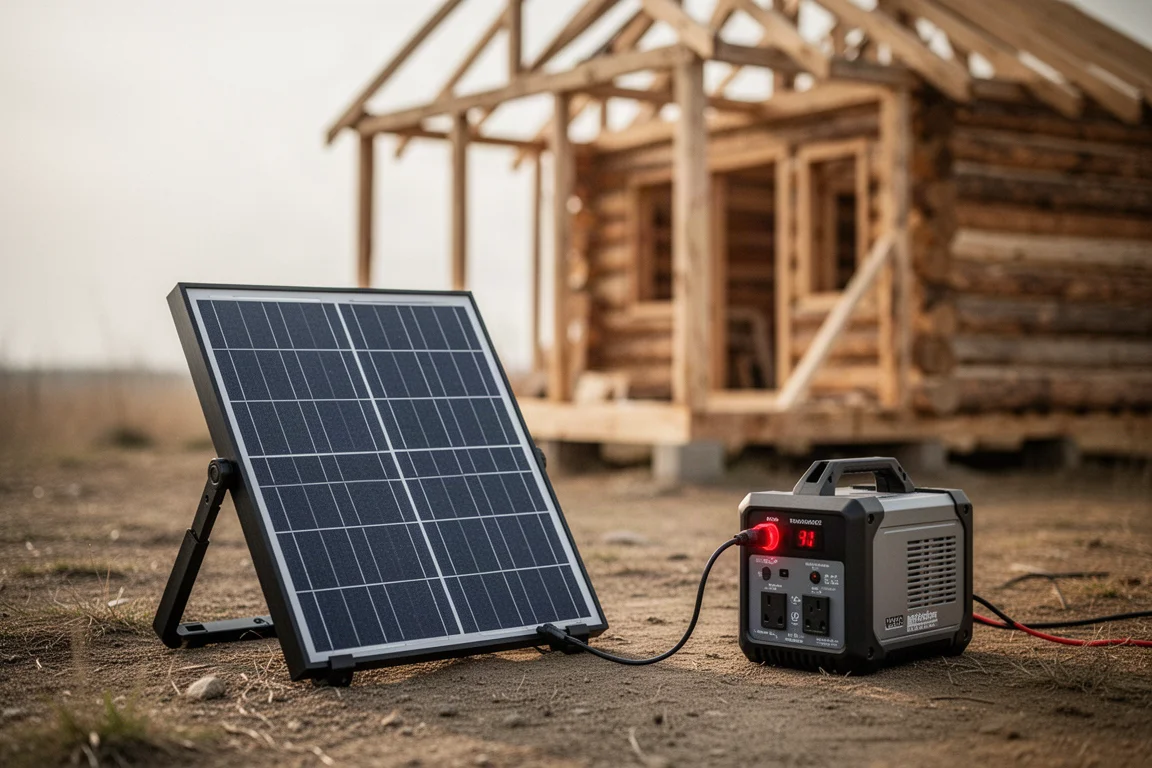
The standout addition, however, is charging. Previous power sources could run off a battery but could not recharge it, which was the most common customer request. This inverter can recharge its battery, including from solar, and it ships with a wall adapter with USB-A and USB-C inputs plus a USB-C cable. Any existing USB-C charging brick or cable works too, and the USB-C port doubles as an output.
Buying Advice
Match the unit to the job. The 150W topper covers phone-level charging for the least money. Step up to the 300W 40V model if sensitive electronics are part of your plan, especially for camping with CPAP machines. The 1800W power station is the pick for whole-appliance backup indoors and can grow with you through parallel connections. The charging inverter with USB-C is the most versatile hybrid, bridging vehicle power, battery power, and solar recharging in one device.
Conclusion
Ryobi’s range now covers the full spectrum from desktop charging to serious home backup, and for owners of Ryobi batteries each unit adds capability without buying into a new battery ecosystem. Identify your typical load, check the output rating, and the right choice becomes fairly obvious.
Further reading
Related Reviews
Portable Power
Best Portable Power for Camping and Remote Work: Six Power Banks and Solar Panels Compared
A practical comparison of six portable power options, from a 500W solar generator for car camping to a one pound solar power bank built for backpacking.
Portable Power
Best Portable Power Stations 2026: Nine Models Compared for Real-World Use
We compared nine portable power stations across output, capacity, charging speed, noise, and UPS performance to find the best value and the best overall pick.
Portable Power
Best Portable Power Stations and Power Banks for Blackouts and Travel
Five portable power solutions compared: two EcoFlow power stations, a flight-friendly Zendure power bank, a see-through Shargeek, and the feature-packed Omni 20c+.