Running
Running Shoes of the Year 2025: Six Standouts Worth Your Miles
From a reimagined stability icon to an ultralight mile racer, these six shoes earned their place in our 2025 rotation.
Introduction
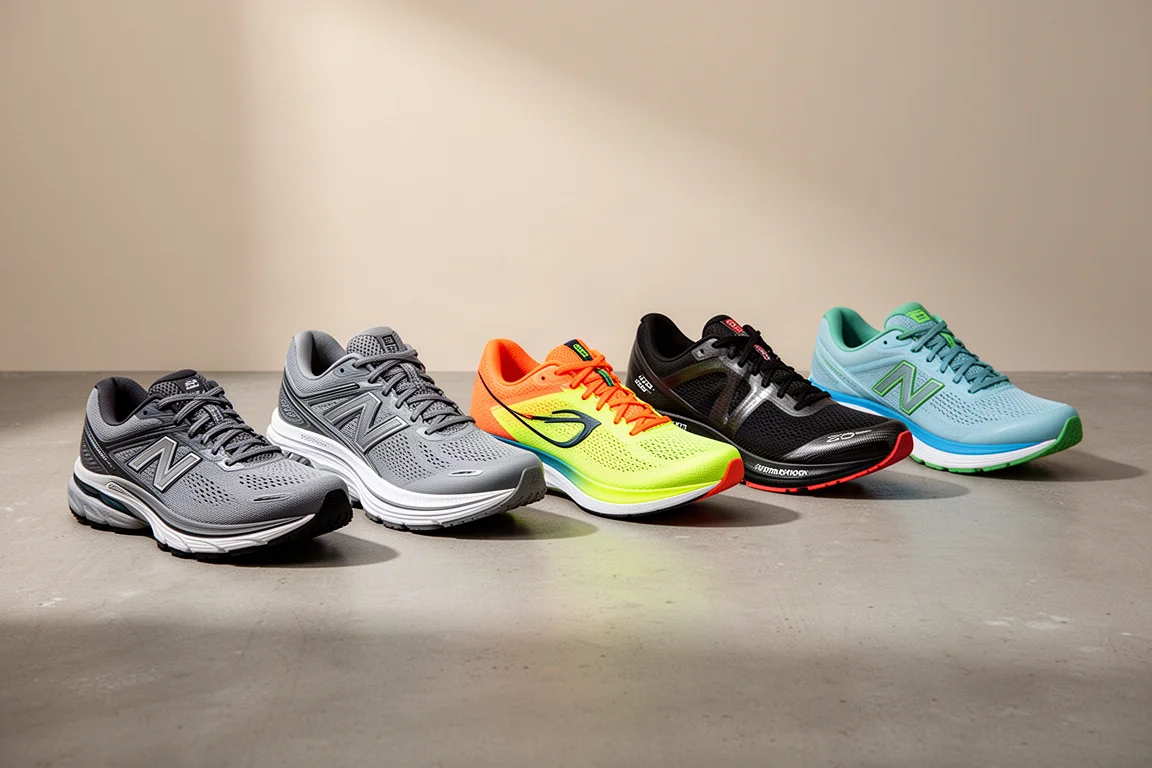
Picking favorites in running shoes is a thankless job. There is no best shoe, only the right shoe for your stride, your paces, and your goals. Still, some models rose above the pack this year through comfort, innovation, and sheer likability. The shoes below earned repeated wear from testers and kept earning it past the 100-mile mark, which is the most honest endorsement a trainer can get.
How We Picked
These picks come out of a full year of testing across easy miles, workouts, long runs, and racing. Rather than ranking by category, the focus is on shoes that stood out as personal favorites: models that kept getting reached for even when fresher options arrived. Prices, stack heights, and ride character all factored in, along with durability at a time when shoe prices keep climbing.
Asics Gel-Kayano 32
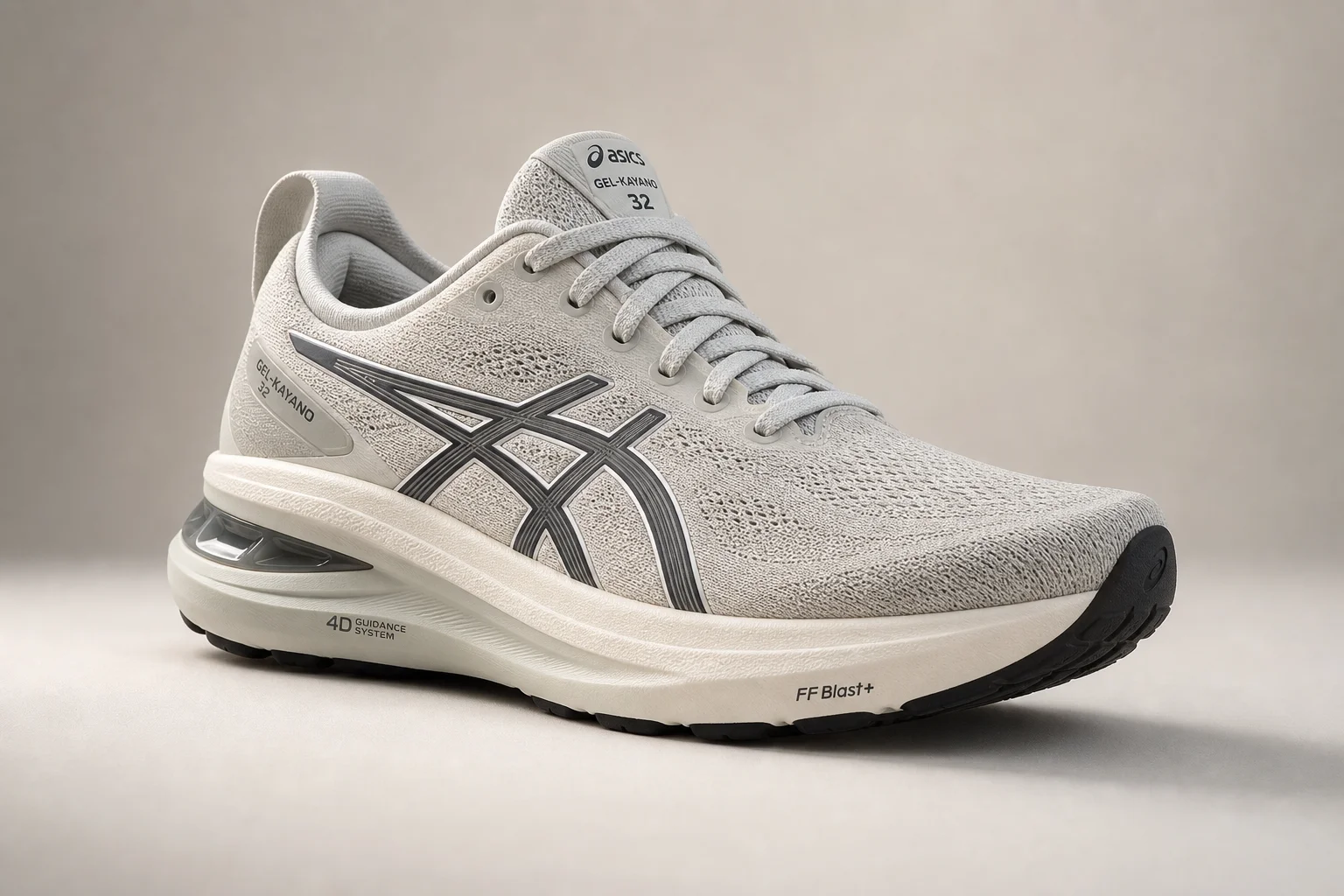
The Gel-Kayano 32 is the standout story of the year in stability. Previous generations felt like they had lost some of their spark, with a heel transition that struggled and a ride that lacked energy. This version moves forward in almost every way: a slightly lower drop that never feels too low, a newly shaped heel bevel that transitions smoothly, and a redesigned 4D Guidance system that finally works as intended. Instead of a firm crash pad, the guidance is responsive, catching overpronation and bouncing you back out of it.
It is not light, and the fit runs snug at first before the upper stretches in, but it handles long runs, easy miles, and even long days standing on your feet. Over 200 miles into testing, the midsole still feels remarkably fresh. If you have medial stability needs, this is the clear pick of the year.
Asics MegaBlast
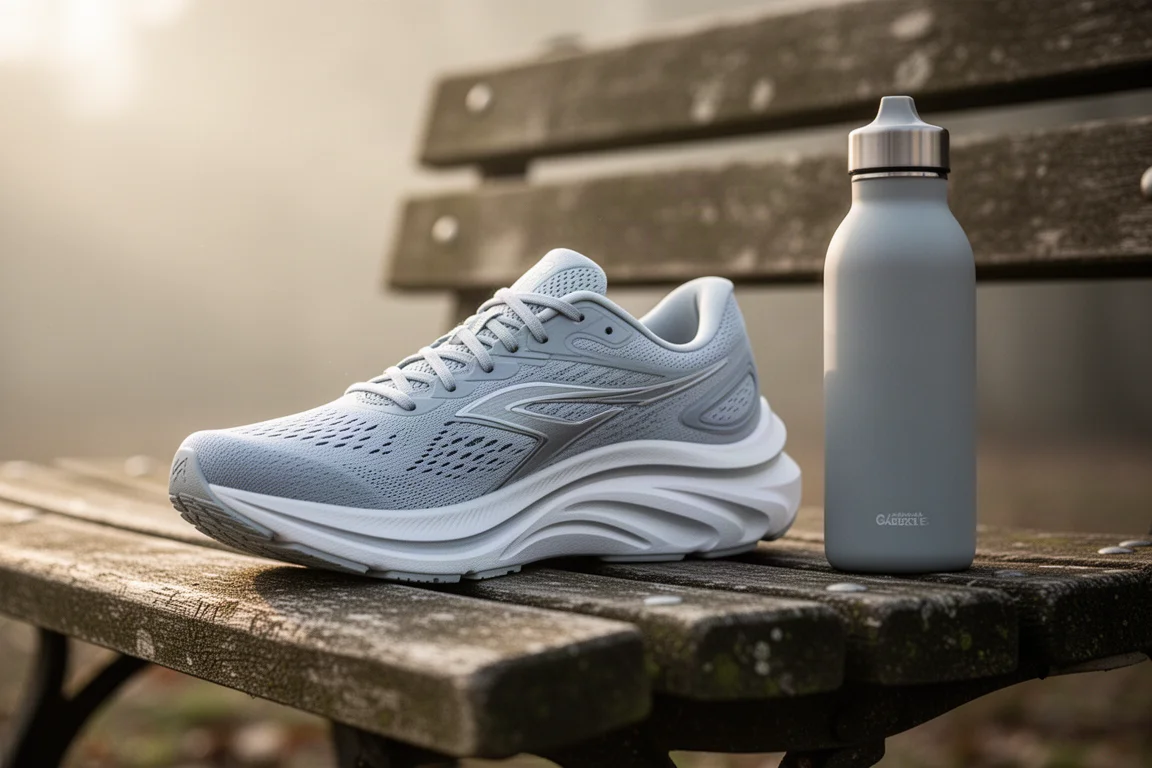
The MegaBlast is the surprise of the year. Super high stack, super lightweight, and a genuinely rhythmic ride: at roughly 45 mm of stack it still comes in just under 8 ounces in a men’s size 9, which is an absurd spec sheet. The Flight Foam Turbo Squared midsole, essentially a more training-friendly and slightly denser take on Asics’ race-day ATPU foam, feels lively without being aggressive, and it barely shows wear even after solid mileage.
The ride shines at easy and moderate paces, where the smooth rocker lets you fall into a shuffling rhythm, but it can pick up the pace for marathon-type work. The one caveat is a lower-volume, narrower forefoot. Sensitive feet should try before buying, but for many runners this is the most fun lightweight high-stack trainer of the year and a serious alternative to a super shoe for long-distance racing.
Nike Streakfly 2
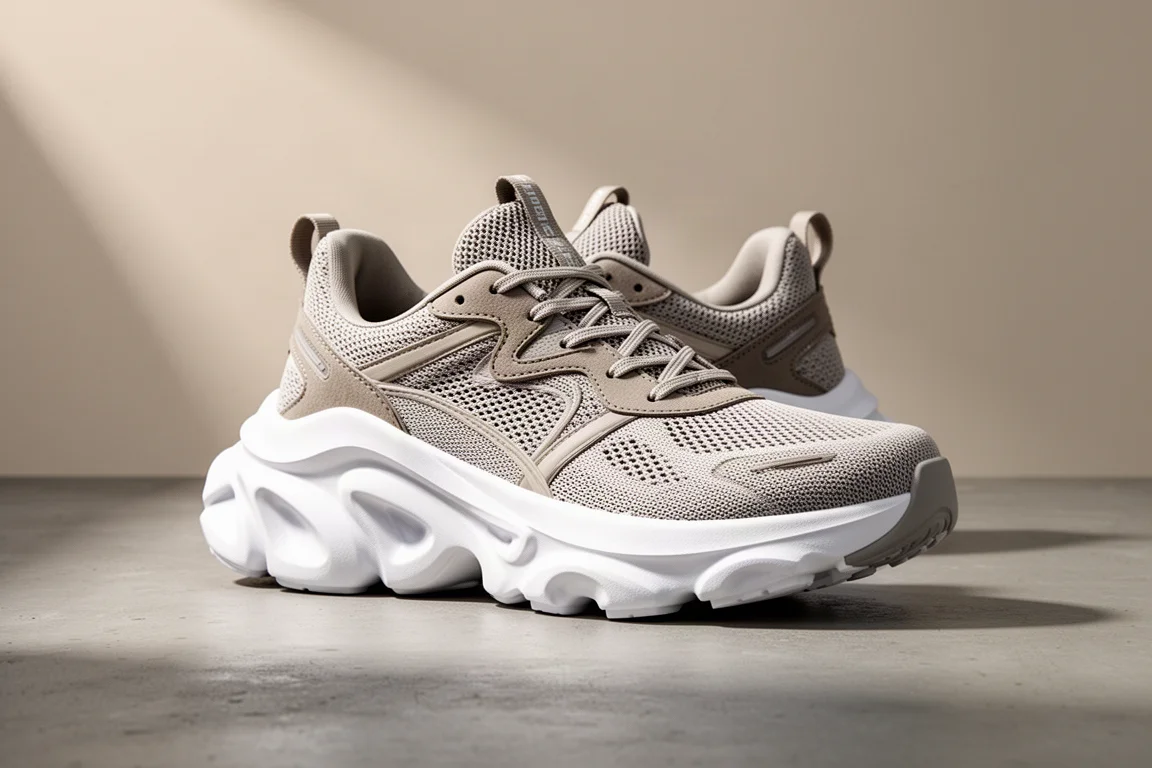
For mile road races, the Streakfly 2 is a gift. It weighs 4.5 ounces in a men’s size 9, sits low to the ground at roughly 26/22 mm with a 4 mm drop, and feels like a track spike without the spikes. The forefoot is completely rigid, which is exactly what you want at faster paces, and the squared-off toe box holds the foot well without tapering awkwardly.
It has proven itself in road miles and performs well on the track too, and it even doubles as a capable option for smooth cross-country courses where spikes are not practical. There is essentially nothing to complain about here. It is light, responsive, comfortable, and easy to lock down.
Puma Fast-R Nitro 3
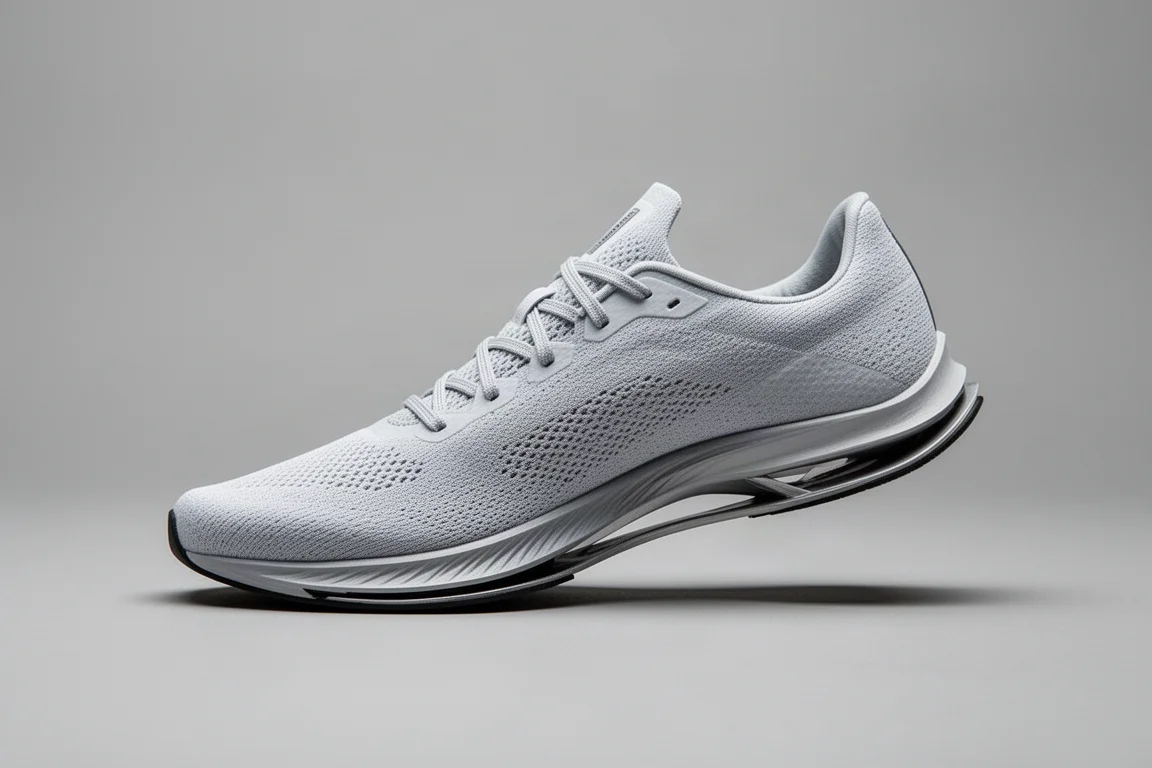
The Fast-R Nitro 3 was the favorite racing shoe over longer distances this year. Its geometry is the headline: a very severe heel bevel, an early forefoot rocker, and a heel completely decoupled from the rest of the shoe. For midfoot and heel strikers with that rolling style, it feels like the shoe was designed for the way you naturally run, with the rocker starting beyond your landing point rather than shooting you straight into push-off.
It is blisteringly light, around 6 ounces for men and 5.2 ounces for women, and it held up beautifully in a 5K race after a season of workouts. Grip from the extensive rubber coverage is strong, even in snow. One warning: the medial cutout is aggressive and will not suit every foot, and stability on uneven surfaces is not its strength. For straight-line racing from 5K up through the half marathon, though, it is exceptional.
adidas Adizero Experience Flow 2
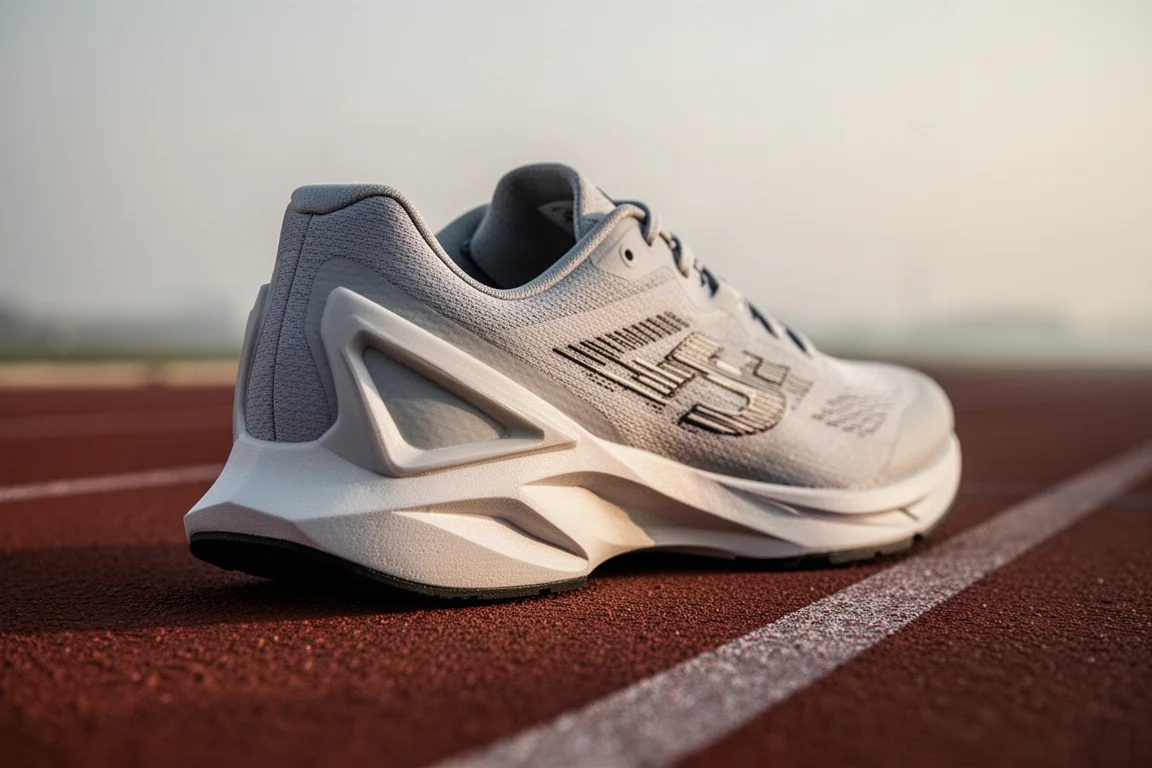
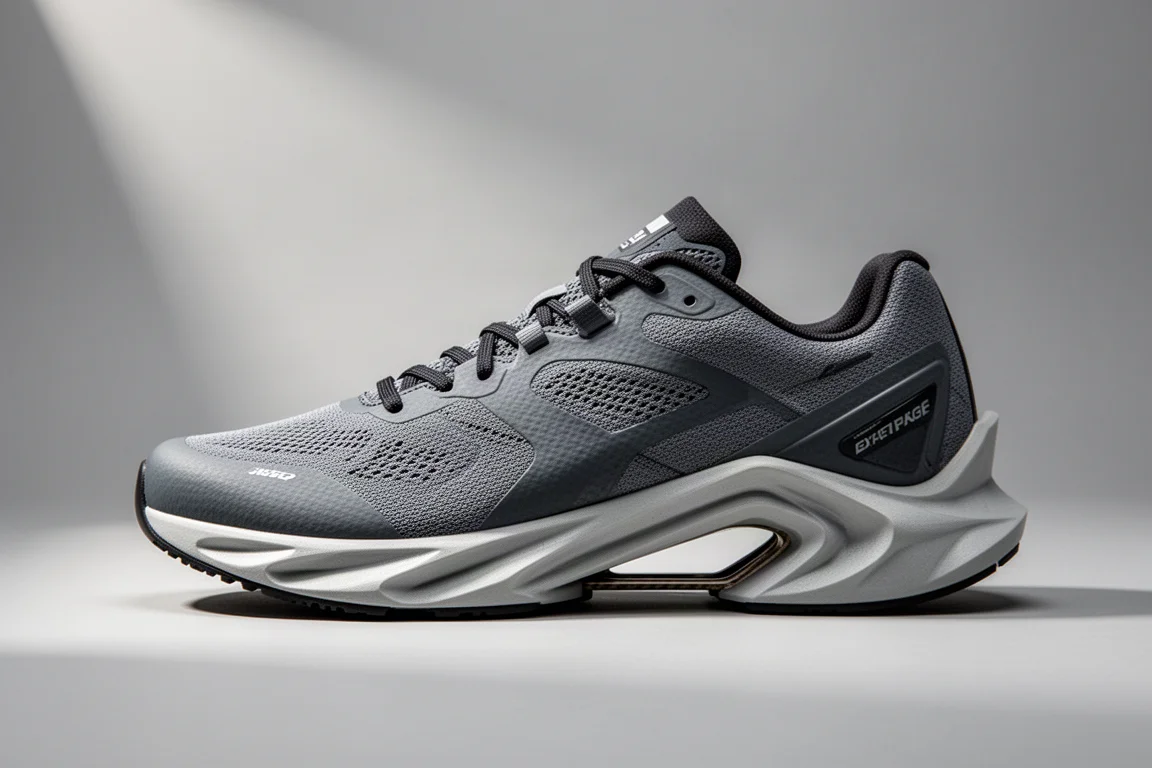
The Experience Flow 2 delivers a grounded, natural feel that few modern trainers manage. It sits in the low 8-ounce range with a 4 mm drop, which allowed adidas to use a slightly softer foam without dropping into negative drop territory. The result is a shoe that finally feels current, after a stretch where adidas trainers were falling behind the market in ride feel.
It handled a 14-mile long run comfortably and stays light enough for slightly faster efforts. The wide-enough toe box and strong lock-down round out a genuinely complete fit. At $140, it is one of the better values of the year and works well for walking too. It is an easy recommendation for runners who want a lower, more grounded trainer.
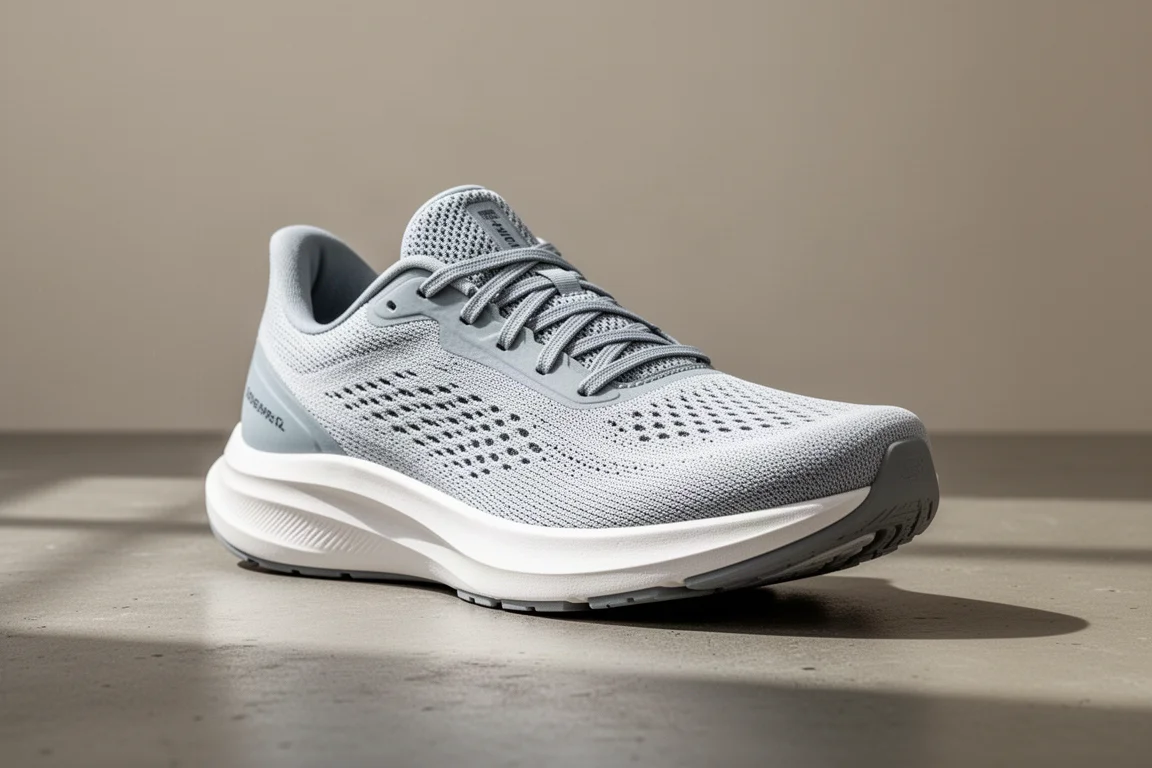
Salomon Aero Glide 3
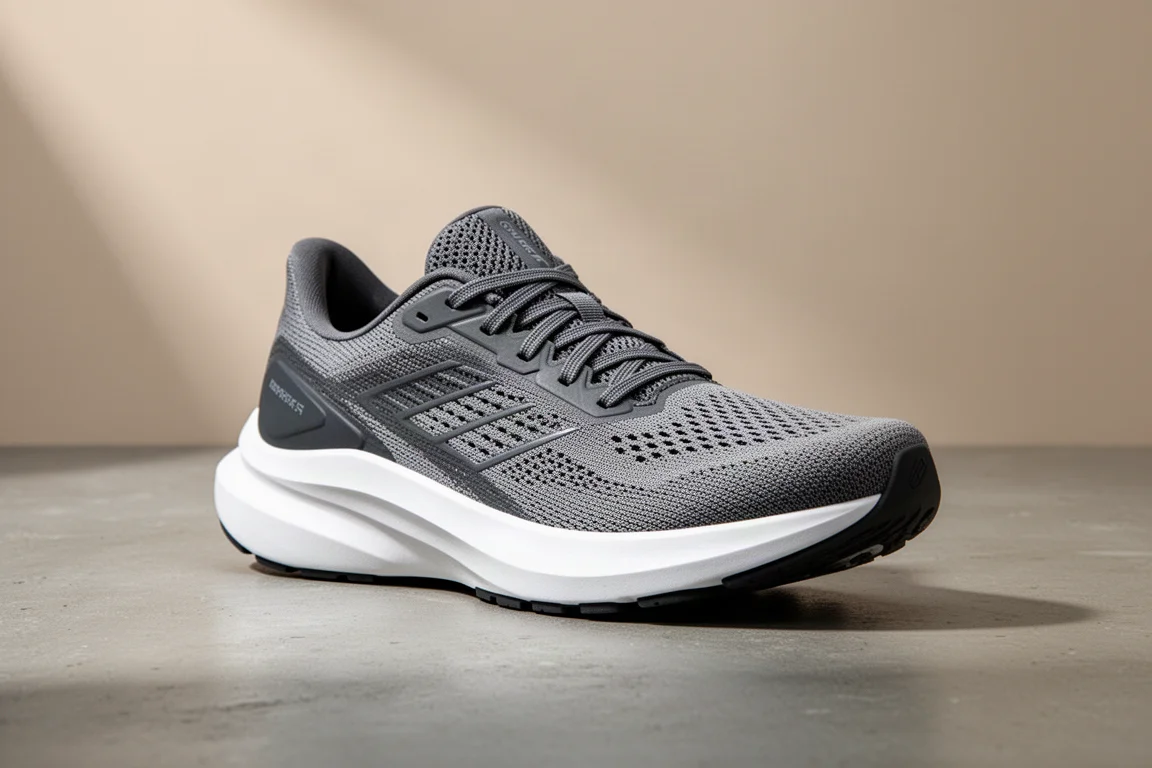
The Aero Glide 3 was the sleeper hit of the year, a huge step up from very average predecessors. Salomon’s Energy Evo foam transitions super smoothly, the shoe sits in the mid-8-ounce range despite a higher stack that never feels heavy, and it manages easy runs, workouts, and everything in between. The upper is genuinely comfortable and, once broken in, fits beautifully.
Durability is solid, with the midsole holding its character well past 100 miles. There is also a gravel version with a slightly firmer outsole that adds a touch of extra guidance for mellower mixed-surface routes. For a smooth, versatile daily trainer that surprised everyone, this is the one.
Buying Advice
If you need real stability for overpronation, the Gel-Kayano 32 is the easiest call on this list. If you want one shoe to handle easy miles, long runs, and the occasional fast session without paying super-shoe prices, the MegaBlast and the Aero Glide 3 are the best places to start, with the Experience Flow 2 as a more grounded, lower-drop alternative. For dedicated racing, match the shoe to the distance: the Streakfly 2 dominates mile efforts and short road races, while the Fast-R Nitro 3 is the pick from 5K through the half marathon.
Beyond these six, the year produced plenty of depth worth exploring: the Nike Vomero Plus and Vomero Premium for plush bouncy easy miles, the New Balance Rebel v5 and 1080v15 as versatile daily trainers, the Topo Cyclone 3 and Topo Fly 6 for lightweight low-drop fans, the On Cloud Ultra Pro and New Balance SC Elite v5 for trail and marathon work respectively, and the Saucony Ride 18 as a dependable neutral workhorse.
Conclusion
The common thread across these six shoes is that none of them felt like a compromise. Each one kept earning miles long after its test window closed, which is the simplest measure of a shoe doing its job. Match the pick to your stride and your goals, and any of them should reward you the same way.
Further reading
Related Reviews
Running
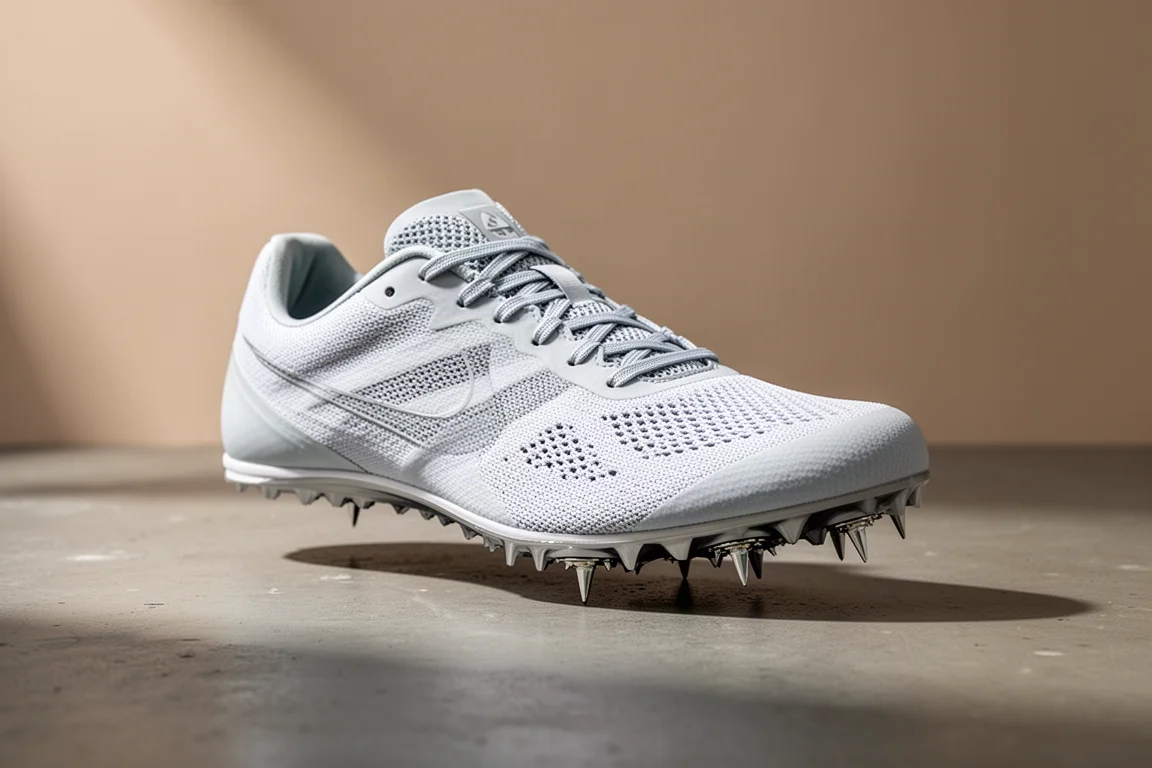
Adidas Adizero Ambition Review: A Middle Distance Spike That Gets the Job Done
A high school middle distance runner puts the Adidas Adizero Ambition through a full track season in the 800m and mile. Here is how it scored.
Running
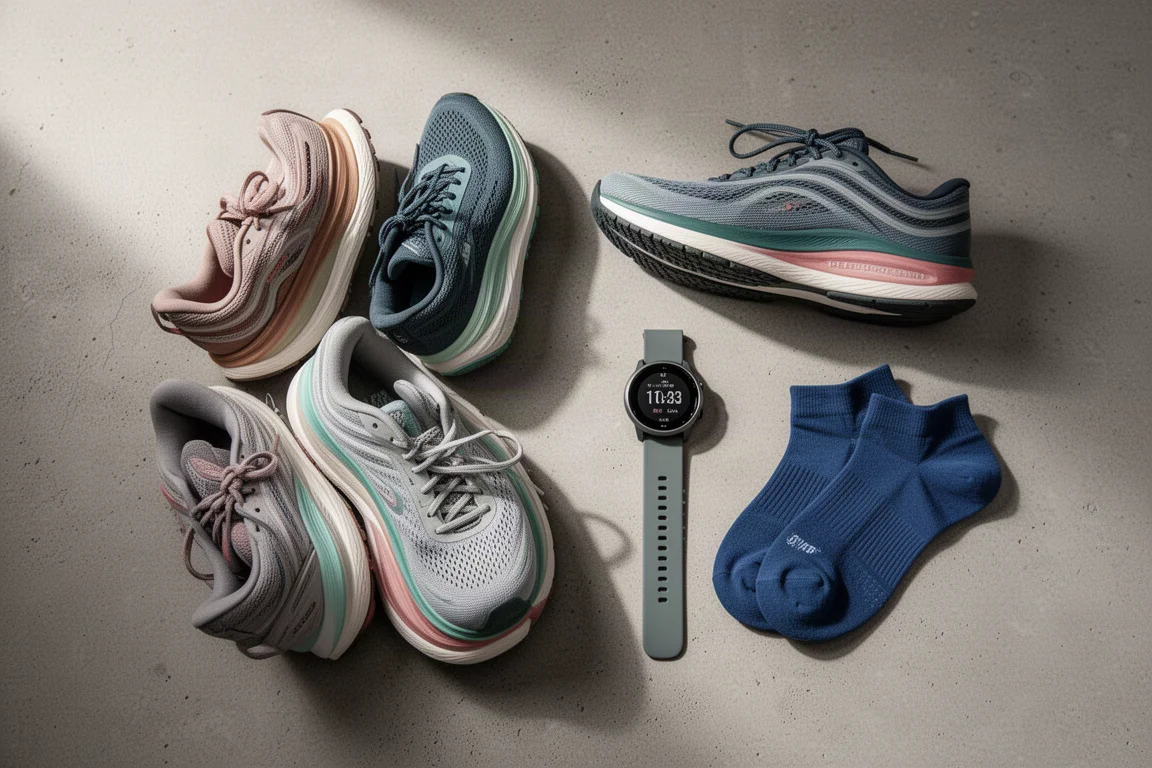
Starting Running Today: The Essential Gear and Beginner Shoes Worth Considering
A practical starting point for new runners: daily trainers, race shoes, and GPS watches that cover most beginner needs without overspending.
Running
Best Daily Running Shoes of 2025: Our Top Five Picks
Five daily trainers that stood out over a full year of testing, plus the popular models that just missed the cut.