Running
Starting Running Today: The Essential Gear and Beginner Shoes Worth Considering
A practical starting point for new runners: daily trainers, race shoes, and GPS watches that cover most beginner needs without overspending.
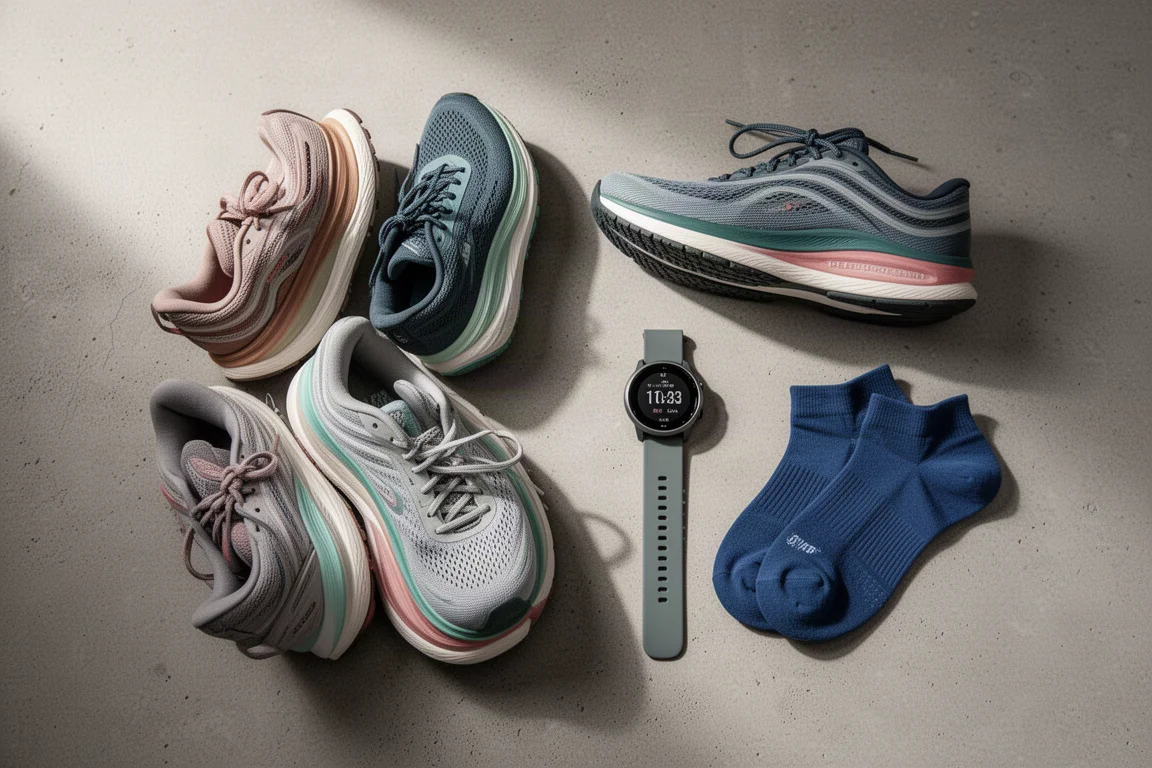
Introduction
There has never been a better time to start running. The sport is enjoying a genuine boom, and the gear, apps, and resources available today are far better than what beginners had even a few years ago. If you are taking that first positive step, you are already ahead of the game.
This guide covers the essentials you need before your first runs, the shoes that make sense for beginners, and the nice-to-have extras worth considering once you have built a routine. Getting the basics right early makes running far more enjoyable, and enjoyment is what keeps you coming back.
Daily Running Shoes: Where to Start
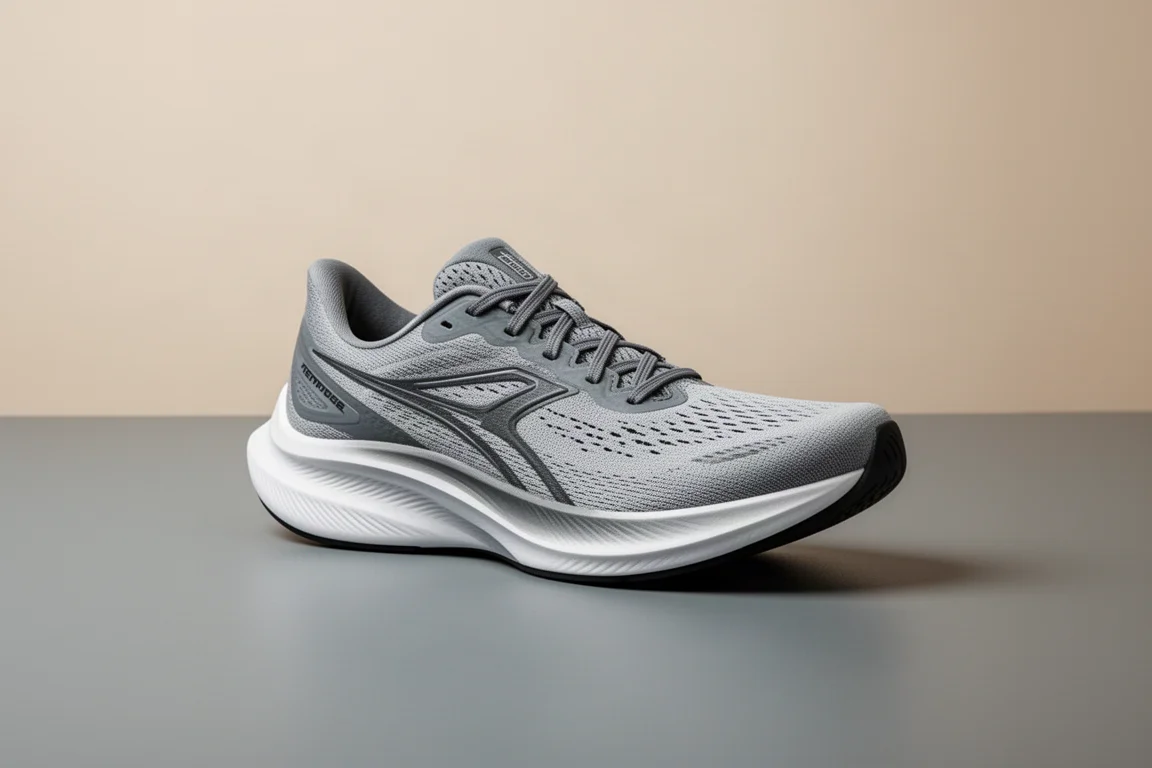
A good pair of running shoes is the single most important purchase. Running in non-specific shoes usually leads to blisters, discomfort, and potentially injury because the cushioning and support simply are not there. What most beginners want is a daily running shoe: comfortable across different paces and suited to a wide range of foot shapes.
Two things to avoid. First, the cheapest entry-level shoes from any brand, which usually use hard, poor-quality foams. Second, the most expensive shoes, which tend to be ultra-lightweight carbon-plated race shoes. Those are brilliant, but they are not what a new runner needs right now.
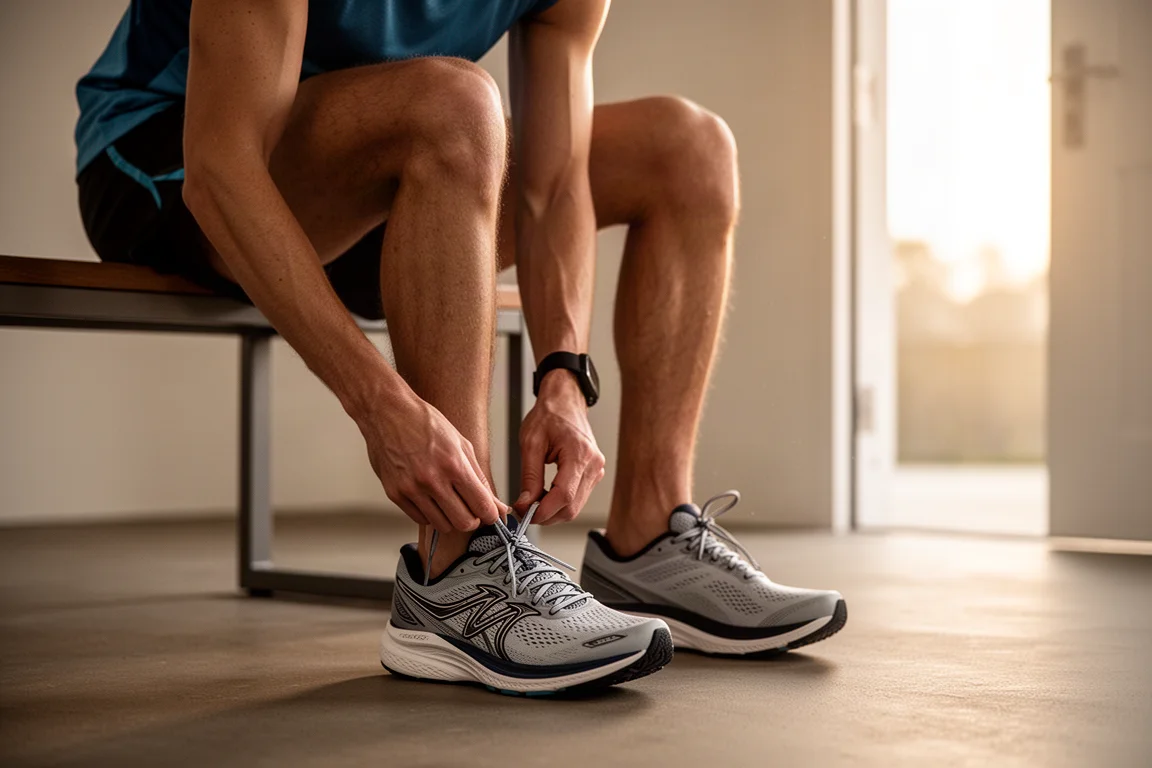
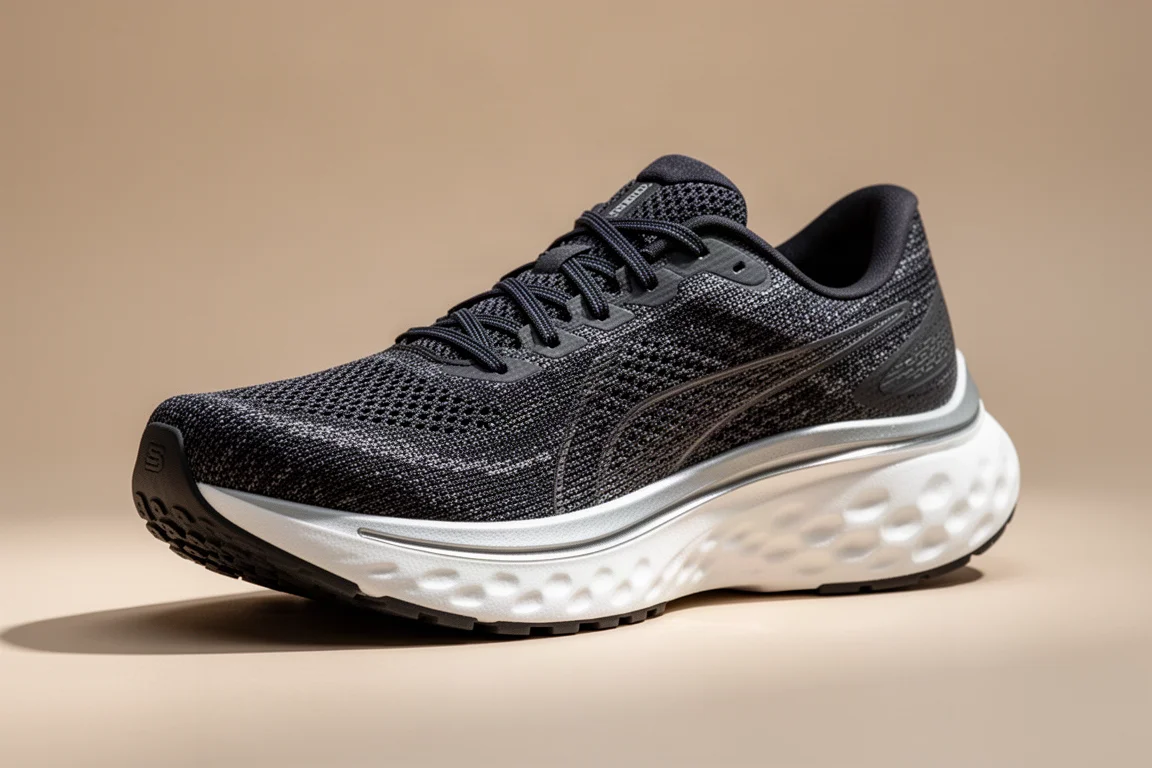
A few current models stand out. The Puma Velocity Nitro is a genuinely good budget option. The Asics Novablast 5 is probably the daily shoe recommended most often, and for good reason: it balances cushioning and responsiveness for everyday use. Heavier runners should look at the Nike Vomero or, even better, the Nike Vomero Plus, which offers more shoe underfoot.
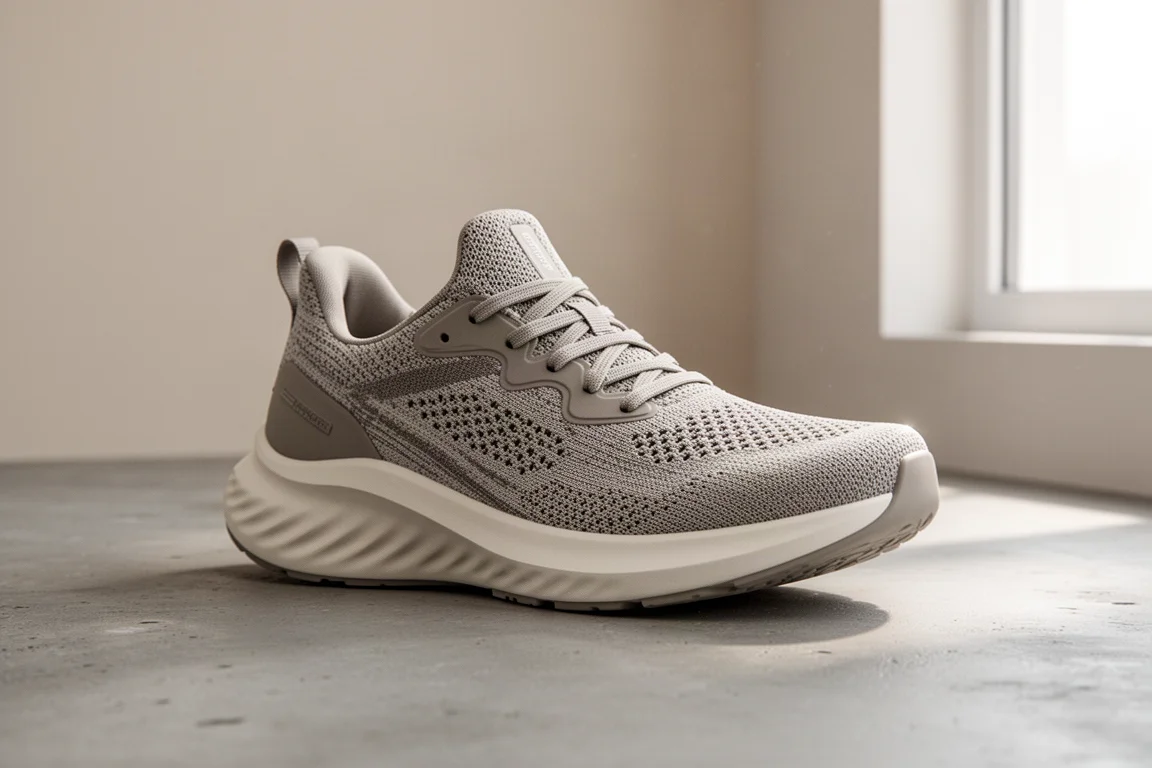
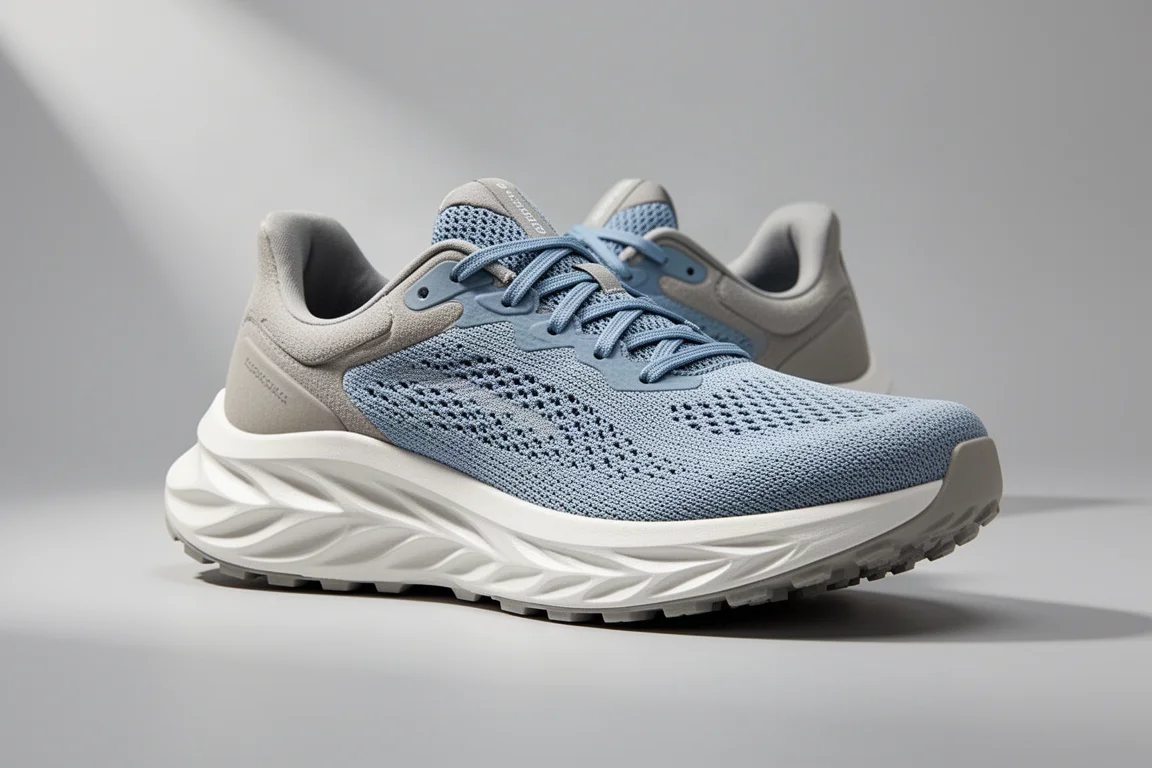
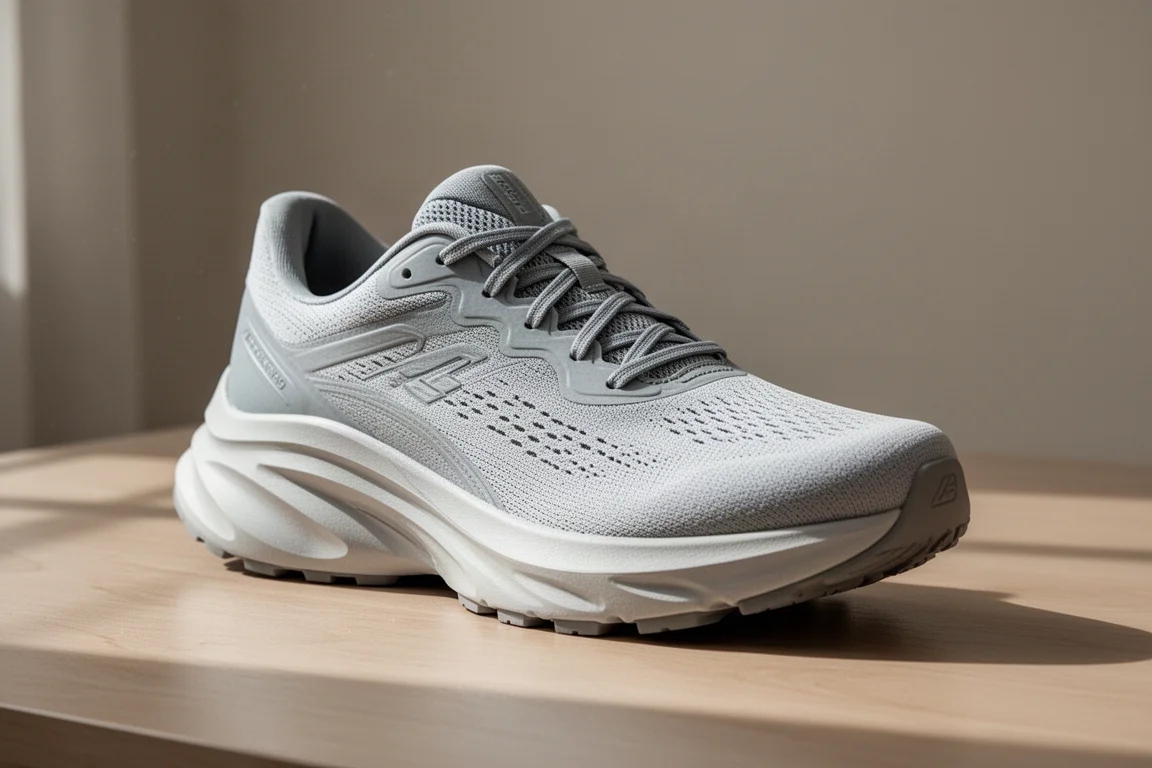
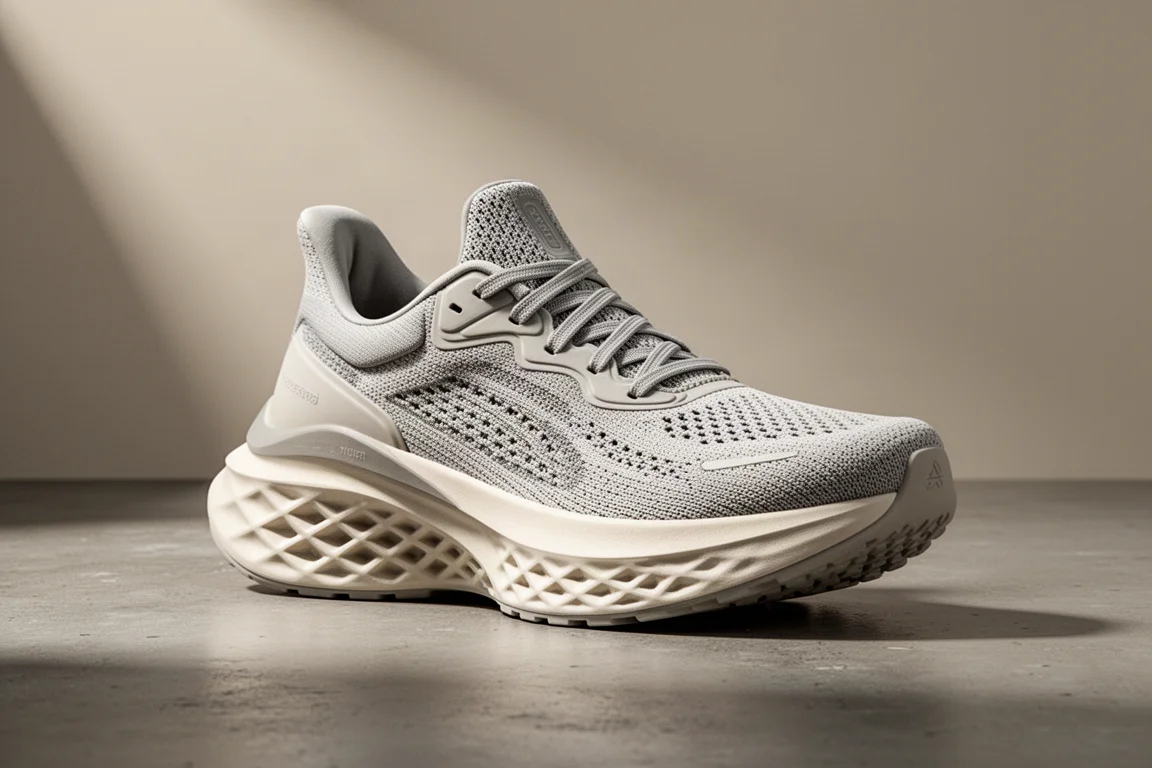
The New Balance 1080 is a real classic in the daily shoe category, a bit more premium and particularly good for longer runs. If you have a wider foot, the Brooks Ghost is a smart pick because it comes in four different widths.
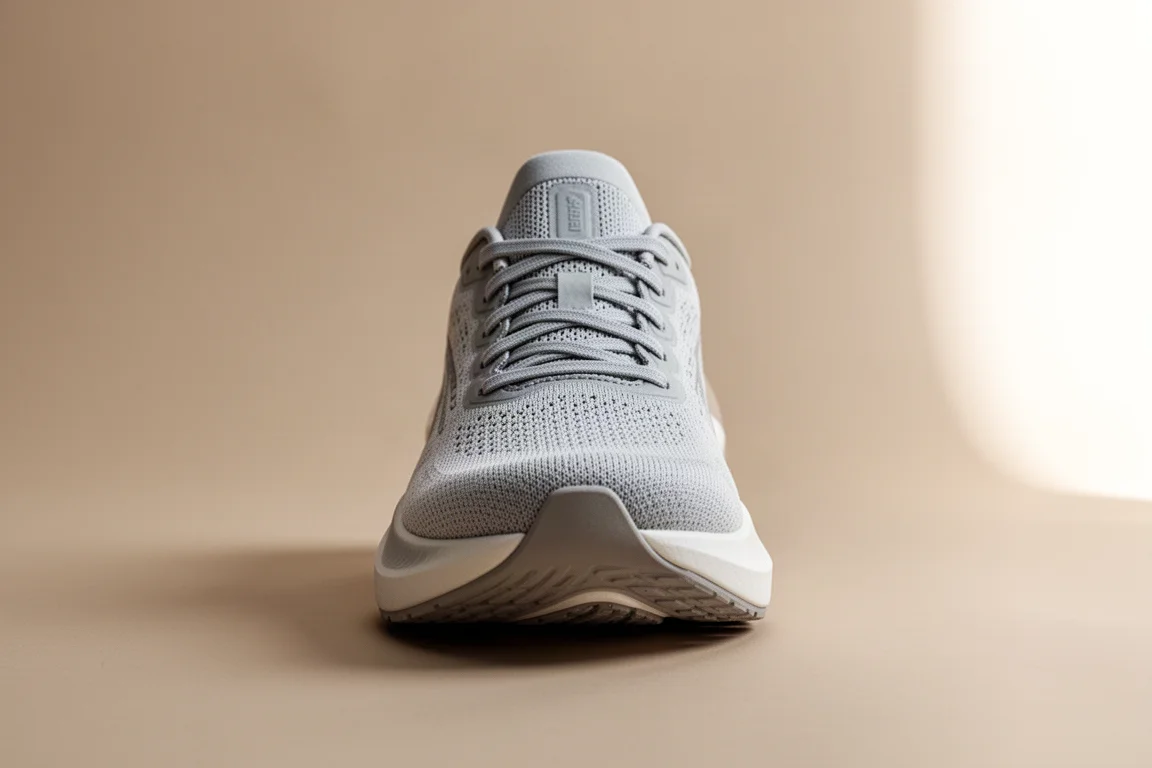
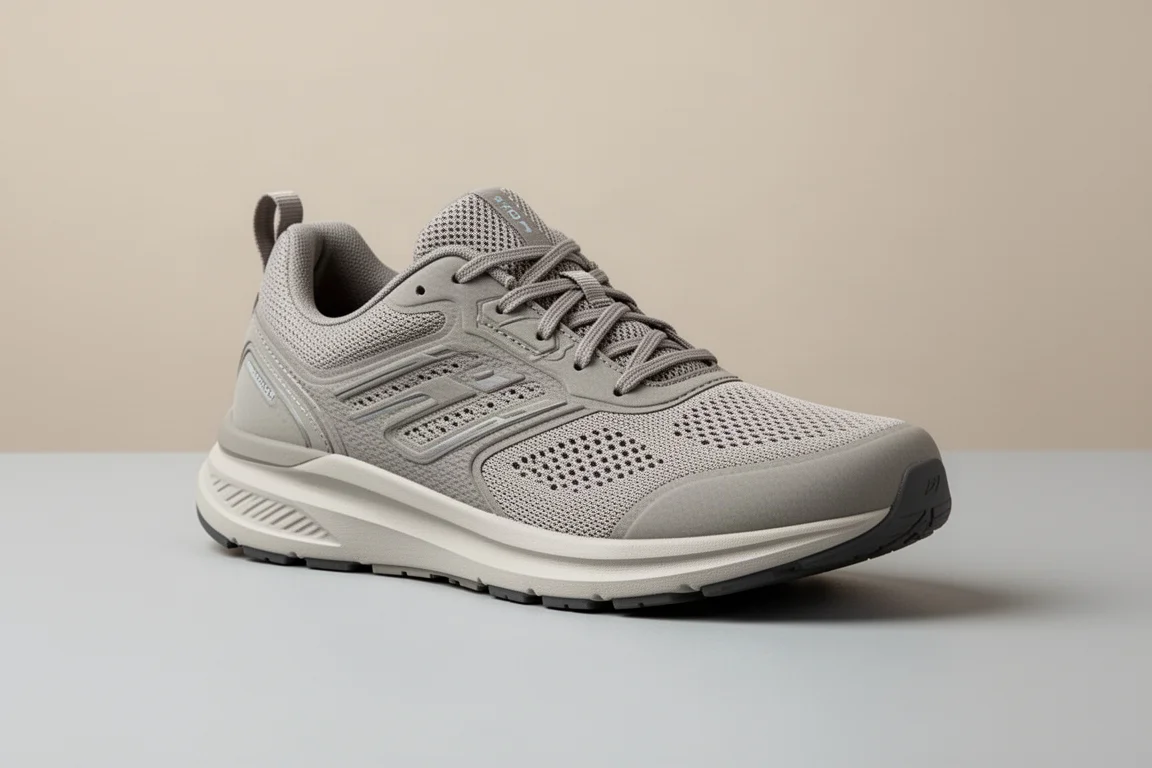
Two money-saving tips worth remembering. Previous-year models of these exact shoes are often heavily discounted, so look for last year’s New Balance 1080, Nike Vomero, or Asics Novablast. Secondhand and lightly used options on resale websites can also land you a high-quality daily trainer at a solid discount. And whenever possible, visit a running store: the staff fit hundreds of runners and can point you to the right shoe for your feet.
Technical Clothing and Socks
Running-specific clothing is not required. A gym top or a football shirt that wicks sweat away and will not cause chafing is perfectly fine. Shorts or leggings with pockets are worth looking for, so you can carry your phone and keys on the go. Budget brands and secondhand listings are a sensible place to start.
Running socks, though, are worth buying properly. Good socks have padding in the right places and use moisture-wicking materials, which means zero chafing and a far lower chance of blisters. Treat them as part of the essential kit rather than an afterthought.
Training Basics for New Runners
Most beginners have no idea how long to run, how fast, where, or what to do day to day. A simple training plan solves that by giving you structure, so you never have to think about what to do next.

In the first four weeks, expect mainly run-walk sessions: alternating time running with time walking. This lets your body adapt gradually to the stress running places on it. Aim to run two to three times a week, ideally three times if you can manage it in those early weeks and months.
A good plan mixes easy runs, speed sessions, long runs, and strength work to build all aspects of your fitness. The biggest mistake beginners make is running everything too fast. Slow down and keep most runs at a conversational pace, where you could chat with someone beside you. That dramatically lowers injury risk and builds mileage safely.
Goals, Logging, and Consistency
Having something to aim for keeps you motivated. A first 5K or a parkrun is a classic target: a free, timed, accurately measured 5K every Saturday morning where you can run or walk at any pace, with nobody judging you. A first marathon, possibly raising money for charity, can be a longer-term dream. Some goals are about health, energy, exploring your local area, or meeting people at a run club. Knowing your why keeps the runs happening.
Logging your runs digitally, for example in an app like Strava, is a strong motivator because you can see progress over time. Just remember that progress is not linear. There will be good days, bad days, and days nothing goes to plan. The biggest factor in improving is consistency built over months, not weeks.
GPS Running Watches: Garmin 165 and Coros Pace 4
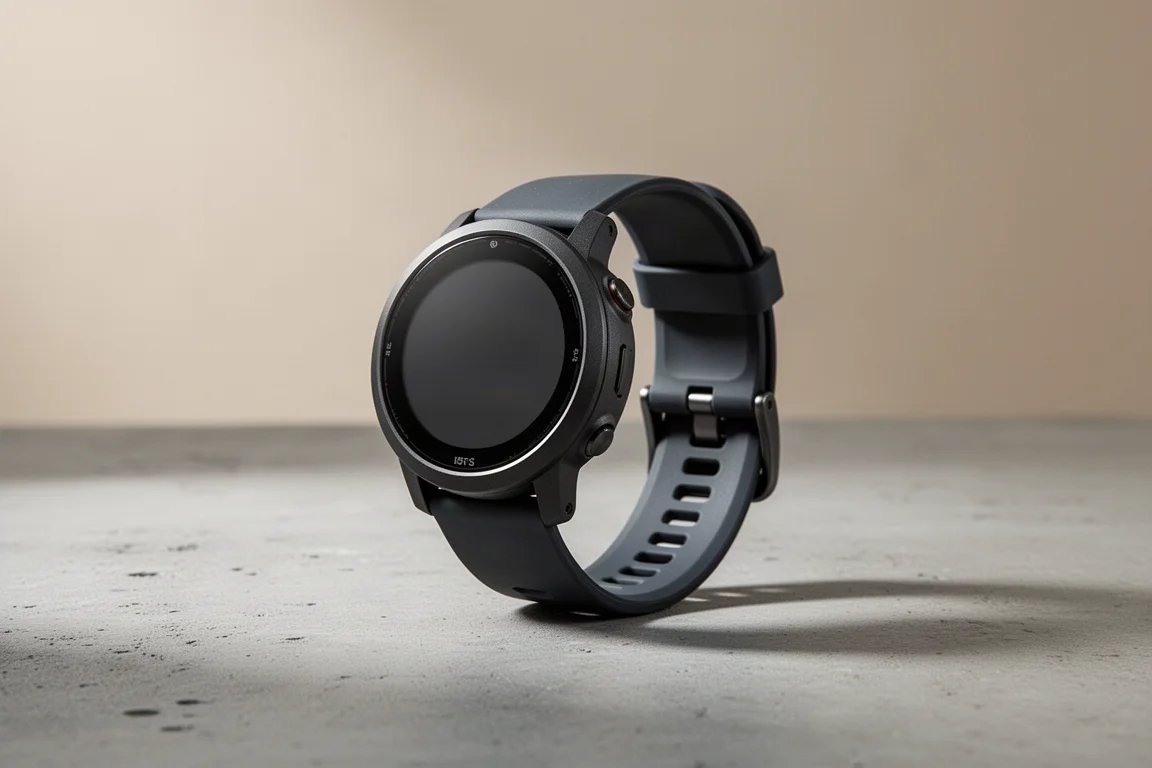
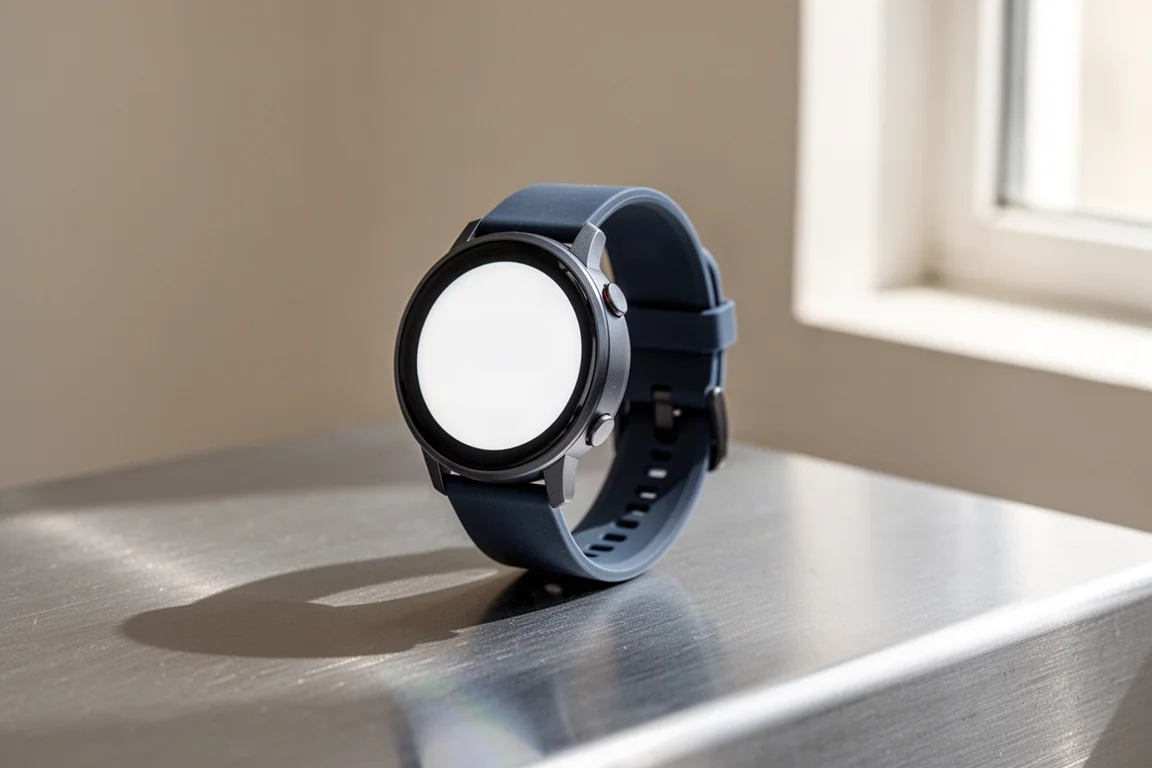
Once you have built a routine, a GPS running watch is the first nice-to-have worth adding. It gives you easy access to data while running and helps you pace yourself better, and the GPS tends to be more accurate than a phone in your pocket.
The two big players are Garmin and Coros. The Garmin 165 is an excellent entry-level running watch, and the Coros Pace 4 is the other obvious pick. Both have more than enough features to keep the vast majority of runners happy, so there is no need to spend beyond this tier as a beginner.
Headphones and Awareness
Many runners use music, podcasts, or audiobooks for motivation. The trouble with standard in-ear headphones is that they block your awareness of your surroundings. Bone-conducting headphones solve this by letting you hear traffic, cyclists, and people around you while still enjoying your audio. The most popular option in this space is Aftershokz, though cheaper alternatives exist.
Your First Race or Speed Shoe
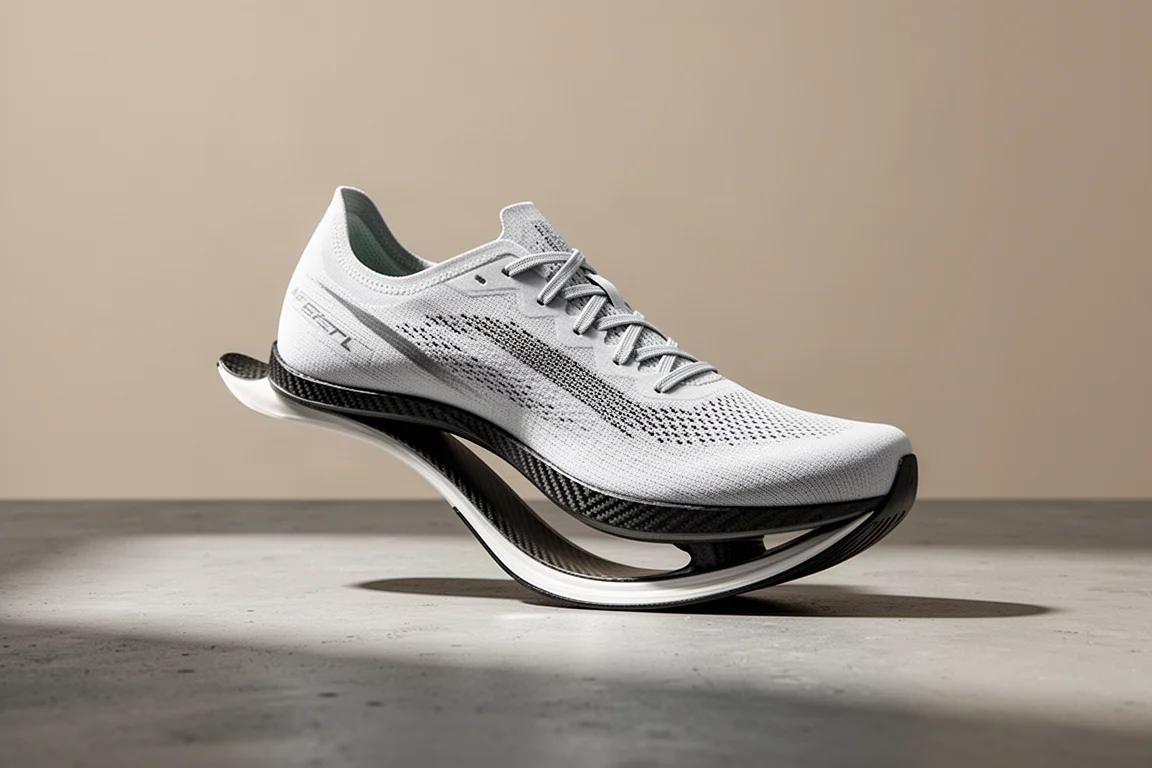
As a second shoe in your rotation, a speed or race shoe for faster sessions is a smart upgrade. These shoes use a carbon or nylon plate for extra assistance, paired with lighter and more responsive foams. They shine in speed sessions and your first few races.
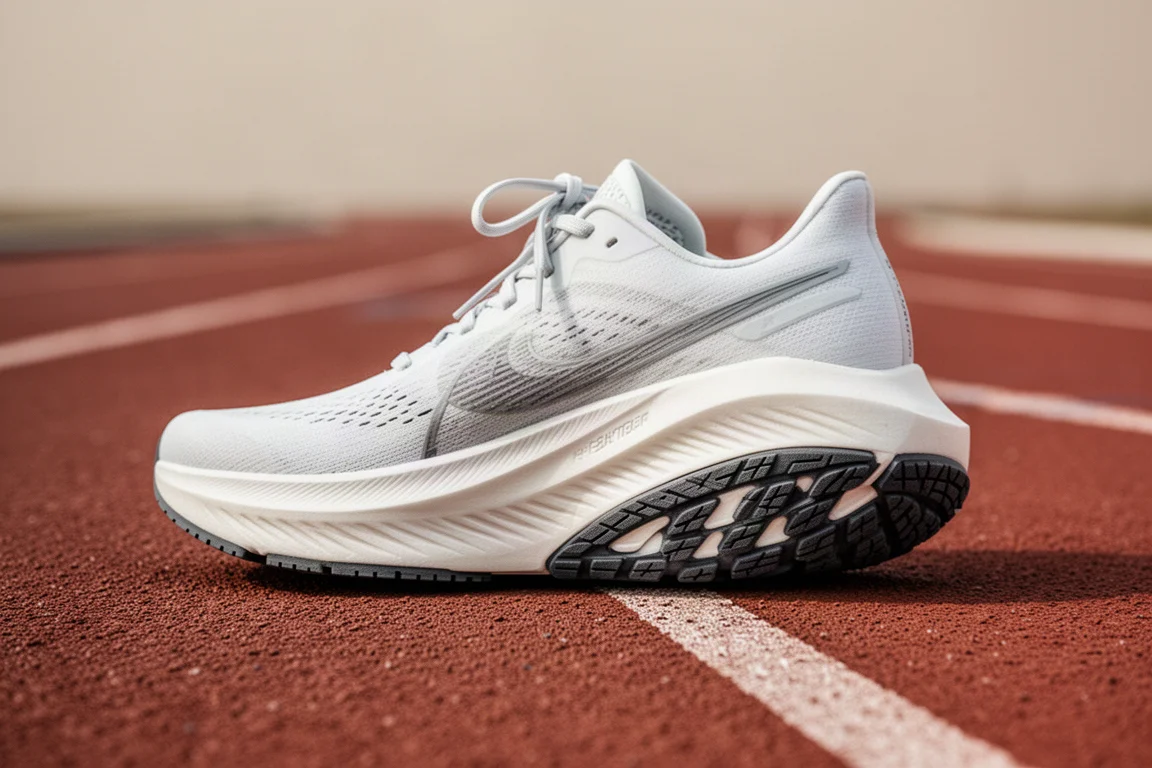
For a first plate shoe, three models come up again and again: the Nike Zoomfly 6, the Adidas Boston, and the Hoka Rocket X. All are well suited to faster-paced runs and to those early races where you want something livelier than your daily trainer.
Packs, Waistbands, and Nutrition
As runs get longer, you may want to carry nutrition, clothing, or liquids. A running waistband or a small pack covers this, and there are plenty of options at different sizes depending on how much you need to carry.
On the run itself, energy gels are the most common choice for longer efforts: lightweight, easy to carry, and convenient. There is no single gel that works for everyone, so try several brands early to find what tastes good and, more importantly, what sits well in your stomach. A rough guide is one gel roughly every 30 to 45 minutes during longer runs or races, though you will develop your own strategy over time.
Mindset: Progress Is Not Linear
Every runner has felt self-conscious when starting out, worried about being seen. That is entirely normal, and those fears disappear quickly. Your body is not a machine, but it is very good at adapting and getting stronger over time, which is exactly what consistency delivers.
Do not overthink it. Just get out the door and start. Progress will not always feel fast, but stick with it and the improvements will come.
Conclusion
Starting running today is genuinely easier than it was years ago. Get a proper daily trainer rather than the cheapest or flashiest option on the shelf, add technical clothing and good socks, follow a simple structured plan, and keep most of your running easy and conversational. Once a routine is in place, a GPS watch, a speed shoe, and basic nutrition round things out. Keep it consistent, be patient with the bad days, and the sport will reward you for years.
Further reading
Related Reviews
Running
Adidas Adizero Ambition Review: A Middle Distance Spike That Gets the Job Done
A high school middle distance runner puts the Adidas Adizero Ambition through a full track season in the 800m and mile. Here is how it scored.
Running
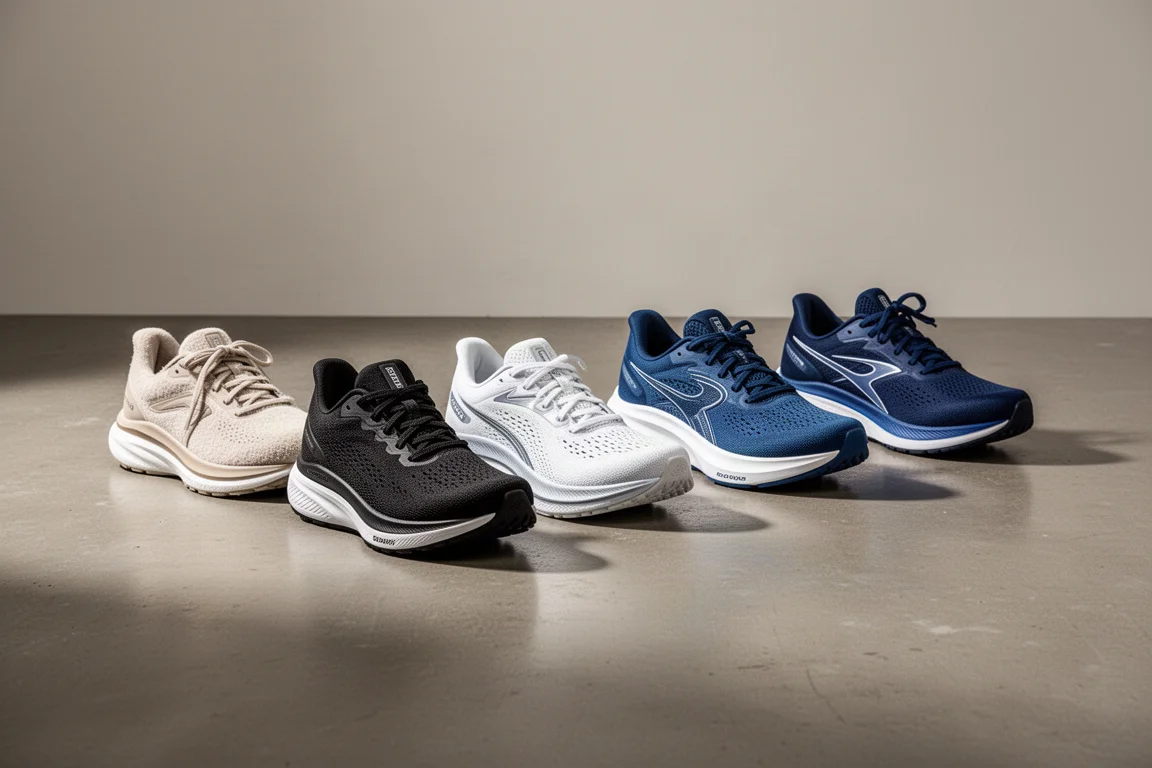
Best Daily Running Shoes of 2025: Our Top Five Picks
Five daily trainers that stood out over a full year of testing, plus the popular models that just missed the cut.
Running
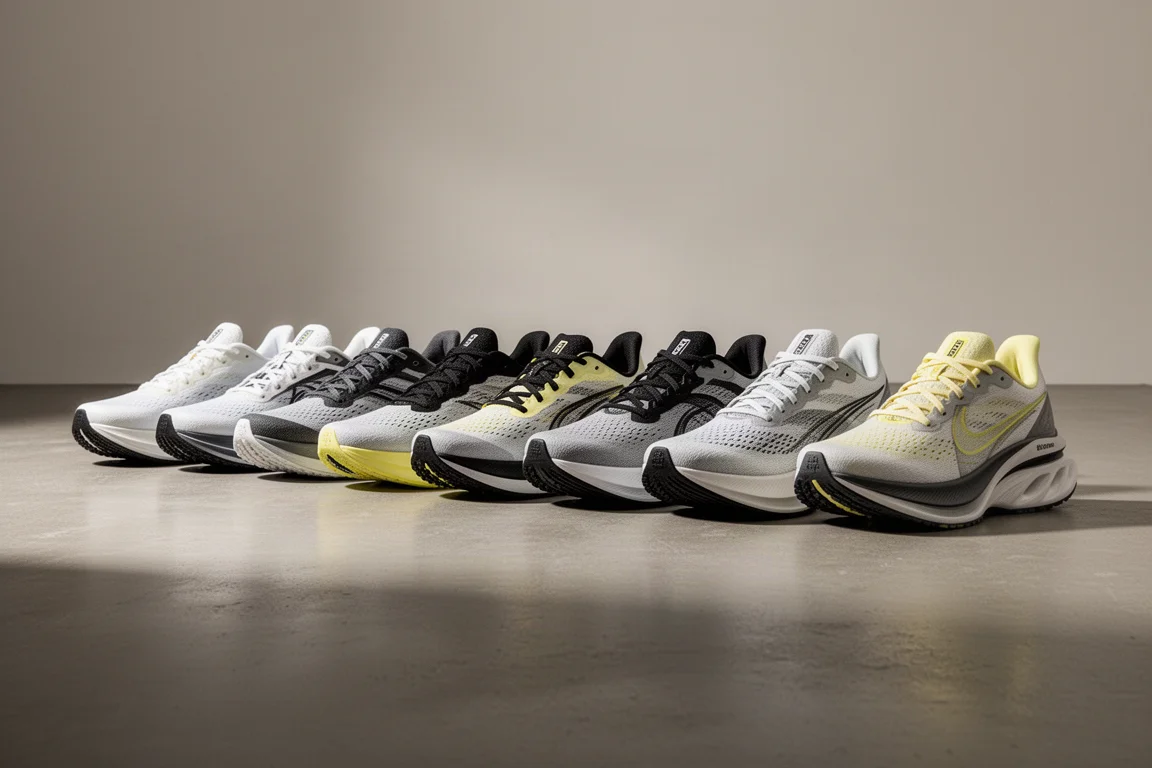
Best Marathon Training Shoes 2026: 12 Picks for Daily Runs, Speed Work, and Long Runs
A category-by-category guide to building a marathon training shoe rotation, from budget daily trainers to premium super trainers and race-day options.