Running & Recovery
8 Running and Recovery Products Tested: What's Actually Worth Your Money
From broccoli sprout drinks to recovery boots, an honest unsponsored look at eight running and recovery products to help you decide what deserves a spot in your kit bag.
Introduction
Every week a new running brand seems to pop up, marketed through influencers, elite athletes, and a steady stream of discount codes. As a consumer, it is genuinely hard to tell what is actually good and what is just well-hyped. This roundup covers eight running and recovery products that were purchased with personal funds and tested over several months of real training, with no sponsorship or affiliate arrangements involved. The goal is simple: tell you which ones are worth your money and which are not.
Evaluation Criteria
Each product was judged on the same basis: does it work as claimed, how does it fit into everyday training, how is the build quality, and is the price justified? Ratings reflect real-world use over weeks and months, not a single session.
Nomio: Broccoli Sprout Extract Drink
Nomio is a small 60ml drink positioned as a natural performance enhancer, intended to improve endurance by reducing lactic acid buildup and promote recovery by lowering oxidative stress in the muscles. The ingredients are refreshingly simple: 80% broccoli sprout extract, 15% lemon juice, and 5% sugar for sweetness. You drink it 2 to 3 hours before key sessions or races, and while athletes of all levels can use it, the brand says the effects tend to be felt more by more advanced athletes.

On the plus side, it did not cause any gut issues, and every session where it was taken seemed to go better than expected, though it is always hard to isolate the effect from weather, sleep, and general form. There is a decent body of science behind the active compound, and it is interesting reading. The downsides are the taste, which you really can pick up the broccoli in, and the price at £5 per bottle, with £12 postage unless you spend over £50 for free shipping. Overall rating: 3 out of 5.

LMNT Electrolytes
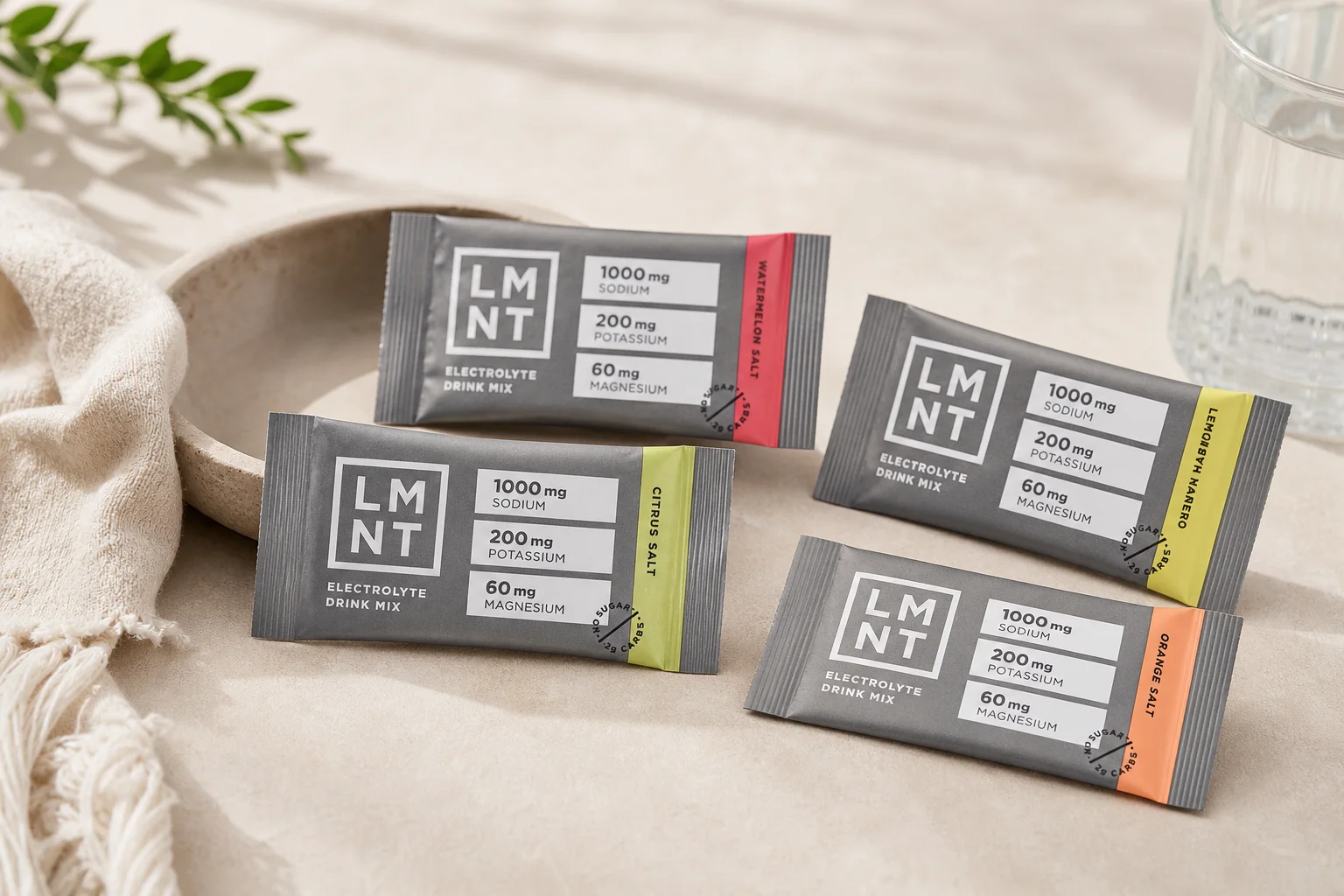
Electrolytes are minerals essential for body function, mainly sodium, potassium, and magnesium. Heavy sweating during intense exercise or in hot, humid conditions can disrupt that balance, and supplementing can help maintain it. LMNT comes in single-serve sachets you mix with water, and its standout feature is a very high sodium content compared with most other brands: 1,000mg sodium, 200mg potassium, and 60mg magnesium per packet.

The labeling is clear, the ingredients are simple, the sachets dissolve quickly with a shake, and the travel-friendly packaging makes them easy to take to races. The main drawback is the mixing range: the brand suggests anywhere from 500ml to a litre, and at 500ml it is extremely salty. At £19 for 12 sachets (about £1.58 each), you are paying a premium for that potency.
Cadence Core 500 Electrolytes
Cadence’s Core 500 takes a gentler approach, with 500mg of sodium, the source of its name, plus 200mg potassium and 20mg magnesium for daily hydration and recovery support. It tastes nice and refreshing, mixes well, and is far less salty than LMNT, which makes it much easier to actually drink. The packaging and branding are tidy, and it travels just as well.
The honest critique applies to both electrolyte brands here: no noticeable day-to-day difference was felt, and regular carbohydrate drink mixes often already contain electrolytes. Where these products earn their place is intense long sessions and heat training. After suffering through hot, sweaty editions of Comrades and Boston, this is exactly what would have been welcome on course. For everyday training, it is hard to argue it is a necessity. Overall rating: 3 out of 5.
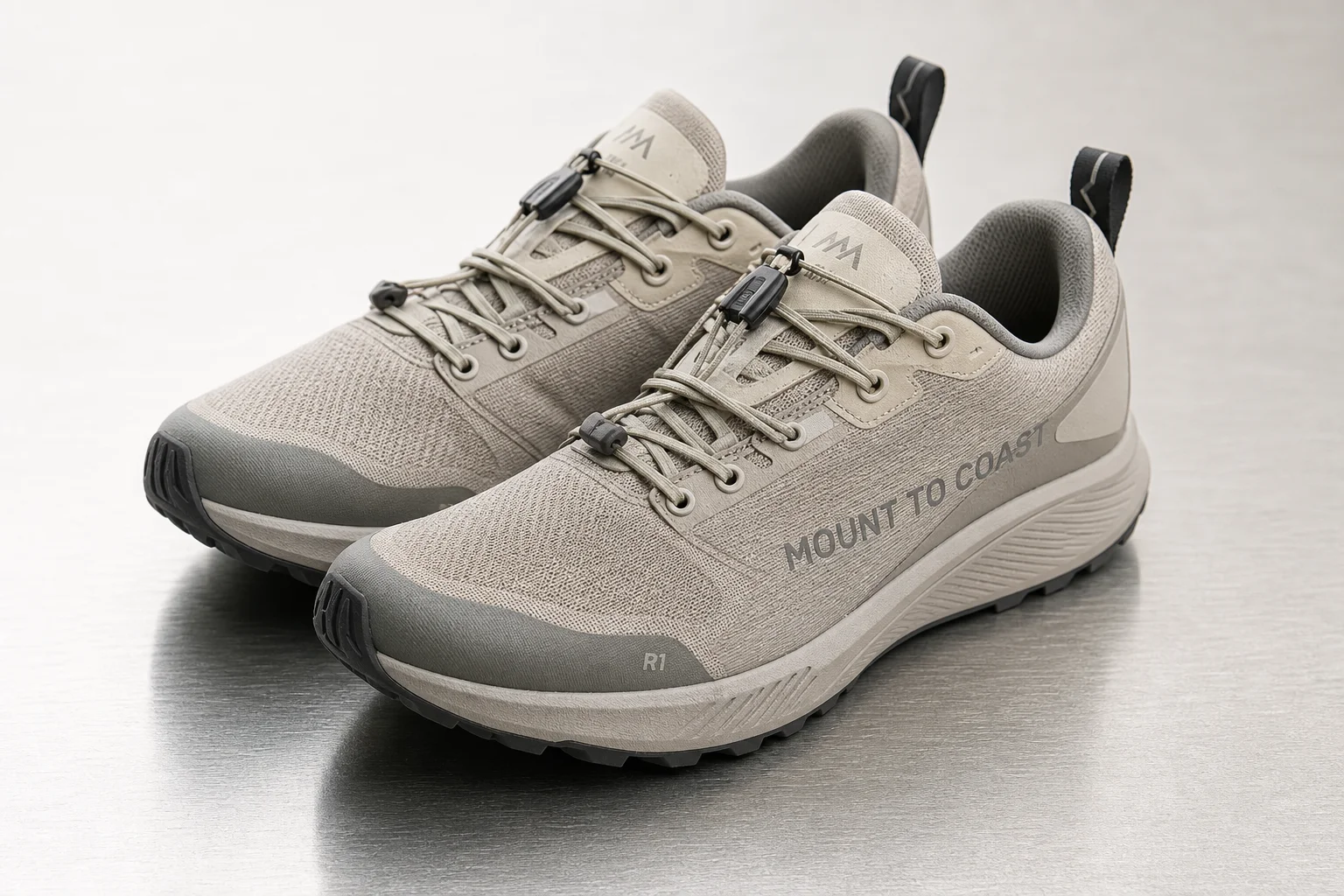
Mount to Coast R1
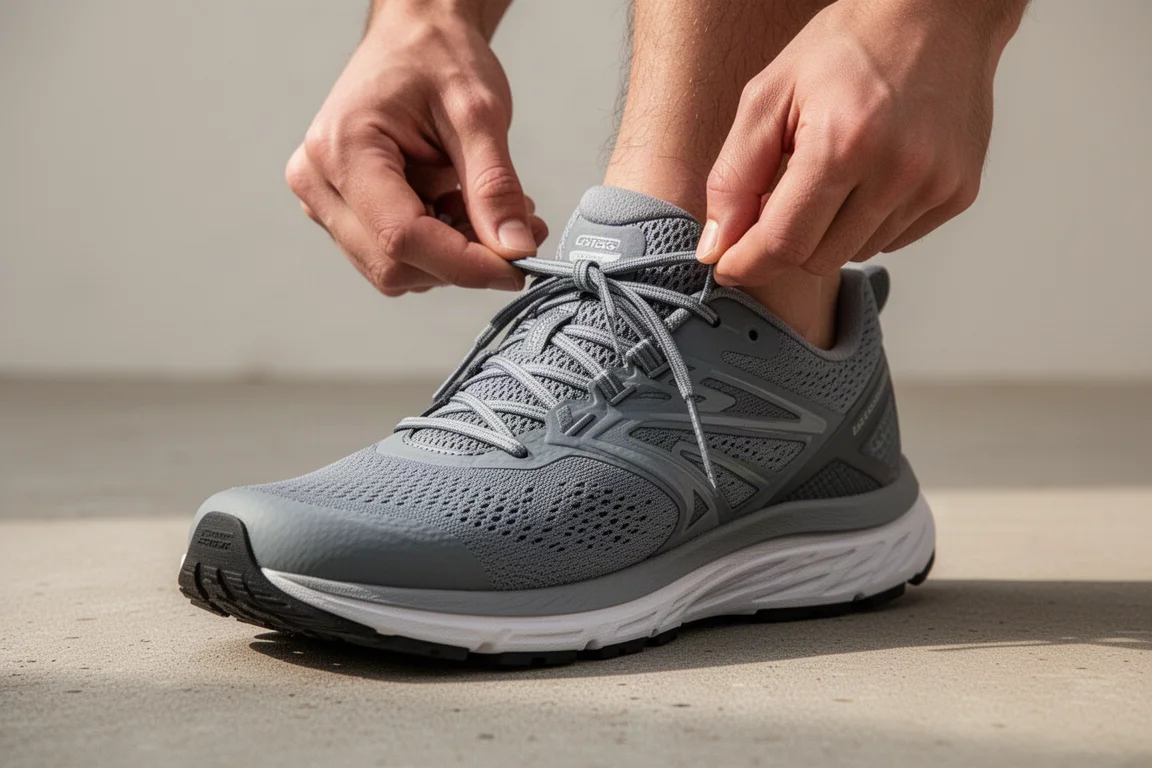
The Mount to Coast R1 is a premium daily trainer from a small brand that built its name early this year through influencer marketing. Priced at £150, it is extremely well built, and durability is the headline: runners have used this shoe for multi-day ultras and near-900-mile UK end-to-end attempts. It features a unique lacing system that lets you adjust tightness over the top of the foot independently, useful when feet swell on long efforts, paired with a nicely wide toe box.
Two things to be aware of: shipping took 12 days with some tracking hiccups, and there is a lot of raised material inside the shoe that gives it a stability-shoe feel even though the brand does not call it one. It caused no issues while running, but it is worth knowing. Rating: 4 out of 5, and an easy recommendation for high-mileage road training and ultra preparation on hard-packed surfaces. The brand’s T1 trail shoe is also worth a look.
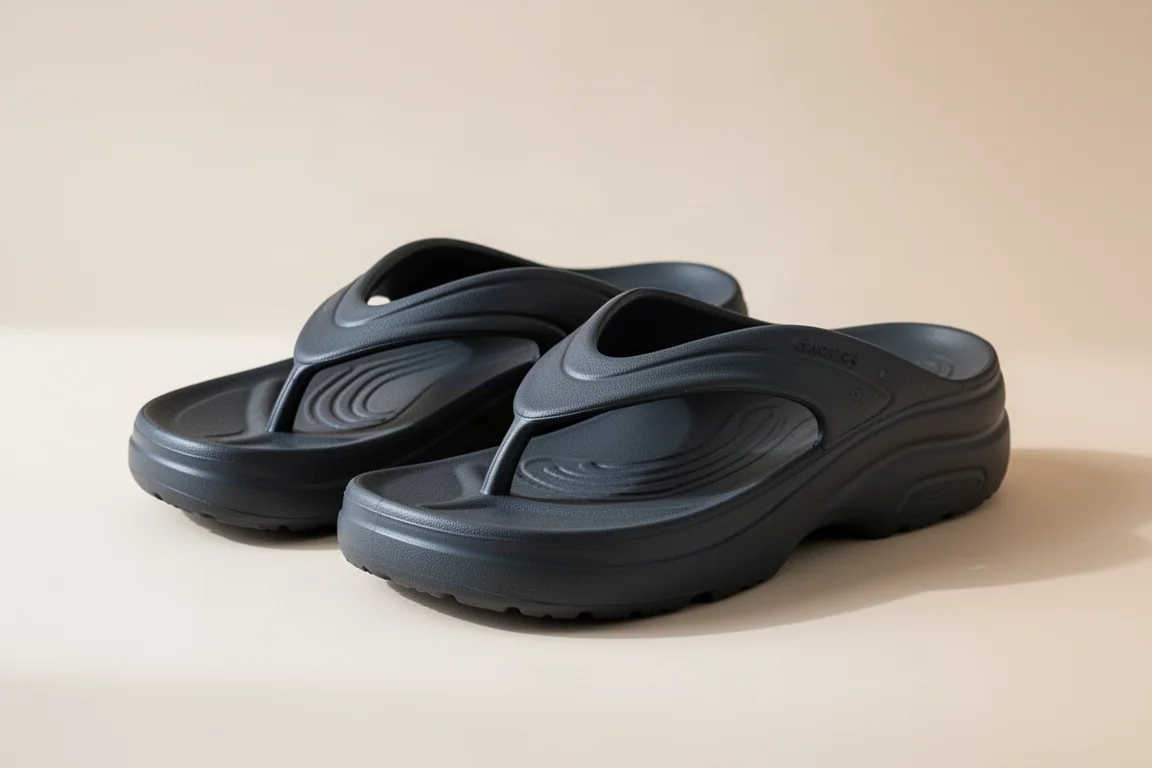
Oofos Recovery Sandal
At £55, the Oofos recovery sandal is a soft, impact-absorbing foam sandal designed for active recovery. Comfort is the whole story here: far more supportive and squishy than a regular pair of flip-flops, with no chafing or rubbing experienced at all. They are the shoe that gets worn more than anything else in the rotation, perfect for slipping on after a race, on holiday, or when feet are tender and swollen post-race.
Whether they scientifically speed up recovery is debatable, but they do get you moving around when you are sore, which is a genuine positive. They are not the most stylish piece of footwear on the market, and they are on the expensive side, but they last a very long time. Rating: a full 5 out of 5.
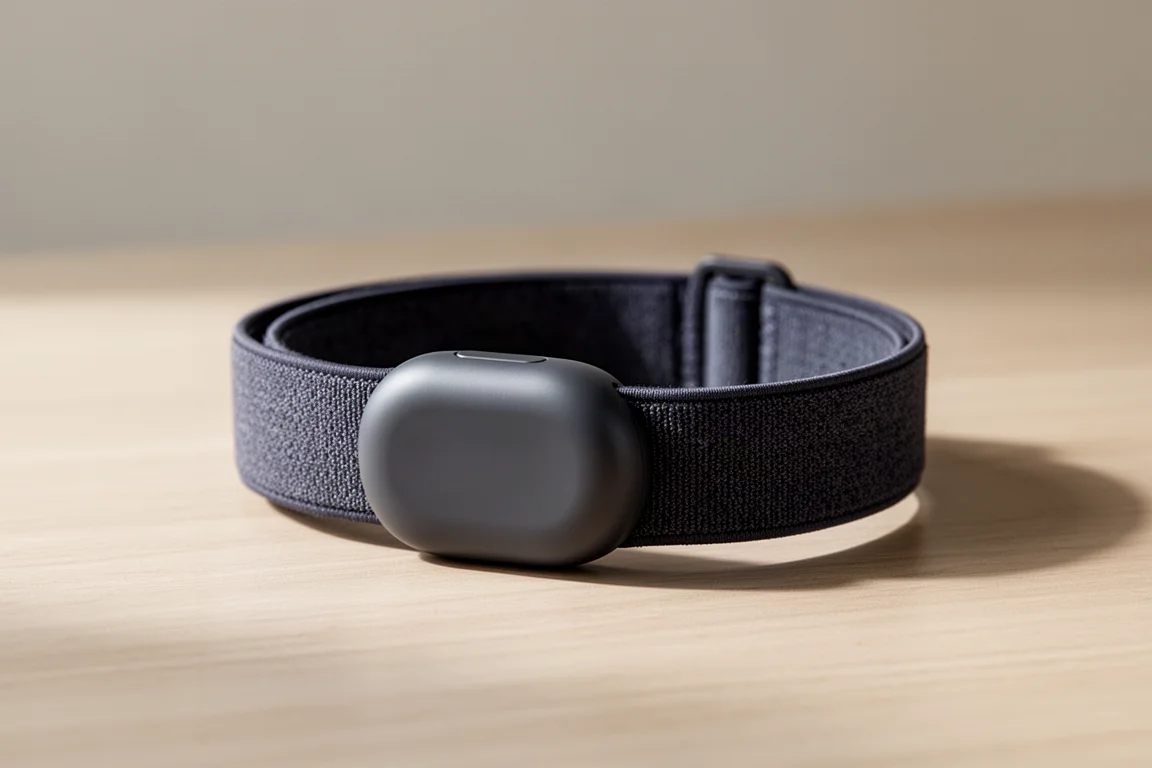
COROS Armband Heart Rate Monitor
The COROS armband heart rate monitor, at £69, is the comfortable alternative to a chest strap for accurate heart rate data. Worn around the bicep, it is so unobtrusive you genuinely forget it is there. In side-by-side testing against a Garmin chest strap on the watch and the armband on a COROS watch, the data was surprisingly accurate, coming very close to the chest strap gold standard, with only slightly slower response when heart rate climbs and drops at the start and end of reps.
For anyone comparing this to standard watch-based heart rate, it will transform the accuracy of their data. It pairs easily with Garmin and COROS devices, plus phones over Bluetooth for apps like Strava, syncs quickly, and comes in two sizes. The drawbacks: it uses a tiny proprietary clamp charging cable rather than USB-C, and battery life of about 38 hours of use and 80 days standby falls well short of the roughly year-long coin-cell life of a chest strap. Still, at £69 versus £80 or £150 for chest straps, the value is solid. Rating: 5 out of 5, a no-brainer for heart rate training without a chest strap.
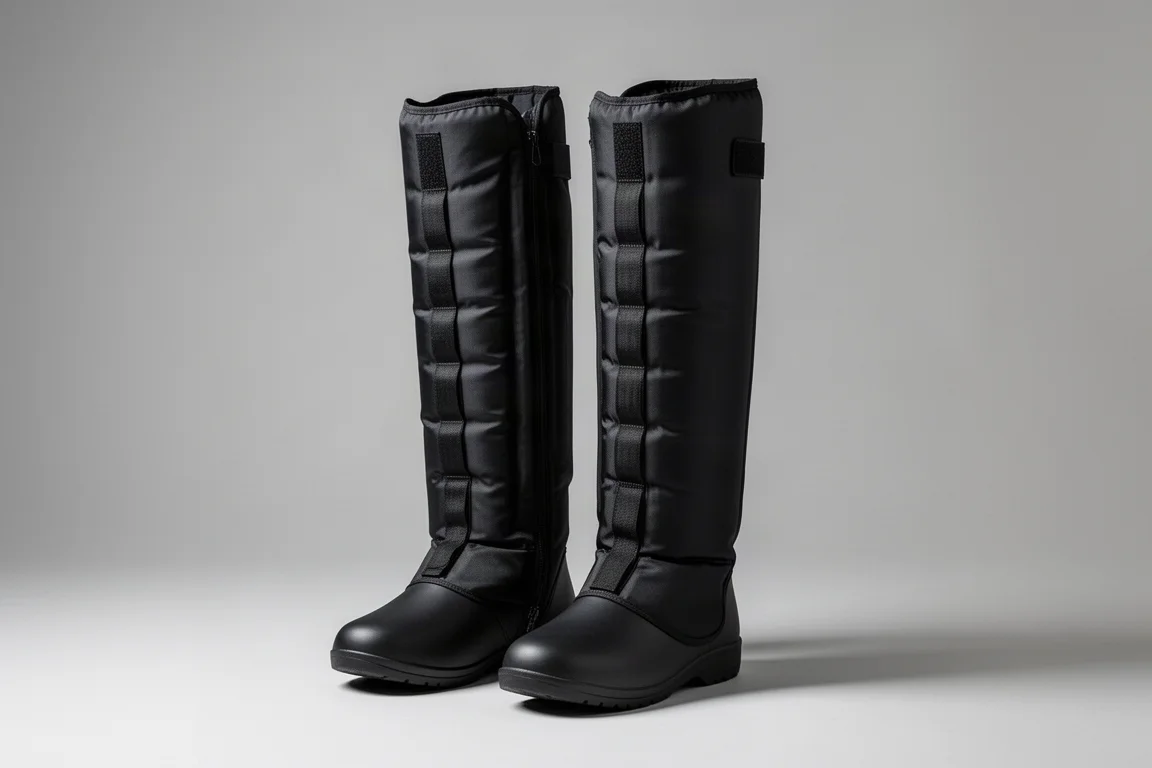
Hyperice Normatec Recovery Boots
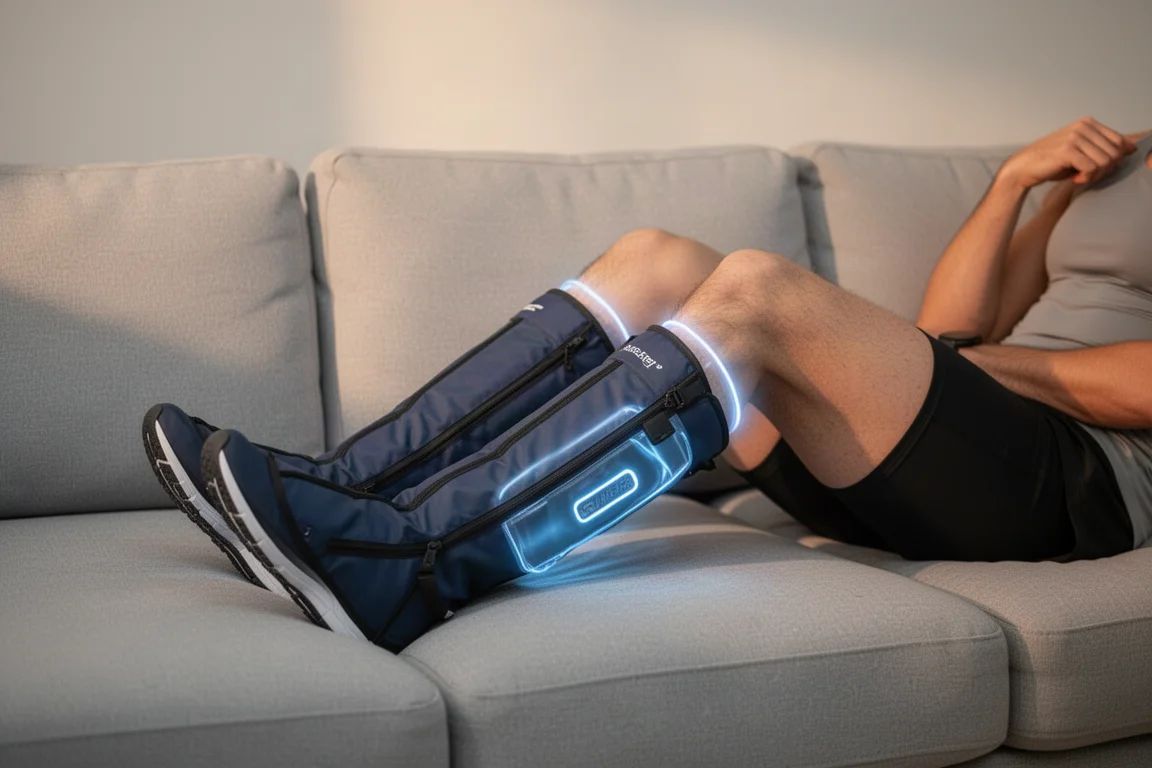
The Hyperice Normatec recovery boots are the industry leader in pneumatic compression, with five compartments that gradually inflate to help push fluid, metabolic waste, and byproducts out of the legs and back into the central circulatory system, aimed at reducing DOMS and swelling. The RRP is $999, though deals around £760 are findable. Cheaper alternatives exist from brands like Rapid Reboot and Therabody.
This current version is a genuine upgrade: no separate power unit or tubes, more compact, and the battery seems to last well beyond the stated four hours, making it practical for travel. The biggest strength is how effortless it is. Where massage guns and foam rollers demand effort, this is the ultimate lazy recovery gadget: sit on the sofa and let it work. After years of near-daily use, legs genuinely feel better with it than without. The obvious downside is the price, but the build quality is exceptional, with the previous system surviving seven years of daily use. Rating: 4 out of 5. Nice-to-have territory, but worth it for daily users.
Numa Nasal Strips
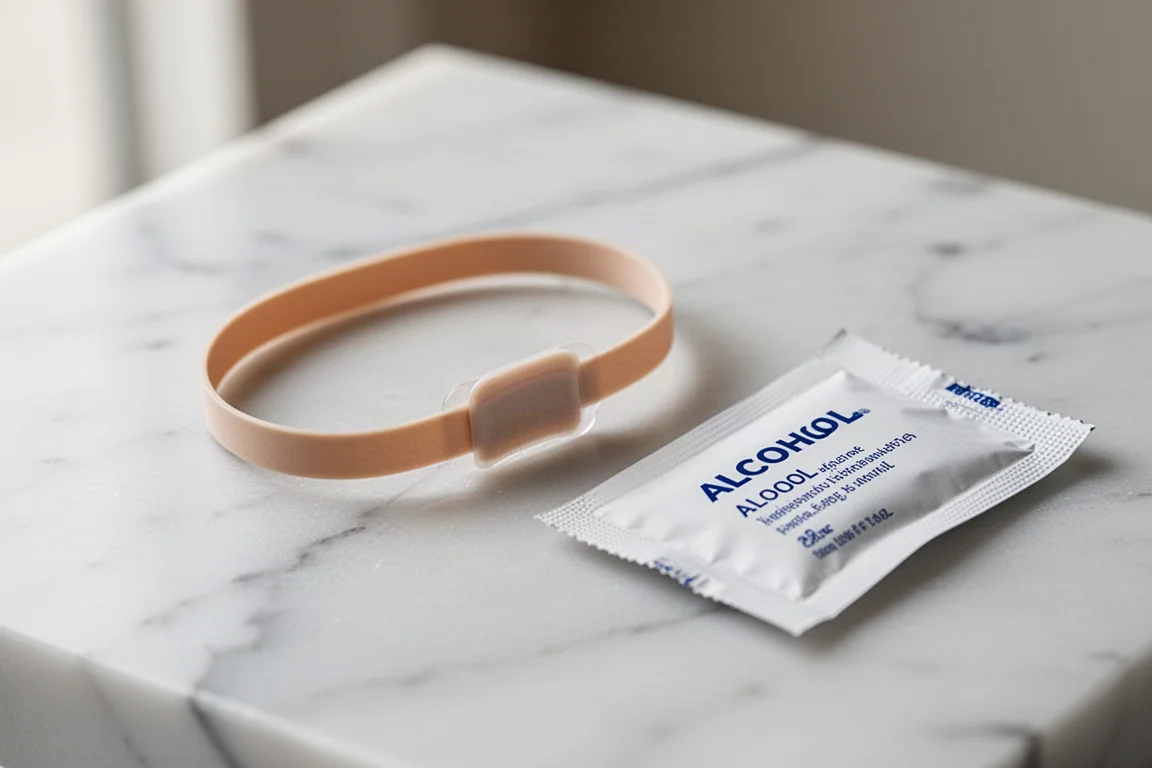
Numa nasal strips cost £20 for 15, about £1.30 per strip. You stick one on your nose and its rigidity pulls the nose up slightly to open the nasal passages, used by runners and even worn overnight to encourage nasal breathing.
The execution here is solid. Unlike a previously tested brand that simply would not stay on, Numa strips come in multiple sizes, include an alcohol wipe to remove oils and sweat before application, and proved genuinely sweatproof, staying put through a two-hour run without budging. The drawbacks: delivery took 17 days, the per-strip cost adds up, and with breathing not being a personal struggle, no noticeable running benefit was felt. That makes scoring difficult, since it could genuinely help people who do struggle. Rating: 2 to 3 out of 5 depending on your needs.
Overall Buying Advice
If you are prioritizing based on the testing here, the clear standouts are the COROS armband for accurate, comfortable heart rate data and the Oofos sandal for everyday comfort. The Mount to Coast R1 earns its place for high-mileage and ultra runners. The Hyperice Normatec boots are excellent but a luxury purchase. Nomio and both electrolyte options sit in the “interesting, situational” category: worth trying for hot-weather racing or key sessions, hard to justify for daily use. Numa strips only make sense if nasal breathing is a genuine limitation for you.
Conclusion
Great marketing and great products do not always overlap. These eight were tested with real money and no strings attached, and the verdicts are honest: a couple of five-star picks, a couple of promising but pricey options, and a few that most runners can safely skip. Match the product to your actual training needs and you will rarely go wrong.
Further reading
Related Reviews

Backpacking Gear
Building a 10 lb Base Weight: An Ultralight Backpacking Gear List
A practical walkthrough of the ultralight pieces behind a 10 lb base weight, from a 765 g pack and a roomy one-person tent to a full camp chair and a dependable water filter.

Road Bikes
10 New Road Bikes Worth Watching: Aero, Titanium, Steel and Endurance Standouts
A practical roundup of 10 new road bikes, from aero flagships chasing single-watt gains to titanium, steel and endurance platforms built for real roads.
Bikepacking Gear
11 Bikepacking Essentials for Long-Distance Cycling
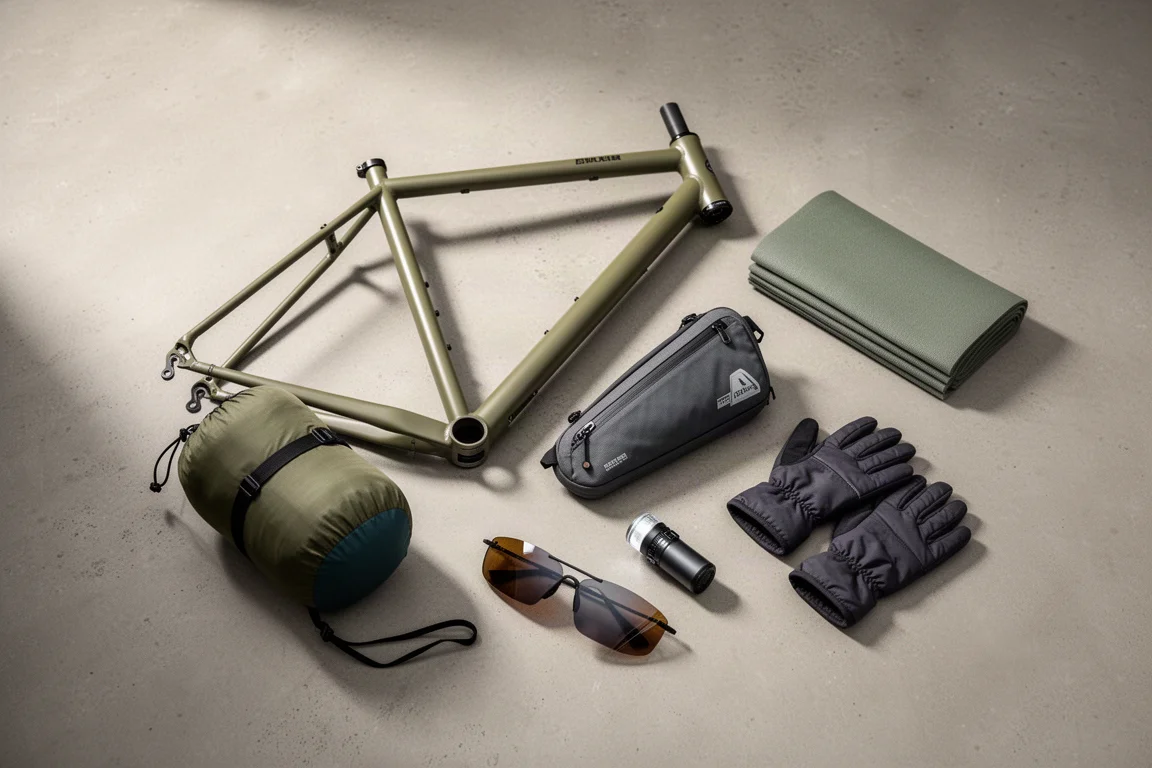
Eleven bikepacking essentials for long-distance cycling, from a steel gravel frame and a two-person tent to helmet lights, packable gloves, and a frame bag that puts weight in the right place.