Running
Running Gear Essentials: Shoes, Fuel, and Watches Worth Building Your Rotation Around
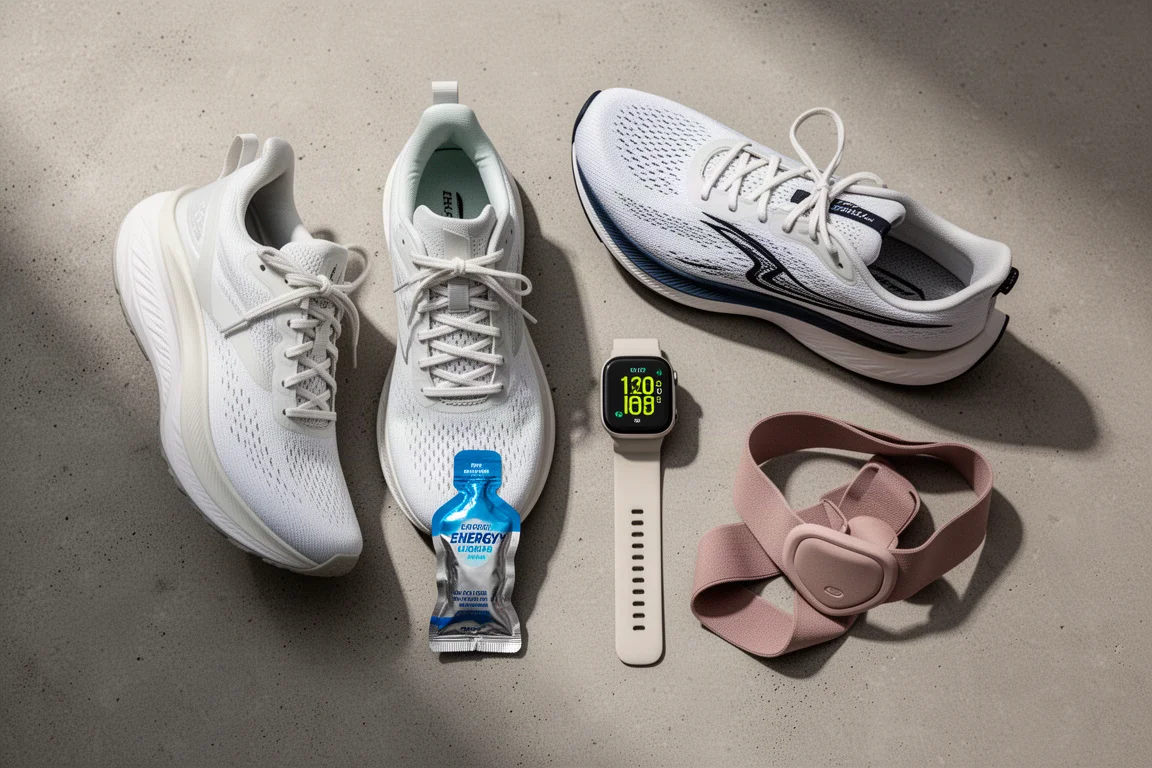
Seven running products that cover the essentials: max cushion trainers, carb gels, a GPS watch with strong battery life, a heart rate strap, and a carbon plated race shoe.
Introduction
Running does not need much gear, which is exactly why the gear you do buy should earn its place. After logging serious marathon training mileage, a clear pattern emerges: a small set of products shows up week after week, while everything else stays in the drawer. This guide narrows the field down to the essentials that matter most: a max cushion trainer, carb gels, a capable running watch, a heart rate strap for accurate tracking, and a carbon plated super shoe for fast days.
The logic is simple. If you want to get fast as a marathoner, you have to run long. And paradoxically, gradually scaled long mileage also helps you recover quicker and stay injury-free. Every pick below supports that: comfort for the mileage, fuel to sustain it, and data to keep training honest.
The Max Cushion Trainer: Comfort for Big Mileage
The most essential footwear pick is a max cushion shoe. Having a shoe that provides genuine comfort and cushioning makes it easier to hit big mileage, which is the number one priority for anyone chasing a marathon breakthrough. The current era of high-stack race foam shoes makes long running not just easier but genuinely more enjoyable than a standard everyday trainer.

The Asics Superblast 3 stands out as a top pick of the year here. It combines race foam with a super lightweight build, giving you that lively, high-stack feel without the drag of a heavier trainer.
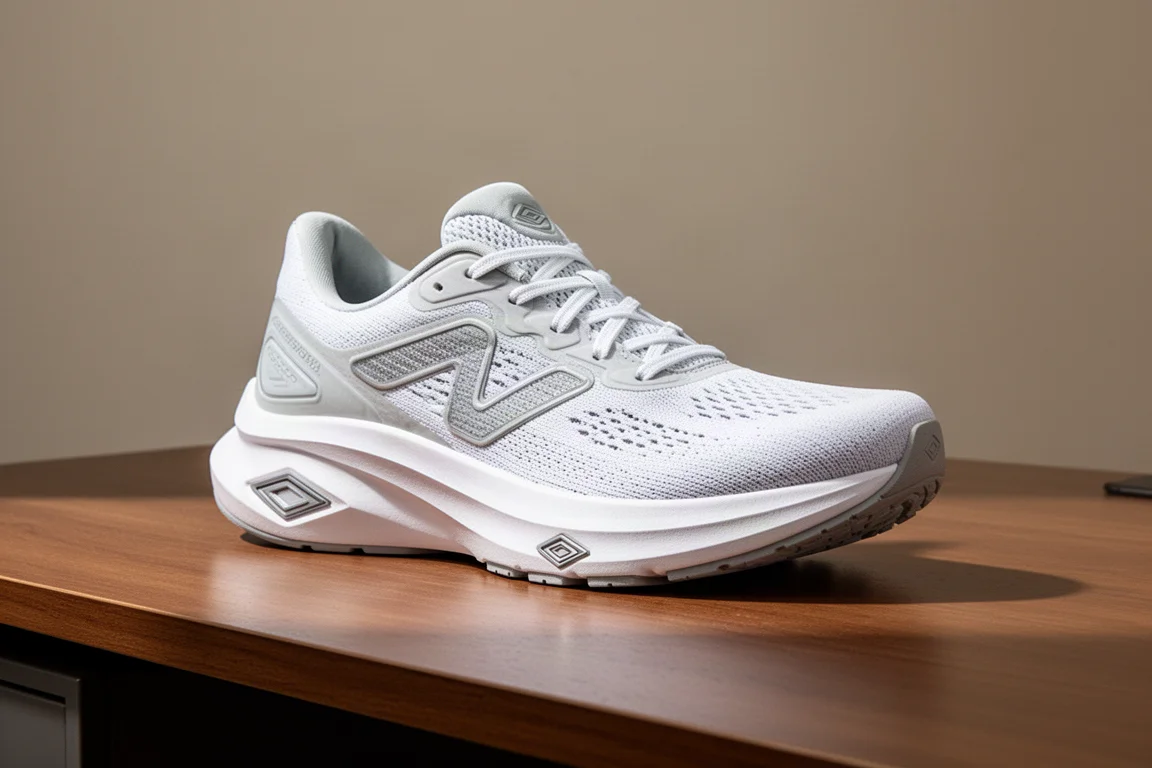
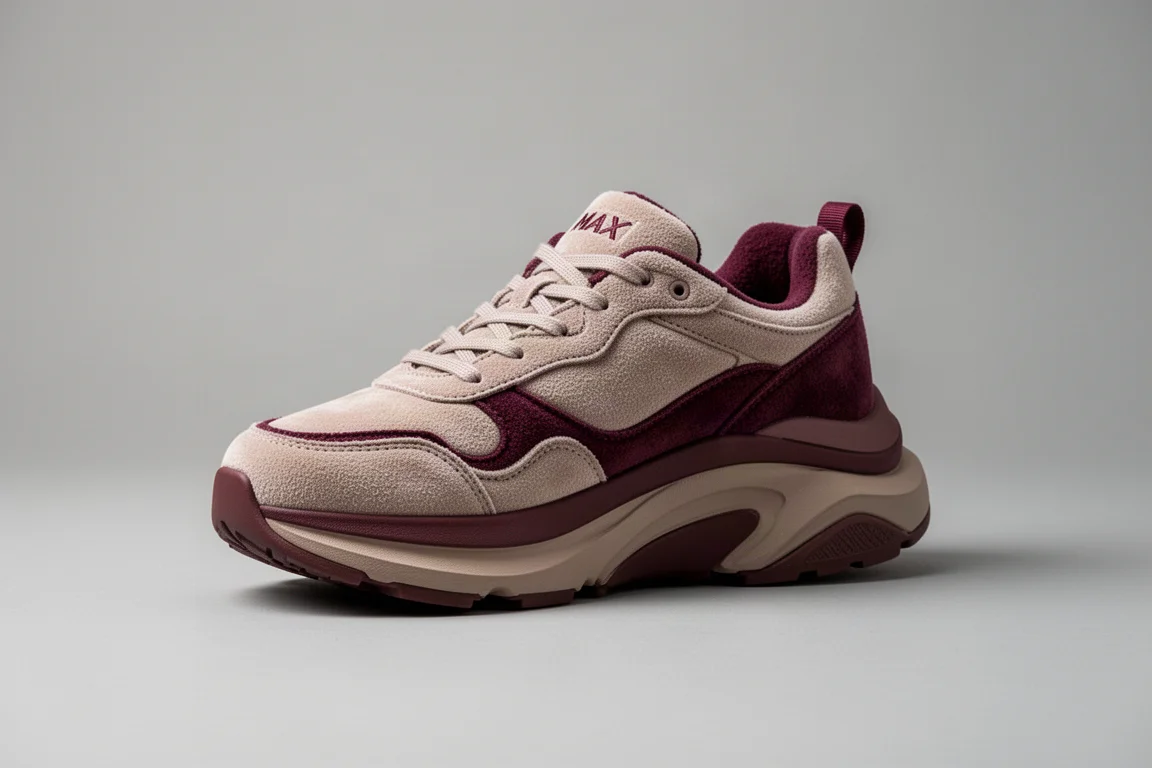
If the Superblast is not your fit, there are strong alternatives in the same slot. The Nike Vomero Plus and the Puma Magnamax OG both deliver the plush, high-stack experience that makes long runs sustainable.
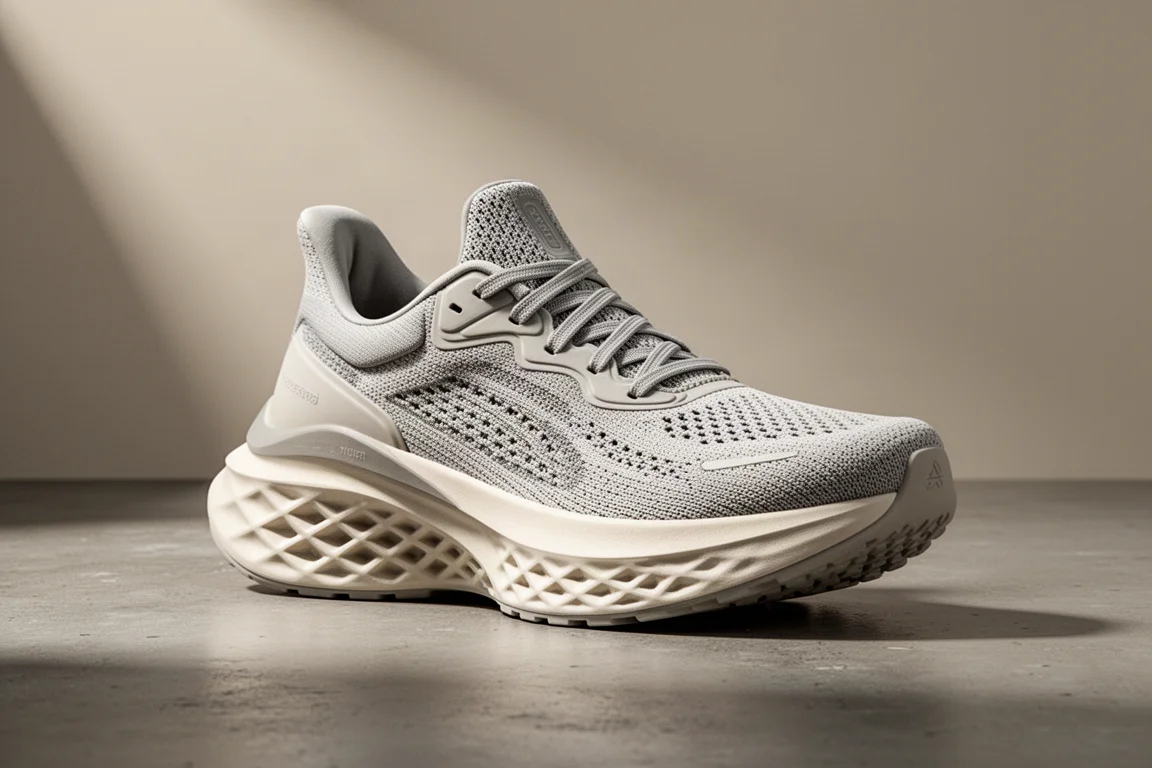
The key point is less about one specific model and more about the category: a high-stack, race-foam daily trainer makes it easy to run for a long time, and that is where marathon fitness is built.
Carb Gels: Fuel That Makes Long Runs Work
Carbs are what your body runs on, and pairing long running with proper carb intake lets you train at a higher level. Long runs at relaxed effort teach your body to conserve carbohydrate and burn fat, and with a near endless supply of fat stores, that skill powers you through two, three, or four hour efforts. But your carbohydrate reserve is finite, so replenishing it matters.
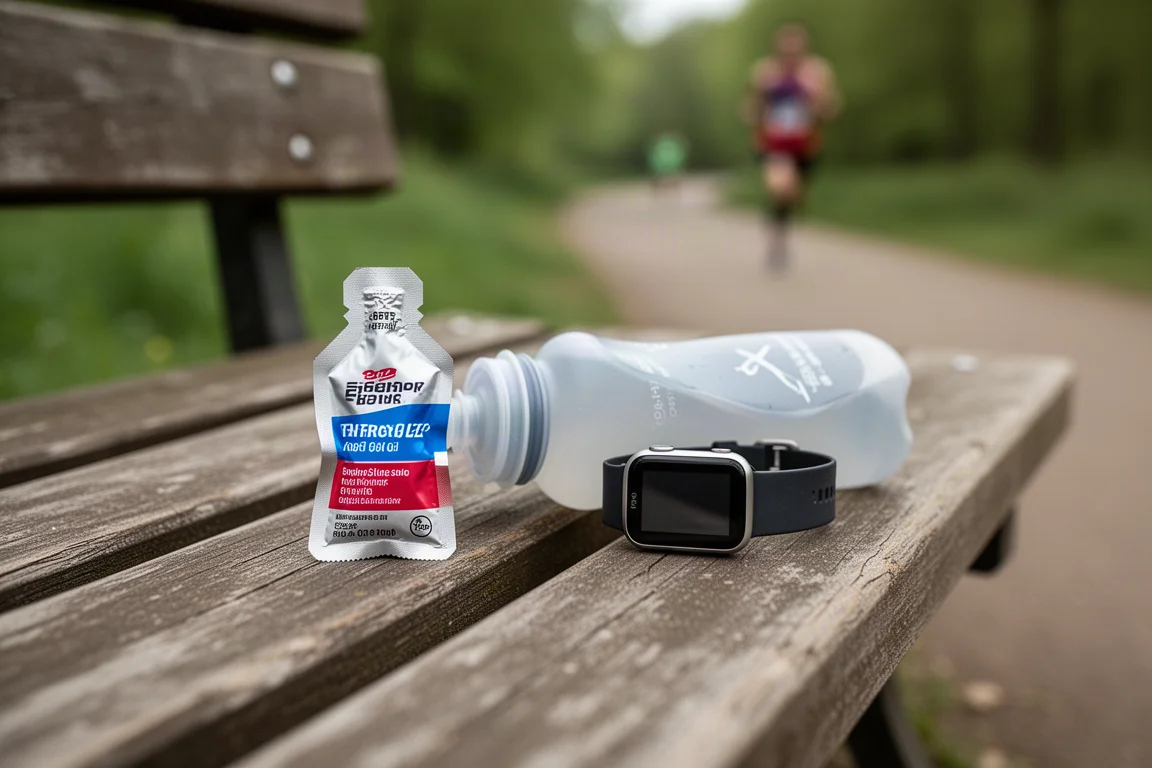
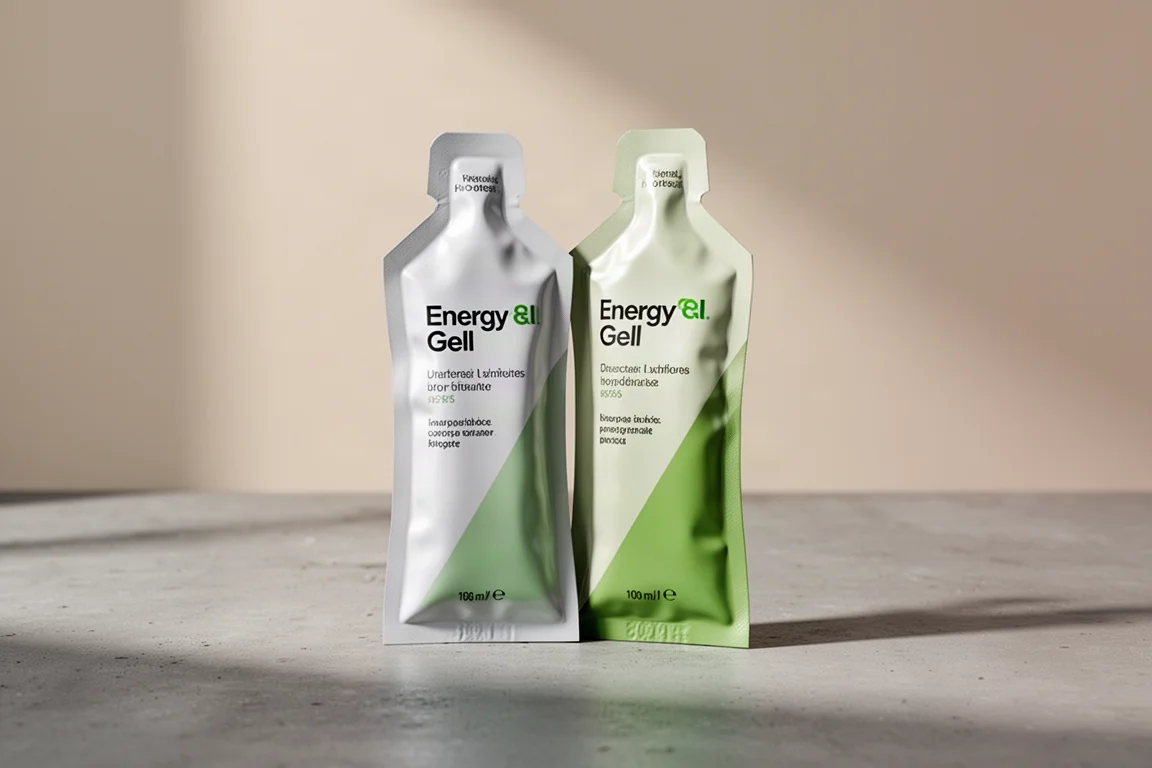
The practical habit: on a 20 mile weekend long run, take a carb gel every 30 minutes on the dot, or roughly every 4 miles. Look for gels with at least 25 to 30 g of carbs, stepping up to 40 g or even 50 g options for bigger efforts.
The Never Second gels are a standout option here, and pairing the gels with a liquid carb drink before the run rounds out the fueling plan. For many runners, the gel ritual becomes non-negotiable on 20 mile days, placebo or not.
A Running Watch You Can Actually Train With
A phone can handle basic GPS tracking, but once you start structured workouts and effort monitoring, a proper running watch becomes essential. You need to glance at your wrist and see heart rate, pace, elapsed time, and time remaining without breaking rhythm.
The Amazfit Cheetah 2 Pro fits this brief well. It offers strong battery life, a bright screen, and full running plus health and wellness tracking. Programming workouts directly into the watch is a highlight: for something like 10 repeats of 4 minutes, the watch tells you when to go and when to slow down, with a clean countdown interface so you never have to think about it.
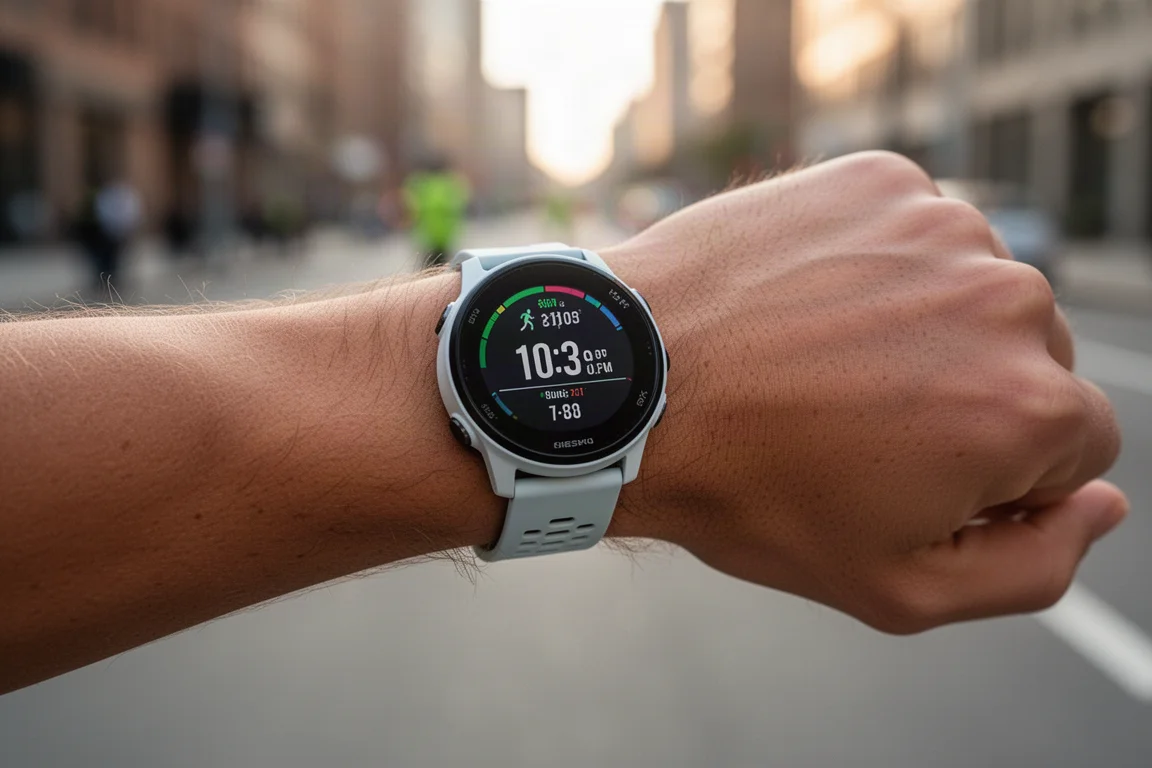
Beyond the run, the companion Zepp app adds a hybrid charge score showing how much energy you have throughout the day, thorough sleep tracking, and advanced running metrics for tracking performance over time.
Better Heart Rate Data: Amazfit Helio Strap
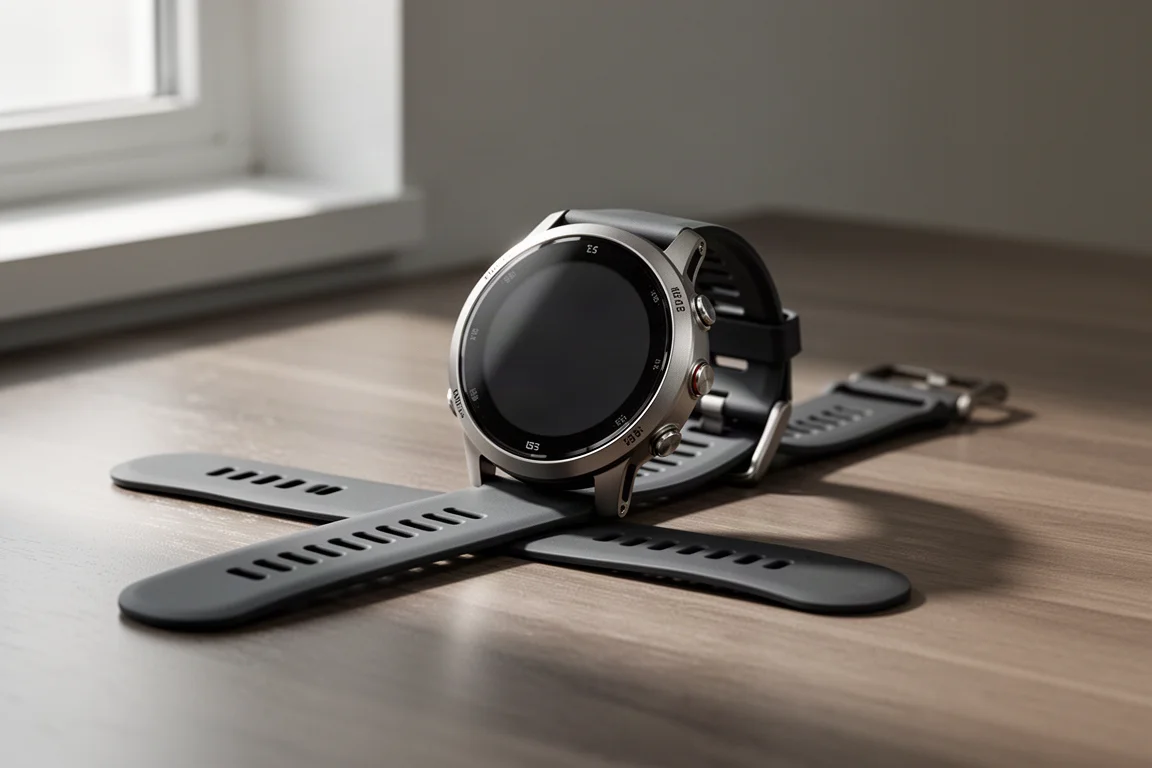
Accurate heart rate tracking is another key piece. Pairing the watch with the Amazfit Helio Strap gives you wrist-independent heart rate monitoring on runs, and the strap can also work as a screen-free band that tracks your metrics throughout the day.
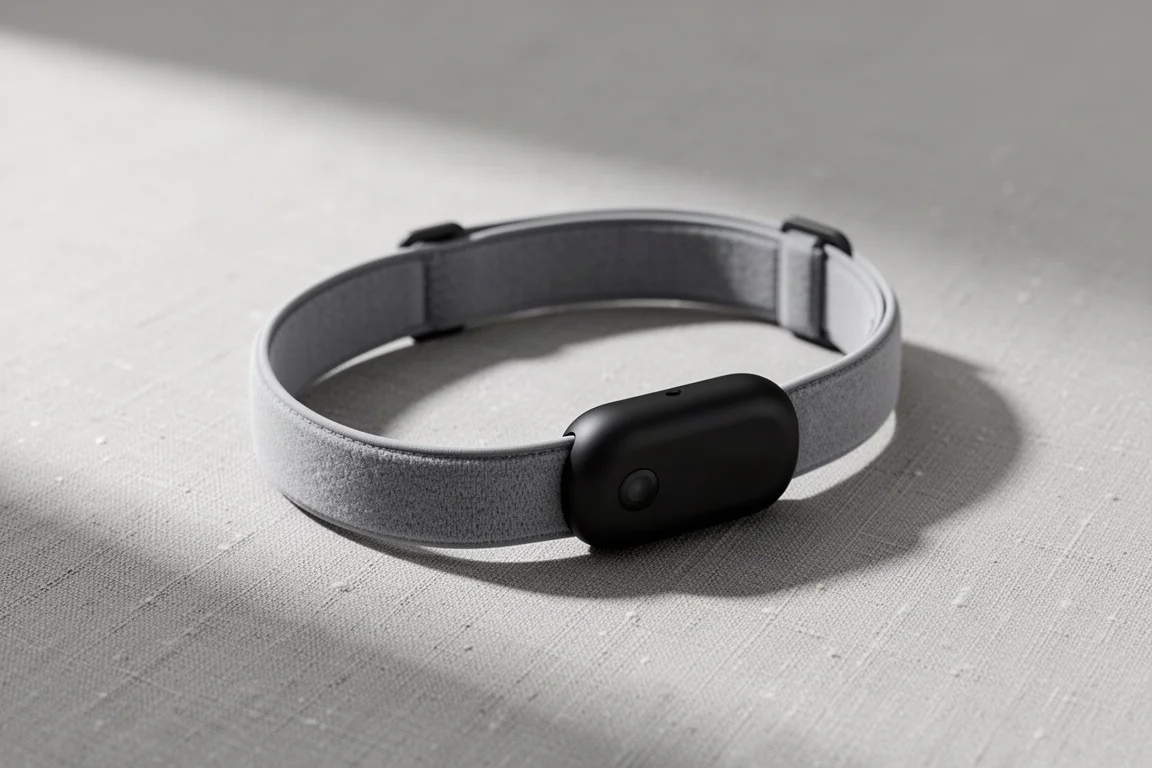
The combination matters most on hard efforts, where wrist readings can drift. A dedicated strap keeps the data clean, and the all-day mode covers recovery tracking between sessions.
The Super Shoe: Carbon Plated Speed for Workouts
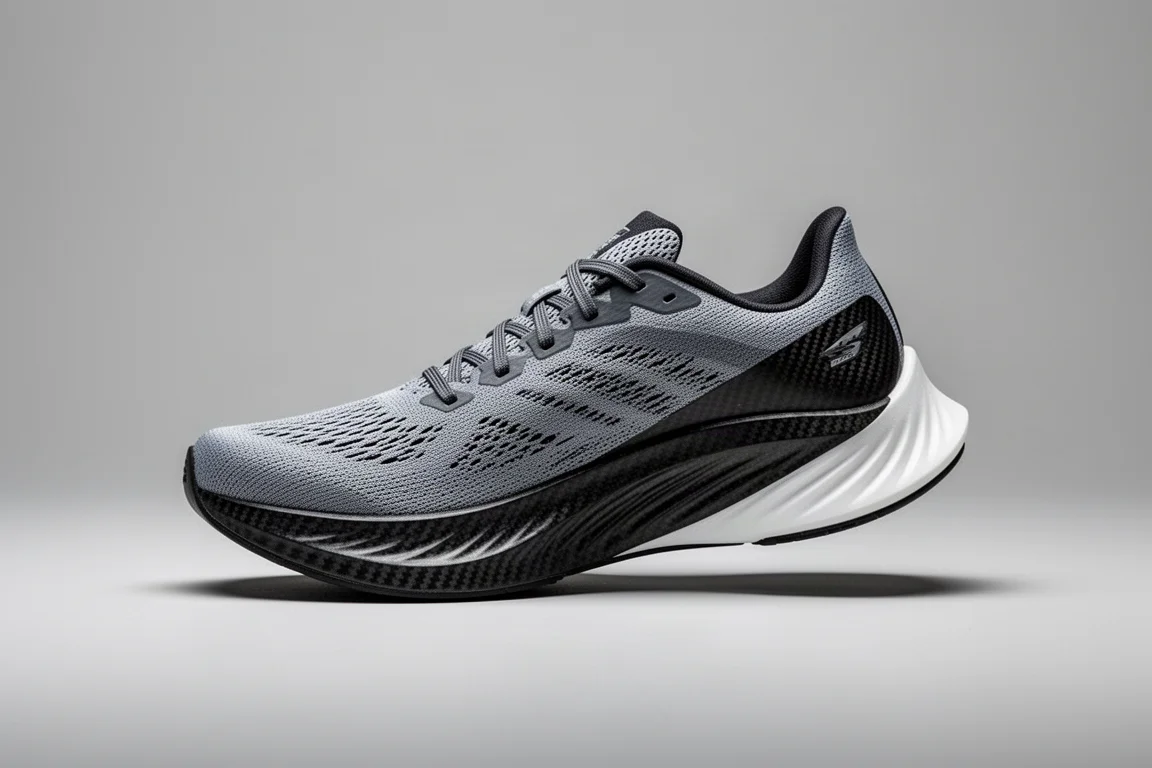
The final essential, with no gimmicks, is the carbon fiber plated super shoe. If you could only keep two types of shoes in your rotation, it would be a max cushion shoe and a super shoe: something to run slow and something to run fast. Those are the two pillars of polarized training, relaxed mileage on one end and targeted pace work on the other.
The Puma Fast-R 3 is a favorite in this category, a comfort-oriented super shoe that has delivered a current marathon PR. But the philosophy matters more than the exact model: always go super shoe for workouts and long runs.

People often overlook that super shoes have the best foam, not just the fastest geometry. You get the most responsive cushioning, the best comfort when going long, and a significantly lighter weight than most trainers. If it is already hard enough to hit your splits, there is no point making it harder by running workouts in a lesser shoe. For hobby runners with the budget, doing key sessions in your best shoe helps you run faster in training, which is the whole point.
Sleep: The Underrated Essential
One more entry bends the definition of gear: sleep. Rest is where recovery actually happens, and no cream, massager, or clinic session replaces it. Practical wins include a nap when the schedule allows, an extra 30 to 45 minutes in the morning instead of waking up unnecessarily early, winding down with a book before bed, and additions like magnesium.
A reasonable target is around 7 hours of sleep on most nights. With that baseline, even a rough night of 4 to 5 hours of broken sleep will not leave you wrecked, because the body recovers quickly when the foundation is solid. A sleep score in the high 60s or low 70s, like a recent 72 on the Amazfit sleep score, is a signal that recovery is on track.
Buying Advice
Build the rotation around function first: a max cushion trainer for mileage, carb gels for the fuel that long runs demand, a watch and strap for training data, and a super shoe for workouts and race day. Add sleep habits as the free recovery tool that makes everything else work better.
Conclusion
Five essentials, seven products. A max cushion shoe such as the Asics Superblast 3, Nike Vomero Plus, or Puma Magnamax OG handles the mileage. Never Second gels keep long runs fueled. The Amazfit Cheetah 2 Pro and Helio Strap cover training data and recovery tracking. And a carbon plated super shoe like the Puma Fast-R 3 makes your hardest sessions count. Nail those basics, protect your sleep, and the rest of the gear aisle can wait.
Further reading
Related Reviews
Running
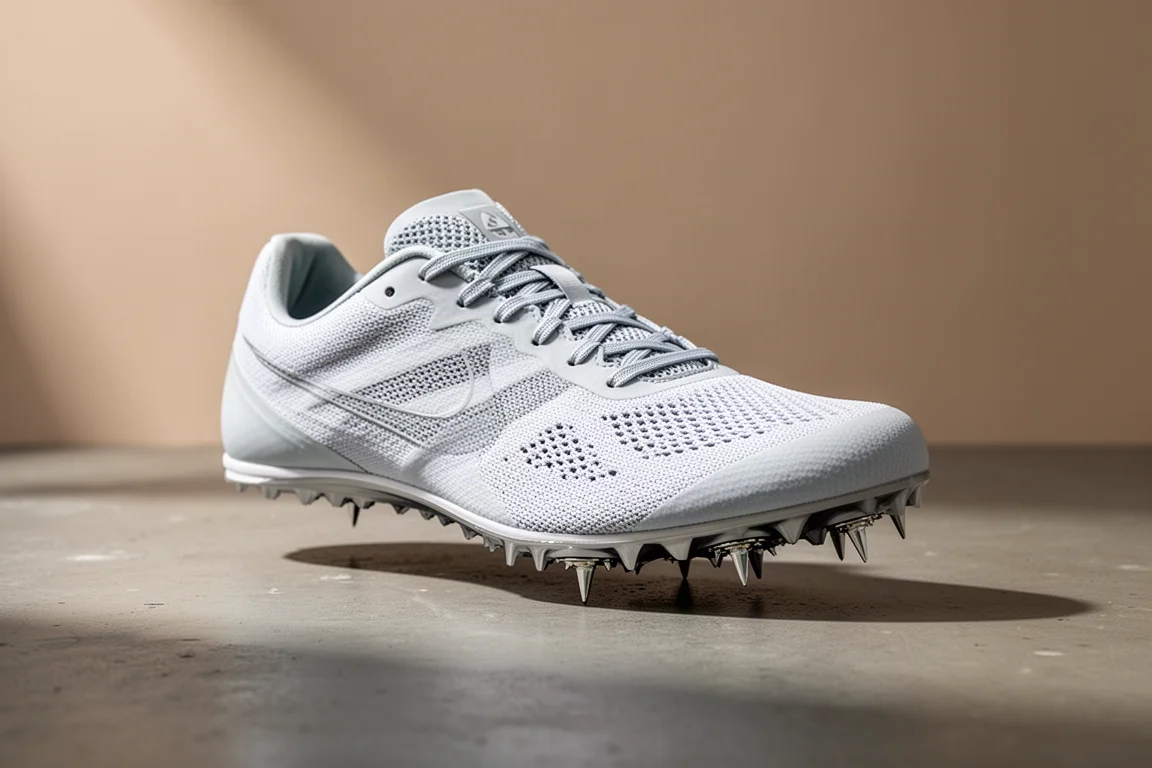
Adidas Adizero Ambition Review: A Middle Distance Spike That Gets the Job Done
A high school middle distance runner puts the Adidas Adizero Ambition through a full track season in the 800m and mile. Here is how it scored.
Running
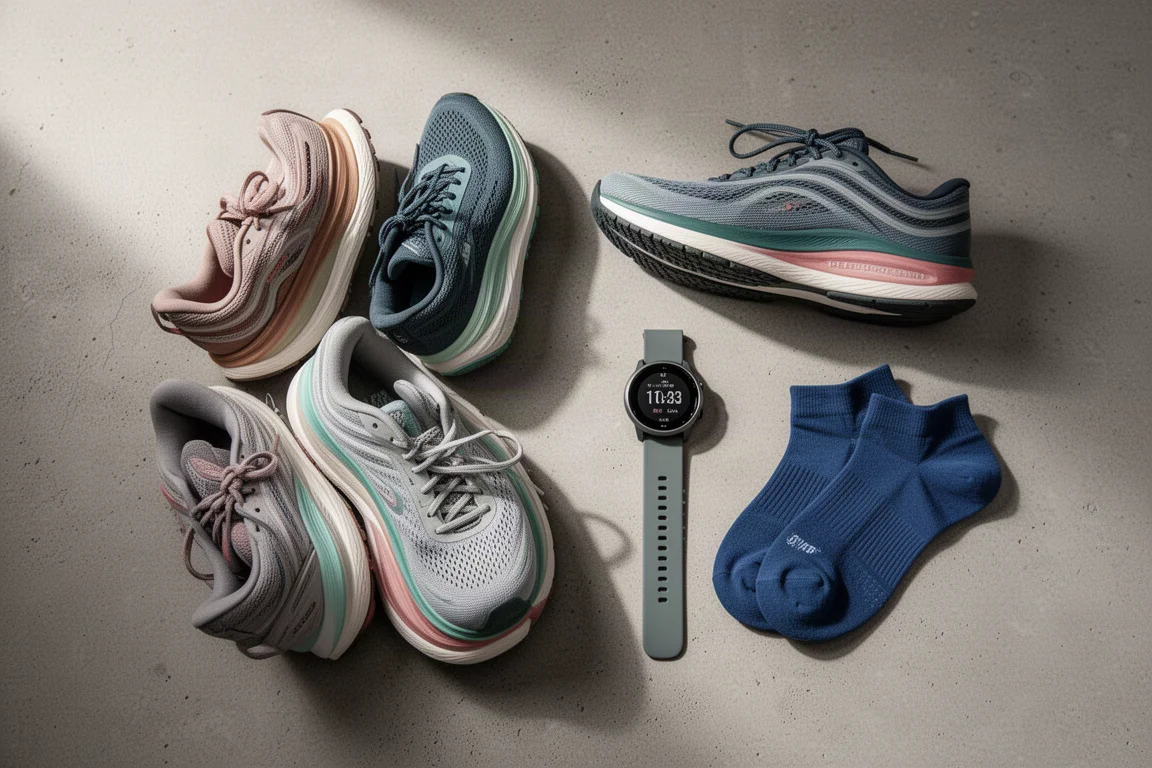
Starting Running Today: The Essential Gear and Beginner Shoes Worth Considering
A practical starting point for new runners: daily trainers, race shoes, and GPS watches that cover most beginner needs without overspending.
Running
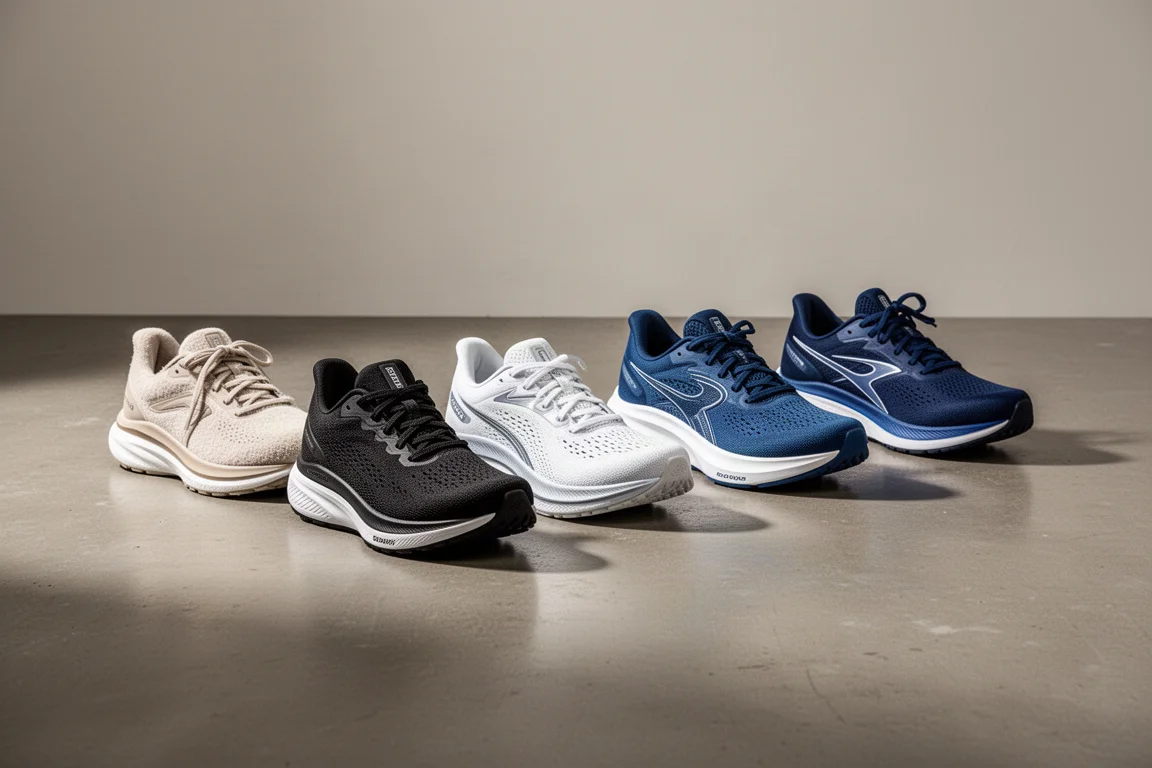
Best Daily Running Shoes of 2025: Our Top Five Picks
Five daily trainers that stood out over a full year of testing, plus the popular models that just missed the cut.