Hi-Fi Audio
Ruark Audio R610 Review: A Modern Console Stereo and How It Compares to the Cambridge Audio Evo 150
A close look at the Ruark Audio R610 streaming integrated amplifier, its design, connectivity and sound, plus how it compares with the more powerful Cambridge Audio Evo 150.
Introduction
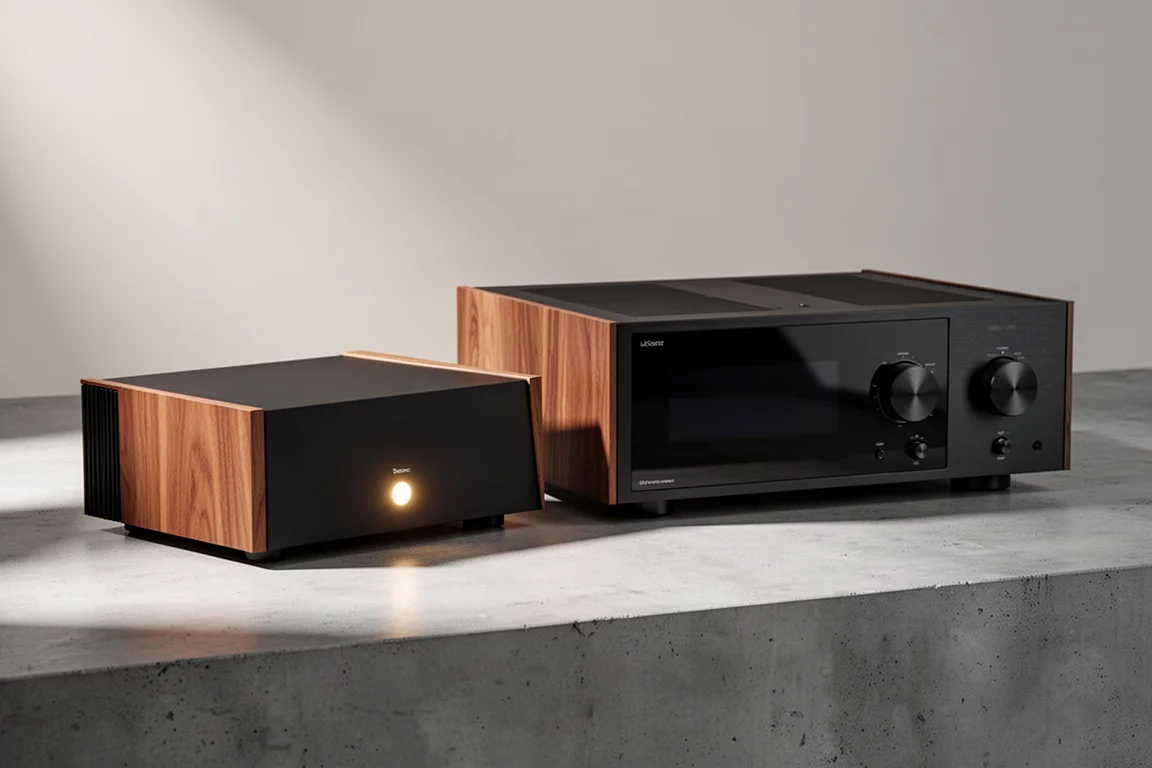
For decades the stereo console was the centre of the family room: a piece of furniture that held a turntable, a radio and a speaker, and that everyone gathered around. As home audio moved toward stacked multi-channel home theatre components and then toward small portable Bluetooth speakers, that sense of occasion faded. Streaming integrated amplifiers with real displays and proper physical controls are bringing some of it back, and the Ruark Audio R610 is one of the clearest examples.
Ruark describes the R610 as a music console, and the framing is deliberate. It is a streaming integrated amplifier with a screen, a distinctive control scheme and a feature set built around a living room rather than a desk. At $1,900 it is a considered purchase, and the natural question is whether it justifies the money against an alternative such as the Cambridge Audio Evo 150, which costs $3,100 and brings more power.
Why the Ruark Audio R610 Feels Like a Console Stereo
The R610 leans into the console idea through design rather than size. The most visible cue is the angled detail that sits at the top of the unit, combined with asymmetrical horizontal wooden elements. Together they give the amplifier a furniture-like quality that most black-box hi-fi components do not even attempt.
The front display is central to the experience. Album art and track information on a screen keep you connected to what is playing in a way that a row of small indicator lights cannot, and it echoes the ritual of loading a record or tuning a station. A slim telescoping antenna at the rear handles wireless reception and reads as a deliberate nod to older receivers.
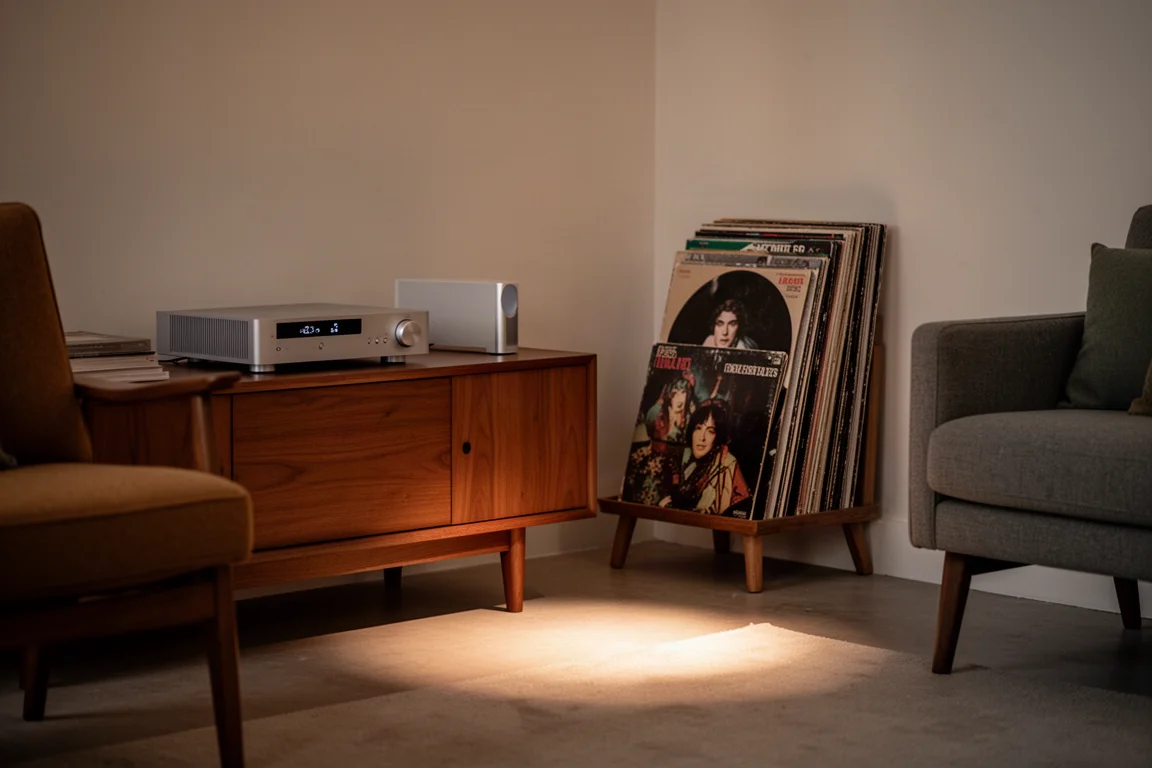
The remote is the other half of the story. It is a small puck-shaped controller with knurled surfaces and a metal ring, with buttons on top and a twisting action that adjusts volume and input selection. It recharges over USB-C, so there are no batteries to replace. A matching control sits on top of the amplifier itself, which means the physical interaction is available whether you pick up the remote or reach for the unit.
That interaction is not a gimmick. A component that is pleasant to use tends to be used more often, and more use means more music.
Streaming, Inputs, and Everyday Flexibility
Connectivity is broad. The R610 supports Tidal Connect, Qobuz Connect and Spotify Connect for direct streaming, alongside AirPlay, Chromecast built-in, Deezer, Bluetooth and DLNA for music stored on a home server. Internet radio covers traditional stations. The unit can connect over Wi-Fi or a wired ethernet connection.
Around the back, a built-in DAC handles digital sources, with an optical input for a CD player or similar device and an HDMI ARC input that lets a television feed the amplifier directly. There is also a subwoofer output and a USB-C playback port. Tone controls are present, and there is a loudness control, a feature that fits the retro receiver heritage the R610 is channelling.
The HDMI ARC input matters more than it might appear. It makes the R610 a single hub for television audio, streaming and a turntable, which is exactly the role the original console stereo played.
How the Ruark Audio R610 Sounds
The specification sheet lists 75 watts across two channels, without stating whether that figure refers to 4-ohm or 8-ohm loads. In practice the R610 has driven a wide range of speakers, including large 4-ohm floorstanders with 90dB sensitivity, the Q Acoustics 3000C series tower speakers and bookshelf designs. Ruark also offers a matching bookshelf speaker for listeners who want a coordinated system.
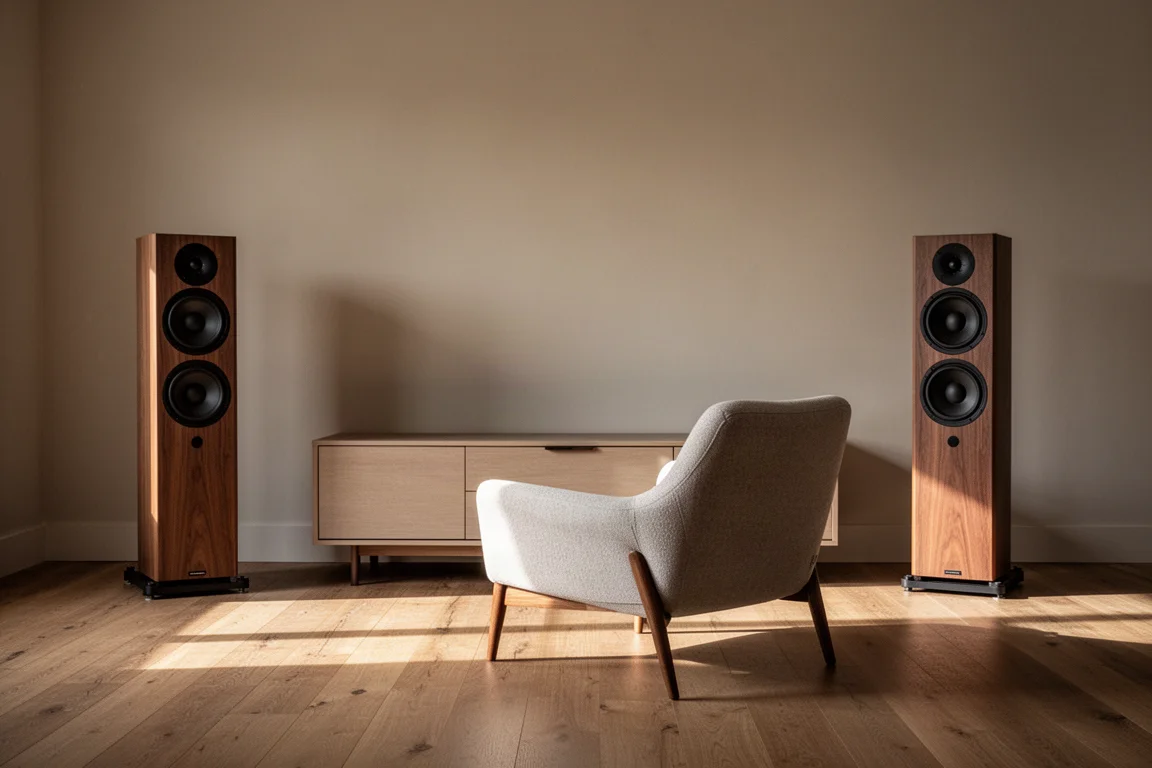
Tonally, the R610 comes across as smooth through the midrange and a little more organic than some rivals. Dynamics are preserved rather than traded away for extra clarity or a sharper sense of placement in the mix. It is an amplifier that flatters a broad range of recordings instead of chasing the last word in detail.
That character is the main point of difference against the Cambridge Audio Evo 150. The Cambridge digs out more detail, but with some recordings it can sound clinical, particularly when paired with a speaker that is not especially dynamic. Listeners who value a relaxed, engaging presentation over forensic analysis are likely to prefer the Ruark.
Cambridge Audio Evo 150: The Higher-Power Alternative
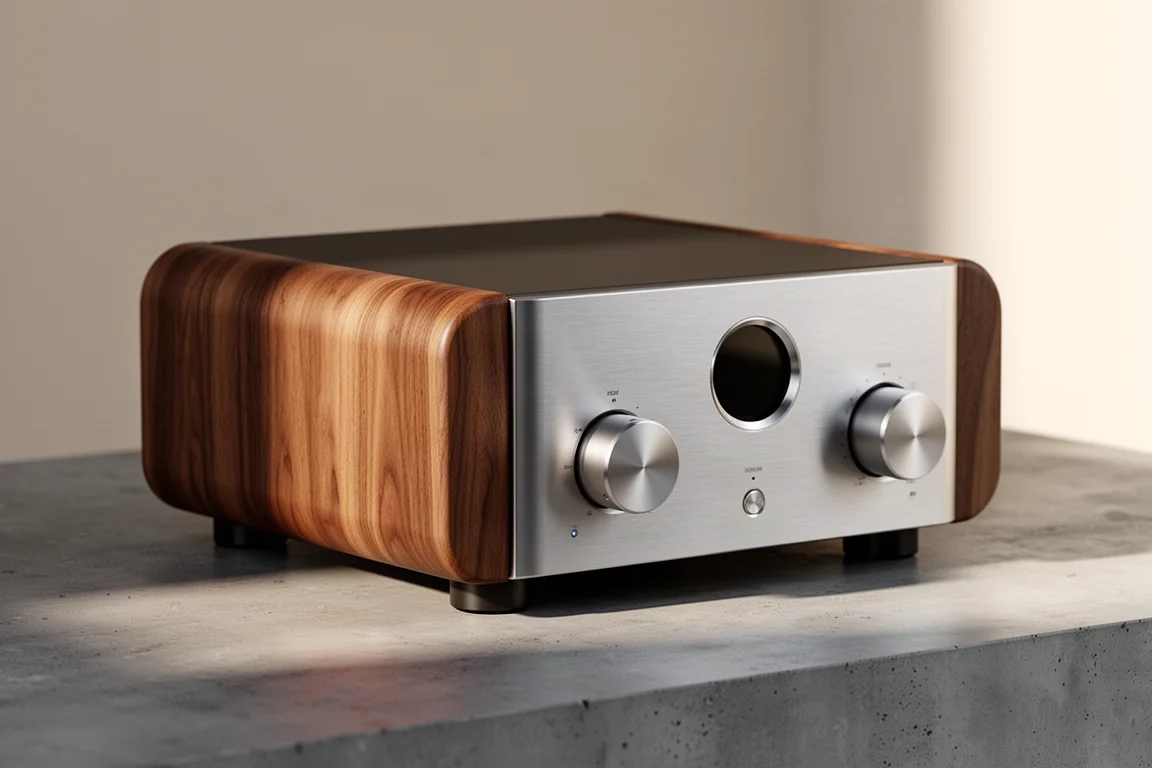
The Evo 150 follows a similar brief: a streaming integrated amplifier with a display, a built-in streamer and physical controls. It offers more power than the R610 and pairs that with two rotary knobs on the front panel and a screen of its own.
Its strength is detail retrieval. Where the R610 smooths the edges of a recording, the Evo 150 lays out more of what is on the track. That can be rewarding with well-recorded material, but it can also sound clinical with certain recordings, especially through speakers that are not particularly dynamic. The trade-off is also financial: at $3,100 the Evo 150 costs $1,200 more than the Ruark.
For listeners who want maximum resolution and own speakers that can keep up, the Evo 150 is the more revealing option. For everyone else, the R610’s warmer balance is likely to be the more enjoyable long-term choice.
Power, Speakers, and Room Fit
Neither amplifier needs exotic speakers to work well, but both reward sensible matching. The R610 has comfortably driven large floorstanders and compact bookshelf models, which suggests it will handle most typical living room setups without strain.
The subwoofer output is worth noting for listeners who want more low-end weight without changing speakers, and the loudness control helps at lower listening levels, which is how a lot of living room listening actually happens. The HDMI ARC input also means television and gaming audio can run through the same system, so the amplifier earns its place even when nobody is sitting down for a dedicated listening session.
Who Each Amplifier Suits
The Ruark Audio R610 suits listeners who want one well-designed component at the centre of a living space, with streaming, television audio and a turntable all handled in one place. Its control scheme and screen are part of the appeal rather than an afterthought.
The Cambridge Audio Evo 150 suits listeners who prioritise resolution and headroom, already own speakers that can make the most of both, and are comfortable spending more to get them.
Buying Advice
The price gap is the clearest dividing line. At $1,900 the R610 is already a significant investment, and the Evo 150 asks $3,100 for more power and more detail. Deciding between them comes down to which of those qualities you will actually notice in daily use.

If most of your listening happens while cooking, working or watching television, the R610’s smoother presentation and broader feature set are likely to deliver more satisfaction per dollar. If your listening is focused, your speakers are capable, and you want the most detail available, the Evo 150 makes a stronger case.
Either way, budget for speakers if you do not already own a pair you like, since neither amplifier includes them. Ruark also offers models with integrated speakers for listeners who want a simpler single-box solution.
Conclusion
The Ruark Audio R610 makes a convincing argument that the console stereo deserves a modern revival. It combines a screen, a genuinely unusual control scheme, wide streaming support and an HDMI ARC input with a smooth, organic sound that is easy to live with. At $1,900 it is not inexpensive, but it is a component you will interact with constantly.
The Cambridge Audio Evo 150 remains the pick for listeners who want more power and more detail and are willing to pay $3,100 for it. For most living rooms, though, the R610’s balance of design, features and sound is the more complete package.
Further reading
Related Reviews
Hi-Fi Audio
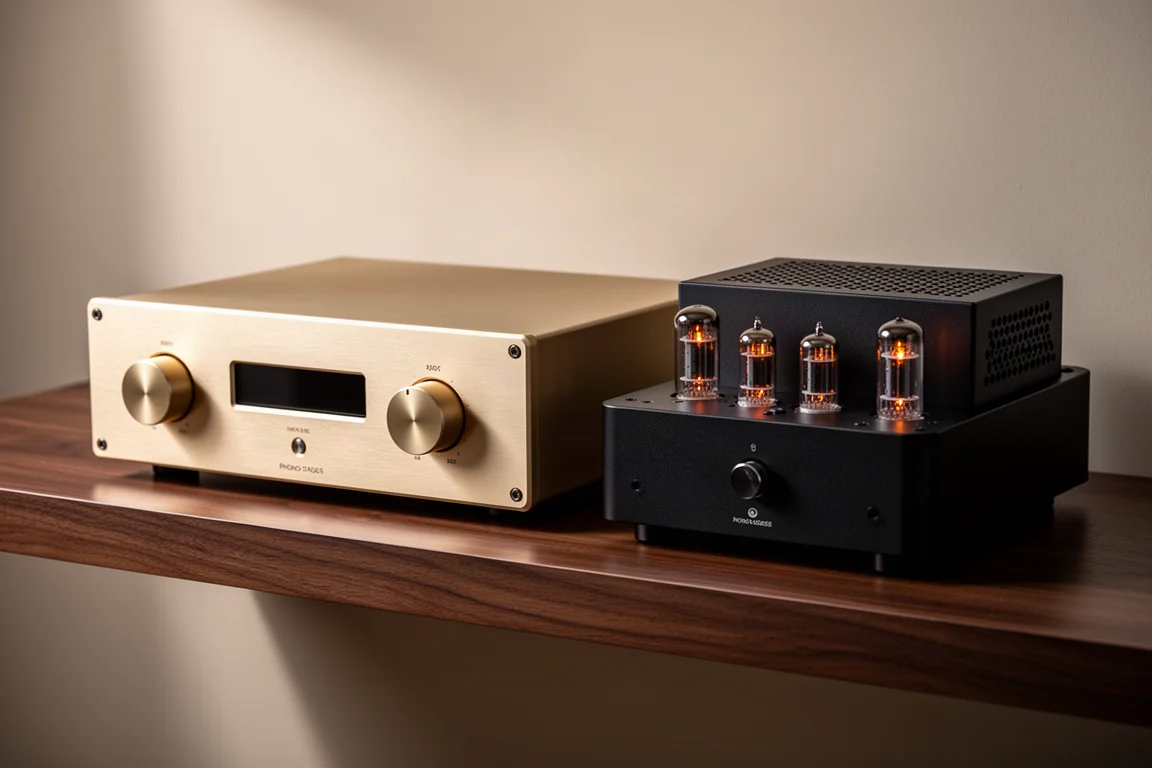
Accuphase C-57 vs Allnic H-7000V: Two High-End Phono Stages Compared
A fully balanced solid-state phono stage with a pitch-black noise floor meets a tube design built for well-loved records. Here is how to choose between them.
Hi-Fi Audio
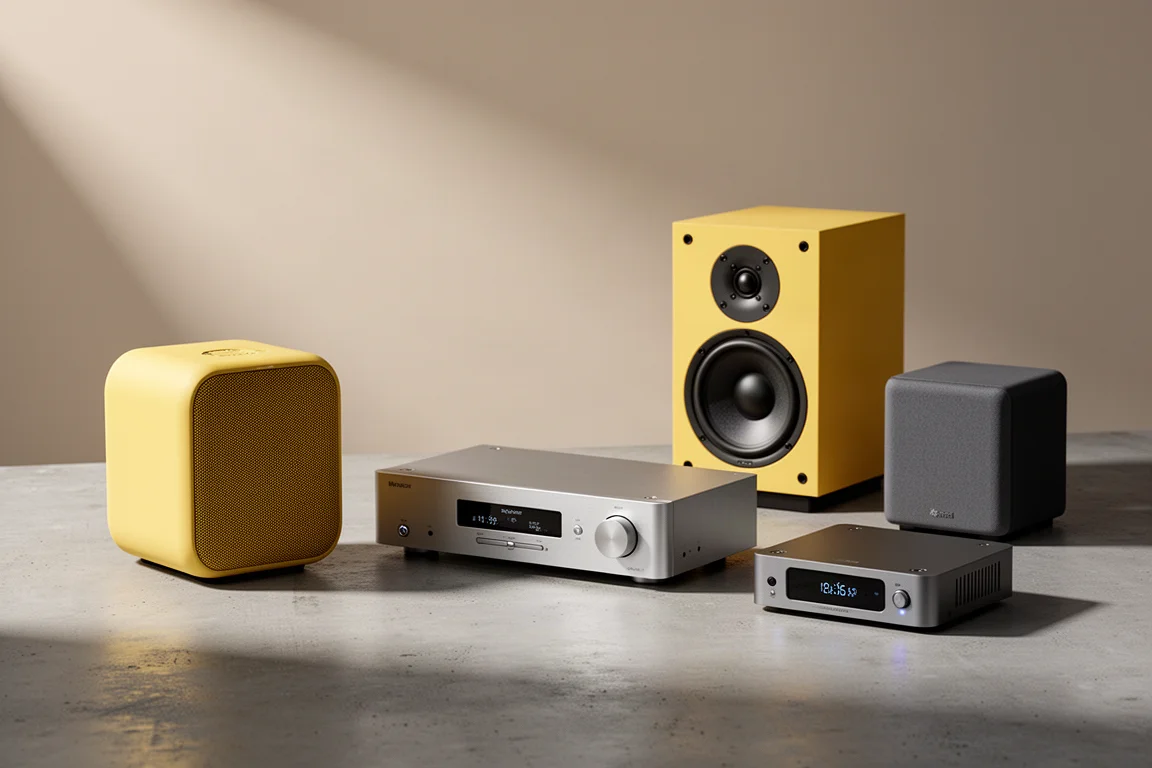
Active vs Passive Hi-Fi: Five Components for a Modern System
Five components that define modern active and passive hi-fi systems, with the strengths, trade-offs and setup details worth weighing before you buy.
Hi-Fi Audio
Advance Paris A10 Apex Review: A Hybrid Integrated Amplifier That Covers a Lot of Ground
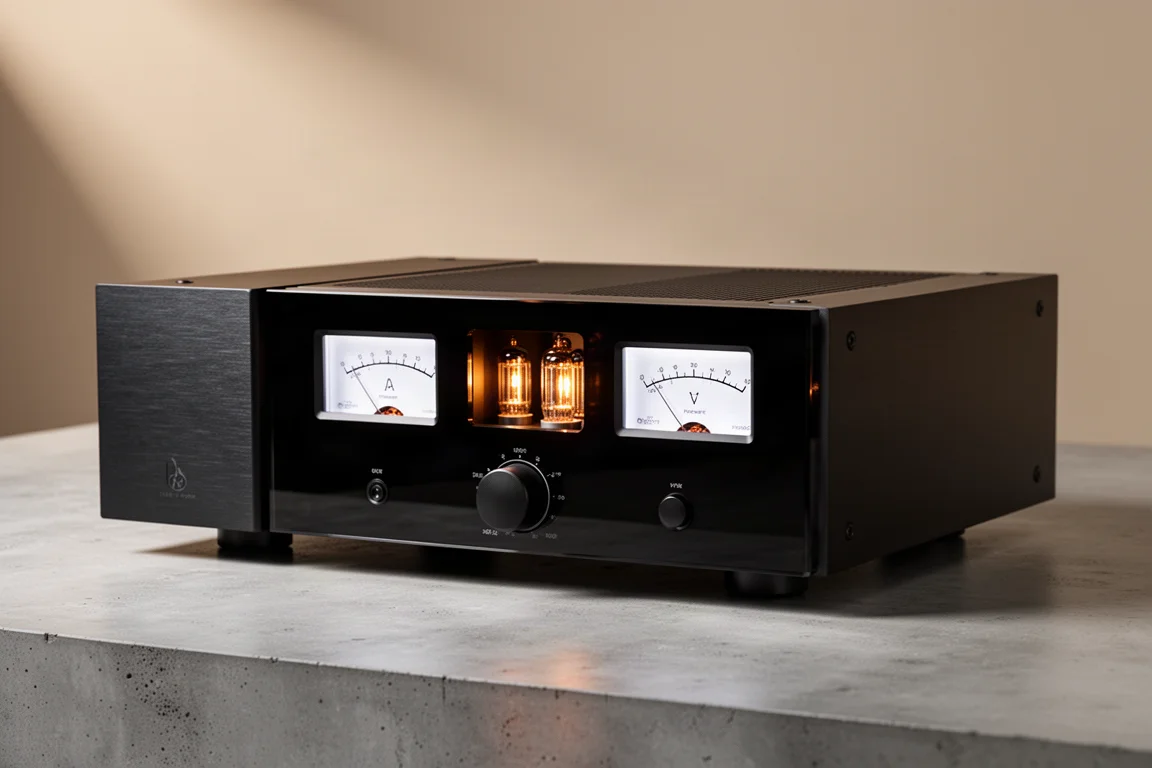
A French hybrid integrated amplifier with a class A tube preamp stage, analogue power meters, and an internal DAC and phono stage good enough to make extra boxes unnecessary.