Subwoofers
RSL Speedwoofer 10S Mark II Review: Deep, Punchy Bass Without the Gloss
A close look at the RSL Speedwoofer 10S Mark II, covering its 400-watt amplifier, 22 Hz extension, braced cabinet, wireless option, and the trade-offs worth knowing before you buy.
Introduction
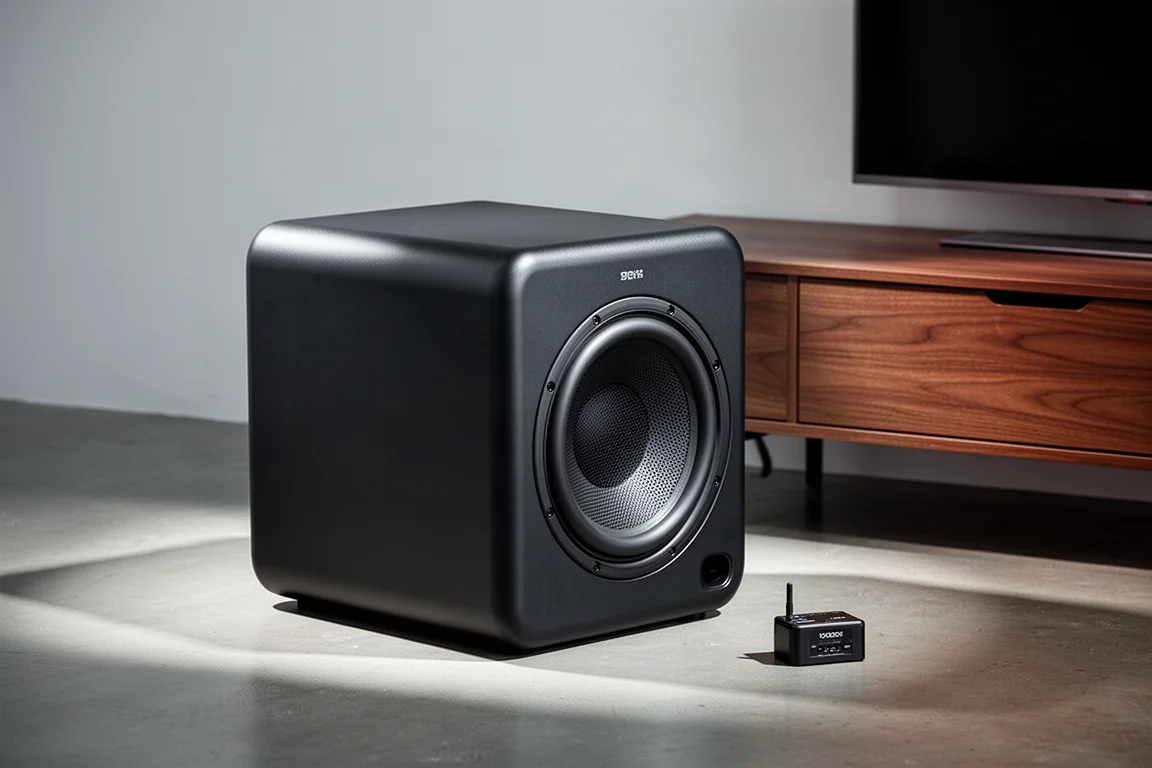
The RSL Speedwoofer 10S Mark II is a 10-inch ported subwoofer that combines a compression guide cabinet with rear venting, a layout that behaves a little like a simplified transmission line. The specification sheet is ambitious for the cabinet size: a 400-watt RMS Class D amplifier that RSL says would be rated well over 1,000 watts if it were quoted at peak, a 1-inch front baffle, and internal bracing that gives the enclosure a solid, substantial feel when you lift it.
RSL has built one of the most loyal owner communities in home audio, and the Speedwoofer 10S Mark II is the model those owners keep asking about. It is offered on pre-order and backed by a 30-day in-home trial, so buyers can hear it in their own room before committing.
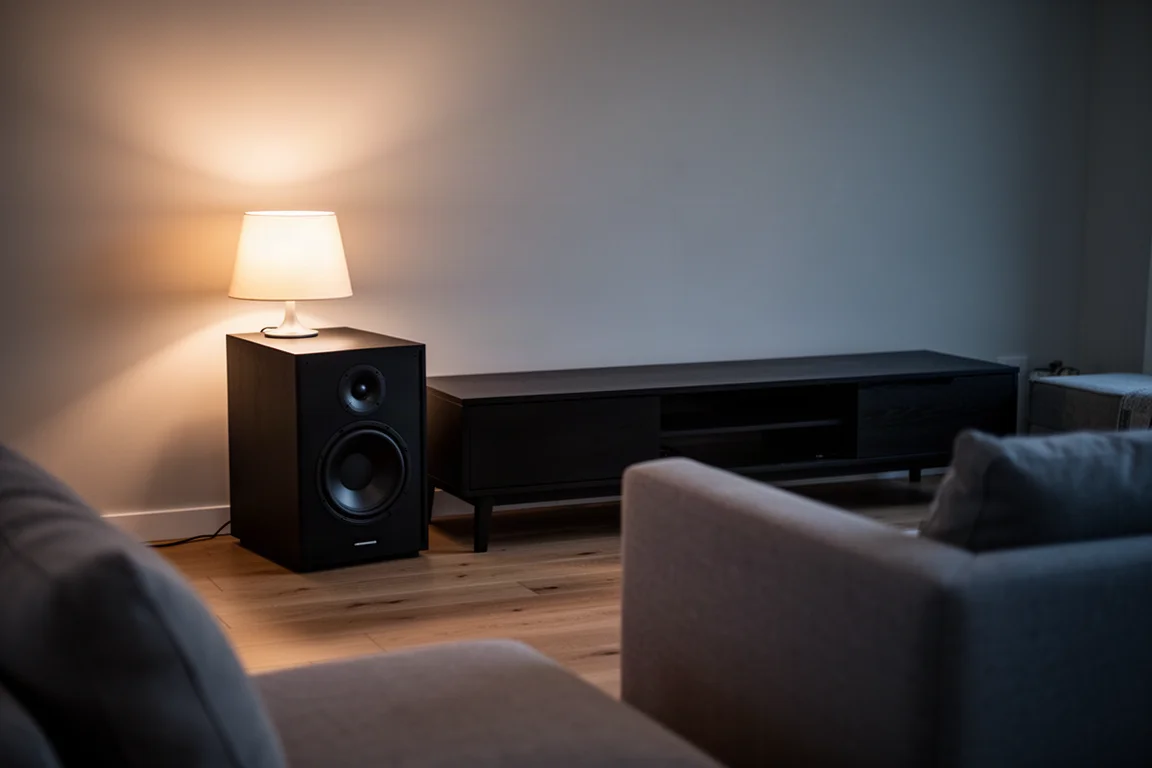
That combination of serious cabinet engineering and a low-risk trial period is why this subwoofer deserves a close look, particularly for anyone whose current sub leaves them reaching for the gain control.
Who This Subwoofer Is For
This subwoofer suits listeners who want genuine low-frequency output in a mid-size or larger room, and who care more about sound than about a decorative finish.
It also fits buyers who prefer to set a subwoofer up once and leave it alone. The controls are traditional analog controls, so once the level and phase are dialed in, there is nothing to revisit.
It is less suited to anyone who wants app-based tuning and room correction from a phone, or who moves a subwoofer between rooms regularly and expects to re-tune it quickly each time.
Design and Features
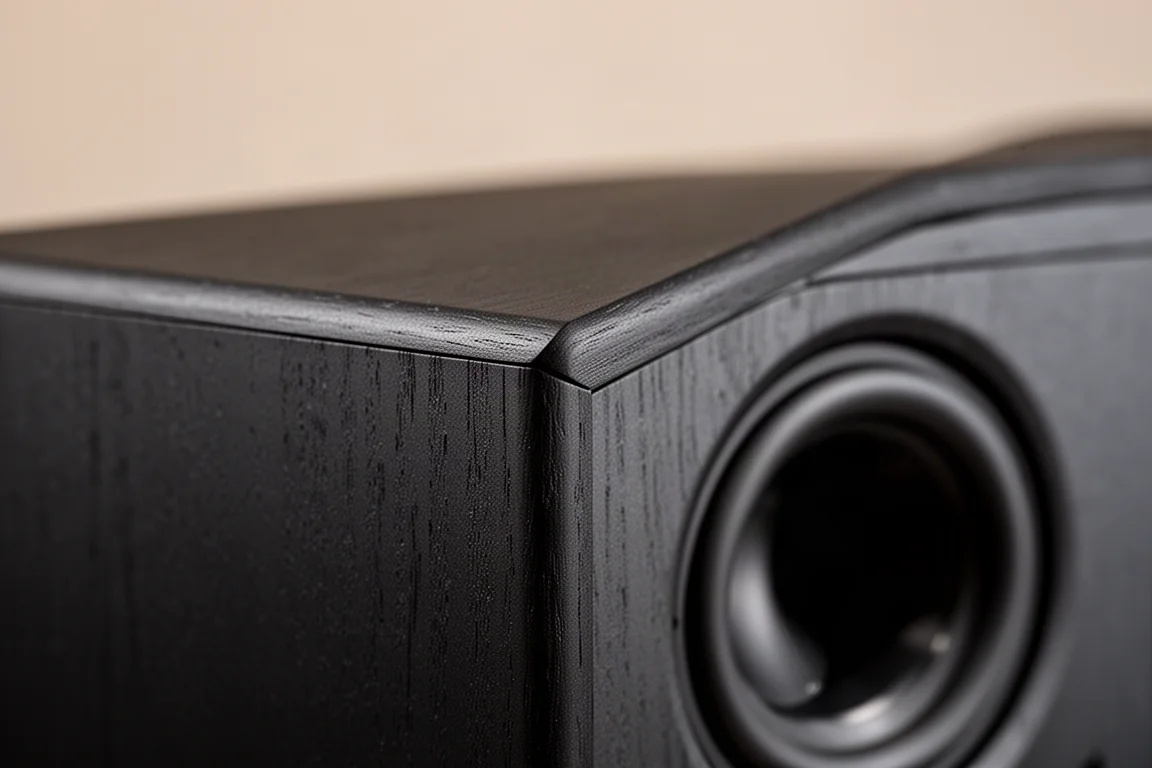
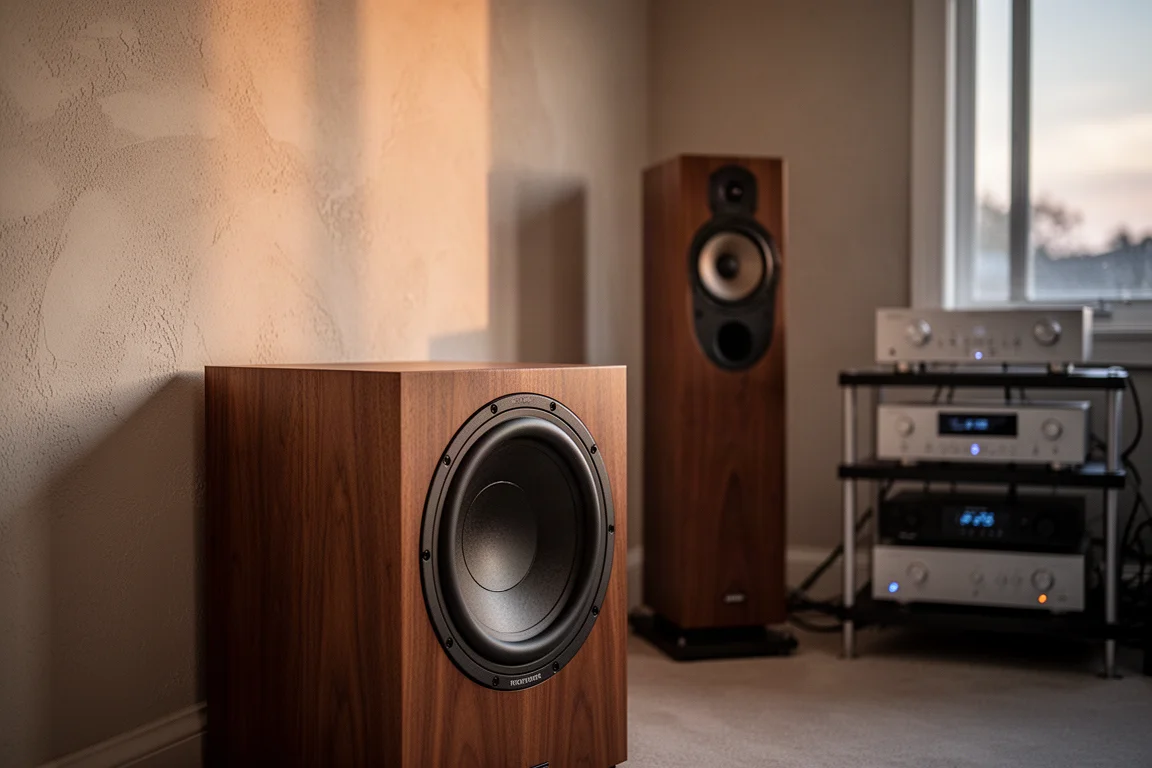
The driver is a precision-tuned 10-inch unit with a heavy die-cast aluminum frame and two stacked magnets, which allows higher excursion and therefore more air movement. The cabinet uses a 1-inch front baffle and roughly 3/4-inch internal bracing, and it feels solid in the hand without being awkward to carry.
The finish is deliberately plain rather than piano gloss. That is a sensible trade: the money goes into the amplifier, driver, and cabinet rather than into a surface that shows every fingerprint.
Size is a practical consideration. The cabinet is about two inches wider, three inches taller, and one inch deeper than a sealed 10-inch alternative such as the SVS SB 1000 Pro, yet it still dropped into the same position that a smaller sealed sub had occupied. It is bigger without being obtrusive.
Sound Performance
Over about a month of movies, music, and television in a living room, the Speedwoofer 10S Mark II never needed its gain pushed to the maximum. The level sat at roughly the midpoint, with fine adjustment handled at the receiver or processor.
For music, the low end carried noticeably more texture than a sealed 10-inch subwoofer in the same room. For movies, the difference was less about character and more about sheer punch. Bass lines stayed separated even on dense metal tracks built around rapid sixteenth-note bass drum patterns, which is where ported designs often start to sound slow.
Extension was surprisingly close to a much larger 12-inch subwoofer, and with the low-pass filter switched off, the sub reaches down to 22 Hz.
Main Strengths
- Amplifier headroom: a 400-watt RMS Class D amplifier that RSL says would be rated above 1,000 watts at peak.
- Cabinet quality: a 1-inch front baffle with roughly 3/4-inch internal bracing.
- Depth: extension down to 22 Hz when the low-pass filter is defeated.
- Wireless ready: the receiver is built into the cabinet, and a small transmitter box connects to a receiver or amplifier for flexible placement.
- Value: $450 buys performance that is difficult to match at a similar price.
Things to Consider Before Buying
The controls are analog and manual: gain, an adjustable phase control, and a low-pass filter that can be switched off when the receiver handles bass management. There is no companion app, so anyone who relies on phone-based tuning gives up some convenience.
The plain finish will not suit every living room, and the cabinet is larger than a sealed 10-inch design, which matters in tight spaces.
Availability is another practical point. The subwoofer is offered on pre-order, and stock does not appear to sit on shelves for long, so timing matters if you want one.
Placement, Setup, and Wireless Options
Setup is straightforward. The adjustable phase control is more useful than the simple 0 or 180 degree switch found on many subwoofers, because it can be rotated until the bass sounds as though it is coming from the main speakers.
With the low-pass filter switched off, the receiver or processor manages the crossover and the subwoofer extends deeper. Leave the gain near the midpoint and adjust the subwoofer level from the receiver.
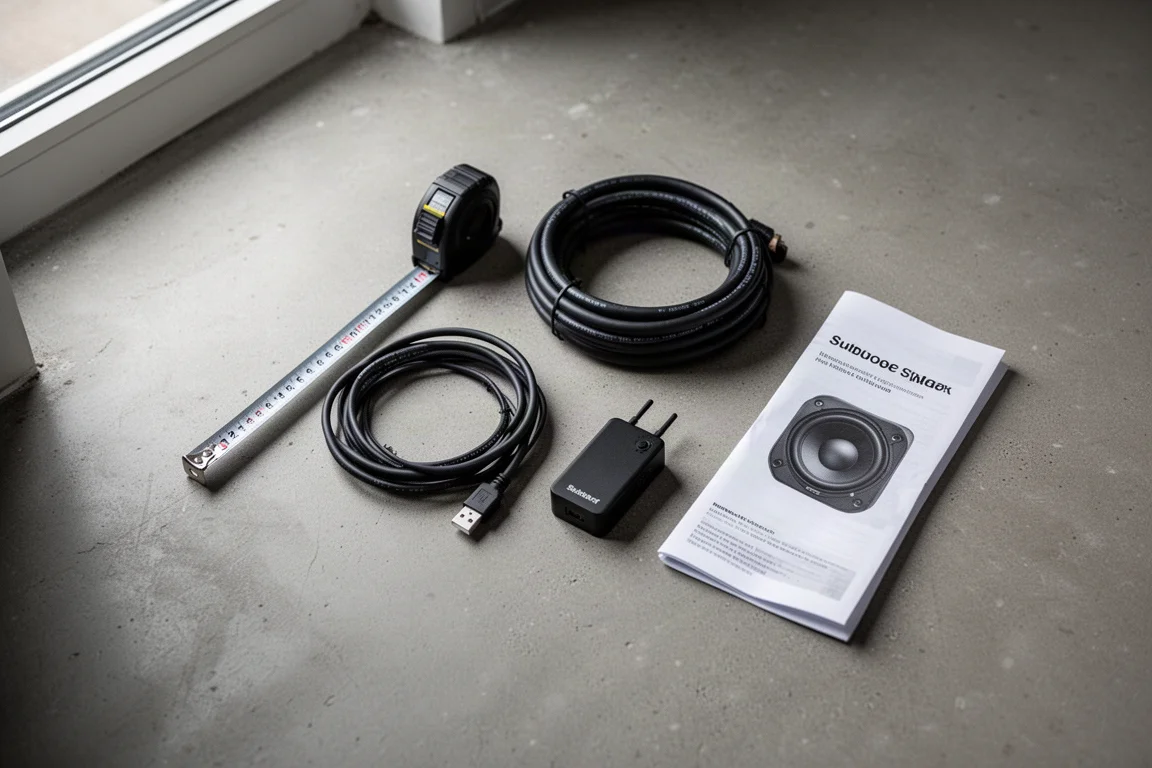
The optional wireless transmitter is a genuine convenience. It connects to a receiver or amplifier while the receiver inside the cabinet handles the rest, so the subwoofer can sit in a corner of the room rather than beside the electronics rack. It is a room-level solution, not a whole-house one.
Buying Advice
At $450, the Speedwoofer 10S Mark II is fairly priced, and it is difficult to find a subwoofer at a similar price that delivers this combination of output, depth, and cabinet quality.
The main trade-off is convenience. A sealed competitor with app-based tuning is easier to adjust on the fly, while this subwoofer rewards a single careful setup and then stays out of the way. For listeners who place a subwoofer once and leave it there, that is a good trade.
Given the pre-order model and the 30-day in-home trial, buyers can order with reasonable confidence and test the subwoofer in their own room.
If a deeper, more textured low end and extra headroom matter more than app control, this is an easy recommendation to make.
Conclusion
The RSL Speedwoofer 10S Mark II earns its reputation. A 400-watt RMS amplifier, a braced 1-inch baffle cabinet, 22 Hz extension with the low-pass filter defeated, and an optional wireless link add up to a subwoofer that sounds bigger than its cabinet and never feels short of headroom. The lack of app tuning and the plain finish are honest compromises, and for most listeners they will not be dealbreakers.
Product link
View more details for RSL Speedwoofer 10S Mark II
This product is mentioned in the review. Check the specifications, options, and compatibility before buying.
View more details for RSL Speedwoofer 10S Mark IIFurther reading
Related Reviews
Subwoofers
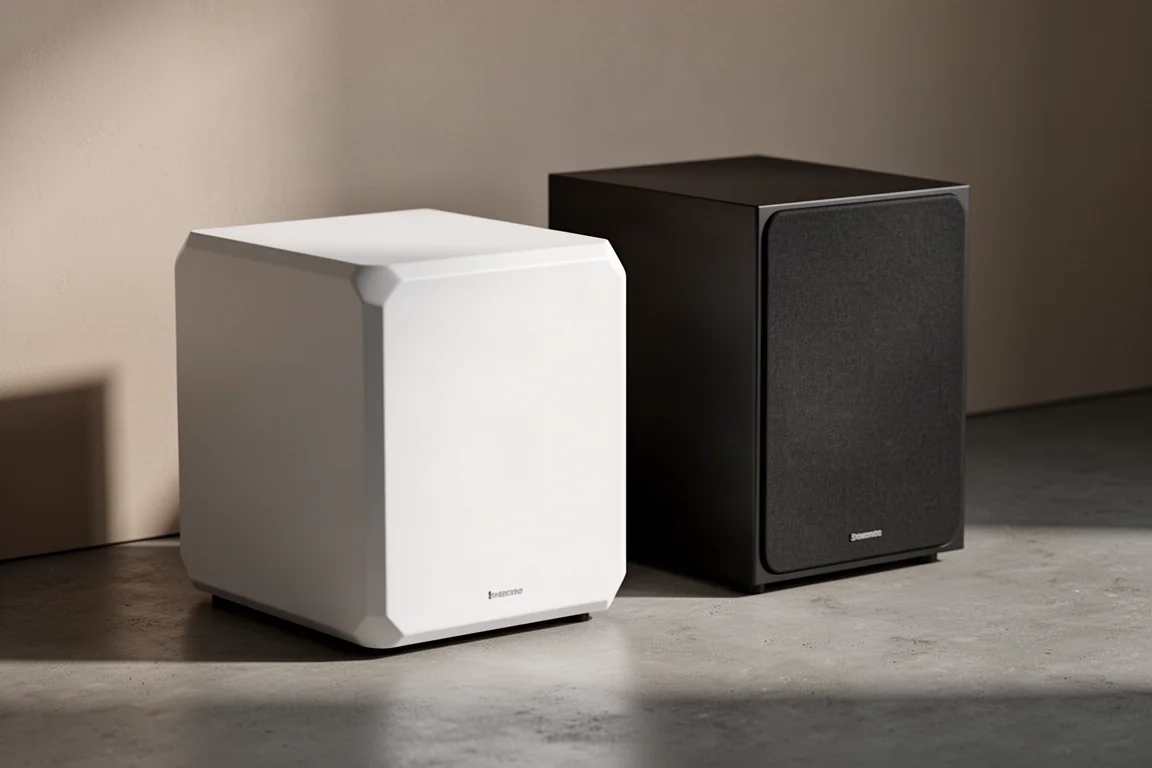
Arendal 1961 Subwoofer 1S Review: Beautiful Build, Modest Punch at $1,000
A sealed $1,000 subwoofer with a gorgeous cabinet, plus three lower-priced alternatives that deliver more impact for movie nights.
Subwoofers
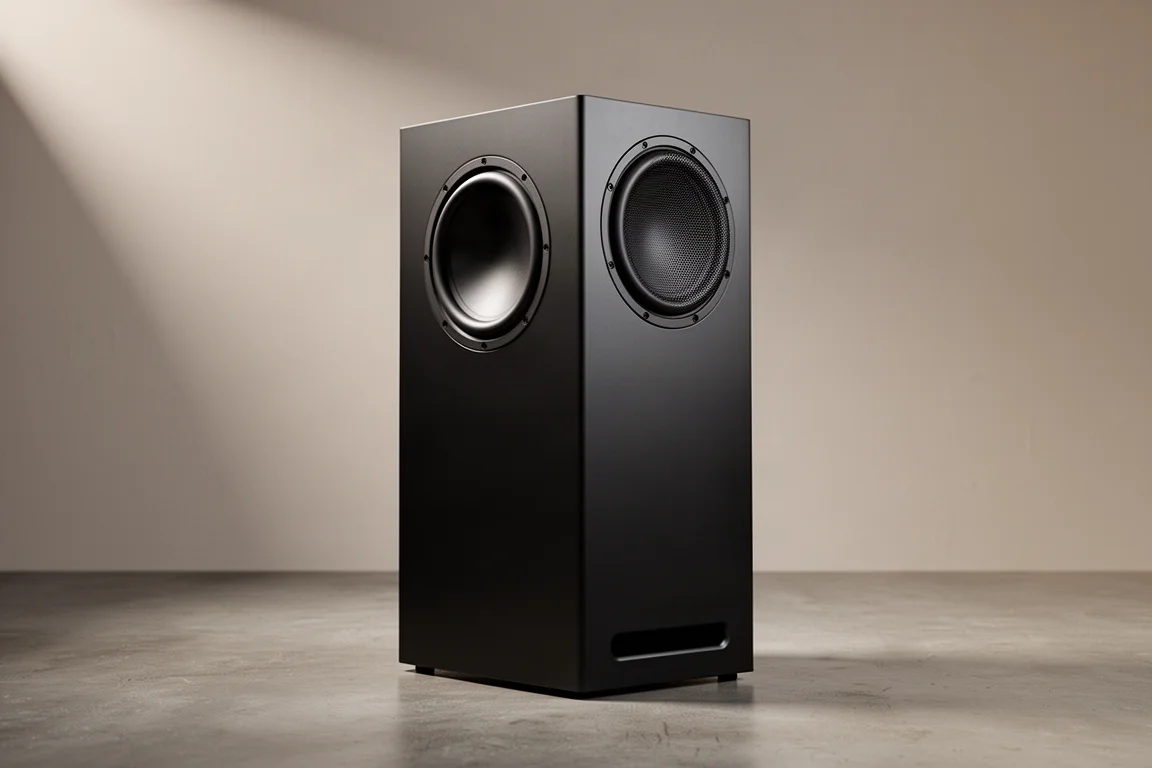
Arendal Sound 1723 2V Subwoofer Review: Dual 13.8-Inch Drivers Under $3,000
A flagship ported subwoofer with dual opposing 13.8-inch drivers, a 1,200W RMS amplifier, app-based DSP, and a 10-year warranty.
Subwoofers
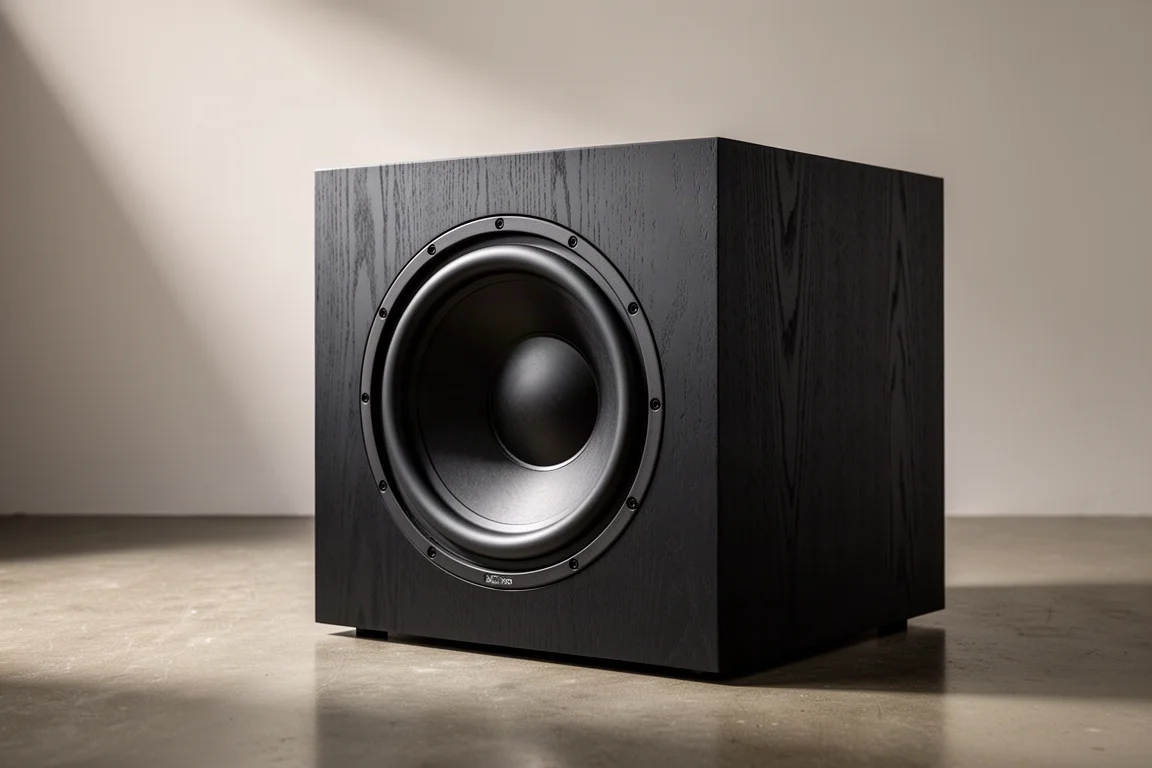
Ascendo 16 Sub Active Sealed Review: Sealed Bass Built on Real Engineering
A close look at the Ascendo 16 Sub Active Sealed, a 16-inch sealed home theater subwoofer with independently verified measurements, a purpose-built driver, and genuinely controlled output.