Integrated Amplifiers
RSL IA255.1 Integrated Amplifier Review: A $110 Mini Amp With a 90 Hz High-Pass Filter
A compact $110 integrated amplifier with USB, Bluetooth, tone controls, and a switchable 90 Hz high-pass filter, backed by a two-year warranty and US-based support.
Introduction
Compact Class D amplifiers have reshaped the entry level of hi-fi over the past few years. Brands such as Fosi Audio, Aiyima, SMSL, Topping, and Douk Audio have built a strong reputation for small, inexpensive amplifiers that sound far better than their price suggests. RSL, a company better known for its Speedwoofer subwoofers, has now stepped into that category with the IA255.1, an integrated amplifier priced at $110.
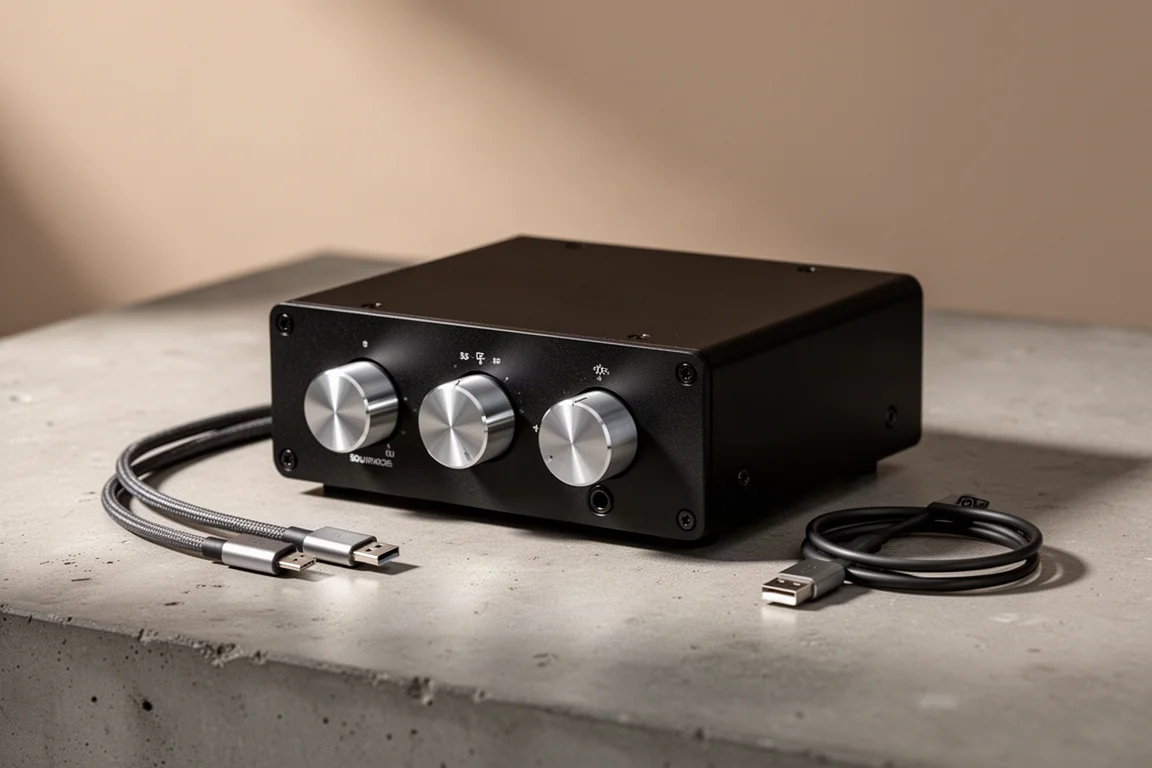
The IA255.1 is genuinely tiny. It measures about 5.5 inches wide, 1.5 inches tall, and 5 inches deep, and it weighs 0.87 pounds. On the front you get a source selector for line in, Bluetooth, or USB, plus volume, bass, and treble knobs. RSL backs the amplifier with a two-year warranty and provides customer support from the United States.
That last point matters more than a specification sheet can show. If something goes wrong, the process is a phone call to a company based in California rather than an email thread with an overseas vendor. It is a small thing until the day it is not.
Who This Amplifier Is For
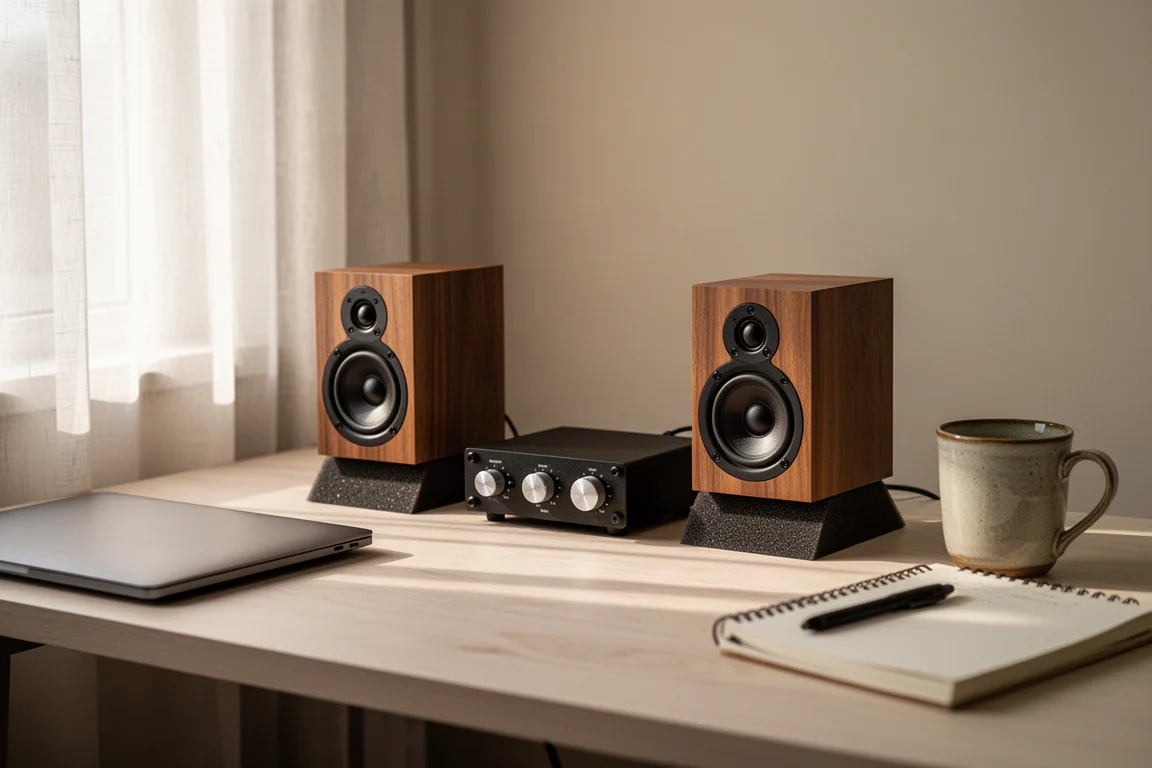
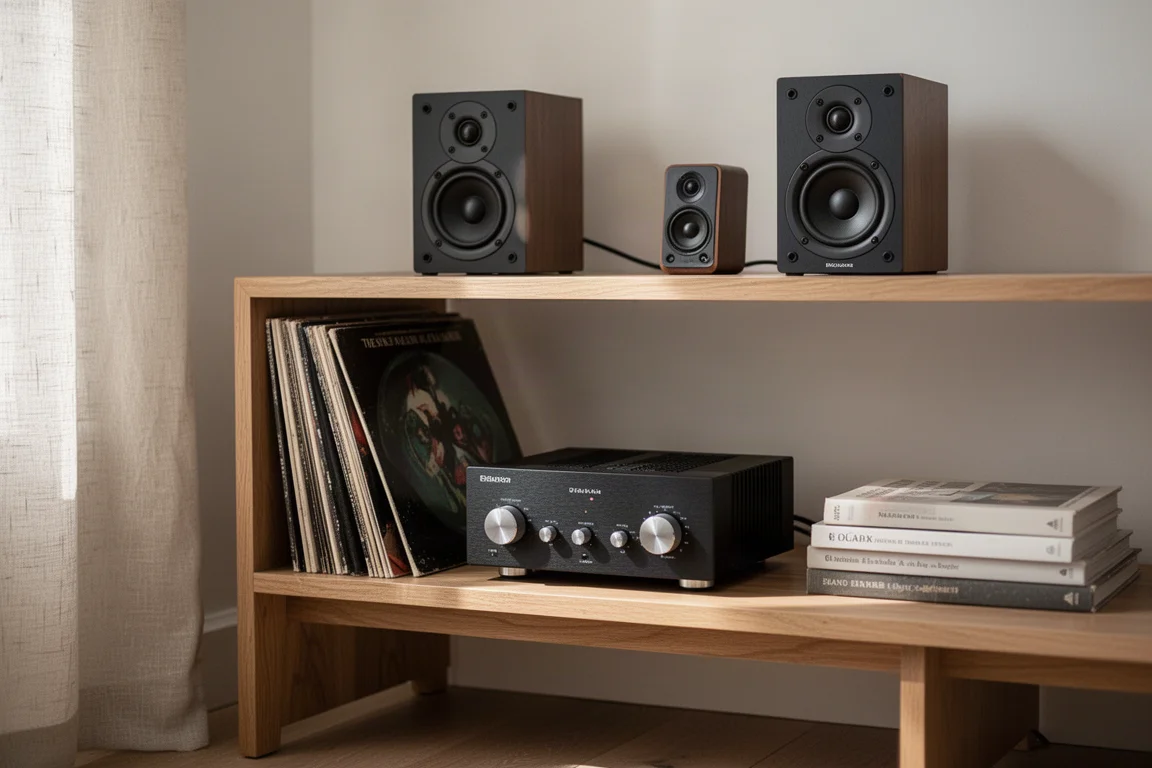
This is a natural fit for a desk system, a bedroom setup, or any small 2.1 configuration where space is tight and the speakers are modest. It is also a sensible match for anyone building a first proper stereo around compact bookshelf speakers and a subwoofer.
The power figures are worth understanding before you buy. RSL rates the IA255.1 at 55 watts RMS into 4 ohms and 28 watts into 8 ohms, both at less than one percent total harmonic distortion. Signal to noise ratio is listed at 106 dB, channel separation at 100 dB, and the amplifier is described as 92 percent efficient. For near field listening and normal living room volumes with reasonably sensitive speakers, that is enough. For large rooms and demanding speakers, it is not.
The input set is the practical draw here. Line in covers a turntable preamp, a streamer, or a TV output. Bluetooth handles casual listening from a phone. USB accepts a direct connection from a computer, so a desktop machine can feed the amplifier digitally without an external converter.
Main Strengths
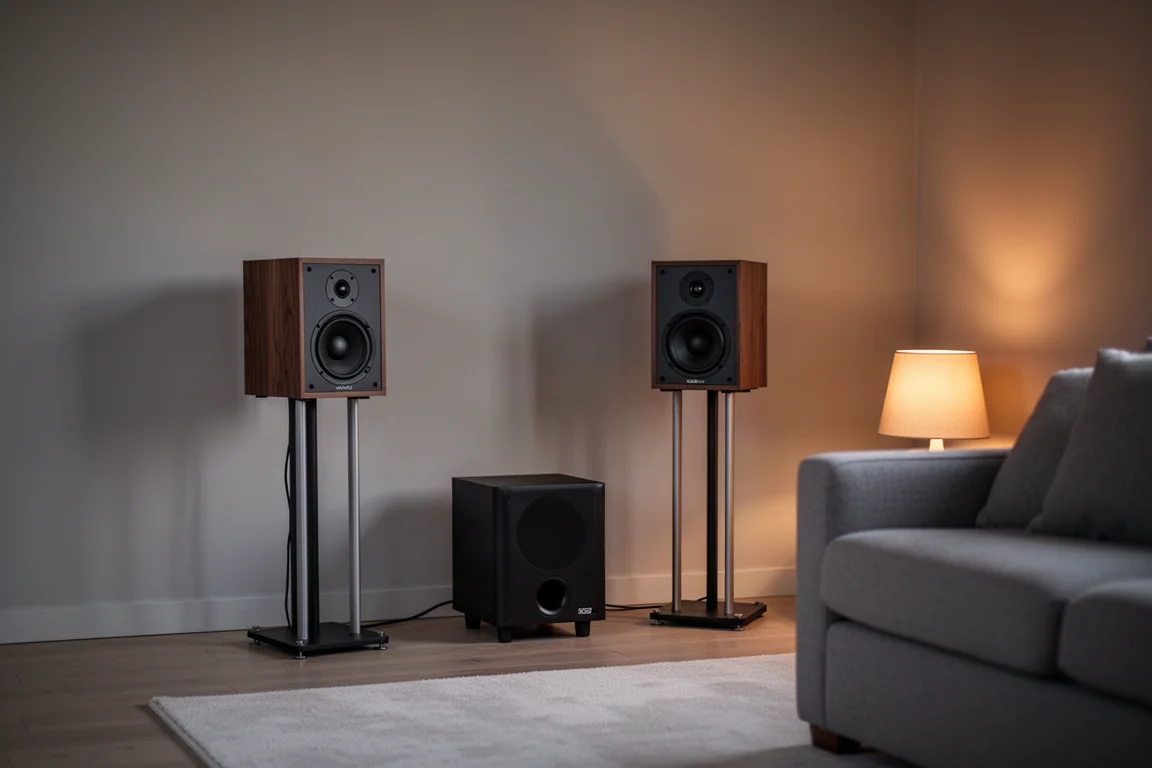
The most useful feature on this amplifier sits on the back panel: a toggle that activates a high-pass filter fixed at 90 Hz. In a 2.1 system, that filter stops low frequencies from reaching your main speakers, which means small drivers are no longer asked to reproduce bass they cannot manage cleanly. The midrange stops smearing, the subwoofer takes over the low end, and the whole system sounds larger than its footprint.
Tone controls are another feature that many budget competitors skip. Bass and treble each adjust by plus or minus 9 dB, with the bass shelf centred at 100 Hz and the treble at 5,000 Hz. Both controls begin to make themselves felt around the noon position and become clearly audible beyond it.
In listening terms, the amplifier delivers punchy bass, clean highs, and a clear midrange. It does not sound thin, and it does not sound harsh on top. The character lands closer to natural than clinical, which is exactly what a small system in a small room needs.

There is also a subwoofer and preamp output on a 3.5 mm jack, so the amplifier can drive a powered subwoofer or feed another component down the chain.
The 90 Hz High-Pass Filter and Why It Matters
Most inexpensive mini amplifiers give you inputs, a volume knob, and very little else. The high-pass filter is the feature that separates this one from the pack, and it is genuinely useful rather than decorative.
Consider a typical compact bookshelf speaker. Its woofer is asked to produce everything from 40 Hz upward, and in a small cabinet that usually means distortion, compression, and a muddied midrange as the driver works hardest where it is least capable. Engaging the 90 Hz filter removes that burden entirely. The speakers handle the range they are good at, and the subwoofer handles the rest.
The filter is switchable, so it costs nothing when you do not need it. If you are running a pair of larger floorstanders with no subwoofer, leave it off. If you are running small speakers with a subwoofer, switch it on and the improvement is immediate and obvious.
Things to Consider Before Buying
Power is the main limitation to plan around. At 55 watts into 4 ohms, this amplifier is comfortable with efficient bookshelf speakers, but it will run out of headroom with low sensitivity speakers in a large room or at very high volumes. That is a design trade-off, not a fault, and it is worth matching the amplifier to the speakers you actually own.
The rear panel is compact, and the binding posts are close together. Standard banana plugs fit without trouble, but oversized plugs with wide barrels may touch one another. Check the size of your connectors before you commit.
The subwoofer and preamp output uses a 3.5 mm jack, so you will need a 3.5 mm to RCA cable unless your subwoofer has a matching input. It is an inexpensive cable, but it is one more thing to order.
The bass control is powerful. With a speaker that already produces a lot of low end, such as the ELAC BS41, the bottom end can become too much and you may want to dial the bass back below the noon position. With a leaner speaker, the same control is a genuine asset.
RSL has not published the DAC chipset used for the USB input, and the company has been reserved about the details of the internal chipset. In practice the USB input works, and music played through it sounds correct, so this is a curiosity rather than a problem. Note too that the volume control ramps up quickly past the noon position, which means reaching maximum output requires turning the knob further than you might expect.
Finally, the amplifier is designed in the United States but manufactured in China, which is the same arrangement used by most large audio brands today. The distinction that matters here is where the design work and the support happen.
Pairing It With Speakers
The IA255.1 has been used successfully with a range of compact speakers, including the RSL CG23M, a 4 ohm design rated at 89 dB sensitivity, and the RSL CG3M, a 4 ohm design rated at 86.5 dB. It has also driven the Q Acoustics 5020 and the ELAC BS41, the latter being a harder load that pushed the amplifier toward its limits.
The pattern is consistent: speakers that need a little help at the bottom end benefit most from the 90 Hz high-pass filter, and speakers that already produce plenty of bass need the bass control eased back. RSL’s own compact speakers are an obvious match, since the amplifier was clearly voiced with them in mind.
The supplied 24 volt external power supply works out to roughly 150 watts, which is a sensible match for the amplifier’s output. Because the supply is external, the chassis stays small and cool, and replacing a failed supply is straightforward.
Buying Advice
At $110, the IA255.1 asks a fair price for what it offers. It comes in below at least one popular imported alternative, the Aiyima T9, while adding a switchable high-pass filter, USB input, Bluetooth, and tone controls in a smaller chassis.
The case for buying it is not purely about sound quality per dollar. It is about the combination of features that no direct competitor at this price offers together: a 90 Hz high-pass filter, a USB input that accepts a computer directly, Bluetooth, and tone controls, all wrapped in a two-year warranty with domestic support behind it.
If your system is a small pair of speakers plus a subwoofer, and you want a compact amplifier that will let those speakers perform at their best, this is one of the strongest options available at the price. If you need high output for a large room or inefficient speakers, look for more power instead.
For anyone who has been hesitant about buying an inexpensive amplifier from an overseas brand with no local support, this is the alternative that has been missing.
Conclusion
The RSL IA255.1 is a small amplifier with an unusually complete feature set for its price. The 90 Hz high-pass filter alone makes it a better match for compact 2.1 systems than most of its rivals, and the USB input, Bluetooth, and tone controls round out a genuinely useful package. Add a two-year warranty and US-based support, and the value proposition becomes difficult to argue with. For small speakers in a small room, this is an easy recommendation.
Product link
View more details for RSL IA255.1 Integrated Amplifier
This product is mentioned in the review. Check the specifications, options, and compatibility before buying.
View more details for RSL IA255.1 Integrated AmplifierFurther reading
Related Reviews
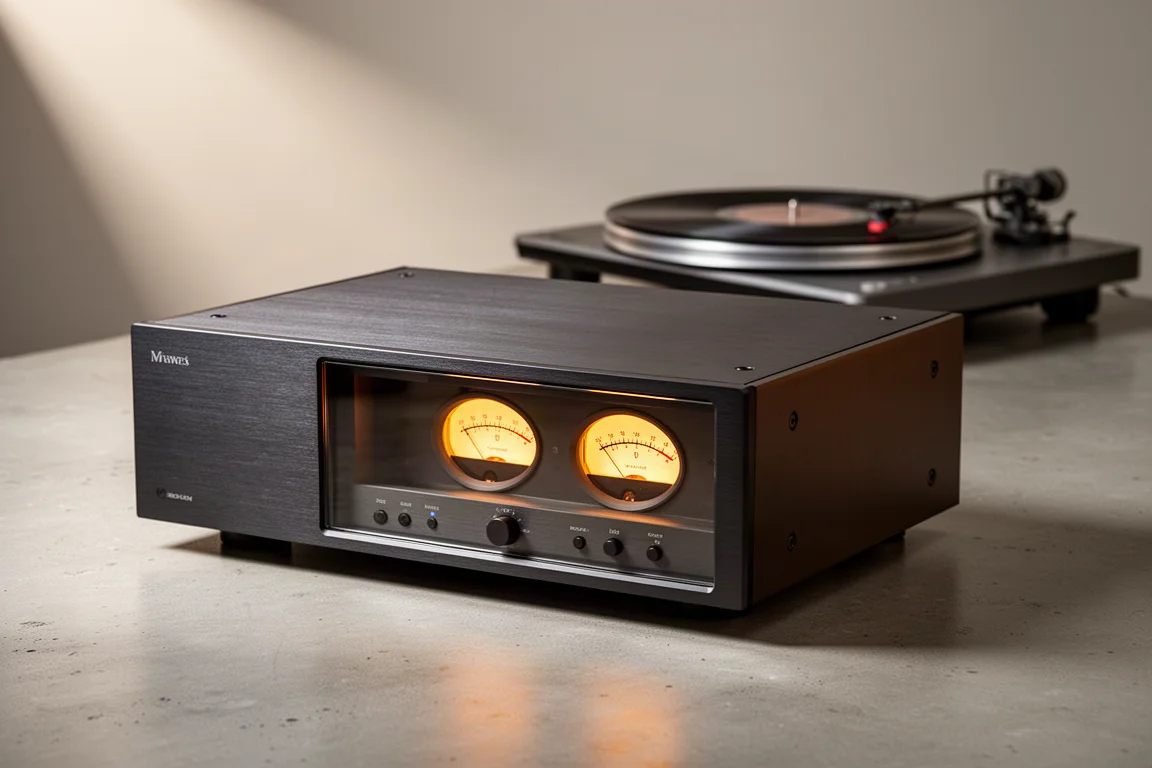
Integrated Amplifiers
Advance Paris A10 Classic Review: Vintage Looks and a Lively, Punchy Sound
The Advance Paris A10 Classic pairs glowing blue VU meters and a tube stage with one of the widest input sets on any integrated amplifier. Here is what it does well and what to weigh before spending $2,500.
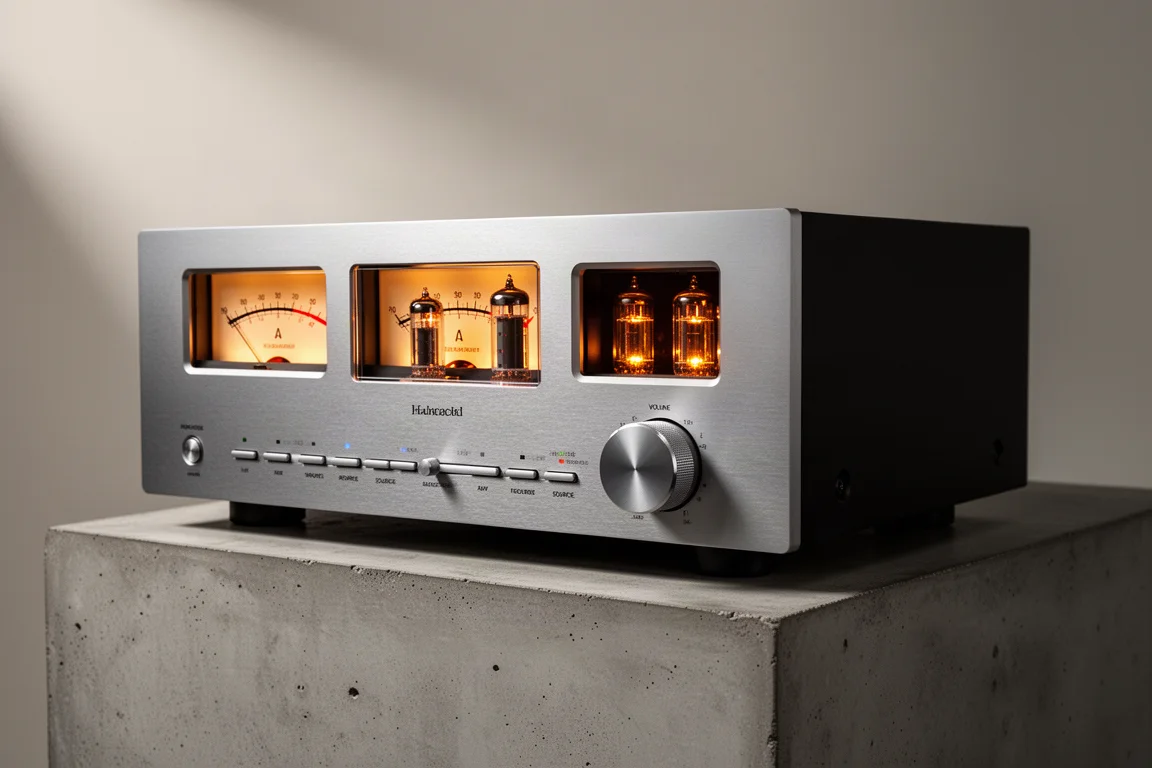
Integrated Amplifiers
Advance Paris A12 Apex Review: A Modern Integrated Amplifier With Vintage Character
A dual mono integrated amplifier with 180 watts per channel, a tube front end, VU meters, and a connectivity list that covers turntables, televisions, computers, and headphones.
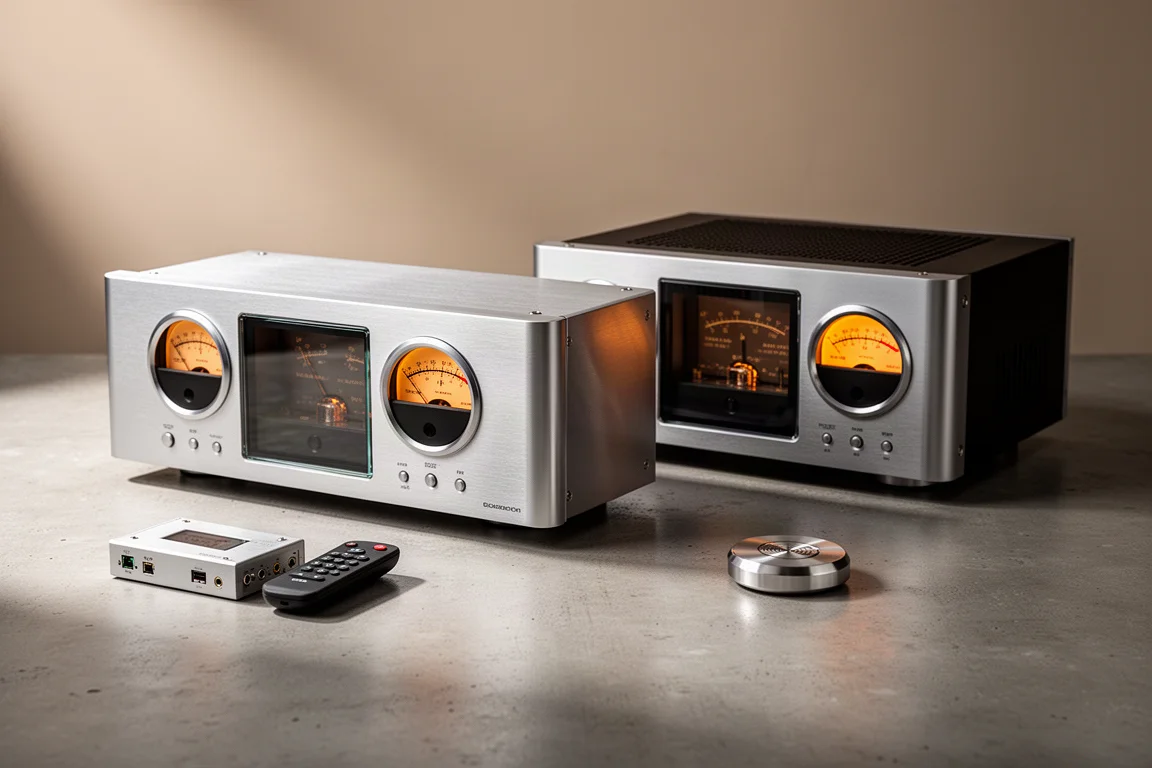
Integrated Amplifiers
Advance Paris Nova Range Review: AI130, AI190 and Modular Upgrades
A practical look at the Advance Paris Nova range, including the AI130 and AI190 integrated amplifiers and the modular streaming, Bluetooth and remote accessories that expand them.