Home Theater Amplifiers
Rotel RMB-1585 Mark II and RMB-1587 Mark II: Two Multi-Channel Amplifiers Compared
How Rotel's flagship Mark II multi-channel amplifiers differ, what they share under the chassis, and which one suits a given home theater system.
Introduction
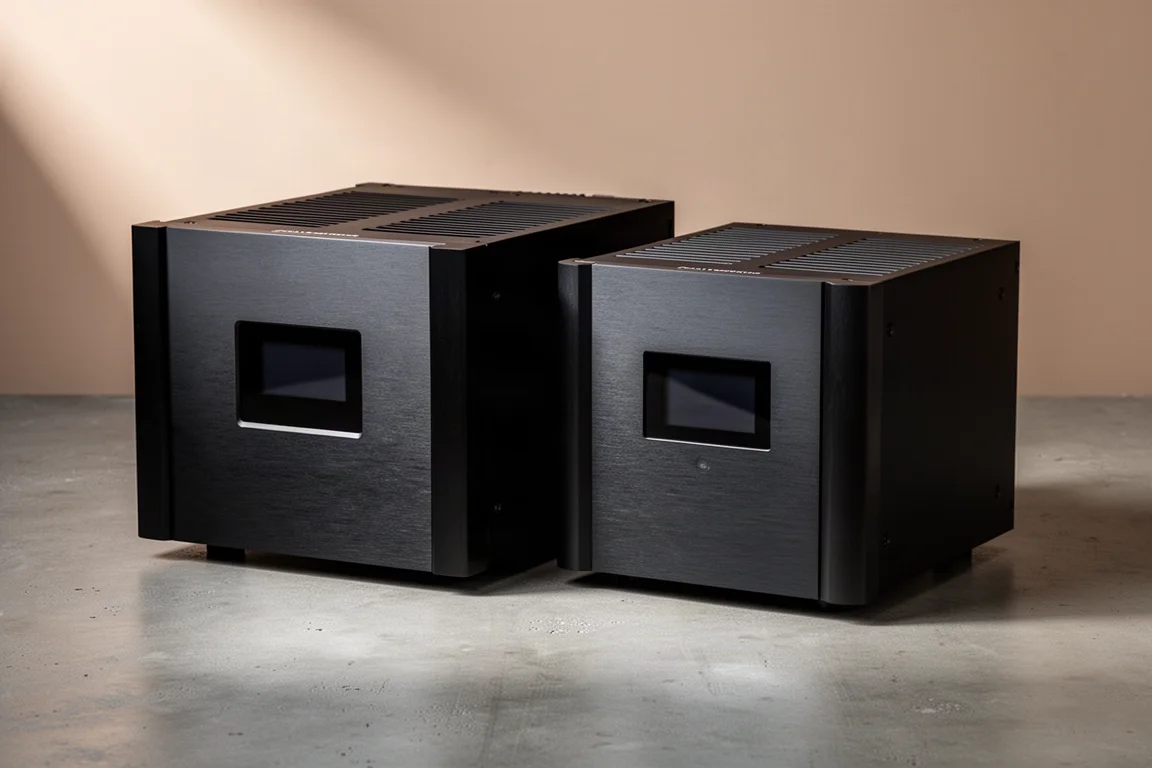
Rotel has offered multi-channel amplifiers for years, aimed at music and home theater listeners who want the power and dynamic headroom that a typical home theater receiver struggles to provide. The RMB-1585 and RMB-1587 have long sat at the top of that range, valued for consistent build quality and strong value.
Following Mark II updates across its integrated amplifiers, preamplifiers and source components, Rotel has now applied the same treatment to these two multi-channel amplifiers, using new components and revised architecture. This guide covers what the two models share, how they differ, and which one fits a given system.
Both models stay true to the Class AB solid state approach Rotel is known for. The practical differences between them come down to channel count and flexibility rather than overall character, so the sections below break that down model by model.
What Both Mark II Amplifiers Share
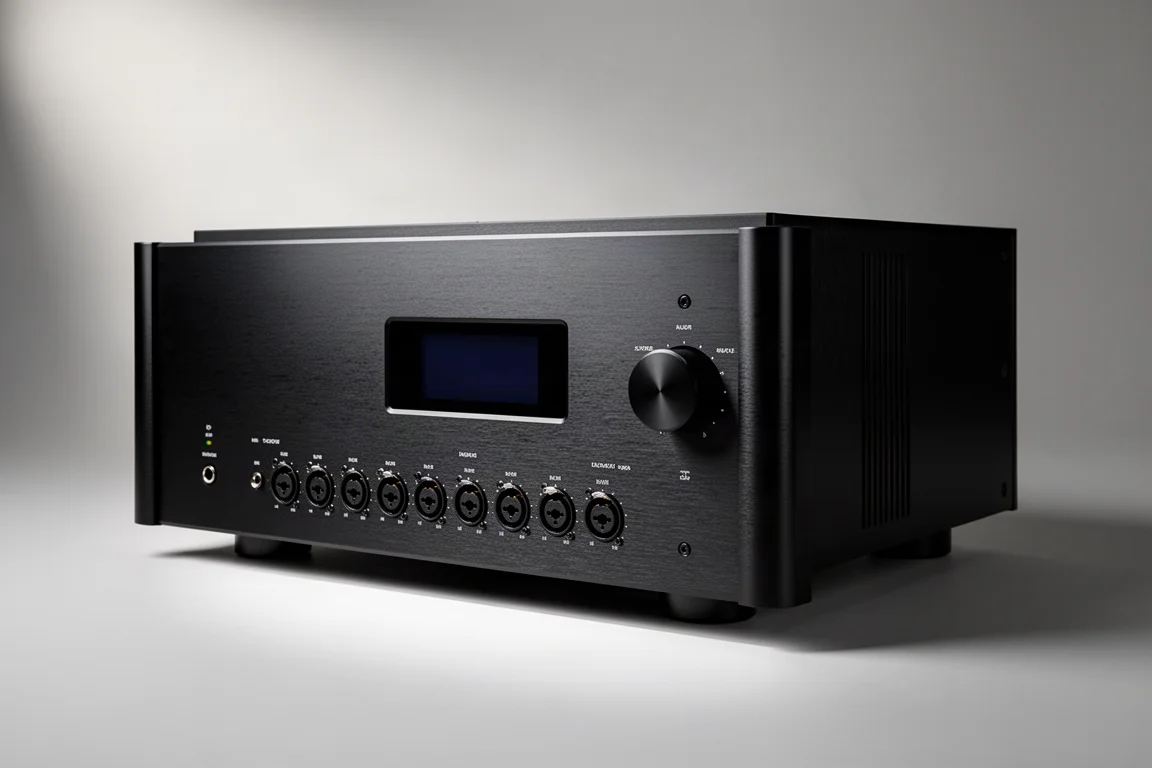
At the heart of any high-end power amplifier is the power supply, and clean, solid power delivery is what allows the rest of the circuit to work to its full potential. Both amplifiers use an oversized toroidal transformer, which gives them the headroom to make rated power and to reproduce the dynamics of a movie soundtrack without running out of power or clipping, while keeping distortion low at every volume level.
Supporting that transformer are large Class AB output stages and 120,000 microfarads of filter capacitance. The slit foil capacitors do two jobs. First, when the transformer sends power through the rectifier it becomes DC voltage pulses, and the capacitors smooth those pulses into an even DC voltage for the amplifier circuits. Second, they act as a power reservoir for peak signals, supplying extra current during heavily dynamic passages in a film or a piece of music. Those reserves are a large part of what gives these amplifiers their effortless character.
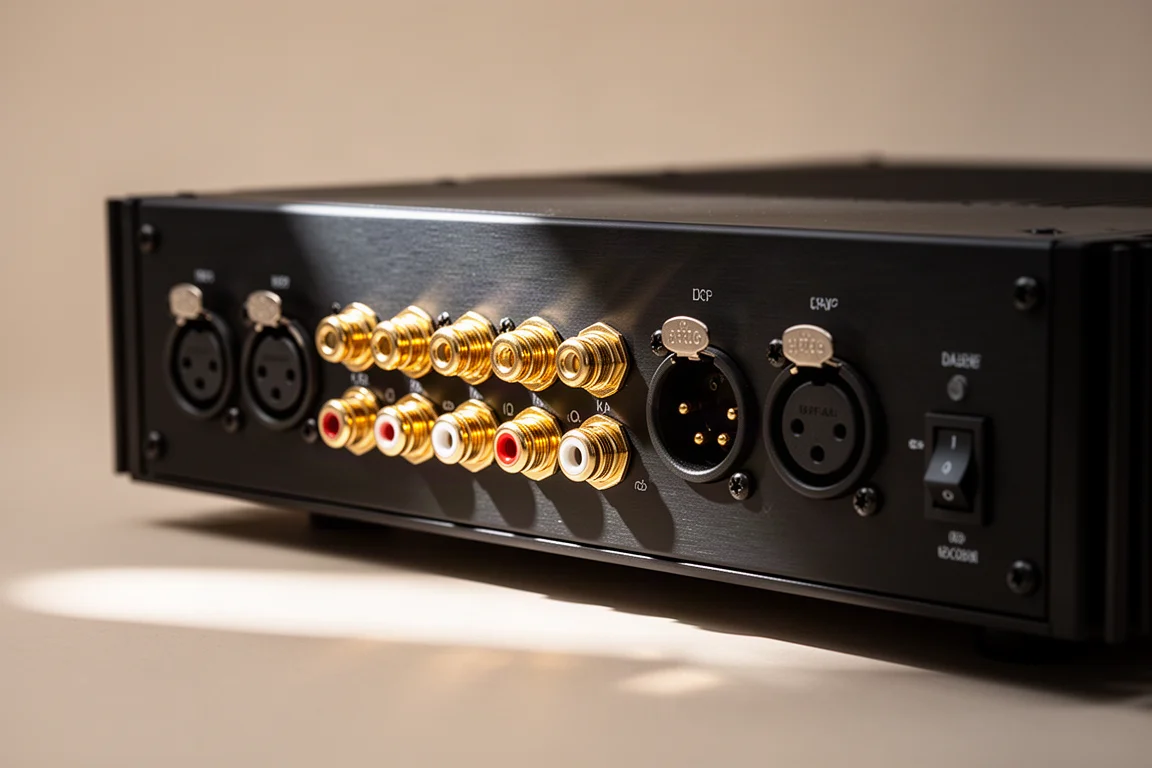
On the input side, both models use Smart Auto switching XLR and RCA inputs. The amplifier detects which input type is in use on each channel and switches to it automatically, which makes installation closer to plug and play and keeps the amplifiers compatible with any home theater processor or receiver that has multi-channel outputs. A 12 volt trigger input and output on the rear panel allows on and off control from a processor or receiver, and the trigger output lets you chain additional amplifiers or components so a single power switch behaves more like a main system switch.
The channel outputs use high quality gold-plated binding posts, so you can terminate with banana plugs or spades and use the cables you prefer. The outputs are clearly marked and correspond to the inputs, which keeps installation straightforward. Four thermostat controlled variable speed low noise fans handle cooling, raising their speed as the amplifier heats up so the unit can operate in tight rack spaces. A rear panel switch lets you turn the fans off if the amplifier sits in a well-ventilated listening room, though running without fans in a poorly ventilated space makes the amplifier run hotter and can shorten its lifespan.
One detail worth noting: both amplifiers are rated with all channels driven, while most receivers and home theater integrated amplifiers quote power into only two channels. That makes the ratings a more useful indication of how these models will drive a full multi-channel speaker system.
Rotel RMB-1585 Mark II: Five Channels With By-Amping Flexibility
The RMB-1585 Mark II provides five channel outputs, and it adds a feature the larger model does not have. Using a switch on the rear panel, channels 1, 2 and 4, 5 can be configured for by-amping. This takes the stereo inputs for channels one and five and lets four channels of the amplifier drive a compatible main speaker. In practice the five-channel amplifier becomes a three-channel amplifier, with four channels of power going to the main speakers plus a dedicated channel for the center speaker.
For listeners with difficult-to-drive main speakers, or anyone who wants to get more out of a stereo pair without adding a separate amplifier, this is the more interesting of the two models. It changes how the available channels can be allocated, not just how much power the amplifier produces.
Rotel RMB-1587 Mark II: Seven Channels for Larger Systems
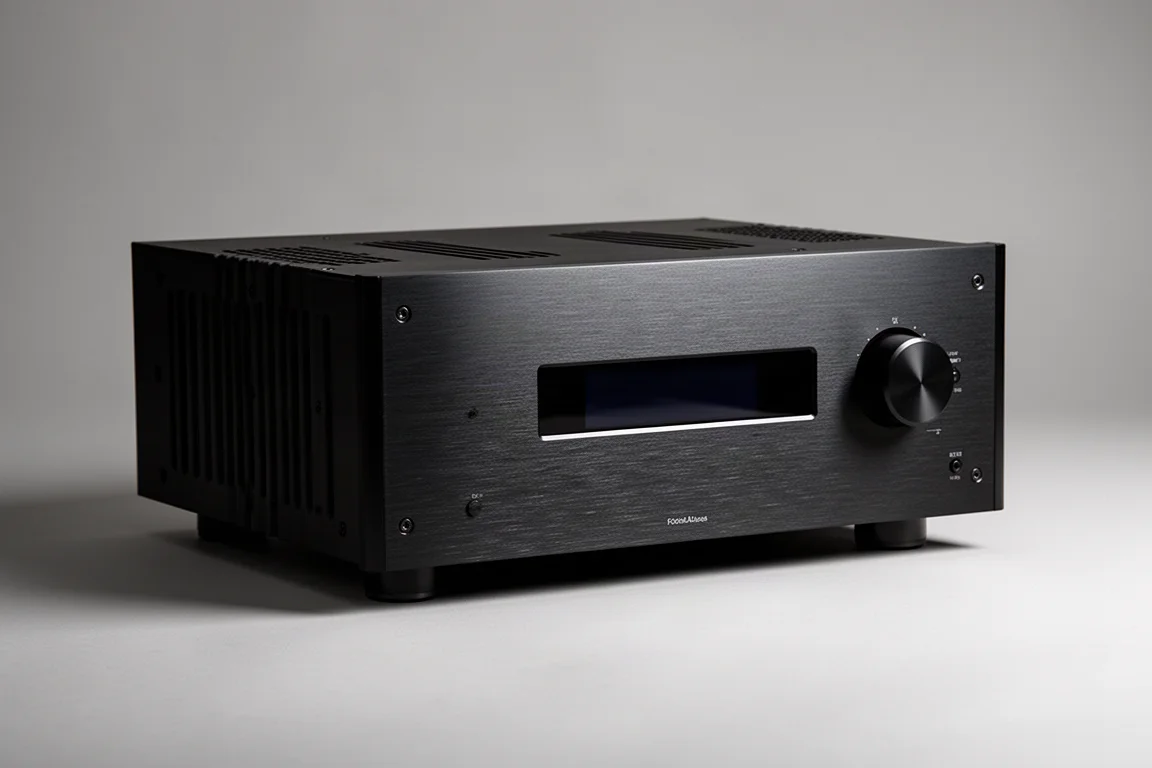
The RMB-1587 Mark II provides seven channel outputs and shares the same power supply design, input architecture, binding posts, trigger control and fan arrangement as its smaller sibling. What it does not offer is the by-amping option, so its value is concentrated in channel count rather than channel reallocation.
That makes it the natural choice for a full seven-channel speaker system, where every channel needs its own amplification and the priority is driving the complete array rather than the front pair.
How These Amplifiers Handle Music
Evaluation began in a two-channel music system to establish what these amplifiers offer music listeners. A classic jazz recording demonstrated the low distortion clarity both models bring: drums carried fine detail, the bass drum sounded realistic with the quick response solid state amplifiers are known for, cymbals had body and detail without edge or grain, and the snare was dynamic. Soundstage and imaging were solid, bettered only by considerably more expensive amplifiers dedicated to two-channel audio.
A bass-heavy modern album tested the other end of the range. The bass drum hits are immense and can overwhelm lesser amplifiers, and a bass guitar line running alongside it can get lost in the mix on some systems. Both Rotel amplifiers kept that line distinct and let the track be enjoyed in full, with vocals clear in the mix and natural in tone. The dynamic bass was reproduced without strain.
The character here is a classic Class AB solid state sound, letting you hear the detail and the solid foundation of the music. If you prefer a warm, buttery tube presentation or the holographic quality of a great Class A design, these amplifiers are probably not the right match. If you want neutral sound without bloat, or a powerful amplifier for a multi-channel theater system, they are a strong fit.
It is worth being clear about that trade-off before buying. These amplifiers are not voiced to add warmth, and the reward for that is neutrality and control that holds up across long, demanding listening sessions.
Home Theater Performance and Dynamic Headroom
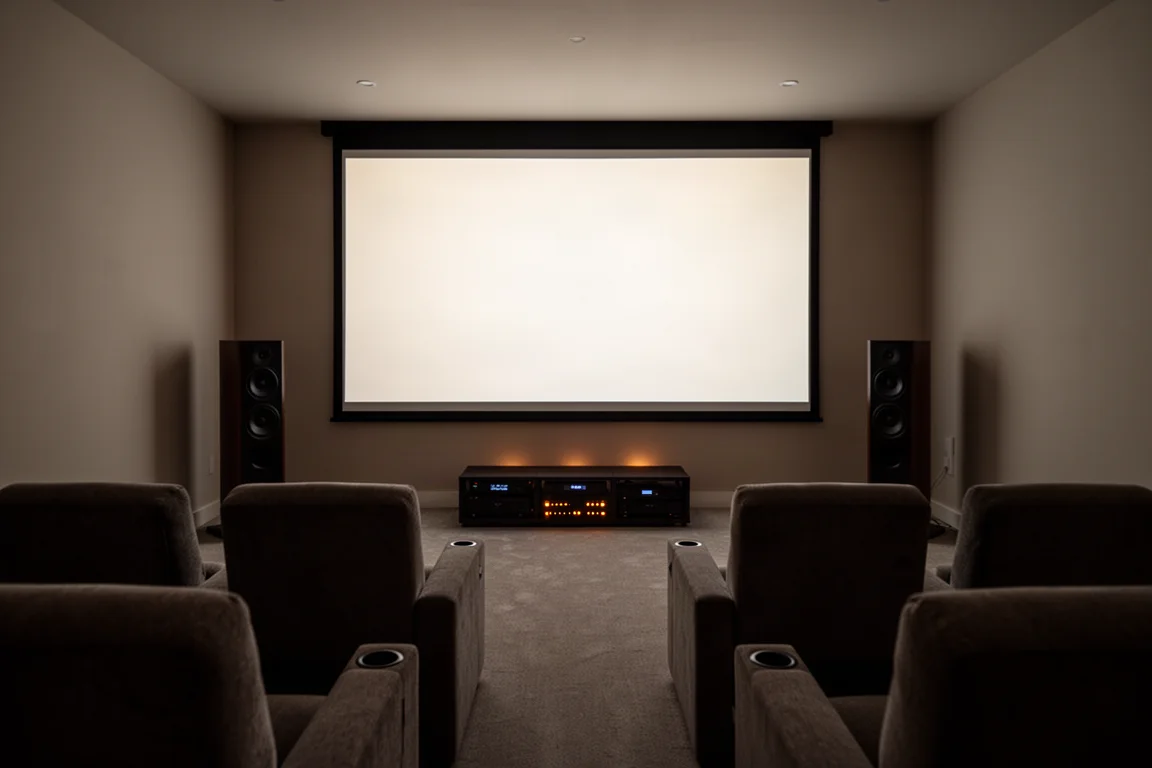
Moving to a theater environment, the RMB-1587 Mark II drove a seven-channel speaker system with the effortless power on tap to reproduce the loudest passages without the strain or clipping found in receivers or lesser amplifiers. Both models share a solidity to their sound that some inexpensive Class D multi-channel amplifiers do not match, and Rotel’s long experience with Class AB solid state design is apparent in how they behave under load.
Who Should Consider These Amplifiers
For listeners who want to take a theater system to the next level, or who want to bi-amp their main speakers using the five-channel model, both amplifiers are solid options. The build quality and attention to detail are consistent with Rotel’s reputation in this category, and the design should provide years of trouble-free enjoyment.
Two practical points are worth checking before you buy. The first is ventilation: if the amplifier is going into a closed cabinet, leave the fans enabled rather than relying on the rear panel switch. The second is channel allocation: the by-amping switch exists only on the five-channel model, so a seven-channel system that also wants bi-amped mains will need a different approach.
Conclusion
These two amplifiers are closely related, and the decision between them is mostly about how many channels your system needs and whether you want to reallocate power to your front speakers. The RMB-1585 Mark II covers five channels and adds by-amping flexibility for demanding main speakers. The RMB-1587 Mark II covers a full seven-channel array with the same oversized transformer, generous filter capacitance, auto-switching inputs, trigger control and gold-plated binding posts.
Neither is aimed at listeners chasing tube warmth or a Class A presentation. Both are built around neutral, powerful Class AB amplification that keeps its composure with dynamic movie soundtracks and detailed music alike, which is exactly what makes them worth considering for a serious home theater system.
Further reading
Related Reviews
Home Theater Amplifiers
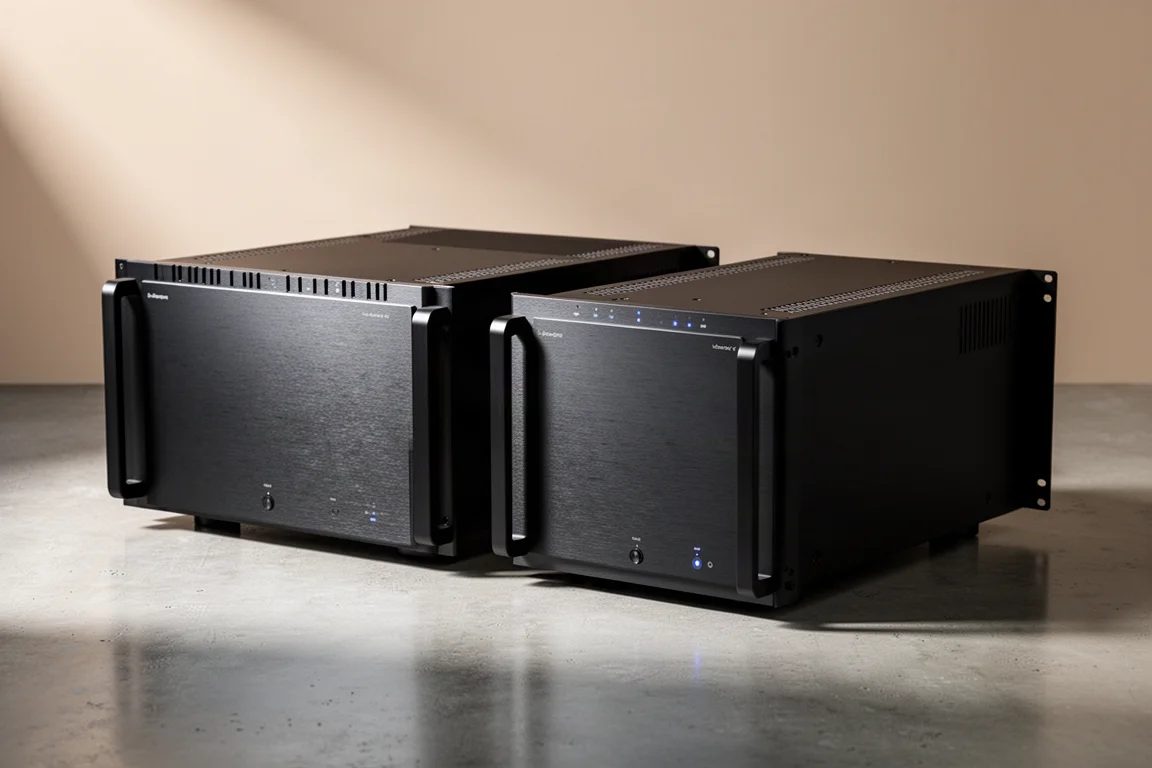
JBL Synthesis SMA 8300 and SMA 4750: Two New Power Amplifiers for High-Performance Home Theater
A closer look at the JBL Synthesis SMA 8300 and SMA 4750, two new home theater power amplifiers with balanced XLR inputs, web-based setup, and per-channel parametric EQ.

Backpacking Gear
Building a 10 lb Base Weight: An Ultralight Backpacking Gear List
A practical walkthrough of the ultralight pieces behind a 10 lb base weight, from a 765 g pack and a roomy one-person tent to a full camp chair and a dependable water filter.

Road Bikes
10 New Road Bikes Worth Watching: Aero, Titanium, Steel and Endurance Standouts
A practical roundup of 10 new road bikes, from aero flagships chasing single-watt gains to titanium, steel and endurance platforms built for real roads.