Home Theater Amplifiers
JBL Synthesis SMA 8300 and SMA 4750: Two New Power Amplifiers for High-Performance Home Theater
A closer look at the JBL Synthesis SMA 8300 and SMA 4750, two new home theater power amplifiers with balanced XLR inputs, web-based setup, and per-channel parametric EQ.
Introduction
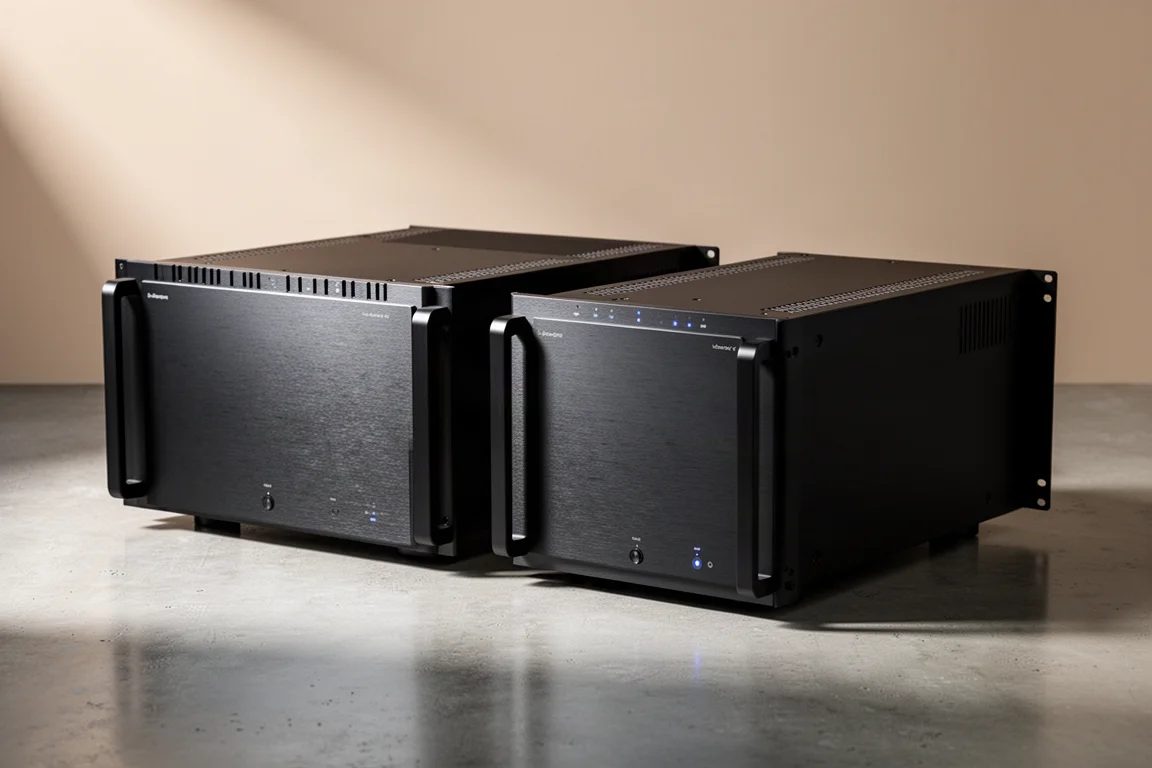
JBL Synthesis has added two power amplifiers to its lineup, the SMA 8300 and the SMA 4750. Both are a complete redo of the SDA 8300 and SDA 4600 they replace, and between them they cover the ground that previously required five separate models. The goal is straightforward: give home theaters large amounts of reserve power while making the tuning features JBL is known for far easier to reach.
The brand’s pedigree is part of the appeal. JBL has been behind studio and commercial theater systems for decades, from the Grateful Dead’s Wall of Sound to world-class music halls such as the Ryman Auditorium in Nashville. In 1983, Lucasfilm chose JBL to develop the first commercial THX-licensed cinema speaker system, and in 1992 JBL Synthesis released its first home theater system using that same technology. JBL is part of the Harman group, which is owned by Samsung, and Crown Audio, also part of Harman and a professional amplifier maker since 1947, contributed to the amplifiers these new models replace.
Shared Platform Improvements Across Both Models
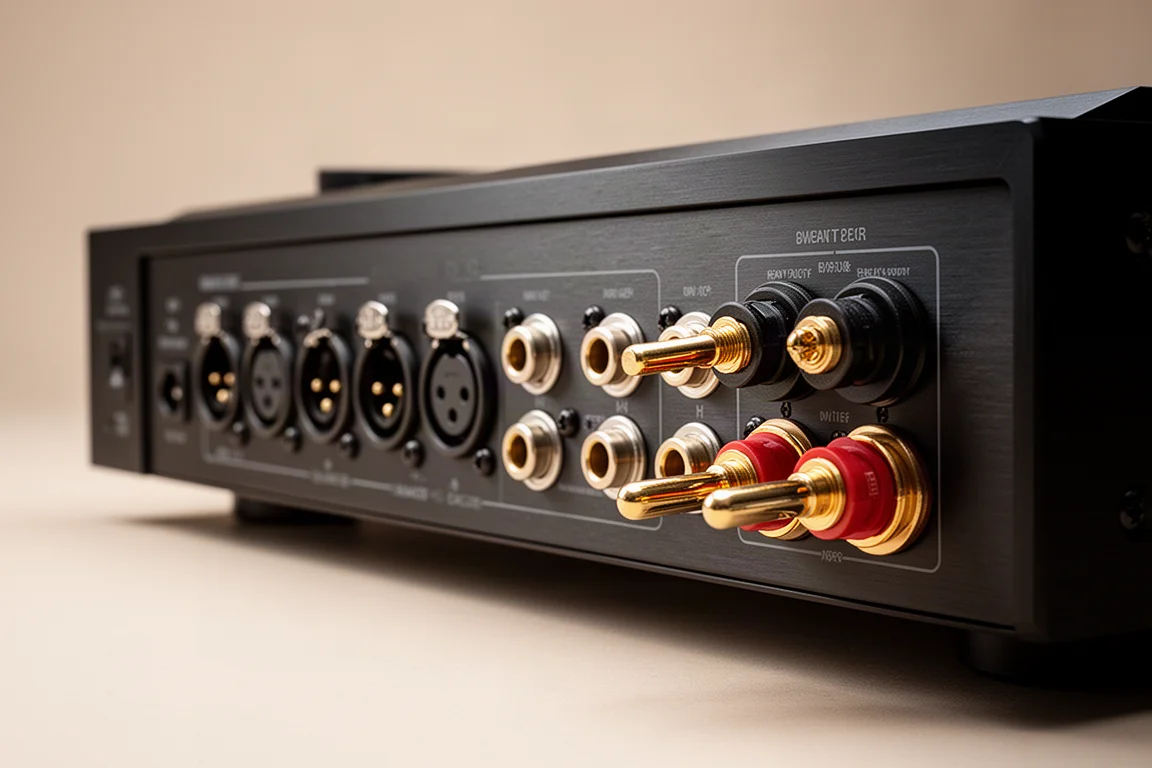
Both new amplifiers share a redesigned connection set. The Phoenix connectors used for incoming audio on the older models have been replaced with balanced XLR inputs, and the barrier strip speaker terminals are now heavy duty binding posts that accept up to 10-gauge bare wire, a spade lug, or a banana plug. Inside, audio-grade AKM parts handle the analog-to-digital and digital-to-analog conversion that feeds the amplifiers’ built-in processing.
Power output has increased on both models, and the power supplies were reworked to provide more reserve for dynamic peaks, which matters when a soundtrack delivers several seconds of thundering bass alongside explosive effects. The thermal design was also redone. Fan noise, a real concern in a residential room that often pushed the older amplifiers into a separate space, is now almost silent at normal levels and measures around 50 dB at continuous full power. Power control has moved to a standard 12-volt trigger, with wake on LAN and signal sensing power on and off available as alternatives.
Setup and Channel Routing via the Web Interface
Configuring the previous generation meant using Audio Architect software, a feature-rich tool built for engineers managing racks of amplifiers, with a steep learning curve. The new models move that capability into a web interface that a reasonably technical owner can work with. Channel management is flexible: any channel can run as a single channel, two channels can be bridged for more power, and any input can be routed to any channel. A single input can also feed more than one channel, which removes the need for external splitter cables in several common setups.
That routing flexibility covers biamping, triamping, or quad amping speakers, with individual control over low-pass and high-pass filters, including slope and filter type. It also supports passive biamping when the crossovers stay inside the speakers, multi-room audio where a stereo feed drives four or more speakers, and theater spaces with more than one pair of surround speakers to cover multiple rows of seating. A built-in pink noise generator lets you confirm that each channel is connected correctly during setup.
Parametric EQ and Speaker Tuning
Each channel includes an eight-band full parametric equalizer with a graphical interface. The practical value is pre-equalization: if you can measure how your speakers behave in your room, you can knock down the worst peaks before your processor’s room correction runs, so the correction software reads a signal that is closer to ideal and does not have to work as hard.
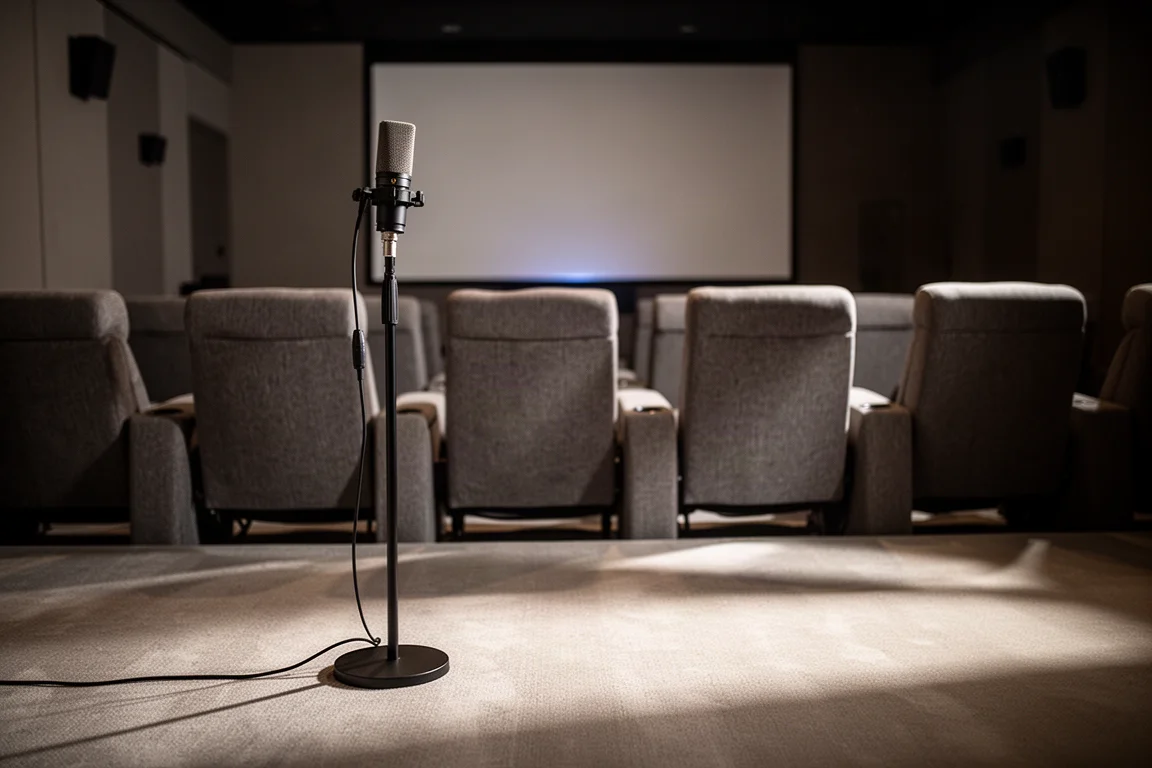
JBL has also measured how its speakers perform in average rooms and loaded parametric EQ curves for nearly every speaker it makes, which can be recalled through the same interface. That combination of measurement-based presets and manual control is unusual at this level of amplifier.
JBL Synthesis SMA 8300: Eight Channels for 7.1 and Beyond
The SMA 8300 is rated at 300 watts per channel with two channels driven, and any two of its eight channels can be bridged to deliver 1,200 watts. That channel count makes it a natural fit for a 7.1 system, and if your subwoofers are powered, you can vertically biamp a center channel that is set up for it. Higher channel count JBL Synthesis theaters simply use more than one unit, and the configuration flexibility means all three front channels can be vertically biamped depending on the channel count.
JBL Synthesis SMA 4750: Four Channels of High-Current Power
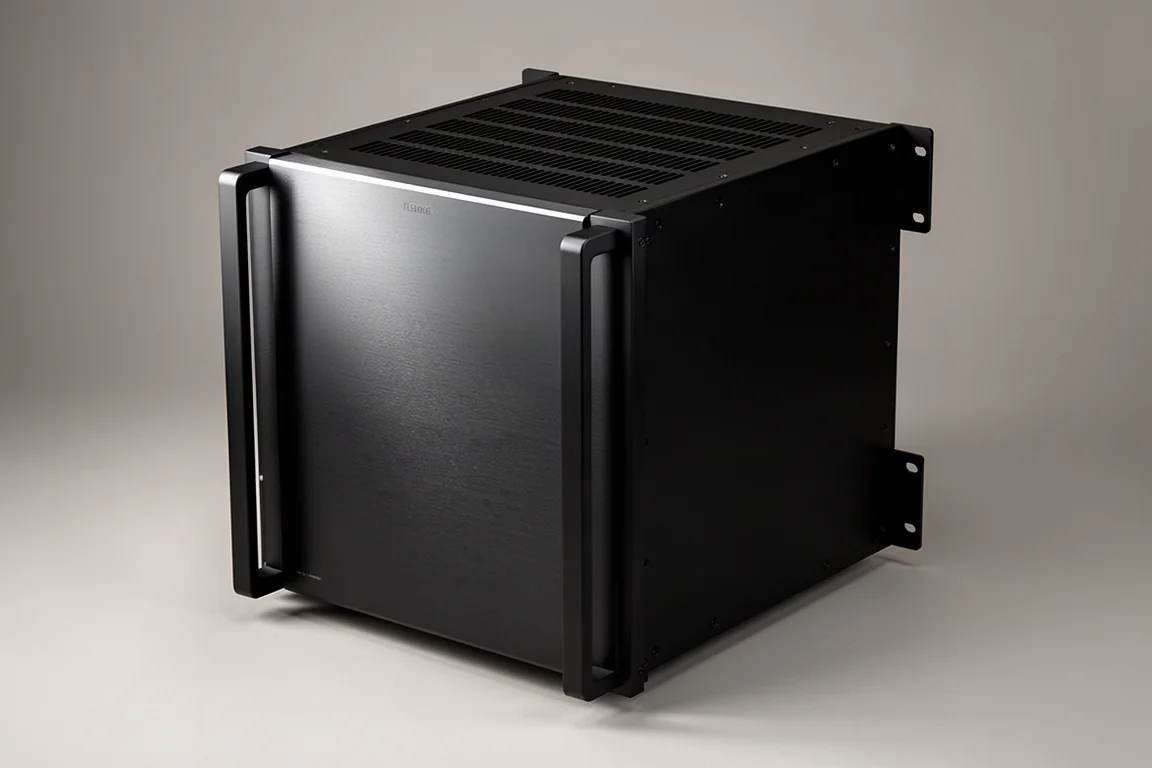
The SMA 4750 takes a different approach: four channels rated at 750 watts each, with 2,500 watts available in bridge mode. It was built to pair with the best JBL Synthesis speakers and with powerful passive subwoofers, and it carries the same tuning capabilities as the SMA 8300 with considerably more power behind them.
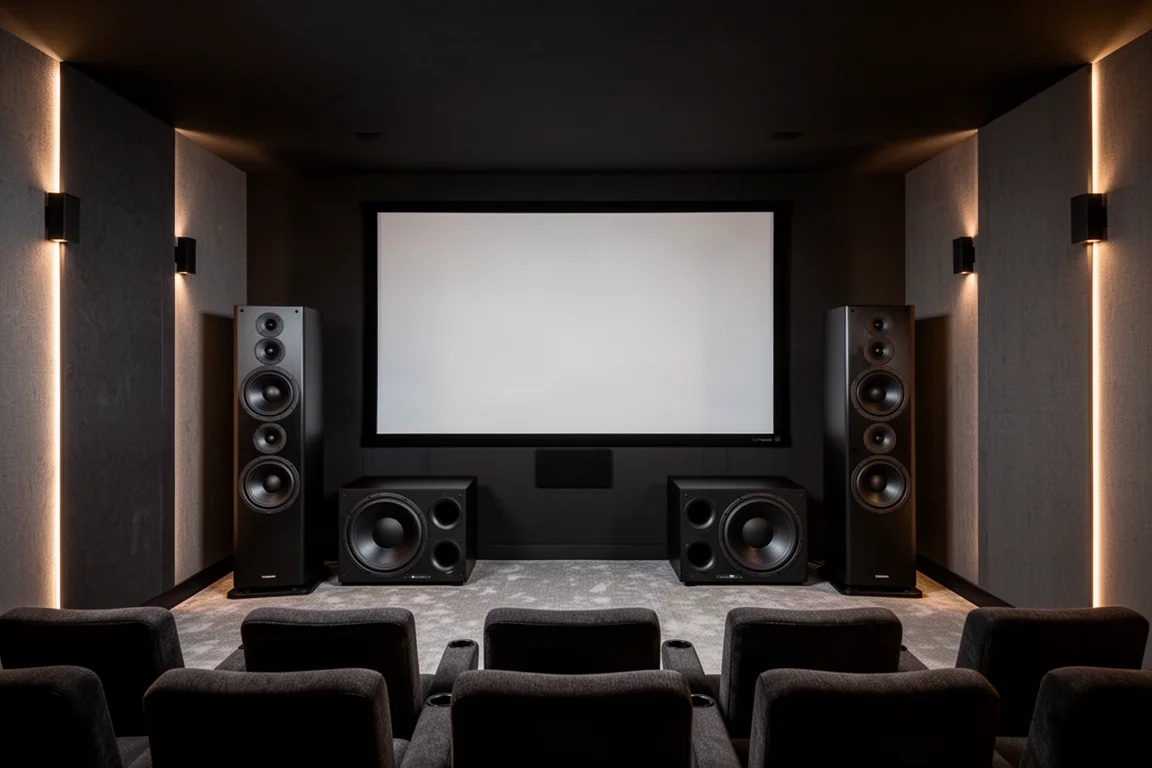
In practice this is the model for systems where the speakers and subwoofers genuinely benefit from large amounts of high-quality reserve power, including owners looking for extreme power with fine-tuning options that are rarely found in a power amplifier.
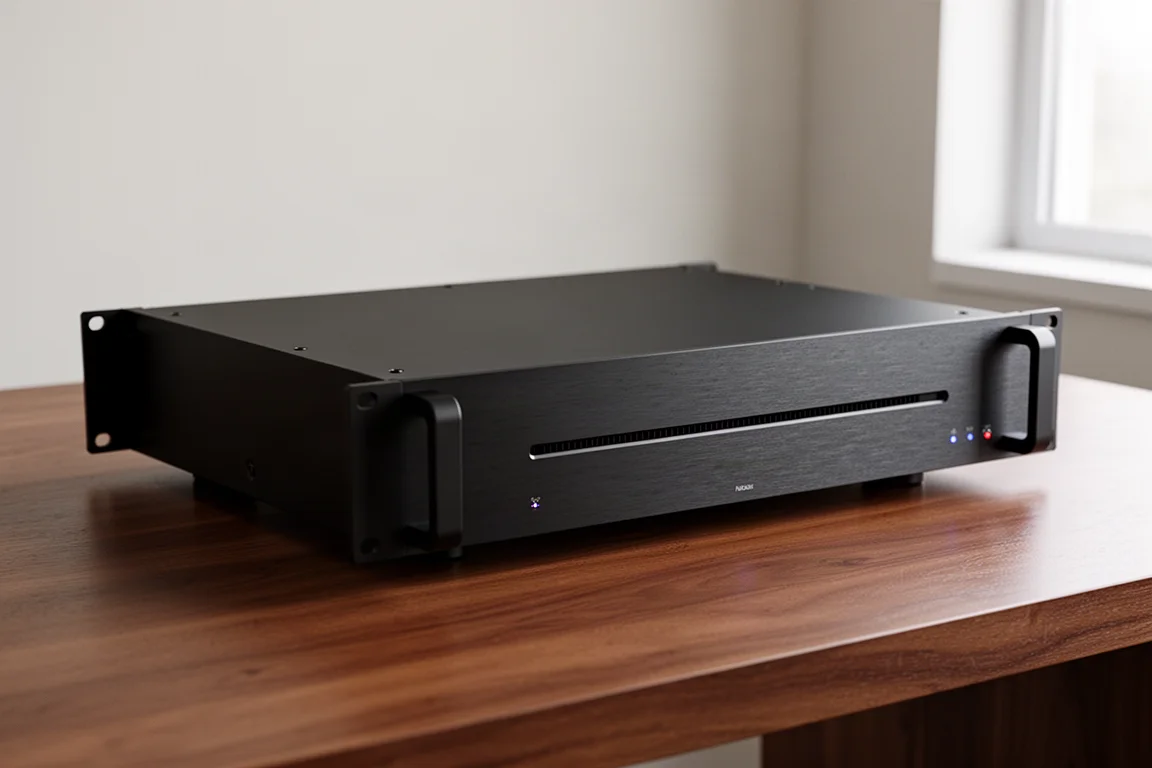
What to Consider Before Buying
These amplifiers are not for everyone. They are designed to work best with JBL speakers and JBL subwoofers, and they are not inexpensive. There is also no lower-power, lower-cost version in the range yet, which limits how many people can access the built-in tuning for home theater or multi-room audio. On the setup side, the web interface is a major step forward, but getting the most from the parametric EQ still depends on being able to measure your speakers’ response in your room.
Buying Advice: Choosing Between the SMA 8300 and SMA 4750
For most home theaters, the SMA 8300’s eight channels and 300 watts per channel will be plenty, and its bridgeable channels leave room to grow. The SMA 4750 is the step up for systems built around power-hungry passive subwoofers and high-performance speakers. Because both models share the same connections, processing, tuning tools, and web-based setup, the decision comes down to channel count and how much reserve power your speakers and subwoofers actually need.
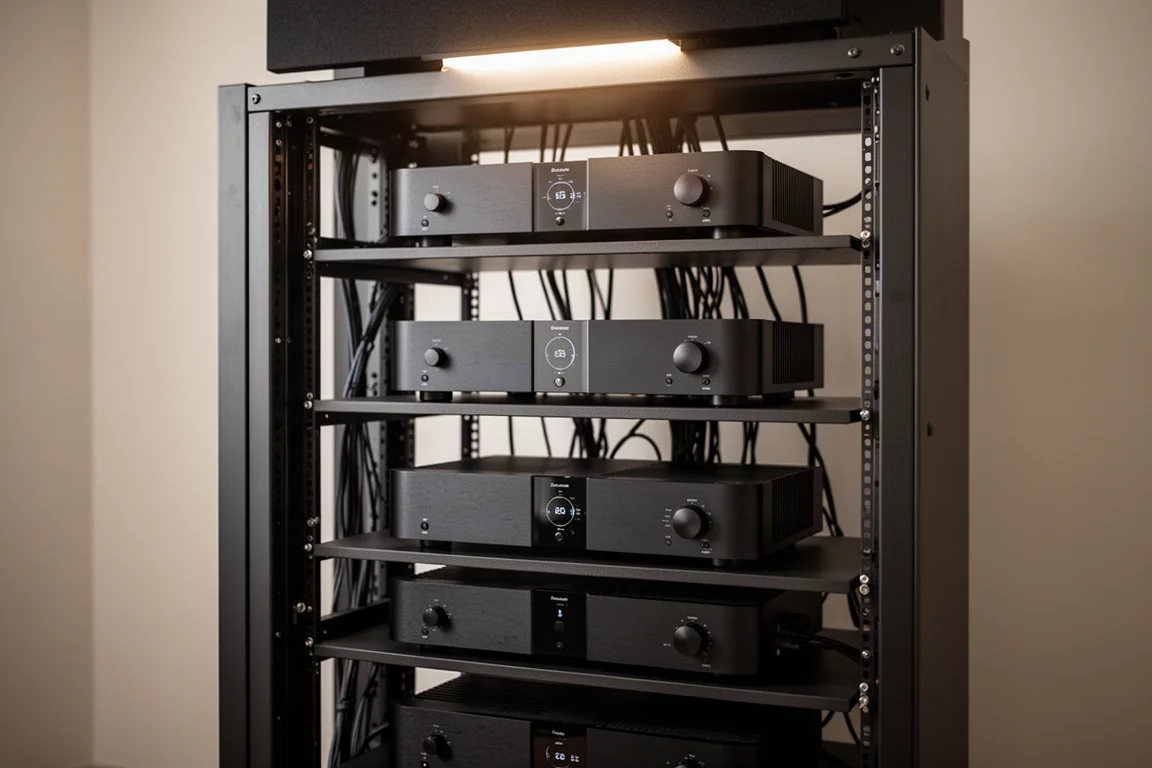
If you are planning a JBL Synthesis theater, these two amplifiers deserve a place near the top of your shortlist for power, and choosing between them is more about matching the amplifier to the room than about missing features.
Conclusion
The SMA 8300 and SMA 4750 modernize what were already the go-to amplifiers for JBL Synthesis systems. Balanced XLR inputs, heavy duty binding posts, quieter cooling, standard 12-volt triggering, and a web interface replace the commercial-style connections and steep software curve of the previous generation, while the per-channel parametric EQ and loaded speaker curves keep the tuning depth intact. Choose the eight-channel SMA 8300 for a typical 7.1 theater, or the four-channel SMA 4750 when your speakers and passive subwoofers demand more current.
Further reading
Related Reviews
Home Theater Amplifiers
Rotel RMB-1585 Mark II and RMB-1587 Mark II: Two Multi-Channel Amplifiers Compared
How Rotel's flagship Mark II multi-channel amplifiers differ, what they share under the chassis, and which one suits a given home theater system.

Backpacking Gear
Building a 10 lb Base Weight: An Ultralight Backpacking Gear List
A practical walkthrough of the ultralight pieces behind a 10 lb base weight, from a 765 g pack and a roomy one-person tent to a full camp chair and a dependable water filter.

Road Bikes
10 New Road Bikes Worth Watching: Aero, Titanium, Steel and Endurance Standouts
A practical roundup of 10 new road bikes, from aero flagships chasing single-watt gains to titanium, steel and endurance platforms built for real roads.