Hi-Fi Audio
Rotel Michi X3 Review: Is Rotel's Flagship Integrated Amplifier Worth the Premium?
A close look at the Rotel Michi X3, from its 200 watt per channel Class AB design and built-in DAC to how it compares with the 1592 Mark II, the Diamond Series R6000, and costlier flagships.
Introduction
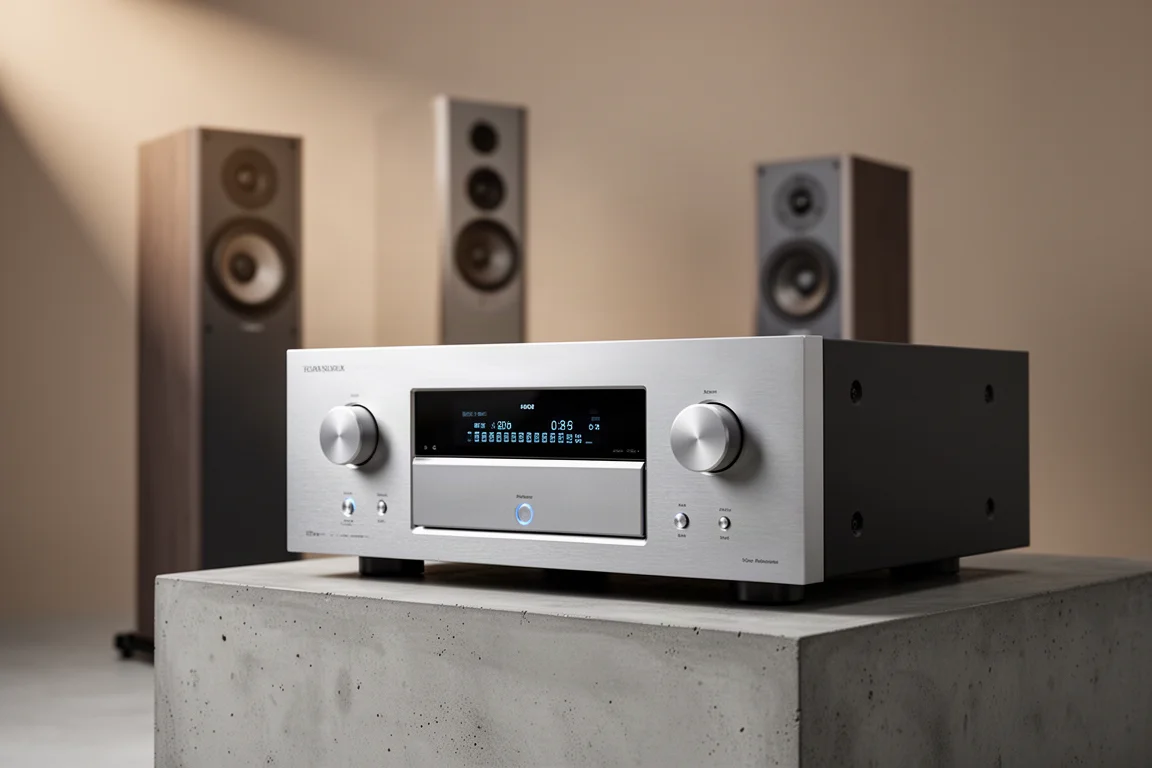
Rotel’s Michi line exists to answer a specific question: what does this company build when cost is not the primary constraint? The Michi X3 is the entry point to that range, a Class AB integrated amplifier rated at 200 watts per channel with very low distortion, and it arrives with the features a modern system needs, including a built-in DAC and a phono stage. It is also the amplifier Rotel positions above its long-running 1592 Mark II, which makes the real question more interesting. How much of the flagship experience is actually audible, and how much of it is presentation?
This article works through what the Michi X3 does well, what it asks of its owner, and how it lines up against the 1592 Mark II, the new R6000 from Rotel’s Diamond Series, and costlier flagships such as the McIntosh 7200 and the Musical Fidelity M8xi.
Who This Amplifier Is For
The strongest case for the X3 is low-level listening. Between roughly 50 and 70 dB it is more resolving and more engaging than the 1592 Mark II, holding onto notes and fine detail with greater confidence. It is also dead silent at idle, with no audible tweeter or driver hiss even when connected to extremely efficient speakers. For anyone who listens in the near field, late at night, or in a home where the volume rarely goes high, that combination is the whole argument.
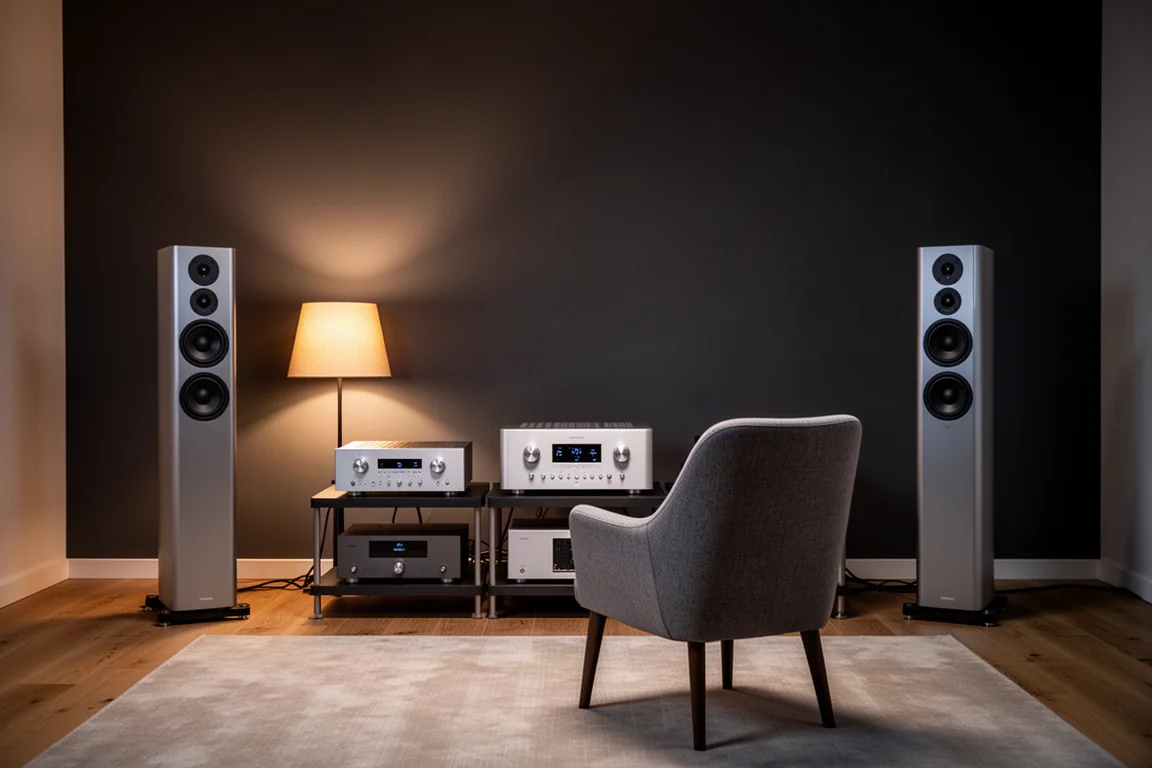
It is equally an amplifier for listeners who own speakers they plan to keep. With 200 watts per channel on tap, the X3 drove everything it was paired with, including Klipsch Cornwall, Polk R700, and Sonus Faber Lumina 3 and Lumina 5 towers, without any speaker coming close to taxing it.
What it is not for is tone shaping. Listeners who want an amplifier to add warmth, or to smooth over a bright speaker or lift a dull one, should look elsewhere. The X3 is neutral by design and does not editorialize the signal.
Main Strengths
Control is the first thing that stands out. Bass notes arrive taut and well dampened, and the X3 governs a speaker’s low end rather than adding to it. The result is not more bass in absolute terms, but bass that is easier to follow, with better definition from one note to the next. That distinction matters for anyone who has heard a powerful amplifier make a familiar recording sound cleaner without sounding thicker.
Neutrality is the second pillar. Instruments and voices in the midrange come through without any apparent shift in timbre, and high frequencies are passed along in keeping with the speaker designer’s intent. A speaker with a little lift near the top of its range keeps that lift; a speaker that rolls off still rolls off. The amplifier respects the signal rather than reshaping it, which is exactly what a neutral system needs.
Third, the X3 is dynamically unflappable. It handles sudden starts and stops without blurring the edges, and it maintains real sonic contrast at every volume level, so orchestral and large ensemble recordings keep their impact without a trip to the volume dial.
Fourth, the feature set is genuinely complete: a built-in DAC for a CD player, music streamer, or television, several analog inputs, and a phono preamp that performs at the same level as the one in the 1592 Mark II. That phono stage is good enough for higher-end turntables and moving magnet cartridges.
Sound Quality and Character
Soundstage is where the X3 is at its most impressive. Depth and width are holographic in scale, separation between instruments is excellent, and the presentation does not get fuzzy at the edges even on dense recordings. Paired with the amplifier’s very low noise floor, that makes quiet passages as informative as loud ones.
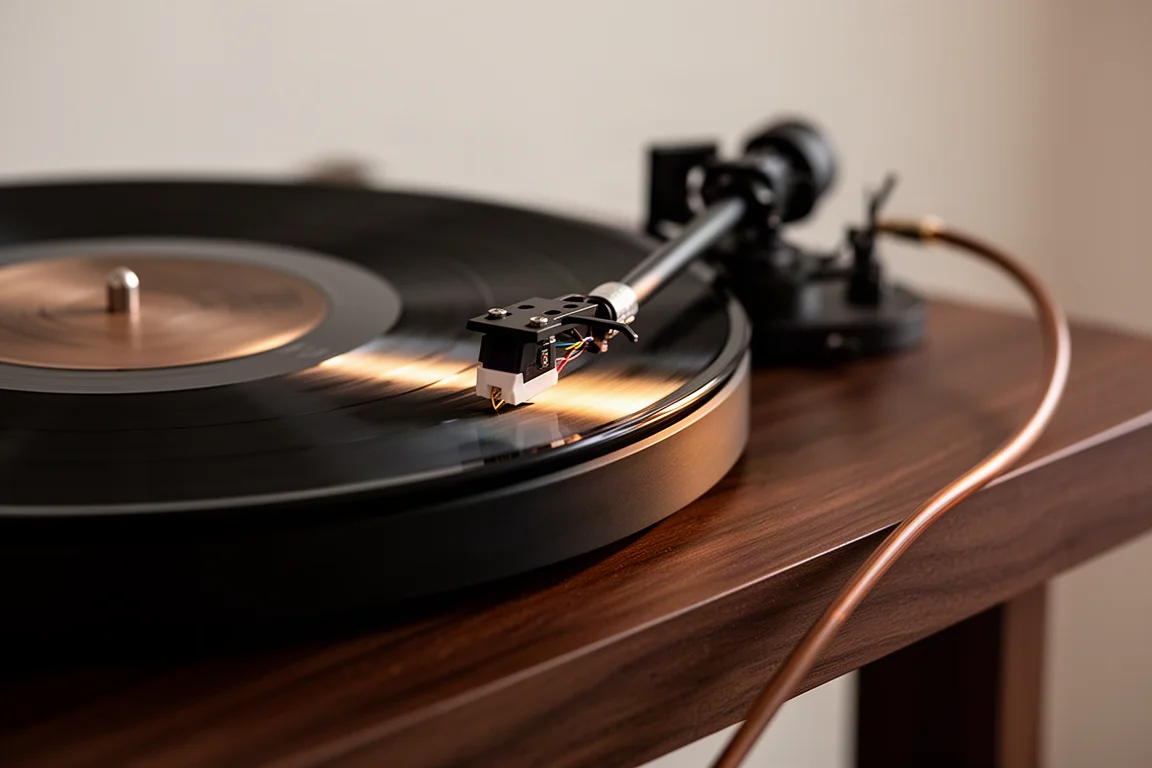
The built-in DAC is a touch more refined than the one in the 1592 Mark II, though not dramatically so. Fed a digital signal from a streamer, the X3 sounds slightly better in a direct comparison. On vinyl the two amplifiers were much harder to separate, which says as much about the strength of the 1592 Mark II’s phono stage as it does about the X3’s.
Overall character is best described as neutral to the point of transparency. The X3 will not give a speaker more bass, and it will not soften a bright tweeter. What it does is dig into a recording and retrieve what is there, which is the behavior a resolving system rewards.
Living With the Michi X3: Display, Remote, and Daily Use
The X3 is the most user-friendly amplifier in the Michi range. A large front display is legible from a listening position roughly 15 feet back, and the ergonomics have been reworked enough that the experience feels new even where the feature list overlaps with other Rotel models.
The supplied remote deserves its own mention. It feels substantial in the hand, and it also operated the 1592 Mark II, which says something about how well it was executed. Anyone who has fumbled with a thin plastic handset will notice the difference immediately.
Setup is straightforward. The display carries most of the work, and input selection is simple enough that the amplifier does not demand a manual on the first evening.
How the Michi X3 Compares With Other Amplifiers
Against the Rotel 1592 Mark II, the X3 costs about $2,100 more, and it is not twice the amplifier. It looks better, its display is far superior, and it is quieter at idle, but the sonic gap narrows to the point of disappearing once listening levels climb above roughly 60 to 70 dB. At normal room levels, many listeners would struggle to tell the two apart. The X3 is the better amplifier, but the 1592 Mark II remains the value story of the Rotel range.
The new R6000 from Rotel’s Diamond Series sits closer to the 1592 Mark II than to the X3. It shares some technology with the X3, but that carryover does not translate into a night and day difference in performance, and its plastic front-mounted fins and silk-screened lettering read as a step back from the X3’s design. It is a fine amplifier, just an incremental one.
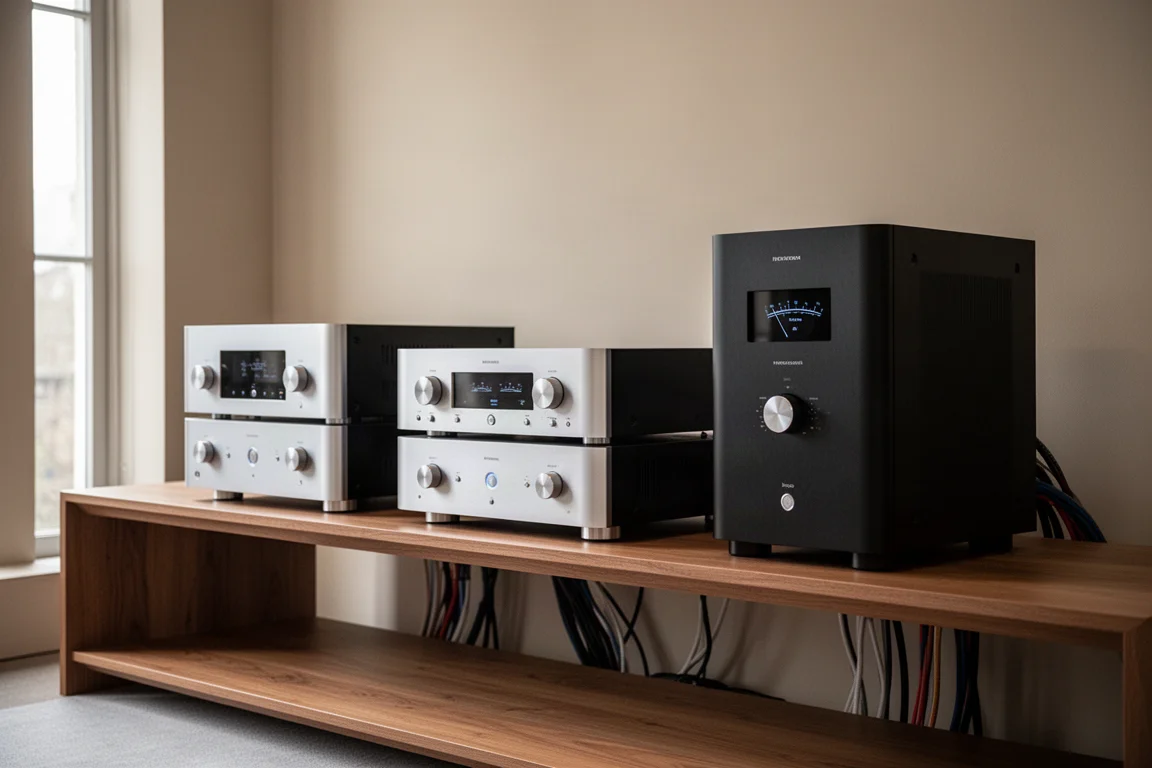
Against the McIntosh 7200, the comparison is more about features than fundamentals. The McIntosh includes an FM tuner, and HDMI can be added, but only by replacing the DAC module, which drives the price up. Tonally the McIntosh tends to come across as slightly warmer and weightier, with bass that is a touch richer and treble that may roll off just slightly, which can suit certain genres. The X3’s treble is arguably the better of the two, and its DAC is the more forward-thinking design.
The Musical Fidelity M8xi is the closest match in character, because both amplifiers are essentially neutral to the signal. Where the M8xi pulls ahead is sheer power, which may show itself with very difficult loads such as large multi-driver towers. For speakers of average or above-average sensitivity with an 8 or 4 ohm load, the two are hard to distinguish, and the X3 gets there for less money. Both are large, both run hot, and both need room to breathe.
Heat, Placement, and Other Practical Limits
The X3 runs warm. Even at idle it produces noticeable heat through its exposed heat sinks, and driving extremely efficient speakers does not change that. Nothing should be stacked on top of it, and it should be installed in as open an environment as possible. Inside a closed cabinet, the risk is a temperature fault.
There is also no HDMI input. For a household that runs a television through the same system, that is the one obvious omission, and it is the feature that would have separated the X3 most clearly from its competition.
Tone is the next consideration. Because the X3 refuses to color the signal, it will not rescue a bright speaker or add life to a rolled-off one. Bright speakers stay bright, and dull speakers stay dull. That is a strength in a well-matched neutral system and a limitation in a mismatched one.
Size is the last practical point. The X3 is a large amplifier, and it is the smaller of the Michi integrated models, with an X5 above it in the range. Anyone planning a shelf or cabinet build should measure before committing.
Buying Advice
The decision comes down to how you listen. If your system is resolving enough that noise floor and low-level dynamics matter, and if you regularly listen below roughly 60 dB in the near field or late at night in a quiet room, the X3 earns its premium over the 1592 Mark II. Those are the conditions where its greater isolation and lower noise are audible.
If you listen at 75 to 80 dB in a normal room, seated 12 to 15 feet from the speakers, the gap between the X3 and the 1592 Mark II is small. The 1592 Mark II is classy, sounds excellent, and costs meaningfully less, which makes it the sensible recommendation for most systems. Coming from a more modest integrated amplifier, the jump to the 1592 Mark II will feel larger than the jump from the 1592 Mark II to the X3.
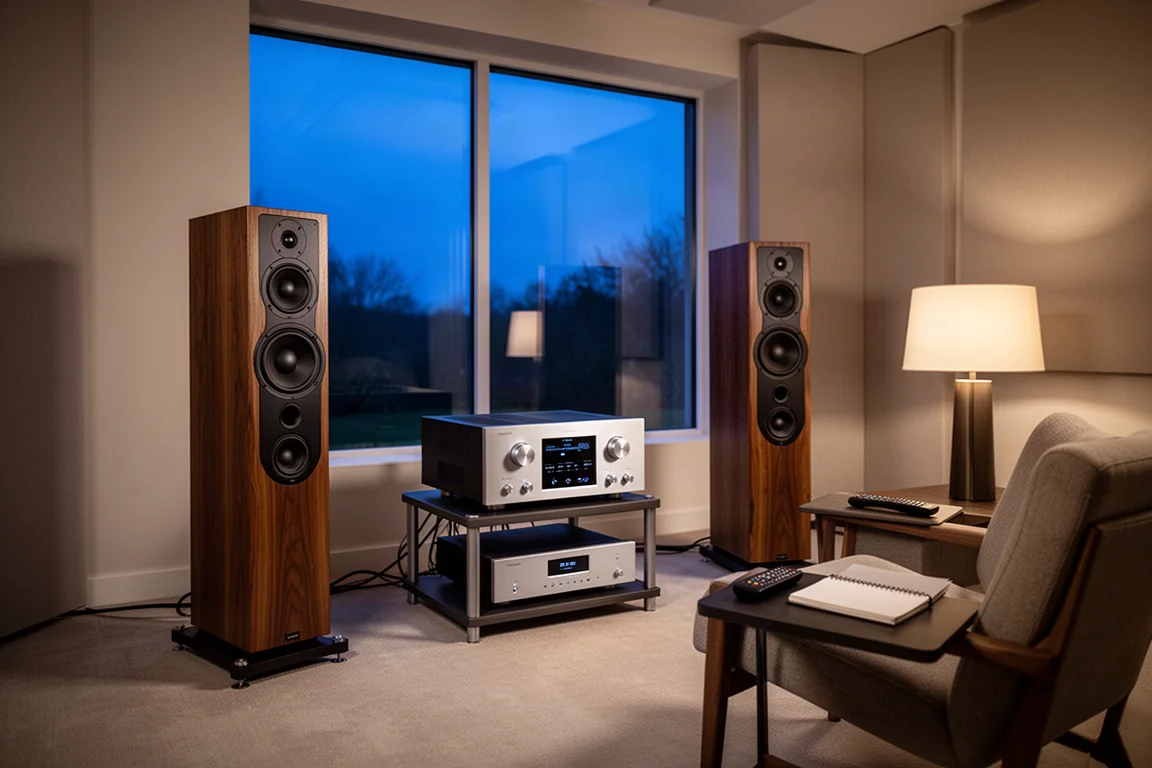
If you are shopping at the top of the market, the X3 deserves an audition alongside costlier flagships. In many respects it is comparable to amplifiers such as the McIntosh 7200 and the Musical Fidelity M8xi while asking less, and it is one of the most complete high-end integrated packages available.
Conclusion
The Michi X3 is a flagship integrated amplifier and the most complete package in Rotel’s lineup: neutral, controlled, silent at idle, dynamically unflappable, and equipped with a DAC and phono stage that hold their own against the rest of the range. Its improvements over the 1592 Mark II are real but concentrated at low listening levels, and that is the honest way to frame the purchase. Buyers who value quiet-room resolution will hear the difference. Buyers who listen loud in a normal room should audition both before deciding, because the 1592 Mark II remains remarkably close for considerably less money.
Product link
View more details for Rotel Michi X3
This product is mentioned in the review. Check the specifications, options, and compatibility before buying.
View more details for Rotel Michi X3Further reading
Related Reviews
Hi-Fi Audio
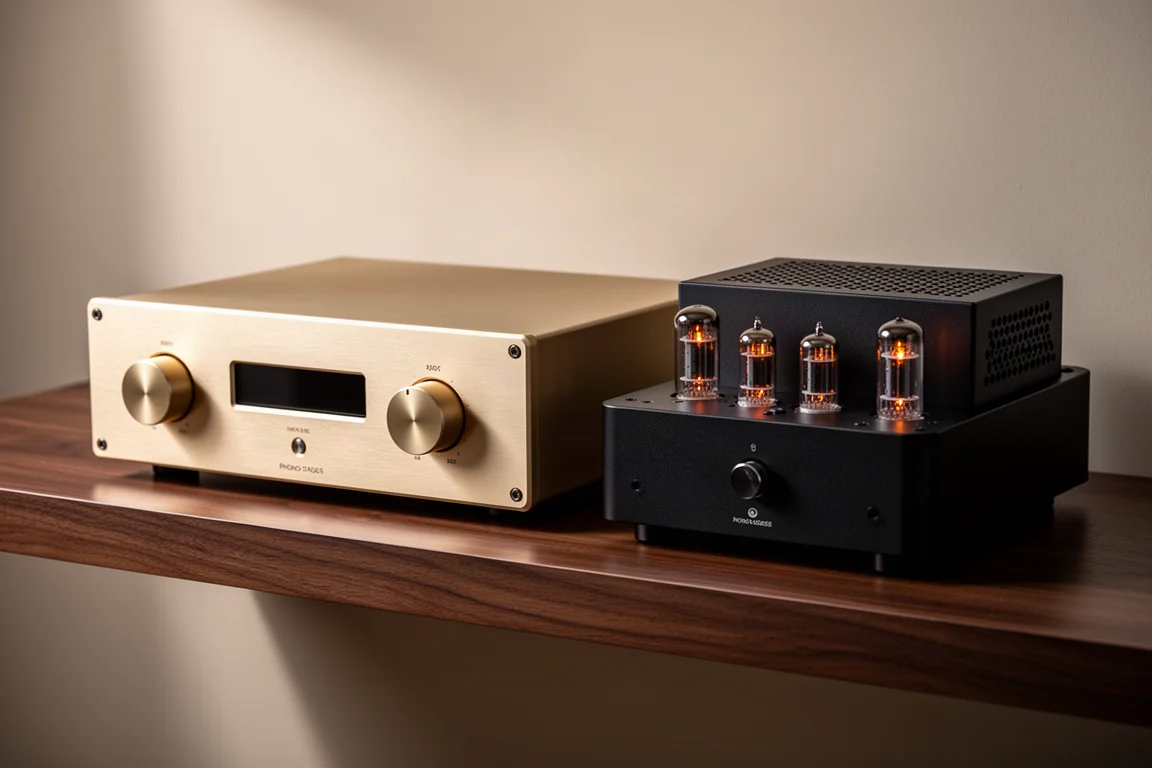
Accuphase C-57 vs Allnic H-7000V: Two High-End Phono Stages Compared
A fully balanced solid-state phono stage with a pitch-black noise floor meets a tube design built for well-loved records. Here is how to choose between them.
Hi-Fi Audio
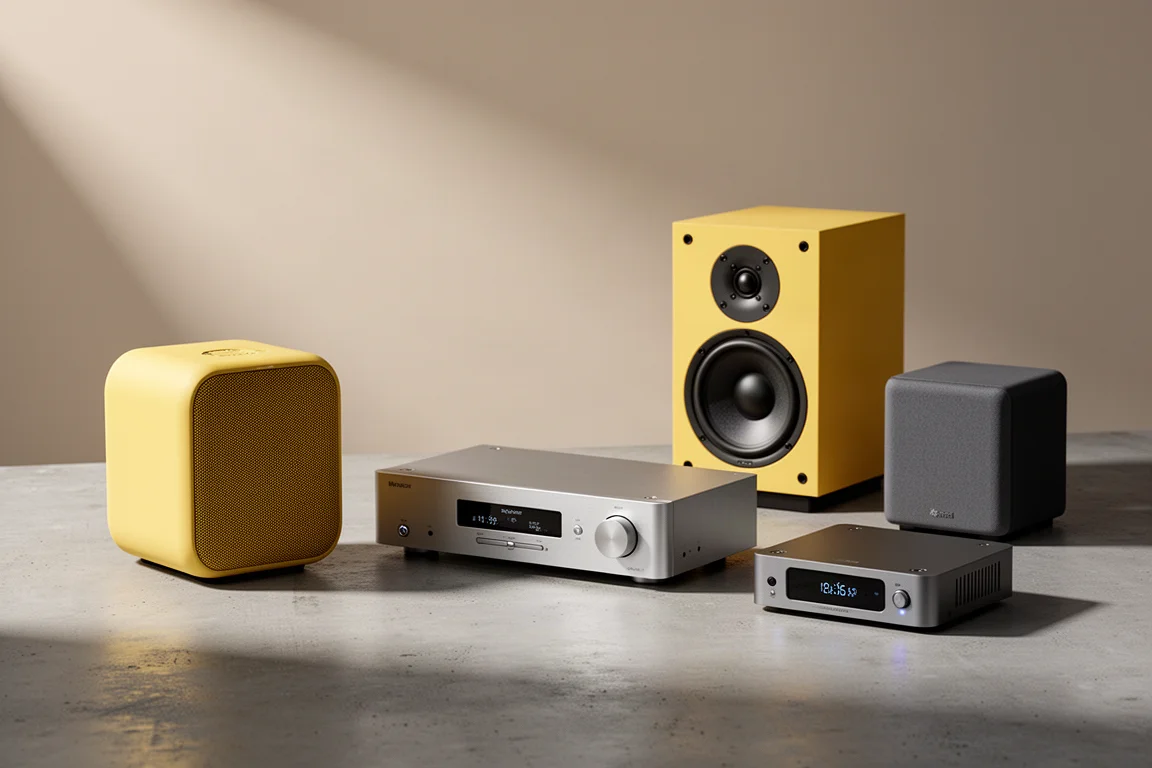
Active vs Passive Hi-Fi: Five Components for a Modern System
Five components that define modern active and passive hi-fi systems, with the strengths, trade-offs and setup details worth weighing before you buy.
Hi-Fi Audio
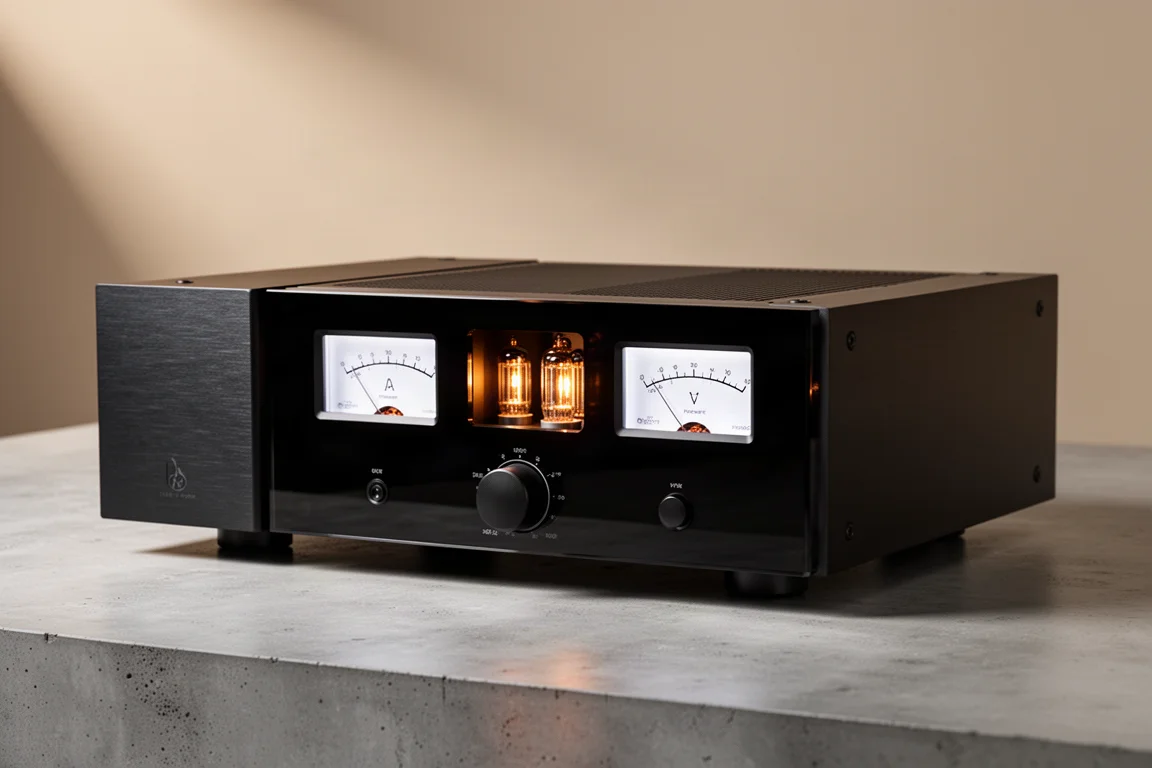
Advance Paris A10 Apex Review: A Hybrid Integrated Amplifier That Covers a Lot of Ground
A French hybrid integrated amplifier with a class A tube preamp stage, analogue power meters, and an internal DAC and phono stage good enough to make extra boxes unnecessary.