CD Players
Rotel CD14 Mark II Review: A CD Player That Sits in the Sweet Spot
A dedicated CD player with a 32-bit Texas Instruments chipset, separate digital and analog power supplies, and a revised analog output stage, priced at $899.
Introduction
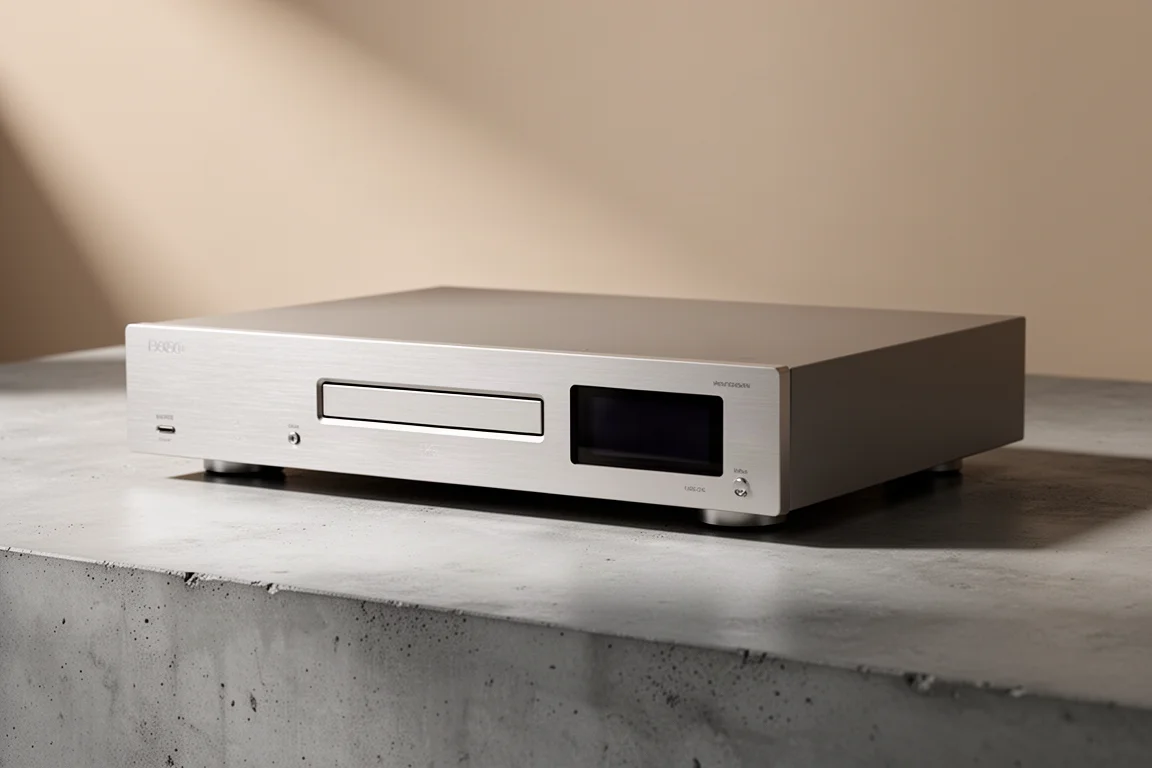
The compact disc has been written off many times, yet it keeps proving useful for listeners who want a physical library that plays reliably for decades. The Rotel CD14 Mark II is a dedicated CD player built for exactly that audience: people who still buy discs, still enjoy the small ritual of loading one, and want a machine good enough to sit at the center of a serious system.
Inside, the player uses a Texas Instruments 384 32-bit chipset. The digital circuits and the analog circuits each receive their own power supply, and the analog output filters sit outside the chip itself rather than being handled internally. For this Mark II version, those output filters have been revised, the component layout has changed, and the circuit board has been redesigned compared with the original model.
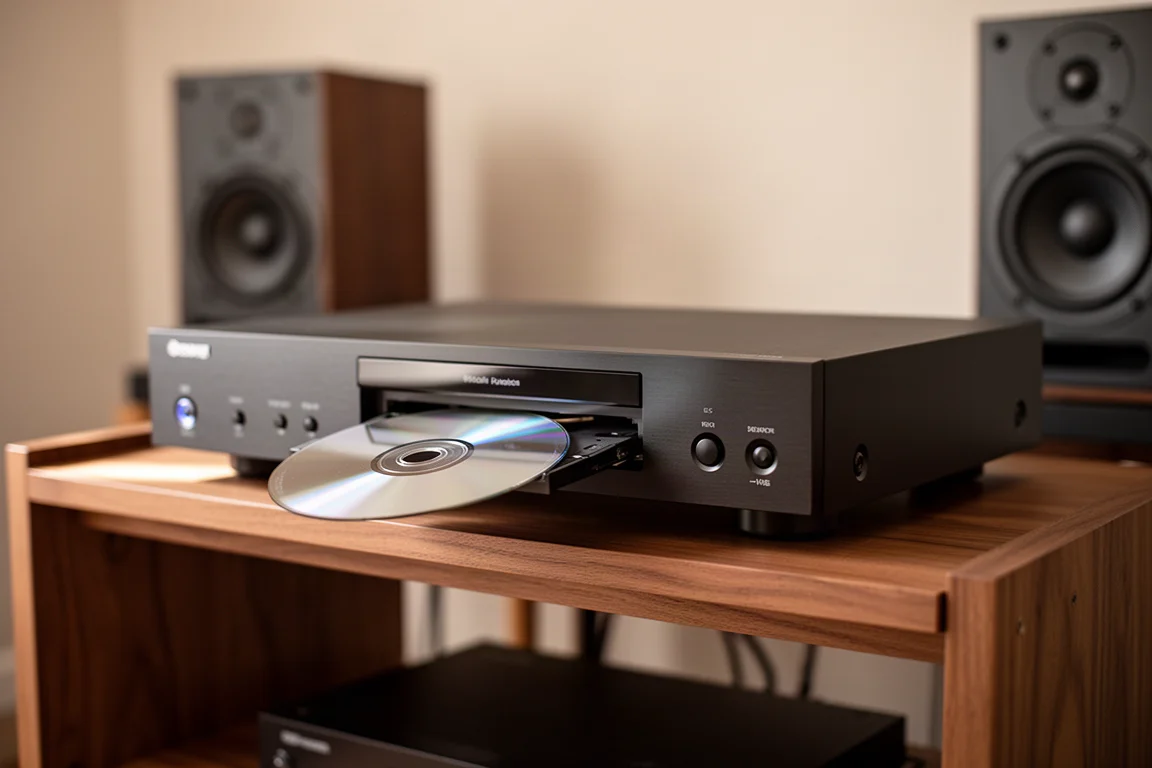
At $899, the CD14 Mark II is not an entry-level budget player, and it is not a multi-thousand-dollar flagship transport either. It lands in a middle ground that a lot of listeners will find comfortable, and it carries a two-year warranty. It is manufactured in China.
Who This CD Player Is For
This player makes the most sense for someone who already has a collection. If you own hundreds or thousands of discs and want a component that treats them as a serious source rather than a legacy format to be tolerated, the CD14 Mark II is aimed squarely at you.
It also suits listeners who split their time between formats. Plenty of people stream most of the day and then switch to physical media when they sit down to listen properly, and a dedicated player is a natural fit for that second mode.
Finally, it works for anyone building a system around a single well-chosen digital source. The CD14 Mark II can be used purely as a CD player, or as a transport feeding a separate outboard DAC, which gives you an upgrade path without replacing the whole machine.
Main Strengths
The first strength is the foundation. A 32-bit Texas Instruments chipset with separate power supplies for the digital and analog sections is a sensible, well-considered design, and it is the kind of separation that tends to matter when a player is asked to hold its composure on dense, dynamic recordings.
The Mark II revisions concentrate on the analog output stage. Revised output filters and a reworked circuit board and component layout are the substantive changes over the original model, which suggests the engineering effort went where it has the most audible effect.
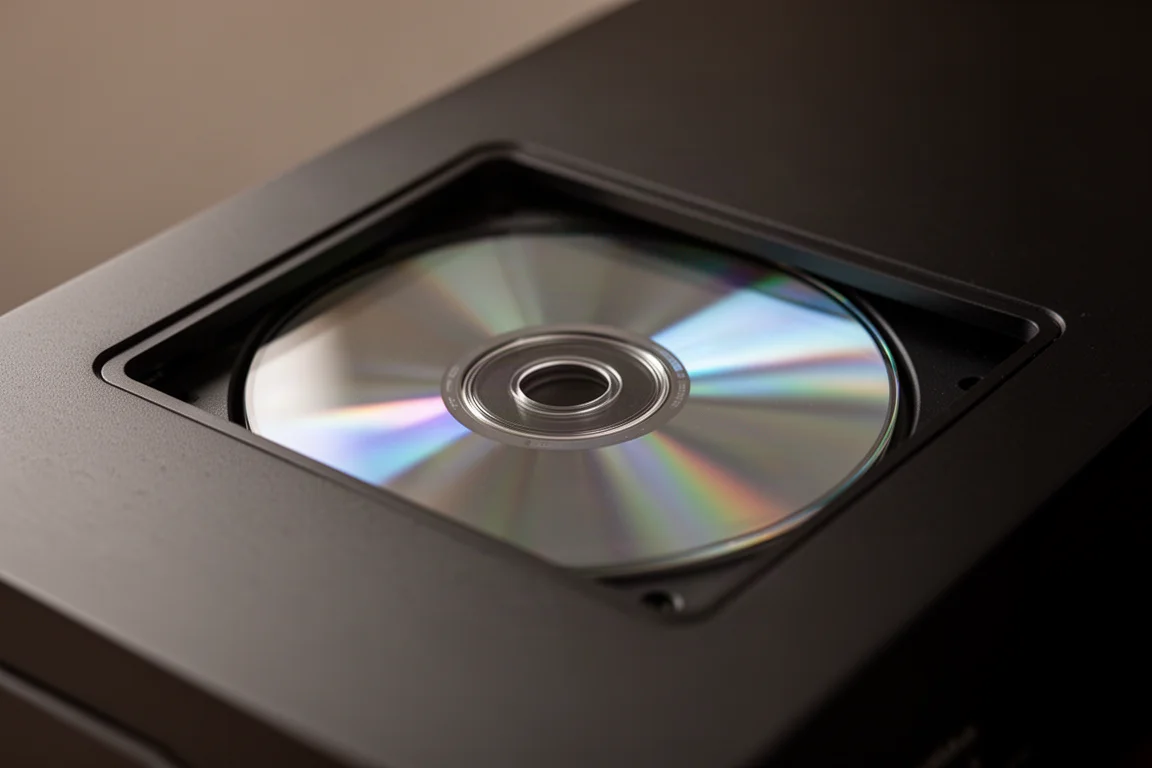
In use, the player delivers a strong sense of space and place. Recordings with real depth in the mix come across with texture, air, and a richness to the balances rather than a flat, forward presentation. That quality held up across a wide range of material, from orchestral film scores to dense art rock to late-night tango.
There is also a practical strength that is easy to overlook: you do not feel any pressure to add anything. Used entirely on its own, the CD14 Mark II sounds convincing enough that there is no urgent itch to introduce a separate DAC.
Listening Notes
Film score collections benefit from the player’s handling of ambience. The sense of a hall, the way reverb tails hang in the air, and the layering of orchestral sections all come through with a natural richness instead of sounding compressed or clinical.
On bass-heavy, intricate material, the player keeps the low end articulate. Busy, sliding bass lines and layered drum work stay separated and readable, which is a good sign that the analog stage is not smearing detail when the mix gets crowded.
With quieter, more intimate recordings, the presentation turns atmospheric. This is the kind of player that rewards dimming the lights and listening closely, because it puts you inside the scene rather than in front of a spreadsheet of frequencies.
Adding a separate outboard DAC as an upgrade path does not change the character of the player so much as amplify it. Depth increases, instruments gain tangibility, the bass feels a little more powerful, and there is more air overall. The same virtues, simply more of them. That is a meaningful option, not a requirement.
Things to Consider Before Buying
The one clear annoyance is the remote control. It is made of plastic, which is not unusual at this price, but the buttons for the most frequently used functions, including play, pause, stop, next track, and previous track, are noticeably small. It is a minor criticism and you do get used to it, but a redesign would be welcome.
It is also worth being honest about what this player is not. It is not a budget deck, and it is not a reference-grade transport with a price to match. If you are looking for the cheapest way to spin discs, this is more machine than that purpose requires.
And if you are not already invested in physical media, no CD player will create that interest for you. The case for this component rests on owning discs and wanting to hear them properly.
Using It as a Transport
One of the more useful aspects of the CD14 Mark II is that it does not lock you into a single approach. Used as a transport into a separate DAC, it performed well and the pairing worked convincingly, which means the player can serve as the mechanical and digital front end of a system that evolves over time.
That flexibility matters for buyers who like to upgrade in stages. You can start with the CD14 Mark II alone, live with it happily, and later add an outboard converter if curiosity gets the better of you. Nothing about the player forces that decision.
For most owners, though, the standalone performance will be the whole story. Spending the majority of listening time with the player running on its own is entirely reasonable, and it holds up to that scrutiny.
Buying Advice
The CD14 Mark II is best understood as a balance point. It avoids the compromises that frustrate owners of entry-level players over time, and it avoids the expense of multi-thousand-dollar transports. At $899, it occupies a middle position that feels considered rather than compromised.
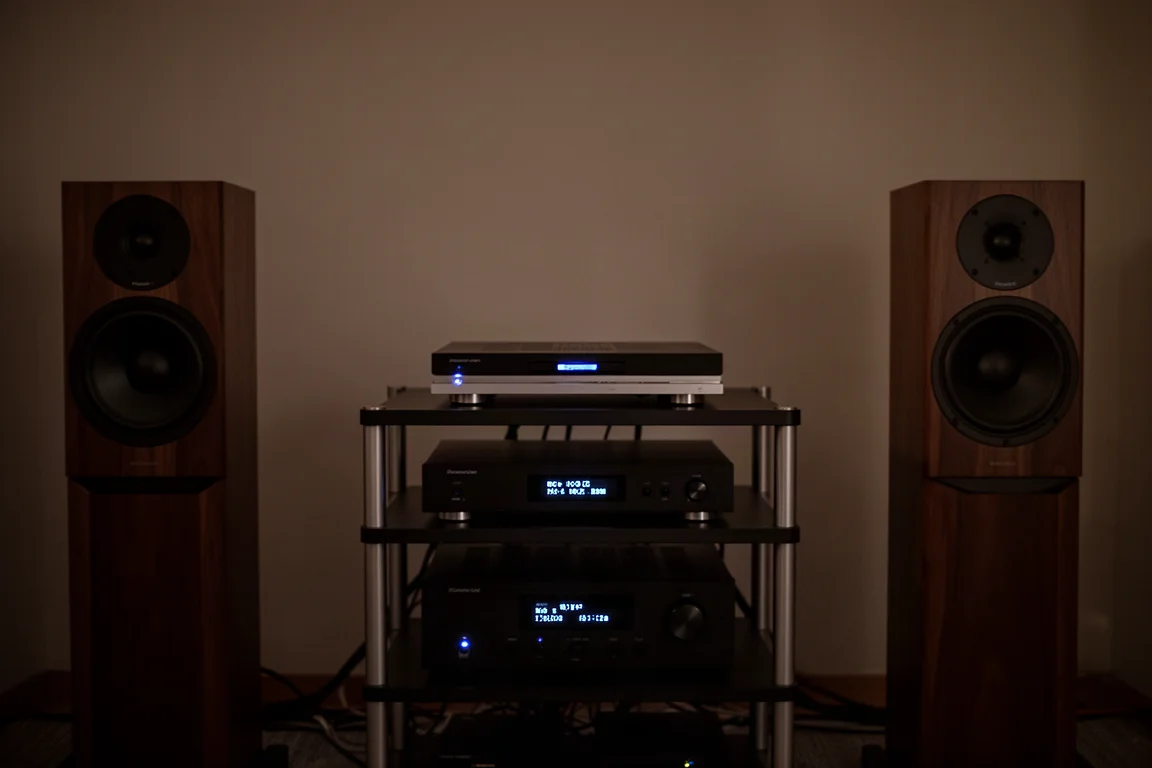
If your listening is split between streaming and physical media, and your CD collection is something you actually care about, this is a player you can live with for a long time without thinking about the hardware at all. That is the real test, and it is one this machine passes.
Before you buy, confirm that your amplifier or integrated has a spare line-level input, and decide whether you want to run the player direct or plan for a separate DAC later. Both routes work. Neither is urgent.
Conclusion
The Rotel CD14 Mark II is a well-engineered CD player with a sensible digital foundation, a revised analog output stage, and a price that lands in a genuinely useful middle ground. Its sound is spacious, textured, and rich, and it holds its own as a standalone player without demanding an upgrade.
The small remote buttons are the only real friction point, and they are easy to live with. For listeners who still value the disc as a serious source, this player offers a long-term, low-drama way to enjoy a collection that deserves better than being written off.
Product link
View more details for Rotel CD14 Mark II
This product is mentioned in the review. Check the specifications, options, and compatibility before buying.
View more details for Rotel CD14 Mark IIFurther reading
Related Reviews
CD Players
Advance Paris X-CD9 Review: A Tube CD Player That Also Works as a Transport
A close look at the Advance Paris X-CD9, a tube CD player that doubles as a CD transport, with listening notes, handling details, and a comparison against an external DAC.
CD Players
Best CD Players and DACs in 2026: Five Ways to Get Great CD Sound
Five CD player and converter options from roughly $80 to $600, plus what actually matters for sound quality and how buying discs supports the artists you love.
CD Players
Best CD Players Compared: Budget, Mid-Range, and High-End Picks
A practical comparison of four CD players across price points, from an entry-level deck to a reference-grade player that doubles as a DAC and headphone amplifier.