Hi-Fi Audio
Rotel CD11 Mark II vs Emotiva ERC-4: Two Dedicated CD Players Compared
Two dedicated CD players at a similar price, compared on conversion quality, build, connectivity, and gapless playback.
Introduction
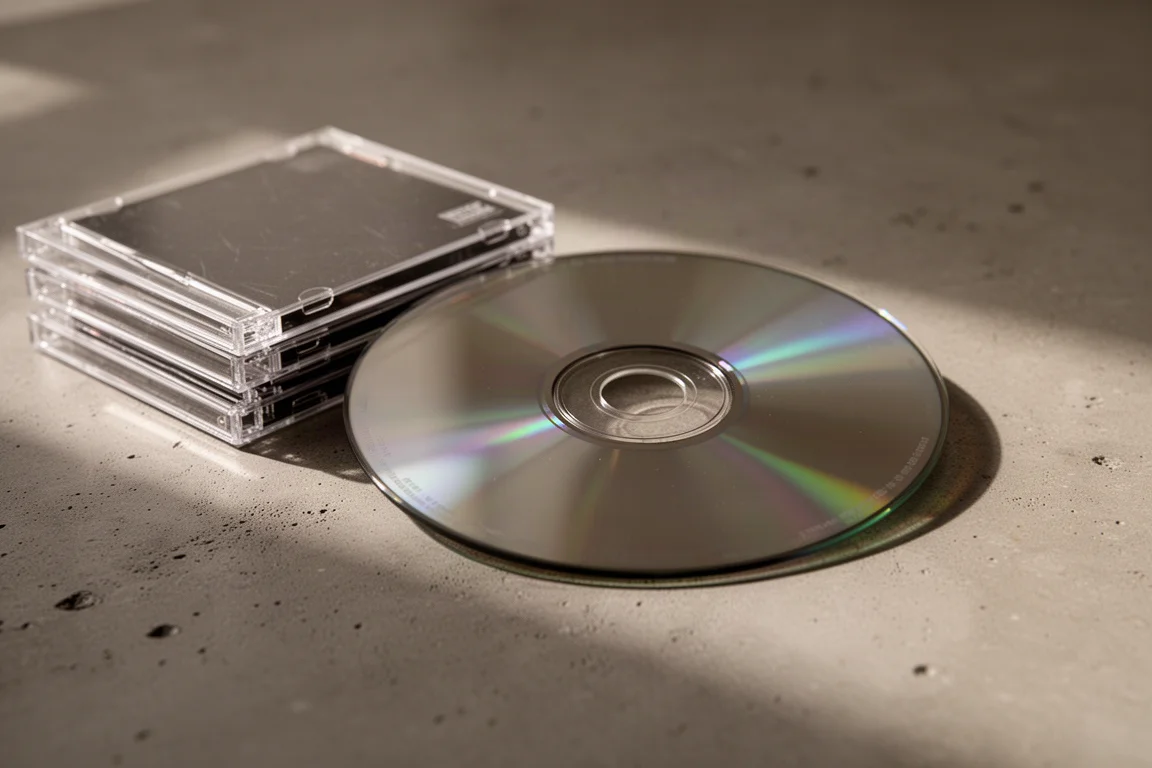
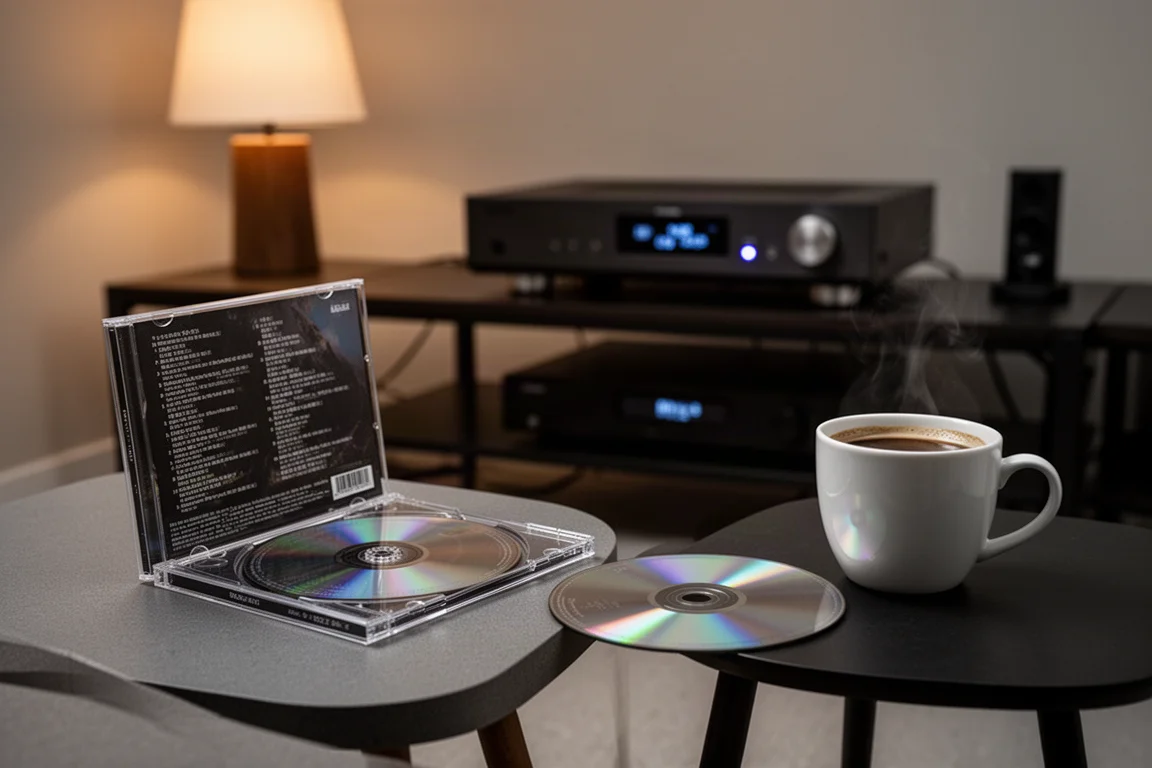
Compact discs remain one of the most accessible ways into physical media. A brand new CD today typically costs between ten and twenty dollars, and in 1988 a new CD cost between twelve and twenty dollars, which means the format itself is cheaper now than it was at its commercial peak. Owning the disc also means the music is still there when the internet is not.
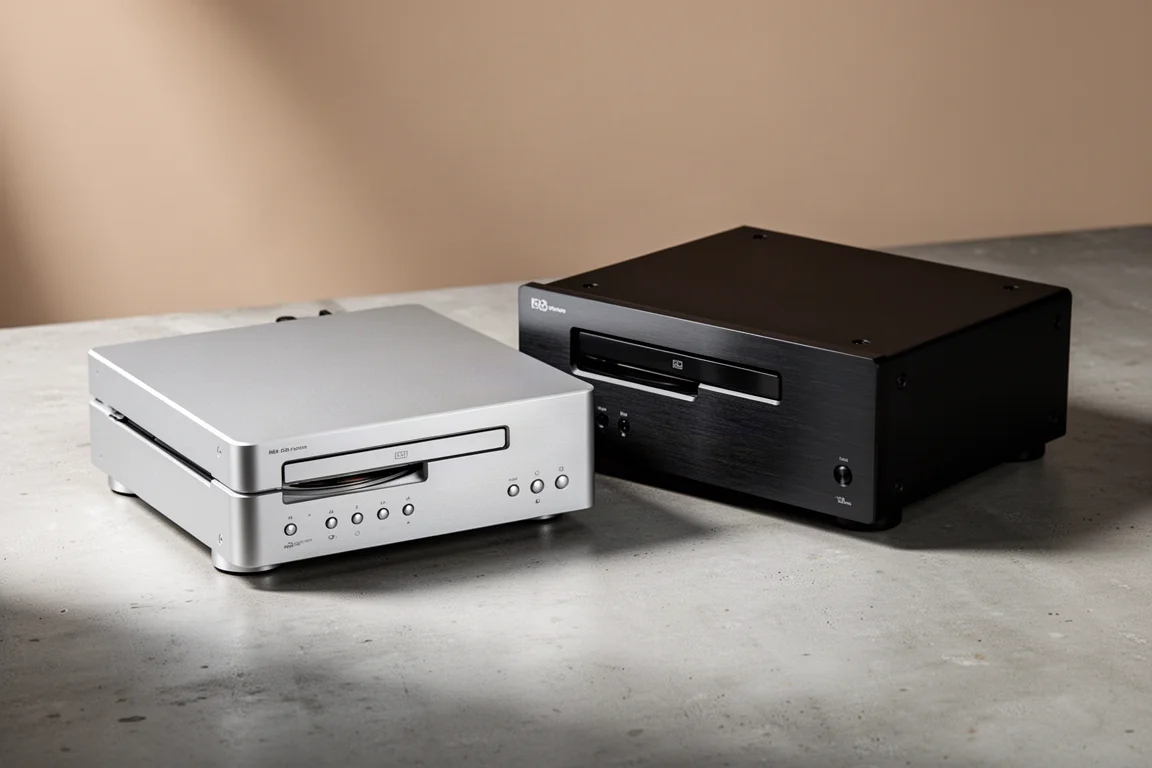
The question is what to play them on. Two dedicated players sit close together on price: the Rotel CD11 Mark II at 600 dollars and the Emotiva ERC-4 at 649 dollars. Both are proper hi-fi components rather than afterthoughts, and both are aimed at listeners who want a disc player that belongs in a serious system. They are not identical in what they offer, though, and the differences matter more than the fifty dollars between them.
How We Evaluated These CD Players
Every CD player performs the same basic task. It reads the ones and zeros on a disc and passes them to a digital-to-analog converter, or DAC, which turns that data into the analog signal an amplifier can use. Players differ in the quality of that conversion, in the power supply feeding it, and in how much of the conversion work they leave to the rest of the system.
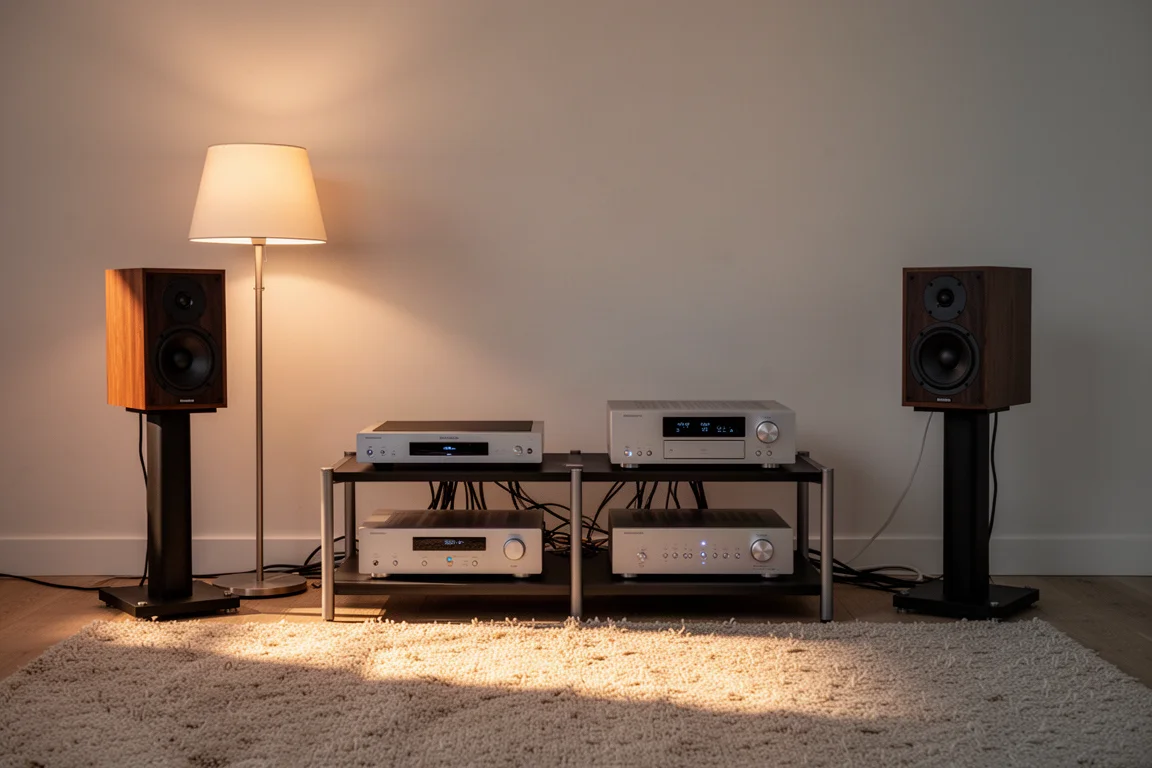
A player with a digital output can also be used as a CD transport, meaning the digital-to-analog conversion is handed off to an external DAC or to the DAC built into an integrated amplifier. That distinction is worth understanding before spending money. A modest DVD player with a digital output can deliver genuinely satisfying fidelity when it feeds a capable external DAC, at a fraction of the cost of a dedicated player. Left to handle conversion on its own, the same budget player shows its limits: less detail, weaker instrument separation, a forward and harsh mid-range, and bass that sounds muddy and covered up.
Beyond conversion quality, we weighed build and ergonomics, connectivity, remote control feel, and gapless playback, which decides whether continuous tracks run into each other without a pause.
Rotel CD11 Mark II
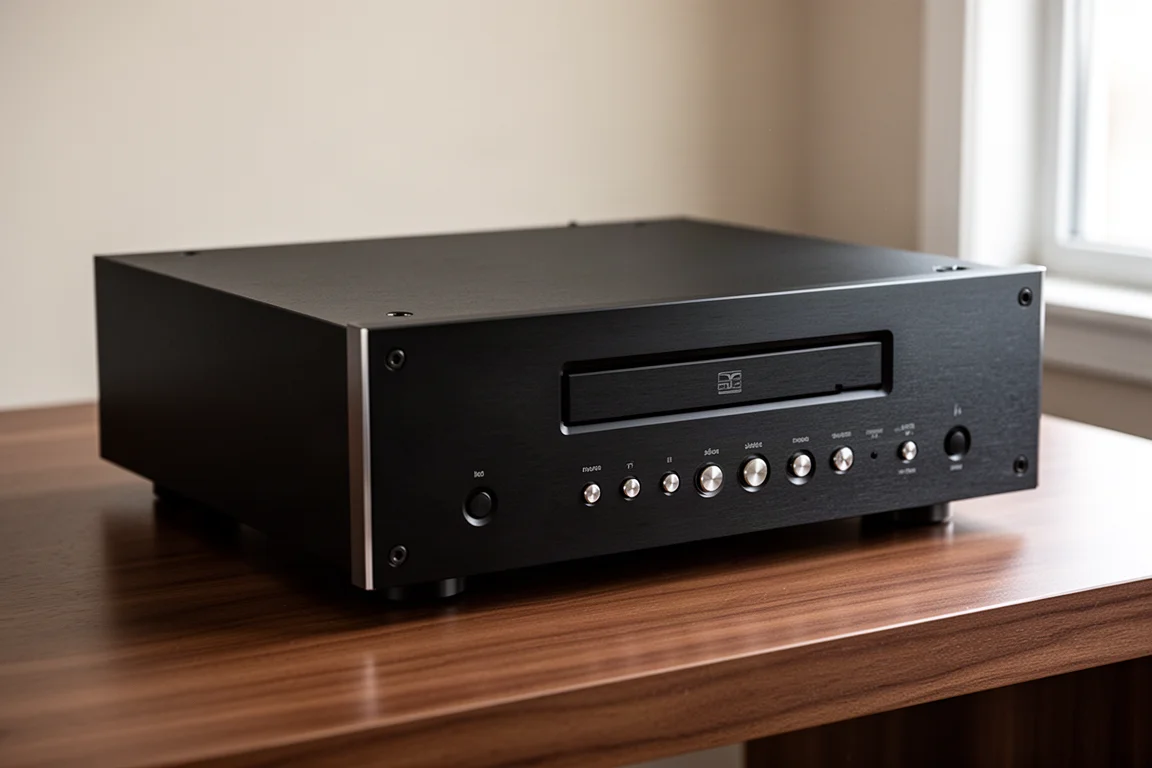
The Rotel CD11 Mark II is a dedicated CD player built around a Texas Instruments DAC, the same converter used in the Rotel A11 Mark II integrated amplifier. Reported specifications list 0.009 percent total harmonic distortion and a signal-to-noise ratio greater than 125 dB. In use the presentation is balanced and clean, with a larger sense of space, better instrument separation and imaging, and a more organic character overall than a budget player handling conversion on its own.
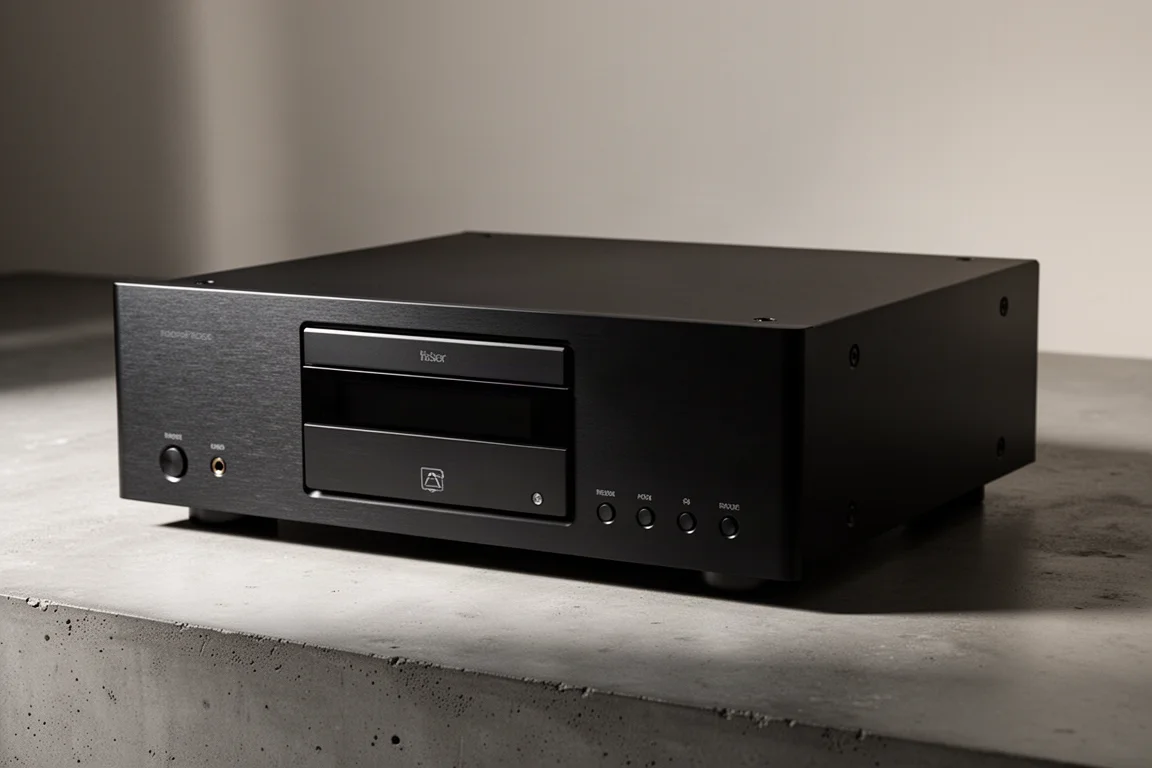
The unit weighs 13.7 pounds, so it sits solidly in a rack instead of sliding around when cables are connected. It plays CDs, CD-Rs and CD-RWs, which means homemade mixes are welcome, and it supports gapless playback so live albums and tracks that flow into one another play without an interruption. Connectivity is straightforward: single-ended RCA outputs, a coaxial digital output that allows the player to be used as a transport, an RS-232 port for automation and updates, a trigger input so the player can power on with an amplifier, and an IEC power connection. The front panel has a depressible power switch, a smooth CD tray, and the usual transport controls. The supplied remote is large and plastic, with depressible buttons that feel a little spongy.
Emotiva ERC-4
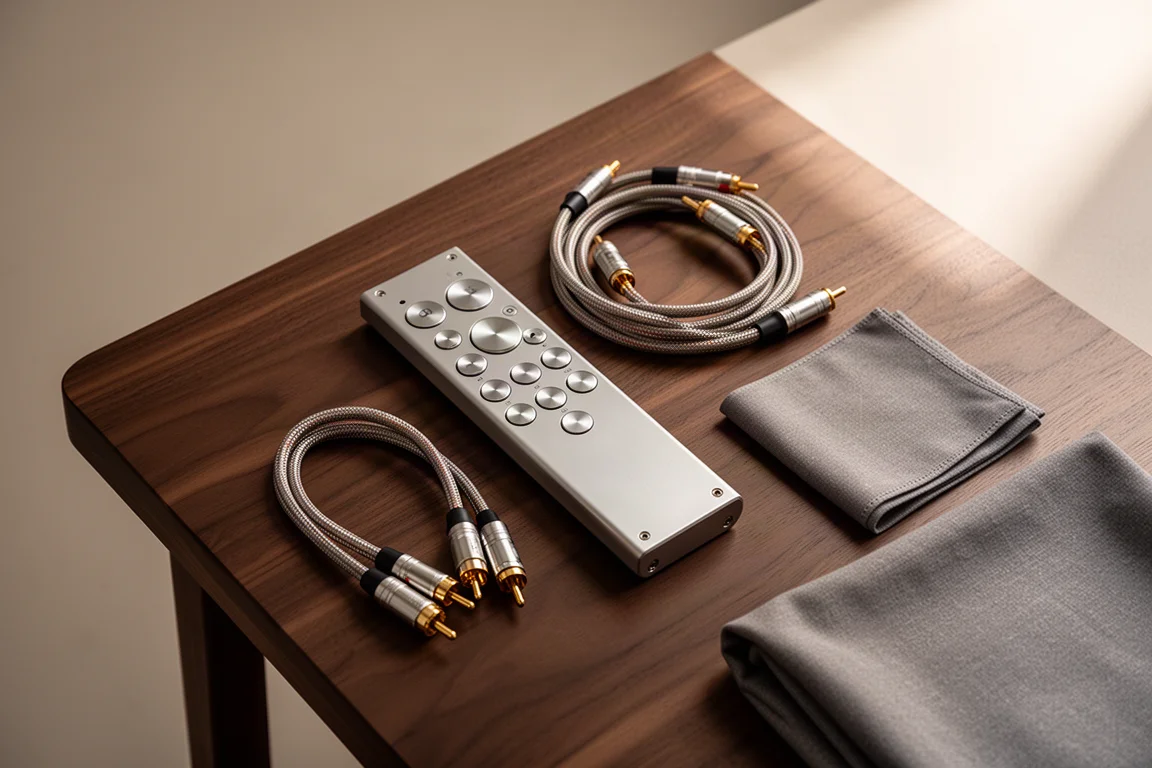
The Emotiva ERC-4 costs 649 dollars, fifty dollars more than the Rotel, and one of its clearest advantages is the remote control. It is metal-bodied and feels noticeably better built and more substantial in the hand than the plastic remote supplied with the Rotel.
The trade-off is playback behaviour. The ERC-4 does not play gapless, so there is always a small gap between tracks. On a live album, a DJ mix, or any recording where one track rolls straight into the next, that pause is audible and can pull a listener out of the music. For listeners who mostly play individual songs it is a minor point. For anyone who listens to continuous albums end to end, it is the kind of detail that shapes how often the player gets used.
Both players sit in the same general price neighbourhood, and the Emotiva is a legitimate alternative for anyone who values the feel of the hardware and does not need continuous playback.
Buying Advice
The choice between these two comes down to priorities rather than outright performance. If gapless playback matters to you, the Rotel CD11 Mark II is the one to choose, since continuous albums and live recordings play the way they were intended. It also brings a Texas Instruments DAC, a reported signal-to-noise ratio above 125 dB, a 13.7 pound chassis, and a coaxial digital output that lets it double as a transport if you later add an external DAC or upgrade to an amplifier with a better converter.
If you want the better-feeling remote and the gap between tracks will not bother you, the Emotiva ERC-4 is a reasonable pick at 649 dollars. If your budget is tighter, remember that a basic DVD player with a digital output paired with a capable external DAC or an integrated amplifier’s DAC can deliver strong fidelity for a fraction of the cost of either player. The dedicated players still earn their price through conversion quality, power supply design, and the way they handle spatial cues, stage size and imaging, so the sensible question is whether you want that extra refinement now or would rather add it later.
Conclusion
Both the Rotel CD11 Mark II and the Emotiva ERC-4 are credible ways to bring discs back into a system, and neither is a compromise in build. The Rotel leads on playback flexibility thanks to gapless support and its transport-capable digital output, while the Emotiva leads on the tactile quality of its remote. Match the player to how you actually listen, and either one will make a well-built home for the CDs you already own.
Further reading
Related Reviews
Hi-Fi Audio
Accuphase C-57 vs Allnic H-7000V: Two High-End Phono Stages Compared
A fully balanced solid-state phono stage with a pitch-black noise floor meets a tube design built for well-loved records. Here is how to choose between them.
Hi-Fi Audio
Active vs Passive Hi-Fi: Five Components for a Modern System
Five components that define modern active and passive hi-fi systems, with the strengths, trade-offs and setup details worth weighing before you buy.
Hi-Fi Audio
Advance Paris A10 Apex Review: A Hybrid Integrated Amplifier That Covers a Lot of Ground
A French hybrid integrated amplifier with a class A tube preamp stage, analogue power meters, and an internal DAC and phono stage good enough to make extra boxes unnecessary.