Hi-Fi Audio
Rotel A12 Mark II and CD14 Mark II Review: A Modern Stereo Pair Built Around Sound
A practical look at Rotel's Mark II integrated amplifier and matching CD player, covering connectivity, build quality, setup flexibility, and how the pair performs together.
Introduction
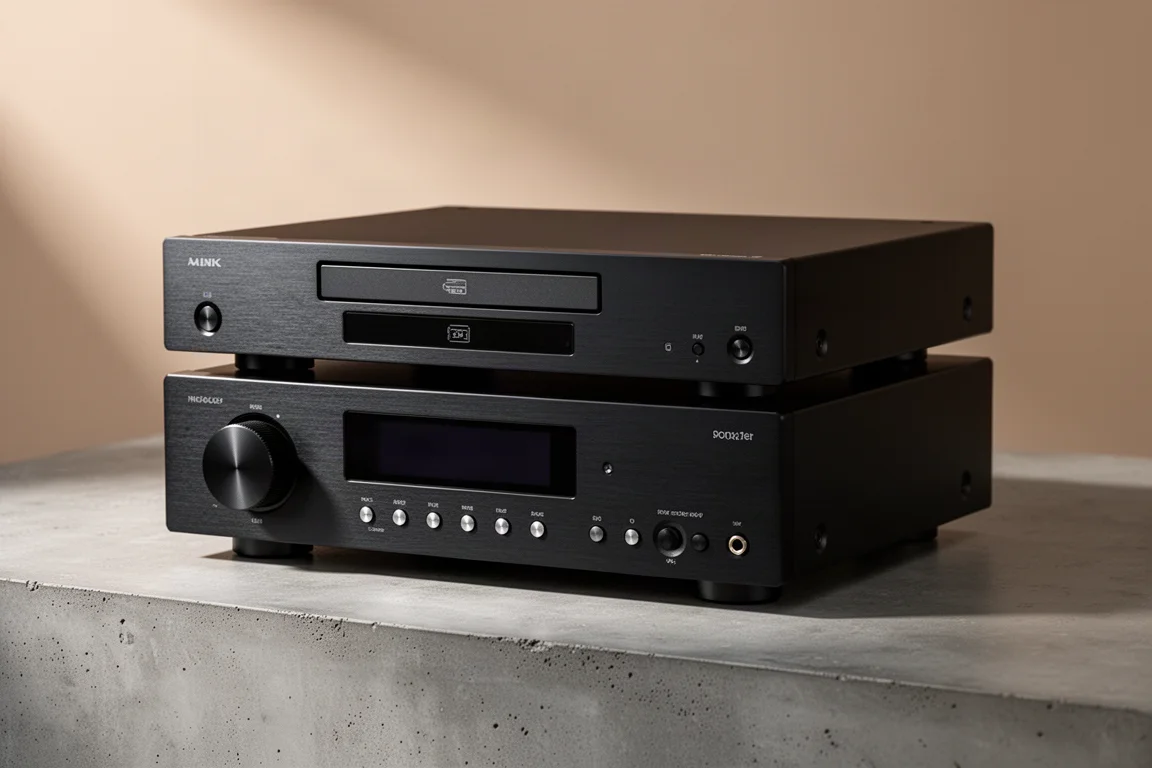
Rotel has spent more than 60 years building two-channel hi-fi components, and its reputation rests on value: gear that puts the budget into sound rather than decoration. The original A12 integrated amplifier and CD14 CD player earned a loyal following on exactly that basis. To mark its 60th year in the business, Rotel introduced Mark II versions of both, alongside an upgraded RCD-1572 Mark II CD player. This article looks at the A12 Mark II and the matching CD14 Mark II, what changed, and who each one suits.
What the Mark II Updates Bring
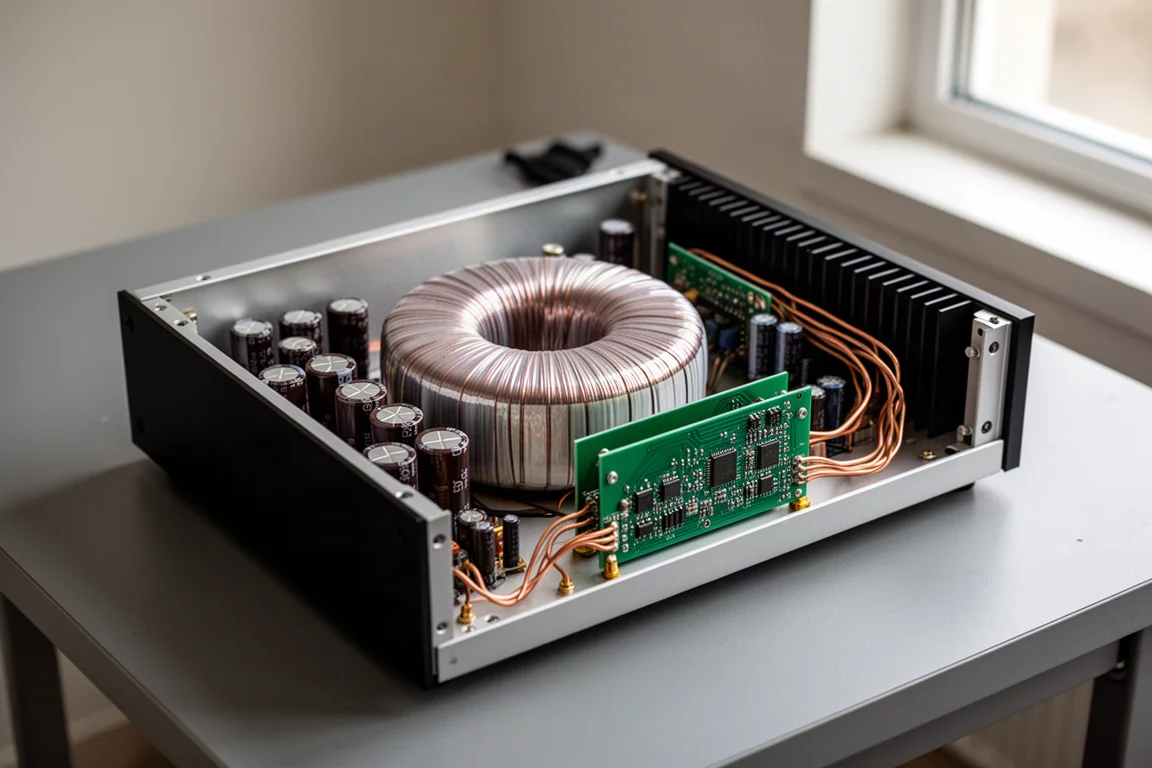
Both units move to an improved 32-bit digital-to-analog converter from TI that handles sample rates up to 384kHz. The A12 Mark II keeps the substantial toroidal transformer of the original, while Rotel reworked the power supply and coupling capacitors. Circuit board layout was also redesigned using lessons from the company’s high-end Michi series, with the aim of a lower noise floor and less distortion. The CD14 Mark II received the same updates, plus an updated transport and a new controller.
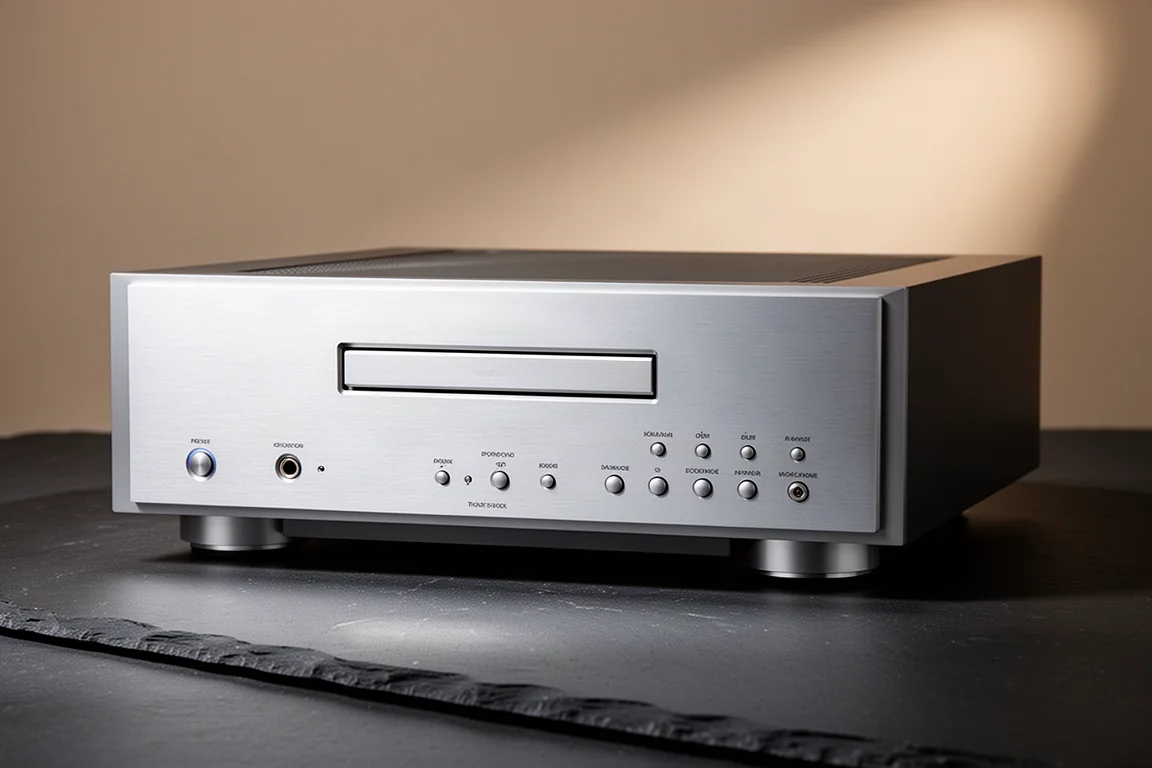
Both are compact: the main chassis is around 12 inches deep, about 17 inches wide, and just over three and a half inches tall. Fit and finish is excellent, with front panel buttons that feel solid and a well-assembled disc drawer. Each unit has a centered LCD display that is easy to read and functional, with no added visual flourish.
Rotel A12 Mark II Integrated Amplifier
Connectivity is unusually complete for the money. The A12 Mark II includes a moving magnet phono input, three further analog inputs, two coaxial digital inputs, two optical digital inputs, a rear USB computer audio input, a front USB input for Apple devices, a Bluetooth receiver, and preamp outputs for adding more power later. Speaker connections use solid binding posts, with a pair provided for both A and B speakers.
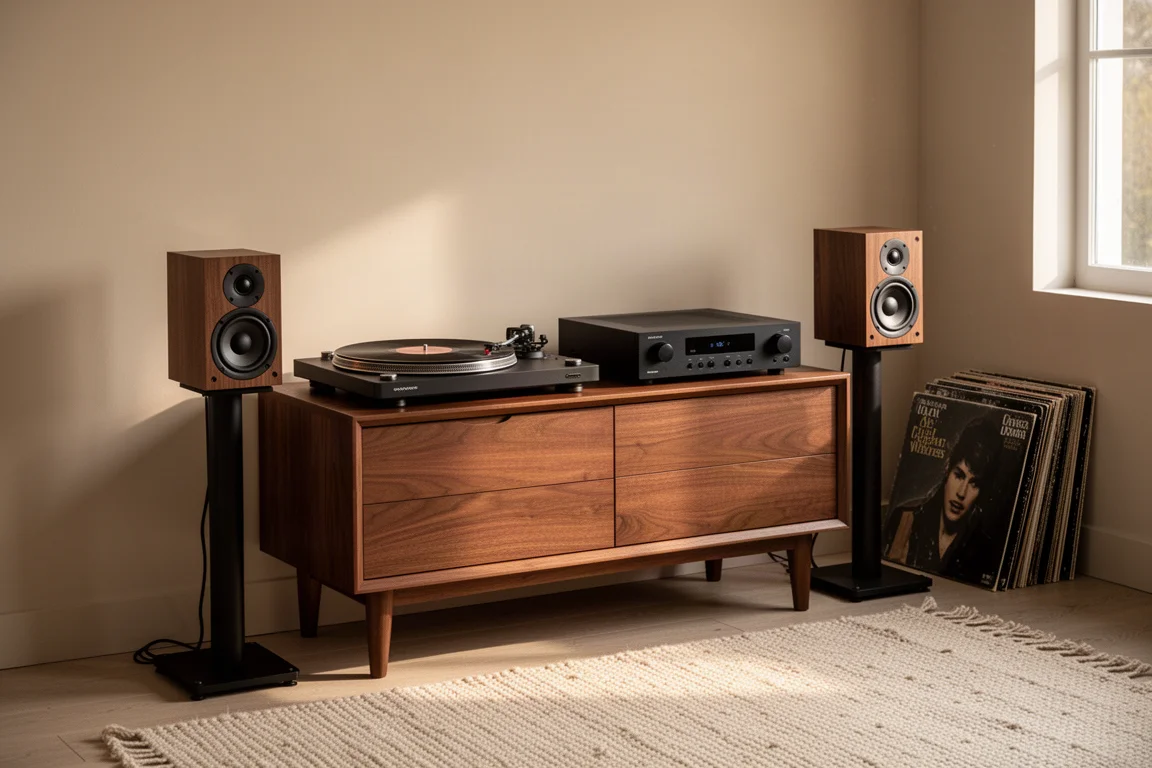
The input handling is where the amplifier stands apart. Every input except phono and CD can be set to variable, fixed, or a fixed level matched to a specific source, which means a TV, a computer, or a phone can control its own volume instead of the amplifier. There is a home theater bypass mode for the rear USB input, and USB 1.0 or 2.0 operation depending on the file resolution you need. Roon compatibility is included, with a free short-term Roon subscription offered at the time of writing. Balance and tone controls with bypass, adjustable auto shutdown timers, and a maximum turn-on volume round out the setup options.
Power is conservatively rated at 60 watts per channel into 8 ohms, doubling to 120 watts per channel into a 4 ohm load.
Rotel CD14 Mark II CD Player
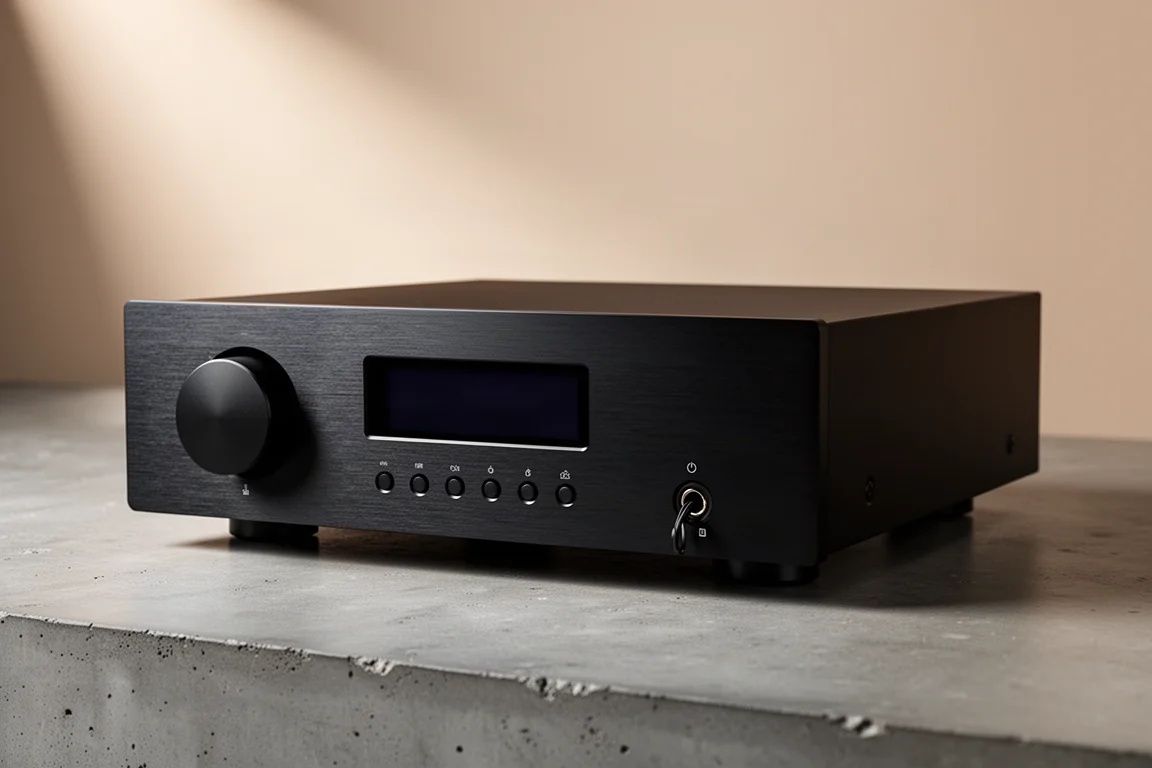
The CD14 Mark II is deliberately straightforward: an easy to read front panel and a coaxial digital output that lets it serve as a transport for an external DAC. Internally it carries the same converter, power supply, coupling capacitor, and layout improvements as the amplifier, along with its updated transport and new controller. It held up well when connected to a more revealing reference system, where it continued to improve rather than becoming the limiting factor.
How the Pair Sounds Together
Driving a pair of JBL 4367 speakers, the A12 Mark II kept the woofers firmly under control and delivered a dynamic presentation with pinpoint imaging. Bass punch and accuracy stood out, and the amplifier clearly outperformed the A11 Tribute. Using the CD player’s analog outputs instead of the amplifier’s internal DAC produced a more effortless sound, with more subtle shifts in harmonics and volume. The same pattern appeared when streaming over USB with Roon, and to an even greater degree.
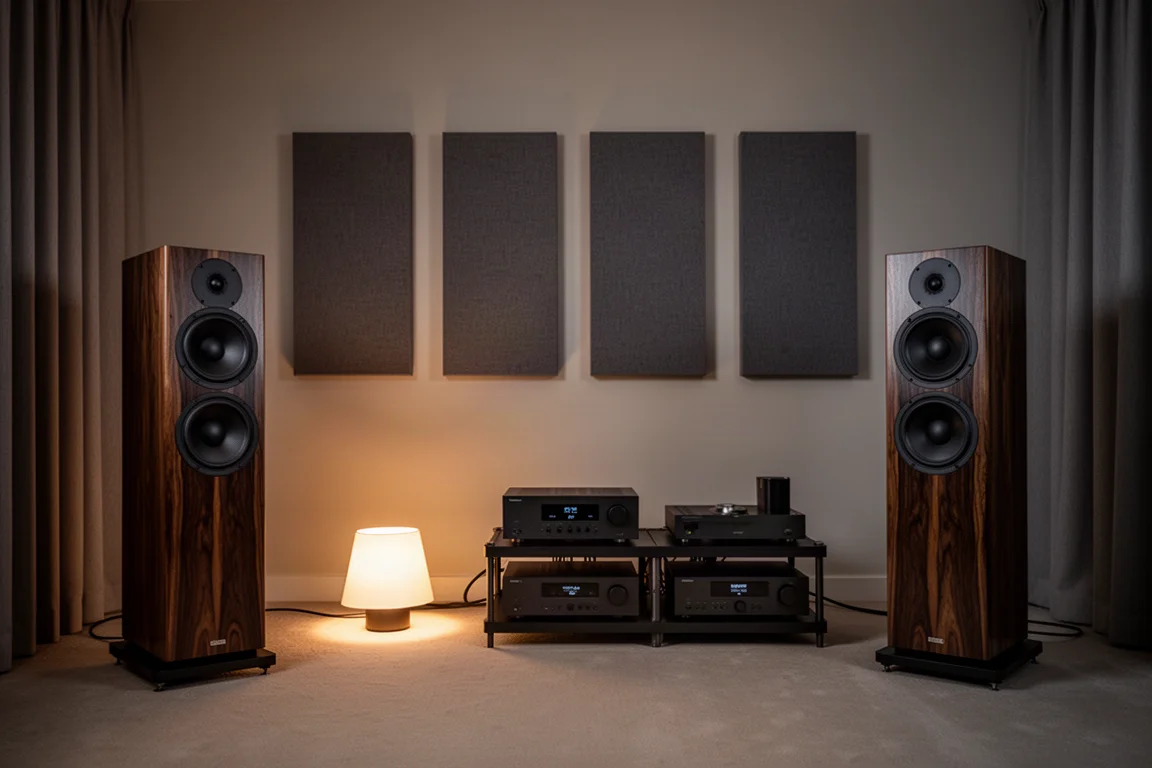
The amplifier is far more capable than a typical home theater receiver anywhere near its price. It favors control and precision over warmth, so listeners who prize an especially immersive, emotionally gripping presentation may find other amplifiers at a similar price more satisfying, even if they cannot match the Rotel’s feature set.
Setup and Everyday Use
If you stack the two units, put the CD player on the bottom so the amplifier has room to breathe. The included USB stick carries the software needed to switch the rear USB input to USB 2.0 for files above 24-bit/96kHz. At or below that resolution, USB 1.0 works without any further setup. Rear panel connections use the circuit-mount connectors typical of the category, which is expected at this price, and the binding posts are a step above that. Adjustable shutdown timers and a maximum turn-on volume are small details that make the amplifier easier to live with day to day.
Buying Advice
If you need one reasonably priced integrated amplifier to handle a turntable, several analog sources, digital inputs, computer audio, and Bluetooth, the A12 Mark II is difficult to match on connectivity and sound for the same money. The per-input volume flexibility in particular is rare at this level.
If you want a purely analog integrated amplifier with no digital section, you can likely do better for the same cost or slightly less, since none of the A12 Mark II’s budget is spent on digital features.
For the CD14 Mark II, it is hard to find anything that sounds better close to its price, and its coaxial output gives it a second life as a transport for an external DAC. Buyers with an existing CD collection and a stereo system that deserves a dedicated disc player will get the most from it.
Conclusion
The A12 Mark II and CD14 Mark II continue Rotel’s long-running approach: solid build, sound-first design, and, in the amplifier’s case, a genuinely generous feature set. As a pair they cover vinyl, discs, computer audio, and Bluetooth without asking for much space, and each one makes sense on its own terms.
Further reading
Related Reviews
Hi-Fi Audio
Accuphase C-57 vs Allnic H-7000V: Two High-End Phono Stages Compared
A fully balanced solid-state phono stage with a pitch-black noise floor meets a tube design built for well-loved records. Here is how to choose between them.
Hi-Fi Audio
Active vs Passive Hi-Fi: Five Components for a Modern System
Five components that define modern active and passive hi-fi systems, with the strengths, trade-offs and setup details worth weighing before you buy.
Hi-Fi Audio
Advance Paris A10 Apex Review: A Hybrid Integrated Amplifier That Covers a Lot of Ground
A French hybrid integrated amplifier with a class A tube preamp stage, analogue power meters, and an internal DAC and phono stage good enough to make extra boxes unnecessary.