Hi-Fi Amplifiers
Rotel A11 Tribute vs Rotel RA-930AX: Two Entry-Level Rotel Amplifiers, 30 Years Apart
A modern 600 euro entry-level integrated amplifier meets Rotel's 1992 classic: what the A11 Tribute adds, how the RA-930AX still holds up, and which one makes sense.
Introduction
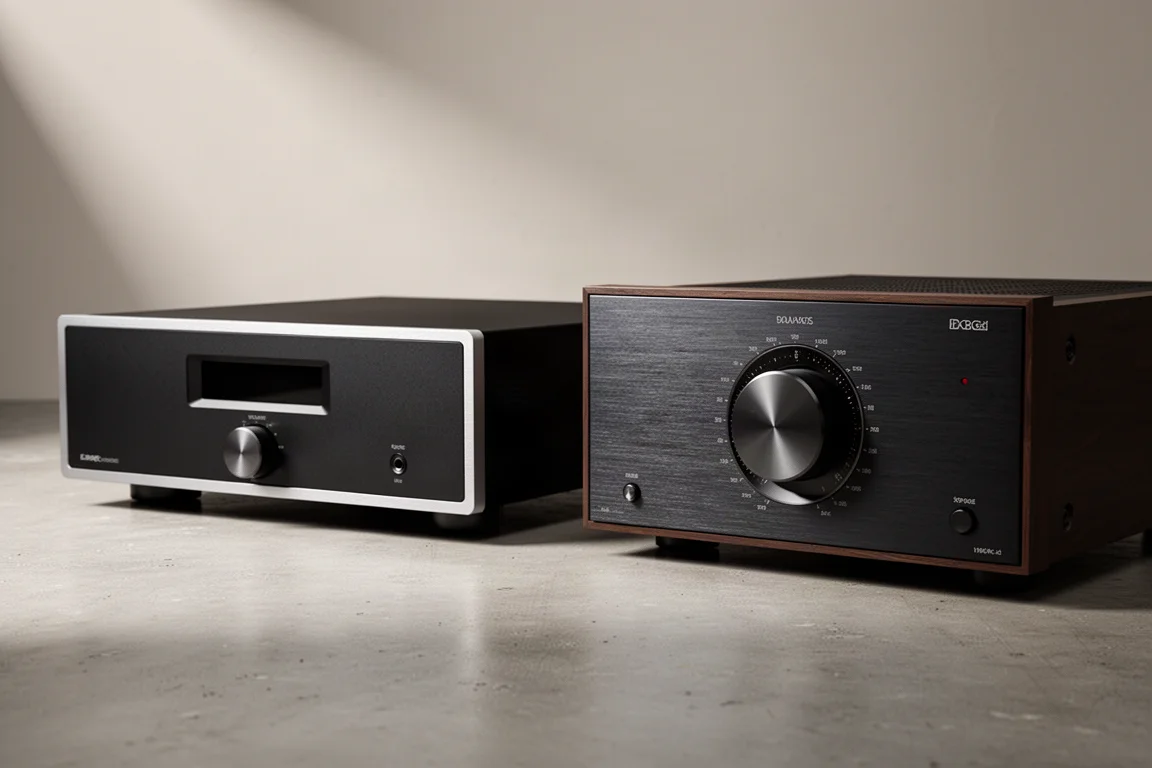
Rotel’s entry-level integrated amplifier today is the A11 Tribute, an amplifier that sells for around 600 euros in Europe. Thirty years ago, Rotel’s entry-level integrated amplifier in some parts of Europe was the RA-930AX. Putting the two side by side is a straightforward way to see what three decades of design have actually delivered at the bottom of the range, and whether a used vintage Rotel still makes sense.
This is a direct comparison between these two Rotel models rather than a survey of everything available at the same price, so the findings below describe how the two behave against each other.
What the Rotel A11 Tribute Offers
The A11 Tribute is rated at 50 watts per channel and is built in a full-width chassis, as are all the amplifiers in this comparison. Rotel now manufactures its gear in China.
Around the back there are two sets of loudspeaker binding posts and a moving magnet phono stage, so a turntable can be connected without a separate phono preamp. Tone controls are fitted, and unlike the older amplifier they can be adjusted from the supplied remote control, which also reaches the loudness-style setting that lifts bass and treble at lower listening volumes.
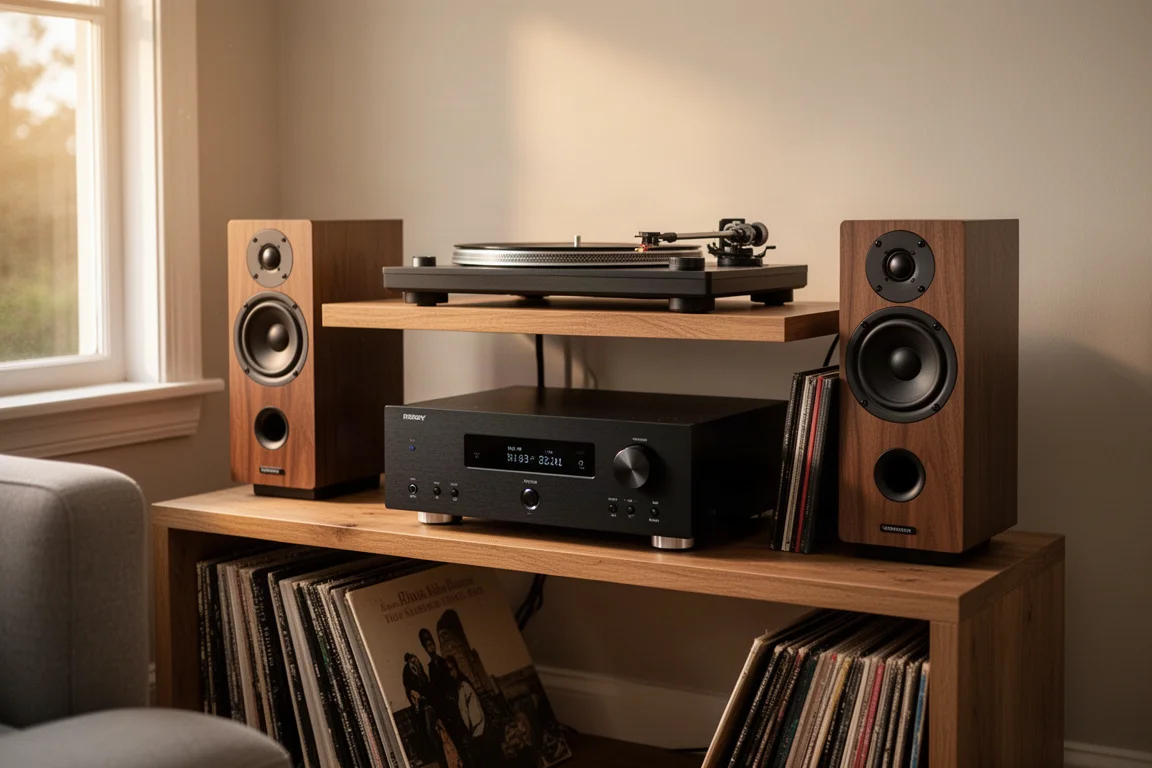
Headphones connect through a 3.5mm socket on the front panel. The A11 Tribute also includes a DAC, although it is Bluetooth only: there are no coaxial or optical inputs on the rear panel. That makes it most useful for streaming from a phone or capturing audio from a television that can output Bluetooth, rather than for wired digital sources. A matching CD player, the CD11 Tribute, is available and uses a sliding drawer rather than a slot loader.
What the Rotel RA-930AX Brings From 1992
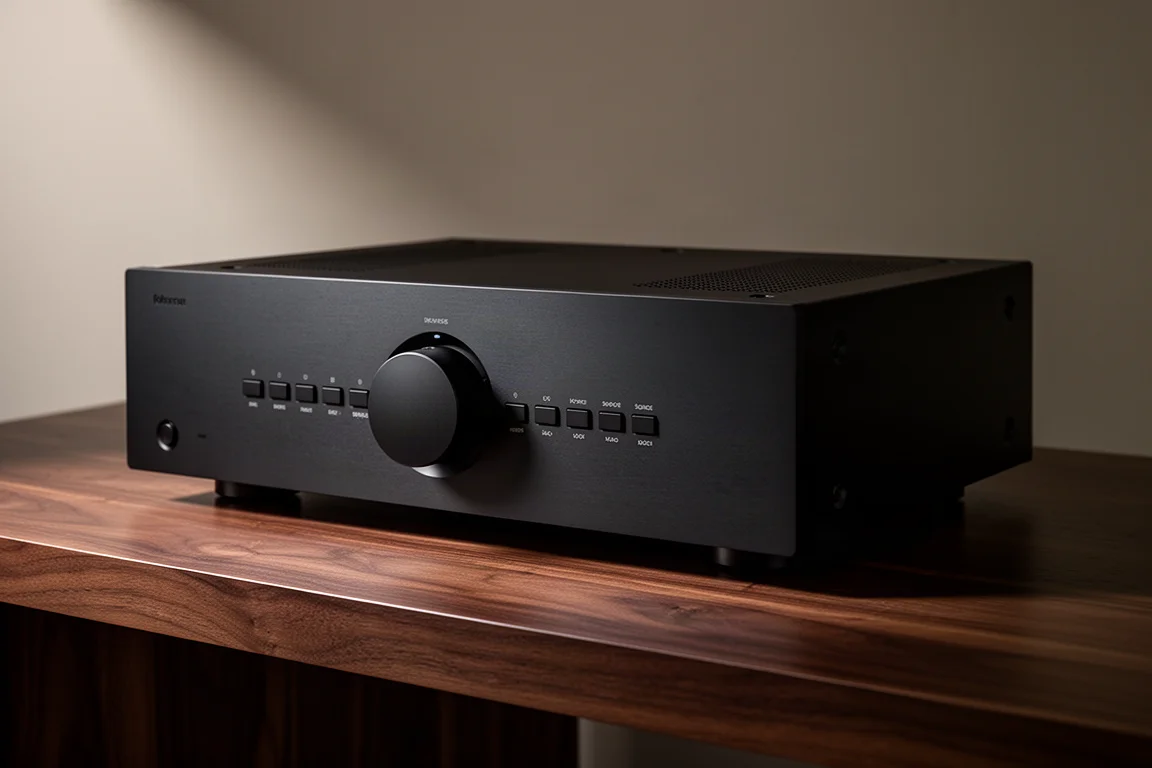
The RA-930AX dates from 1992 and remained in production for around five years, until 1997. It was made in Taiwan and is rated at 30 watts per channel, with a damping factor of 180. That figure is best treated as an indication of how well the amplifier might control a speaker’s mid-bass driver, and the wattage rating is the more useful number in practice.
It shares a lot with the modern amplifier: a full-width chassis, two sets of loudspeaker binding posts, a moving magnet phono stage, tone controls and a headphone socket. The differences sit in the details. The headphone jack is a quarter-inch type rather than 3.5mm, and there is a tape loop on the rear panel. What the RA-930AX does not have is a remote control or any digital input at all.
Used examples typically sell for between 150 and 200 euros. In Germany it originally sold for 599 Deutsche Marks, roughly 327 euros at the time, which adjusts to around 530 euros across 30 years of inflation. That puts it reasonably close to what the A11 Tribute costs today.
How the Two Amplifiers Sound
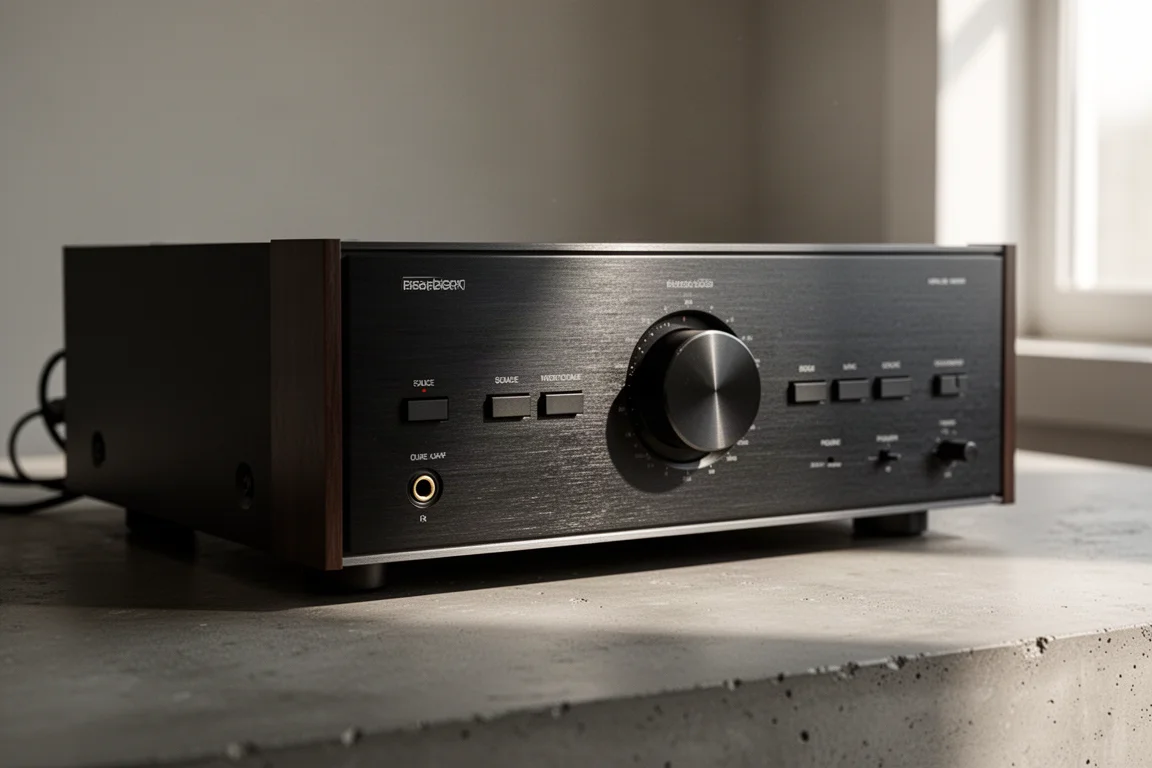
Played through the same sources on CD and vinyl, the A11 Tribute sounds fuller and fleshier than its vintage counterpart, with more detail and a little more low-end push. The RA-930AX answers back with a slightly faster, zippier character and a touch more presence in the upper midrange, though only a little.
That extra upper-mid energy works against the older amplifier on leaner recordings, where it can sound a little thin. The fuller balance of the A11 Tribute suits acoustic material particularly well, and it proved a surprisingly good match with high-sensitivity speakers despite costing a fraction of what those speakers do.

The gap between the two is widest on vinyl, where the phono stage inside the newer amplifier is clearly the better of the two. Through headphones the differences are less pronounced, in part because easy-going, coloured headphones tend not to expose the character of amplifiers of this type as readily as speakers do.
Features, Inputs, and Headphone Outputs
Both amplifiers give you tone controls, a phono stage and a headphone output, so the practical differences come down to convenience and digital connectivity.
The remote control on the A11 Tribute is the more consequential addition. It reaches both the tone controls and the loudness setting, which is genuinely useful when listening quietly. The Bluetooth DAC adds another option that a 1990s amplifier simply cannot offer, though how much that matters depends on whether your sources are wireless or wired.
On the headphone side, the quarter-inch jack on the RA-930AX is the sturdier connection, while the 3.5mm socket on the A11 Tribute is more convenient for modern headphones. Differences between the two headphone outputs were not as clear as the differences heard through speakers.
Things to Consider Before Buying
A 30-year-old amplifier is a used purchase, and parts can degrade with age. Degradation is not usually symmetrical, so one channel often worsens before the other, which makes an even stereo image and consistent performance across both channels a good sign when assessing a specific example. That is not a substitute for a service history, and a vintage unit may still need work.
On the A11 Tribute side, the main limitation to weigh is the DAC. If you want to connect a CD transport, a streamer or a television with a coaxial or optical cable, the Bluetooth-only input will not do it, and an external DAC becomes part of the plan.
It is also worth being clear about what this comparison does and does not cover. Both amplifiers were assessed against each other rather than against other amplifiers at the same price, so treat the conclusions as relative rather than absolute.
Who Each Amplifier Suits Best
The A11 Tribute suits listeners building a first proper system who want a phono stage, tone controls, a remote and a Bluetooth input in one box, with enough power for a wide range of speakers. The RA-930AX suits anyone working to a hard budget of around 200 euros, or listeners who specifically want the older amplifier’s central volume wheel and vintage presentation.
Buying Advice
The broader point from this comparison is that Rotel builds better-specified and better-sounding entry-level amplifiers today than it did 30 years ago, and for not much more money once inflation is accounted for. Unless your spending limit is genuinely around 200 euros, or the vintage styling and central volume wheel are the whole appeal, the A11 Tribute is the more sensible purchase: more power, a better phono stage, more detail, a remote control and a Bluetooth input.

If a used RA-930AX is what fits the budget, it remains a capable amplifier with an appealing sound, and the low entry price leaves room for a service if one is needed. Go in expecting to use it with wired sources and without a remote.
Conclusion
Two entry-level Rotel integrated amplifiers, 30 years apart, and the modern one takes it on power, detail, phono performance and features. The RA-930AX still has its own character and a very low used price, but the A11 Tribute is the amplifier most buyers at this level should be looking at.
Further reading
Related Reviews
Hi-Fi Amplifiers
Accuphase E-280 Review: Entry-Level Accuphase With Flagship Attention to Detail
A close look at the Accuphase E-280 integrated amplifier, covering its champagne build, AAVA volume control, sound quality, and the speakers and sources that suit it best.
Hi-Fi Amplifiers
Advance Paris A10 Classic vs Yamaha A-S301: Two Integrated Amplifiers Compared
A practical comparison of a $350 integrated amplifier and a $2,500 reference model, covering the differences that matter and the ones that do not.
Hi-Fi Amplifiers
Affordable Chinese Amplifiers Worth Buying: Five Budget Hi-Fi Amps Compared
A practical look at five affordable amplifiers, what each one does well, and the trade-offs to weigh before you buy.