Integrated Amplifiers
Rotel A11 MKII Review: Class AB Value for a Two-Channel System
A close look at the Rotel A11 MKII integrated amplifier: 50 watts of Class AB power, a strong built-in phono stage and DAC, and the limitations worth knowing before you buy.
Introduction
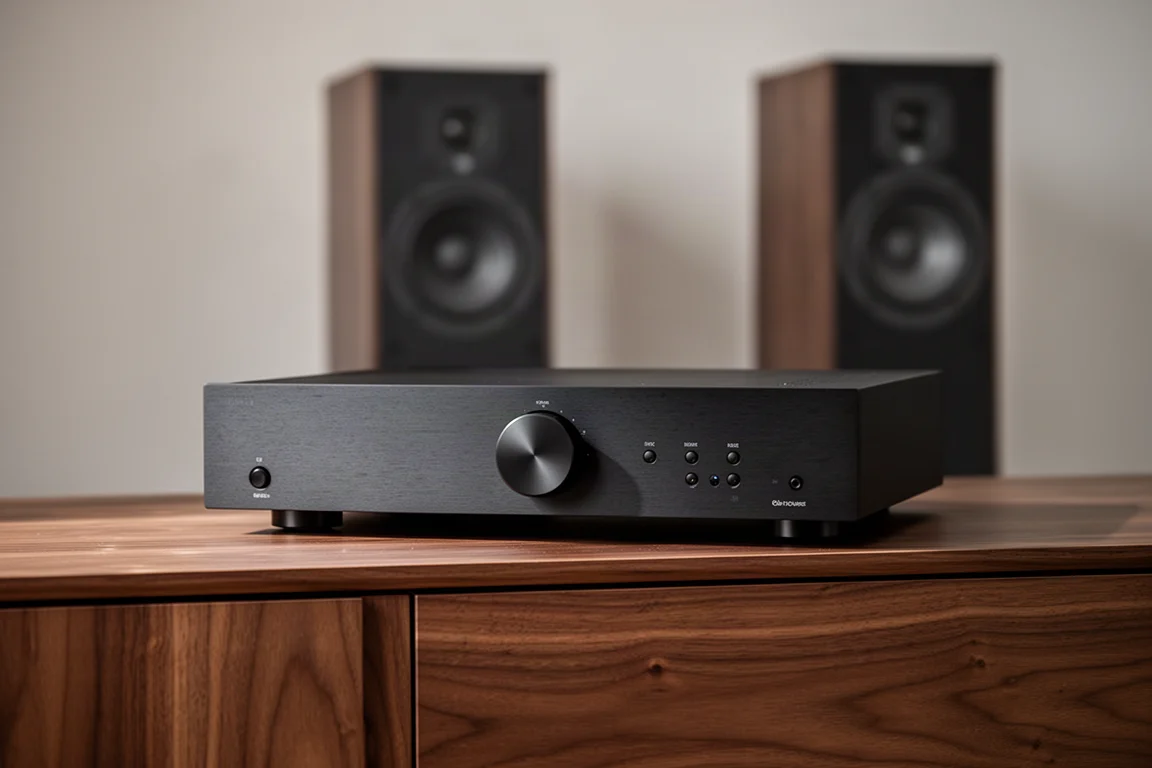
The Rotel A11 MKII is a Class AB integrated amplifier rated at 50 watts per channel into 8 ohms, with output rising to 62 watts into 4 ohms. It is not the most powerful amplifier in its class, but it carries enough real world headroom for most two-channel setups.
What makes it interesting is where Rotel chose to spend its effort. The MKII drops the LCD display of the original A11 in favour of a more traditional, minimal fascia with a centre-mounted volume control. The result looks closer to the company’s heritage designs, and it signals the priority: sound quality first, features second.
With an asking price under $800, the A11 MKII sits in a busy part of the market. This article covers what it does well, where it falls short, and which speakers and sources it pairs with most convincingly.
Who This Amplifier Is For
The A11 MKII is built for a straightforward two-channel system. Add a pair of speakers, and optionally a turntable or a streamer, and the amplifier covers the rest. There are seven inputs in total, three of them line level, plus a moving magnet phono stage, a coaxial input, an optical input, and built-in Bluetooth.
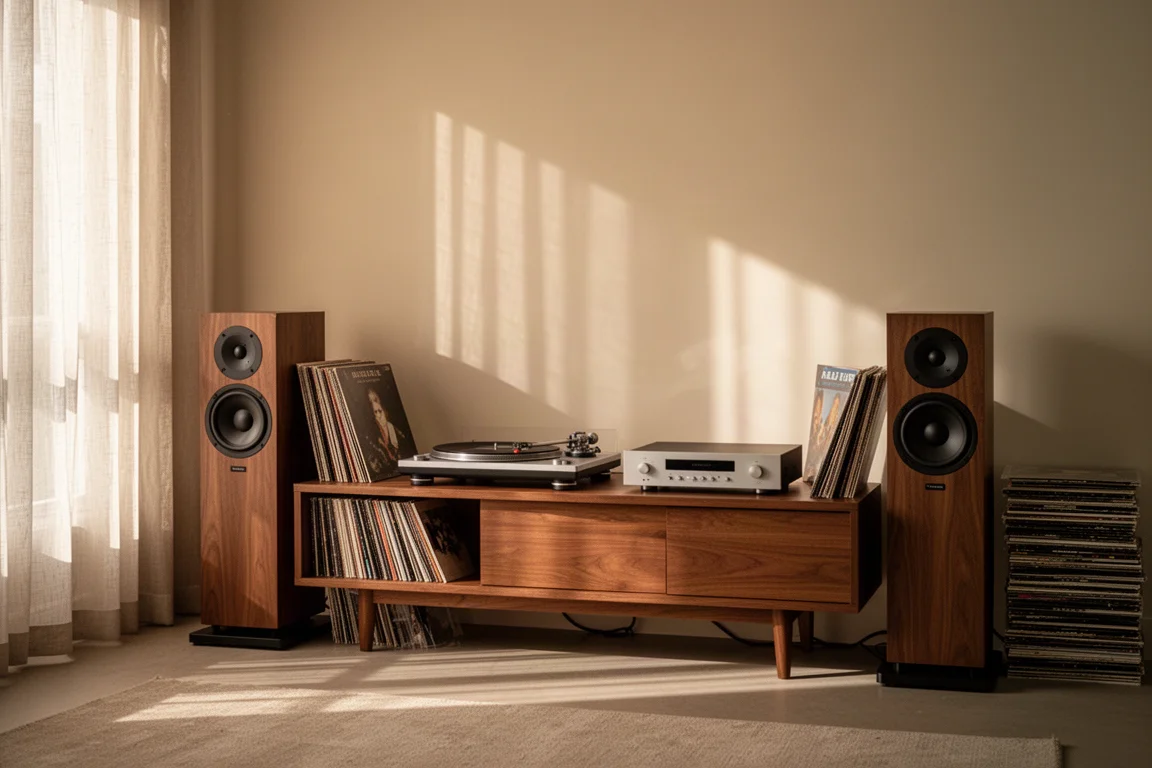
The control layout is deliberately old school. Each input gets its own selection button, and there are tone controls and a headphone jack on the front panel. The supplied remote is basic but fully functional, and there is no companion app or voice assistant support.
That combination suits listeners who want a simple, self-contained analogue and digital hub rather than a networked component. It is less suited to anyone who wants HDMI switching, a subwoofer output, or app-based control, because none of those are present here.
Main Strengths
The A11 MKII earns its place by doing the fundamentals properly. Power delivery, tonal balance, and the quality of the built-in phono and digital stages are the areas that matter most, and all three are handled with more care than the price suggests.
Sound Quality and Control
Tonally, the A11 MKII is neutral. It does not lean bright, and it does not sound warm or lush either. Bass has notable articulation, speed, and control, and the overall presentation stays balanced rather than treble forward or fatiguing.
Consistency is one of its strongest traits. Analogue and digital inputs sound closely matched, so switching sources does not mean relearning the character of the system.
Power delivery is linear and clean. Pushed to the upper edge of reasonable listening levels through large tower speakers, the amplifier never sounded as though it was straining. At the opposite end, quiet background listening stayed detailed and engaging rather than thin.
Speaker matching matters more than raw wattage here. The A11 MKII paired well with the Sonus Faber Lumina II, the Q Acoustics Concept 50, the Klipsch Cornwall IV, and the SVS Titan towers. It struggled with the Bowers & Wilkins 705 S3 Signature and the KEF R11 Meta, both of which dip well below 4 ohms. The Bowers & Wilkins pairing sounded thin and two-dimensional, while the KEF pairing lacked control and weight. Speakers with demanding low-impedance loads at high volumes are better served by a more powerful amplifier.
Connectivity and Built-in Phono Stage
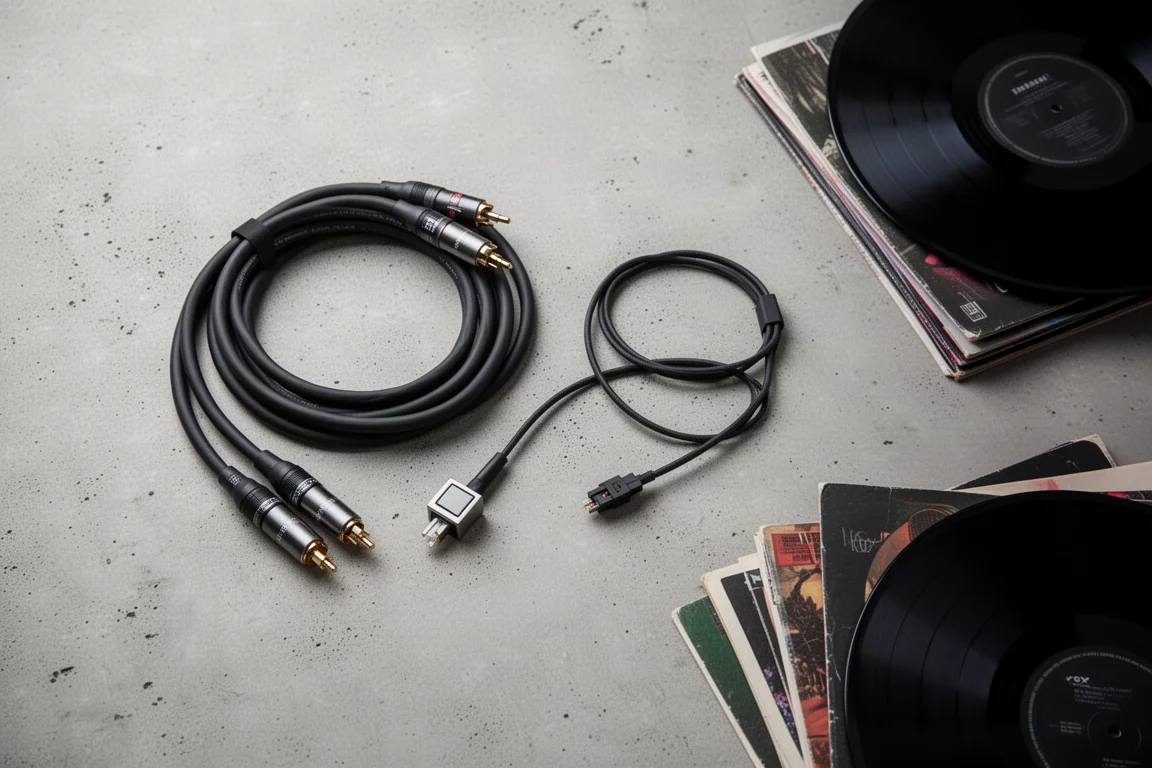
Three line-level inputs cover most analogue sources, and the moving magnet phono stage is a genuine highlight. It holds its own against dedicated external phono preamps at similar and higher price points: clear and detailed, while keeping the warmth and roundness that vinyl listeners look for. It is resolving enough that swapping between cartridges in the same family produces an audible difference, which is uncommon at this price.
A separate streamer, a turntable with a moving magnet cartridge, and a television source all connected quickly, and the system came together without fuss.
Digital Inputs, Bluetooth, and the Built-in DAC
The digital side is compact: one coaxial input, one optical input, and Bluetooth. Both digital inputs run through a built-in Texas Instruments DAC.
That DAC performs closer to a standalone reference converter than its price suggests. Against a separate unit costing roughly $1,000 more, the external converter offers better separation and detail retrieval, but the Rotel can sound slightly weightier through the low midrange and mid bass. For anyone building a lean system, it is worth living with the built-in DAC before spending on a separate one.
Two omissions stand out. There is no HDMI input, which limits tidy integration with a television, and there is no subwoofer output, which rules out a straightforward two-channel-plus-subwoofer setup.
Things to Consider Before Buying
A few behaviours are worth knowing before committing.
Signal sensing is inconsistent. The auto standby function works reliably, but automatic power-up on an incoming signal did not always trigger. On the same unit, programming a television remote to control the amplifier worked for about a week and then stopped, leaving volume and input changes to the supplied remote.
At idle, there is a faint but audible hiss through some speakers. It is more noticeable with high-sensitivity designs and was also detectable through large towers. In a nearfield setup, particularly with high-sensitivity speakers, this is a real consideration.
Finally, 50 watts per channel is enough for most rooms and most speakers, but it is not enough for everything. If the plan is to drive low-impedance speakers hard, a beefier amplifier is the better route.
Buying Advice
Judged on sound quality per dollar, the A11 MKII is a strong proposition. It concentrates on the amplifier section and the essentials, and it delivers a level of precision that is unusual at its price. Extras on competing models can raise the total cost of ownership quickly, which makes the sub-$800 asking price look more competitive than a specification sheet suggests.
If budget is the deciding factor, the NAD C 316BEE V2 at around $399 is a compelling alternative, with 40 watts per channel, stability into 4 ohms, and a built-in phono stage. The Cambridge Audio AXA35 is another affordable non-Class D option. Both trade power and features for a low entry price.
If you want more power and more inputs, the Yamaha A-S801 costs roughly $100 more and offers 100 watts per channel, a built-in DAC, a headphone jack, a moving magnet phono input, six RCA inputs, a USB Type B input for high-resolution files, and a subwoofer output. Stepping up further, the Yamaha R-N1000A costs about double the Rotel and brings improvements in sound quality, EQ adjustability, and features.
If you prefer a fuller, slightly warmer presentation, the Audiolab 6000A and the Cambridge Audio AXR100 are the closer matches. The Audiolab adds preamp outputs and a dedicated preamp mode for future expansion, while the Cambridge offers more power and more features. Neither matches the Rotel’s grip and precision, which is the strongest argument for choosing it.
Existing owners of the Rotel A11 Tribute should not expect a demonstrable difference in sound quality. The Tribute offered A/B speaker selection and preamp outputs, while the MKII adds a DAC.
Conclusion
The Rotel A11 MKII is an honest, well-executed integrated amplifier. It gives up HDMI, a subwoofer output, and smart features, and it asks buyers to match it with speakers that do not demand excessive current. In return it offers neutral, controlled sound, a genuinely good phono stage, a capable built-in DAC, and a price that undercuts much of the competition.
For a two-channel system built around sound quality rather than connectivity, it is an easy recommendation. For a system that needs television integration, bass management, or effortless drive of difficult speakers, the alternatives are the better starting point.
Product link
View more details for Rotel A11 MKII
This product is mentioned in the review. Check the specifications, options, and compatibility before buying.
View more details for Rotel A11 MKIIFurther reading
Related Reviews
Integrated Amplifiers
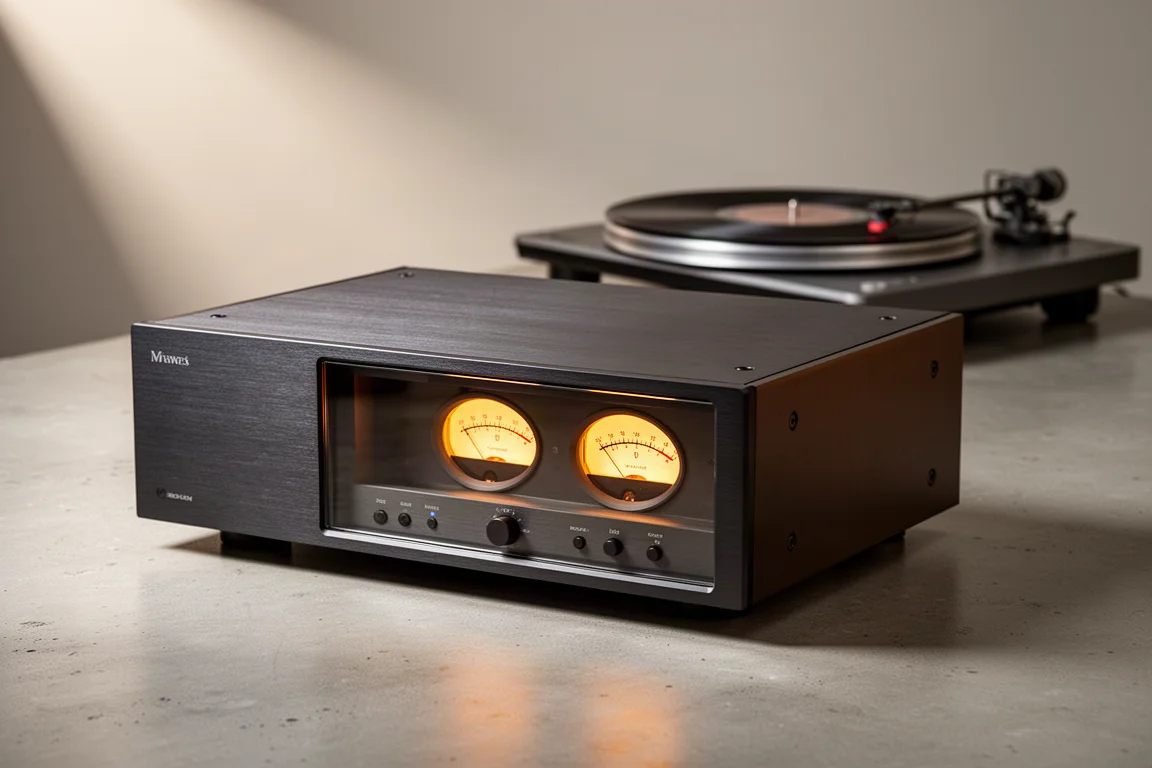
Advance Paris A10 Classic Review: Vintage Looks and a Lively, Punchy Sound
The Advance Paris A10 Classic pairs glowing blue VU meters and a tube stage with one of the widest input sets on any integrated amplifier. Here is what it does well and what to weigh before spending $2,500.
Integrated Amplifiers
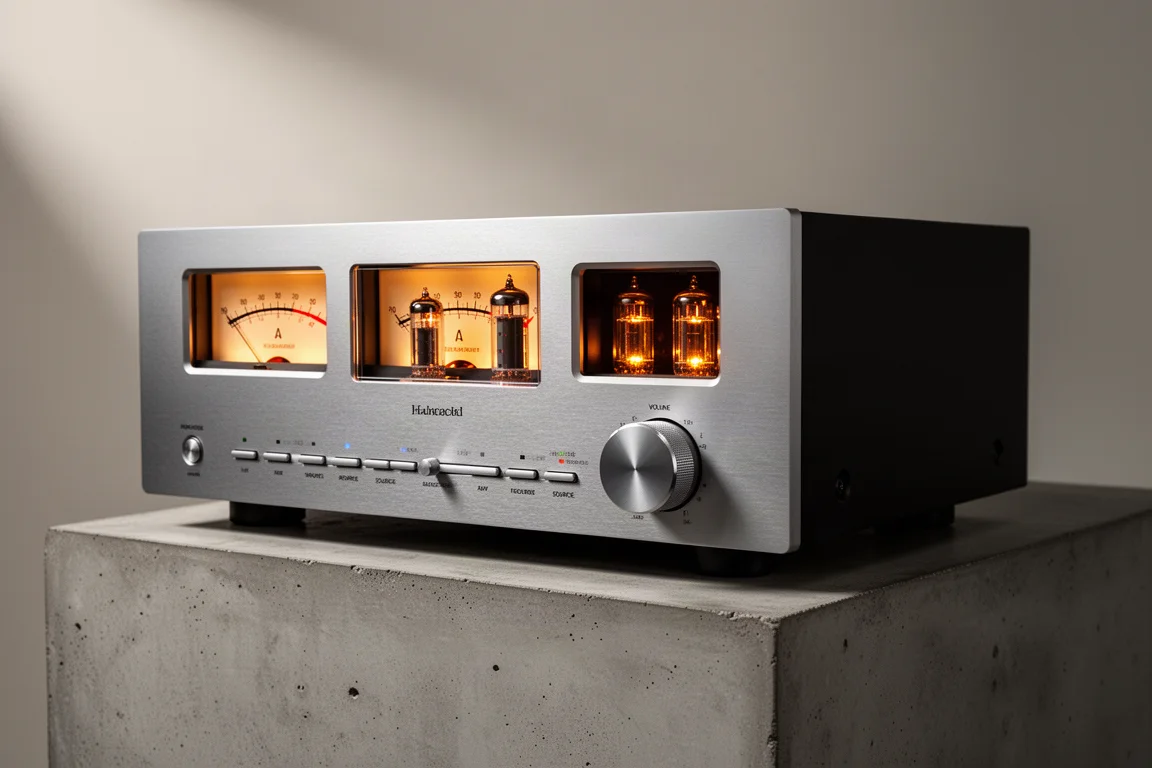
Advance Paris A12 Apex Review: A Modern Integrated Amplifier With Vintage Character
A dual mono integrated amplifier with 180 watts per channel, a tube front end, VU meters, and a connectivity list that covers turntables, televisions, computers, and headphones.
Integrated Amplifiers
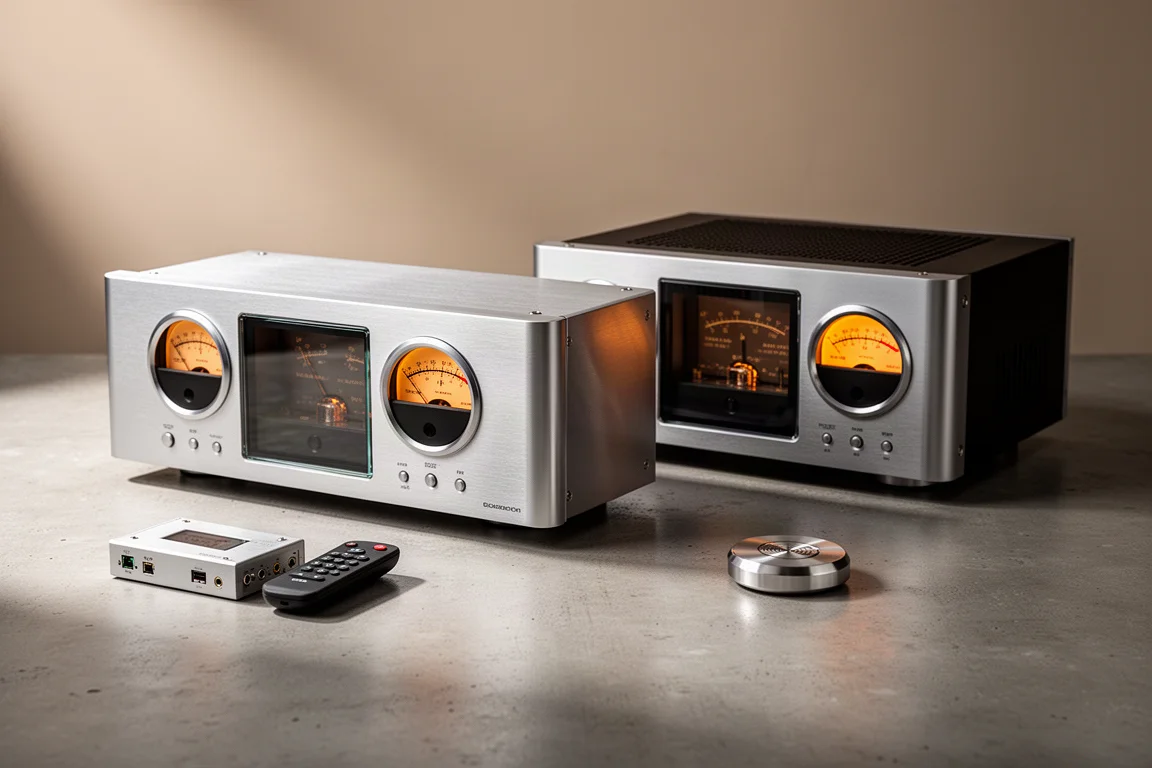
Advance Paris Nova Range Review: AI130, AI190 and Modular Upgrades
A practical look at the Advance Paris Nova range, including the AI130 and AI190 integrated amplifiers and the modular streaming, Bluetooth and remote accessories that expand them.