Integrated Amplifiers
Rotel A11 Mark II Review: Clean, Dynamic Two-Channel Sound for Simple Systems
A focused look at the Rotel A11 Mark II integrated amplifier: 50 watts per channel, a standout moving magnet phono stage, and the omissions worth weighing before buying.
Introduction
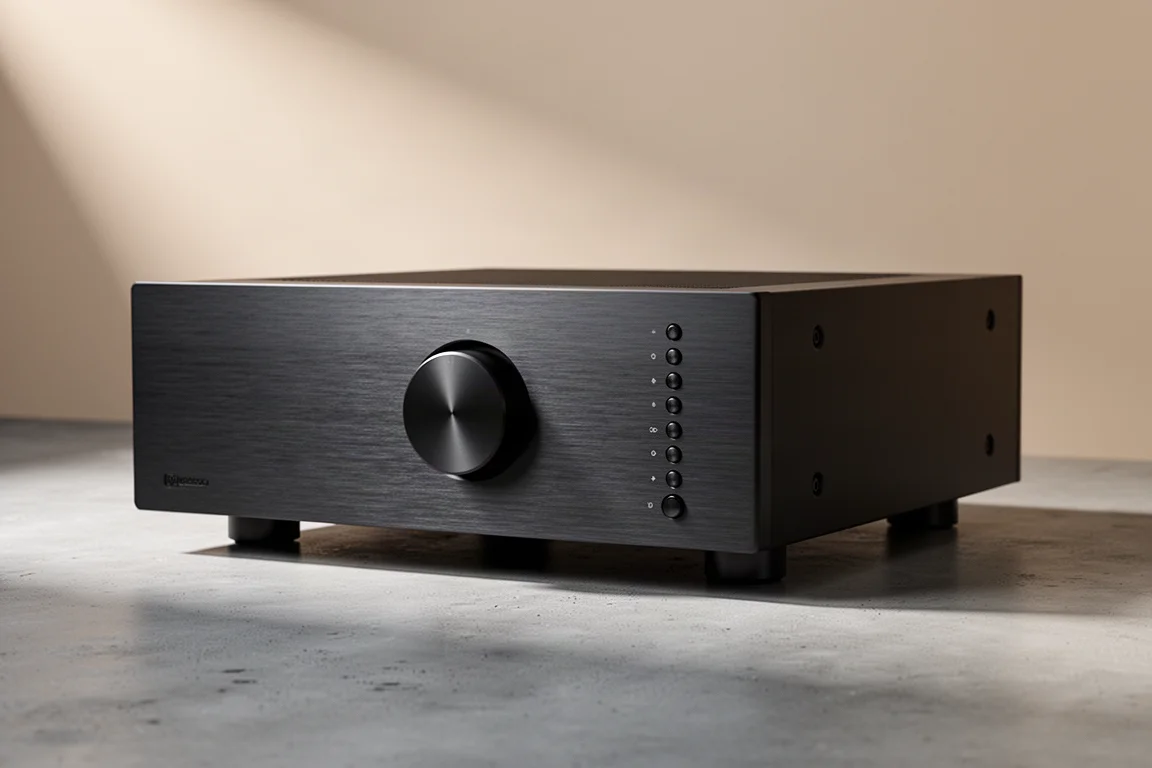
The Rotel A11 Mark II arrives at a price point where expectations run high and compromises are easy to spot. What it offers is a deliberately simple proposition: 50 watts per channel into 8 ohms with both channels driven, a class AB output stage, a moving magnet phono input, a built-in digital-to-analogue converter, and Bluetooth.
There is no screen, no room correction, and no streaming platform baked in. The A11 Mark II is built around the parts of a two-channel system that matter most, and the result is an amplifier that sounds considerably more expensive than its asking price suggests.
Who This Amplifier Is For
This is an amplifier for listeners who want one box to handle a turntable, a digital source, and a pair of speakers without adding a separate phono preamp or DAC. A moving magnet cartridge connects directly to the rear phono input, complete with a ground terminal, while digital sources can use the coaxial or optical connection. A 3.5 mm headphone output on the front panel means the same component can drive headphones late at night.
Power delivery is rated at 50 watts per channel into 8 ohms and about 62 watts per channel into 4 ohms, both with two channels driven. Those figures are quoted at 0.03% total harmonic distortion, which suggests the ratings are conservative rather than optimistic.
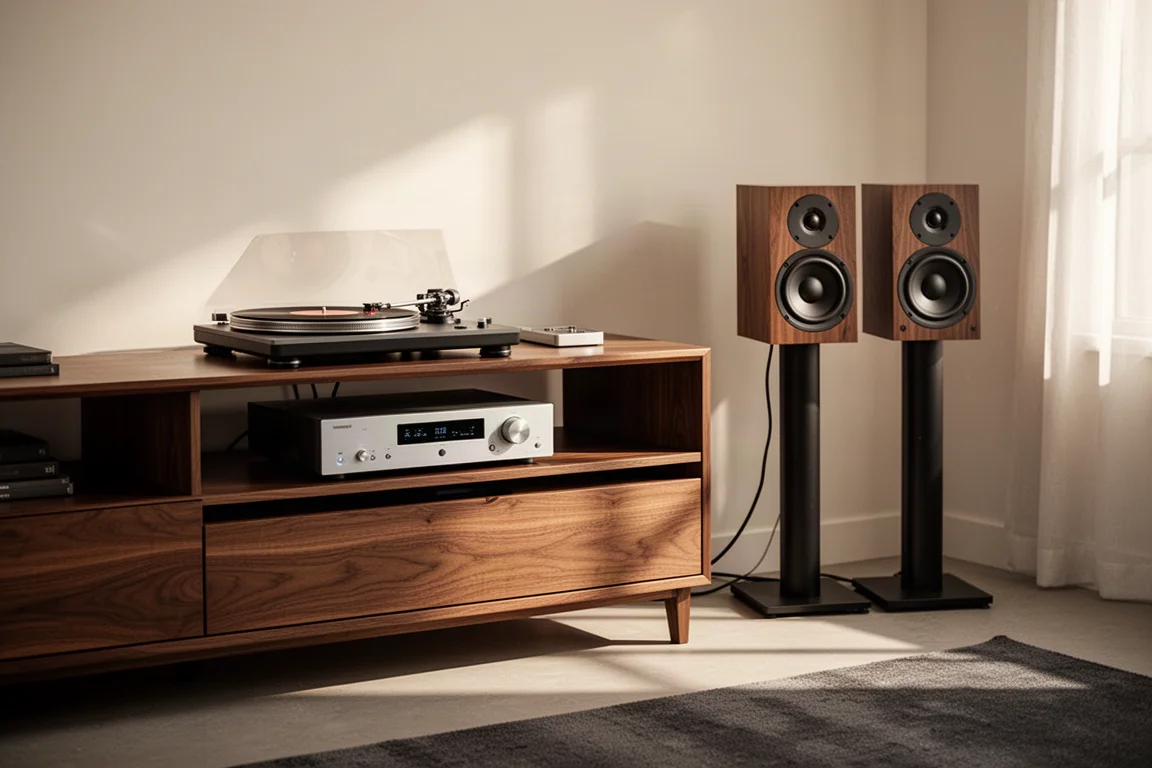
In practice the A11 Mark II drove 4 ohm bookshelf speakers to levels that were as loud as anyone would reasonably want, with listening sessions hovering around 90 dB before the volume came down. Owners of 8 ohm speakers at a similar price point will find the pairing equally comfortable.
Main Strengths
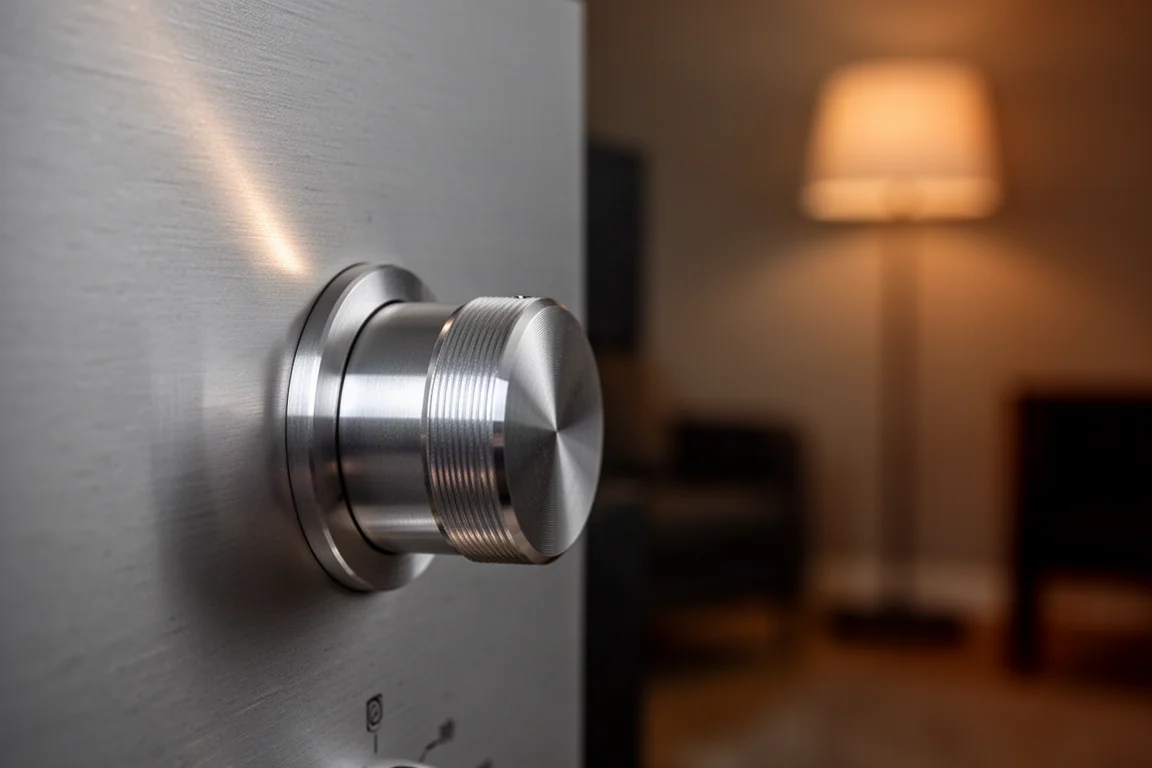
Build quality is the first thing that registers. The chassis is metal, the knobs have real weight, and the controls feel precise. At 17 inches wide, 2 7/8 inches tall, and about 14 inches deep, it follows traditional full-width component dimensions, so it slots into a standard rack or shelf without drama.
The design is understated to the point of looking slightly retro, but nothing about it feels cheap. Front panel controls run from a latching power button that lets the amplifier drop into a sleep state rather than switching fully off, through balance, bass, and treble knobs, to a large volume dial and a row of input selector buttons.
Sound Character and Dynamics
The A11 Mark II sounds clean, open, and airy, with a transparency that lets differences between sources come through clearly. It is a more dynamic amplifier than the earlier A11 Tribute while keeping the same clarity, and it does not appear to impose much of a character of its own on the music.
Compared with far more expensive balanced monoblock designs, the Rotel gives up some raw dynamic force, but it comes surprisingly close in cleanliness and openness. That is notable given that the A11 Mark II runs single-ended rather than balanced or differential.
The bass and treble controls are there for listeners who want them. They are not required to make the amplifier sound balanced, and a simple two-channel setup can be left flat.
The Phono Stage
The moving magnet phono stage is the standout feature. Against a well-regarded budget phono preamp, the Rotel was more dynamic, less boomy in the bass, cleaner through the midrange, and better balanced at the top. Vinyl playback through the A11 Mark II sounded quiet and composed, closer to high-resolution digital than to a typical budget analogue chain.
That level of performance makes the phono input genuinely useful rather than a box-ticking extra. It is capable enough that the amplifier’s price looks different once the cost of a separate phono stage is factored in, and it rewards a turntable upgrade rather than holding one back.
Connectivity, Inputs, and Build
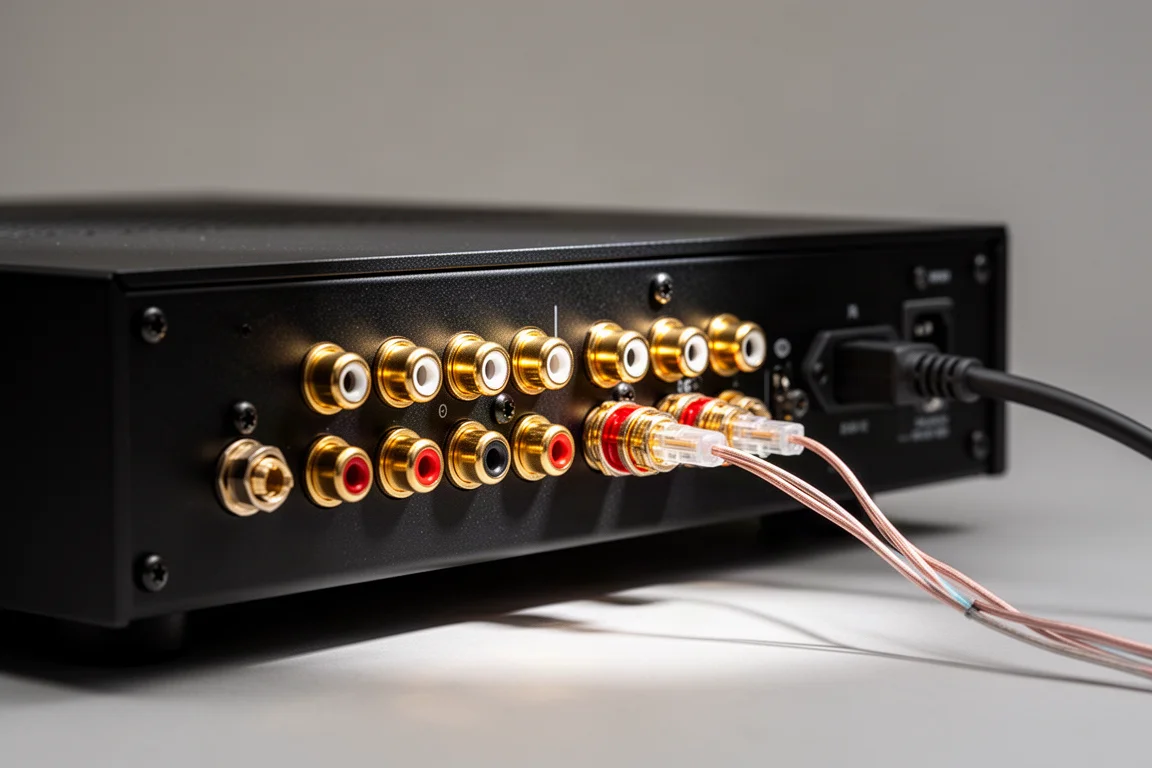
Around the back, the A11 Mark II covers the essentials without excess. Four unbalanced stereo RCA line inputs handle CD players, tuners, and auxiliary sources, and the phono input sits alongside its ground terminal. Digital connections are limited to one coaxial and one optical input, while Bluetooth adds a third wireless path with support for aptX HD and AAC.
Power control options include signal sense and auto power down, with a setting that disables both. Two 12 volt trigger outputs on 3.5 mm jacks can switch on a matching source component, and speaker binding posts plus an IEC power inlet complete the layout.
The internal DAC is a 32-bit/384 kHz design. Streaming through the amplifier’s own digital-to-analogue conversion sounded slightly cleaner than feeding the same streamer in through the analogue inputs, though the difference was modest rather than dramatic.
Things to Consider Before Buying
The most significant omission is the lack of a subwoofer output or a preamp output. Subwoofers that accept speaker-level inputs can still be connected, but anyone planning to add a powered subwoofer through line-level connections will need a different approach.
The remote control is a straightforward plastic unit that takes standard batteries. There is no display, no app, and no streaming built in, so anything beyond Bluetooth has to come from an external source. Listeners who prefer a purist signal path may also object to the presence of tone controls, though they can be left untouched.
Finally, the styling is deliberately traditional. It matches the brand’s matching CD player, but it will not suit a system built around modern minimal aesthetics.
Buying Advice
Below the thousand dollar mark, the A11 Mark II delivers sound quality that stands out in its bracket. Its combination of a strong phono stage, a capable internal DAC, and a quiet, open power supply makes it an easy recommendation for a simple two-channel system.

Compared with a similarly rated budget integrated amplifier costing less than half as much, the Rotel was better in every category, and the cheaper amplifier sounded harsh alongside it. A variable loudness control on the budget option can approximate some of that warmth, but it cannot match the Rotel’s openness.
If your system needs bass management, preamp outputs, or a wider spread of digital inputs, look at amplifiers with more features. If you want a clean, uncluttered two-channel amplifier that handles vinyl and digital sources well and does not demand constant attention, the A11 Mark II is one of the strongest options in its price range.
Conclusion
The Rotel A11 Mark II succeeds by doing a small number of things very well. It delivers 50 watts per channel of class AB power, adds a genuinely impressive moving magnet phono stage, and stays quiet and transparent from top to bottom. Its limitations, chiefly the missing subwoofer and preamp outputs, are easy to identify in advance, which makes the buying decision straightforward. For listeners building a focused two-channel setup under a thousand dollars, it deserves serious consideration.
Product link
View more details for Rotel A11 Mark II
This product is mentioned in the review. Check the specifications, options, and compatibility before buying.
View more details for Rotel A11 Mark IIFurther reading
Related Reviews
Integrated Amplifiers
Advance Paris A10 Classic Review: Vintage Looks and a Lively, Punchy Sound
The Advance Paris A10 Classic pairs glowing blue VU meters and a tube stage with one of the widest input sets on any integrated amplifier. Here is what it does well and what to weigh before spending $2,500.
Integrated Amplifiers
Advance Paris A12 Apex Review: A Modern Integrated Amplifier With Vintage Character
A dual mono integrated amplifier with 180 watts per channel, a tube front end, VU meters, and a connectivity list that covers turntables, televisions, computers, and headphones.
Integrated Amplifiers
Advance Paris Nova Range Review: AI130, AI190 and Modular Upgrades
A practical look at the Advance Paris Nova range, including the AI130 and AI190 integrated amplifiers and the modular streaming, Bluetooth and remote accessories that expand them.