Hi-Fi Audio
Rotel A11 Mark II and CD11 Mark II Review: Affordable Hi-Fi That Keeps Things Simple
A close look at Rotel's $700 A11 Mark II integrated amplifier and $600 CD11 Mark II CD player, including how they pair with demanding speakers.
Introduction
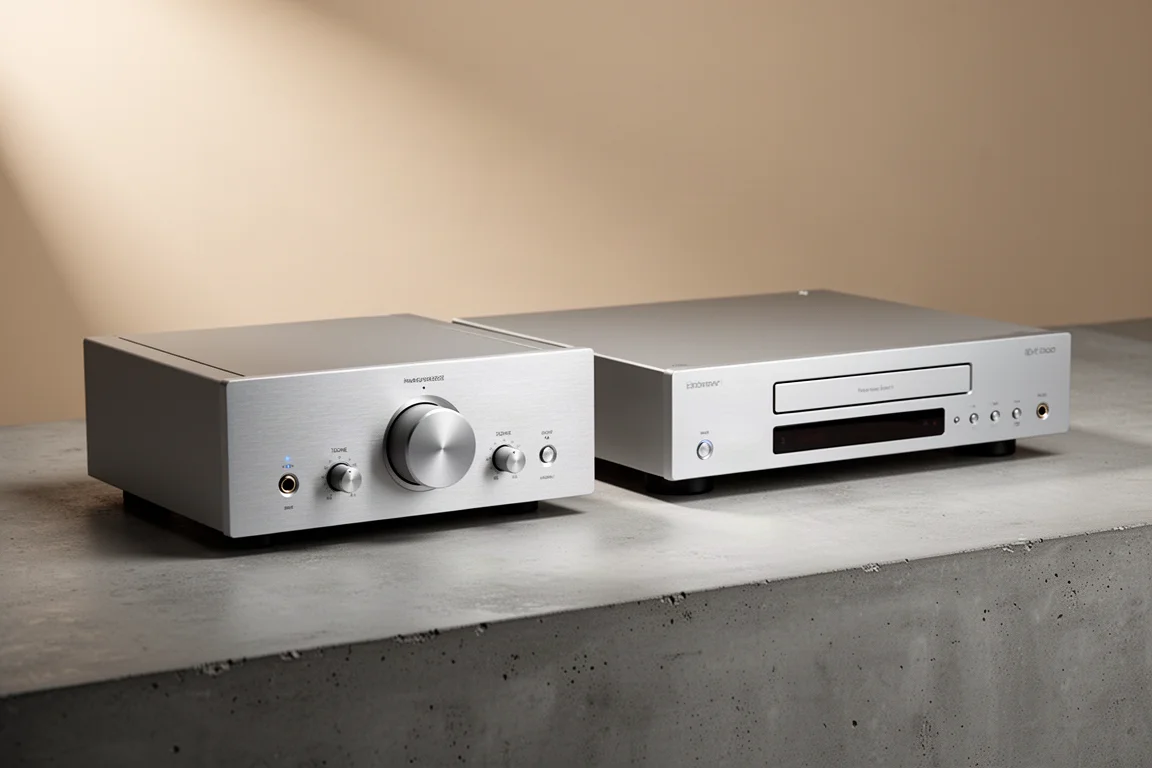
The Rotel A11 Mark II integrated amplifier and the Rotel CD11 Mark II CD player sit in the part of the market that is hardest to get right: genuinely affordable separates that still feel like serious hi-fi. The amplifier sells for $700 and the CD player for $600, and both are available in silver or black.
What stands out first is how little explaining they need. The controls sit where you expect them, the layouts are clean, and you can start playing music without working through an owner’s manual.
What Both Rotel Components Share
Both components use a low-slung chassis with clean lines, and both are built around parts that Rotel specifies rather than buys off the shelf. The amplifier’s power transformer is a proprietary design made specifically for Rotel, and the CD player’s laser mechanism is likewise proprietary.
The two also share a digital foundation. The A11 Mark II’s built-in DAC is a 32-bit, 384kHz Texas Instruments design, and the CD11 Mark II uses the same chipset.
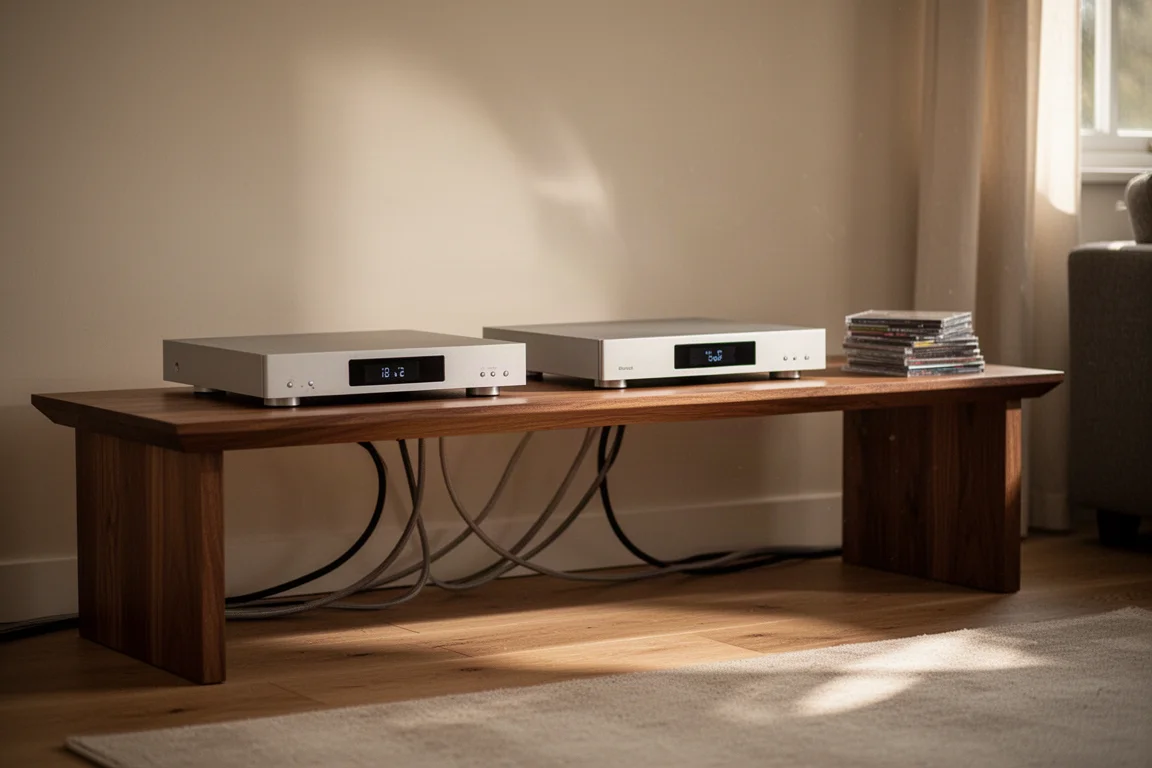
The supplied remotes are the weakest part of the package. The labeling is difficult to read, the buttons are small, and there is no backlighting. They are about average as remotes go, not a reason to avoid either product, but worth knowing before you buy.
Rotel A11 Mark II: Integrated Amplifier
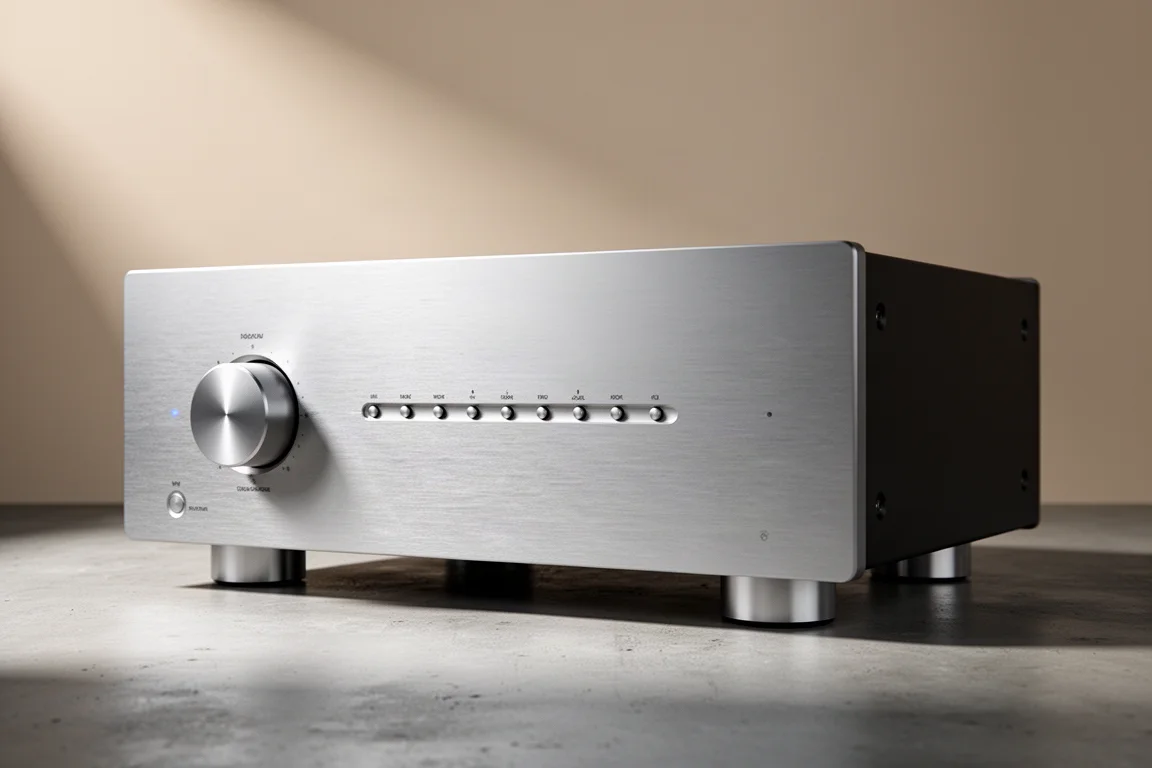
The A11 Mark II is a Class AB design rated at 50 watts per channel into 8 ohms and 62 watts per channel into 4 ohms. It does not double its output into 4 ohms, and Rotel does not pretend otherwise. In practice that number matters less than it looks: the amplifier drove 4-ohm, low-sensitivity speakers without trouble.
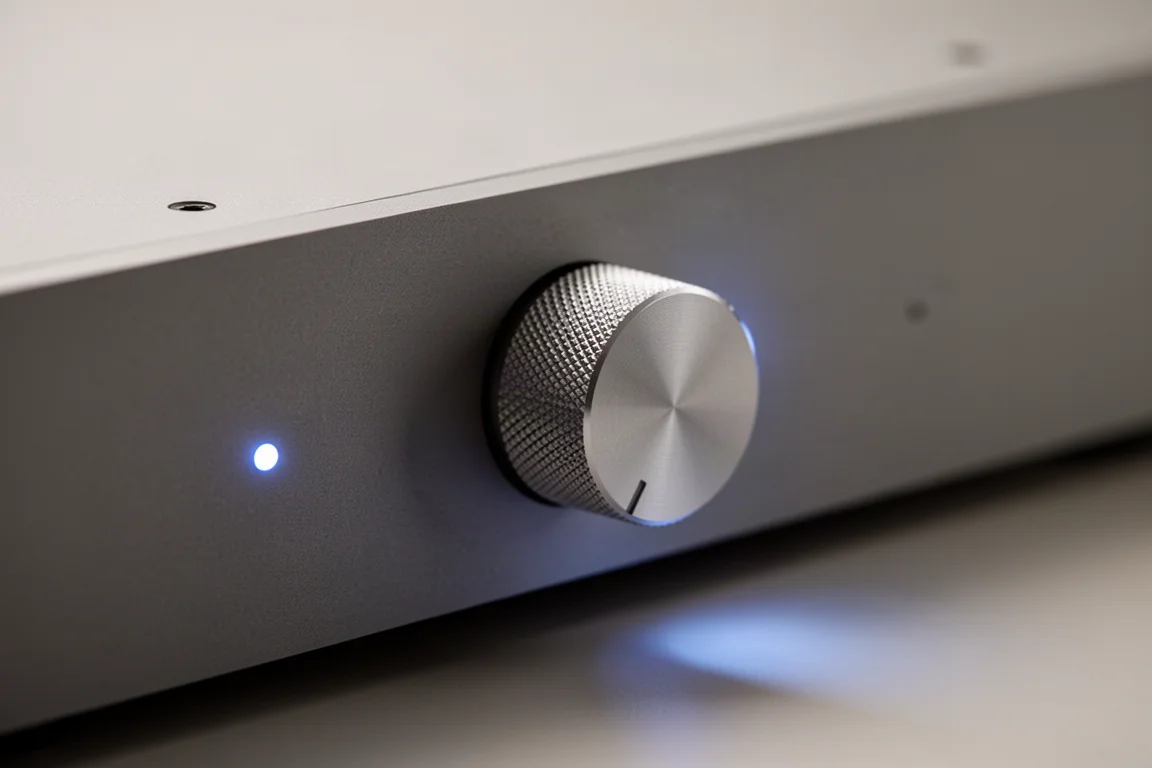
The front panel carries a 3.5mm headphone jack, real bass and treble knobs, and a volume control with feel that is well above average for the price. A small blue LED near the volume knob shows the setting from across the room when nothing is playing.
Around the back there is a moving-magnet phono input, three line-level inputs, coaxial and optical digital inputs, and Bluetooth for background listening. Inside, the power transformer is generously sized and the heatsink is built to keep the output transistors cool.
There is also a step-down model, the A10 Mark II, which is identical apart from the built-in DAC. That means no digital inputs and no Bluetooth, and it costs $600 instead of $700.
Rotel CD11 Mark II: CD Player
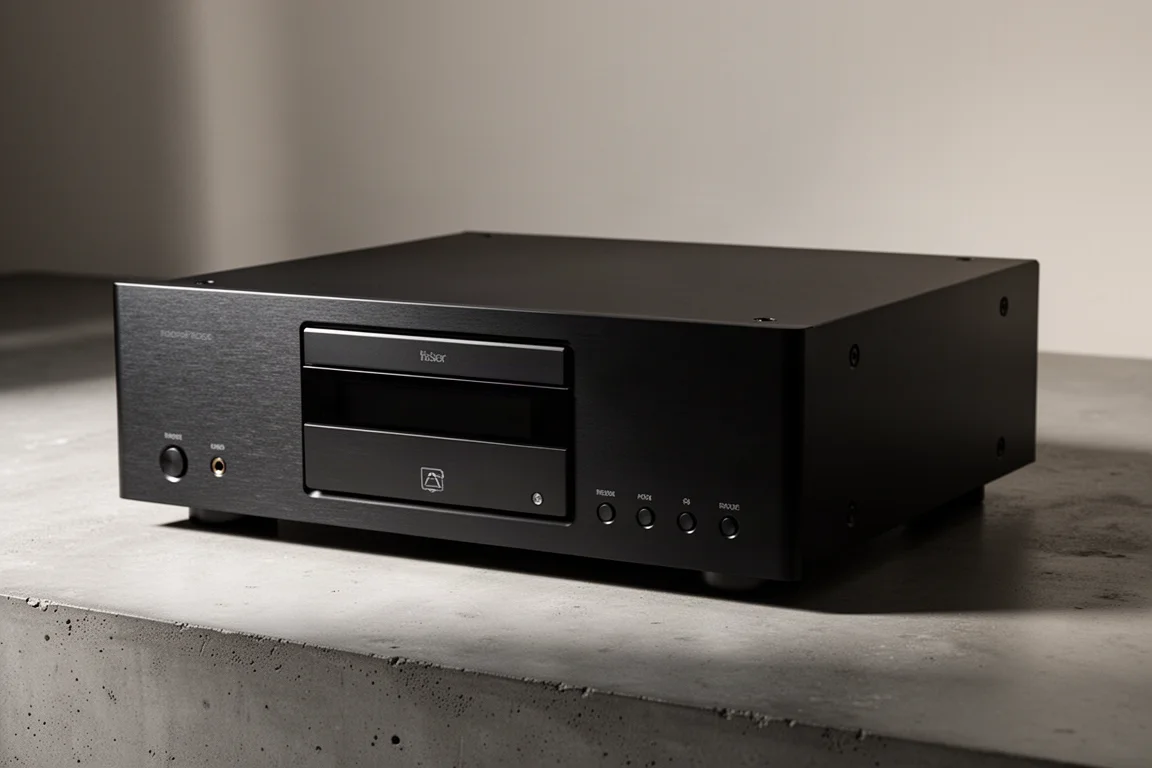
The CD11 Mark II is a CD player, not a transport. Its loading tray glides smoothly, and the laser mechanism is a Rotel-specific part rather than a generic assembly. The back panel is deliberately sparse: a set of analog outputs and a coaxial digital output.
At $600 it sits alongside the amplifier as an approachable entry into separates, and like the amp it comes in silver or black.
Listening Notes and Speaker Pairings
Three very different speakers made the rounds. The first was a high-sensitivity Zu Dirty Weekend Six, an easy load that let the amplifier play extremely loud without strain. The second was the Magnepan LRS Plus, a low-sensitivity, low-impedance design. Bass was not the deepest and the combination was not especially punchy, but clarity and detail were excellent, and adding a subwoofer filled in the bottom end.
The third was the KEF LS50 Meta, a low-sensitivity speaker with awkward impedance swings. On paper it should not have been a comfortable match for a 62-watt-per-channel amplifier, yet it turned out to be the best pairing of the three and the basis for most of the listening impressions gathered here.
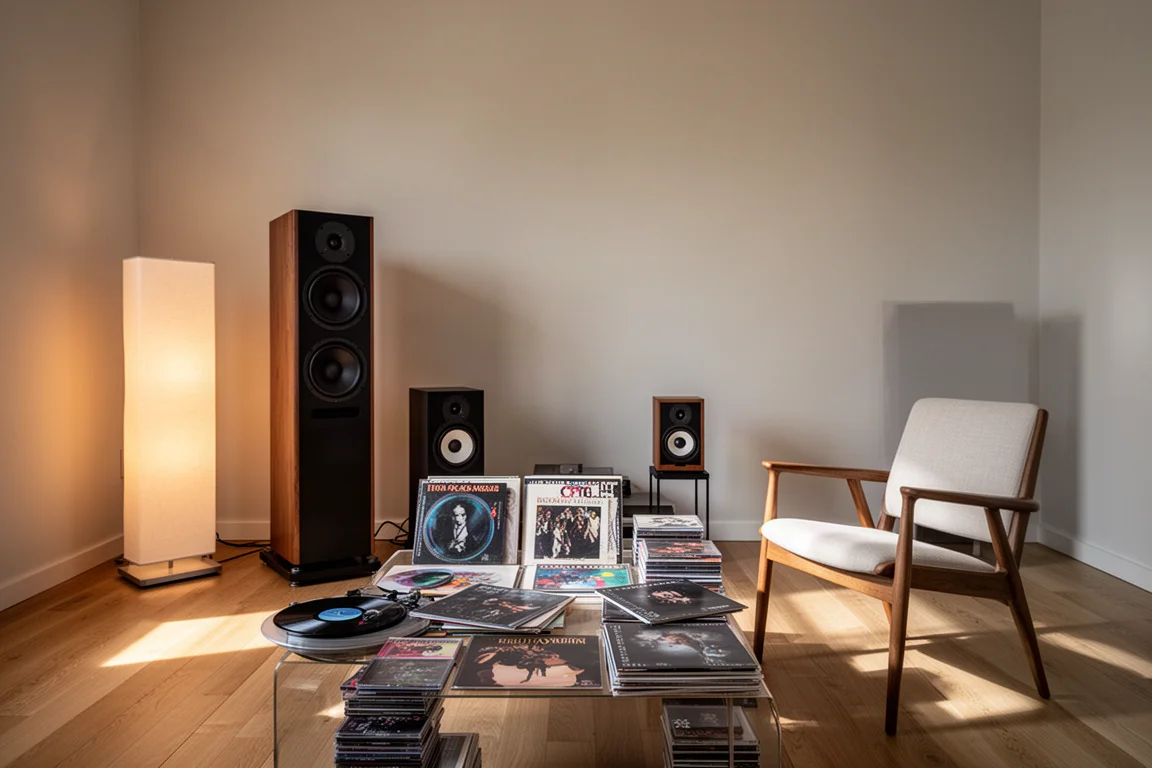
Musically, the sessions covered Otis Taylor’s contemporary acoustic blues on Telarc, the Soft Boys’ jangly 1980 British rock, Calexico’s Convict Pool EP, and a 1974 Bernard Herrmann film score recording. The Soft Boys disc, thin in the bass as many early-1980s recordings are, was a good demonstration of the tone controls: a nudge of the bass knob to about the three o’clock position made it far more comfortable.
How the Rotel Pair Compares With Alternatives
An external DAC made a clear difference. Feeding the amplifier from a separate DAC costing roughly the same as the amplifier itself produced a noticeably more three-dimensional sound with more weight and more bottom-end thrust. That result points in two directions: either plan on adding a better DAC later, or buy the A10 Mark II without the built-in DAC and put the $100 saving toward one.
A more expensive 50-watt integrated amplifier, the French-built Atoll IN50 Signature at around $1,200, sounded more dynamic, more powerful, and sweeter at the top. The Rotel is still a genuinely nice-sounding amplifier in its own right; the gap simply reflects what the extra money buys.
On the disc side, an older Blu-ray player used only for CDs sounded darker and smoother, while the CD11 Mark II was clearly more transparent, more detailed, and more open. The phono stage was the one disappointment: with a high-output cartridge the sound was mushy, so a different cartridge pairing may be needed. The headphone output, used with a pair of Sennheiser headphones, was average rather than special.
Buying Advice
Buy the A11 Mark II if you want a single box that handles a turntable, digital sources, and Bluetooth, and if you would rather keep the system simple. Buy the A10 Mark II at $600 if you already own a good external DAC or plan to buy one, since the DAC is the only real difference between the two.
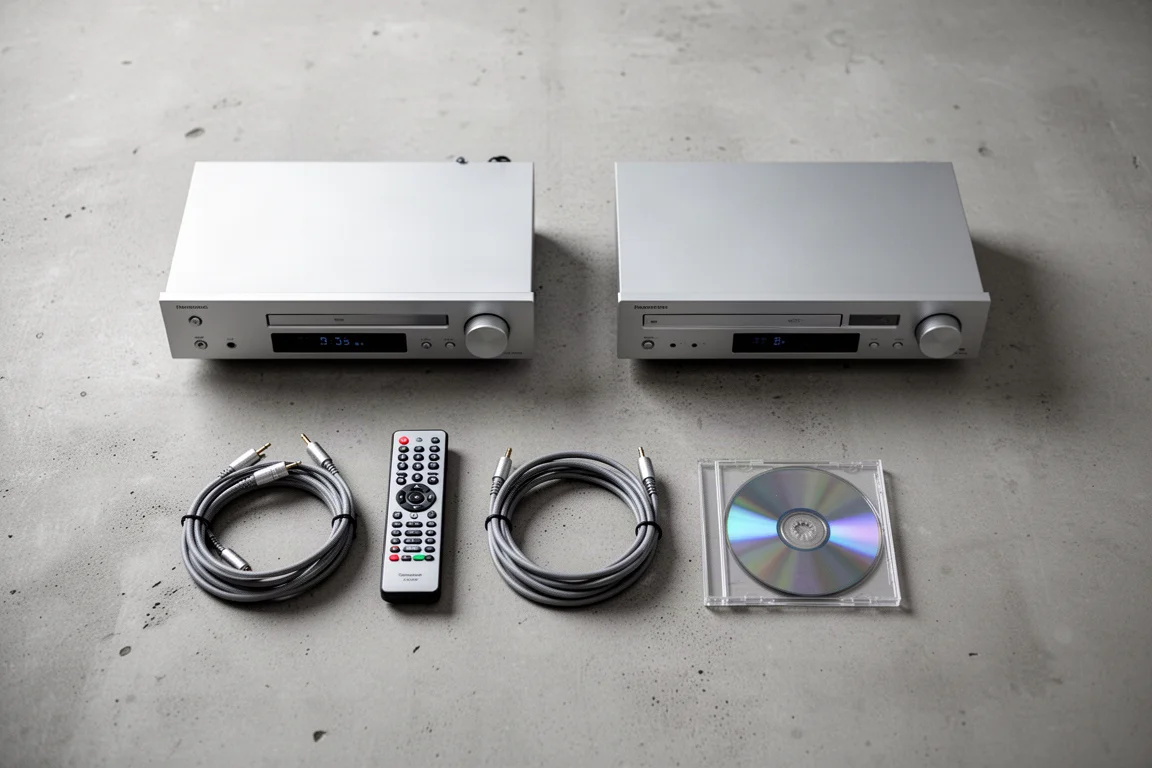
The CD11 Mark II makes sense for listeners with a CD collection who want a dedicated player with a clean, detailed presentation and a coaxial output for future flexibility. Together, the two Rotels cover a complete entry-level separates system, and either finish, silver or black, will sit quietly on a shelf.
Conclusion
These are two of the more convincing affordable components in a category that is not exactly crowded. They are simple to operate, they handled both easy and difficult speakers, and they made long listening sessions genuinely enjoyable rather than a chore. If the feature set matches how you listen, both are easy to recommend.
Further reading
Related Reviews
Hi-Fi Audio
Accuphase C-57 vs Allnic H-7000V: Two High-End Phono Stages Compared
A fully balanced solid-state phono stage with a pitch-black noise floor meets a tube design built for well-loved records. Here is how to choose between them.
Hi-Fi Audio
Active vs Passive Hi-Fi: Five Components for a Modern System
Five components that define modern active and passive hi-fi systems, with the strengths, trade-offs and setup details worth weighing before you buy.
Hi-Fi Audio
Advance Paris A10 Apex Review: A Hybrid Integrated Amplifier That Covers a Lot of Ground
A French hybrid integrated amplifier with a class A tube preamp stage, analogue power meters, and an internal DAC and phono stage good enough to make extra boxes unnecessary.