Hi-Fi Amplifiers
Rotel 1592 Mark II Review: A Neutral 200-Watt Integrated Amplifier
A close look at the Rotel 1592 Mark II, a 200-watt class AB integrated amplifier with a neutral, highly detailed sound and a broad feature set.
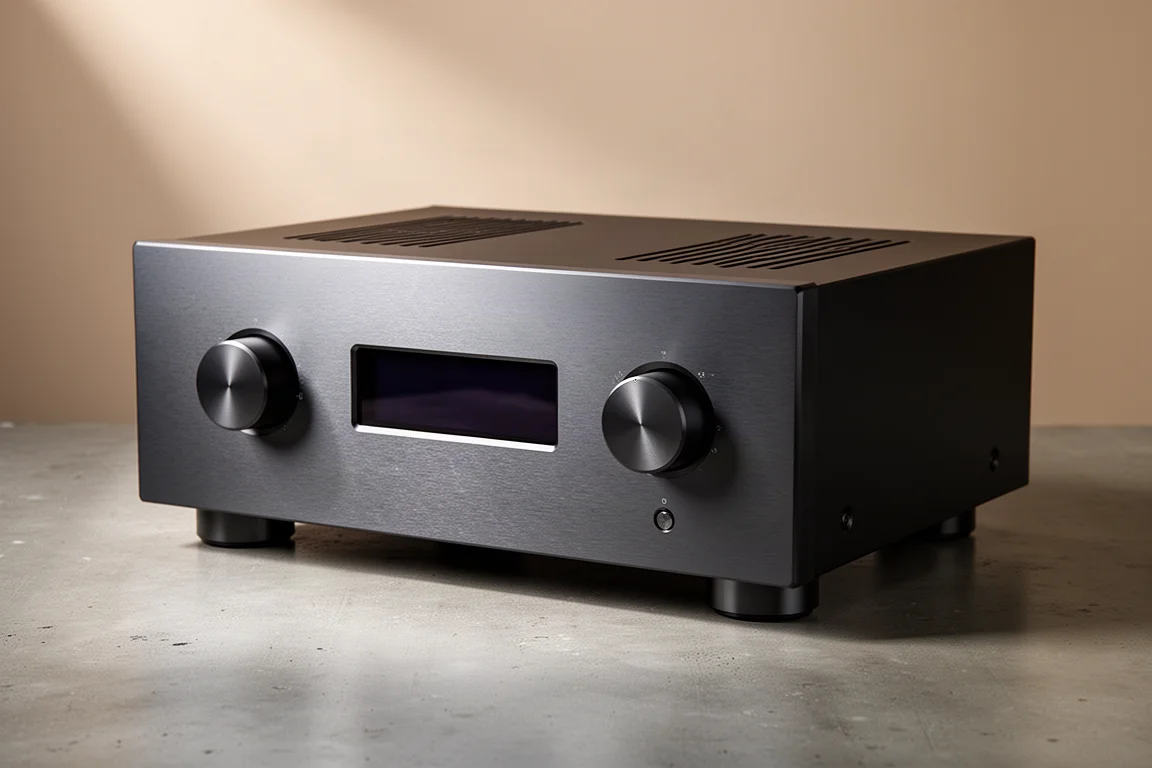
Introduction
The Rotel 1592 Mark II is a class AB stereo integrated amplifier rated at 200 watts per channel into 8 ohms and 350 watts into 4 ohms, with distortion kept very low. It is a genuinely full-featured design: analog and digital inputs, Bluetooth, a built-in phono preamp, and two complete sets of five-way binding posts.
One detail deserves attention early. The dual subwoofer outputs are separate from the preamp outputs, which means you can add a subwoofer and still feed an external power amplifier for extra headroom without choosing between the two. That flexibility is unusual at this level and it removes a common compromise.
Build quality is solid and confidence inspiring, the kind of amplifier that feels like it was made to stay in a system for years. The Mark II version does not look markedly different from the previous generation, which follows the consistent styling the brand applies across its range.
Who This Is For
This amplifier suits listeners who want a neutral, uncolored presentation rather than a warm or lush one. It does not behave like a tone control for your speakers: bright or forward speakers stay bright or forward, and laid-back or warm speakers stay laid-back or warm.
That makes it a natural fit for anyone who wants to hear the character of their speakers rather than the character of the amplifier. It is also a strong option for vinyl listeners, since the built-in phono preamp performs at a high standard, and for anyone who wants a single hub with a capable onboard DAC.
It is a less obvious choice for listeners who specifically want an amplifier to soften or romanticize the sound of their system.
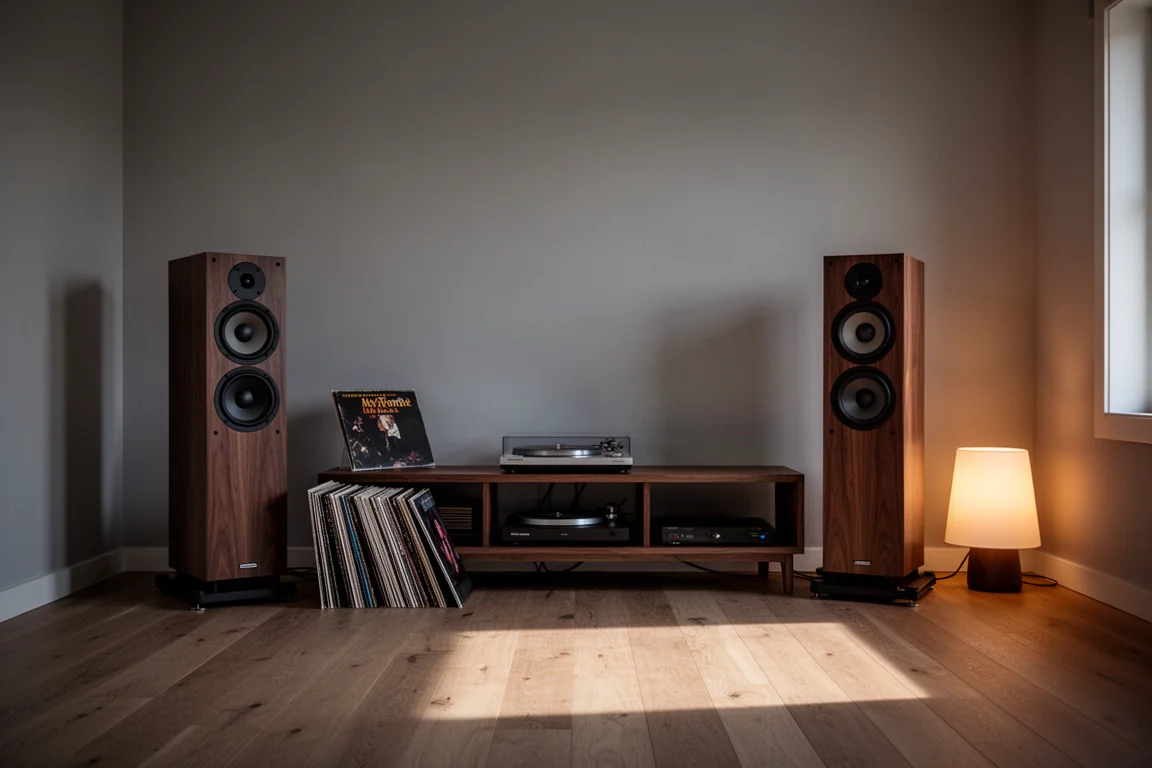
Pairing notes matter here. With demanding tower speakers, the Rotel has the reserves to get the most from large woofers and well-damped cabinets, which is exactly where this kind of power headroom shows up. Across a wide range of speakers, from compact stand-mounts to full tower designs, the presentation stayed confident and controlled.
Main Strengths
A handful of qualities separate this amplifier from the crowd, and they show up consistently regardless of the music or the speakers attached.
Sound Quality and Power
Bass performance is controlled and articulate. Kick drums, double bass, and bass guitars come across as plucky and immediate rather than plodding, and the amplifier’s lack of coloration in the low end keeps those instruments feeling fast. Against a considerably more expensive McIntosh 7200, the Rotel gets close: the McIntosh remains a touch more authoritative and better damped down low, but the gap is narrow.

Midrange performance is effortlessly detailed and focused, and the treble is resolving and nuanced. Listeners moving from a more veiled amplifier may hear more high-frequency information than before, though the Rotel itself does not add brightness; it simply separates and resolves finer detail. The soundstage is exceptionally well appointed, with boundaries that seem of little concern on capable speakers, and dynamics stay composed through orchestral swings and sudden loud passages without becoming sloppy or distorted.
Connectivity and Features
Analog and digital inputs, Bluetooth, a phono stage, dual subwoofer outputs, and preamp outputs cover the essentials of a modern system. The DAC is strong, and USB inputs unlock the highest bit rates, though differences between the digital connections are minimal in everyday listening. The amplifier is Roon Tested, so a Roon-equipped device such as a laptop can be connected and used as a source. For network streaming, an external streamer such as a Bluesound Node fills the gap that the amplifier itself does not.
Build and Design
The chassis is solid and confidence inspiring, with the sort of weight and finish that suggests long-term reliability. Two full sets of five-way binding posts make bi-wiring straightforward, and the rear panel is laid out for a system that may grow over time.
Things To Consider Before Buying
The most significant omission is HDMI. There is no HDMI or ARC input, which is surprising given how much of the modern feature set is otherwise present, and it is the single detail most likely to decide a purchase for anyone building a system around a television.
The front display is the other recurring complaint. It has a calculator-like look that feels dated next to the rest of the design, and the supplied remote does not match the standard of the amplifier itself: it is functional, but it feels like an older universal remote rather than an accessory designed for a premium component.
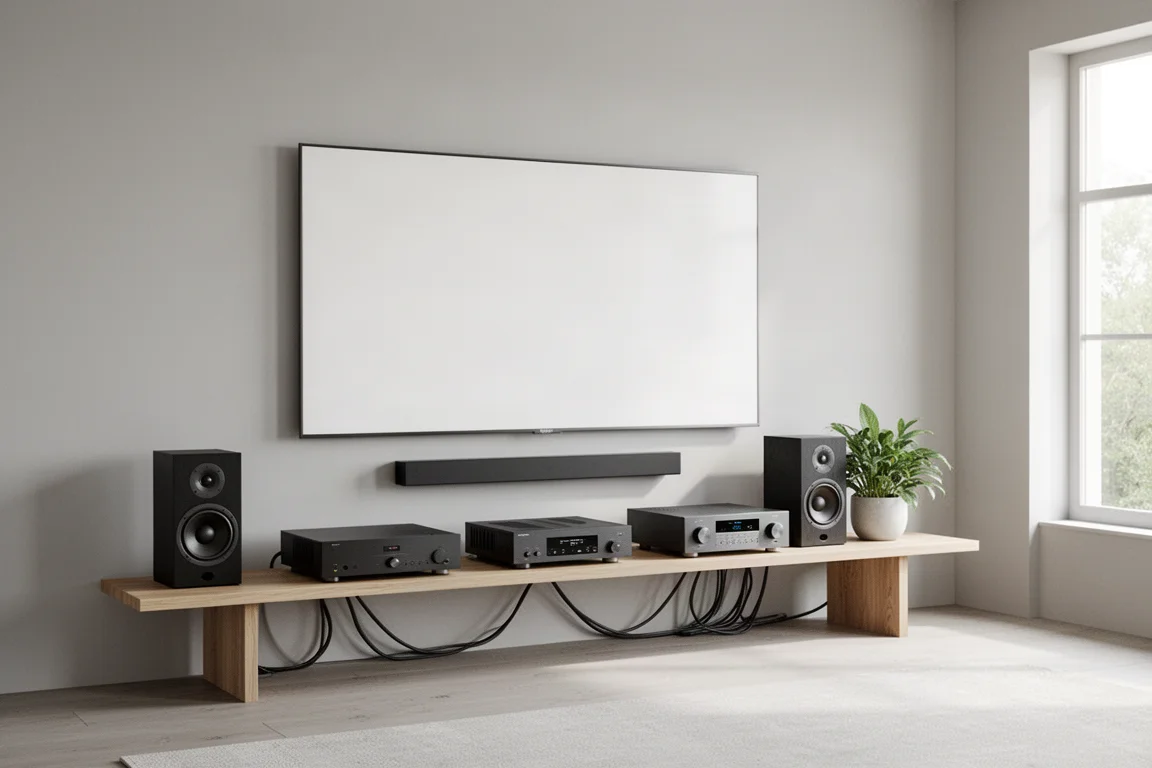
There is also no built-in music streaming, so network playback depends on an external device or Bluetooth. Finally, this is a physically substantial amplifier at a premium price, so it makes the most sense in a system built around capable speakers that can use the power on offer.
How It Compares
Against the Marantz Model 40n, the Rotel is the better amplifier sonically. It shows greater control over speaker drivers, which is immediately obvious on bass-heavy tracks, along with more high-frequency finesse and clearer soundstage definition and separation. The Marantz counters with HDMI and built-in music streaming, so the decision often comes down to whether sound quality or daily convenience matters more.
Against the Musical Fidelity M5si, the Rotel is again the stronger performer, with greater control, more detail, and a far broader feature set.
The Audiolab 6000A Play costs roughly a third as much and still impresses. It lacks the raw power to fully match the Rotel’s low-end grip with demanding tower speakers, but it is not embarrassed by the comparison. Used as a preamp with a pair of Emotiva XPA HC-1 mono amplifiers, it matched the Rotel in the bass while giving up little in detail. The Rotel remains the better overall option, but the margin is small.
Against Yamaha’s higher integrated models, the Rotel sits closer in performance and quality to the flagship AS3200 than to the more affordable models in that range.
Buying Advice
If sound quality is the priority and your speakers benefit from serious power, the Rotel 1592 Mark II is an easy recommendation. It offers a neutral, highly detailed presentation, firm bass control, and a feature set that covers analog, digital, phono, and subwoofer needs in one chassis.
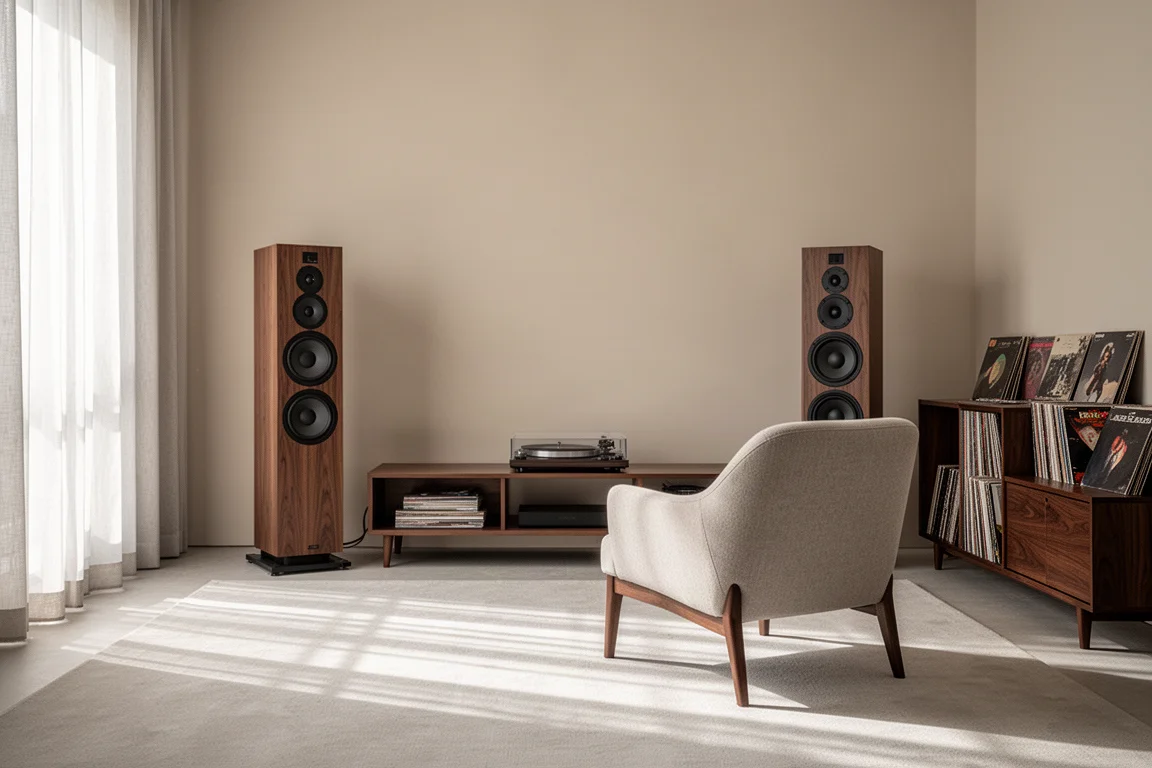
At around $3,200, it is a meaningful investment, and the missing HDMI input is worth weighing carefully if your system is shared with a television. Buyers who need HDMI switching or built-in streaming should look closely at the Marantz Model 40n, while those working to a tighter budget can consider the Audiolab 6000A Play and accept a reduction in power and low-end grip.
For listeners who want the most performance per dollar and do not need every convenience feature, the Rotel is the more rewarding long-term choice.
Conclusion
The Rotel 1592 Mark II delivers a neutral, resolving sound with excellent dynamics and driver control, and it does so with a build that feels made to last. Its shortcomings are practical rather than sonic: no HDMI, a dated-looking display, and a remote that does not match the amplifier it ships with. For a system where sound quality comes first, it earns a strong recommendation.
Product link
View more details for Rotel 1592 Mark II
This product is mentioned in the review. Check the specifications, options, and compatibility before buying.
View more details for Rotel 1592 Mark IIFurther reading
Related Reviews
Hi-Fi Amplifiers
Accuphase E-280 Review: Entry-Level Accuphase With Flagship Attention to Detail
A close look at the Accuphase E-280 integrated amplifier, covering its champagne build, AAVA volume control, sound quality, and the speakers and sources that suit it best.
Hi-Fi Amplifiers
Advance Paris A10 Classic vs Yamaha A-S301: Two Integrated Amplifiers Compared
A practical comparison of a $350 integrated amplifier and a $2,500 reference model, covering the differences that matter and the ones that do not.
Hi-Fi Amplifiers
Affordable Chinese Amplifiers Worth Buying: Five Budget Hi-Fi Amps Compared
A practical look at five affordable amplifiers, what each one does well, and the trade-offs to weigh before you buy.