Studio Microphones
Roswell Pro Audio Mini K Series: Four Large-Diaphragm Condensers Compared
Four American-assembled large-diaphragm condensers, all under $500, each built around a different capsule and circuit, and how to choose between them.
Introduction
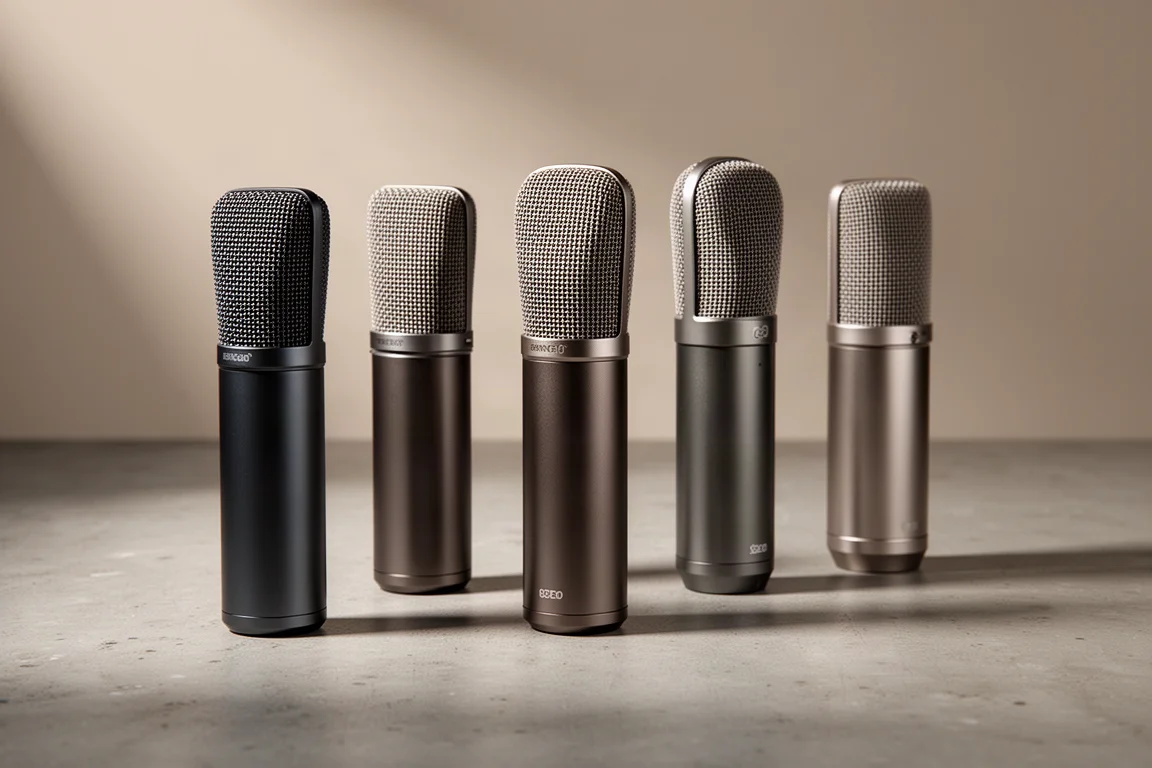
Roswell Pro Audio builds its microphone range around a simple premise: no single microphone flatters every source. The company takes its name from Roswell, New Mexico, and the Mini K series applies that thinking in a very literal way. Four short-body large-diaphragm condensers sit in the line, each using a different capsule and a different circuit, and all of them are assembled in California rather than imported. Every model in the series comes in under $500 in US pricing.
That much choice can look like a complication if you are buying your first serious studio microphone. In practice it works more like a painter’s brush collection. You reach for blue on one job and brown on the next, depending on what you are trying to paint, and the same logic applies to capturing a voice, a guitar or a drum kit.
The sections below cover what each model is designed to do, where it tends to shine, and which one makes the most sense as a starting point if you have no preference yet.
How the Mini K Series Is Built
In a large-diaphragm condenser, the capsule is the dominant factor in the sound, and the Mini K series uses a different capsule in each model. The circuits differ too, which is unusual for a product family at this price point. The result is four microphones that share a design language and a form factor while sounding distinctly different from one another.
Component choice matters as much as circuit topology. The company uses vintage film capacitors, older Japanese hi-fi resistors and surplus parts sourced from the US defense industry, an approach that grew out of its origins as a DIY microphone kit company. The practical payoff is a set of microphones with no switches and no pattern selectors to manage. You position the microphone, point it at the source and press record.
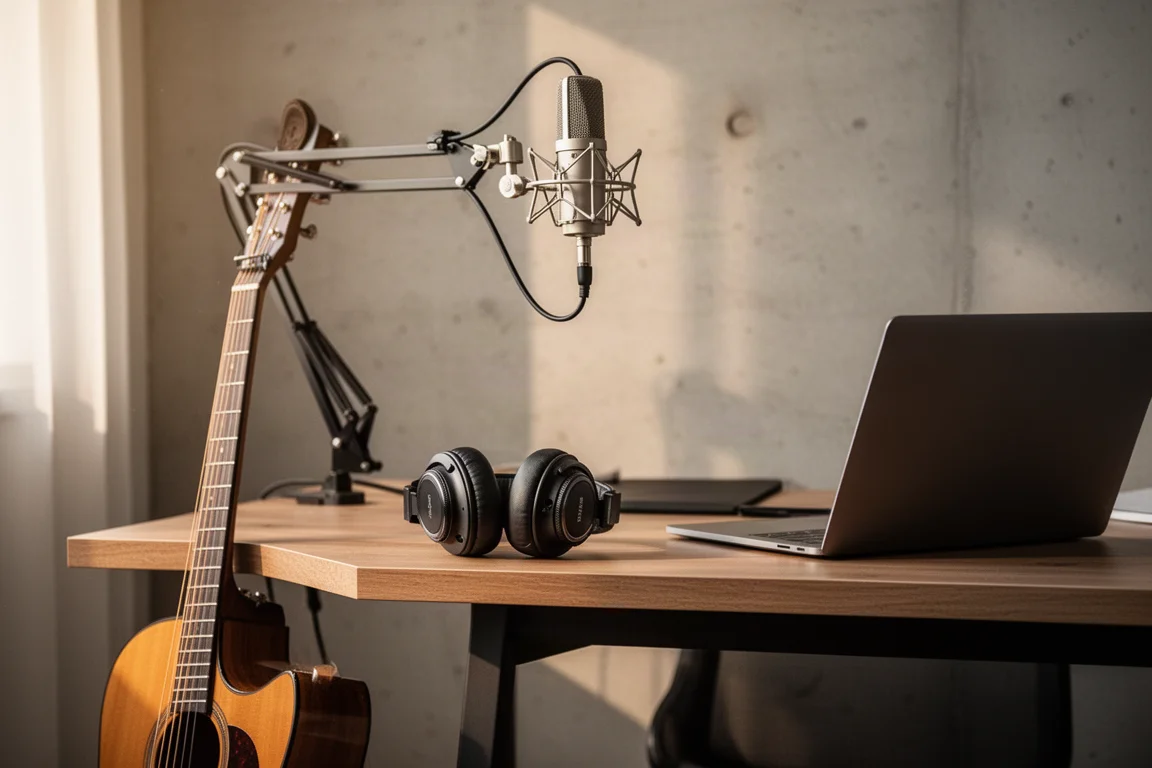
Each model ships with a shock mount and a protective case, so the accessories are not an afterthought. Transformer-based and transformerless designs both appear in the series, and the difference between them is audible rather than cosmetic. Transformerless circuits tend to deliver faster, more accurate transient response, while transformer circuits add a degree of transient compression alongside harmonic saturation.
Mini K87: The Neutral Starting Point
The Mini K87 is the most neutral microphone in the series and the sensible first choice if you have no strong preference yet. Neutral microphones complement a wide range of sources, whether that means a literal voice, a guitar or another instrument, which is why this model has found users across very different genres. Jazz saxophonist Ralph Moore uses it on saxophone, Canadian metal artist Devin Townsend uses it on his voice, and Los Angeles session bassist Mike Gorillas uses it on upright acoustic bass.
Neutrality is not the same thing as blandness. A microphone that sounds good on almost any source saves time in a session. When the only microphone available is noisy, overly bright, sibilant or thin in the low end, the work shifts from capturing a performance to repairing one with EQ and de-essing. The Mini K87 is built to avoid that situation, and it uses a transformerless circuit to do it.
Mini K47: Presence and Transient Speed
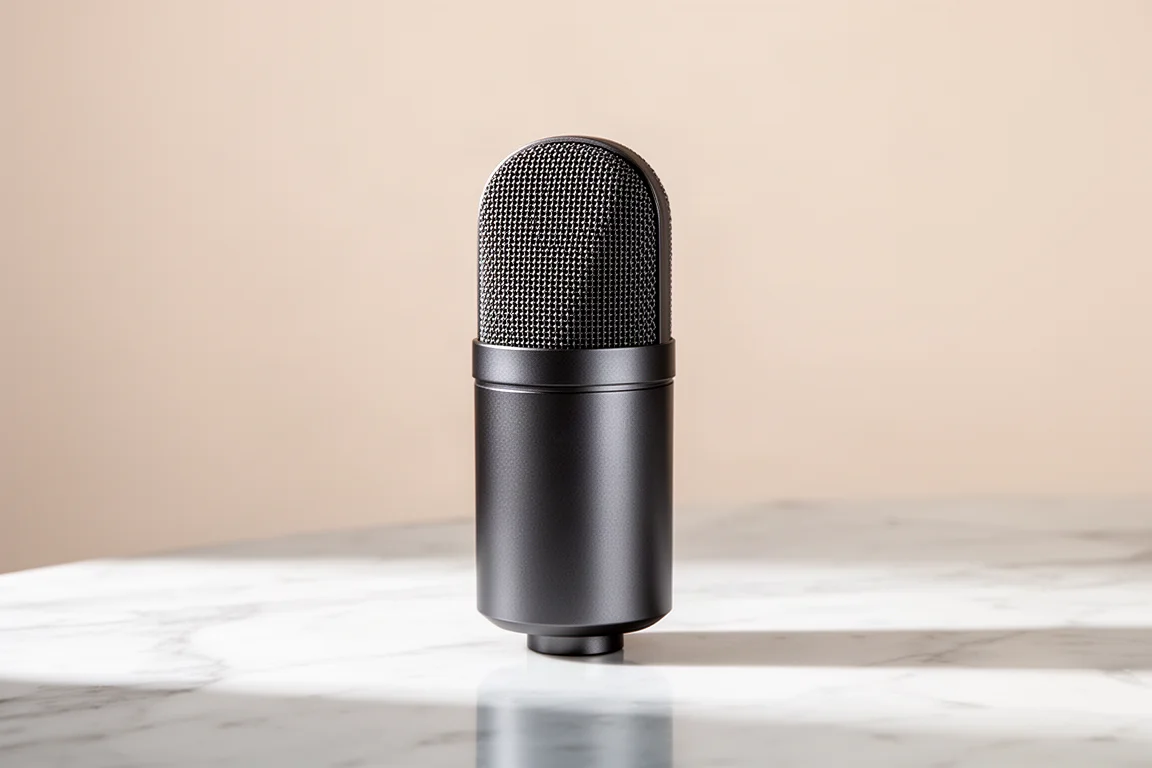
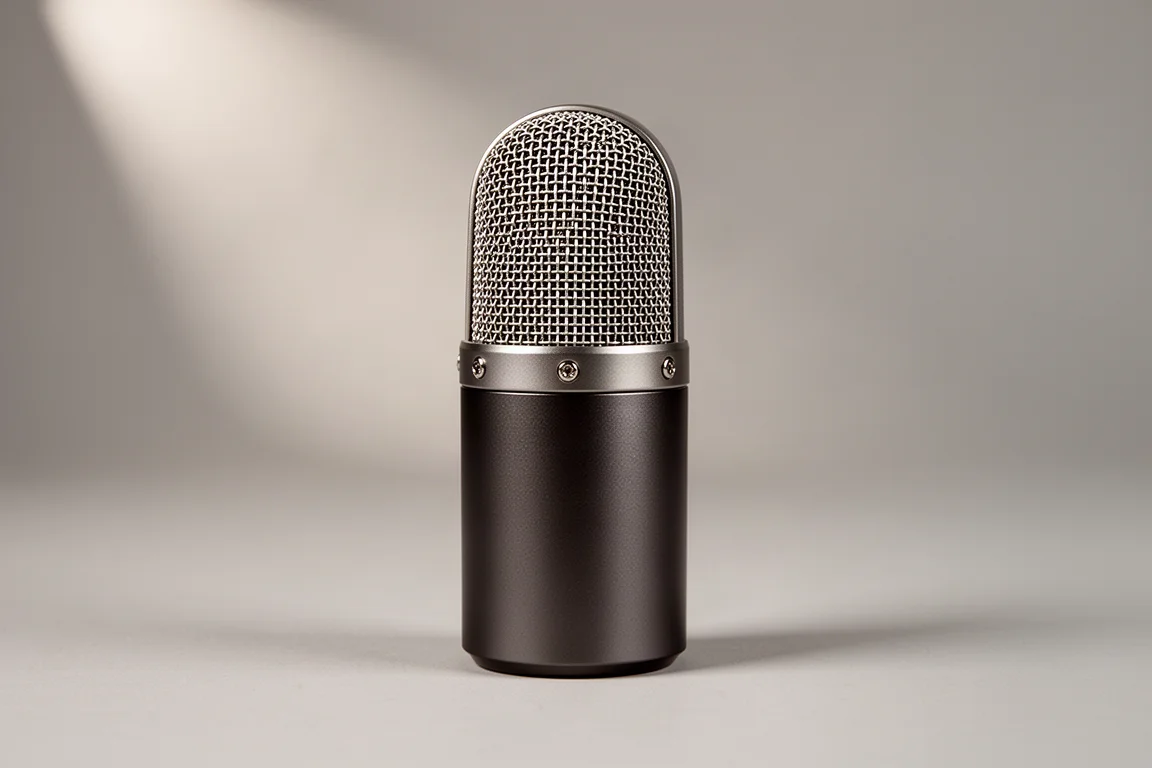
The Mini K47 takes a more coloured approach. Its transformerless circuit gives it fast, accurate transient response, and its frequency response carries an audible presence lift in the 4 to 6 kHz region. That band lines up with a sensitive zone in human hearing, and a lift there is what helps a source step forward in a mix. The character is comparable in spirit to the presence bump of a well-known dynamic microphone that most studios already own, although the Mini K47 has considerably more low end and more top end above that region.
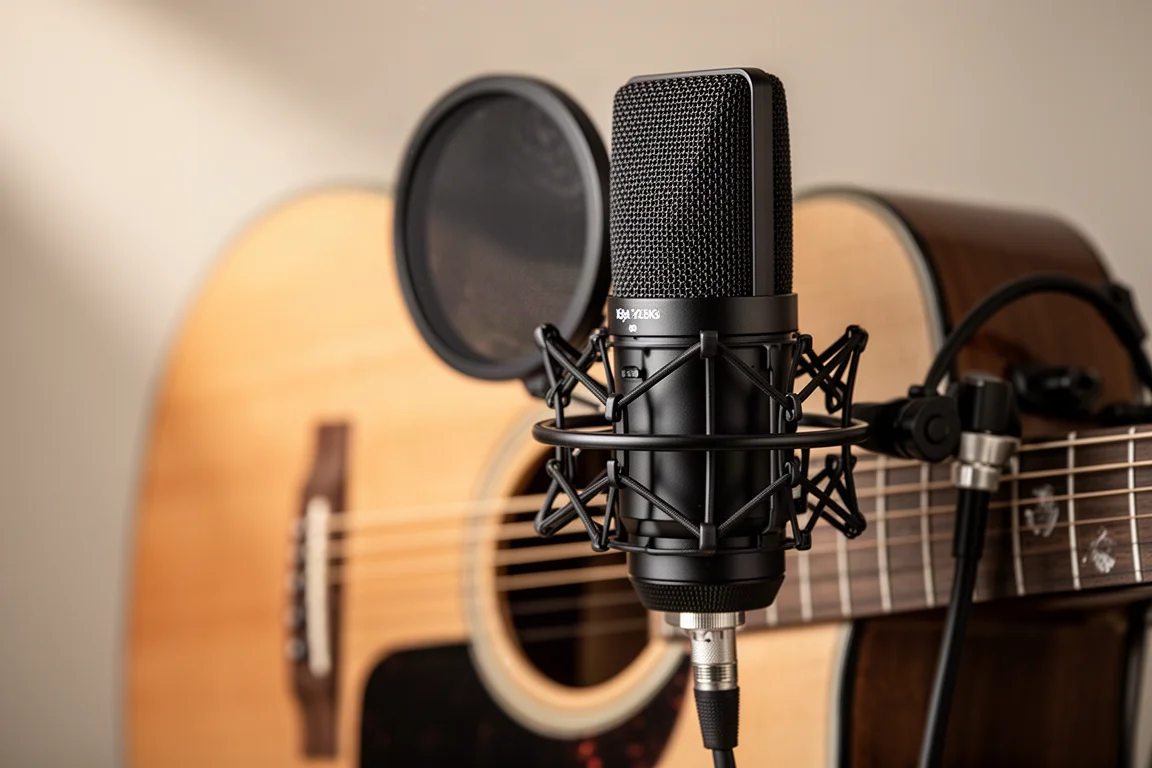
In practical terms, that lift can bring a guitar to the front of an arrangement, or give a thin-sounding voice more body. It is a more coloured microphone than the Mini K87, and that is exactly the point. On some sources it will sound like the obvious right answer, and on others it will be too much of a good thing, which is why the series includes both options.
Mini K47x: Milder Presence with Saturation
The Mini K47x shares the K47 capsule but is tuned differently, so the presence lift is gentler than on the standard Mini K47. It also adds the saturation circuit found in the Mini K67x, and like that model it uses a transformer-based circuit. The X in the name indicates the transformer.
Compared with the transformerless models, this one trades a little transient precision for harmonic content, which can be useful on sources that benefit from a richer, slightly compressed character. If the presence peak of the Mini K47 appeals to you but feels like too much on your particular voice or instrument, the Mini K47x is the gentler version of the same idea.
Mini K67x: Darker Tone and Harmonic Richness
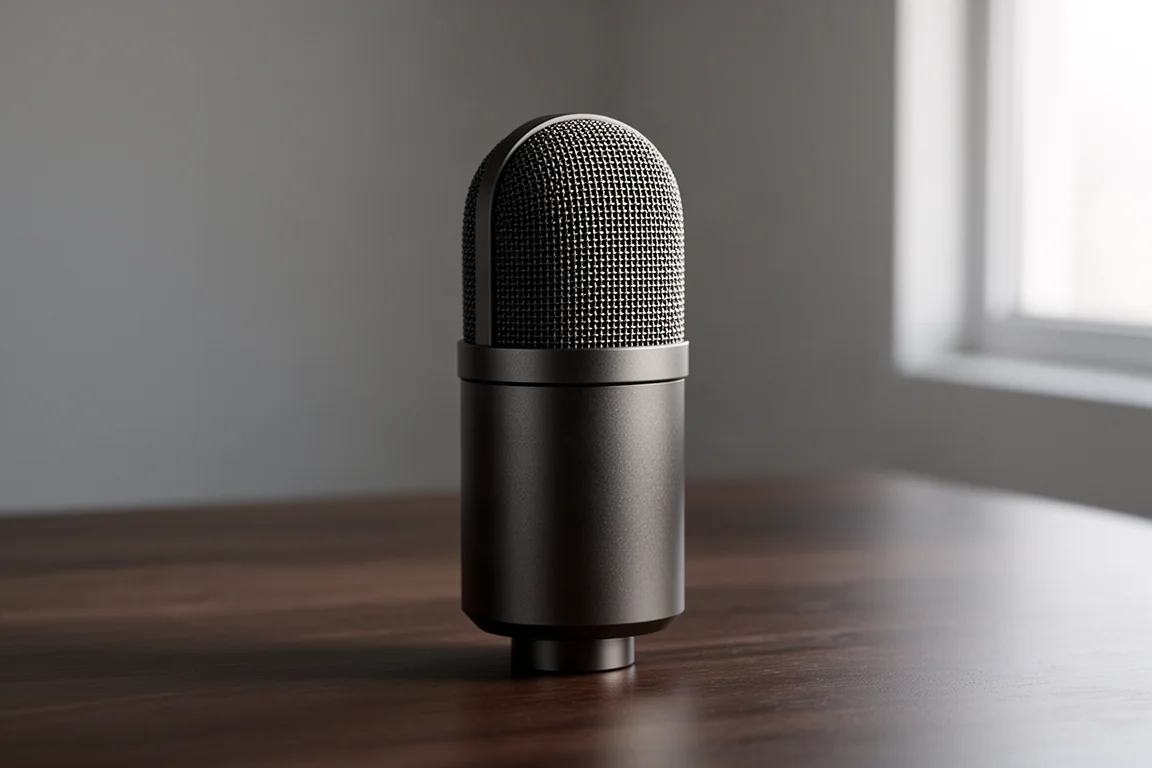
The Mini K67x is the darkest and most characterful model in the series. Its frequency response dips slightly around 2 kHz and again around 6 to 7 kHz, which is why it suits voices with nasality or sibilance, since those dips sit exactly where those traits live. The circuit is transformer-based and adds a musically useful amount of second harmonic distortion, which reads as richness or saturation rather than as an audible fault. Second harmonic content is generally the more musical kind, unlike third harmonic content, which can sound harsh or clash with the key of a performance.
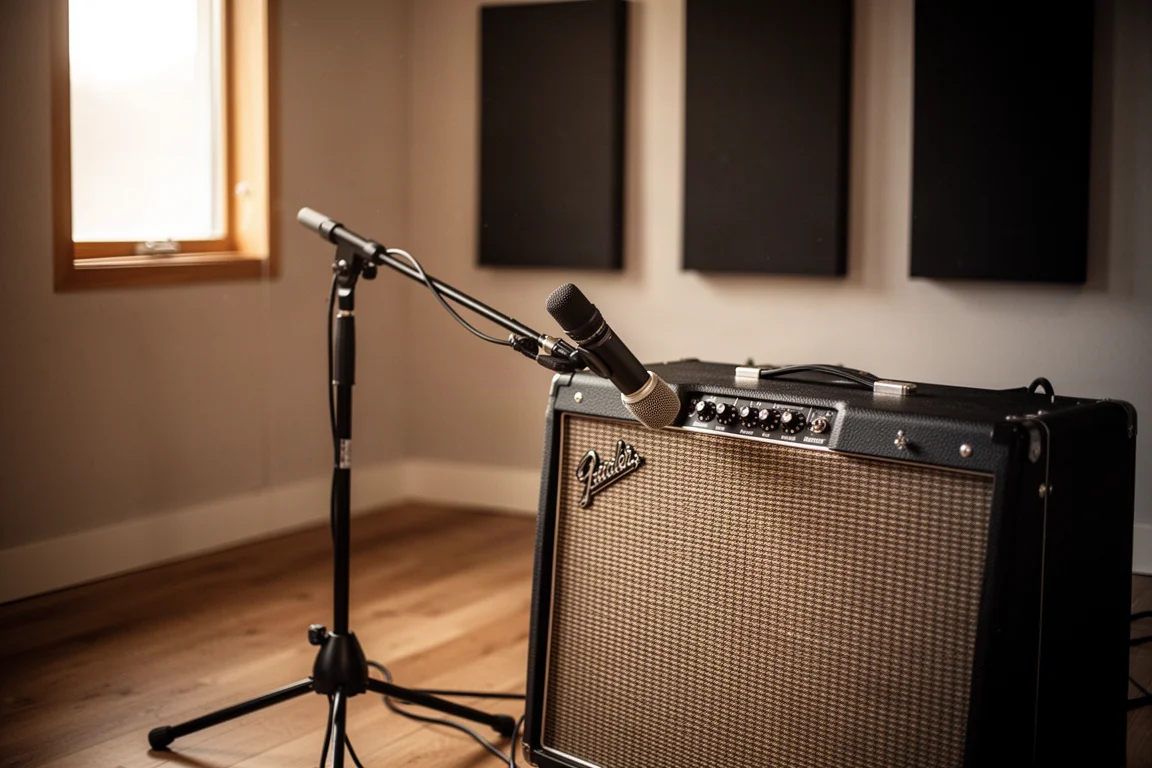
The same qualities make it a strong choice on guitar cabinets. Little Feat used a pair on both guitar cabs on tour. This is a microphone for sources that need smoothing or thickening rather than extra cut, and it rewards that pairing with a tone that sits comfortably in a dense arrangement.
Choosing Between the Four
If you want one microphone and no risk, start with the Mini K87. If you need a source to cut through a crowded mix, the Mini K47 is the model built for that job. If sibilance or nasality is the problem you keep fighting, the Mini K67x addresses it directly. If you like the K47 presence lift but want it milder and with saturation on top, the Mini K47x covers that middle ground.
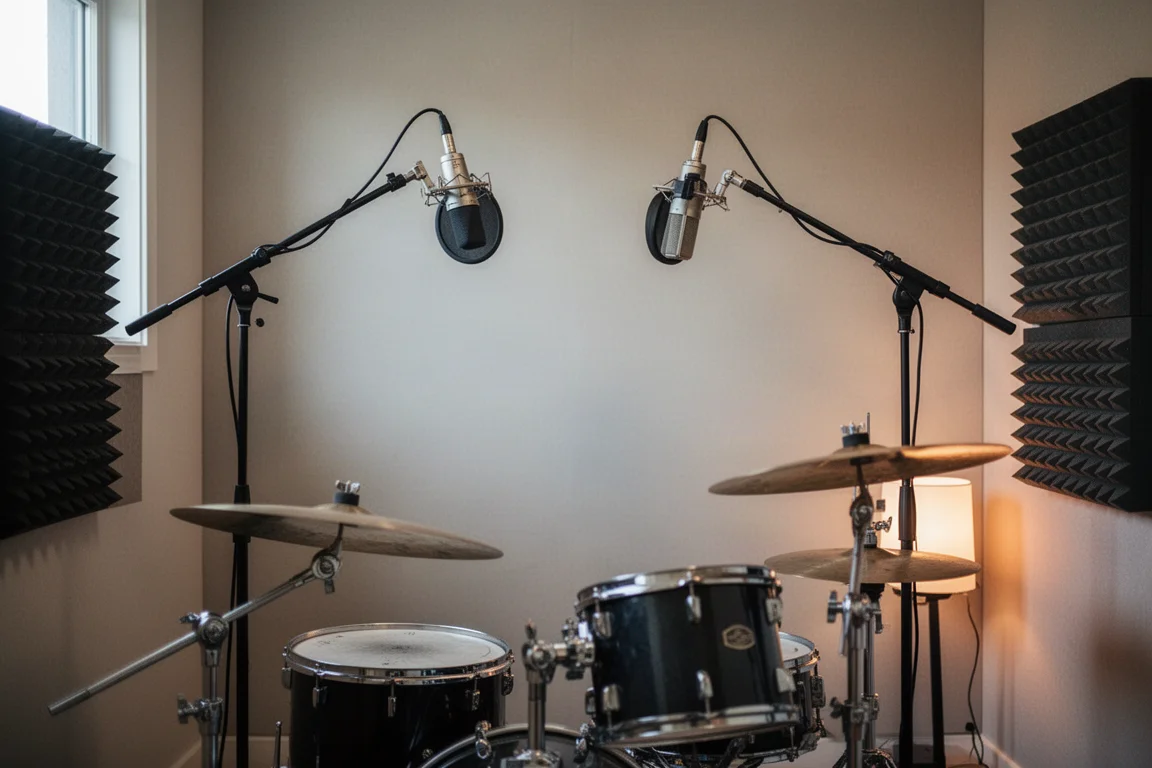
The line has also found its way onto records. Pianist Bill Payne of Little Feat keeps a pair on his home studio grand piano, and the band has used a pair on drum overheads. One model in the series has a polar pattern slightly narrower than true cardioid, which helps on overheads in small rooms because it picks up less of the sound reflecting off the walls.
Buying more than one of these is a real investment, and for drummers who need a full set of channels it is a significant one. The counterargument is that the entire series sits under $500 per microphone, which keeps the idea of building a small palette within reach rather than reserved for a commercial facility.
A useful shortcut when you are unsure is to find a demo of the microphone on a voice similar to the one you plan to record. If your voice is bright, listen to a bright voice. If it is dull or thin, listen to that instead. Choose the model that makes that kind of source sound better, and you are most of the way to the right decision.
What Comes in the Box and Where to Hear Them
Every Mini K microphone includes a shock mount and a case, and operation is deliberately simple. There are no switches and no pattern selectors, so setup is a matter of positioning and pressing record. That simplicity is a design decision rather than a limitation, since most multi-pattern microphones spend the vast majority of their working life in cardioid anyway.
Because judging a microphone from a specification sheet is close to impossible, the manufacturer publishes demo material, including standalone recordings where the same singer performs through each model for direct comparison. There is also a monthly live broadcast from a studio in Los Angeles called the Virtual Showroom, which mixes education on how to choose a microphone with demos and live performances, from singer-songwriters to jazz quartets and string sections. It is a practical way to hear how a given model behaves inside a full arrangement rather than in isolation.
Conclusion
The Mini K series is not a lineup of near-identical microphones with different price tags. Each model exists because a different capsule and circuit produce a different result, and the four together cover neutral, present, saturated and dark territory. Start with the Mini K87 if you want a safe, versatile first microphone, then add the Mini K47, Mini K47x or Mini K67x when you know which sources in your room need help. All four sit under $500, ship with a shock mount and a case, and are assembled in California, which makes the decision less about budget and more about the sound you are trying to capture.
Further reading
Related Reviews

Backpacking Gear
Building a 10 lb Base Weight: An Ultralight Backpacking Gear List
A practical walkthrough of the ultralight pieces behind a 10 lb base weight, from a 765 g pack and a roomy one-person tent to a full camp chair and a dependable water filter.

Road Bikes
10 New Road Bikes Worth Watching: Aero, Titanium, Steel and Endurance Standouts
A practical roundup of 10 new road bikes, from aero flagships chasing single-watt gains to titanium, steel and endurance platforms built for real roads.

Bikepacking Gear
11 Bikepacking Essentials for Long-Distance Cycling
Eleven bikepacking essentials for long-distance cycling, from a steel gravel frame and a two-person tent to helmet lights, packable gloves, and a frame bag that puts weight in the right place.