Hi-Fi Speakers
Rosso Fiorentino Arno 20 Review: A Compact High-End Speaker That Rewards Careful Matching
A close look at the Rosso Fiorentino Arno 20, a $7,000 compact loudspeaker with superb build quality, a resolving yet forgiving sound, and clear notes on amplification, stands, and room fit.
Introduction
Rosso Fiorentino is an Italian high-end brand that has never chased the mainstream. It builds premium loudspeakers with no attempt to compete on price, and the Arno 20 is its newest compact model, retailing at $7,000 per pair. That is a serious figure in a market where genuinely excellent standmount speakers now sell for $2,000 to $3,000, so the case for the Arno 20 has to rest on more than a badge.
What makes the speaker interesting is that it represents a deliberate shift for the brand. The older Rosso Fiorentino house sound leaned romantic, warm, and lush. The Arno 20 keeps a trace of that character but pushes much harder toward a linear, dynamic, and technically clean presentation, while still refusing to sound bright or forward the way some high-end rivals do.
Who the Rosso Fiorentino Arno 20 Is For
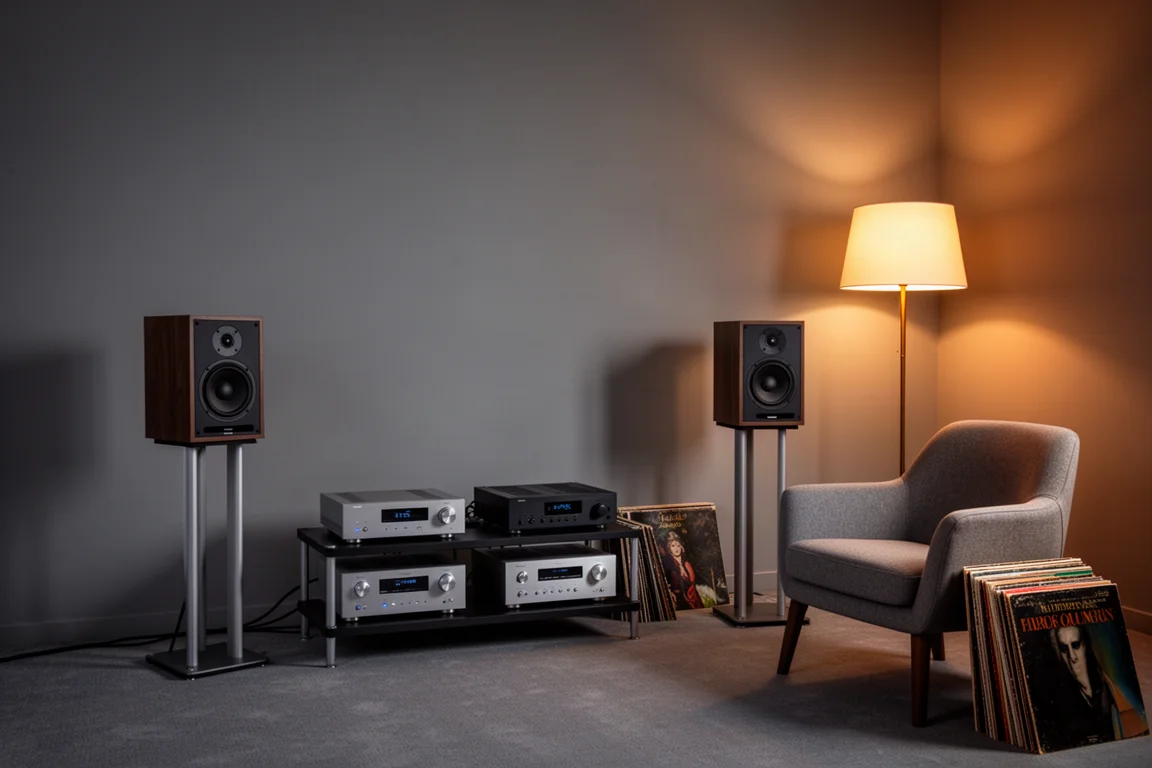
This is a speaker for listeners who want the audiophile virtues of imaging, layering, and clarity, but who find many detail-forward high-end speakers fatiguing over long sessions. It suits small to medium rooms, where a compact cabinet can still produce a wide, holographic soundstage, and it suits owners who already have, or plan to build, a quality amplification chain.
It is also a natural upgrade path for someone who enjoys a warm, romantic European sound but wants noticeably more resolution and a cleaner tonal balance. Buyers who mainly want maximum bass weight for the money, or who prefer a deliberately full and coloured midrange, will find better matches elsewhere.
Build Quality and Cabinet Construction
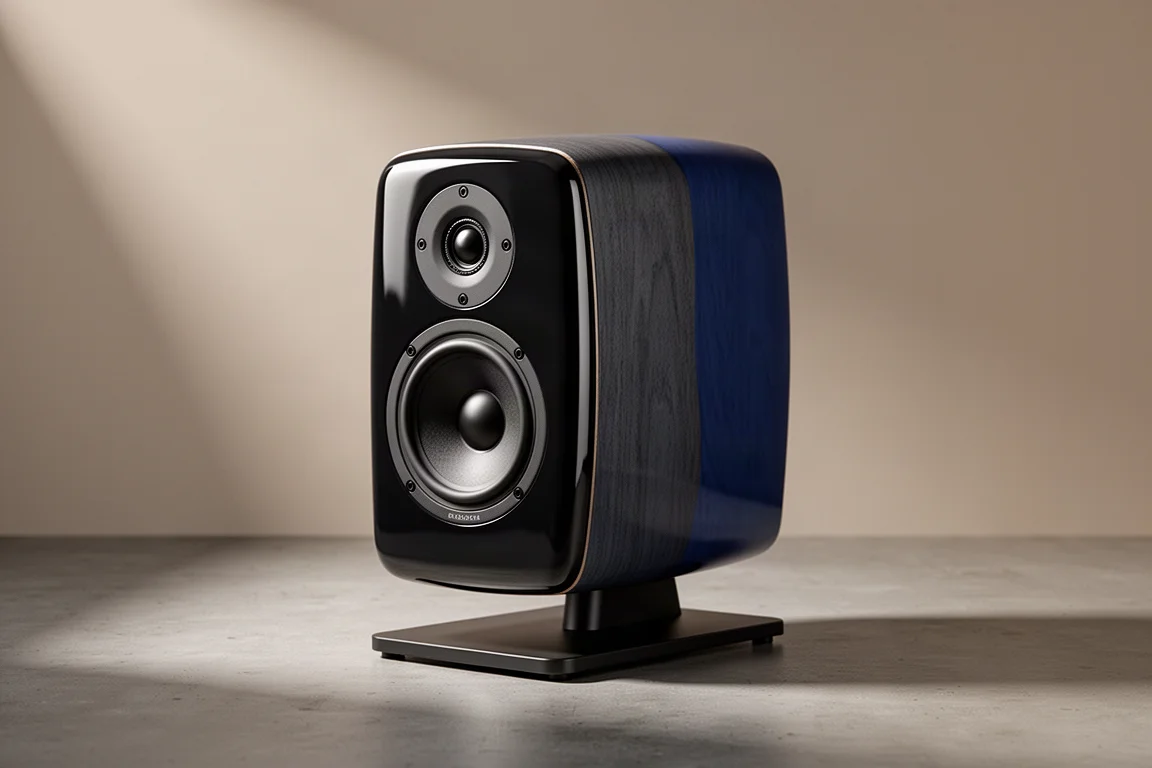
The Arno 20 is exceptionally well made, and that is immediately obvious when the speaker comes out of its packaging. The cabinet is a marriage of materials, combining aluminium, HDF, and other layers, and the fit and finish is outstanding across every surface and seam. The paintwork is a practical highlight: it resists scratches and fingerprints and wipes clean easily, which is not always true of exotic high-end finishes.
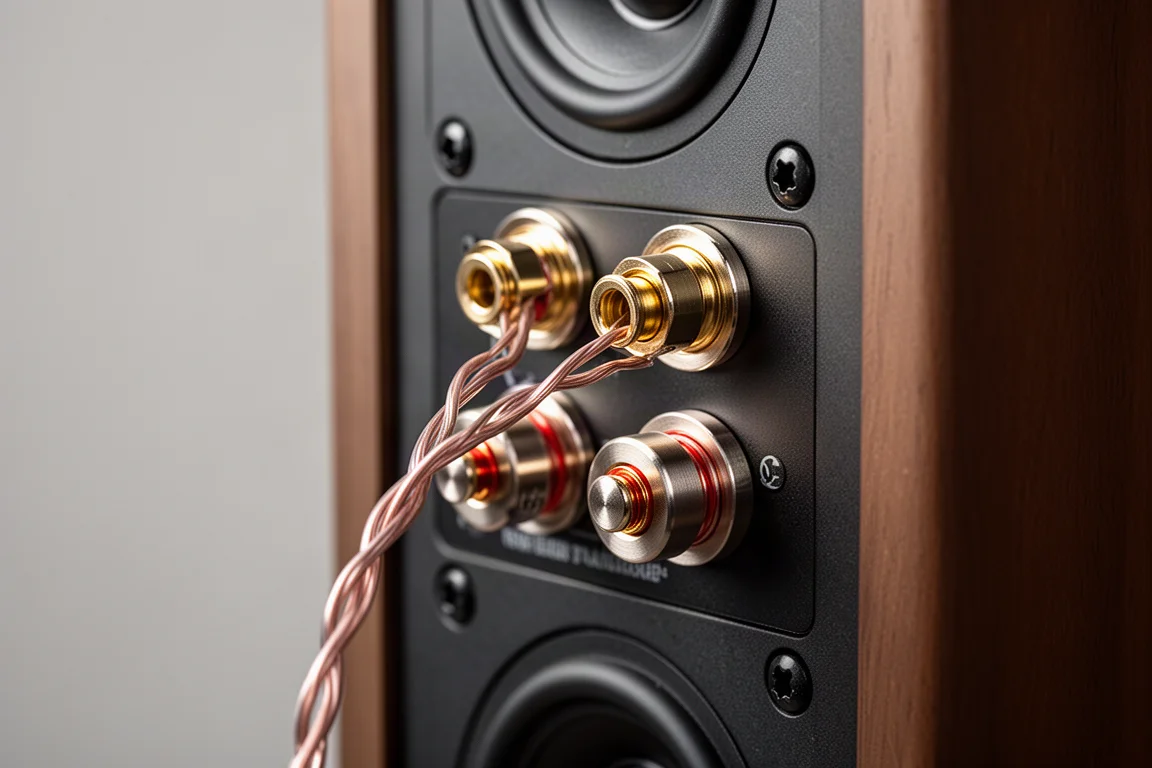
Finish options are unusually broad. Buyers can choose from lacquer, wood veneer, leather, and carbon fibre, so the speaker can be specified to suit a room rather than the other way around. Some of the gloss lacquer colours are more polarising than others, and the carbon fibre option is the most restrained of the range. The binding posts are also a genuine pleasure to use, with a solid feel that makes cable changes painless.
The matching stands are optional and well built, with damping material already fitted inside so there is no need to fill them with sand. They can be ordered colour matched to the cabinet or veneer, which some owners will appreciate. At $1,700, though, they change the value equation considerably, and in practice the speaker can sound better positioned lower without them.
Sound Character and Presentation
The Arno 20 is rated at 8 ohms with a sensitivity of 87 dB and a claimed low-frequency reach of 45 Hz, but the numbers undersell what it does in a room. The soundstage is large and precise, floating well beyond the cabinets, with layering and depth that are genuinely high-end. Instruments are easy to place, and the space between them stays distinct rather than collapsing into a flat plane.
Treble is extraordinarily detailed and refined without ever sounding forced. Detail arrives naturally rather than being pushed at the listener. The midrange is very clean, with strong tone and an authentic way of revealing the fine texture of instruments and voices. Bass is strong when the music calls for it and surprisingly deep for a cabinet this size, but it is never aggressive or bloated.
Tonally, the speaker is slightly brighter and more resolute than the older compact models in the range, yet it remains far more forgiving than brighter high-end rivals. Against a romantic reference such as Sonus Faber, the same general formula is present but cleaner and more tonally authentic. Against more forward, detail-led designs, the Arno 20 is noticeably warmer and easier to live with over long listening sessions.
Amplifier Matching and System Scaling
One of the most striking things about the Arno 20 is how ruthlessly it exposes the rest of the chain. Differences between amplifiers and DACs that can be subtle on other speakers are laid bare here, not because the speaker is harsh, but because it resolves so effortlessly. It is also unusually flexible: it does not need expensive electronics to sound musically enjoyable, but it rewards them generously.
Power requirements are modest on paper. In a small room, a 20 watt tube integrated is entirely workable. In a larger space, plan on roughly 50 to 100 watts. The best results come from amplification with a rich, warm midrange or from designs that double down on refinement. Warmer integrated amplifiers add body, while very clean, detailed solid-state designs emphasise the speaker’s precision, so the choice comes down to taste.
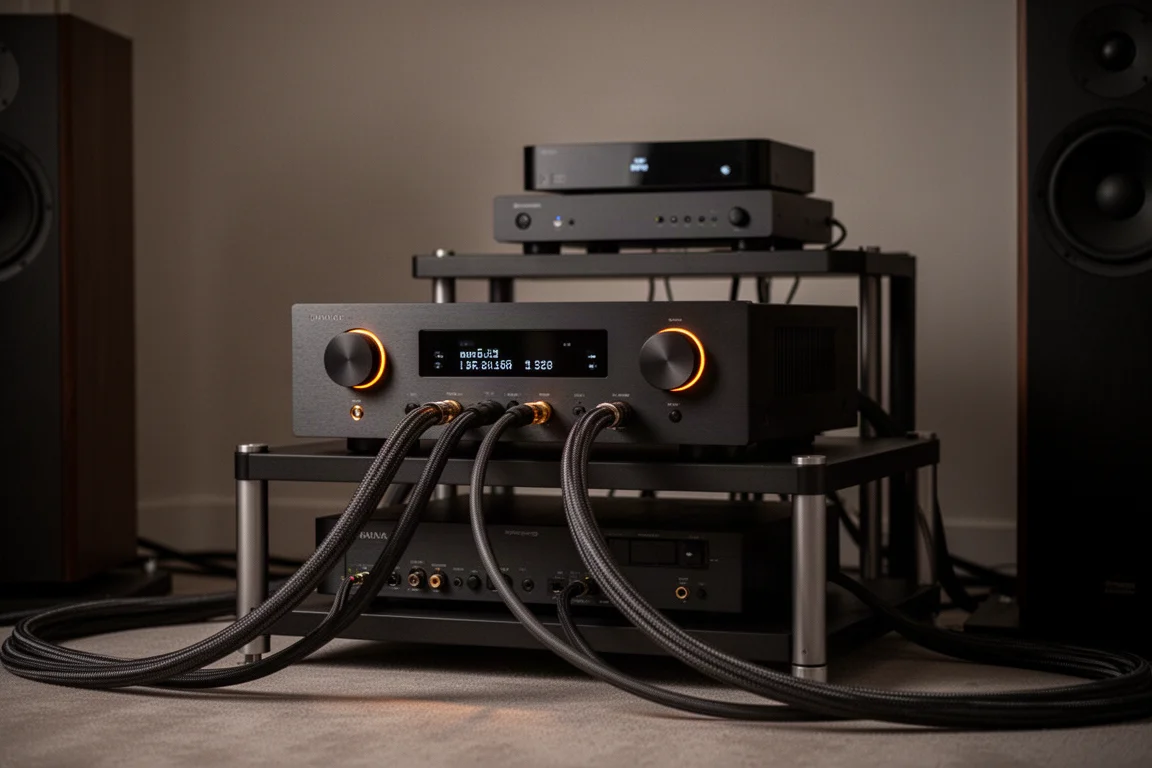
Several pairings work particularly well, including warmer integrated designs, high-end Japanese amplification, and refined class A and class AB models. Even modest integrated amplifiers in the $2,000 range can produce a satisfying, balanced result, which makes the Arno 20 a sensible long-term platform for gradual system upgrades rather than a component that demands a matching flagship budget.
Things to Consider Before Buying
Bass heft is the most consistent limitation. On some tracks the low end genuinely surprises for a compact speaker, while on others it does not deliver the weight that a larger cabinet would. Buyers who want deep extension and sub-bass authority should plan on adding a subwoofer, which turns the speaker into a very complete solution.
The very clean midrange is another consideration. It is not thin, but it is free of artificial warmth, so classic rock and other material that thrives on a big, meaty midrange can feel less full than it would on a more coloured speaker. Component matching helps here, since a richer amplifier adds body that a leaner one does not.
The stands deserve a careful decision rather than an automatic purchase. At $1,700 they represent a meaningful share of the total spend, and some rooms will sound better with the speaker sitting lower. The supplied spikes were also less effective than aftermarket cones in tightening up the low end, so budget for that possibility if the stands are part of the plan.
Buying Advice
Approach the Arno 20 as a system decision rather than a standalone purchase. Match it to a room of sensible size, choose amplification that suits the balance you want, and decide early whether the matching stands are genuinely necessary for your listening position. If the finish matters to you, the range of lacquer, veneer, leather, and carbon fibre options means you can specify something that fits a room properly.
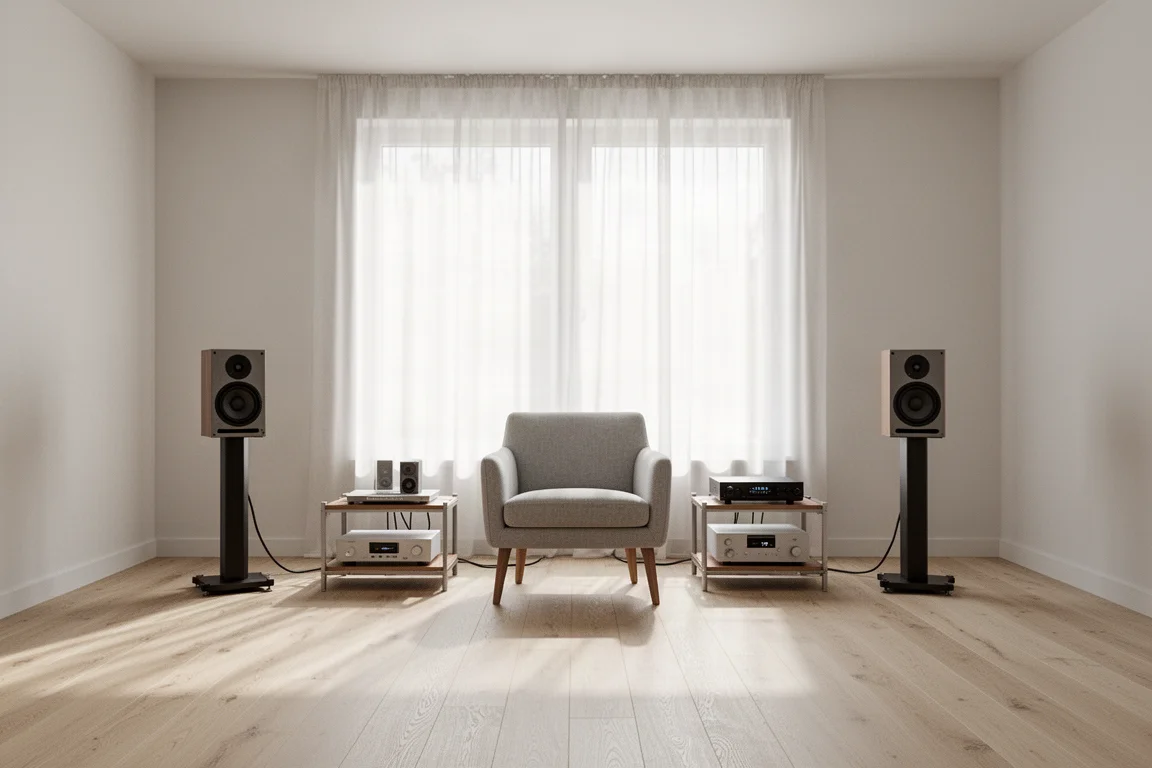
The speaker is best understood as a long-term investment in a small format. It scales convincingly with better electronics, it stays comfortable across a wide range of music, and it delivers the kind of soundstage and resolution that make expensive source components worth owning. For buyers who value refinement over raw output and who are willing to consider a brand that is less ubiquitous than the established names, it is a compelling option worth auditioning alongside the obvious alternatives.
Conclusion
The Rosso Fiorentino Arno 20 is a beautifully built compact loudspeaker that trades some of the brand’s classic romantic warmth for a cleaner, more linear, and more resolving presentation. Its soundstage, layering, and unforced detail are exceptional for the size, and it remains forgiving enough to listen to for hours. The trade-offs are honest ones: bass heft varies by track, the midrange will not flatter every genre, and the optional stands add real cost.
For listeners who want a small speaker with genuine high-end resolution, a wide and precise image, and the ability to grow with better electronics, the Arno 20 makes a strong case. Add a subwoofer if you want the last octave, choose amplification that suits your taste, and it becomes a system that can keep an owner satisfied for a very long time.
Product link
View more details for Rosso Fiorentino Arno 20
This product is mentioned in the review. Check the specifications, options, and compatibility before buying.
View more details for Rosso Fiorentino Arno 20Further reading
Related Reviews
Hi-Fi Speakers
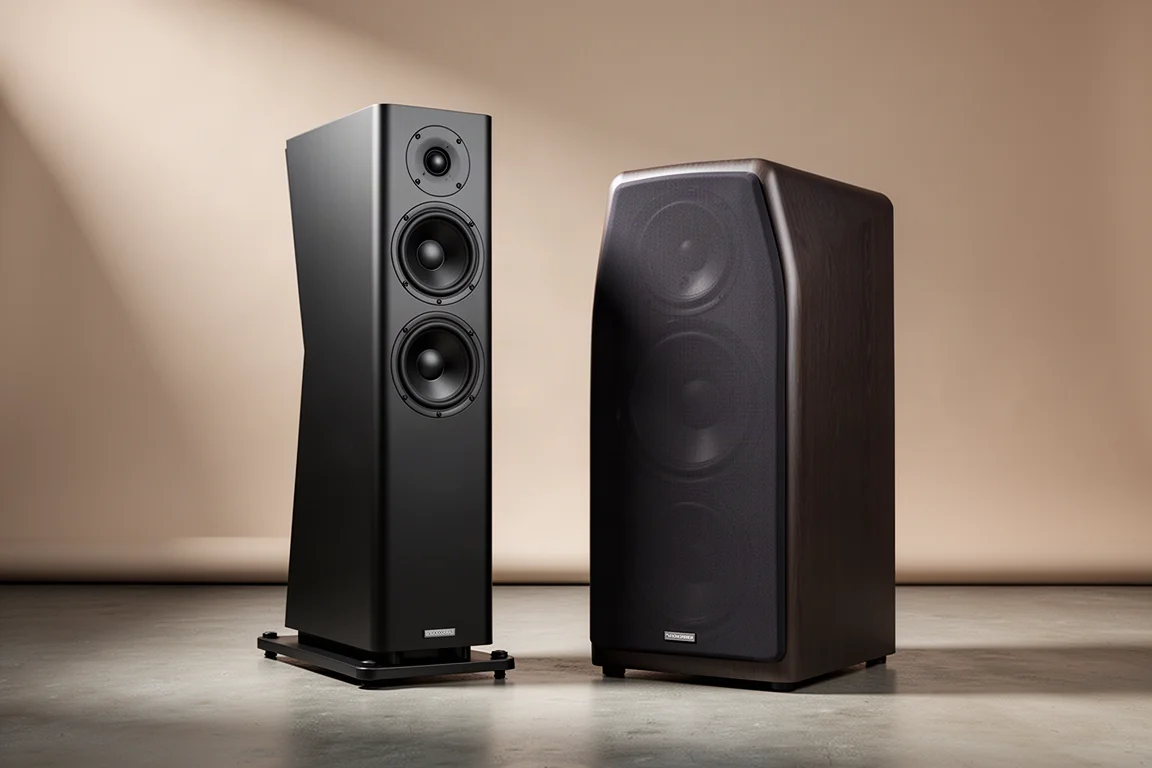
1723 THX Tower vs 1528 Bookshelf: Which Speaker Fits Your Room?
Two speakers at roughly the same price, built very differently. How the 1723 THX tower and the 1528 bookshelf compare on construction, bass, power needs, and sound.
Hi-Fi Speakers
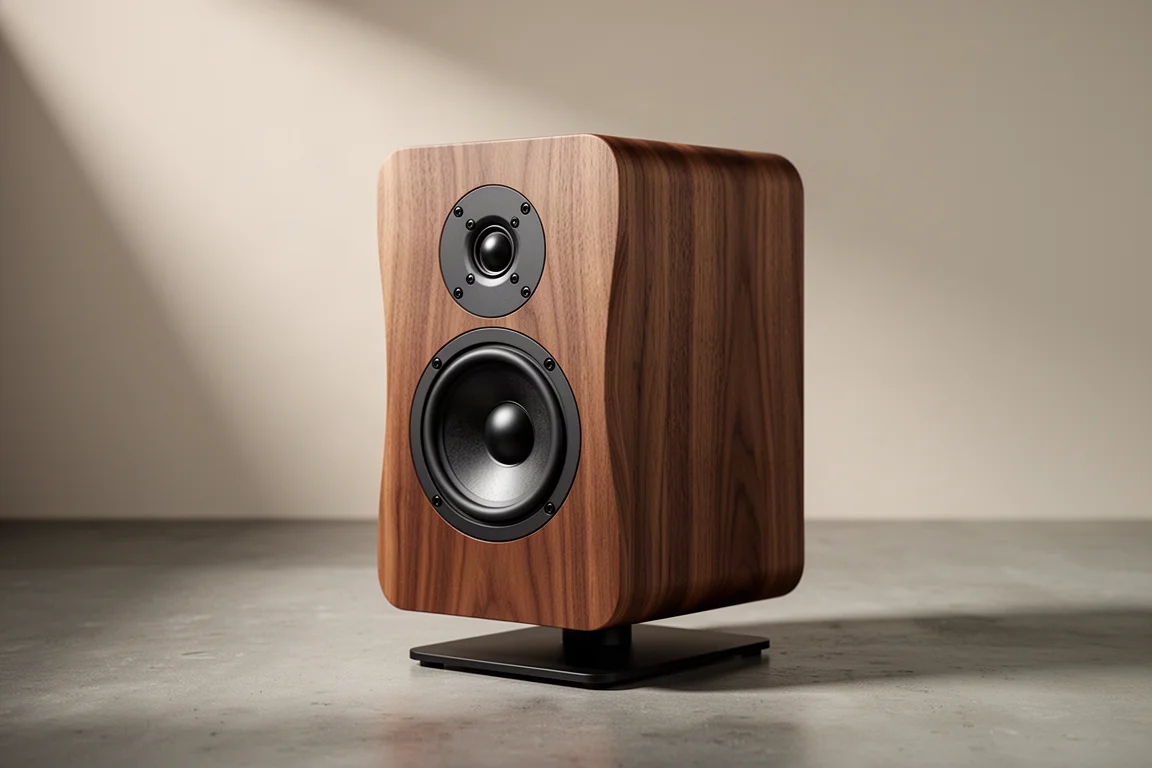
Acoustic Energy AE 300 Review: Deep Bass From a Compact Standmount
A two-way standmount with real wood veneer, surprising low-end weight, and a warm, easygoing character. Here is what to know before buying.
Hi-Fi Speakers
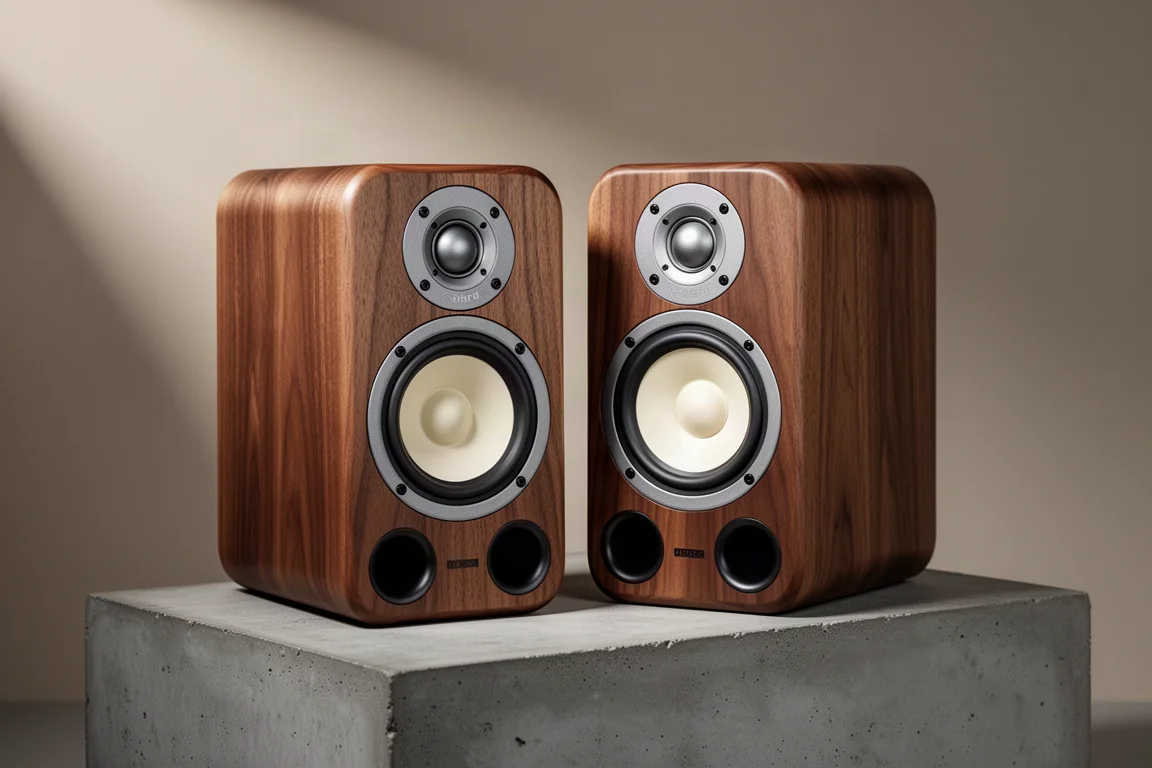
Acoustic Energy AE1 40th Anniversary Review: A Modern Take on a British Classic
A compact standmount that revives a 1980s favorite with all-new parts, a warm mid-centric balance, and a price of £1,499 per pair.