Luggage
Rolling Luggage Buying Guide: Four Pieces That Cover Different Kinds of Travel
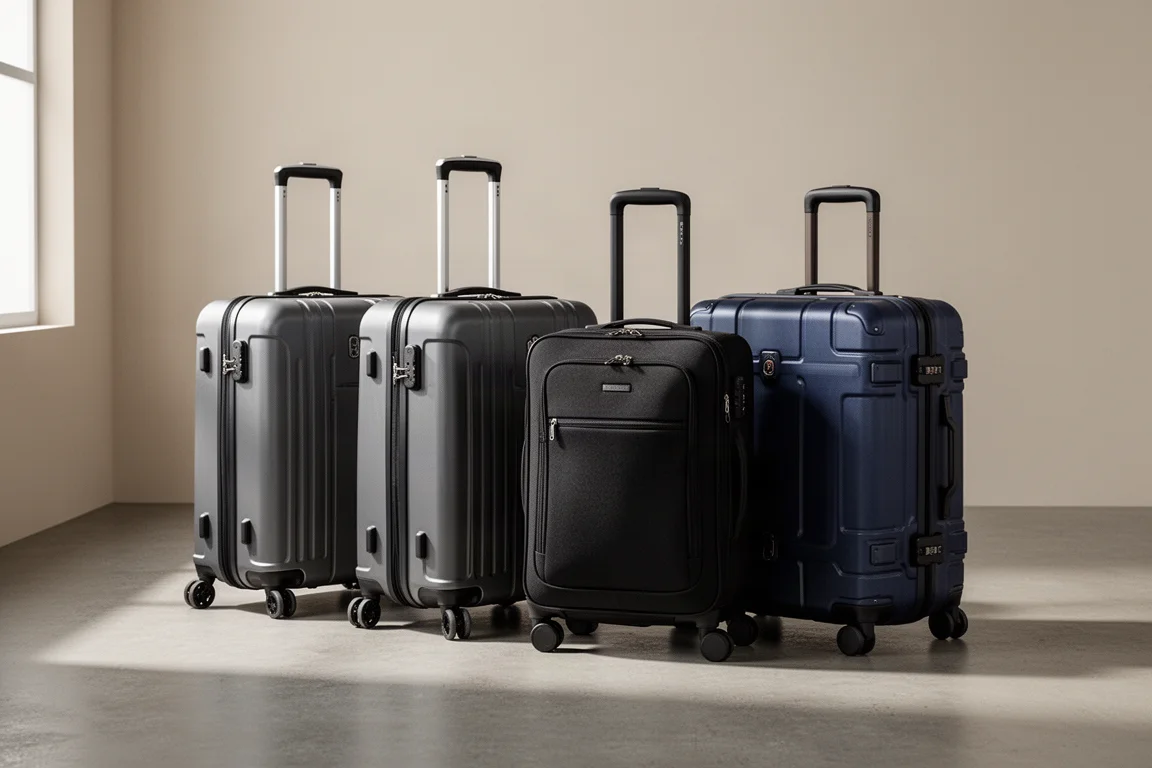
A practical decision framework for choosing rolling luggage, featuring the Monos Carry-On Pro, Monos International Carry-On, TravelPro softshell, and Briggs & Riley.
Introduction
Rolling luggage is a strange market. Every brand claims to be the best, marketing claims run endlessly, and prices swing wildly for what looks like the same box with wheels. The honest way through this is a simple decision tree: your travel preferences first, your dependencies second, and only then the bag itself. Start by asking whether you need checked luggage at all. If you shop a lot abroad, or you travel with non-able-bodied companions such as young children or mobility-impaired adults, you will likely need checked luggage on top of a carry-on and a personal item.
Next, place yourself among the traveler types: frequent international business flyers, frequent domestic business travelers, once-a-year vacationers, unpredictable long-term nomads, and seasonal snowbirds. Each of these carries very different must-haves, and knowing which one you are, and will remain for the foreseeable future, narrows the field dramatically. This guide walks through the framework and then highlights four pieces that each fit a different answer to those questions.
Wheels: The Component That Decides the Price
Wheels are one of the most important components of any rolling luggage and are always a major determinant of price. The needs of a frequent-flying consultant who lands, walks a smooth concourse, rides to a hotel, and stops there are completely different from someone crossing several European countries over a few weeks. The consultant’s luggage never touches anything but smooth hard surfaces, so basic, less resilient wheels are genuinely enough.
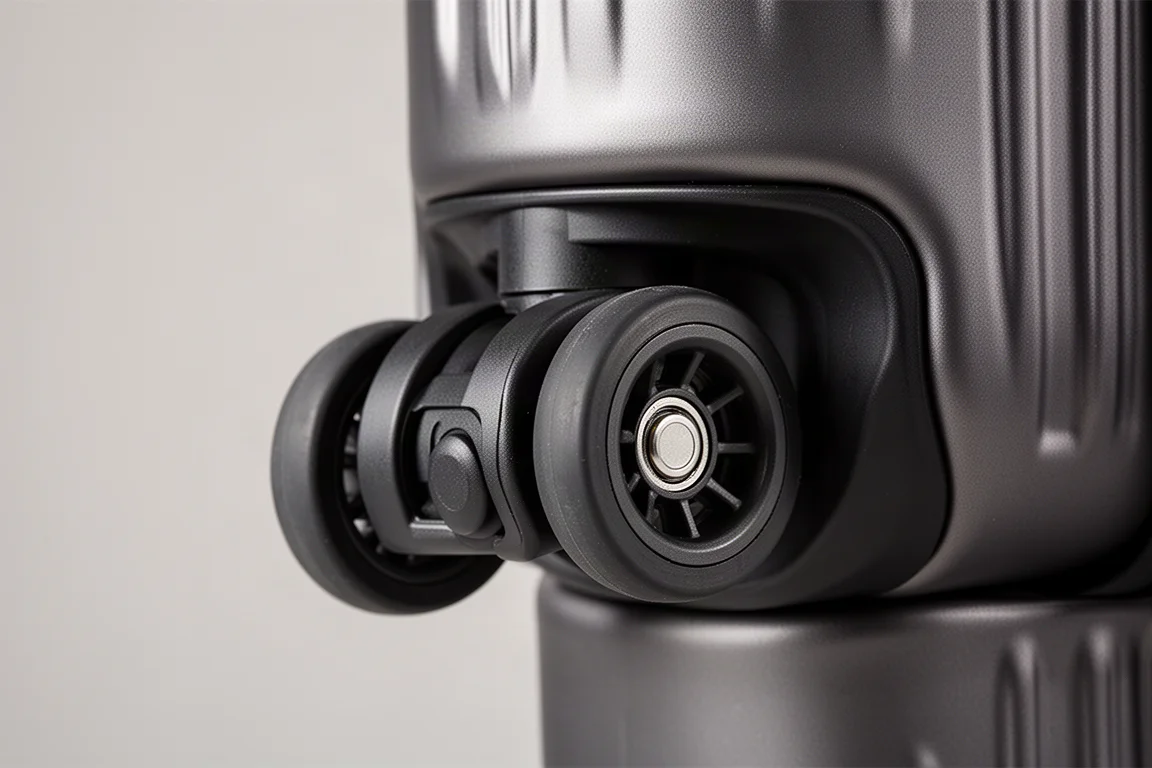
For tougher terrain, three attributes define great wheels. First, a wheel diameter of about 2 inches, or 5 cm, makes navigating uneven cobblestone and interlocked terrain much easier. Second, concealed ball bearings maximize rolling efficiency while keeping dirt and dust out. Third, a polyurethane double-wheel construction, meaning each wheel housing has a rolling wheel on each side of a central rim rather than a single wheel on an axle frame, adds stability and durability.
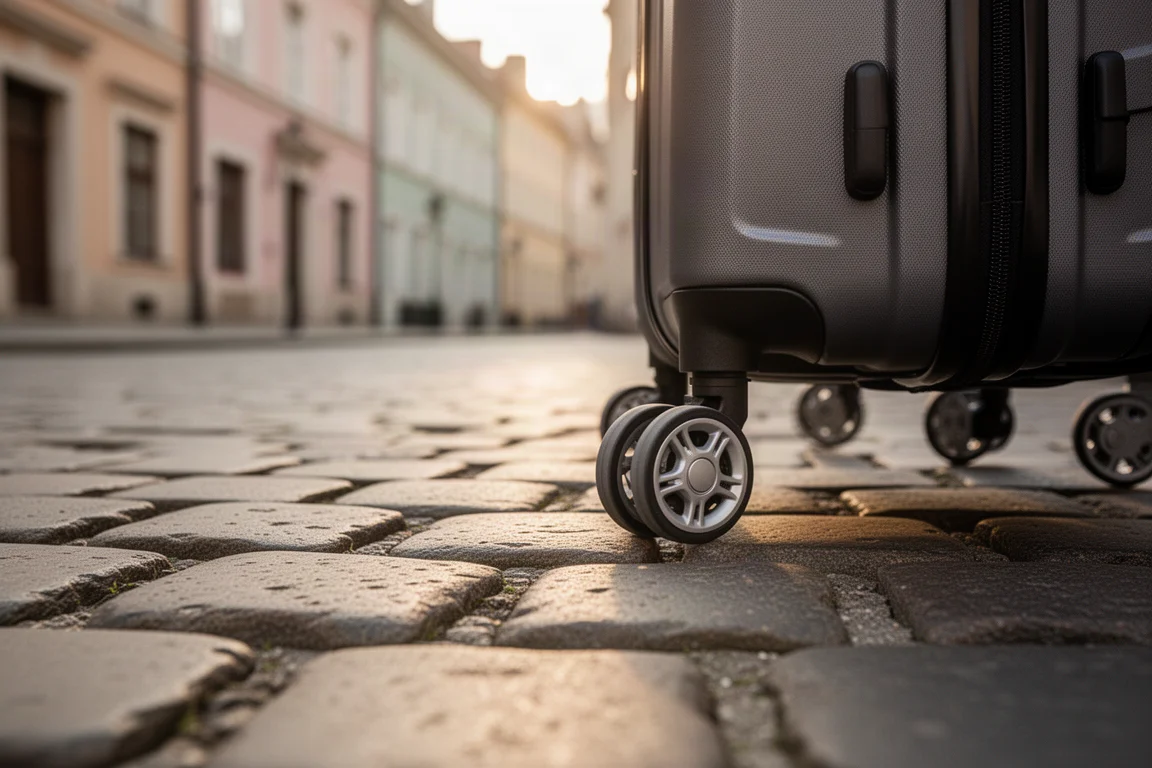
A useful nuance: some brands have brought these three properties in house rather than relying on legacy wheel suppliers. Monos, for example, used to source its wheels externally until it grew large enough to design and manufacture them itself, and real-world use suggests those three properties are what matter regardless of who makes them. Expect luggage with these wheel features to cost at least $200, but assess your typical terrain before paying for capability you will never use.
Your Other Bags Shape Your Luggage Choice
This step seems unrelated to the suitcase itself, but the other bags you travel with determine whether external quick-access compartments matter. Many domestic business travelers pair their rolling bag with a briefcase that has a luggage pass-through, which makes exterior laptop access on the suitcase unnecessary.
If you do not carry a separate bag for your computer, an external fast-access compartment becomes genuinely useful, especially for quickly removing a laptop at airport security. Softshell options such as TravelPro have offered this for years, and more recently hybrid hardshell designs have adopted it as well.

A sling bag is also the most useful travel add-on for small essentials, provided it has one critical design element: an exterior recessed pocket positioned against the body so your most important items stay hidden and secure. Water-resistant ripstop nylon, an RFID blocking liner, sensible interior organization, and exterior anchor points round out the ideal sling setup, with sizes from around 1.5 L for passports and cards up to 3.5 L for larger everyday loads.
Airline Rules: The Check Most People Skip
One of the most challenging steps is predicting the airlines you will actually fly. A good starting point is your home airport and which carriers use it as a hub. Budget airlines typically include no luggage allowance at all, and anything beyond a small backpack becomes a significant upcharge.
The most restrictive carry-on weight limits can be as low as 15 lb, or 7 kg, including the weight of the bag itself. This is where an already-light international carry-on earns its keep: a piece like the Monos International Carry-On uses up nearly half of those most restrictive weight budgets before you have packed a thing.
If you have layovers with different airlines, make sure your packing and your luggage fit within the most restrictive airline on any given trip, not merely your usual carrier.
Monos Carry-On Pro: The Hybrid Pick
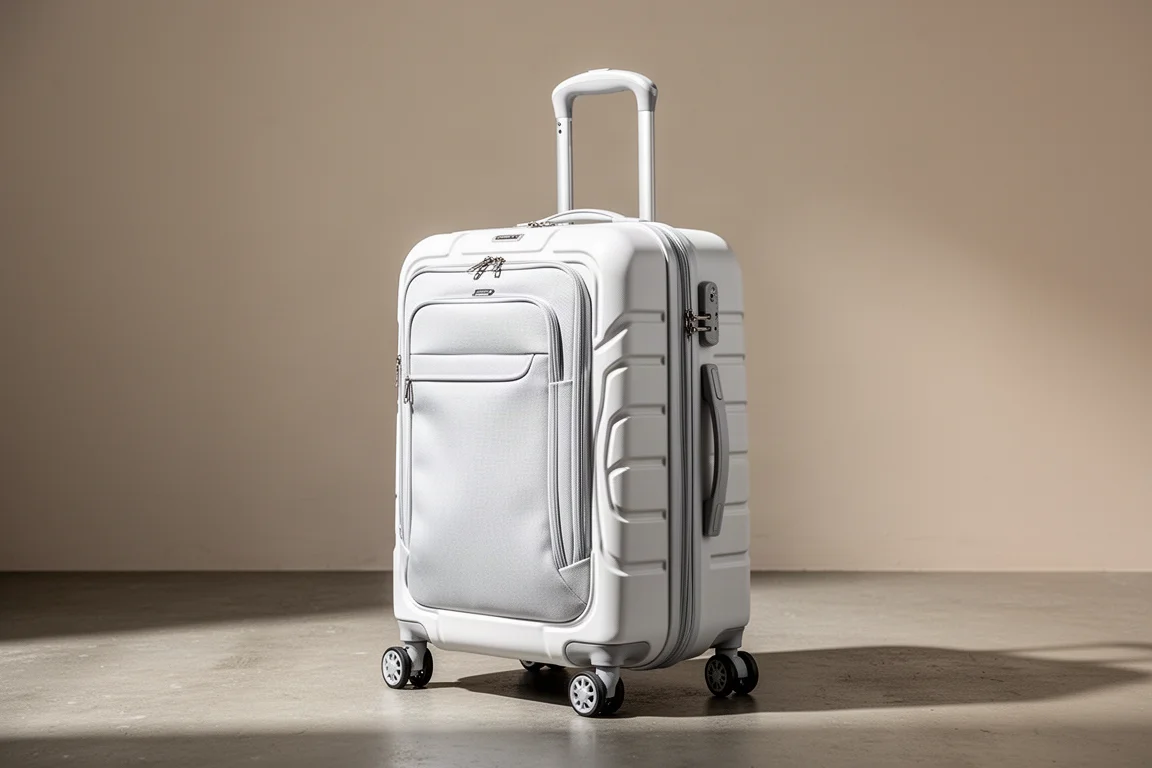
The Monos Carry-On Pro is a hybrid design that marries the water and impact resistance of a traditional hardshell with the convenience of an exterior access pocket. That combination used to exist only on softshell luggage, and it solves a real problem for travelers who want to protect their belongings but still grab a laptop or documents quickly without opening the entire case.
For travelers who want a modern hardshell carry-on that keeps the exterior quick-access convenience of a softshell, this piece hits a sweet spot. It also reflects Monos in-house wheel engineering, with the diameter, bearing, and double-wheel construction qualities that matter most on real terrain.
Monos International Carry-On: The Weight Saver
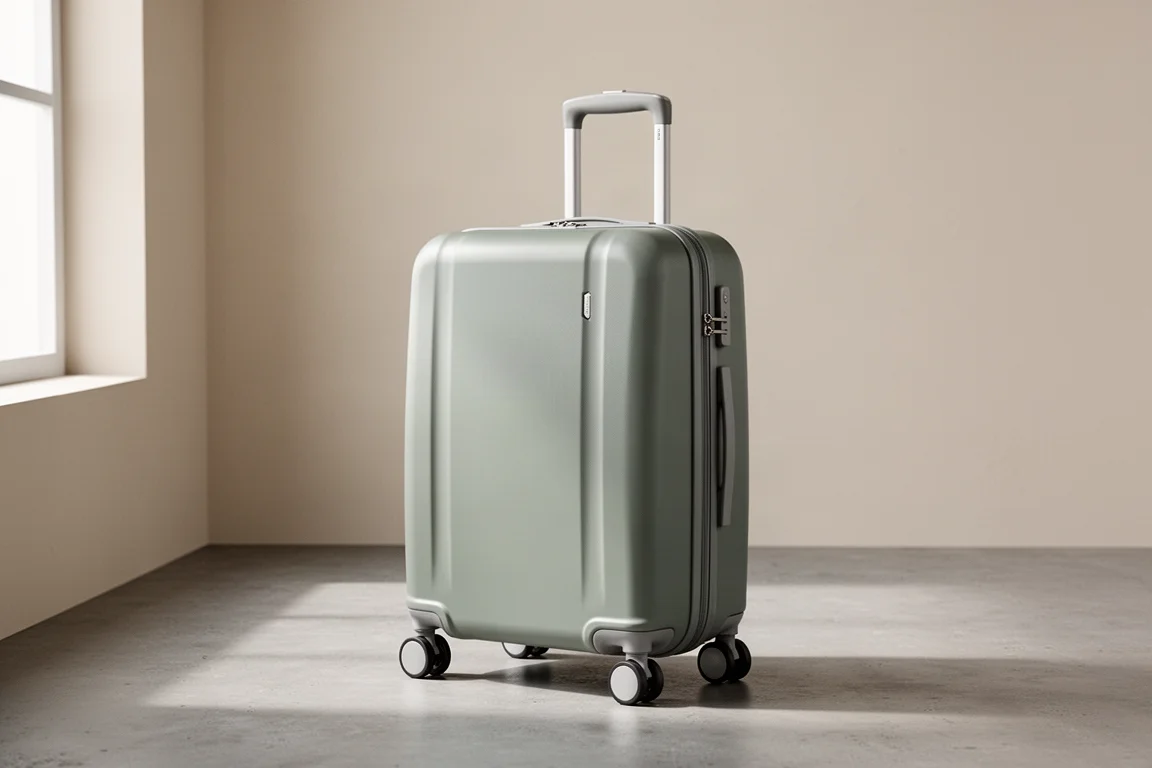
The Monos International Carry-On is built for the weight-sensitive traveler. When some airlines cap carry-on weight at 15 lb or 7 kg including the bag, every ounce of shell matters, and this piece is already light enough to preserve most of that budget for actual packing.
It makes the most sense for international itineraries, budget carriers, and any trip involving tight weight limits or connections. Pair it with careful packing and it removes one of the most common airport surprises: a carry-on that is fine at check-in on the first flight but overweight on the second.
TravelPro Softshell: The Business Trip Workhorse
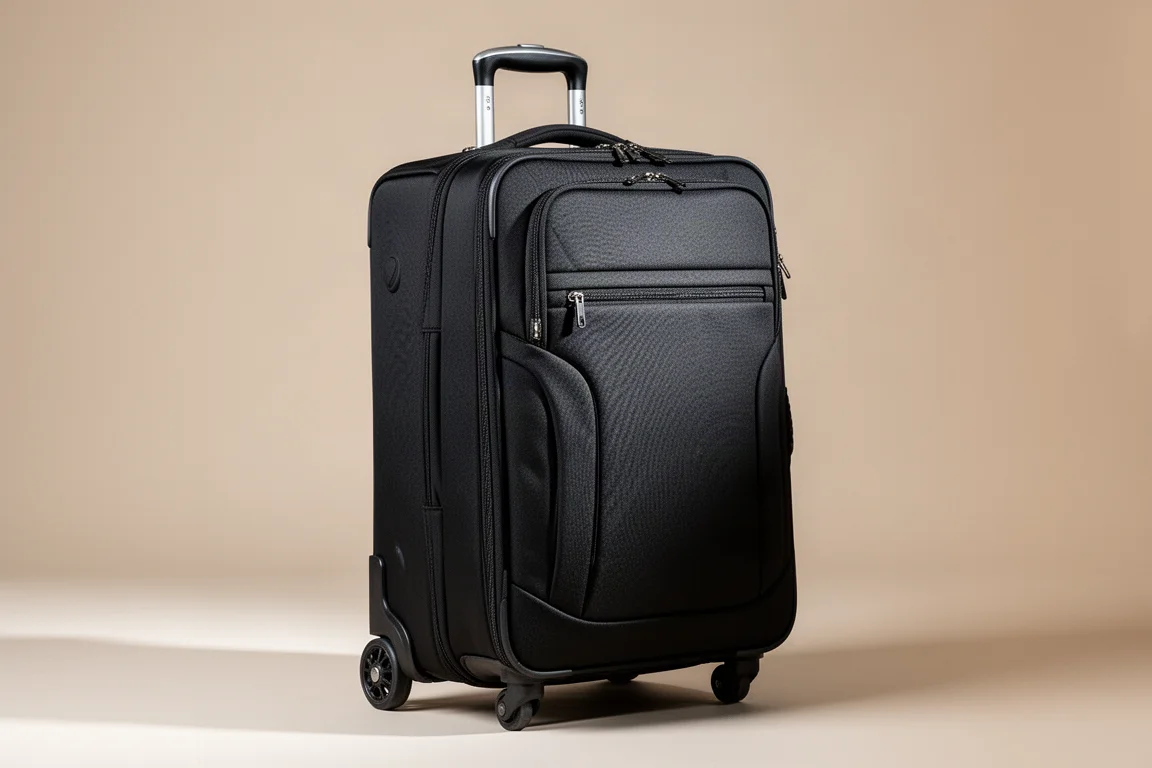
For work trips where quick access is the priority, a softshell piece from TravelPro remains a strong choice. Its exterior fast-access compartment is exactly what a traveler needs to pull a laptop out at security screening without unpacking anything, and softshell construction is traditionally where this feature lives.
This category suits domestic business travelers especially well. The surfaces are smooth, the wheels do not need to be the most resilient on the market, and the quick-access pocket does the heavy lifting for daily airport routines. It pairs naturally with a briefcase, freeing the traveler from needing any laptop storage inside the suitcase itself.
Briggs & Riley: The Warranty Leader
If warranty matters most to you, some Briggs & Riley models sit in a class of their own, with lifetime warranties that are no-fault, no questions asked, and no receipt needed, transferable internationally, offering repair or replacement. That level of backing is genuinely rare in the luggage industry and changes the ownership math entirely.
Beyond the warranty story, premium-tier pieces over roughly $550 generally combine premium materials with warranties that tend to sway in the customer’s favor and are straightforward to honor. For travelers who want to buy once and stop thinking about luggage for decades, this is the tier where that promise is most credible.
Design Details Worth Checking
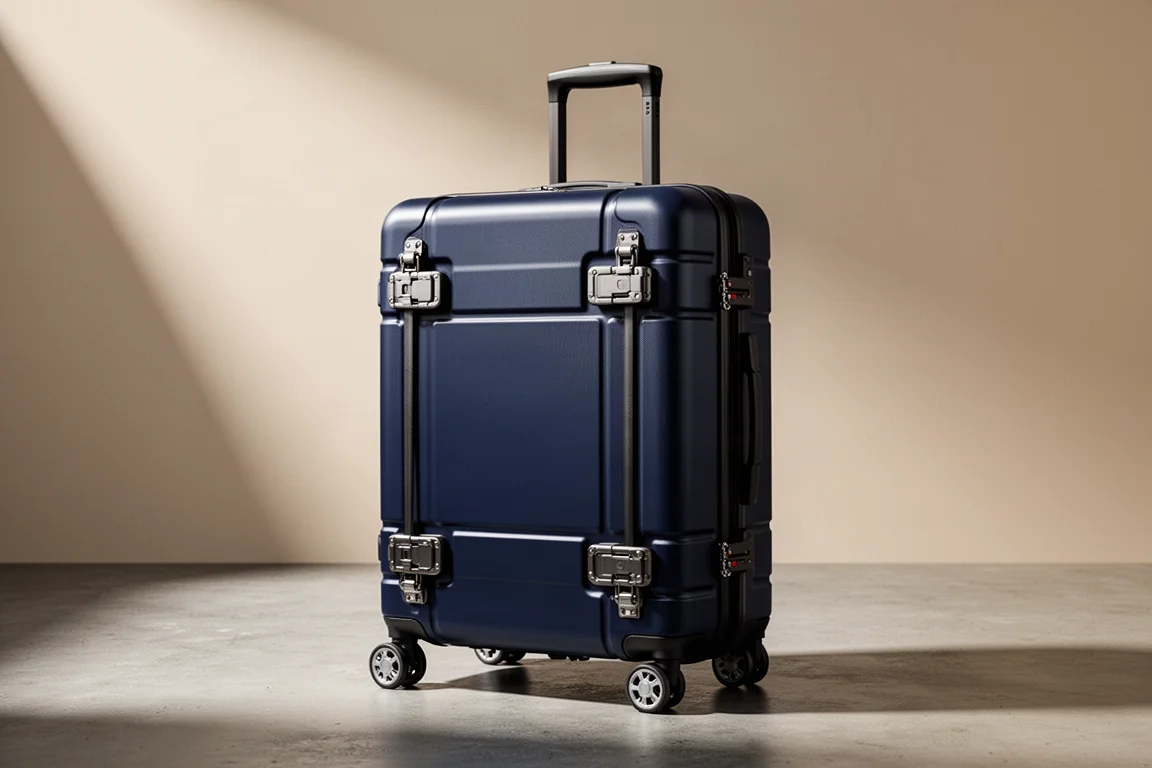
Beyond the big decisions, several lightweight mechanical features can matter. A wheel lock slide tab gives you confidence the bag will not roll away while you handle a crying child. A dedicated hidden tracker pocket, sized for an AirTag or Tile, is a small touch that pays off on any checked bag. Exterior anchor points, such as a pull-tab loop on a check-in piece, let you attach a child’s backpack or a duty-free bag and free up one hand.
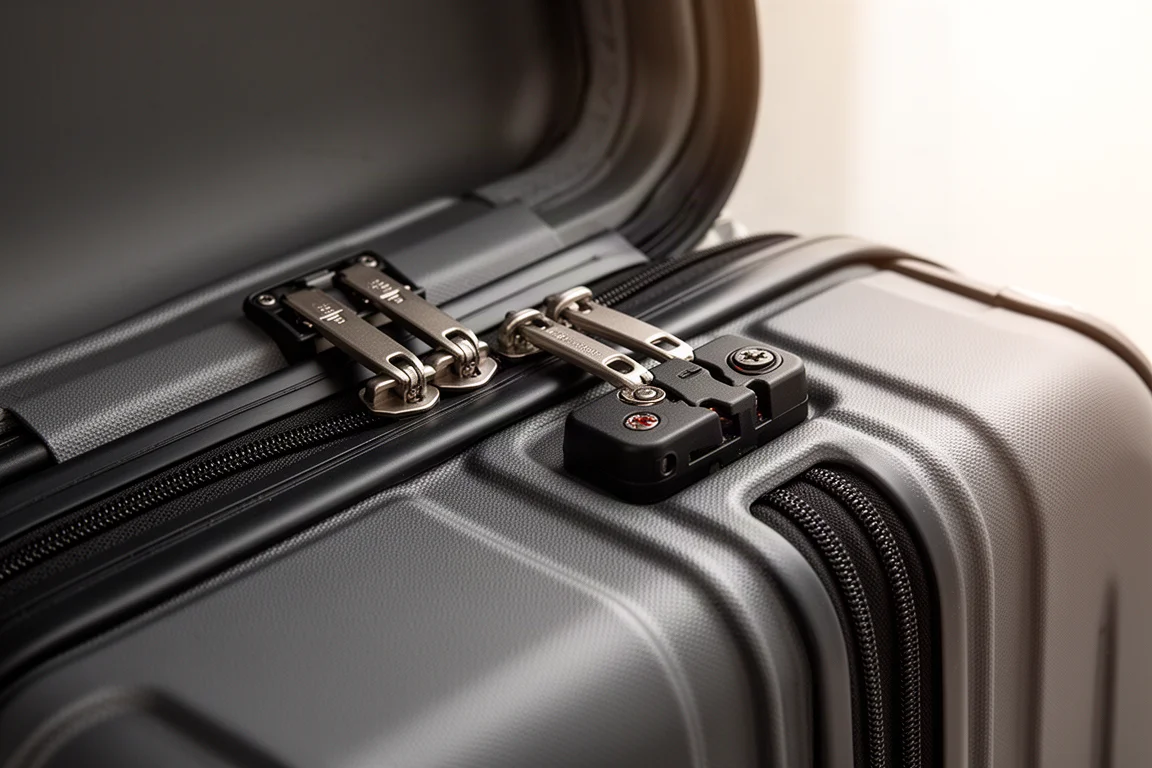
Closure style is another fork in the road. Perimeter zippers are the traditional option, while some designs use latches with a sealed perimeter gasket. Latches are much faster to open and close, and some travelers believe zippers are too easy to break into with a knife. The honest counterpoint: once someone physically has your luggage, every closure is easy to defeat, and TSA locks are best understood as a deterrent against opportunists rather than real security. Many travelers still prefer the psychological confidence of a full wraparound zipper closure.
Durability, Warranties, and What They Really Mean
High-quality wheels alone push a piece of luggage to at least $200, and every other durability element compounds the price. Double-layered puncture-resistant YKK zippers, telescoping handles with minimal play rivaling the tolerances found on pieces costing well over $1,000, and solid wheel engineering all add up.
Warranty tiers deserve as much attention as materials. Under $200, even advertised warranties are often painful to have honored. Between $200 and $550, pieces generally carry a claimed lifetime warranty, though companies will put real effort into confirming a genuine manufacturing defect. Above roughly $550, premium materials come with warranties that typically favor the buyer. Briggs & Riley’s no-fault, transferable, international coverage remains the standout example.
One last honesty check: luggage is an oddly emotional purchase. A consultant who would be perfectly fine with a basic bag often buys a premium piece because it feels like it matches their career. Feel matters for long-term ownership happiness, so do not buy a brand blindly. Run your own answers through the tree, then let how the bag feels to you make the final call.
Conclusion
The right rolling luggage depends on your terrain, your other bags, your airlines, and your appetite for warranty protection. Smooth surfaces and a briefcase make basic bags viable. Cobblestones and quick laptop access point toward hybrid designs like the Monos Carry-On Pro. Tight airline weight budgets favor the Monos International Carry-On. Frequent airport security lines reward the TravelPro softshell, and long-term peace of mind belongs to Briggs & Riley. Match the bag to the answers in your own decision tree, and the market stops feeling overwhelming.
Further reading
Related Reviews

Backpacking Gear
Building a 10 lb Base Weight: An Ultralight Backpacking Gear List
A practical walkthrough of the ultralight pieces behind a 10 lb base weight, from a 765 g pack and a roomy one-person tent to a full camp chair and a dependable water filter.

Road Bikes
10 New Road Bikes Worth Watching: Aero, Titanium, Steel and Endurance Standouts
A practical roundup of 10 new road bikes, from aero flagships chasing single-watt gains to titanium, steel and endurance platforms built for real roads.
Bikepacking Gear
11 Bikepacking Essentials for Long-Distance Cycling
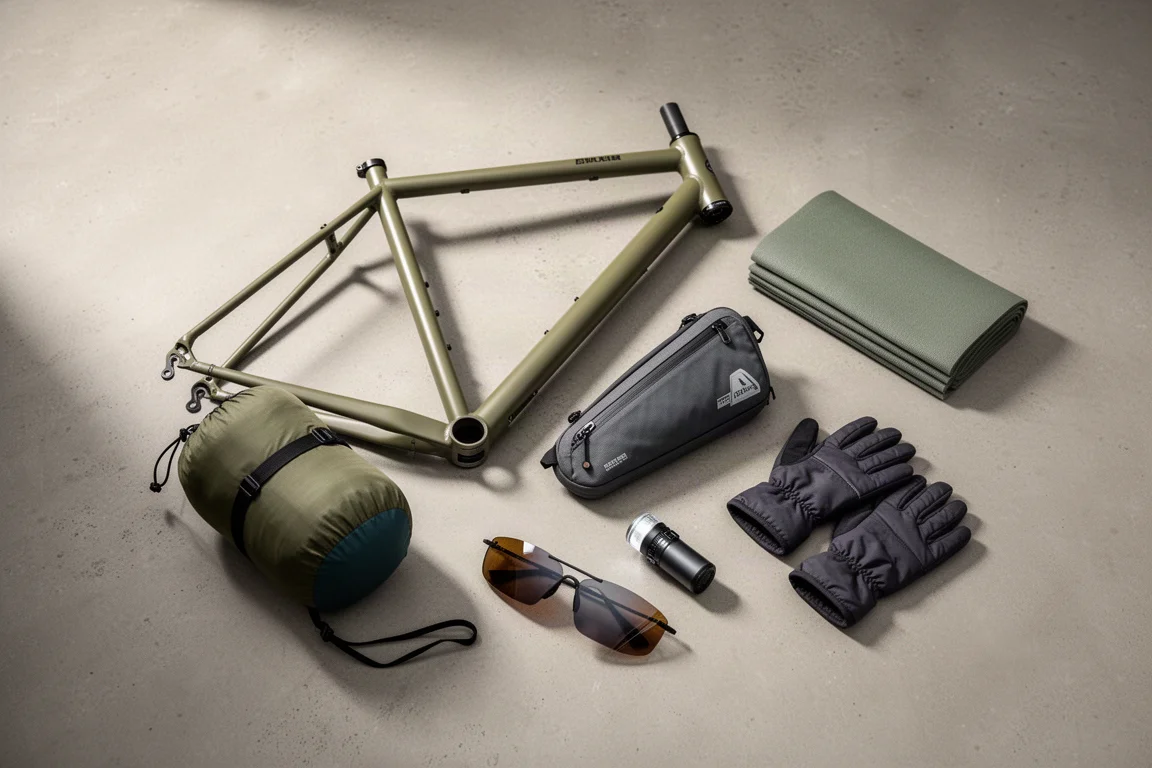
Eleven bikepacking essentials for long-distance cycling, from a steel gravel frame and a two-person tent to helmet lights, packable gloves, and a frame bag that puts weight in the right place.