Overlanding & Tie-Downs
Roller Cam Tie-Down Gear: A Smarter Way to Secure Your Overland Load
Roller Cam's Overland Expo Pro Kit and rope roller promise smoother tensioning than classic cam straps. Here is what stands out, and where traditional options still fit.
Introduction
Anyone who straps gear to a roof rack, raft frame, or trailer knows the routine: pull the webbing, fight the buckle, second-guess whether the load is actually tight or whether you are just wrestling friction. That is exactly the problem a new generation of cam hardware is trying to solve. After spending time with the Roller Cam Overland Expo Pro Kit, alongside long-serving NRS cam straps and a Night Eyes paracord tensioner, the difference in day-to-day usability is bigger than expected. Here is how the options stack up.
The Roller Cam Overland Expo Pro Kit
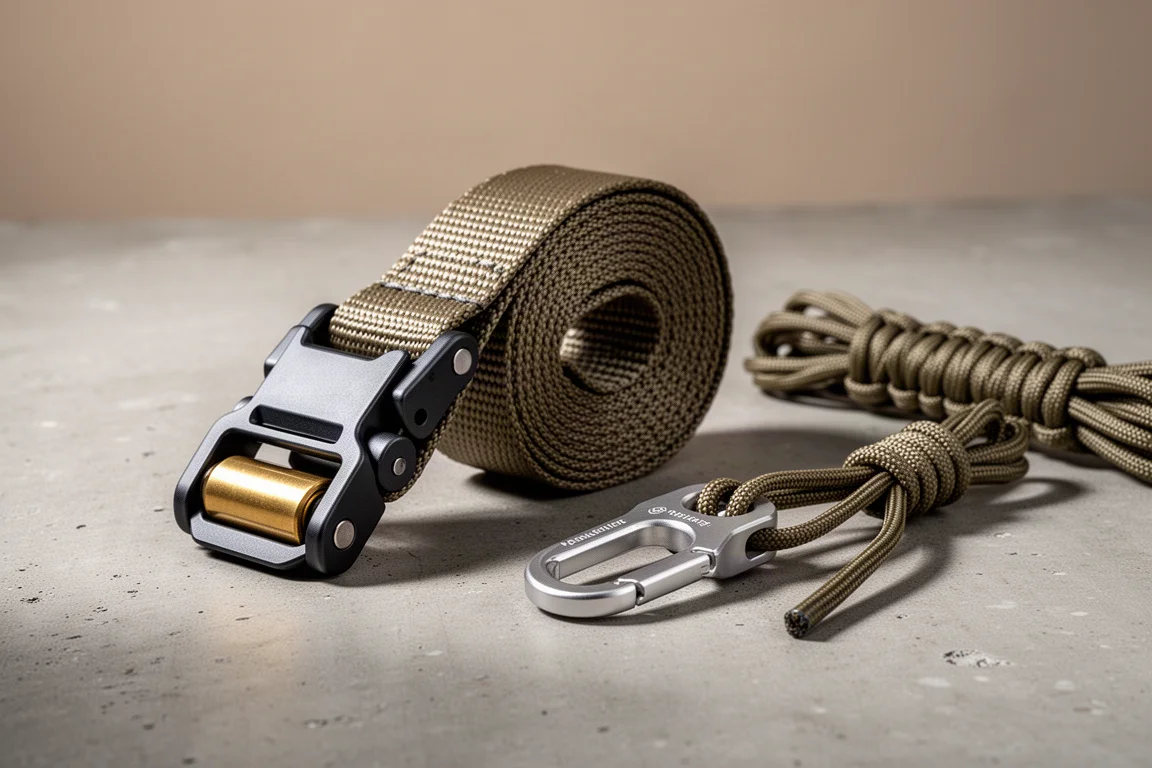
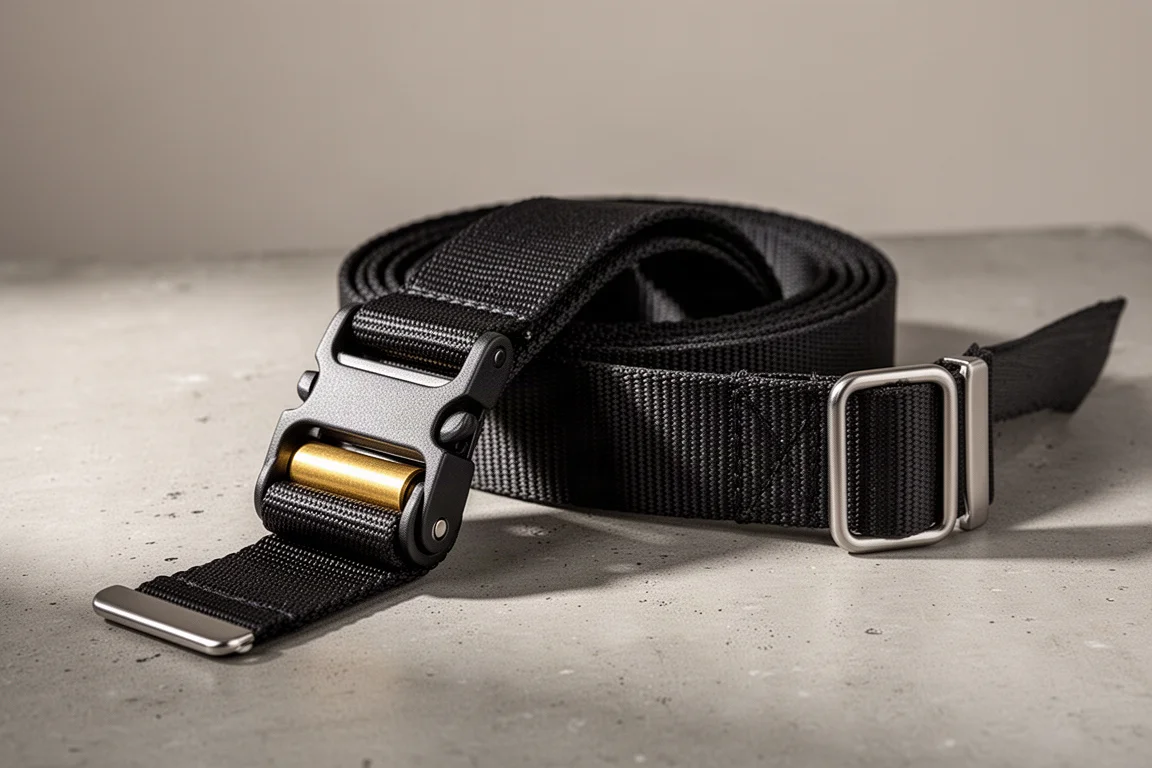
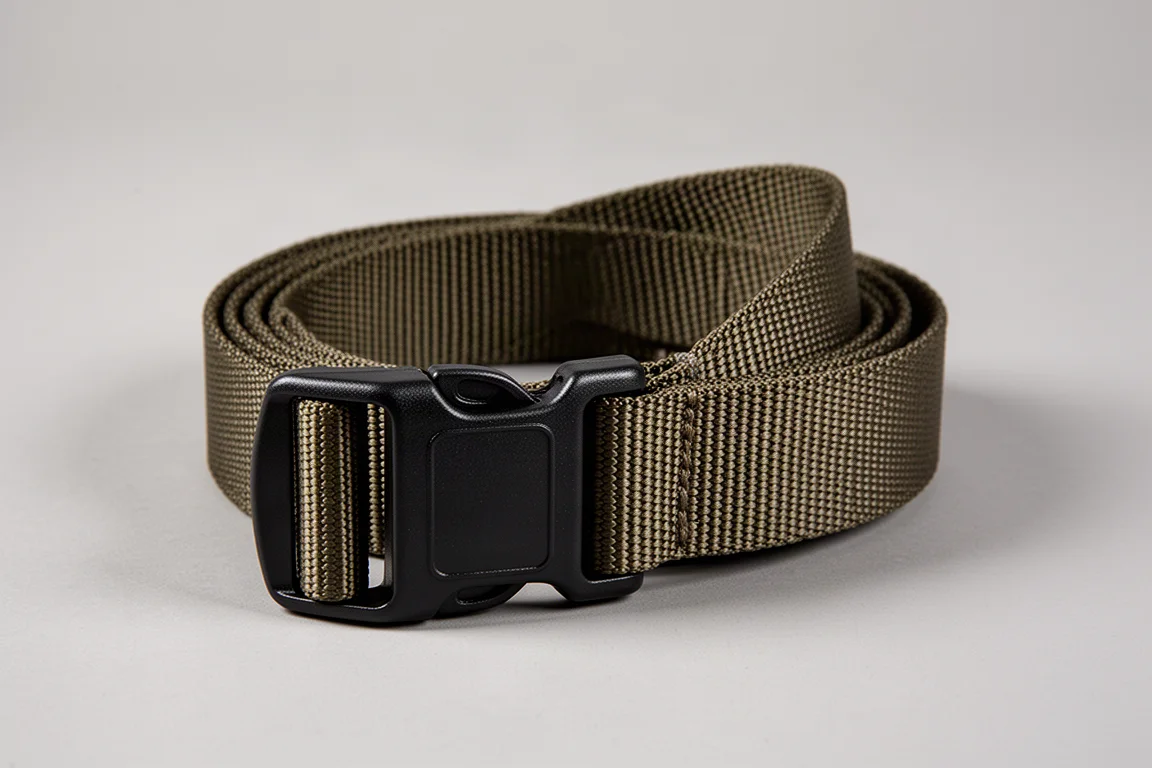
The Pro Kit bundles Roller Cam’s tie-down options, and the headline feature is the buckle mechanism: instead of relying purely on a friction plate, it adds a roller and a much smoother path for the webbing. The straps use heavy-duty polypropylene webbing with a slightly lower strength rating than some premium nylon options, with working loads in the region of 500 lb. That is plenty for most tie-down jobs, especially since you typically run several straps, and a lower breaking point can be a feature rather than a flaw, since you often want the strap to slip before it destroys the object it is holding.
The hardware is where this kit really earns its keep. The buckles are coated, use stainless steel fittings, and feature a brass roller, so rust is not a concern. The design is deliberately simple and patent pending, and the payoff is immediately obvious in use: even a light pull with two fingers glides the webbing through under load, something that is simply not possible with a conventional cam buckle. Once tensioned, it locks up solid and releases cleanly.
How Roller Cam Straps Compare to Classic Cam Straps
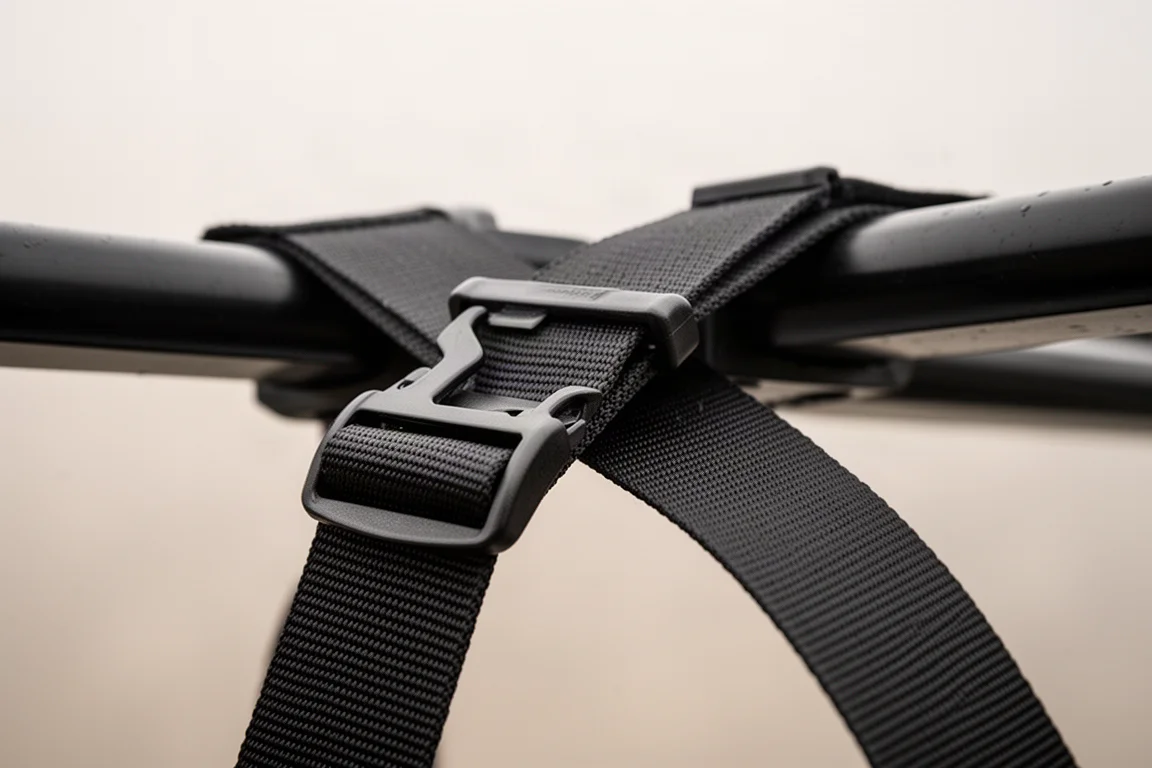
The clearest way to see the difference is side by side with a traditional strap. On a typical cam buckle, taking up slack and then pulling hard means fighting serious resistance between the webbing and the friction plate. You are never quite sure whether you are tightening the load or just battling the mechanism. Cheap off-brand straps can be worse: heavy-looking metal buckles that bind badly under tension, despite appearing solid.
With the Roller Cam, the same motion is dramatically smoother. Take up the slack, then pull, and the webbing feeds through under load with minimal effort, enough to visibly flex a mounting bolt rather than just settle at a snug fit. Releasing is equally easy. For anyone who has climbed onto a roof rack to cut a strap free just to re-tension it, this is a genuinely meaningful upgrade.
Roller Cam Rope Roller: The Paracord Game Changer
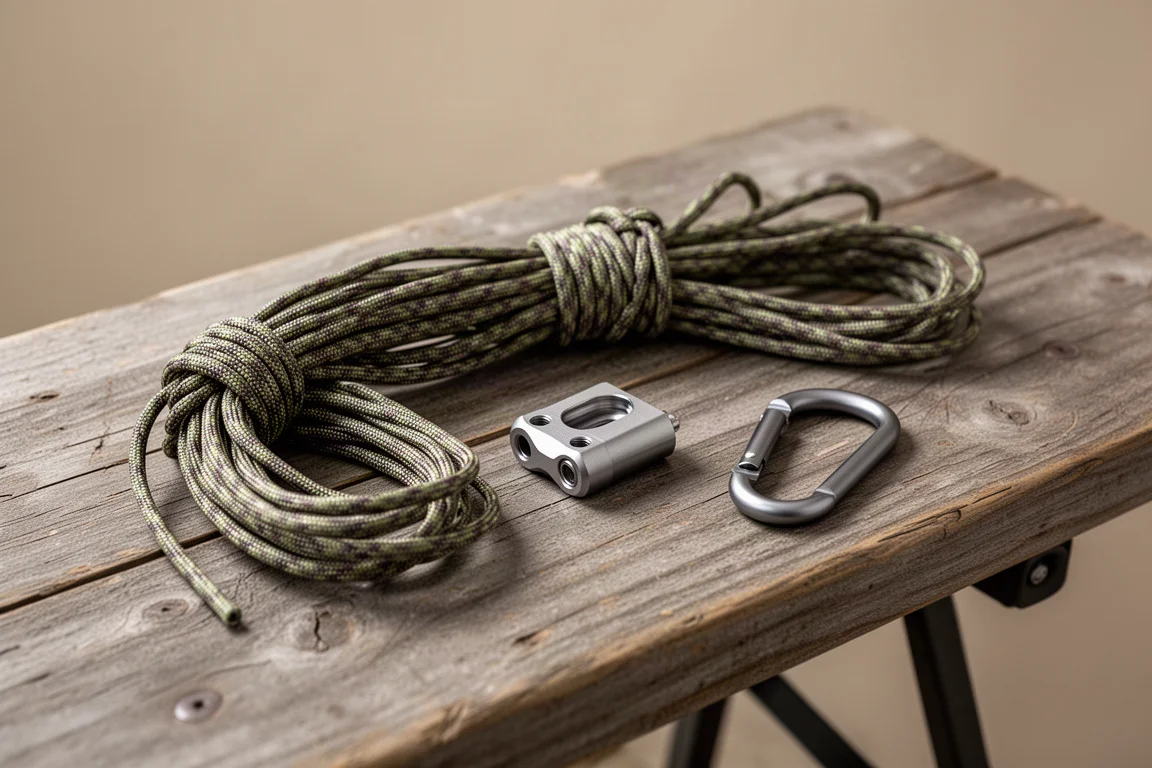
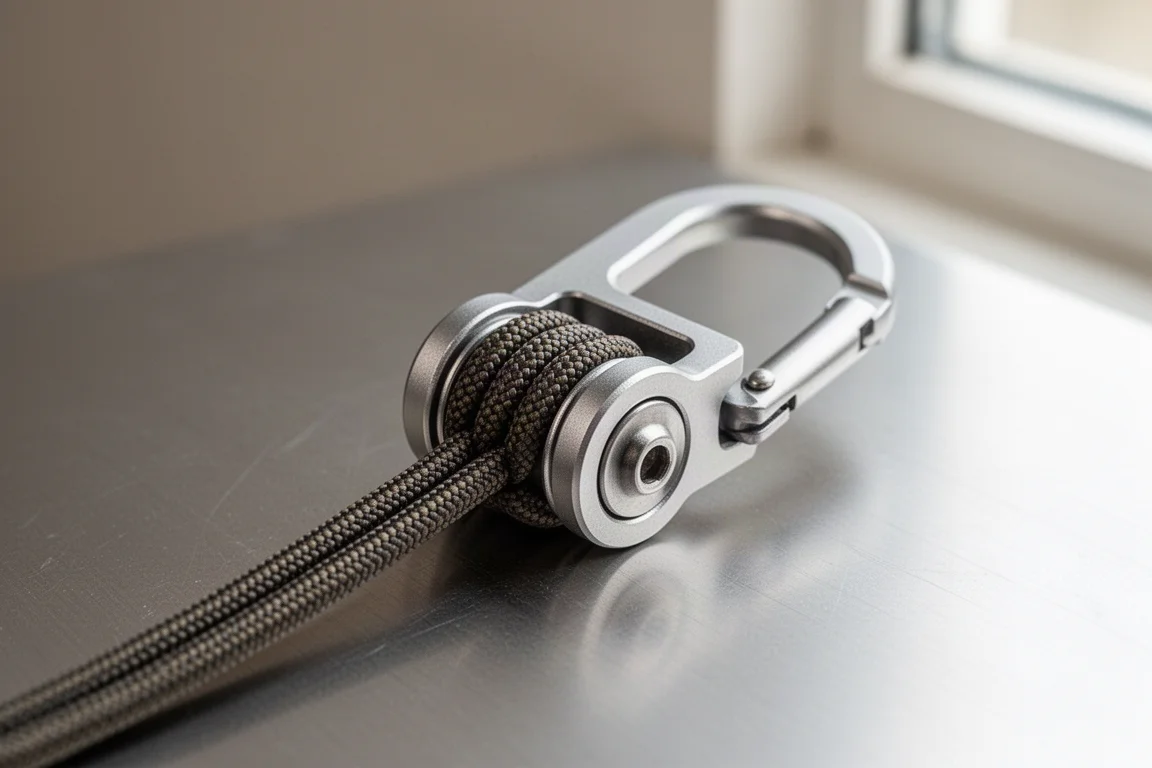
The piece that started the whole fascination is the Roller Cam rope roller, a small paracord strap adjuster with a built-in carabiner. Thread paracord through it and pull one way: it locks up tight, dramatically tighter than anything short of a knot. Pull the other way and it slides freely for easy adjustment. That combination of rock-solid lockup and effortless release is what paracord rigging has been missing.
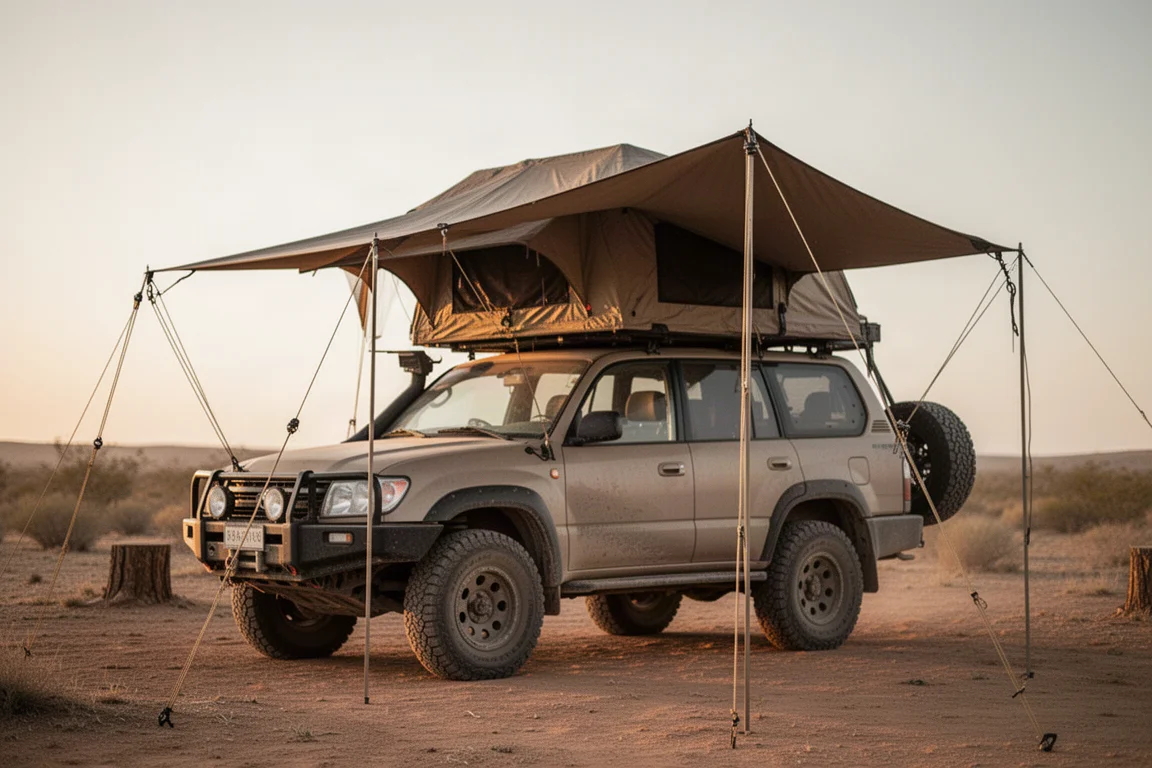
It matters most for practical rigging like an awning setup. A typical ARB awning tie-down might use wrapped paracord with a notch cut to hold it, then a separate tensioner for camp setup. Those small cam-style paracord holders often have bulky mechanisms and a frustrating habit of letting the line pop out, especially in high winds. The rope roller avoids both problems with a low-profile body, clean finish work, and the same stainless and brass hardware approach as the straps.
Night Eyes Paracord Tensioner: A Mixed Experience
Night Eyes makes a range of small camp accessories, including a cam-style mechanism designed to hold paracord. The concept is sound, and having a handful of Night Eyes pieces in the kit is normal. In practice, though, the tensioner is the weak link of this comparison: the mechanism is relatively large and clunky, and the line can pop out of it, particularly in high winds.
That makes it hard to recommend for anything load-bearing or wind-exposed, such as securing an awning on a 4Runner overland setup. It may still serve fine for lighter, sheltered tasks, but once you have used a smoother, more secure adjuster, going back feels like a compromise.
Where NRS Cam Straps Still Make Sense
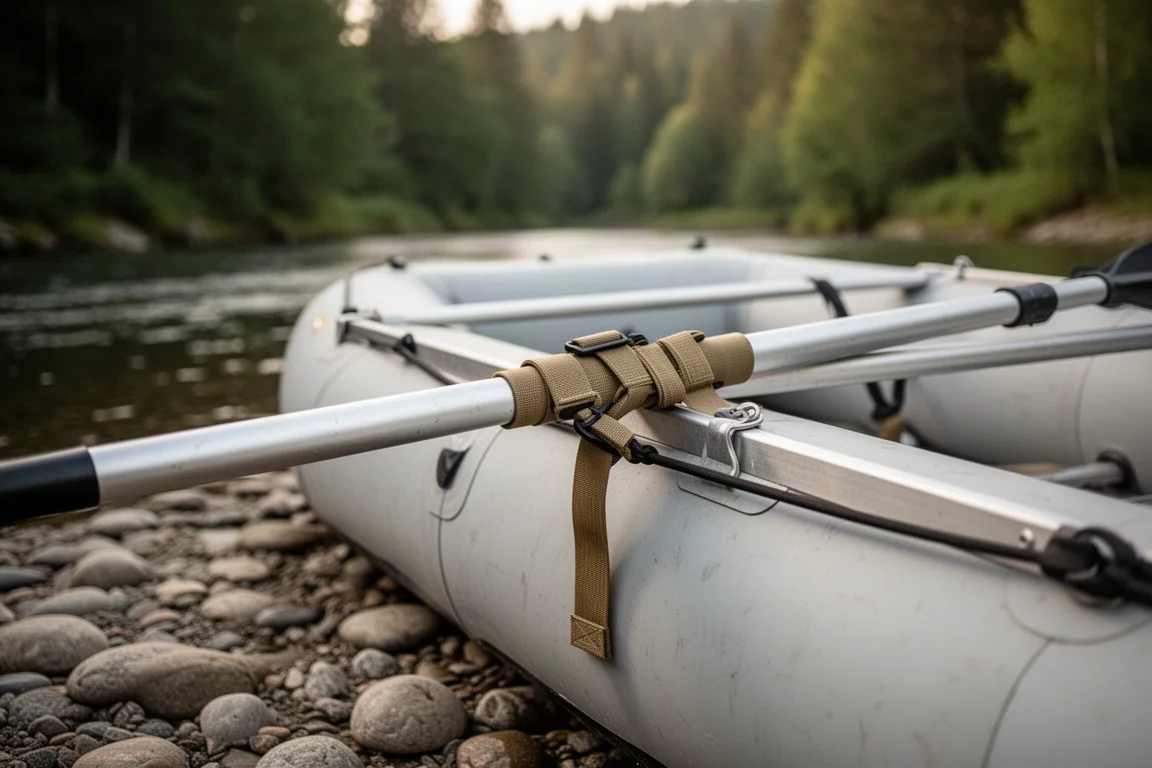
There is a reason NRS cam straps are the default for so many people, especially on the water. They are dependable, available in many sizes, and most users already own a small collection that has lasted for years alongside other NRS gear like personal flotation devices and throw bags. They are proven and familiar.
They are not without compromises, though. The classic buckle requires real hand strength to tension under load, and re-tensioning usually means releasing the buckle entirely. The webbing can also slide back slightly when snugged. As a baseline, they remain a great choice; they simply demand more effort than the roller-based alternative.
Buying Advice
If you mostly need to cinch down loads quickly and adjust them without releasing everything, the Roller Cam straps and rope roller are the strongest picks here. If you already own a drawer full of proven cam straps and are happy with them, there is no urgent reason to replace them, though adding a rope roller for paracord rigging is a cheap, high-impact upgrade. For paracord tensioning, skip clunky holders that let the line slip out in wind and go with a design that locks both directions.
Conclusion
Tie-down gear rarely generates excitement, but a roller in the right place changes the whole experience. Roller Cam’s straps and rope roller deliver smooth tensioning, solid lockup, and corrosion-resistant hardware, while NRS remains the dependable classic it has always been and the Night Eyes tensioner lags behind on security. Match the tool to the job, and your next camp setup gets a lot less frustrating.
Further reading
Related Reviews

Backpacking Gear
Building a 10 lb Base Weight: An Ultralight Backpacking Gear List
A practical walkthrough of the ultralight pieces behind a 10 lb base weight, from a 765 g pack and a roomy one-person tent to a full camp chair and a dependable water filter.

Road Bikes
10 New Road Bikes Worth Watching: Aero, Titanium, Steel and Endurance Standouts
A practical roundup of 10 new road bikes, from aero flagships chasing single-watt gains to titanium, steel and endurance platforms built for real roads.
Bikepacking Gear
11 Bikepacking Essentials for Long-Distance Cycling
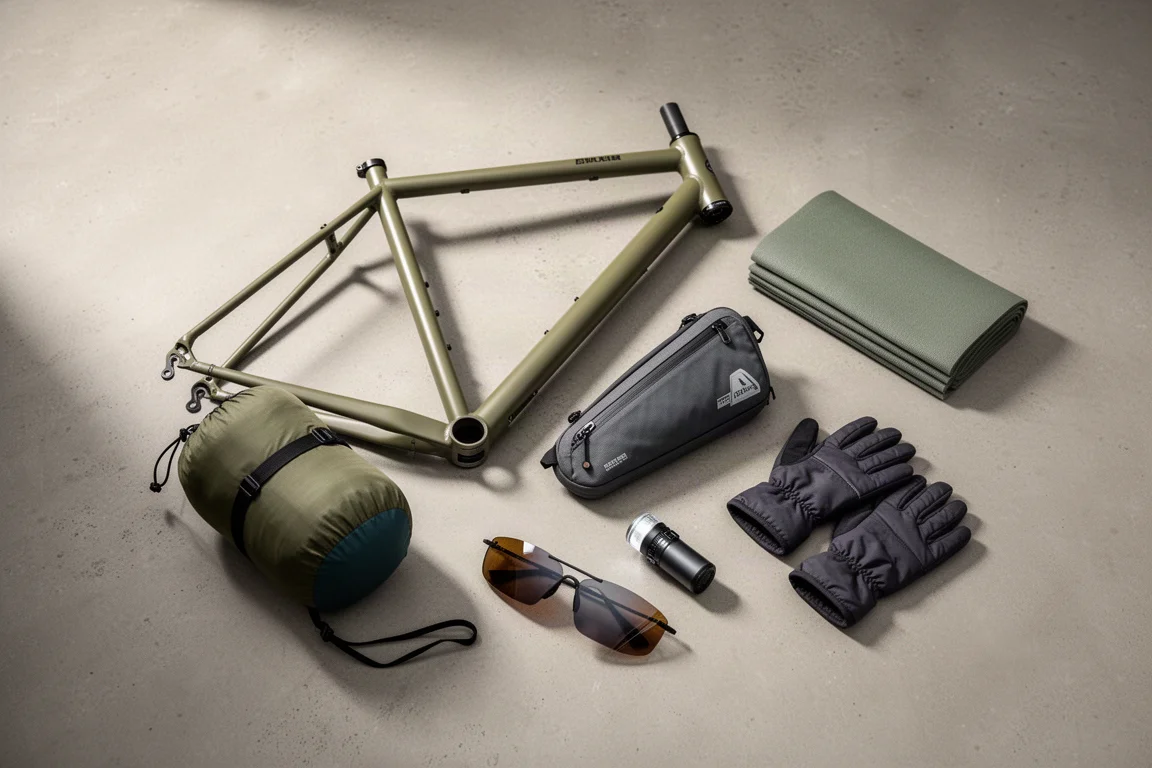
Eleven bikepacking essentials for long-distance cycling, from a steel gravel frame and a two-person tent to helmet lights, packable gloves, and a frame bag that puts weight in the right place.