Integrated Amplifiers
Roksan Attessa Streaming Amplifier Review: Neutral Sound With BluOS Built In
A two-channel integrated amplifier with 80W per channel, built-in BluOS streaming, and a notably neutral character. Here is what to know before buying.
Introduction
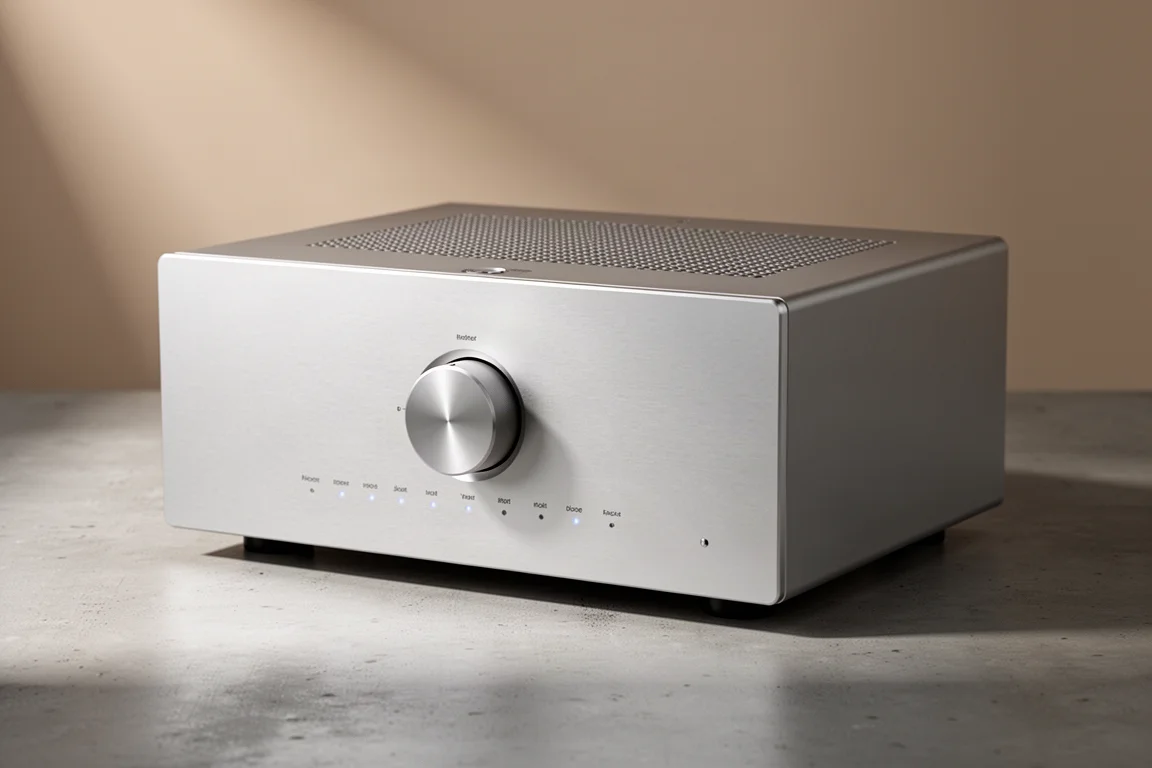
The Roksan Attessa Streaming Amplifier arrives in a category where the competition is well established: two-channel integrated amplifiers that pair a traditional analog heart with modern streaming features. Roksan has been building hi-fi components since the mid-1980s, and since British speaker manufacturer Monitor Audio acquired the brand in 2016 it has released a small, deliberate product lineup. The Attessa is the streaming model at the center of it.
On paper, it is a Class AB two-channel integrated amplifier rated at 80 watts per channel into 8 ohms and 130 watts into 4 ohms. It covers both analog and digital inputs, plus Bluetooth and AirPlay. BluOS streaming is built in rather than sold as an add-on, so high-resolution streaming services are available directly, and the amplifier can join an existing BluOS whole-home audio system.
The interesting question is not whether the feature list looks complete. It does. The interesting question is how the Attessa behaves next to similarly priced integrated amplifiers, and whether its particular character is the right match for a given pair of speakers. That is what the rest of this review covers.
Who This Amplifier Is For
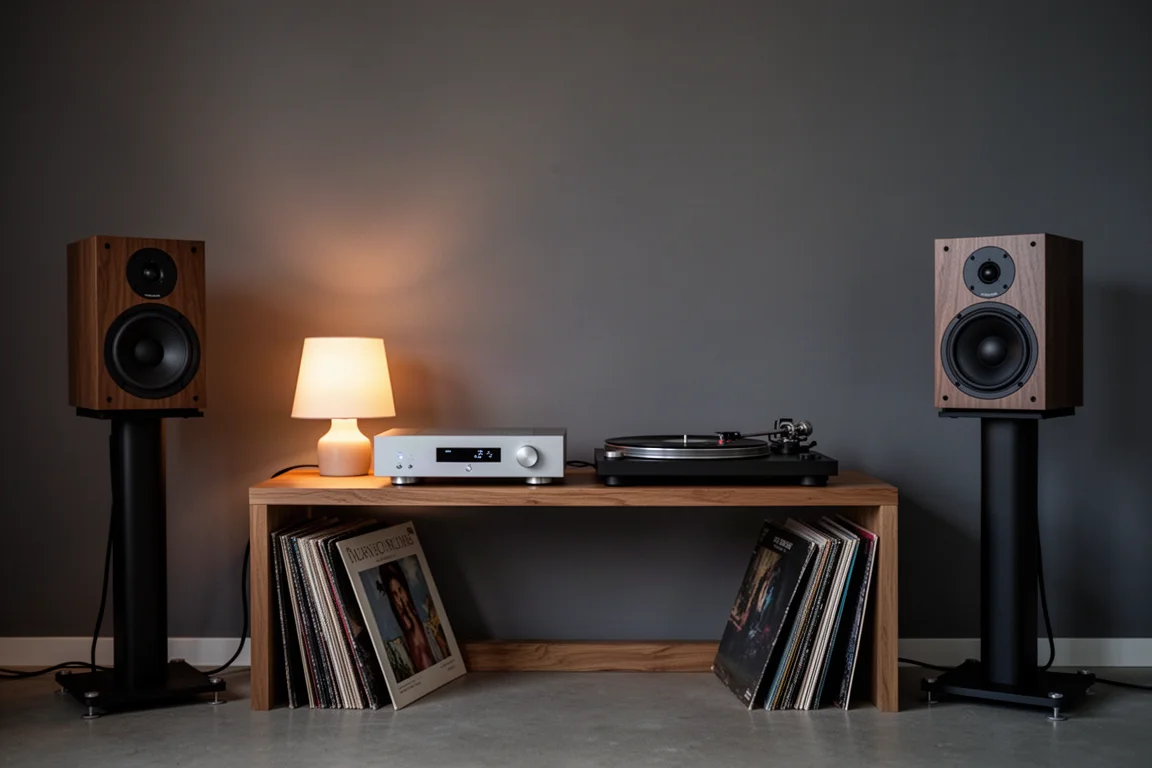
The Attessa makes the most sense for listeners building a single-box system around streaming and vinyl. It has a built-in moving-magnet phono preamp, so a turntable can connect without an external stage, and the streaming side is handled natively through BluOS.
It also suits anyone already living in a BluOS household. Because the platform is built in rather than bolted on, the Attessa can be added to an existing multi-room setup as another zone instead of standing alone.
The character of the amplifier matters as much as the feature list. This is a neutral design that does not add warmth or brightness of its own. That makes it a good partner for speakers that are already voiced the way you like them, and a less good partner for speakers you are hoping to tame.
Listeners who expect to shape the sound with the amplifier itself should look elsewhere. There are no tone controls here, and BluOS does not add bass management or tone shaping either. If you want to soften a bright pair of speakers, the Attessa is not the tool for the job.
Design, Build Quality, and Everyday Control
The Attessa is built around an all-aluminum chassis with a clean, streamlined front panel. A single multi-function dial sits at the center. As a volume control it is genuinely pleasant: smooth, with a touch of resistance, and the illuminated hash marks make it easy to read the level at a glance.
That dial is less successful as a multi-function control. Input selection requires pushing the dial and then turning it, and pushing too far engages mute. In practice, the remote and the companion apps are the better way to drive the amplifier day to day.
Three control paths are available: the included remote, the Maestro Unite app, and the BluOS app. Getting the streaming and wireless features running generally means using all three at least once. Maestro Unite handles the deeper configuration, including custom input graphics, the sensitivity of the phono stage, and standby behavior.
The supplied remote is the weakest part of the package. It works, but it feels like a budget handset rather than an accessory for an amplifier in this class, and it needs to be aimed fairly precisely at the unit.
Main Strengths: Neutral, Detailed Sound
Neutrality is the defining quality here. Used to measure the in-room response of a range of speakers, the Attessa neither added nor subtracted anything meaningful from their measured performance. What you hear is largely what the speakers do.
That even-handedness carries through the whole range. The midrange is unfailingly even, with guitars and mid-focused instruments rendered without added color or flavor, and vocal inflection comes through with real precision. The top end stays composed when recordings push hard, holding together in passages where lesser amplifiers would clip or distort.
Bass is agile and nuanced rather than heavy. With demanding speakers the Attessa kept firm control of the woofer, delivering low frequencies with texture and speed.
Imaging is a strong suit. The presentation sits slightly behind the front plane of the speakers while still filling a large horizontal and vertical space, with depth retrieval that exceeds the warmer Marantz Model 40n. Its separation across the stage is as accomplished as the far more expensive Technics R1000.
Dynamics are rewarding once there is some volume on tap. Low-level listening is competent, but from roughly 65 dB upward the amplifier becomes genuinely enjoyable, which is worth knowing if you tend to listen quietly.
Both source types benefit. The built-in phono stage, paired with a moving-magnet cartridge, produced the same even-handed character as the digital inputs, so vinyl and streaming feel like two sides of the same amplifier rather than two different products.
Streaming, Inputs, and Setup
BluOS is the centerpiece of the Attessa’s connectivity. It provides native access to popular high-resolution streaming services, input switching, and volume control from the app, and it lets the amplifier slot into an existing BluOS multi-room system.
It is worth setting expectations about what BluOS does and does not add here. You will not find tone controls or bass management inside the app. The platform handles streaming, source selection, and system integration, and that is the extent of it.
The analog side is well covered. Alongside the moving-magnet phono input there is a balance control, which is useful in rooms where the speakers cannot be placed symmetrically.
Setup is a two-stage process. The Maestro Unite app handles the amplifier’s own configuration, and BluOS handles the network and streaming side. Budget a little time for the initial setup rather than expecting to unbox and stream immediately.
Things to Consider Before Buying
The lack of tone controls is the most consequential omission. A neutral amplifier cannot fix a bright speaker, and there is no manual adjustment available if a recording or a room needs correction.
The remote is the second consideration. It is functional, but it does not match the feel of the rest of the product, and it is directional enough that you will notice.
Third, the front panel lighting. The illuminated marks and accents have a warm amber-red cast that cannot be changed, and against the silver finish a cooler white would arguably look more cohesive. This is cosmetic, but it is a fixed choice rather than a setting.
The phono grounding post is tucked away tightly enough that it can be awkward to reach for anyone with larger fingers. It is a small thing to check before committing, especially if you swap cartridges regularly.
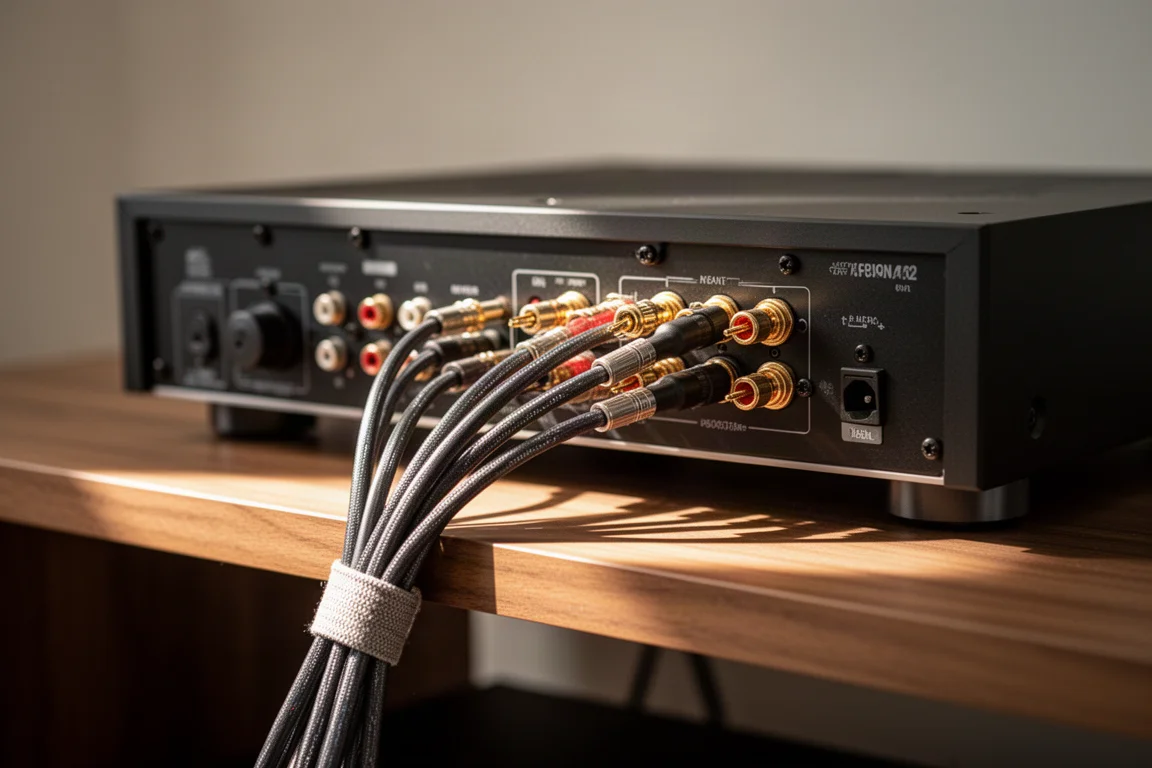
Finally, there is no HDMI input. Competing integrated amplifiers in this price range include it, so if your system is built around an AV source, that absence matters more than any of the cosmetic points above.
Price is the last piece of the puzzle. This is a roughly $3,000 amplifier, and the expectations that come with that figure are reasonable to apply to every part of the package, including the accessories in the box.
How the Attessa Compares With Other Integrated Amplifiers
The Attessa’s position becomes clearer when set against the amplifiers it is most often weighed against.
Against the Audiolab 6000A Play, which costs roughly half as much, the Attessa is the more refined performer. Its top end is cleaner and its bass has more texture and tightness. Feature sets are closer than the price gap suggests, but sonically the Attessa is the more accomplished amplifier, and the 6000A Play is far from disgraced at its price.
Against the NAD C399, the Attessa gives up features. The NAD offers more connectivity, including HDMI, but the Attessa’s sound is the more appealing of the two, and it is the one worth paying more for if sound quality is the priority.
Against the Marantz Model 40n, the difference is one of voicing rather than quality. The Marantz is warmer and rounder, with more emphasis on the low end that can sound weightier but less focused. The Attessa stays neutral and accurate, and its bass is tighter. The Marantz counters with a fuller feature set for less money, which makes the decision a genuine trade-off.
Against the Denon A110, the Attessa is in the same sonic league, but the Denon brings more midrange body, more top-end fullness, and greater separation on complex recordings such as jazz. Sonically the Denon is the preference; the Attessa answers with more features for a little less money.
Against the Technics R1000, which costs close to $10,000, the Attessa is remarkably close. On some recordings the two are difficult to tell apart. The Technics may edge ahead overall, but it also converts all incoming signals to digital, and listeners who prefer to avoid that conversion have a clear reason to choose the Attessa instead.
Buying Advice
Choose the Attessa if you want a neutral, detailed amplifier that lets your speakers sound like themselves, and if streaming matters as much as analog. BluOS integration, a built-in moving-magnet phono stage, AirPlay, and Bluetooth cover a wide range of systems without extra boxes.
Look elsewhere if you need HDMI switching, tone controls, or a warmer tonal balance. Those are the three points where the Attessa is most likely to disappoint, and all three are easy to identify before you buy.
Speaker matching matters more than usual here. Because the amplifier does not color the signal, it rewards speakers that are already well balanced and stable enough in impedance to let the amplifier’s control show through. If your speakers lean bright, plan around that rather than expecting the amplifier to compensate.
Conclusion
The Roksan Attessa Streaming Amplifier gets the fundamentals right. It is a well-built, neutral two-channel integrated amplifier with capable streaming built in, a genuine phono stage, and enough power for demanding speakers. Its weaknesses are specific and predictable: no tone controls, no HDMI, a remote that does not match the rest of the package, and a fixed front panel lighting color.
For listeners who want accuracy and streaming integration in one chassis, those trade-offs are easy to accept. For listeners who want to shape the sound or need HDMI, they are not. Either way, the Attessa deserves a place on the shortlist for anyone shopping in this price range.
Product link
View more details for Roksan Attessa Streaming Amplifier
This product is mentioned in the review. Check the specifications, options, and compatibility before buying.
View more details for Roksan Attessa Streaming AmplifierFurther reading
Related Reviews
Integrated Amplifiers
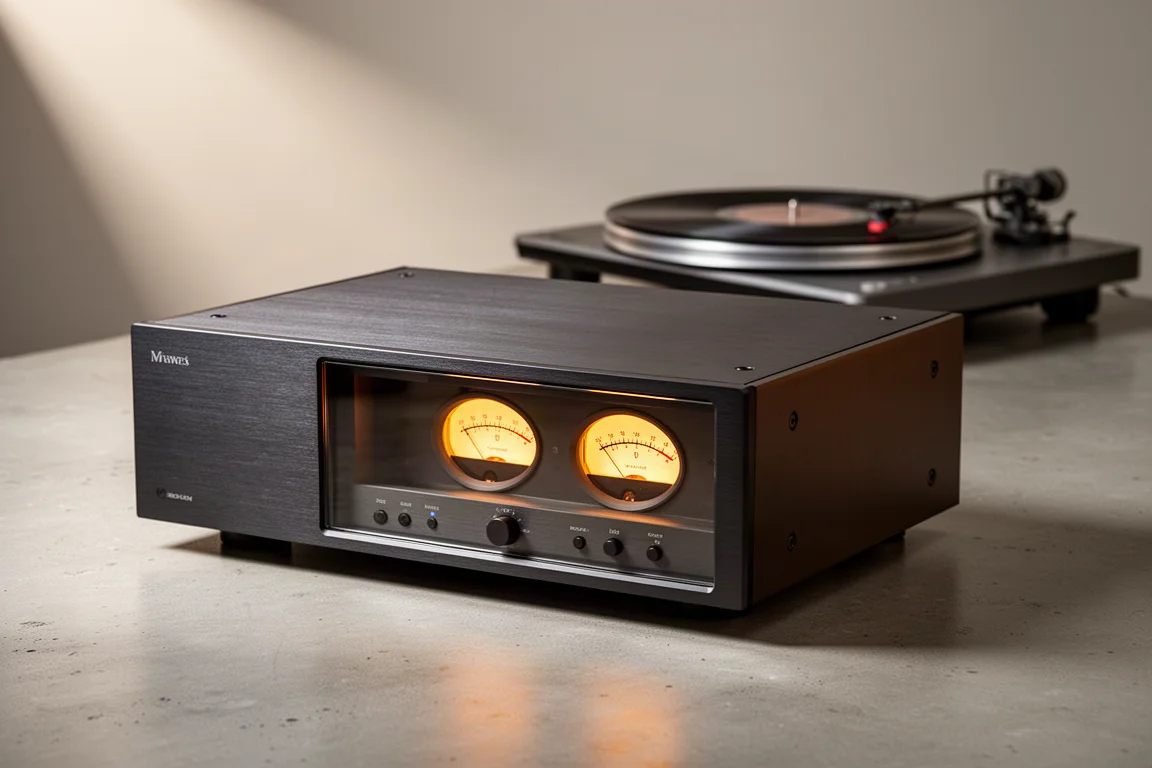
Advance Paris A10 Classic Review: Vintage Looks and a Lively, Punchy Sound
The Advance Paris A10 Classic pairs glowing blue VU meters and a tube stage with one of the widest input sets on any integrated amplifier. Here is what it does well and what to weigh before spending $2,500.
Integrated Amplifiers
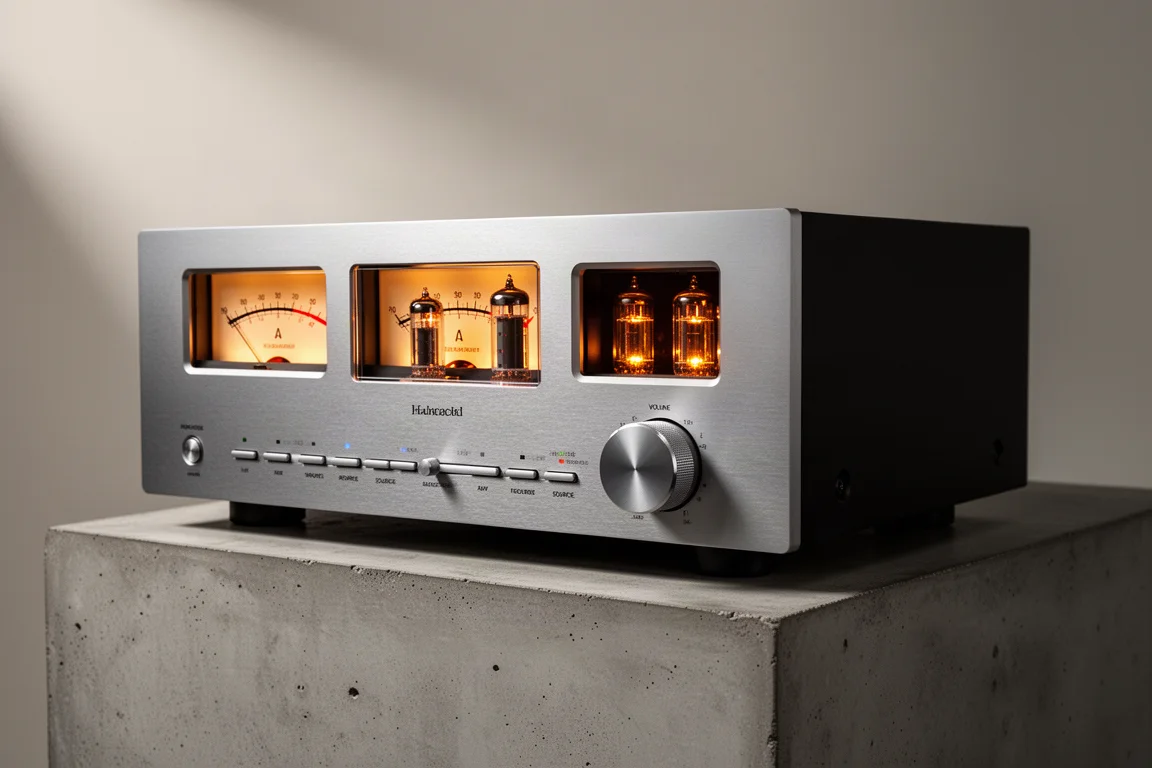
Advance Paris A12 Apex Review: A Modern Integrated Amplifier With Vintage Character
A dual mono integrated amplifier with 180 watts per channel, a tube front end, VU meters, and a connectivity list that covers turntables, televisions, computers, and headphones.
Integrated Amplifiers
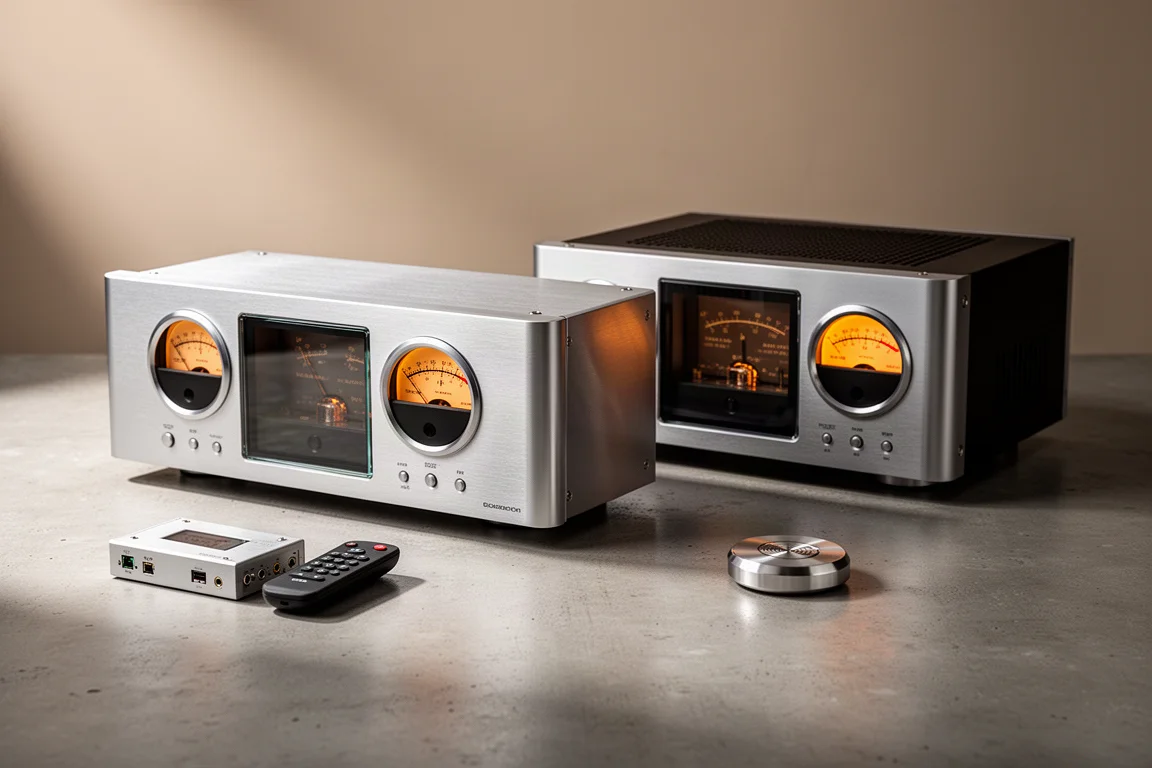
Advance Paris Nova Range Review: AI130, AI190 and Modular Upgrades
A practical look at the Advance Paris Nova range, including the AI130 and AI190 integrated amplifiers and the modular streaming, Bluetooth and remote accessories that expand them.