Triathlon Wetsuits
Roka Maverick Wetsuit Comparison: Comp III vs Pro Max vs X3
A practical comparison of Roka's three Maverick wetsuits, covering neoprene thickness, liner layouts, warmth, buoyancy, flexibility and where the price differences actually show up.
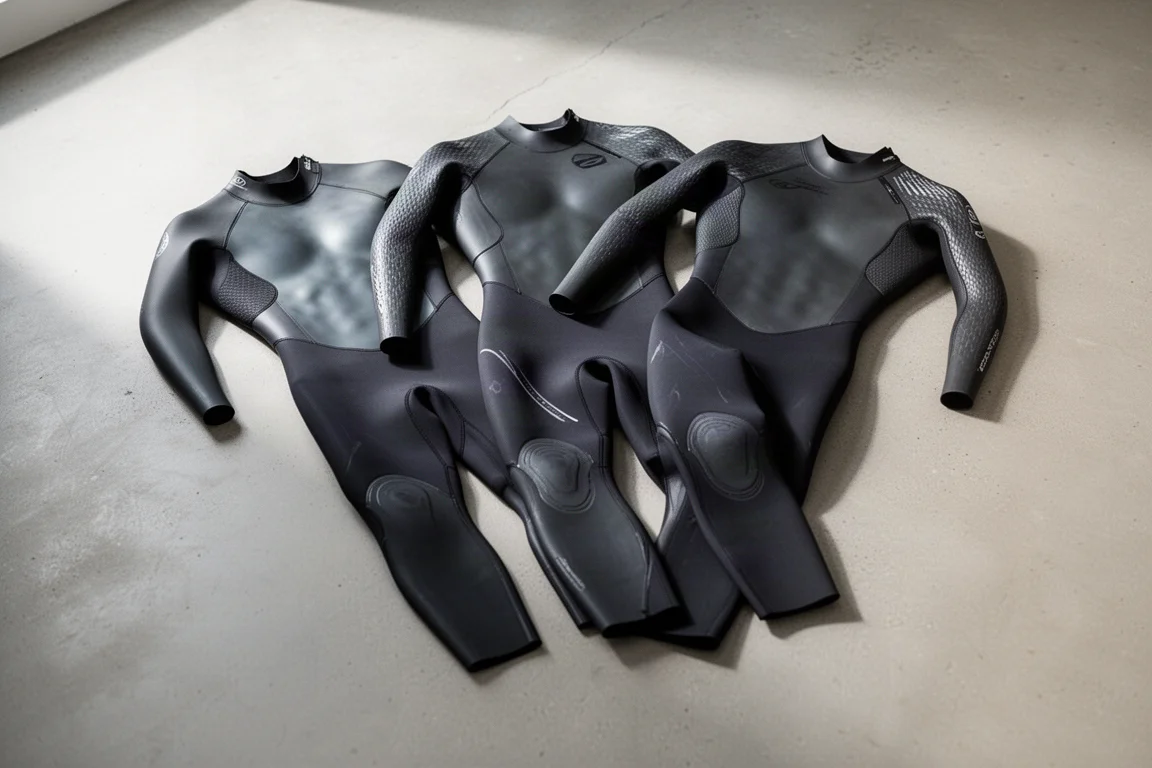
Introduction
A wetsuit is one of the largest single purchases in triathlon kit, and the gap between a good suit and a great one is often measured in seconds rather than minutes. Roka’s Maverick line runs from the entry-level Maverick Comp III, through the mid-range Maverick Pro Max, up to the flagship Maverick X3, and every step up brings changes in neoprene thickness, liner layout and materials.
That raises a fair question: do those changes actually alter how the suit performs in open water, and is the extra spend worth it for the kind of swimming you do? This comparison looks at all three suits, what each one is engineered for, and where the money goes as you move up the range.
What to Look For in a Triathlon Wetsuit
Buoyancy, streamlining, shoulder flexibility, warmth, feel for the water, comfort and durability all shape how a wetsuit performs. Price matters, but it is not the only factor, and it pays to read the specification closely. Brands frequently build one suit for a first-time wetsuit buyer, another for an experienced amateur and another for elite swimmers, and the construction genuinely differs between them.
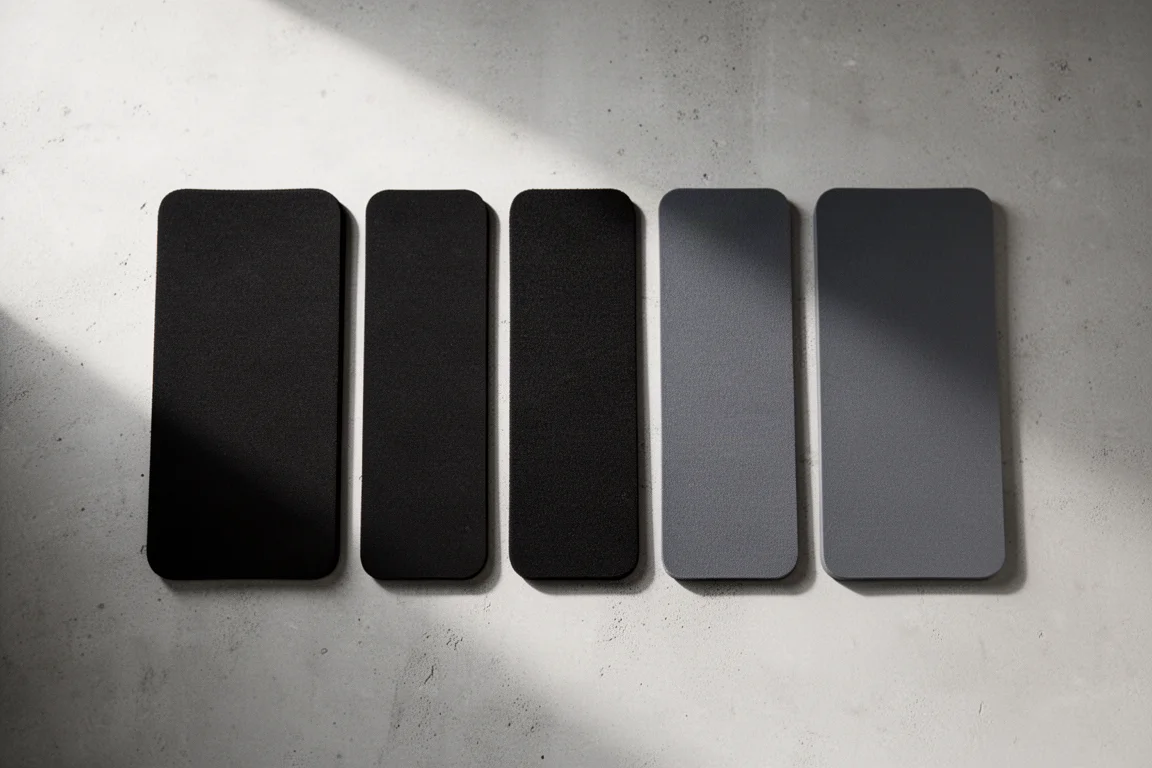
Neoprene thickness is one of the clearest tells. Thicker panels through the torso and legs add flotation, while thinner panels in the shoulders and arms allow a more natural stroke. Liner layouts work alongside that, and the number of distinct liners in a suit is a reasonable shorthand for how much engineering has gone into it.
Fit is the other half of the equation. A suit that takes on water around the arms, neck or back will stay at the front of your mind for the whole swim, while a suit you stop noticing entirely is usually doing its job.
Roka Maverick Comp III: Entry-Level Flexibility
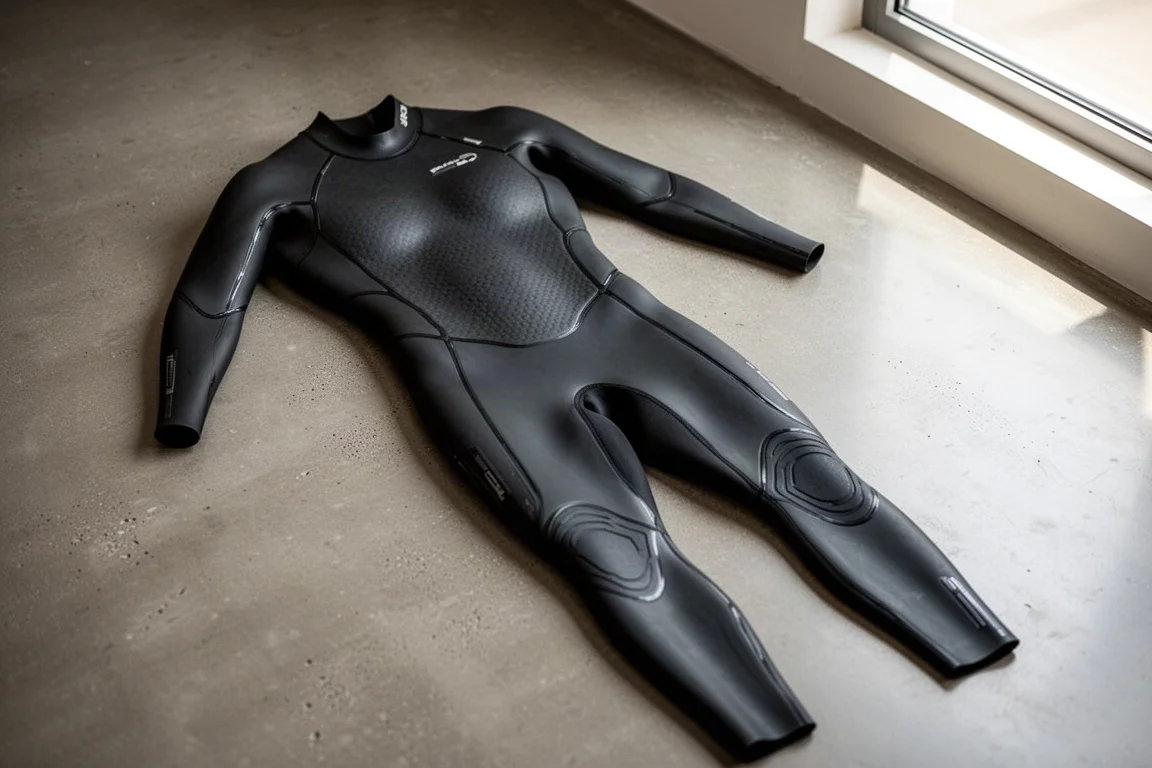
The Maverick Comp III sits at the entry point of Roka’s wetsuit range. It is built around a pattern and fabric layout intended to give full flexibility through the shoulders and a natural feel in the water, with three unique liners and four different thicknesses of neoprene running from 1.5 mm up to 5 mm. Roka describes it as offering buoyancy, comfort and some body rotation enhancement.
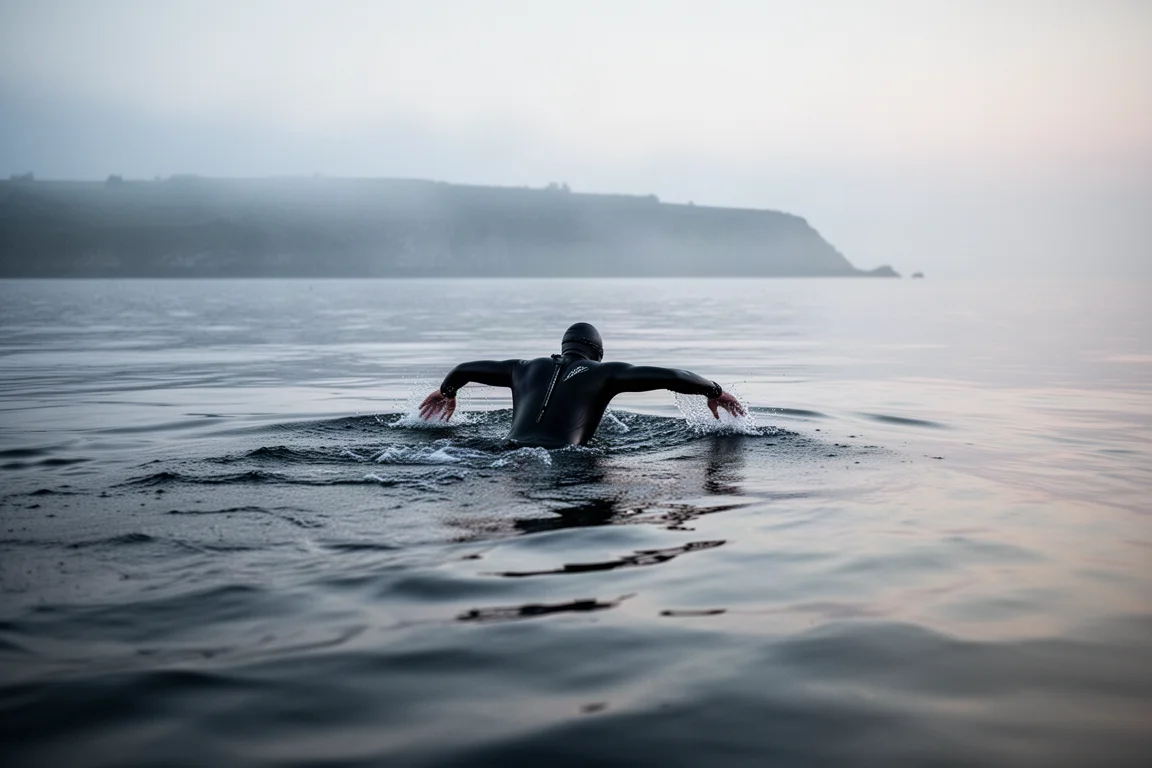
It is not aimed specifically at beginner swimmers, but rather at someone buying their first swimming wetsuit who still wants a performance-led design. In the water it swims well, though there is a clear trade-off at this price level: the arms can take on a noticeable amount of water, and you tend to be more aware of the suit while you are wearing it. It retails at the lowest price point in the range, at around 538 pounds or 700 dollars.
Roka Maverick Pro Max: Added Warmth and Buoyancy
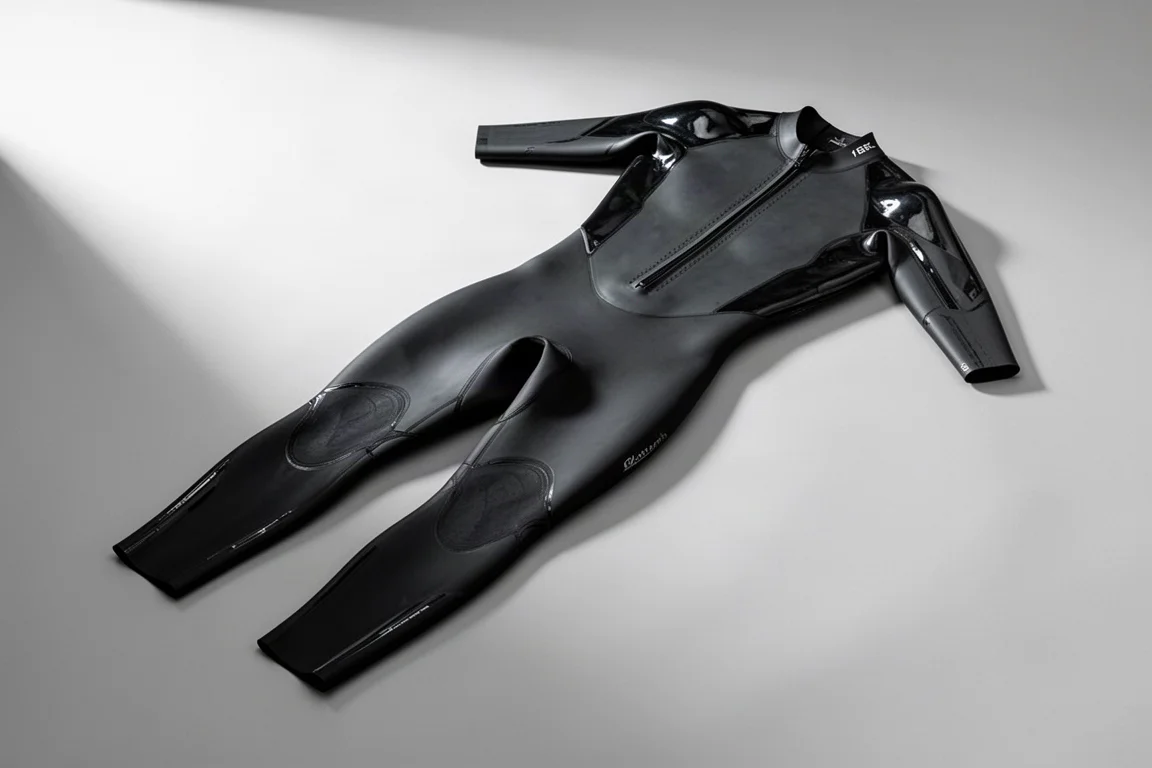
The Maverick Pro Max is based on Roka’s original Maverick Pro, with extra warmth and buoyancy added on top of that foundation. It uses four different liners and neoprene that ranges from as little as 1 mm up to 5 mm, which sets it apart from the other two suits here. Importantly, the additional warmth and buoyancy are properties Roka attributes to this suit and not to the Comp III or the X3, which makes the Pro Max the obvious candidate if you struggle with sinking legs or feel the cold during a swim.
In practice it feels snugger and takes a little more effort to get on, but that tighter fit translates into no leakage points once you are swimming. It is also a touch warmer than the flagship suit, which matters on a cold open-water start. It retails at 948 pounds or 1,250 dollars.
Roka Maverick X3: The Range Topper
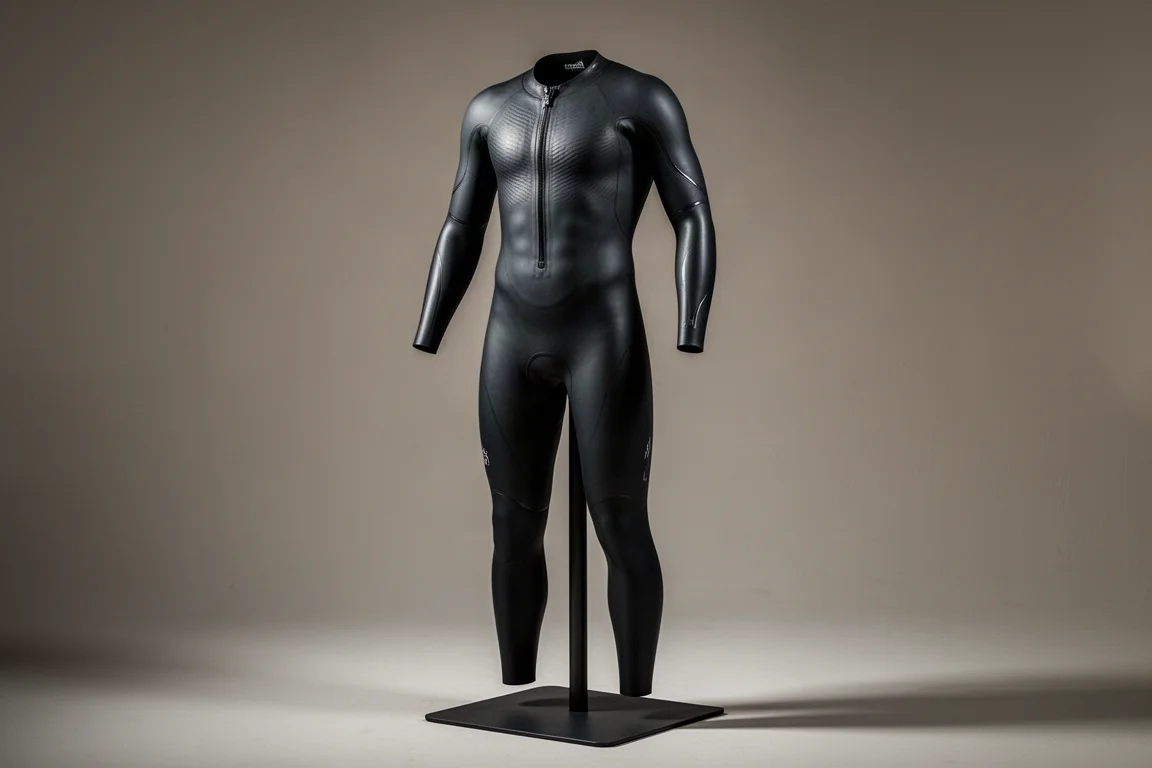
The Maverick X3 is the premium suit in the range and the fastest wetsuit Roka has made. Several features are exclusive to this suit, the most visible being the forearm panels designed to increase feel for the water. It also introduces the Aerodome material to aid buoyancy and rotation, and it steps up the layering system to five liner layouts and a total of eight different neoprene thicknesses.
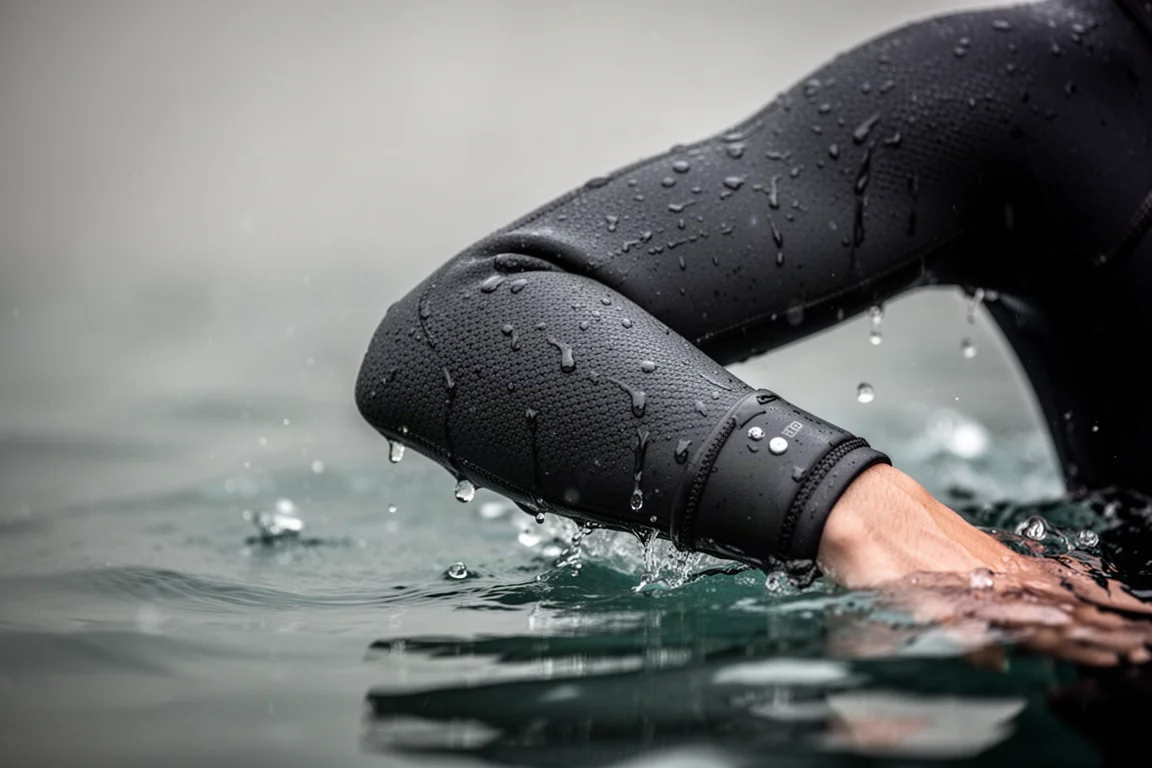
The thinner arms are noticeable the moment you get in. First contact with cold water feels colder than in the other two suits, though that sensation passes quickly once you are swimming. Roka also claims the X3 helps you hold a good body position even as fatigue sets in, which is a meaningful claim for longer races rather than short training swims.
At 1,281 pounds or 1,699 dollars, it sits at the top of the range, and the price reflects how much technical detail is packed into it. It is the suit to consider if you want the fastest option available and are prepared to pay for incremental gains.
Is Spending More Worth It?
Across comparable open-water swims of around 500 m, the faster suits did produce faster times for the same perceived effort. Over that distance the flagship suit came in roughly 15 seconds ahead of the entry-level option at an equivalent heart rate, and the mid-range suit returned a slightly lower heart rate for a similar pace.
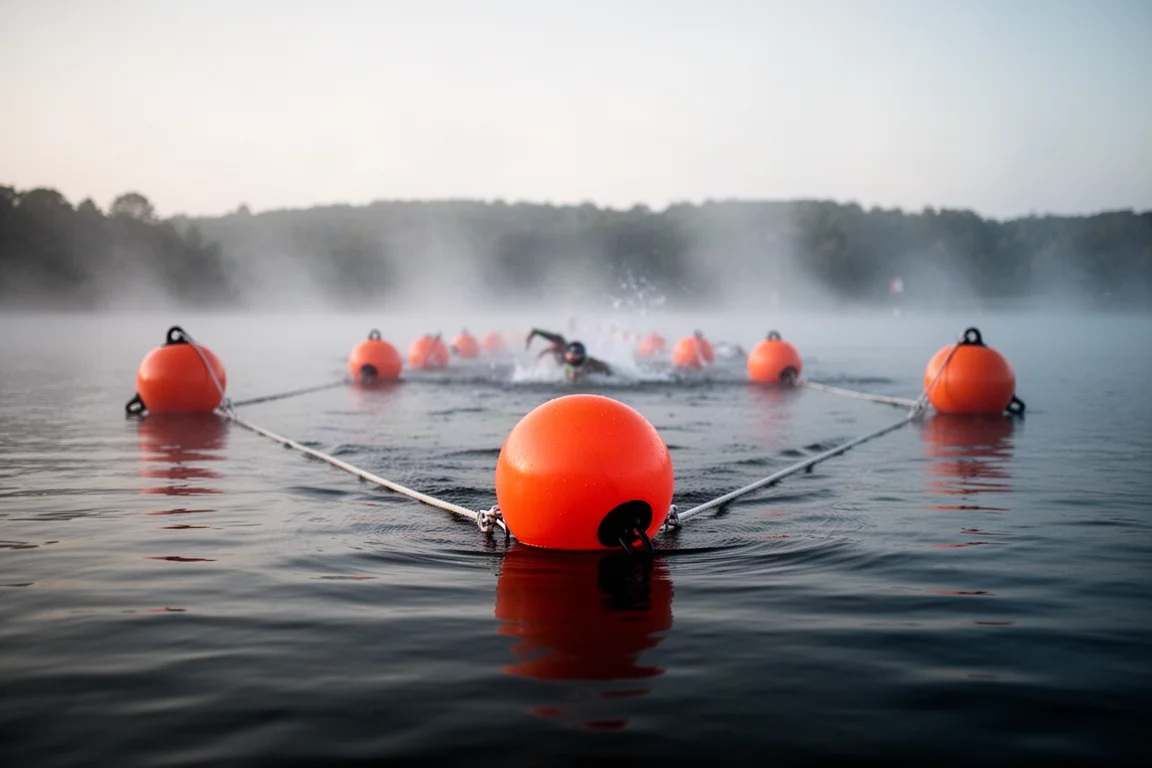
Those gains are real but modest, and it is worth being honest about their size. What is more, the differences tend to widen as a swim gets longer, because buoyancy and shoulder flexibility matter more once fatigue builds. That is the strongest argument for spending more if your target is an Ironman or another long-distance event.
Price is not the whole story, however. Read the spec sheet closely, because two suits at similar prices can be designed for very different swimmers. If you can get to a dealer day or a demo day and swim in more than one suit, take the opportunity. Which suit works for you comes down to whether you need flotation, warmth or arm flexibility, and that is something only time in the water will tell you.
Conclusion
All three Maverick suits swim well, and the hierarchy is straightforward. The X3 is the fastest and the most technically built, the Pro Max offers the most warmth and buoyancy, and the Comp III is the most accessible way into the range. The performance differences between them are measurable but marginal, so the sensible approach is to match the suit to your swim goals and your budget rather than simply buying the most expensive option on the rack.
Further reading
Related Reviews
Triathlon Wetsuits
Orca Apex Wetsuit Range Compared: Float vs Flex vs Flow
A close look at Orca's three Apex wetsuits, how they differ in buoyancy and shoulder freedom, and which type of swimmer and race distance each one suits.
Triathlon Wetsuits
Orca Predator vs Decathlon Aptonia: Budget and Premium Triathlon Wetsuits Compared
A 699 pound premium wetsuit against a 99 pound entry-level suit: what the extra money buys, where the budget option still works, and why fit matters more than price.

Backpacking Gear
Building a 10 lb Base Weight: An Ultralight Backpacking Gear List
A practical walkthrough of the ultralight pieces behind a 10 lb base weight, from a 765 g pack and a roomy one-person tent to a full camp chair and a dependable water filter.