Triathlon Wetsuits
Orca Apex Wetsuit Range Compared: Float vs Flex vs Flow
A close look at Orca's three Apex wetsuits, how they differ in buoyancy and shoulder freedom, and which type of swimmer and race distance each one suits.
Introduction
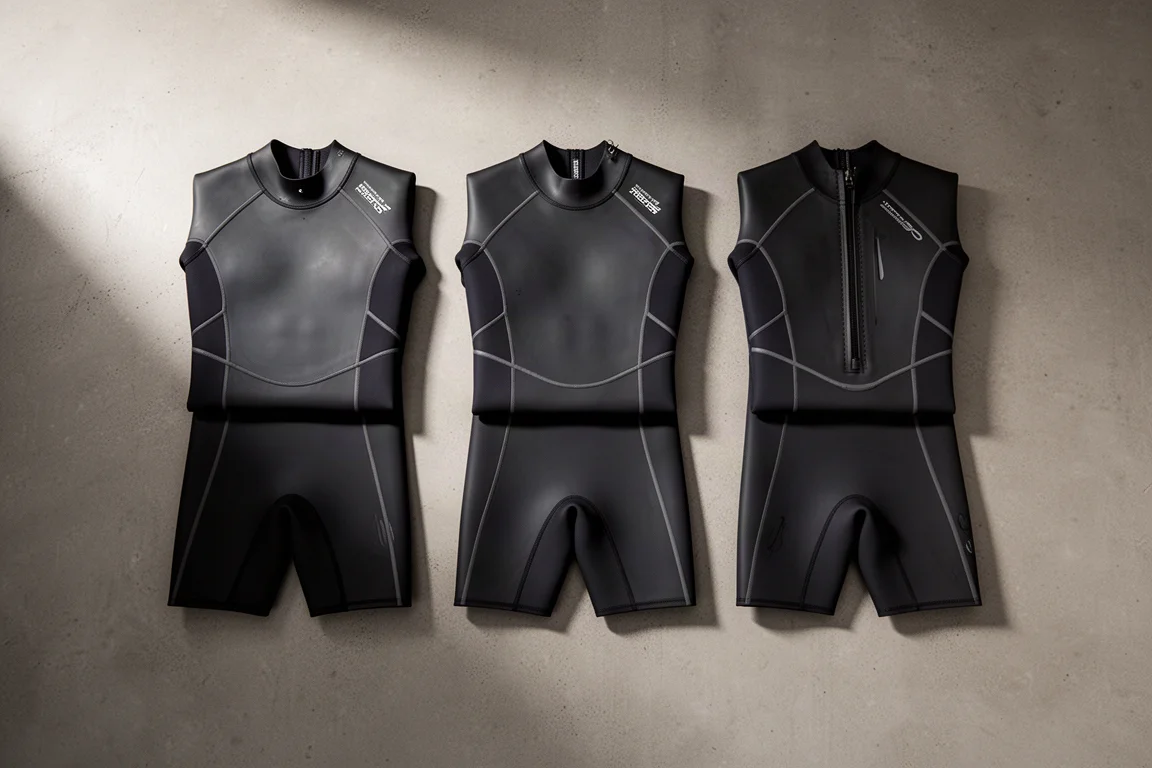
Orca’s Apex collection sits at the top of the brand’s wetsuit line. It is described as the more technically advanced of Orca’s two collections, with performance as the priority rather than technique support. Within that collection, the range splits into three models: the Apex Float, the Apex Flex and the Apex Flow. All three share the same overall construction philosophy, but they take very different approaches to how much buoyancy a swimmer needs and how much freedom of movement they are willing to trade for it.
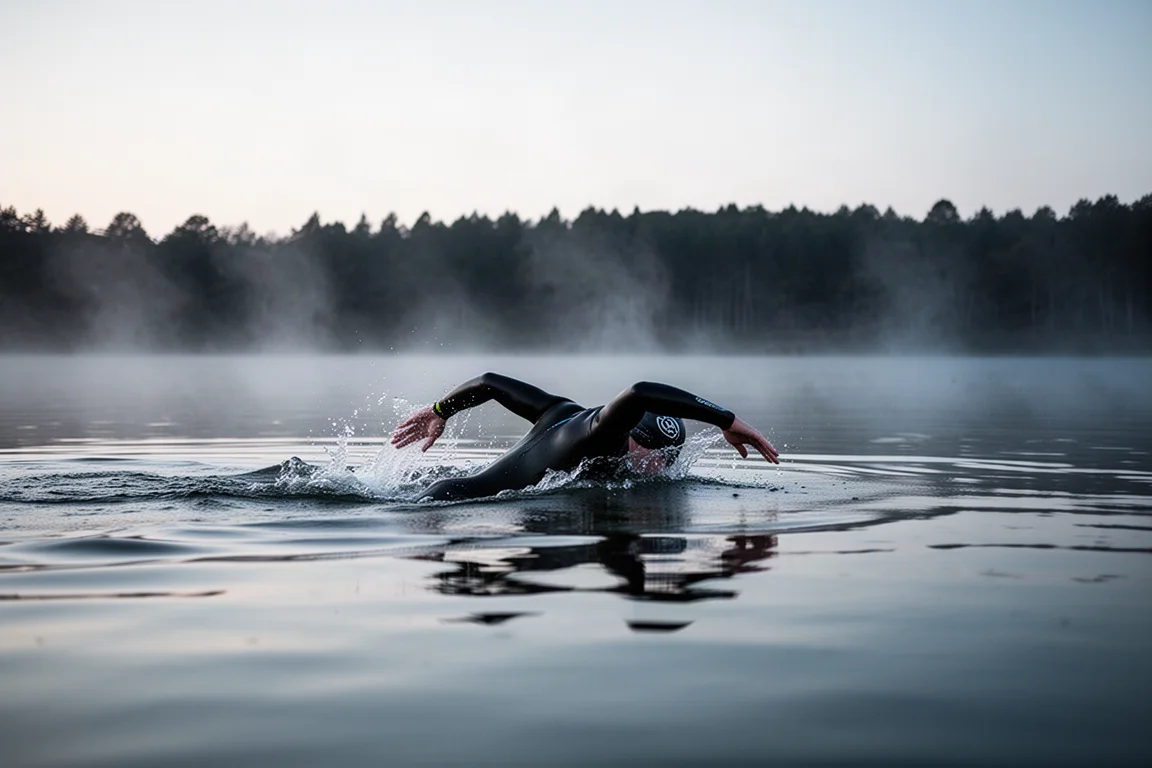
The differences matter most in the legs and across the shoulders, and they are easier to understand once you know which type of swimmer each suit was designed around. This guide covers what separates the three Apex models, what changed in the updated design, and how to work out which one fits the way you actually swim.
How the Orca Apex Range Is Structured
Orca divides its wetsuits into two collections. The Athlex models are positioned around helping swimmers improve their overall technique in the water. The Apex models are the more technically advanced option, built with performance as the main goal. Under those collections, the range is then split into three categories that map to swimmer type: Float, Flex and Flow.
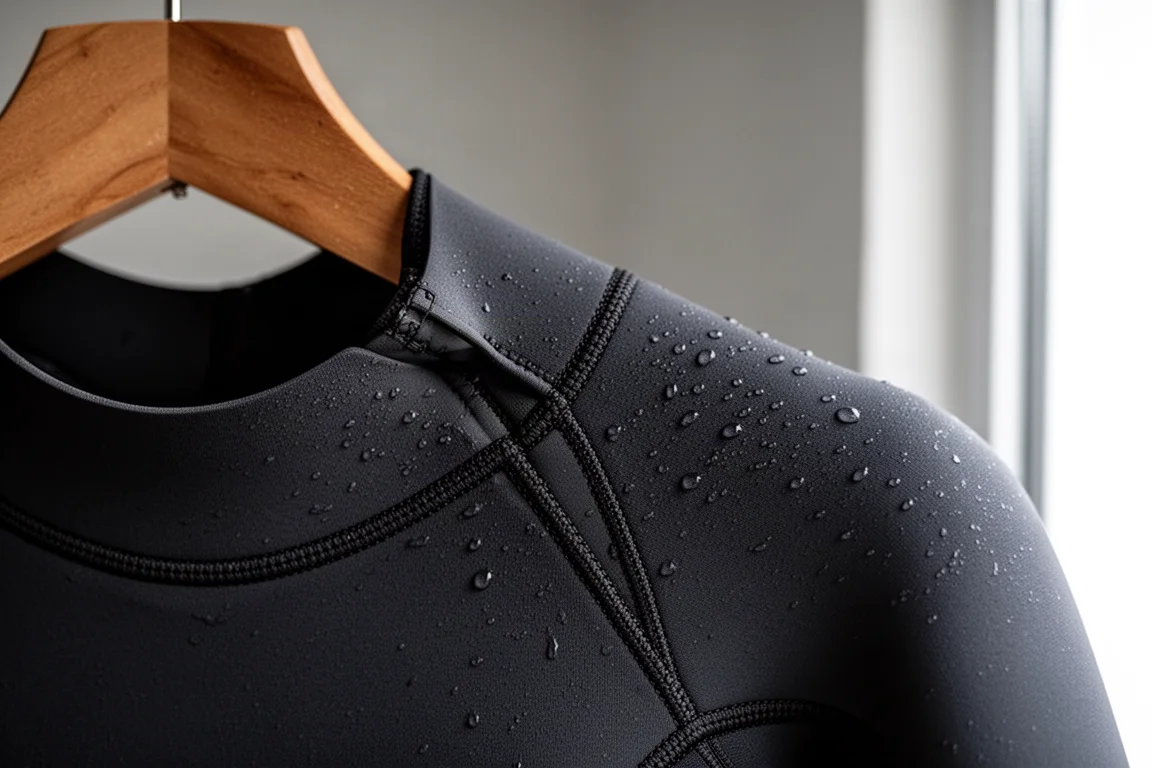
For the Apex line, the shoulder construction has been reworked. The neutral hand position now sits in a wider, more open shape, which reduces tension across the shoulders and opens up a larger range of movement, so the same effort produces more reach. Printed panels have also been moved off the shoulders and onto the sleeves. A printed panel stretches differently from an unprinted one, and the shoulder is the last place a swimmer wants to lose energy to a panel that does not move the way the arm does.
The range is also tested rather than simply chosen by feel. Swimmers are measured for body dimensions, shoulder flexibility and range of motion before they get in the water. During each effort, pace, heart rate, core temperature and skin surface temperature are recorded, and small metal nodes on the skin show how much water enters and flushes through a suit. Underwater filming captures how body position changes between models. Swimmers also rate comfort, buoyancy in the chest and legs, shoulder freedom and overall fit on a simple one to five scale. The result is a decision built on measurements and observed position, not on how a suit feels in the changing room.
Orca Apex Float: Maximum Buoyancy
The Apex Float is the highest-buoyancy suit in the Apex range. It is aimed at swimmers whose technique is not their strongest asset, and who gain from extra support in the water. The suit holds the body closer to horizontal, which means less kicking is needed to keep the legs up and less energy is spent simply staying in position. Orca positions it for middle-distance racing, for triathlon more generally, and for long distances where efficiency matters over hours rather than minutes.
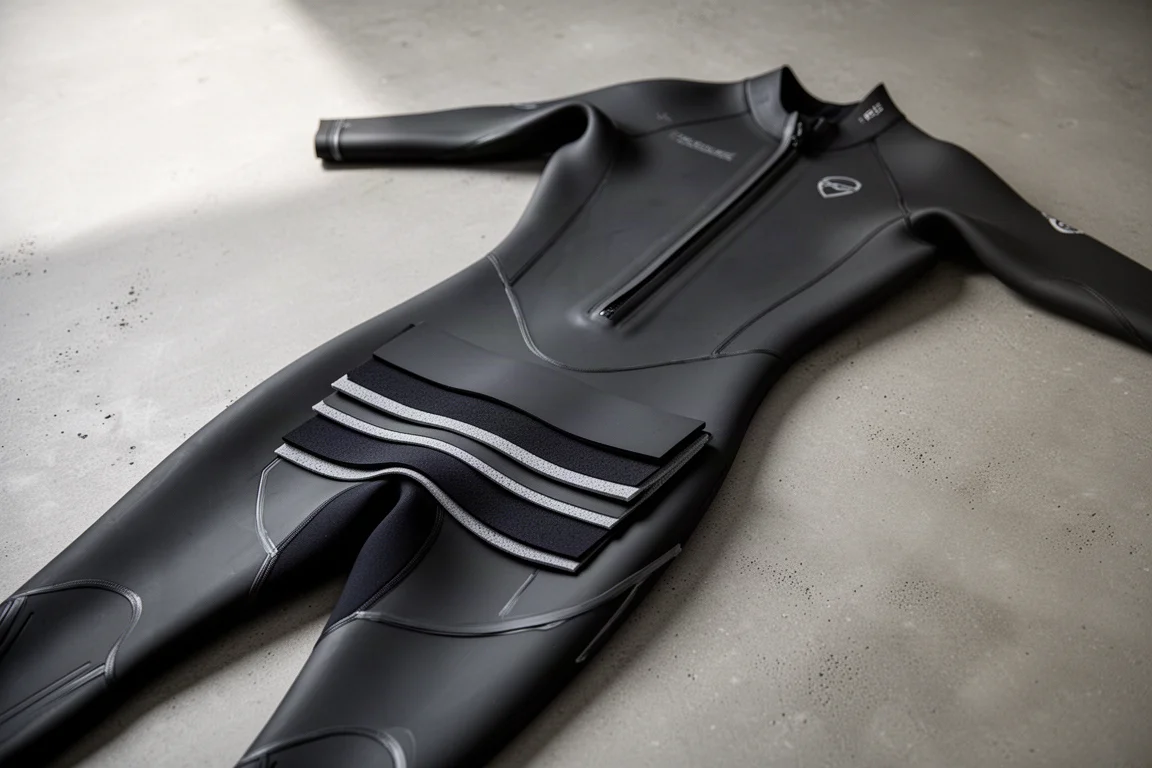
Despite the lift it provides, the Apex Float is still an elastic suit, built with top-tier rubber materials. The combination of substantial buoyancy with good flexibility is the point of the design: the support should not come at the cost of a heavy, restrictive stroke.
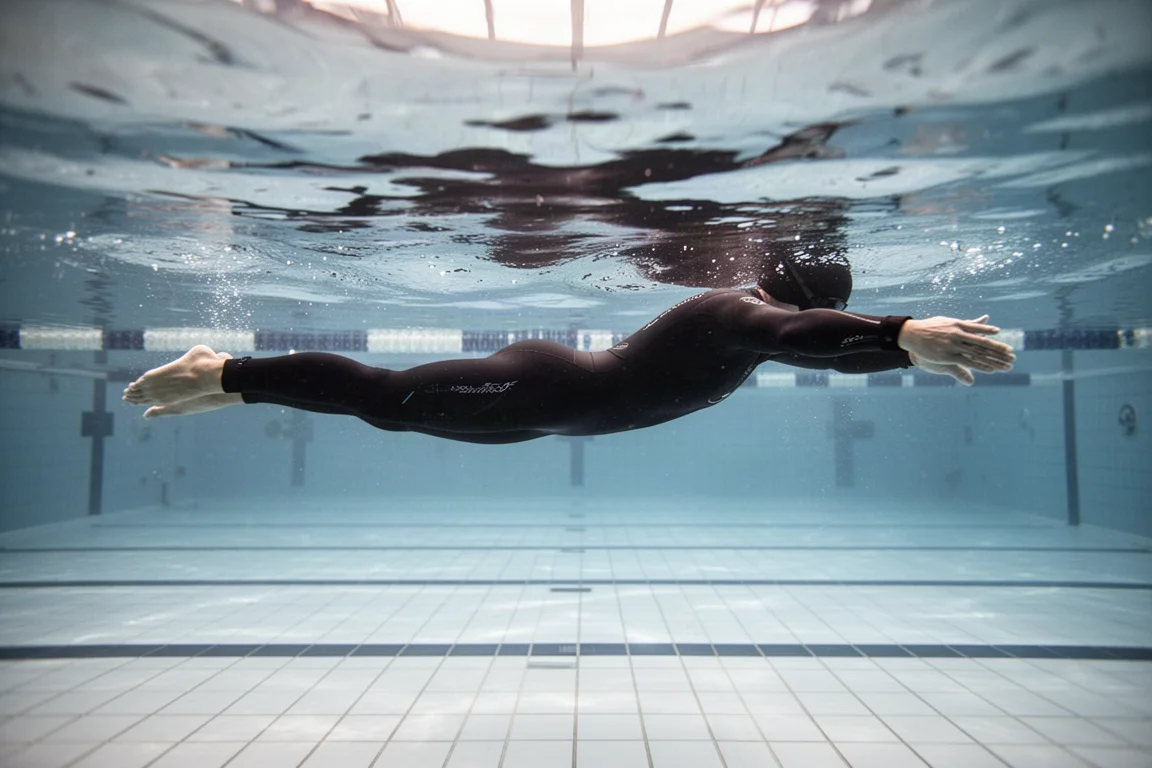
For a swimmer who sinks at the legs or loses position in the second half of a swim, that extra buoyancy is likely to be worth more than the feel it removes. For a strong, technical swimmer who already holds a good line in the water, it is more support than the stroke requires.
Orca Apex Flex: Minimal Interference
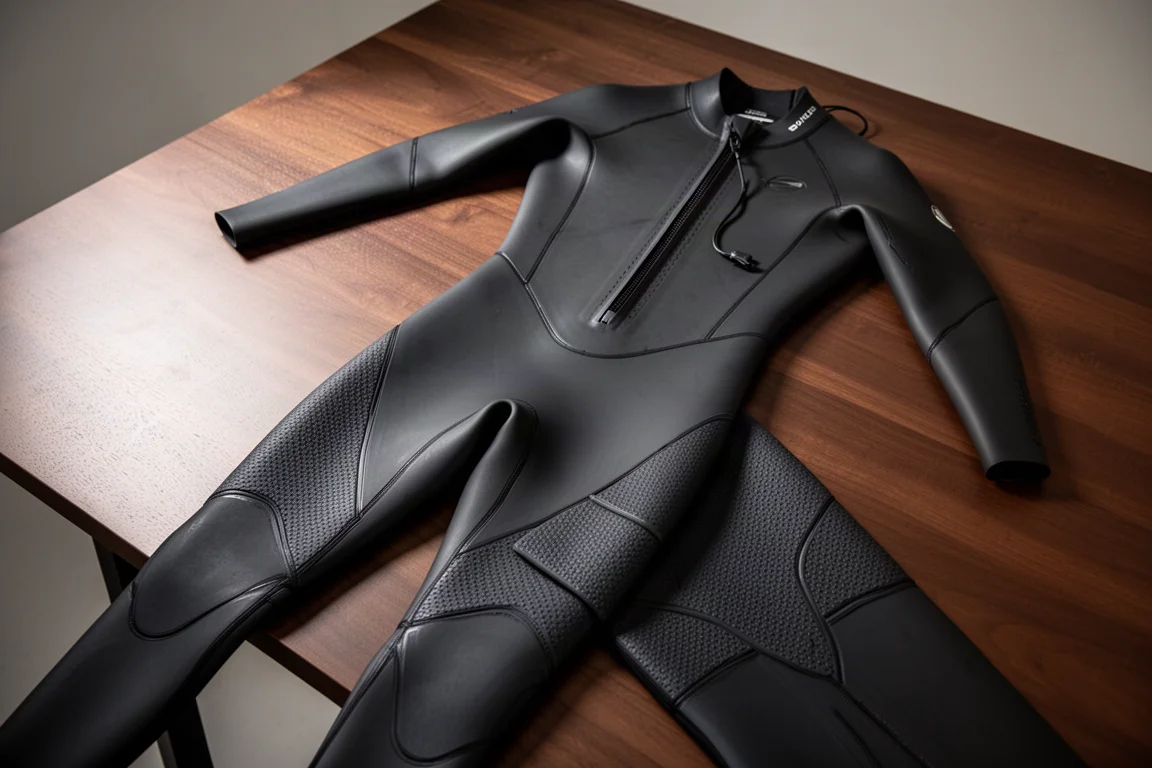
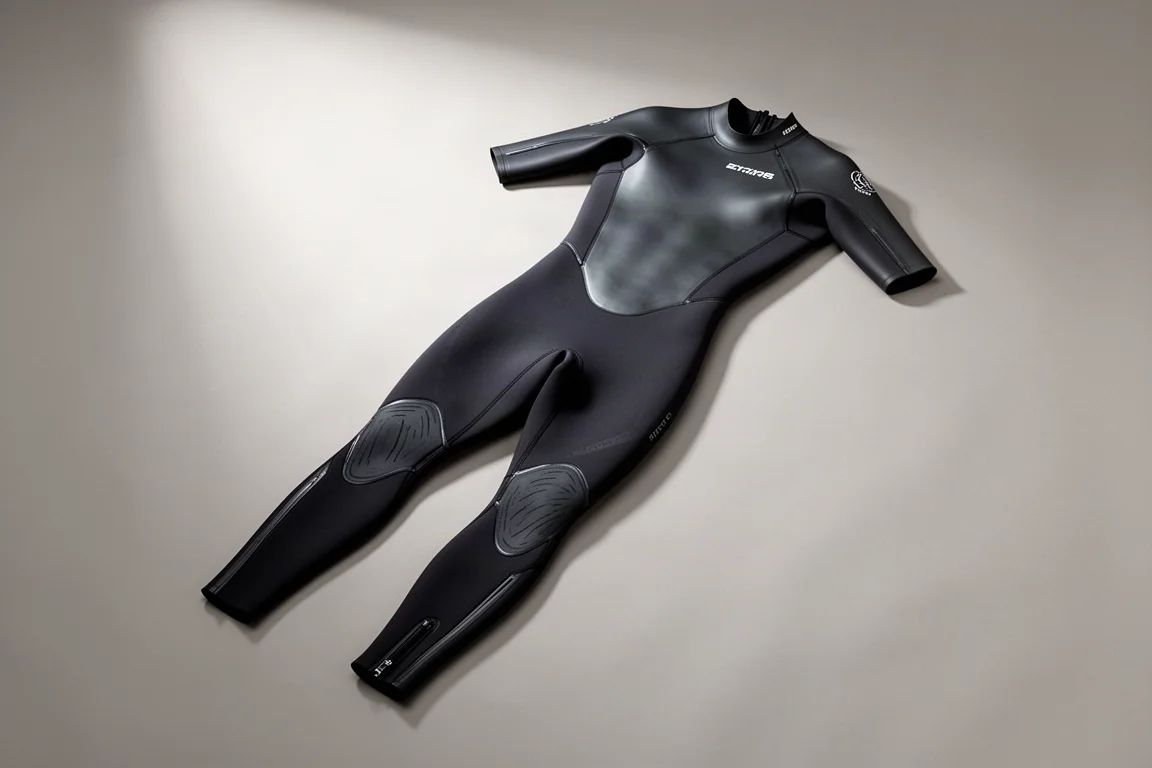
The Apex Flex takes the opposite approach. It is designed for swimmers who do not want anything to alter their technique. The legs are deliberately thin, with no high-buoyancy panels, so the suit does not lift the lower body into a position the swimmer has not chosen for themselves. The upper half uses the same highly elastic construction as the Apex Flow, with thinner panels than the Apex Float and maximum stretch across the shoulders.
The result is a suit that stays out of the way. One athlete testing the range described the Apex Flex as feeling closer to swimming in a classic swimsuit, and suggested it would be the strongest choice for shorter distances where freedom of movement and an unchanged stroke matter most. That also means it rewards a swimmer who already has a solid catch and a consistent body position, since the suit will not supply either.
Orca Apex Flow: The Balanced Option
The Apex Flow sits between the other two. It shares the Apex Flex’s upper body, with the most elastic neoprene panels across the shoulders, but adds a moderate amount of buoyancy in the legs. That is less lift than the Apex Float provides, but enough to help a swimmer hold position and conserve energy through middle-distance and, above all, long-distance races.
In testing, the athlete who swam in all three models described the Apex Flow as the best balance of buoyancy and flexibility, and picked it as the suit he would race in. The reasoning is straightforward: a little leg lift helps without the swimmer having to give up the shoulder freedom that the Flex and the Flow share.
How to Choose Between the Three
The three models are not ranked from better to worse. They are matched to different swimmers and different race distances.
- Choose the Apex Float if buoyancy is the priority, if your legs drop in the water, or if you race middle and long distances and want the suit to do more of the work of holding position.
- Choose the Apex Flex if you already swim with good technique, do not want the suit to change your body position, and race short distances where maximum shoulder freedom matters most.
- Choose the Apex Flow if you want the elastic upper body of the Flex with a moderate amount of leg lift for middle and long-distance racing.
Buying Advice
All three suits sit in the high-end Apex collection, so this is not a choice between a budget option and a premium one. The decision comes down to fit and function. Two things are worth checking before you commit.
The first is size. The range is offered in multiple sizes, and the fit has to be genuinely right, because a suit that lets water flush through or restricts the shoulders will undo the benefit of the materials and the panel design. The measurements used during testing exist precisely because a good suit in the wrong size performs worse than a simpler suit in the right one.
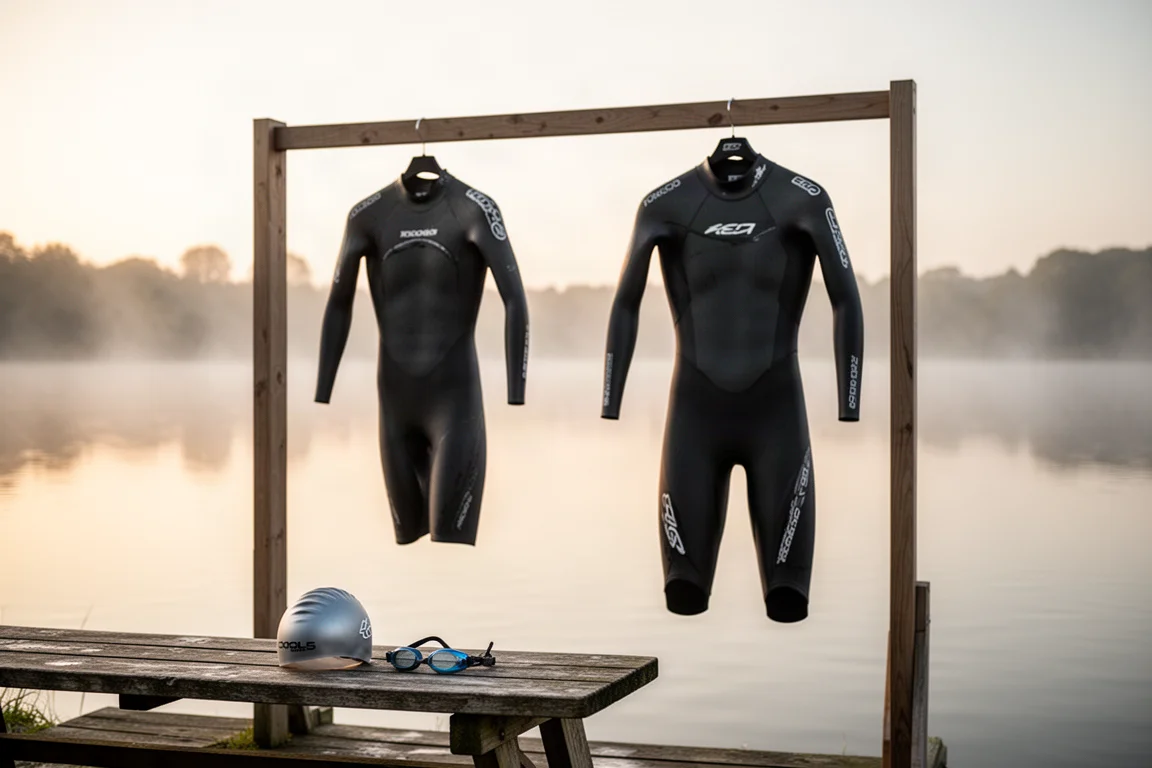
The second is honesty about your own swimming. Buoyancy is a tool that helps swimmers who need position and hinders swimmers who already have it. If you are unsure, the middle of the range is the safer starting point, since it adds support without removing the feel of the water.
Conclusion
The Apex Float, Apex Flex and Apex Flow are three answers to the same question, and the differences between them are concentrated in the legs and the shoulders rather than in overall quality. The Float gives the most lift, the Flex gives the least interference, and the Flow takes a measured amount of each. Match the suit to your stroke and your race distance, get the size right, and the choice becomes far simpler than the range initially suggests.
Further reading
Related Reviews
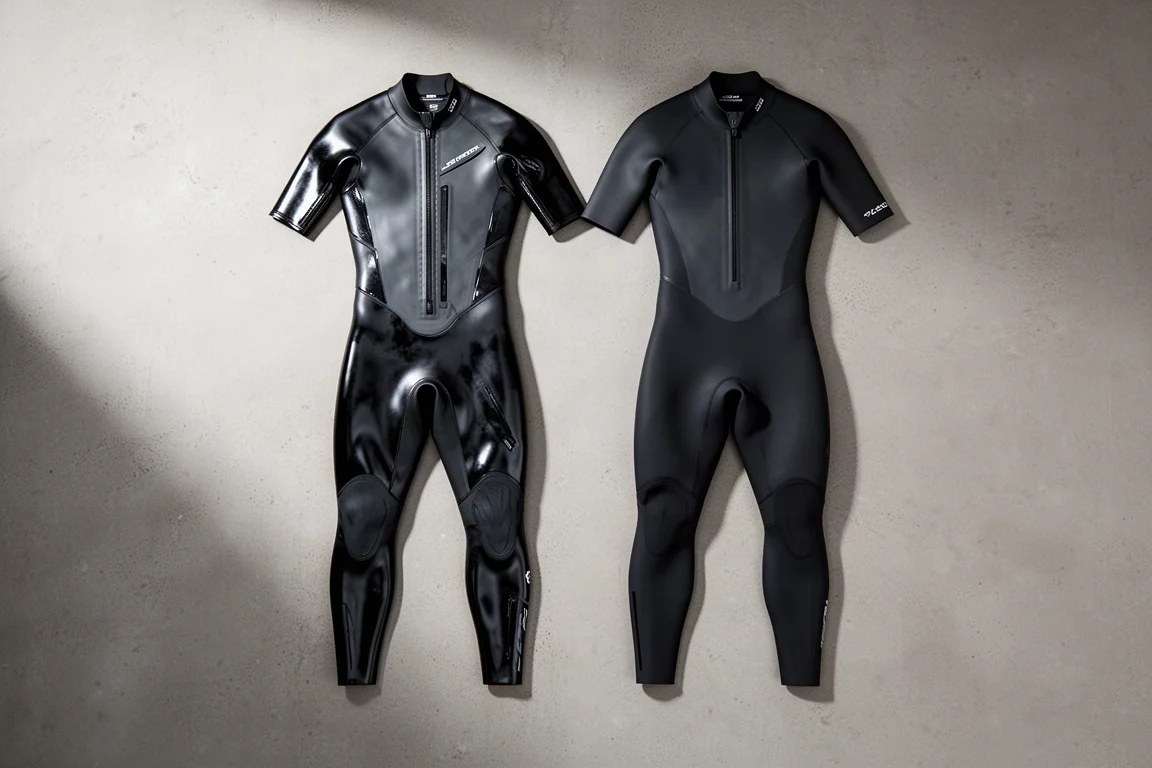
Triathlon Wetsuits
Orca Predator vs Decathlon Aptonia: Budget and Premium Triathlon Wetsuits Compared
A 699 pound premium wetsuit against a 99 pound entry-level suit: what the extra money buys, where the budget option still works, and why fit matters more than price.
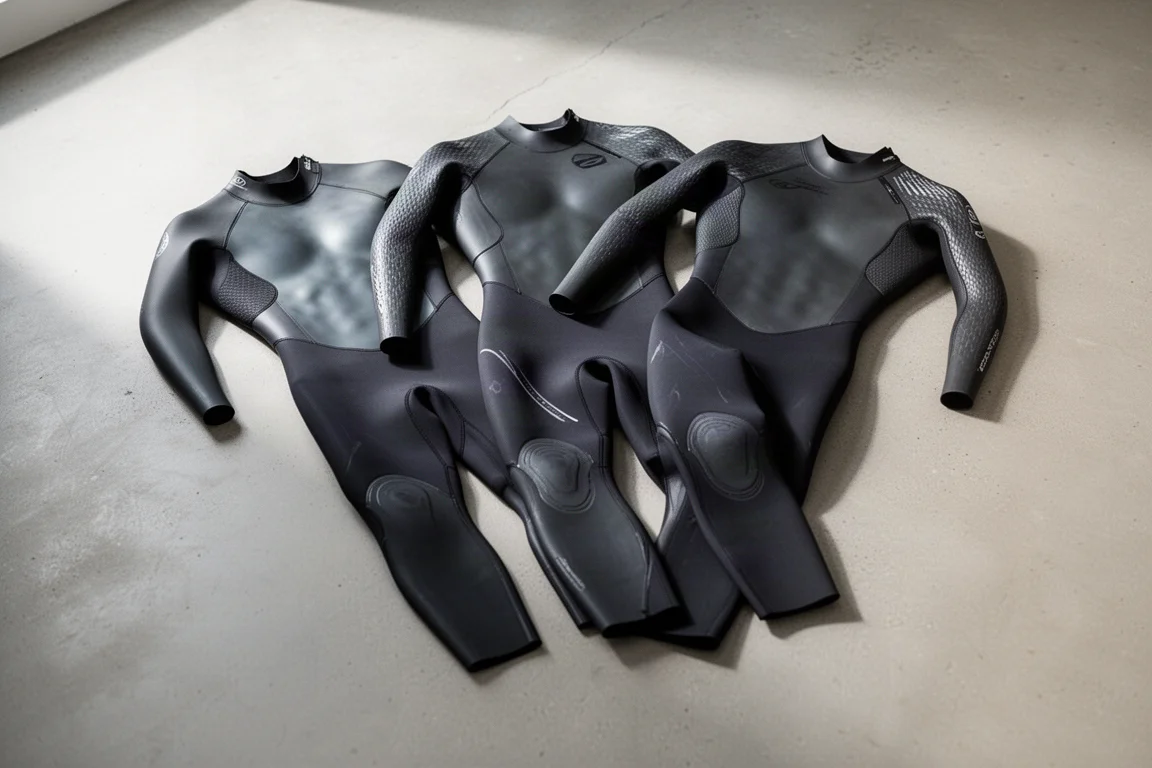
Triathlon Wetsuits
Roka Maverick Wetsuit Comparison: Comp III vs Pro Max vs X3
A practical comparison of Roka's three Maverick wetsuits, covering neoprene thickness, liner layouts, warmth, buoyancy, flexibility and where the price differences actually show up.

Backpacking Gear
Building a 10 lb Base Weight: An Ultralight Backpacking Gear List
A practical walkthrough of the ultralight pieces behind a 10 lb base weight, from a 765 g pack and a roomy one-person tent to a full camp chair and a dependable water filter.