Triathlon Wetsuits
Orca Predator vs Decathlon Aptonia: Budget and Premium Triathlon Wetsuits Compared
A 699 pound premium wetsuit against a 99 pound entry-level suit: what the extra money buys, where the budget option still works, and why fit matters more than price.
Introduction
The swim leg is the part of a triathlon that makes most newcomers nervous, and a wetsuit is the single piece of kit that does the most to settle those nerves. The difficulty is the price range. Entry-level suits start at a little over a hundred dollars, top-of-the-range models run to fifteen hundred, and the gap between them is not always obvious from the outside.
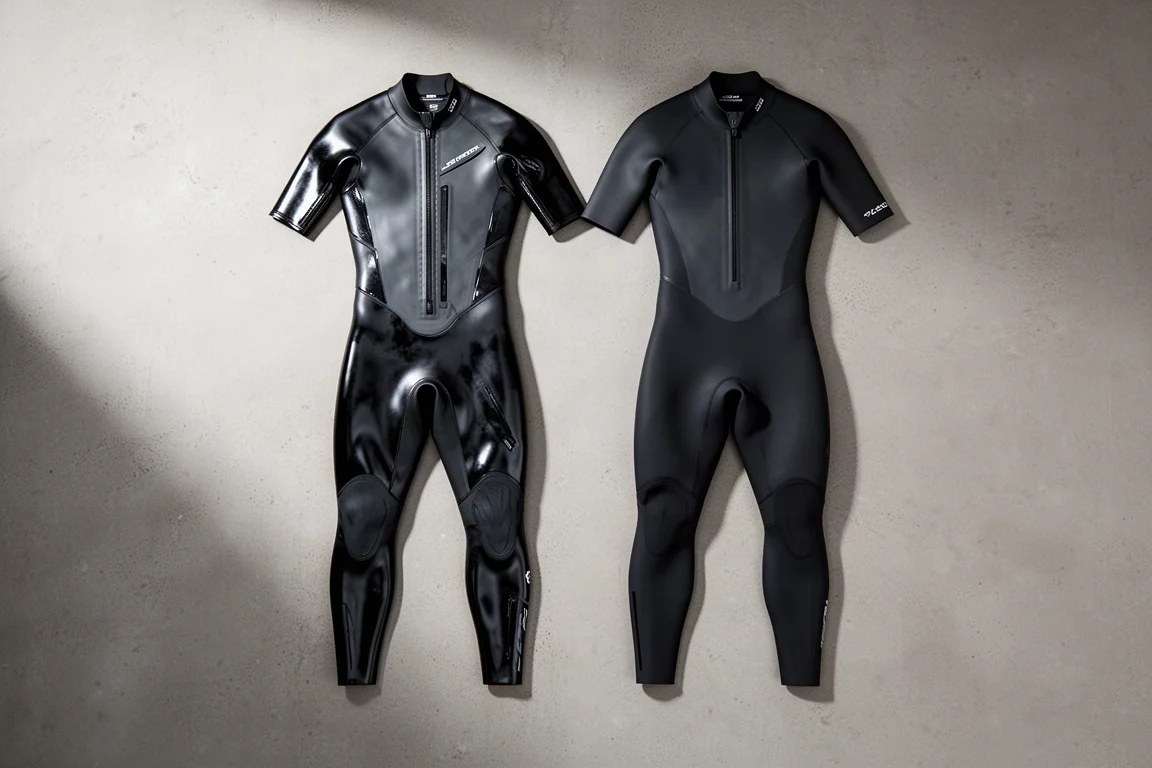
Two suits sit neatly at opposite ends of that scale. The Decathlon Aptonia costs 99 pounds, roughly 140 dollars. The Orca Predator costs 699 pounds, roughly 976 dollars. One is built to get a new triathlete through the swim; the other uses the thinnest, most elastic materials available along with a long list of performance features.
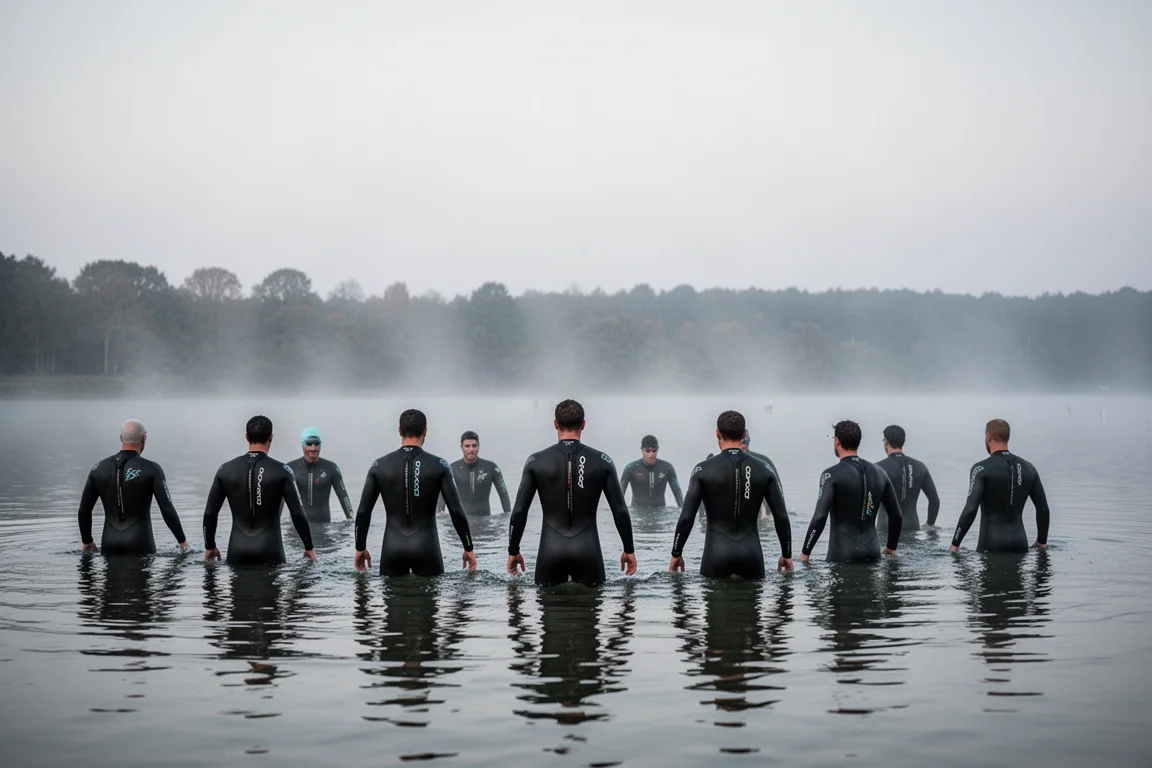
To see what that difference feels like in practice, both suits were put through a set of tests: a timed 200 m swim in each, a push-off glide to gauge how well each suit holds a streamlined position, and a rapid wetsuit strip to see how they behave in transition. Construction, sizing and durability were assessed alongside those results.
What Separates a 99 Pound Wetsuit From a 699 Pound One
The Orca Predator is built around what the brand calls 0.88 Free technology. Its headline material is a 0.5 mm neoprene with a titanium coating, described as the finest neoprene available, used for the arm panels. Exo-Lift and Aerodome panels sandwich layers of neoprene in some areas and aerodome structures in others, while a Core Lateral Stabilizer, a rigid panel across the abdomen, is designed to keep the core engaged and stop the body twisting. The suit uses Yamamoto 44 neoprene, exclusive to Orca and described as the most elastic neoprene in the world.
Smaller details point the same way. The zipper flap combines velcro with laser cutting to eliminate chafing, a nanocoating on the outer surface reduces friction through the water, and hydraulic panels are built in to make the suit easier to remove in transition. Buoyancy panels reach 5 mm thick while the arms stay extremely thin.
The Decathlon Aptonia takes a simpler route. It uses 2 mm neoprene on the arms for freedom of movement, and 4 mm neoprene across the pelvis and legs to promote buoyancy and a more horizontal position in the water. An inverted zip and a shorter cut on the arms and legs make it easier to put on, corrugated neoprene backed with jersey adds durability in the areas most likely to wear, and a protection flap at the neck reduces friction.
The specification gap is real. The Predator uses thicker buoyancy panels, far thinner arms and a more complex panel layout, and that complexity is where a large part of the price difference goes. Whether it translates into a faster swim is a separate question, and one the timed tests were designed to answer.
Orca Predator: Premium Materials, Premium Price
Fit is the first advantage. The Predator comes in nine sizes, and the two swimmers testing the suits wore different sizes to get a close fit. That range matters, because a wetsuit only performs when it sits tight against the body without restricting the shoulders.
In the timed 200 m swims, one swimmer was around two seconds quicker in the Predator. The other recorded a time around seven seconds slower in the Aptonia, though that was a second hard effort of the day, so fatigue was likely a factor. The clearer result came from the glide test, where both swimmers travelled further in the Predator: one by roughly eight feet, the other by a smaller margin of a foot or two. Just as telling was the stability. The Predator held a level, stable position through the glide, while the Aptonia felt as though the body wanted to rotate.
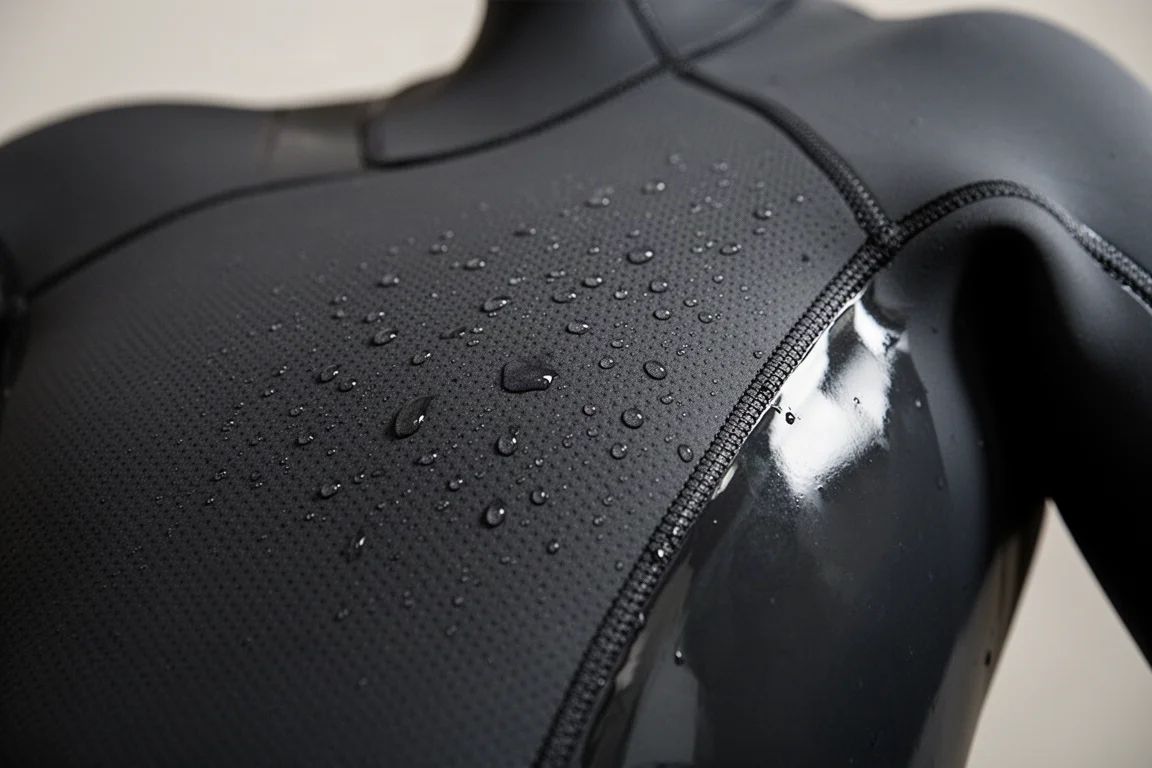
That stability comes from the buoyancy design. The dimpled surface of the Predator’s panels traps air, and the varying neoprene thicknesses add lift where it is needed. The swimmer wearing the Predator also noticed less water entering the suit, and no loosening at the neck as the swim went on.
The transition test favoured the Predator as well. Its hydraulic panels and laser-cut edges helped the suit come off quickly, while the Aptonia caught on one swimmer’s ankles and needed more work to remove.
Decathlon Aptonia: What the Budget Option Delivers
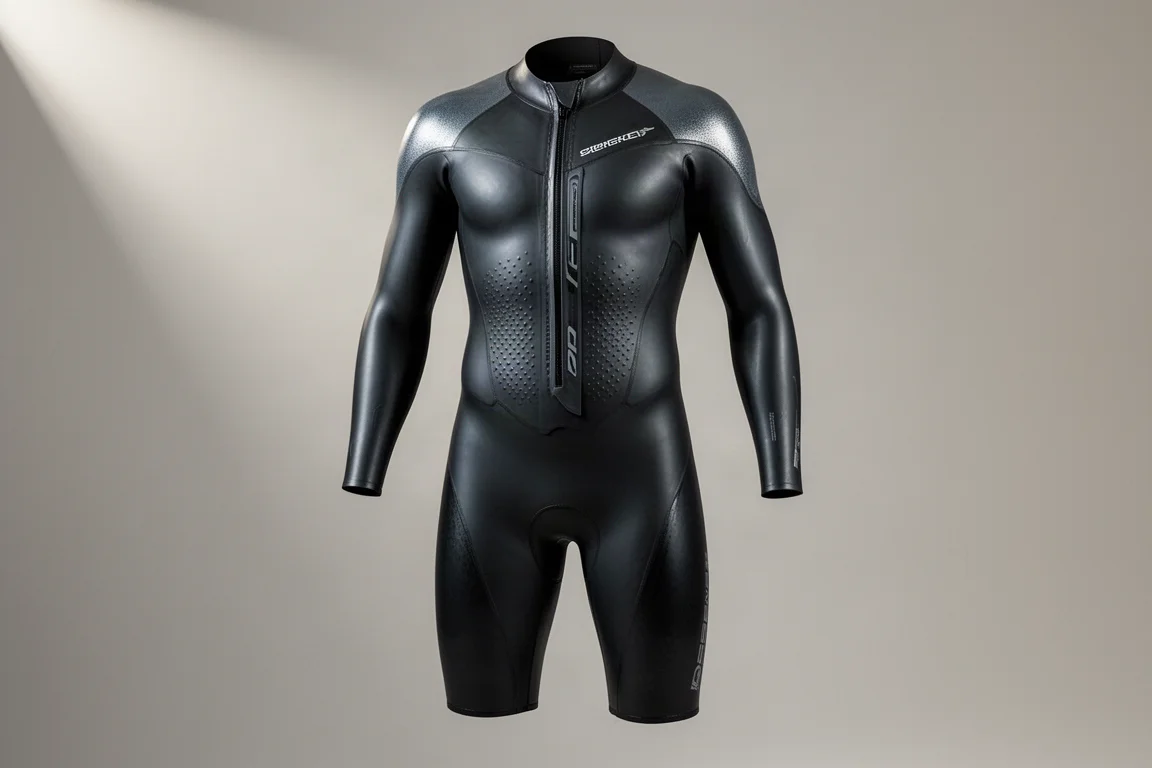
At 99 pounds, or roughly 140 dollars, the Aptonia costs a fraction of the Predator, and it is built to a much simpler brief. The most significant limitation is sizing. The Aptonia is offered in five sizes, and both swimmers ended up in the same size, with one finding it loose rather than figure-hugging and visible crinkles around the arms and chest.
In the water, that looseness showed up as water collecting inside the suit, a neck seal that loosened rather than held, and a swim that felt less smooth than in the Predator. The lower half uses a different neoprene, closer to the material found in surfing and sailing wetsuits. That makes it hard-wearing, but it is less hydrophobic and noticeably less buoyant around the hips and backside, which is exactly where a triathlon wetsuit is meant to help.
None of that makes it a bad first purchase. The Aptonia will get a new triathlete around a swim course, and it will keep you warm on a cold swim start. For someone testing the sport for the first time, that is a legitimate set of priorities.
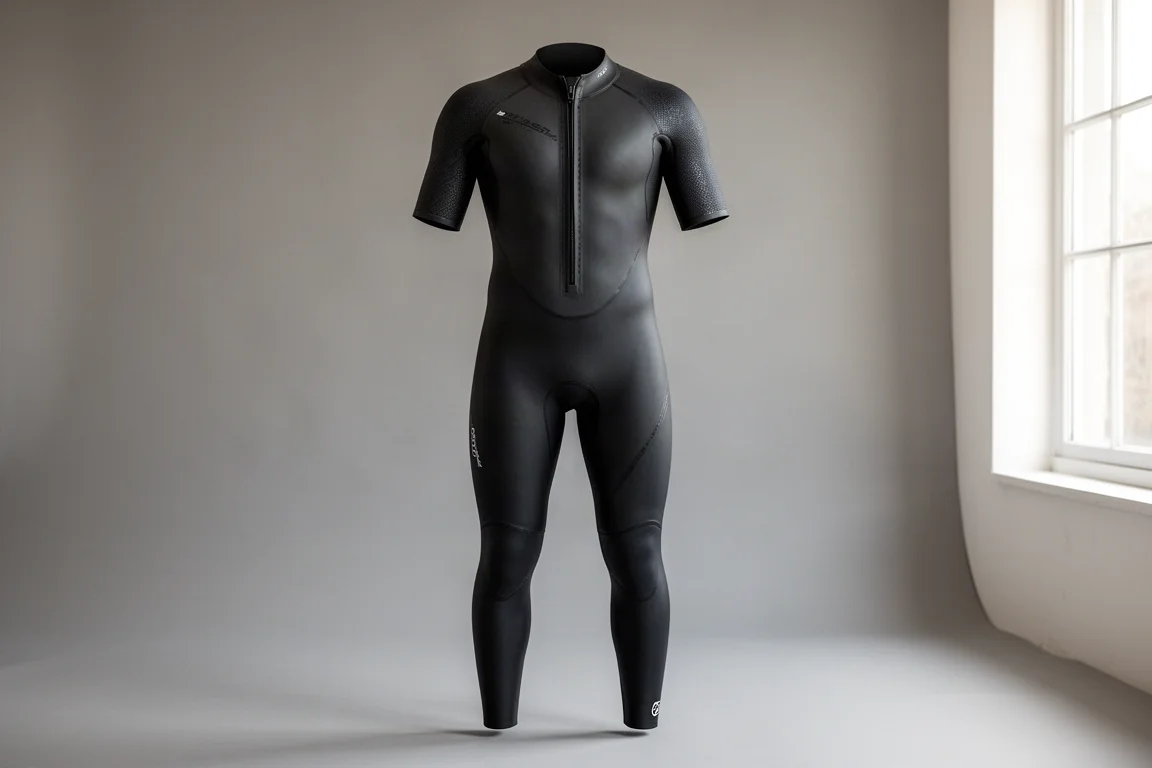
Fit and Sizing: The Factor That Outweighs Price
If there is one lesson from comparing these two suits, it is that fit matters more than price. The Predator’s nine sizes made it straightforward for both swimmers to find a close fit. The Aptonia’s five sizes meant one of them was swimming in a suit that did not hug his body, and that single factor likely influenced every test result.
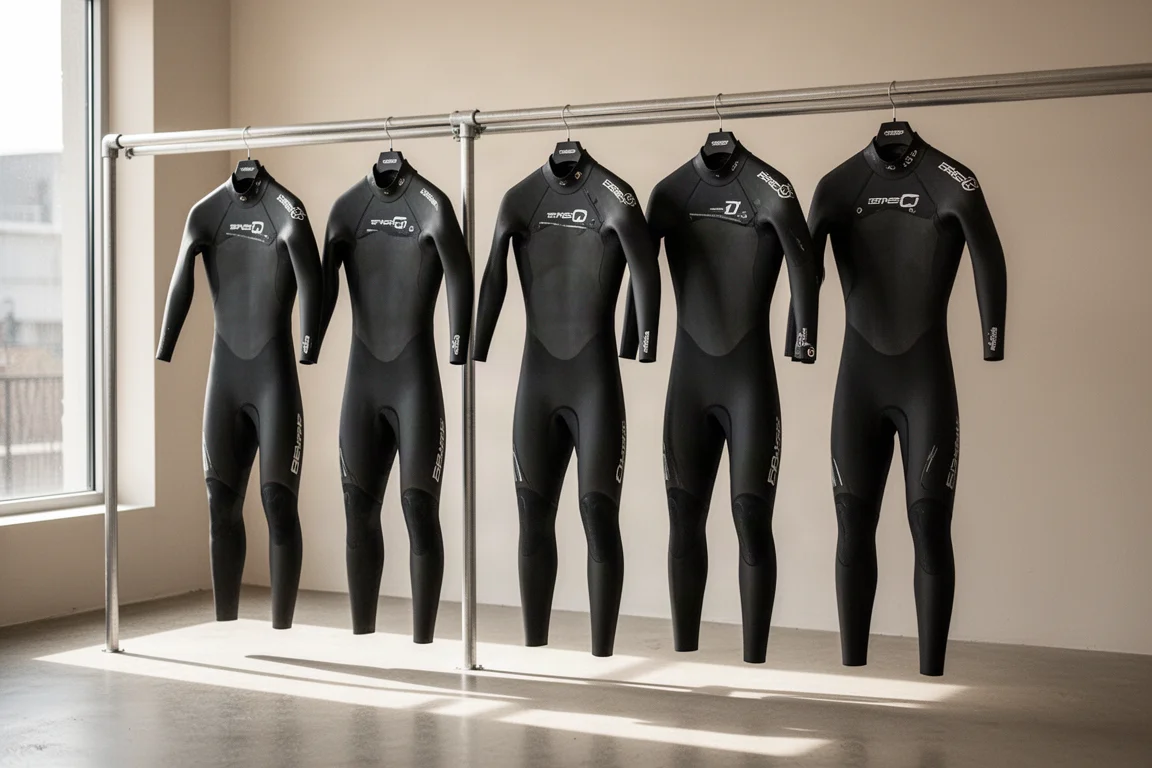
Wetsuit sizing is not an exact science. Two swimmers of similar height and weight can need different sizes in different brands, and a suit that fits one person perfectly may sit badly on another. Sizing up or down is not always an option either, because the size range simply is not there in a five-size lineup.
That is why trying a suit before buying is worth the effort. The extra money only delivers its advantages when the suit sits against your body the way it was designed to, and a suit that fits badly will hold you back regardless of what it cost.
Durability and Transition Practicality
Durability is the one thing a short test session cannot answer. Based on the materials involved, the expectation is that the Aptonia’s outer layer will deteriorate faster through repeated sea swims and lose its stretch and elasticity over time. Thinner, more elastic neoprenes tend to be more sensitive in this respect, while the Aptonia’s tougher lower-half material should hold up better against abrasion, even if it offers less buoyancy.
Transition is easier to judge. The Predator’s hydraulic panels are designed specifically for quick removal, and they worked in the strip test. The Aptonia relies on an inverted zip and a shorter cut on the arms and legs to make dressing easier, but it still caught around the ankles for one swimmer. Over a race season, that difference is worth a few seconds in transition.
Overall Buying Advice
The most important thing to understand is that the choice is not limited to a 99 pound suit or a 699 pound suit. There is a wide range of options in between, with different materials, different panel layouts and, crucially, different size ranges.
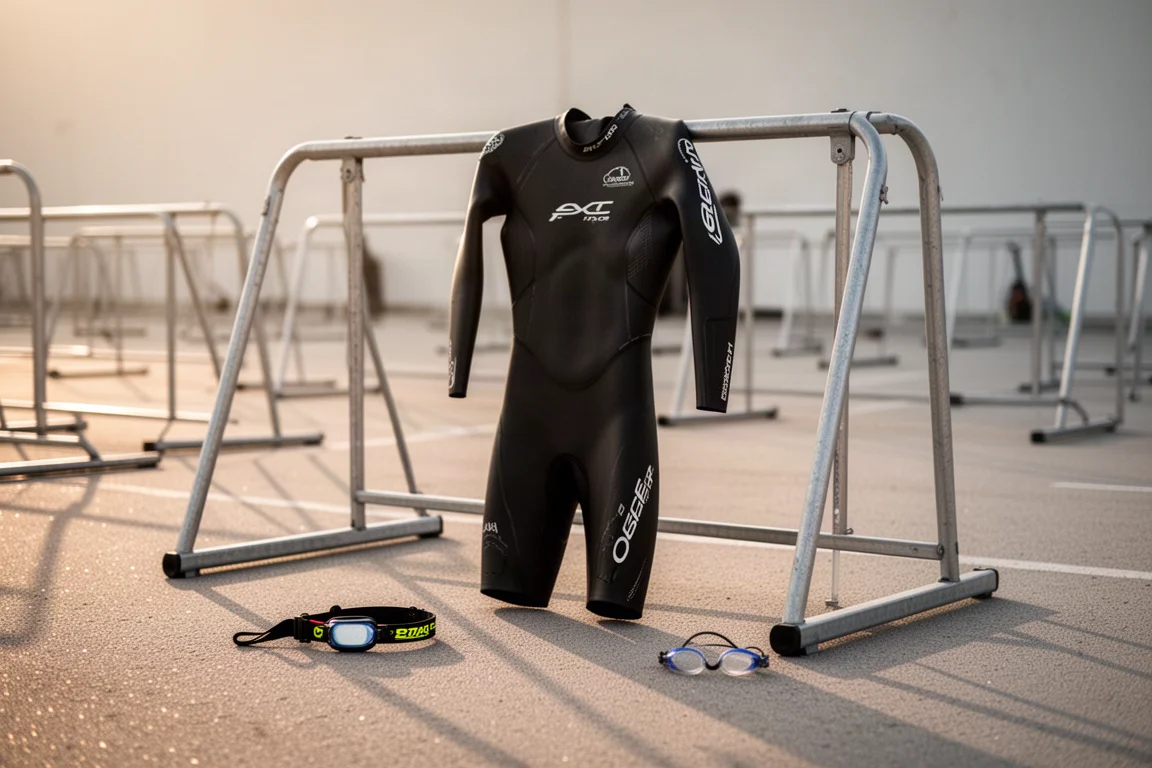
If you are just starting out in triathlon, the Aptonia is a sensible first suit. It will keep you warm, it will get you around the swim course, and it costs a fraction of a premium model. Equally, there is no need to jump straight to the top of the range. A mid-priced suit with a wider range of sizes may serve you better than either extreme.
Spend more only when the extra money addresses something specific: more buoyancy for legs that sit low in the water, thinner shoulder panels for swimmers with a long reach, or easier removal for short transition times. Whatever your budget, buy for fit first.
Conclusion
Both suits do the same basic job. The Orca Predator does it with more advanced materials, a wider range of sizes, stronger buoyancy and faster removal in transition, and it costs around seven times as much. The Decathlon Aptonia does it simply and cheaply, and it will comfortably see a new triathlete through a first swim leg.
For most readers, the deciding factors will be how the suit fits and how much swimming you plan to do. Neither answer is wrong, but fit should come before price every time.
Further reading
Related Reviews
Triathlon Wetsuits
Orca Apex Wetsuit Range Compared: Float vs Flex vs Flow
A close look at Orca's three Apex wetsuits, how they differ in buoyancy and shoulder freedom, and which type of swimmer and race distance each one suits.
Triathlon Wetsuits
Roka Maverick Wetsuit Comparison: Comp III vs Pro Max vs X3
A practical comparison of Roka's three Maverick wetsuits, covering neoprene thickness, liner layouts, warmth, buoyancy, flexibility and where the price differences actually show up.
Kitchen Appliances
Expensive vs Budget Rice Cooker: Does Price Matter for Taste?
We blind-tested an Aroma budget rice cooker against a premium Zojirushi model across five dishes to see if the $180 price difference actually improves the final result.