Hi-Fi Audio
Rogue Audio RP-1 V2 Review: A Hand-Built Tube Preamplifier That Stays Simple
The Rogue Audio RP-1 V2 pairs a tactile, unfussy interface with a larger power supply, a revised phono stage, and an included remote at $1,995.
Introduction
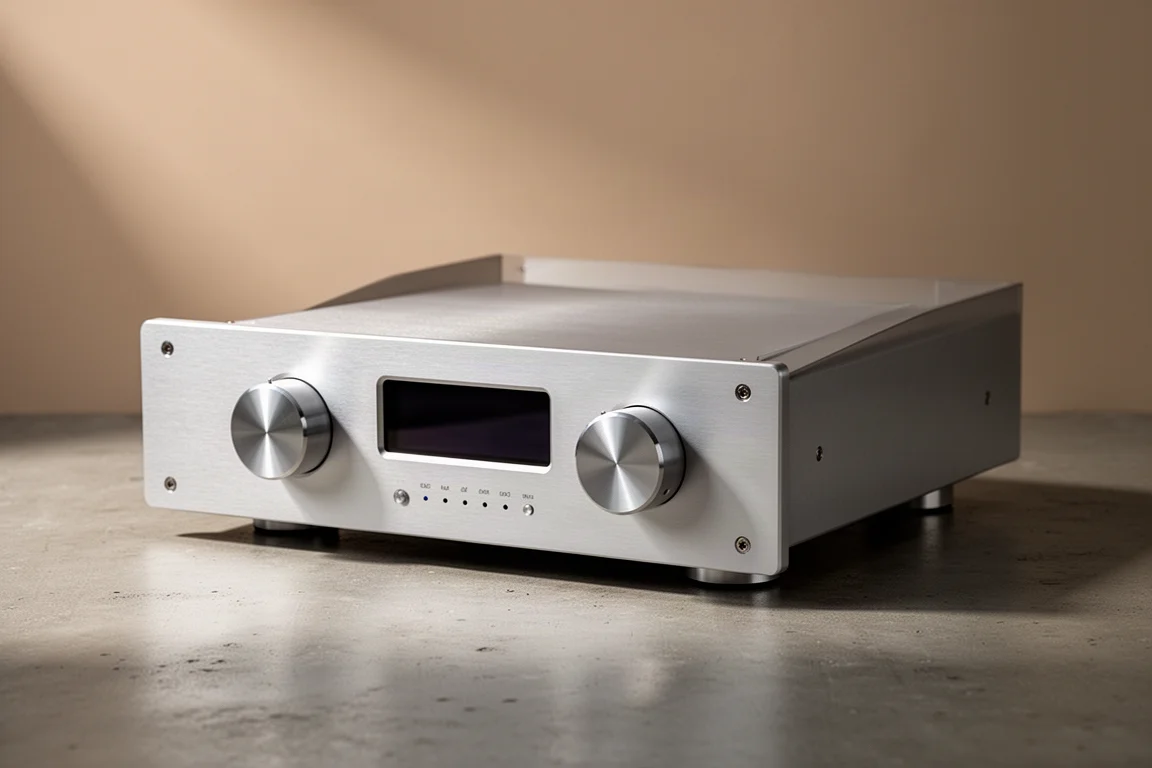
The Rogue Audio RP-1 V2 is a hand-built tube preamplifier and the second generation of a design that first appeared in 2015. Externally, the V2 is essentially identical to the original. Nearly every meaningful change sits inside the chassis, which makes this less of a redesign than a careful refinement. The price is $1,995, the finish options are silver and black, and each unit is assembled and tested by hand, with 5 to 6 hours of build time per preamplifier.
That mix of continuity and internal improvement shapes everything about this component. The RP-1 V2 does not attempt to be a statement piece. It aims to be an easy preamplifier to live with, and on that measure it delivers.
Who This Preamplifier Is For
This is a component for listeners who want tube character without a fussy ownership experience. It suits a vinyl-first system, because the onboard phono stage handles moving magnet and medium to high output moving coil cartridges without an external phono preamp.
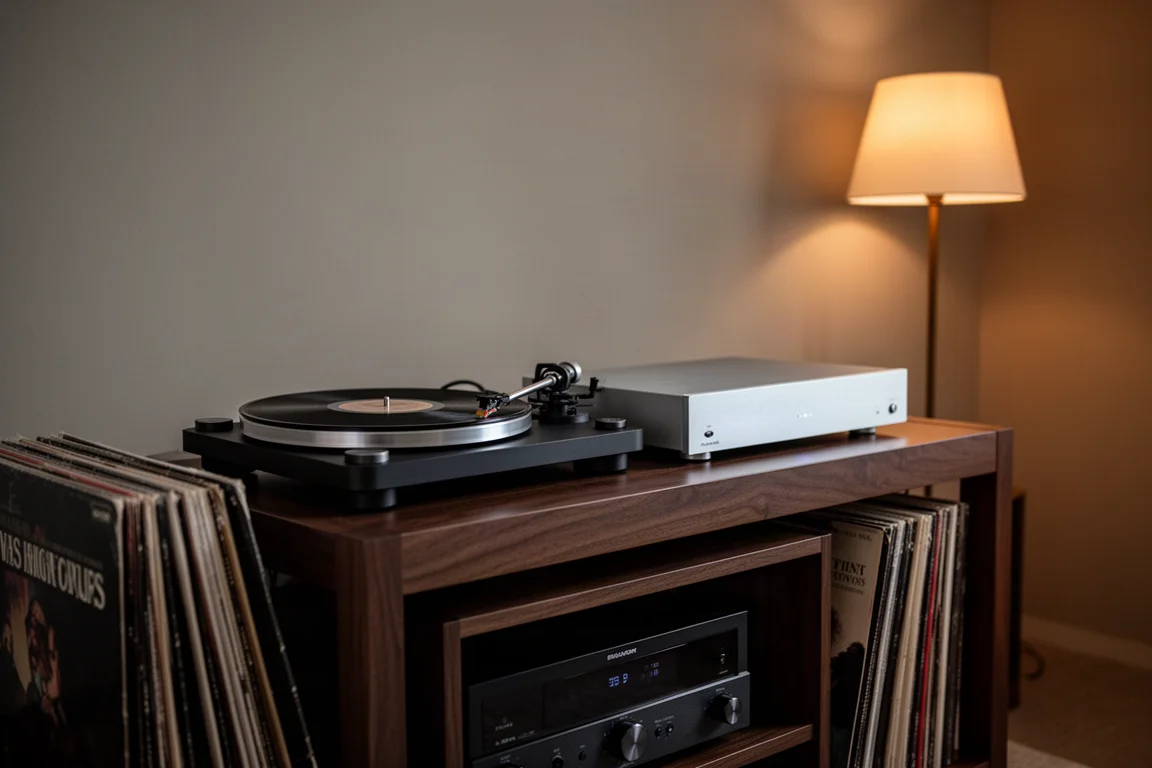
It also suits anyone who values a direct interface. Volume, input selection, balance, and mute cover almost everything you need, and the supplied remote handles those same functions. It is not intended for listeners running low-output moving coil cartridges, which the phono stage does not support directly. Nor is it a stripped-down purist design. Four line inputs, a home theater input, and three outputs make it a practical hub for a full system rather than a single-purpose box.
Design and Build Quality
Rogue components have a recognizable look, and the RP-1 V2 continues it. The front panel is built around machined metal knobs with a substantial, precise feel. Pressing in on a knob changes its function, which keeps the layout clean and puts adjustments such as balance within easy reach.
The remote is one of the more thoughtful details here. It has only four buttons: volume up, volume down, input select, and mute. It feels good in the hand, and it does not require precise aiming at the preamplifier to work. On the original RP-1, this remote was an optional extra at additional cost. With the V2, it is included as standard equipment.
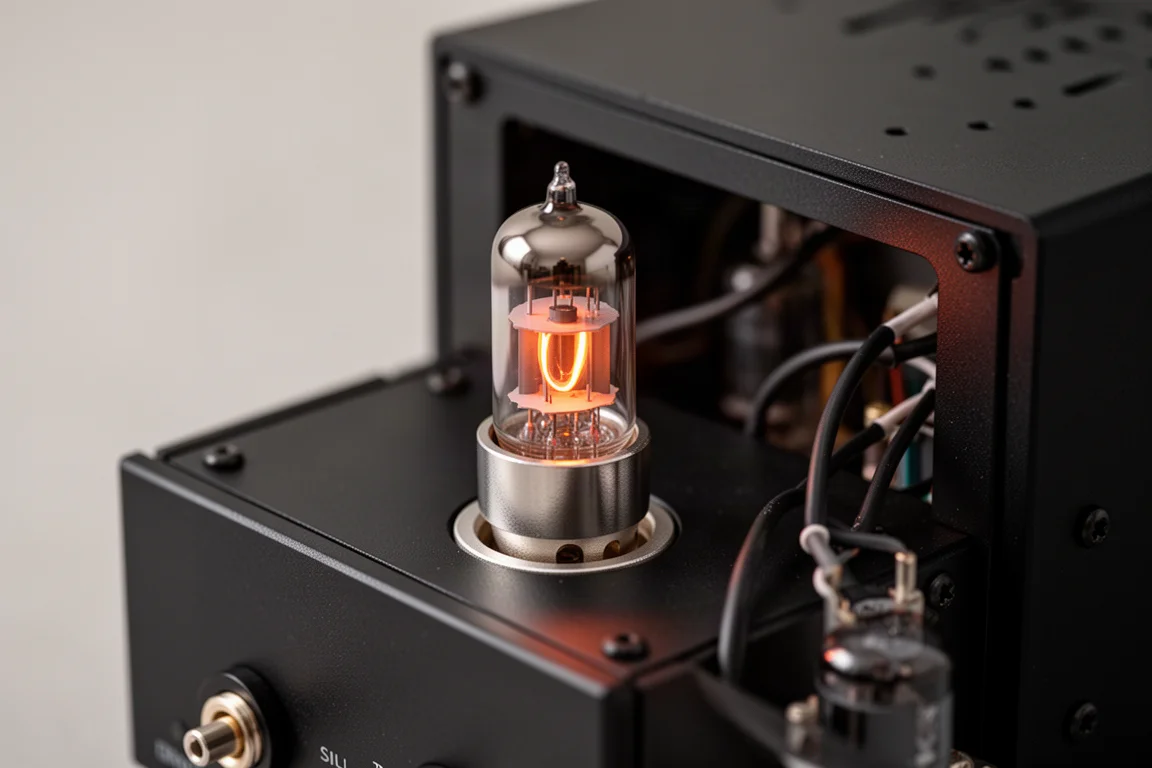
Around the back, the layout is generous. There are three outputs: two variable outputs, one for a power amplifier and one for a subwoofer, plus a fixed-level output that can feed something like an outboard headphone amplifier. Inputs include the phono stage, four line inputs, and a home theater input. Inside the chassis sit two JJ gold pin 12AU7 tubes.
The V2 changes are worth listing plainly. The signal path resistors in the phono section were upgraded. The high-voltage power supply for the tube preamp stage is 50 percent larger. The op-amps in the solid-state phono preamp were upgraded. And the tube itself changed to the JJ gold pin 12AU7.
Sound Character and Overall Performance
Tonally, the RP-1 V2 sits on the warm side of neutral, though it is not an overtly lush tube design. Compared with a Conrad Johnson PV8 tube preamplifier, it is clearly the more neutral of the two. What gives it its tube-like quality is dimensionality and weight. The presentation sounds solid, and instruments occupy space with a sense of front-to-back depth rather than being flattened onto the plane of the speakers.
The most useful descriptor for the overall character is grainless. Dense rhythm sections and layered acoustic arrangements come across as complete rather than assembled, which is exactly what you want when the goal is to stop noticing the electronics and follow the performance instead. In listening sessions the preamplifier drove a First Watt J2 class A amplifier rated at 20 W per channel into Pure Audio Project Duet 15 speakers, and it held its composure with large-scale, dynamic material played at high volume.
That sense of dimension is the strongest argument for this preamplifier. It is not a voicing trick that flatters everything. It is a quality that shows up most clearly on well-recorded material with real spatial information.
Phono Stage and Cartridge Matching
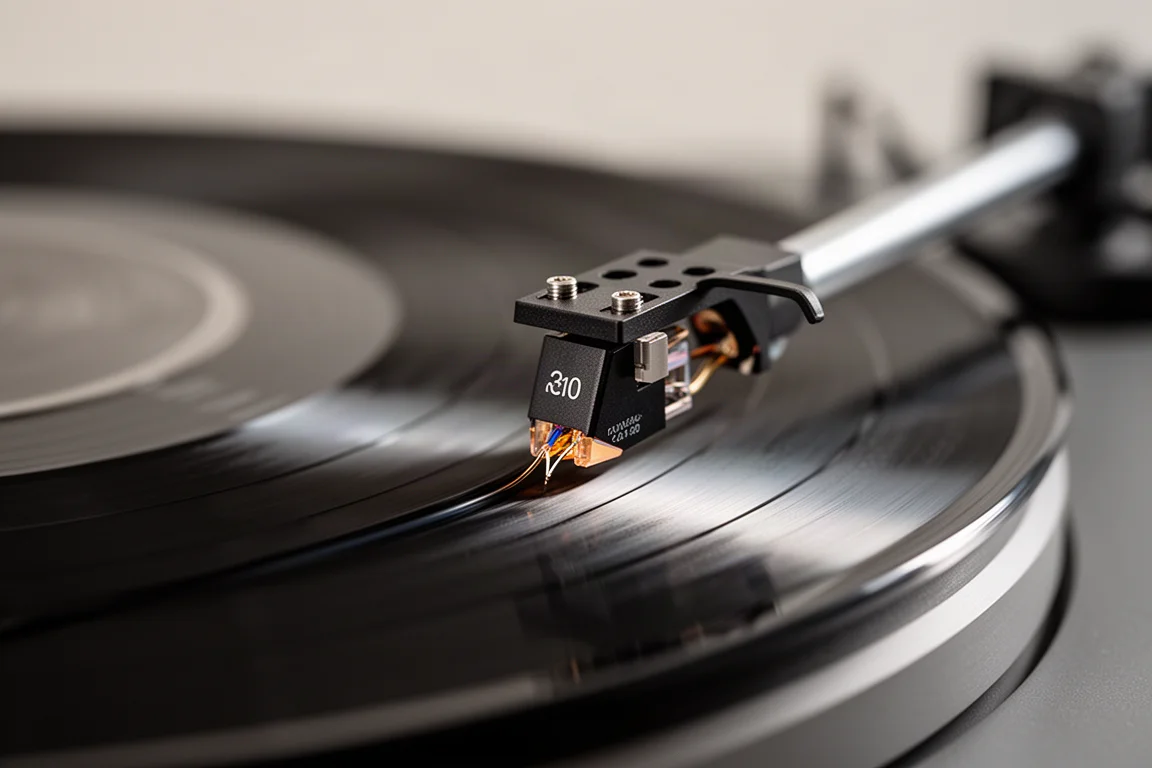
The phono stage is flexible within clear limits. Gain is 44 dB for moving magnet cartridges and 56 dB for medium or high output moving coil cartridges. Low-output moving coil cartridges are not supported directly and need a step-up transformer, at which point the 44 dB setting is the appropriate one.
Cartridge quality matters here. With an inexpensive moving magnet cartridge, in the region of $100, the sound was leaner and cooler in tonal balance. It remained perfectly serviceable for everyday listening, but it did not deliver the same sense of scale and presence as a better cartridge. With a low-output moving coil cartridge paired to an external step-up transformer, the phono stage produced the kind of dimensional, engaging result that makes the RP-1 V2 worth its asking price for vinyl listeners.
Things to Consider Before Buying
- Low-output moving coil cartridges require an external step-up transformer.
- The V2 looks identical to the original RP-1, so there is no visual way to tell the generations apart.
- The tonal balance leans warm but is not rich or syrupy. Listeners chasing a strongly colored tube sound may find it more neutral than expected.
- A budget moving magnet cartridge will sound noticeably leaner through this phono stage.
- At $1,995, this is a considered purchase rather than an impulse upgrade.
None of these points are flaws in the design so much as boundaries worth understanding before you buy. The preamplifier is honest about what it does and what it leaves to the rest of the system.
System Matching and Setup Notes
The output arrangement gives you room to build around the preamplifier. One variable output goes to the power amplifier, a second variable output can feed a subwoofer, and the fixed-level output is well suited to a headphone amplifier or another outboard component that has its own volume control. The home theater input adds a further source option, and the four line inputs mean most digital and analog sources can stay connected at once.
Because phono gain is fixed at 44 dB for moving magnet and 56 dB for medium or high output moving coil, matching the cartridge to the correct setting is the single most important setup decision. Get that right and the rest of the system falls into place quickly.
Buying Advice
The RP-1 V2 makes the most sense for a listener who wants a hand-built tube preamplifier with a simple interface, a capable phono stage, and no appetite for constant tweaking. It is particularly well matched to a vinyl setup built around a moving magnet or a medium to high output moving coil cartridge, and it pairs naturally with a modestly powered amplifier and speakers that reward a dimensional presentation.
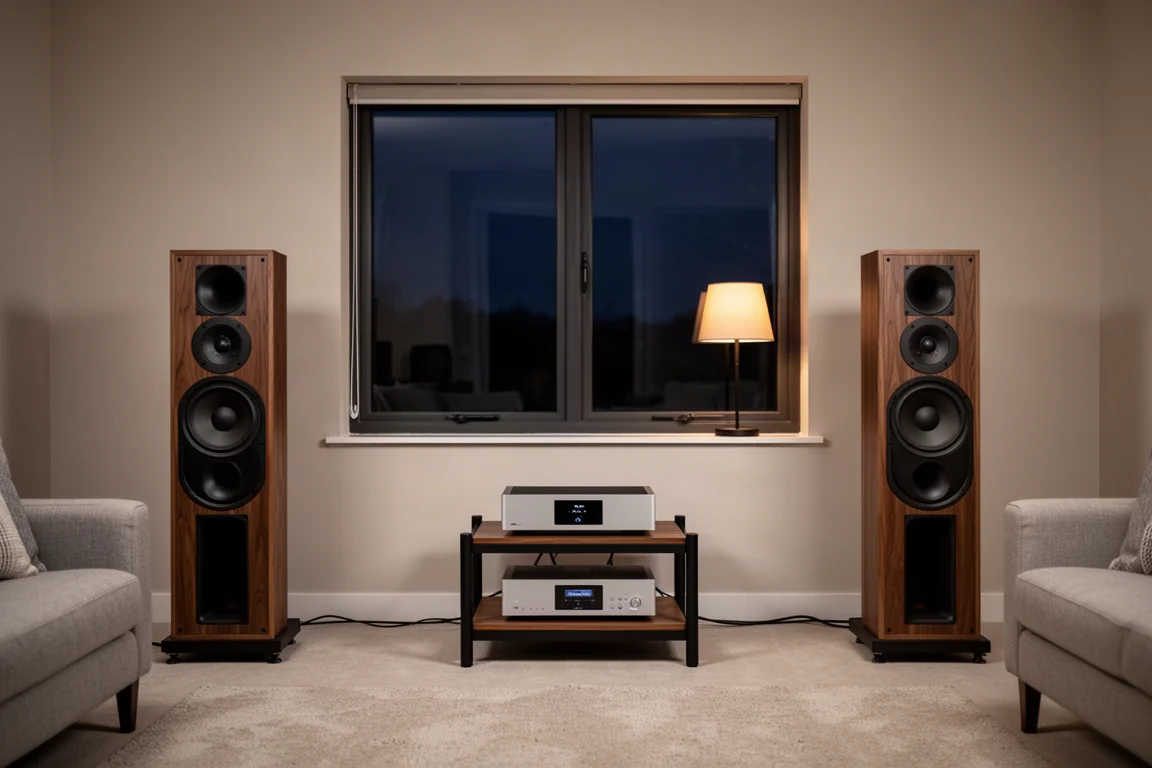
If your cartridge is a low-output moving coil and you would rather not add a step-up transformer, or if you are specifically looking for a heavily colored tube sound, this is not the component to build around. For everyone else, the combination of hand-built construction, thoughtful ergonomics, and an included remote makes the $1,995 asking price easier to justify than the number alone suggests.
Conclusion
The Rogue Audio RP-1 V2 is a refinement rather than a reinvention, and that is entirely fine. A 50 percent larger power supply, upgraded parts in the phono section, a new tube, and a remote that is now standard equipment add up to a more complete preamplifier than the original. Its strengths are practical: a tactile, unfussy interface, a genuinely useful phono stage, and a sound that leans warm without giving up neutrality. If your system and your cartridge fit within its limits, it is an easy recommendation to feel good about.
Product link
View more details for Rogue Audio RP-1 V2
This product is mentioned in the review. Check the specifications, options, and compatibility before buying.
View more details for Rogue Audio RP-1 V2Further reading
Related Reviews
Hi-Fi Audio
Accuphase C-57 vs Allnic H-7000V: Two High-End Phono Stages Compared
A fully balanced solid-state phono stage with a pitch-black noise floor meets a tube design built for well-loved records. Here is how to choose between them.
Hi-Fi Audio
Active vs Passive Hi-Fi: Five Components for a Modern System
Five components that define modern active and passive hi-fi systems, with the strengths, trade-offs and setup details worth weighing before you buy.
Hi-Fi Audio
Advance Paris A10 Apex Review: A Hybrid Integrated Amplifier That Covers a Lot of Ground
A French hybrid integrated amplifier with a class A tube preamp stage, analogue power meters, and an internal DAC and phono stage good enough to make extra boxes unnecessary.