Integrated Amplifiers
Rogue Audio Cronus Dark Review: A 100-Watt Tube Integrated Amplifier With Real Dimensionality
A made-in-the-USA integrated tube amplifier with switchable triode and ultralinear modes, user-adjustable bias, a phono stage, and a full-bodied, fatigue-free sound.
Introduction
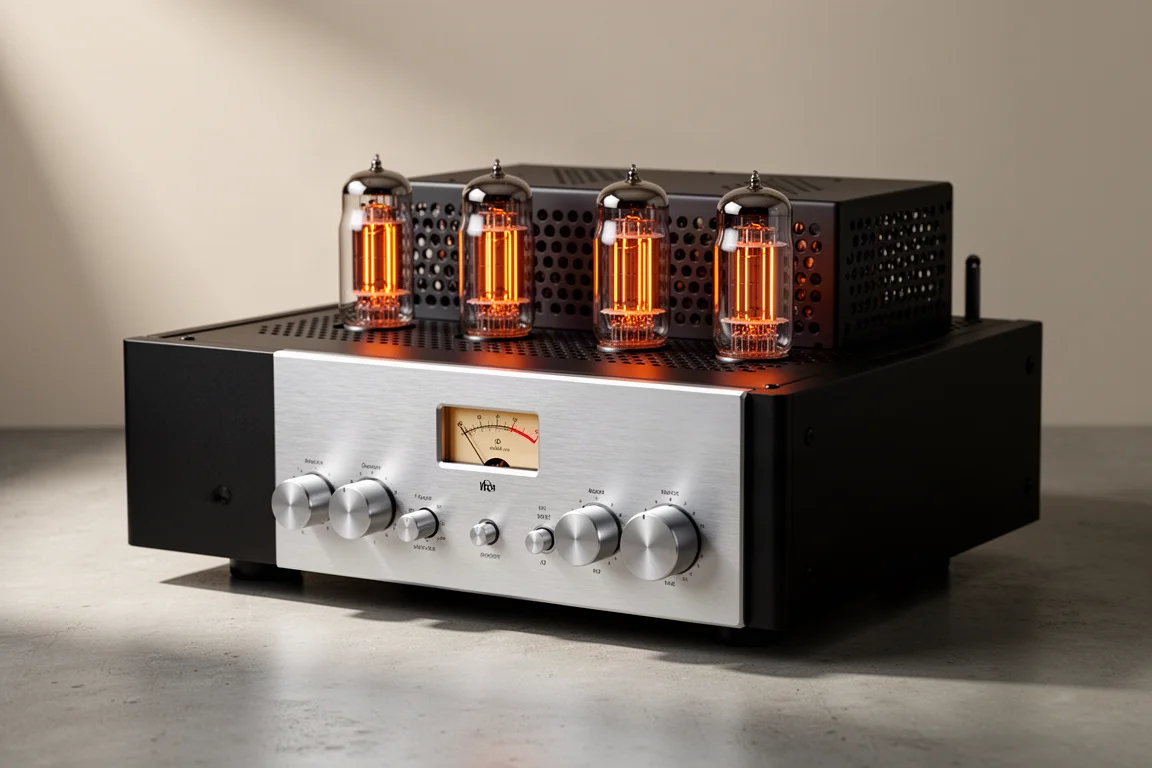
The Rogue Audio Cronus Dark is an integrated tube amplifier rated at 100 watts per channel. It comes from Rogue Audio, a company based in Brodheadsville, Pennsylvania that has been designing and building its own electronics since 1996 and has earned a reputation for tube gear that remains affordable by high-end audio standards while still being made in the United States.
The Cronus Dark is the hot-rodded version of the Cronus Magnum 3. The two amplifiers look very similar, but they are separated by $1,000: the Magnum 3 sells for $3,495 and the Dark for $4,495. That money goes into an upgraded circuit board, an upgraded power supply, better quality capacitors and resistors, and better input tubes. Owners of a Cronus Magnum 3, Magnum 2, or the original Cronus can also have their amplifier brought up to Dark specification by sending it in to the company along with the difference in price.
Who This Amplifier Is For
The Cronus Dark suits listeners who care about tone, body, and the sense of instruments occupying a room. It is not aimed at buyers chasing the last degree of resolution or the highest possible power output. It is aimed at people who want a comfortable, fatigue-free presentation they can live with for hours, and who would rather have a fuller, more organic sound than a razor-sharp one.
There is a practical side to the appeal as well. The amplifier includes a phono stage that accepts both moving coil and moving magnet cartridges, so a turntable can run directly into it without a separate phono preamp. Three additional line-level inputs cover digital sources and tape.
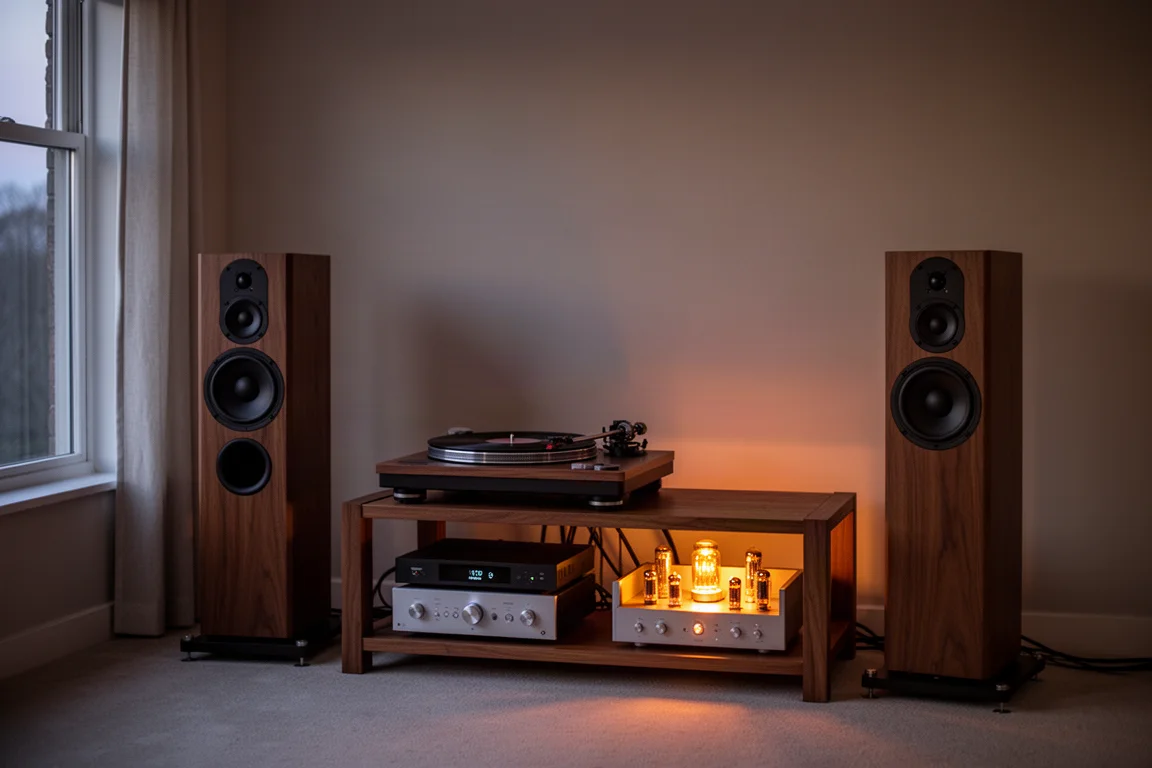
The design also works across a wide spread of speaker types. It can partner with a low-sensitivity standmount, a high-sensitivity horn speaker, or a large reference floorstander, and the character of the amplifier comes through with all of them, even though the balance of the sound shifts with each pairing. Owners of efficient horn designs and owners of more demanding loads both have something to work with here.
Tube Design and Bias Control
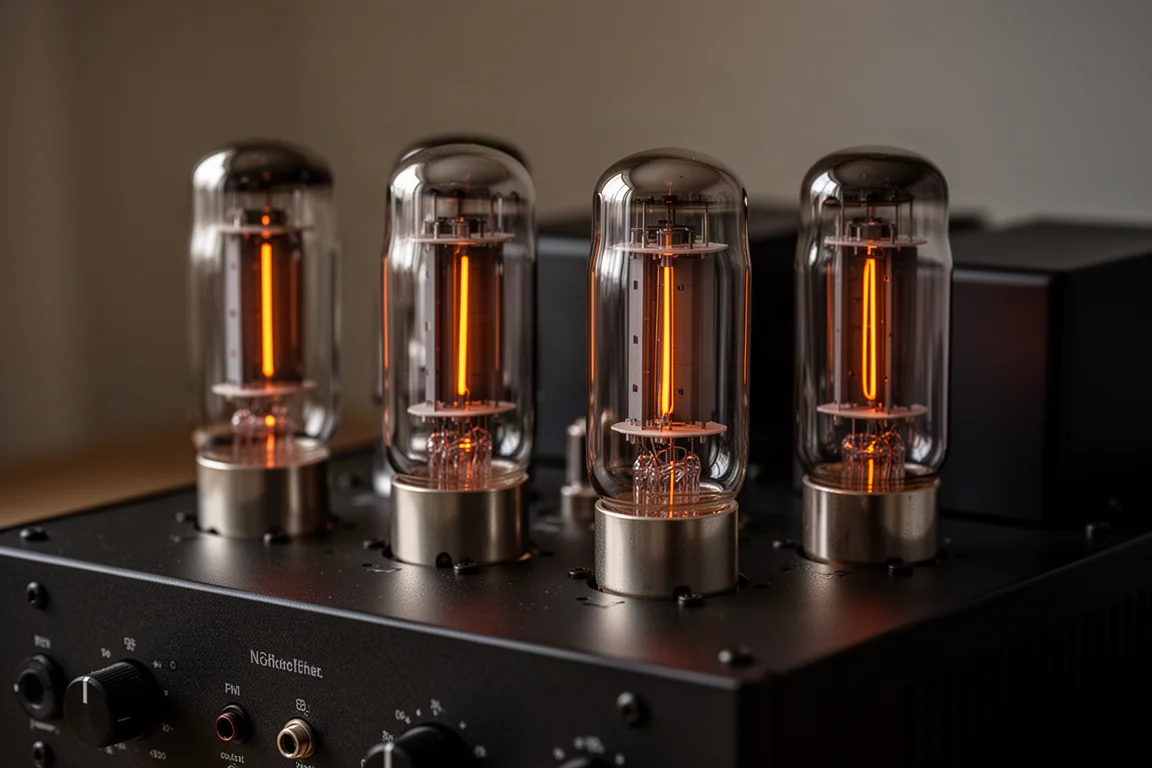
Four KT88 output tubes do the heavy lifting, and the tubes currently shipping are Psvane units of high quality. The small-signal stage uses 12AX7 and 12AU7 input tubes.
Bias is adjustable by the owner, and no technical skill is required. A meter on the front panel shows the setting, and a small panel on the right side of the amplifier lifts away to reveal the switches and adjustment points. A screwdriver is the only tool needed. The amplifier is not self-biasing, which means occasional adjustment is part of ownership, but it also means the owner keeps direct control over how the tubes are running. Replacing tubes is straightforward and does not require an expert.
Sound Quality: What Dimensionality Means
This amplifier sounds like a tube amplifier in the best possible sense, and the quality that defines it is dimensionality. There is more body to the sound than a really good solid-state amplifier typically delivers. There is sweetness, and there is fullness, but the headline is the way instruments arrive in the room more completely formed, with a natural sense of wholeness rather than a collection of separated parts.
Set against a Linear Tube Audio preamplifier driving a Pass Labs XA25 class A power amplifier, the Cronus Dark gives up some sharpness. The separate combination draws clearer outlines around each instrument, holds a firmer centre focus, and offers more transparency. The Cronus Dark answers with more organic fullness and a more acoustic sense of the instruments themselves. Neither approach is simply better, because they do different things, and the decision comes down to whether a listener wants vivid transparency or body and warmth. The fuller presentation proved genuinely addictive over long sessions, and returning to the leaner, more analytical combination was sometimes a letdown.
Triode and Ultralinear Modes
A switch on the rear panel changes how the output tubes operate. In ultralinear mode the amplifier delivers 100 watts per channel. In triode mode it delivers 50 watts per channel. The switch can be flipped while music is playing, without lowering the volume first, and the difference in sound is not subtle.
Ultralinear was the preferred setting far more often, since triode mode comes across as softer, but the better choice depends on the speakers in use and on personal taste. Because switching is so easy, owners can experiment freely and settle on their own answer.
Living With It: Inputs, Headphone Amp, and Remote
The back panel carries four inputs, one of them a phono stage for moving coil and moving magnet cartridges and the other three line level. There is a variable output that can drive a power amplifier or, more likely, one or two subwoofers, plus a fixed-level output. The front panel uses a thick faceplate and solid aluminium knobs with a satisfying feel, and the amplifier weighs 55 pounds, which speaks to its build quality.
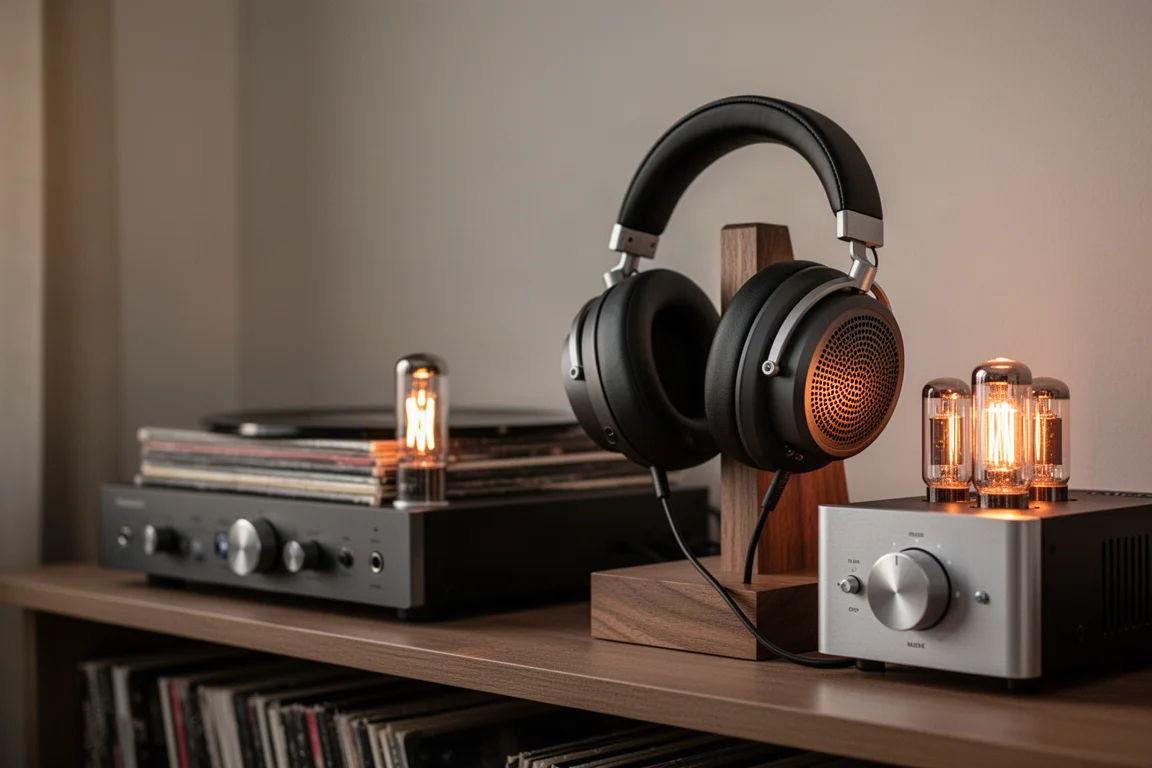
Headphone listening is handled by a built-in 2-watt solid-state headphone amplifier. Driving planar magnetic headphones, it rose above the level usually expected from an amplifier’s built-in headphone output. The supplied remote is simple and all metal, without excessive weight, and covers volume up, volume down, and mute.
Things to Consider Before Buying
The headphone output produces a pop through the speakers when headphones are plugged in or unplugged. Muting the amplifier first avoids it entirely, but it is an extra step that most amplifiers do not require.
The remote’s volume ramping is fast in both directions, which makes it harder to land on exactly the level you want. It is a small annoyance rather than a deal-breaker.
Bias is not automatic. Adjustment is easy and needs no technical background, but it remains periodic maintenance rather than something the amplifier handles for you.
Power output depends on the mode selected: 100 watts per channel in ultralinear and 50 watts per channel in triode, so the available headroom changes with a single switch.
Finally, at $4,495 the Cronus Dark is a serious purchase. The Cronus Magnum 3 costs $1,000 less and is nearly the same amplifier, so buyers who cannot stretch to the Dark have a close alternative with the same fundamental character. Rogue Audio supports its products with a three-year warranty and sells through brick-and-mortar dealers worldwide.
Buying Advice
The Cronus Dark is easy to recommend to a specific kind of listener: someone who wants the dimensionality of a tube amplifier, a relaxed and comfortable presentation, and zero listening fatigue, without spending beyond what this category normally asks. If that description fits, the amplifier delivers exactly what it promises, and the switchable triode and ultralinear modes plus user-adjustable bias give it more flexibility than most buyers will ever exhaust.
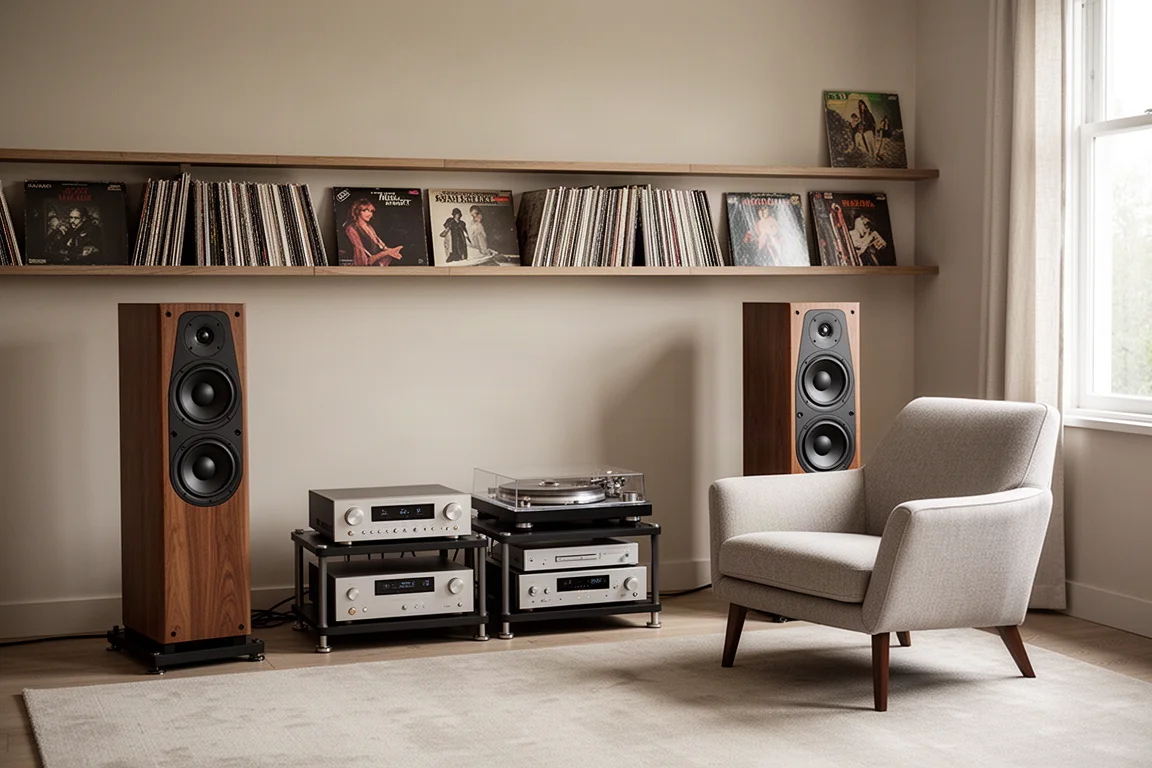
If instead you want the ultimate in resolution, the sharpest outlines around instruments, and maximum power, this is not the last stop, and that is worth being honest about before you buy. The separate preamplifier and power amplifier route costs more and buys clarity, while the Cronus Dark buys body and warmth.
Buyers who already own a Cronus Magnum 3, Magnum 2, or the original Cronus have a third option: the amplifier can be upgraded to Dark specification by sending it in with the difference in price. Anyone shopping new and working to a tighter budget should look closely at the Magnum 3 first, then decide whether the Dark’s upgraded circuit board, power supply, capacitors, resistors, and input tubes justify the extra $1,000 for their system.
Conclusion
The Cronus Dark is a lovable amplifier. It is comfortable, easy to listen to, and free of the harshness that ends long sessions early, and it brings a wholeness to instruments that solid-state designs at similar money rarely match. It is not the final word in resolution or power, and it asks for a little hands-on care with bias and headphone plugging, but those are modest trade-offs for the kind of sound it makes. For listeners who know they want warmth, body, and dimensionality, it is a confident choice, and the Cronus Magnum 3 remains a sensible path to nearly the same place for $1,000 less.
Product link
View more details for Rogue Audio Cronus Dark Integrated Amplifier
This product is mentioned in the review. Check the specifications, options, and compatibility before buying.
View more details for Rogue Audio Cronus Dark Integrated AmplifierFurther reading
Related Reviews
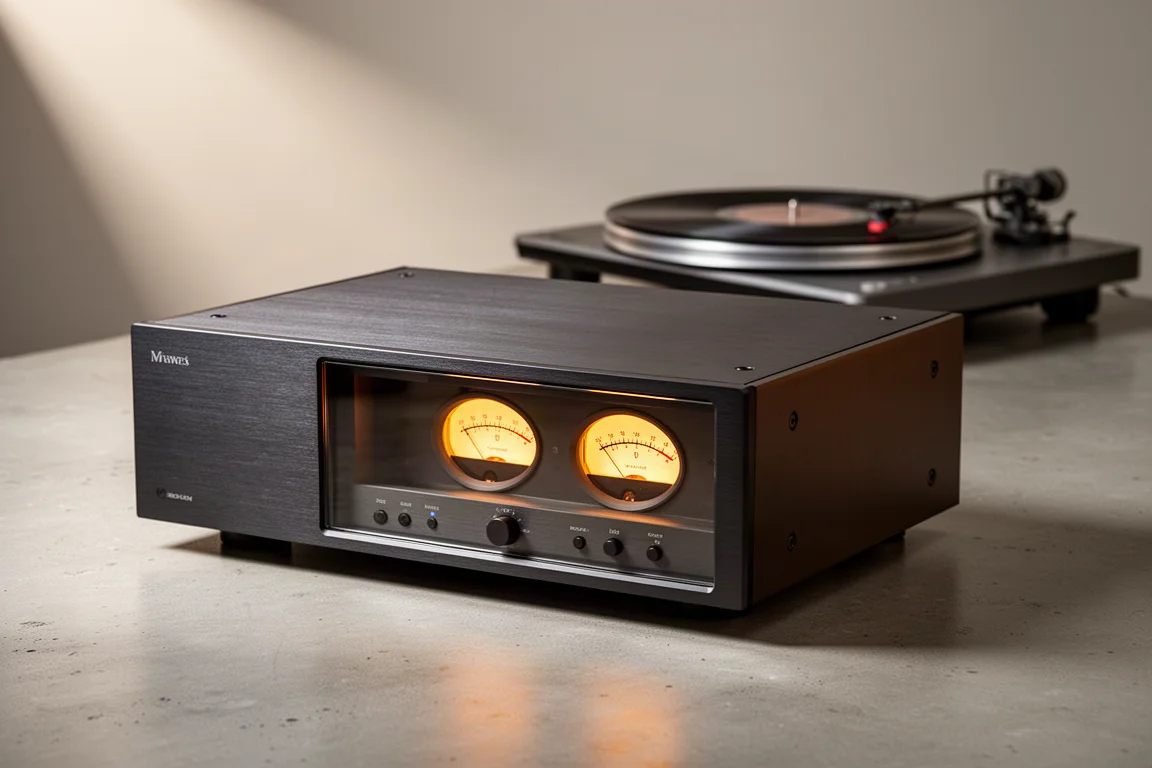
Integrated Amplifiers
Advance Paris A10 Classic Review: Vintage Looks and a Lively, Punchy Sound
The Advance Paris A10 Classic pairs glowing blue VU meters and a tube stage with one of the widest input sets on any integrated amplifier. Here is what it does well and what to weigh before spending $2,500.
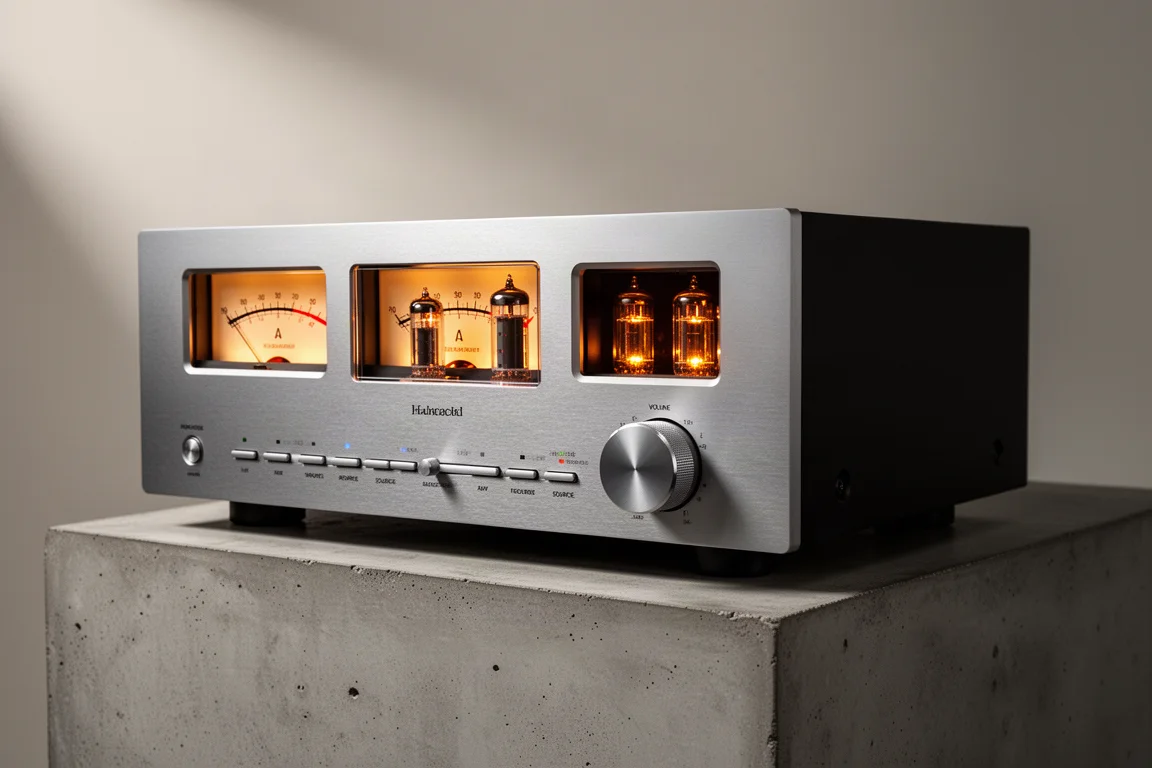
Integrated Amplifiers
Advance Paris A12 Apex Review: A Modern Integrated Amplifier With Vintage Character
A dual mono integrated amplifier with 180 watts per channel, a tube front end, VU meters, and a connectivity list that covers turntables, televisions, computers, and headphones.
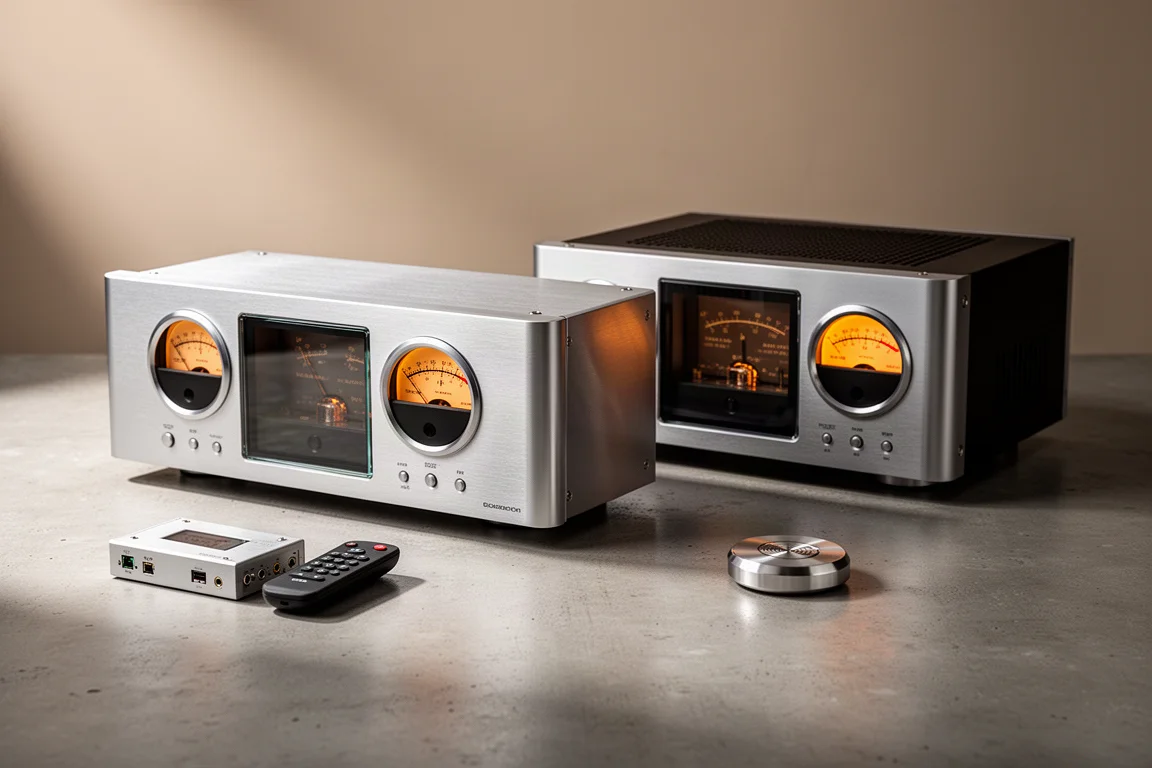
Integrated Amplifiers
Advance Paris Nova Range Review: AI130, AI190 and Modular Upgrades
A practical look at the Advance Paris Nova range, including the AI130 and AI190 integrated amplifiers and the modular streaming, Bluetooth and remote accessories that expand them.