Mountain Bikes
Rocky Mountain Element 70 vs Element C70: Two Decades of Mountain Bike Evolution
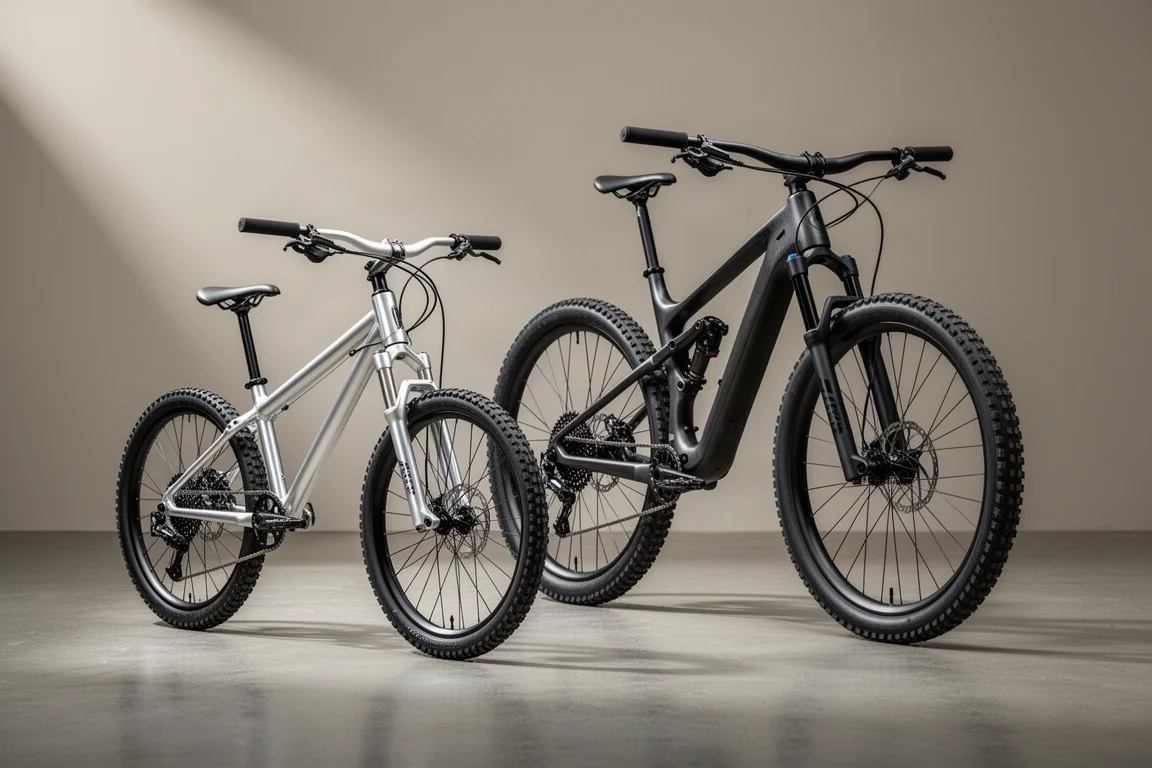
A 2005 Rocky Mountain Element 70 and a 2023 Element C70 side by side, showing how wheels, geometry, travel, and components have changed in 20 years.
Introduction
Two bikes that share a name and a suspension layout, yet sit almost 20 years apart. On one side is a 2005 Rocky Mountain Element 70, an aluminum cross-country bike with 26-inch wheels that is still being ridden today. On the other is a 2023 Rocky Mountain Element C70, a carbon short-travel trail bike with 29-inch wheels and thoroughly modern numbers.
Put them side by side and the family resemblance is still obvious, but the differences in frame construction, geometry, wheel size, and suspension travel explain why they behave like completely different machines on the trail. Both are full suspension, both carry the Element 70 badge, and both use a small linkage to drive the rear shock, which makes the rest of the changes easy to read.
How the Two Rocky Mountain Elements Compare
The 2005 bike rolls on 26-inch wheels with 2.1-inch tires and offers 100mm of travel at both ends. The 2023 Element C70 runs 29-inch wheels with 2.4-inch tires and 130mm up front with 120mm out back, and it uses a carbon frame rather than aluminum.
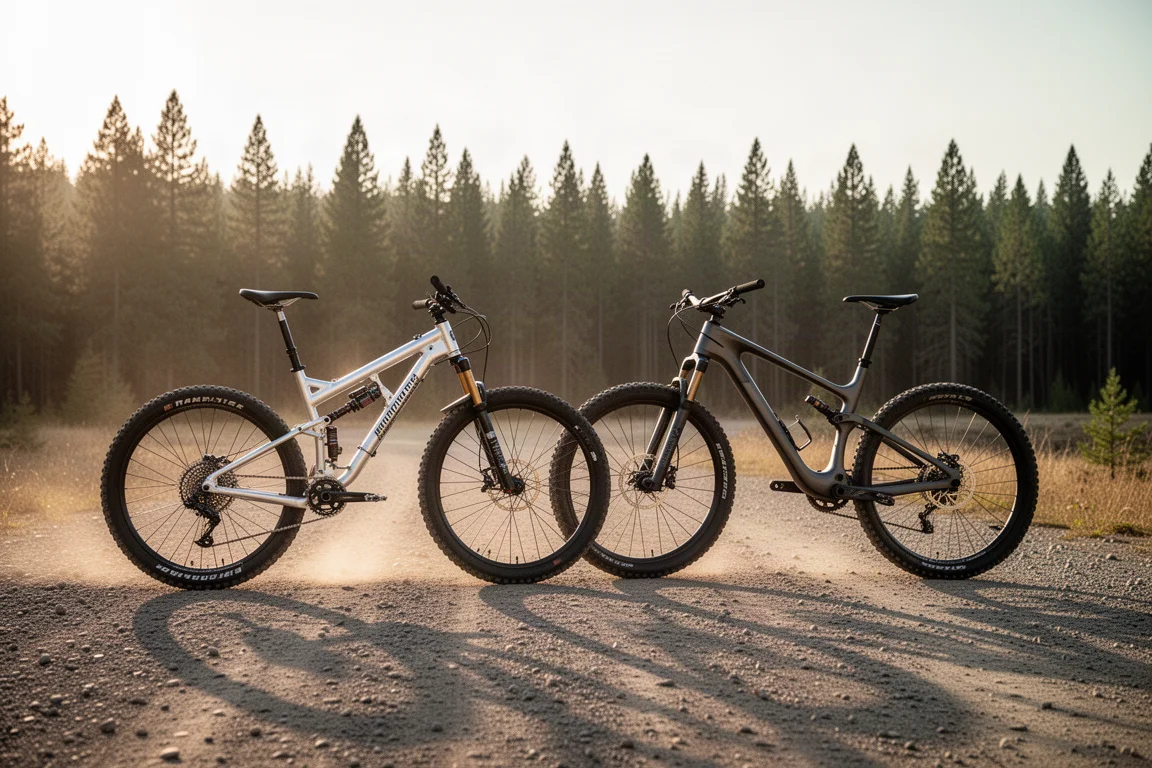
Bigger wheels and more travel are the changes most riders notice first, but the geometry numbers behind them matter just as much, because they decide how the bike carries weight, steers, and holds a line.
Rocky Mountain Element 70: The 2005 Original
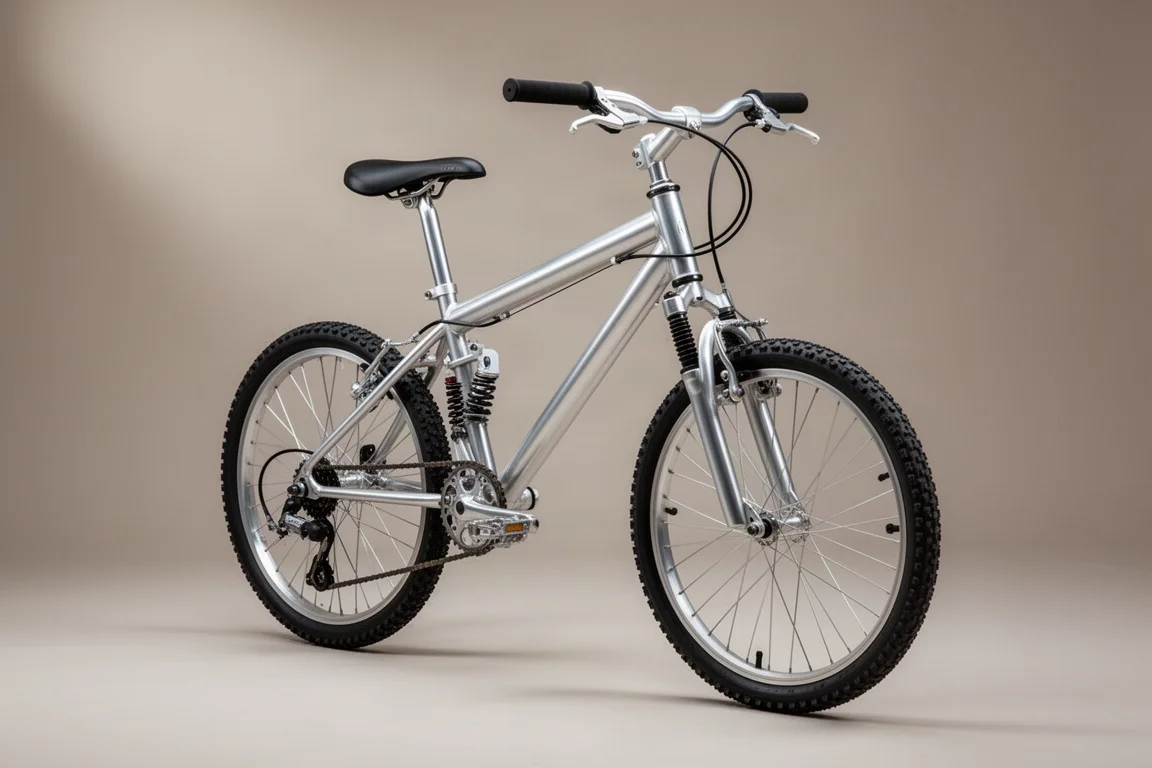
This one is a genuine product of its time. The frame is built from Easton 7005 ultralight taperwall aluminum with plain round tubing and very little hydroforming or elaborate tube shaping. It was also handmade in Canada and signed by the welder who finished the front end, a small detail that owners tend to appreciate.
The head angle sits at 71.5 degrees and the seat angle at 73.5 degrees, with a reach of roughly 400mm and a wheelbase of 1056mm. A 100mm stem and a 610mm handlebar with a 25.4mm clamp complete a cockpit that looks conservative next to anything modern.
Suspension came from Fox, with an RP3 rear shock and an F-100 fork. The original fork eventually gave way to a RockShox SID after its steerer tube wore out, and the SID is still a popular choice on current bikes. The drivetrain is Shimano XT in a 3x9 setup, originally with dual control levers that combined shifting and braking into a single unit, plus a rear derailleur using Shimano’s Rapid Rise, or low normal, spring direction. The hydraulic disc brake calipers, meanwhile, are surprisingly close in design to today’s units and still feel decent at the lever.

What stands out is how much of this bike is defined by its era: the small wheels, the steep front end, the narrow bar, and the long stem all pull in the same direction.
Frame, Geometry, and Suspension: What 20 Years Changed
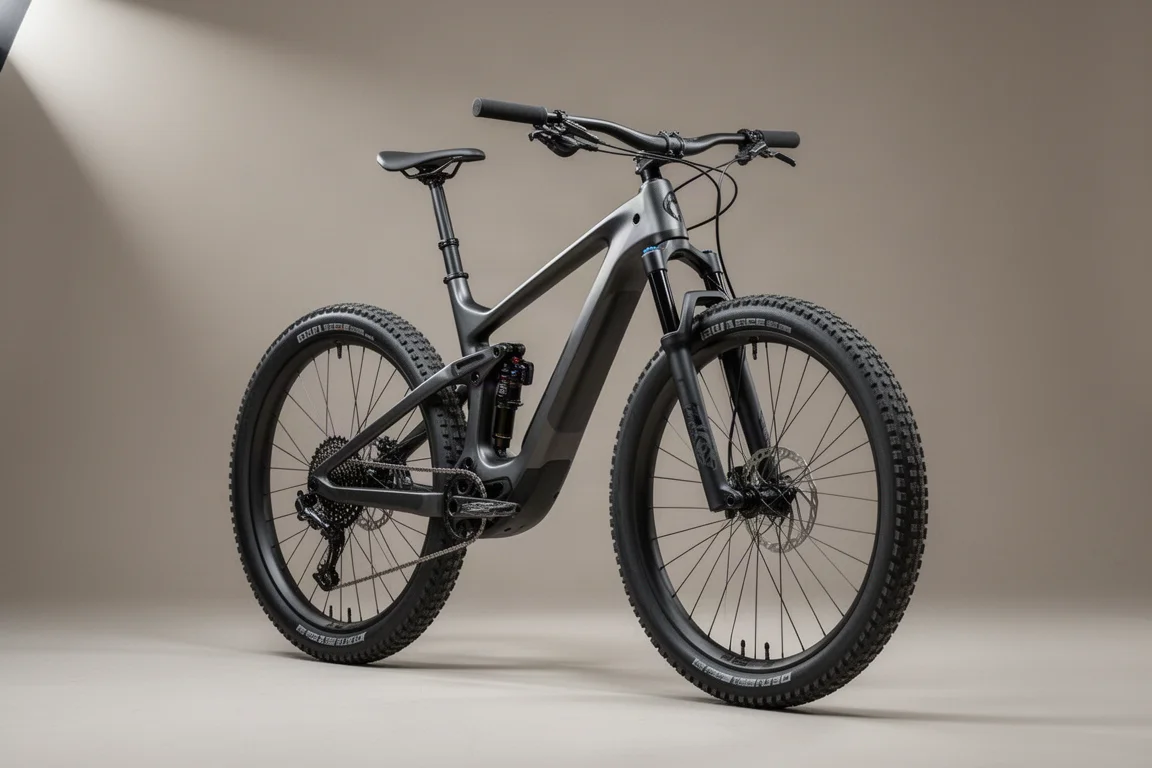
The modern Element C70 uses a Smooth Wall carbon frame with different tube shapes and carbon layouts depending on frame size, so stiffness and strength are tuned to each size rather than shared across the range. Rocky Mountain still produces an aluminum Element, but the C70 is the carbon flagship of the line.
Geometry follows the longer, lower, slacker direction the whole industry has taken. The current bike uses Rocky Mountain’s Ride-4 adjustment and, in its slackest setting, a 65-degree head angle against the fixed 71.5 degrees of the 2005 bike, a difference of six and a half degrees. Reach grows to 450mm and the wheelbase to 1202mm, while the seat angle steepens to 76 degrees and the top tube stretches to 605mm.
The most striking number is chainstay length, which is only 8mm longer than on the 26-inch bike despite the far bigger wheels and chunkier tires. That means the remaining 136mm of extra wheelbase, more than five inches, comes almost entirely from the front of the bike. The suspension layout has been revised too, with the pivot moving from the seatstay to the chainstay, while travel rises to 120mm at the rear and 130mm at the front.
Rocky Mountain Element C70: The 2023 Carbon Build
The C70 pairs that geometry with a modern cockpit: a 50mm stem, a 780mm handlebar with a 35mm clamp, and a dropper post. Suspension is Fox again, with a Float DPS shock taking over from the old RP3 and a Fox 34 fork as the modern descendant of the F-series, a family that once spanned cross-country through longer-travel trail bikes. The drivetrain is still Shimano XT, now in a simple 1x configuration instead of 3x9, and the brakes remain XT hydraulic discs.
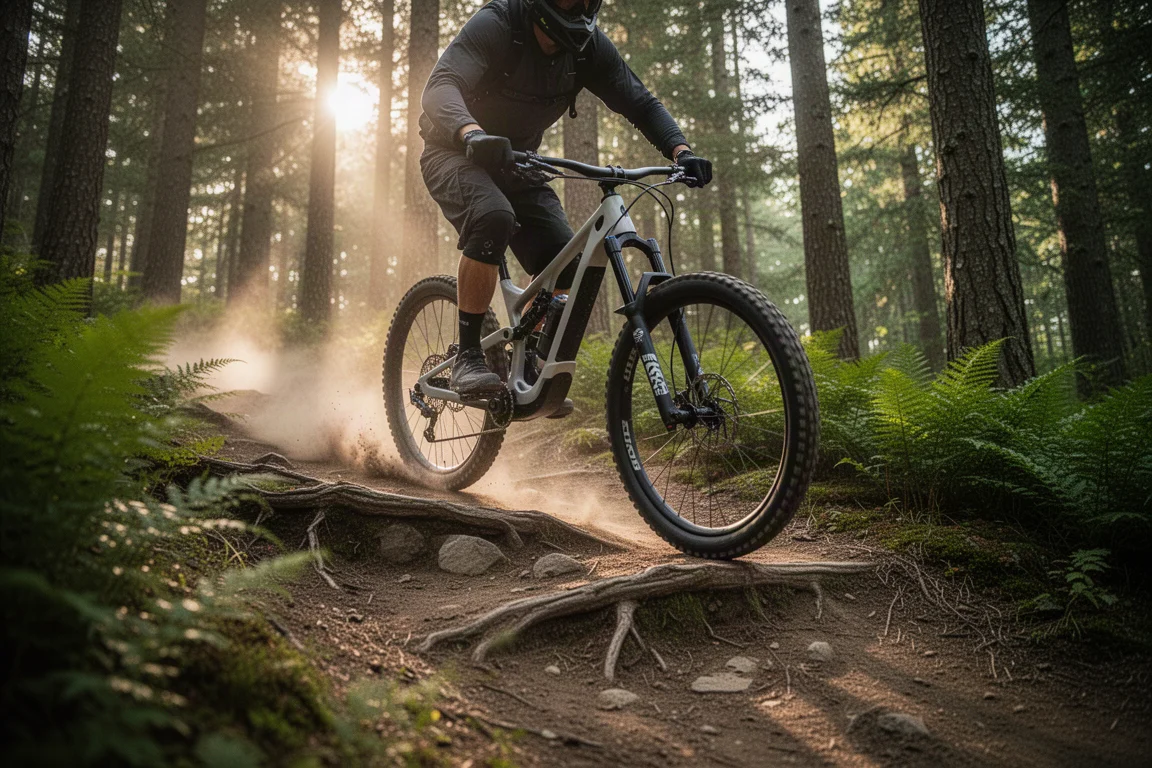
The result is a bike that feels confident and secure when the trail points down, calm over rough surfaces, and efficient enough on climbs that pedal bob is not a real concern.
Climbing and Descending: What the Trail Revealed
A short test route with a smooth climb, rollers, rocks, drops, and rougher sections put both bikes on the clock. Without a power meter the times are best treated as a rough guide, but the shape of the result is informative.
The 2023 Element C70 set the pace at 5 minutes 56 seconds, while the 2005 Element 70 came in at 7 minutes 9 seconds. The interesting part is where the time was lost. On the climbs the two were fairly close, because the old bike is genuinely efficient, particularly with the shock lockout engaged. It gives away ground mainly on smaller bumps, where its 26-inch wheels get held up more easily, while the 29-inch wheels on the new bike roll over those same bumps and carry momentum better.
Descending is where the gap opens dramatically. The modern geometry, the dropper post, and the wider handlebar make the C70 far more confidence-inspiring. The 2005 bike, by contrast, feels twitchy, with a front end that constantly seems to want to send you over the bars.
Buying Advice: Which Element Makes Sense
If you want one bike for mixed terrain, the case for the modern Element C70 is straightforward. Bigger wheels, more travel, a slacker and longer front end, a dropper post, and a wide bar add up to a bike that is faster and far calmer when the trail points downhill, while still climbing well.
The 2005 Element 70 makes sense in a different context. It is light on its feet on smooth climbs, mechanically simple, and its XT brakes and drivetrain still work well. As an inexpensive way into full suspension, a well-kept example can still serve as a capable cross-country bike, as long as expectations match the geometry and the smaller wheels. Riders who spend their time on rough descents will feel the limits quickly.
Whichever direction you choose, the sensible move is to match the bike to the terrain you actually ride most often rather than to the numbers alone.
Conclusion
Two decades separate these two Rockies, and the difference in ride quality is exactly what that much change would suggest. The 2005 Element 70 is a well-made snapshot of cross-country design from its era, and the 2023 Element C70 shows how much easier modern geometry, bigger wheels, and more travel make difficult terrain. Both are still recognisably Elements, which says something about how consistently the platform has been developed.
Further reading
Related Reviews
Mountain Bikes
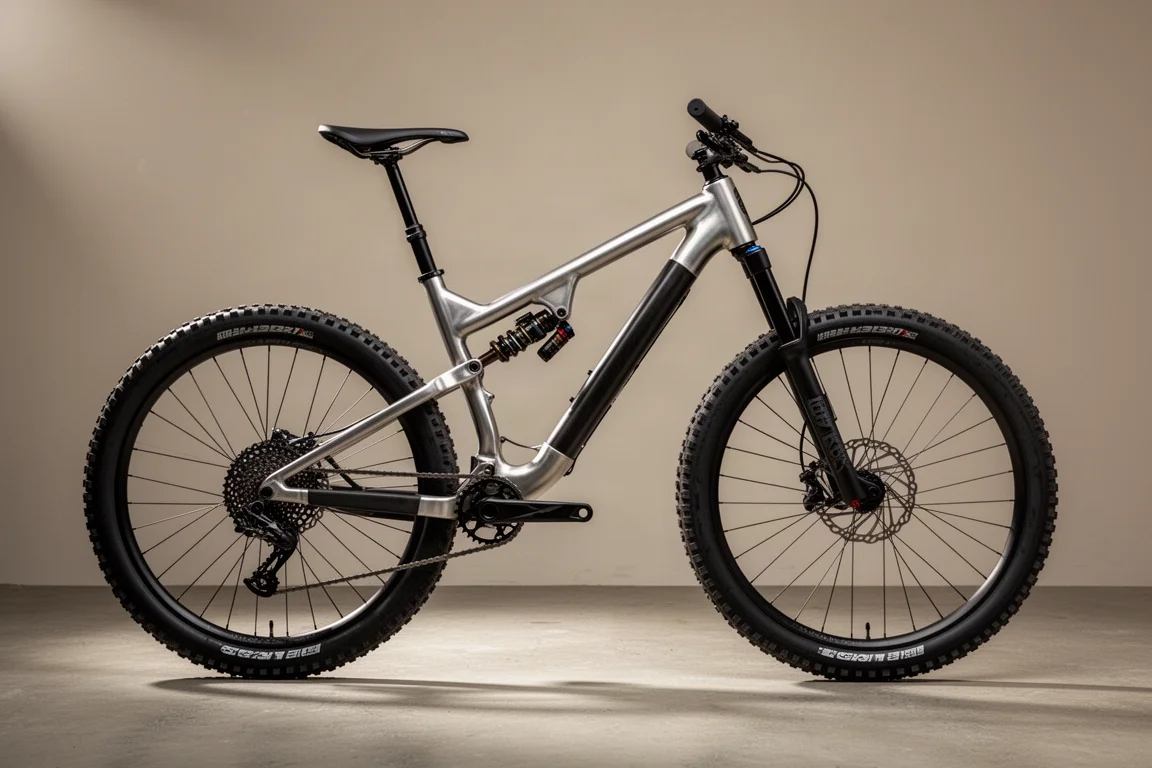
Atherton AM.130 Review: 3D-Printed Titanium Lugs and a 130mm Trail Bike That Descends Like a Bigger Machine
The Atherton AM.130 pairs 3D-printed titanium lugs with carbon tubes and a DW6 suspension platform. Here is how it rides, what the build delivers, and who it suits.
Mountain Bikes
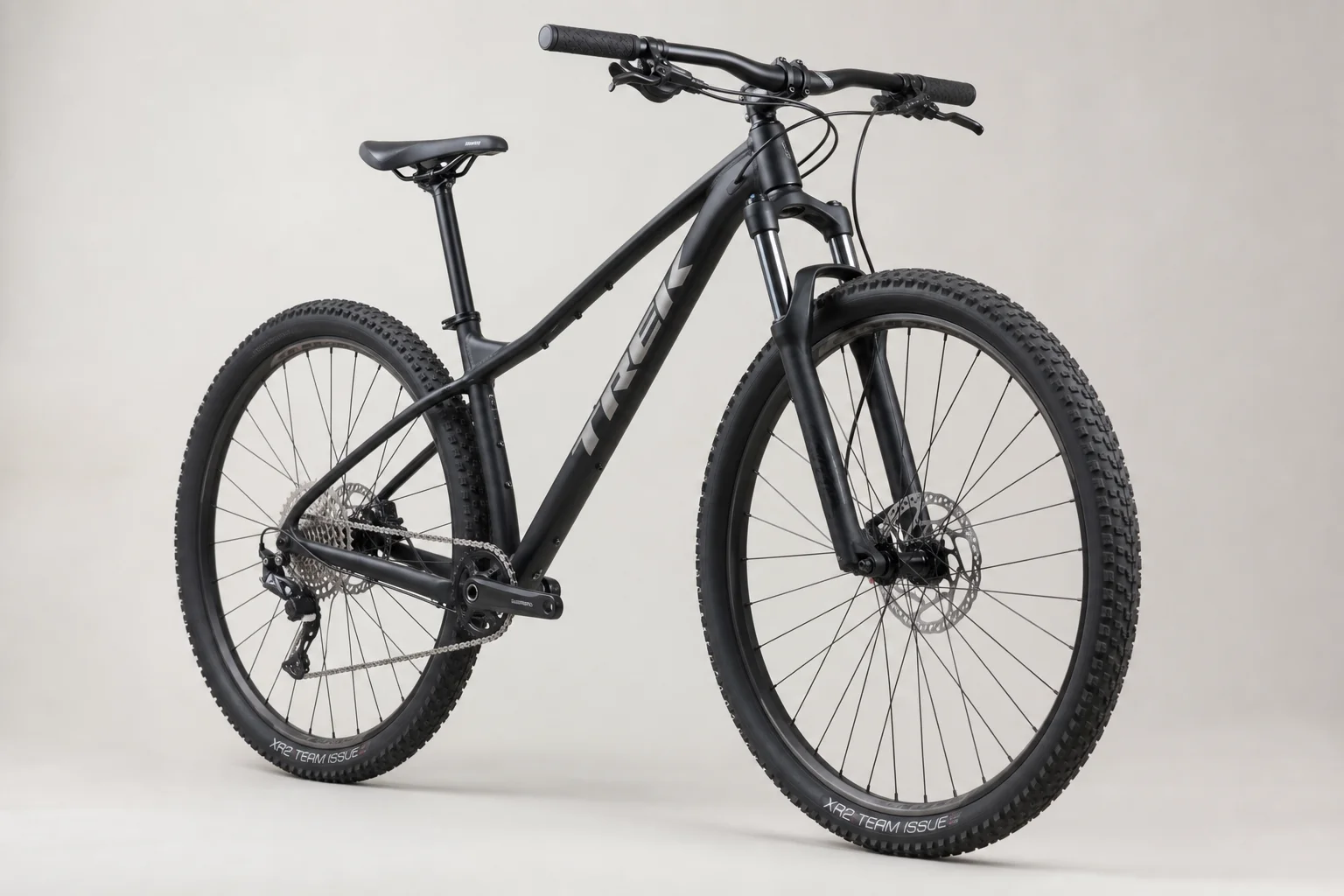
Beginner Mountain Bike Buying Guide: What to Look For in a Trailworthy Hardtail
A practical framework for evaluating beginner mountain bikes, whether new or used, by examining key components that indicate real trail capability.
Mountain Bikes
Best Aluminum Mountain Bikes 2026: Five Alloy Bikes Worth Your Attention
Five aluminum mountain bikes that show how far alloy has come, from a 120mm trail bike and a versatile machined frame to a 180mm freeride machine.