Mountain Bikes
Rocky Mountain Element Then and Now: 2005 Element 70 vs the Modern Element C70
Two Rocky Mountain Elements sit roughly twenty years apart. Here is what changed in wheels, travel and geometry, how each one rides, and which rider each bike still suits.
Introduction
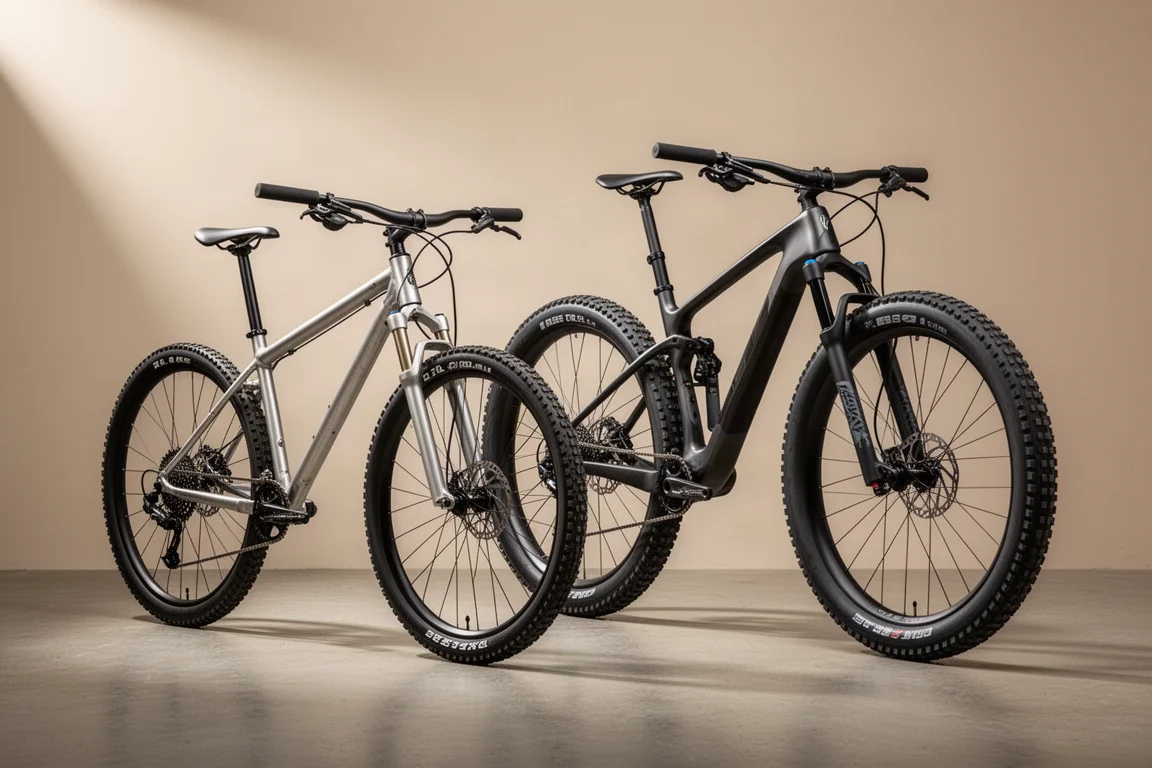
Some model names survive for decades while almost nothing underneath them stays the same. The Rocky Mountain Element is a good example. Two bikes carry the Element name and the 70 badge, and they sit roughly twenty years apart: an aluminum 26-inch cross-country bike with 100 mm of travel at each end, and a carbon 29er with 130 mm up front, 120 mm out back, a far slacker front end and a dropper post.
Set them side by side and the family resemblance is still there, yet the differences in wheel size, geometry and cockpit setup are obvious at a glance. Riding them back to back on the same trail makes the case even clearer.
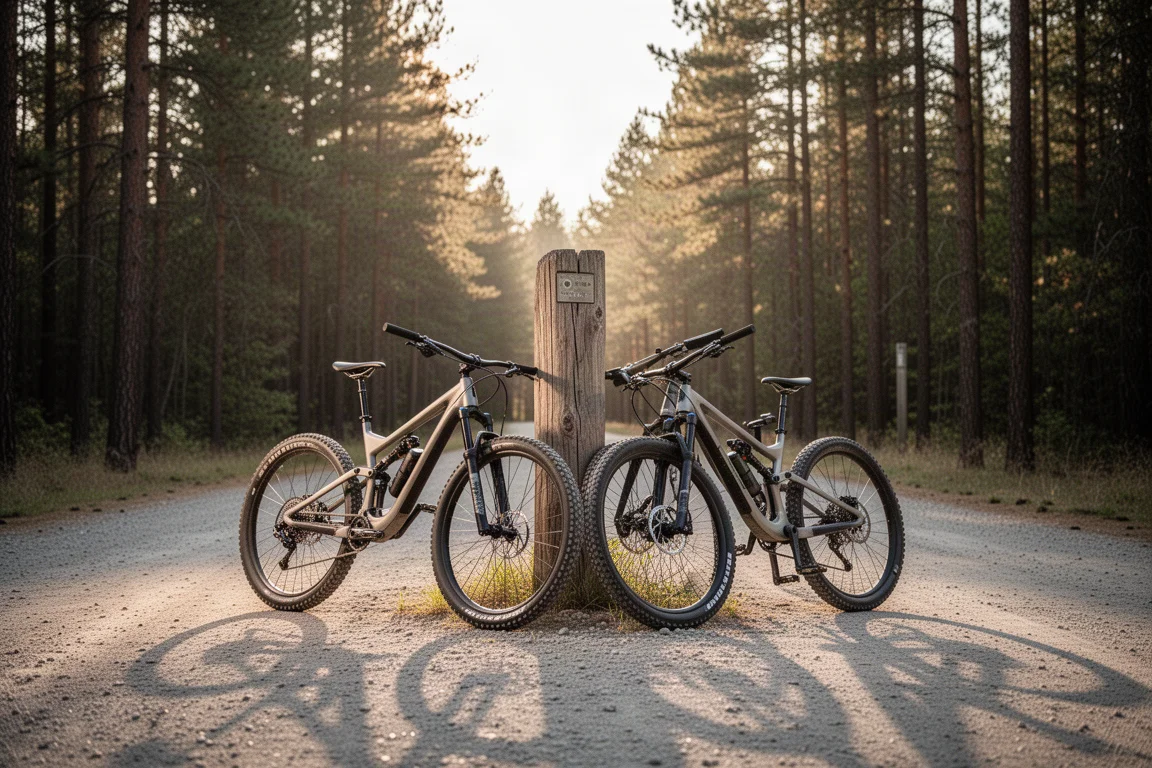
This guide walks through what actually changed between the two generations, how each bike behaves on a mixed trail loop, and which riders each one still makes sense for today.
Two Decades of Change: Wheels, Travel and Geometry
The direction mountain bike design has travelled over two decades is easy to summarise: longer, lower and slacker. The Element shows all three clearly.
Wheel size moved from 26-inch hoops with 2.1-inch tires to 29-inch wheels with 2.4-inch tires, a width that now looks entirely normal on shorter-travel bikes. Suspension travel grew from 100 mm front and rear to 130 mm up front and 120 mm out back. The layout stayed familiar, with a small linkage driving the shock, although the pivot moved from the seatstay to the chainstay.
Geometry changed the most. The older bike sat at a fixed 71.5-degree head angle, while the current Element uses Rocky Mountain’s Ride 4 adjustment and reaches 65 degrees in its slackest setting. The seat angle steepened from 73.5 to 76 degrees. Wheelbase grew from 1056 mm to 1202 mm, and most of that came from the front end, since the chainstays are only 8 mm longer despite the much bigger wheels. Reach went from an estimated 400 mm to around 450 mm, and the top tube from roughly 580 mm to 605 mm.
The cockpit changed just as much. A 100 mm stem and a 610 mm handlebar with a 25.4 mm clamp gave way to a 50 mm stem and a 780 mm bar with a 35 mm clamp. Drivetrains went from three-by-nine with integrated dual control levers and a Rapid Rise rear derailleur to a simple one-by setup. Hydraulic disc brakes, by contrast, have barely changed in concept.
Rocky Mountain Element 70 (2005): The Aluminum Original
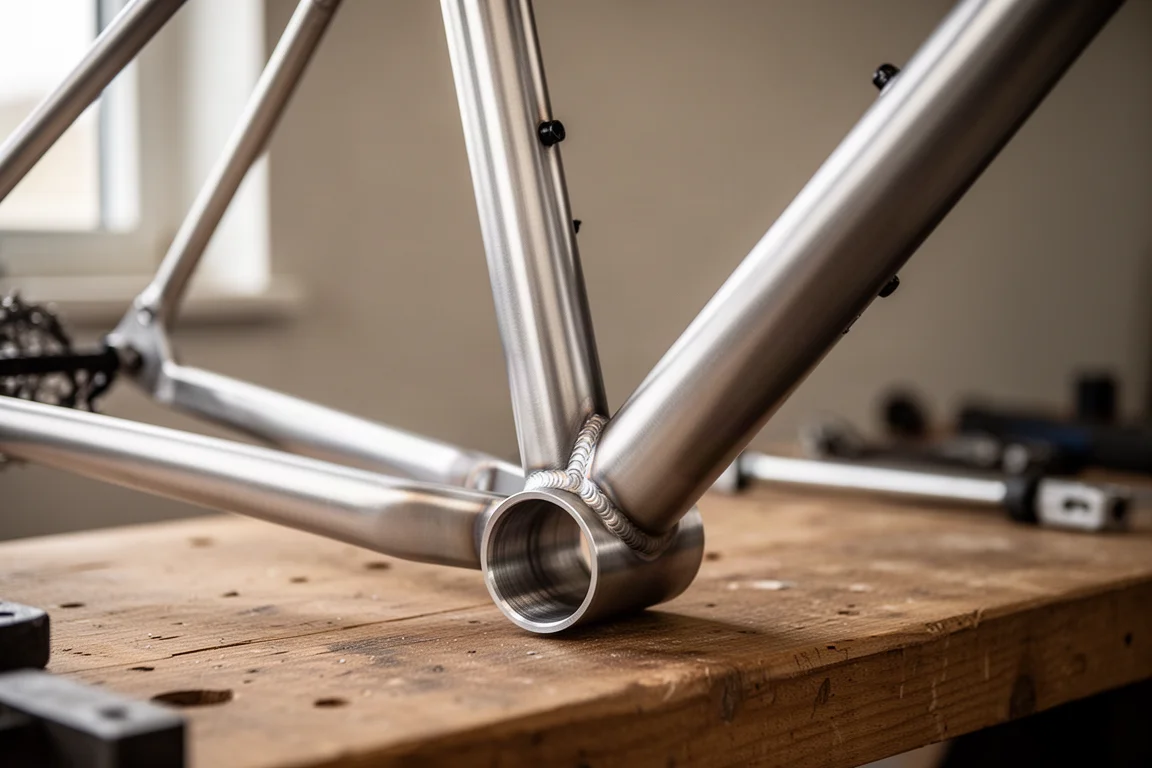
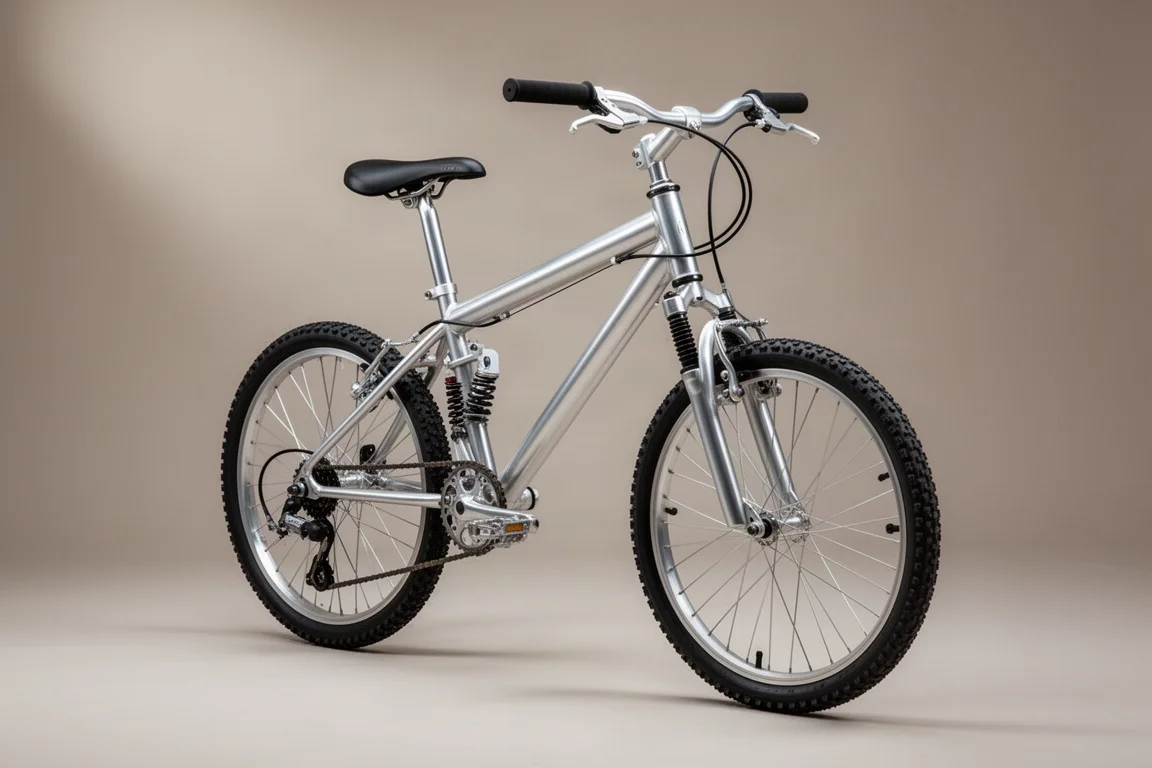
The 2005 Element 70 is very much a product of its time. Its frame uses Easton 7005 aluminum tubing in plain round profiles, with little of the hydroforming and tube shaping that defines modern frames. A neat detail is that it was handmade in Canada and signed by the welder who built the front end. It rolls on 26-inch wheels with 2.1-inch tires and offers 100 mm of travel at both ends.
Suspension came from Fox, with an RP3 rear shock and an F-100 fork. The RP3 is an ancestor of the Float DPS found on the current bike, and the F-series forks of that era covered everything from cross-country bikes to longer-travel trail bikes, much as the Fox 34 does now. The original fork eventually wore out its steerer tube, and a RockShox SID took its place, a fork that is still a common sight on modern bikes.
The drivetrain was Shimano XT in a three-by-nine configuration, originally with dual control levers that merged braking and shifting into a single unit, plus a Rapid Rise rear derailleur that defaulted to the largest sprocket when cable tension was released. Neither idea lasted, and the shifters and derailleur on this particular bike have since been swapped. The hydraulic disc brakes are a different story: the caliper design is close to what is still used today, and they feel good at the lever.
Up front, the 2005 bike runs a 100 mm stem and a 610 mm handlebar, which together with the 71.5-degree head angle makes the steering quick and places the rider’s weight well forward. That combination shapes almost everything about how the bike feels once the trail turns rough or steep.
Rocky Mountain Element C70 (2023): The Carbon Modern
The current Element C70 uses a Smoothwall carbon frame, and Rocky Mountain varies the tube shapes and carbon layup by frame size to keep stiffness and strength appropriate for each size. An aluminum Element is still part of the range, but the C70 is the carbon version.
Wheels are 29-inch with 2.4-inch tires. Travel is 130 mm at the front and 120 mm at the rear, a modest increase over 2005 that reflects how shorter-travel bikes have grown. Suspension comes from a Fox 34 fork and a Float DPS shock, again driven by a small linkage, with the pivot now on the chainstay.
The numbers are where the generational gap really shows: Ride 4 geometry adjustment, a 65-degree head angle in the slackest setting, a 76-degree seat angle, a 1202 mm wheelbase and a reach of around 450 mm. The top tube measures 605 mm. Chainstays are only 8 mm longer than those of the 26-inch bike, which keeps the rear end compact despite the much larger wheels.
The cockpit is thoroughly modern: a 50 mm stem, a 780 mm handlebar and a 35 mm clamp. A one-by Shimano XT drivetrain replaces the three-by setup, and a dropper post is part of the package, something the 2005 bike never had.
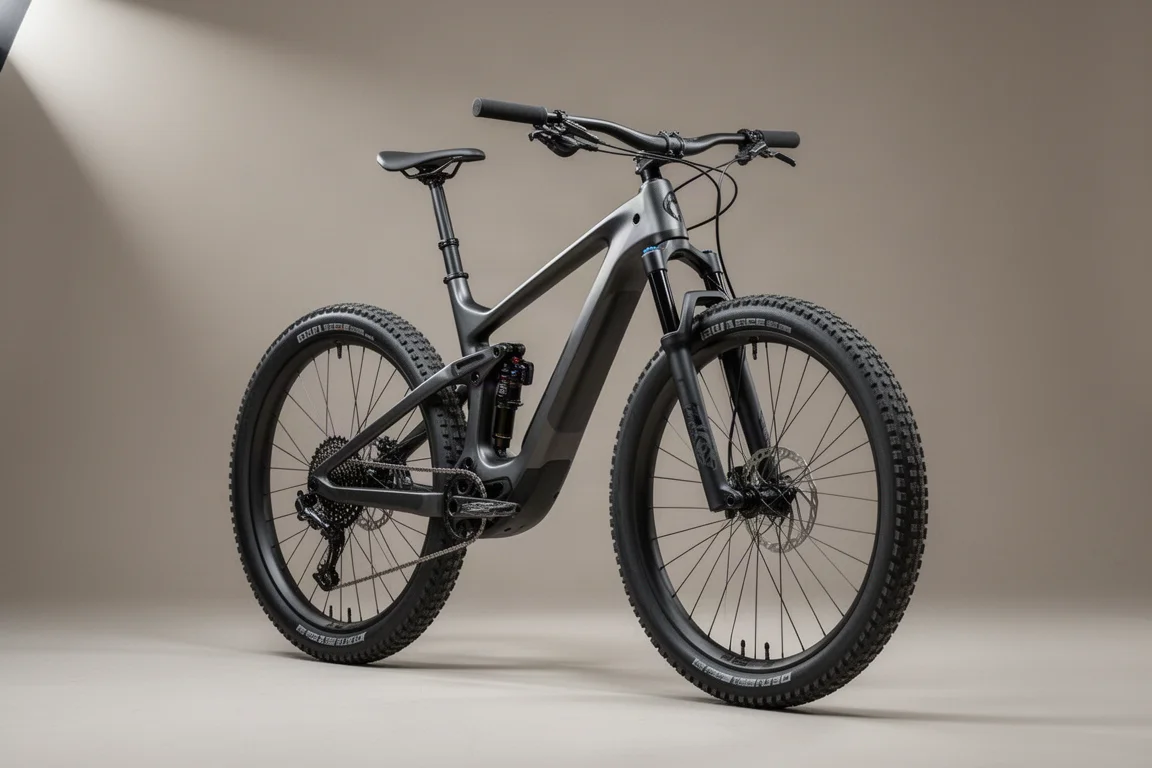
On the Trail: Climbing, Rollers and Descents
A short loop with a smooth climb, rollers, rocks, drops and rougher sections is enough to separate these two bikes.
The current Element feels competent everywhere. It holds speed over rough ground, stays calm on smoother sections and does not bob much under pedalling. Descending, it feels confident and secure, and it is simply a fun bike to ride.
The 2005 bike delivers a very different experience. The steep head angle, long stem and narrow bar make it twitchy, and it constantly feels as though the front wheel wants to pitch you forward. The suspension copes reasonably well with bigger hits, but the 26-inch wheels catch on small bumps and roots. On the climbs it is more tiring than the modern bike.

That difference is not only about comfort. The modern bike’s geometry, dropper post and wider handlebar add up to a ride that inspires confidence, while the older bike demands far more attention from its rider. The gap widens considerably once the trail points downhill.
What the Stopwatch Showed
Timed runs on that loop, recorded without a power meter and therefore best treated as a rough guide, put the modern Element at 5 minutes 56 seconds against 7 minutes 9 seconds for the 2005 bike. Most of the difference came on the descent. On the climbs the two were closer than expected: the older bike is efficient, particularly with the shock lockout engaged, though it loses a little time on small bumps where the smaller wheels struggle to keep momentum.
Where the trail turns downward, the gap opens dramatically. The modern bike is far more capable, while the older bike, with its steep head angle and narrow cockpit, is genuinely demanding to ride fast.
Overall Buying Advice
The two bikes suit very different buyers, and neither one is automatically the right answer.
If you want a bike that covers rough ground quickly and confidently, with modern geometry, bigger wheels, more travel and a dropper post, the current Element C70 is the straightforward choice. It is the version that makes a mixed trail loop feel easy, and its one-by drivetrain and modern cockpit keep the experience simple.
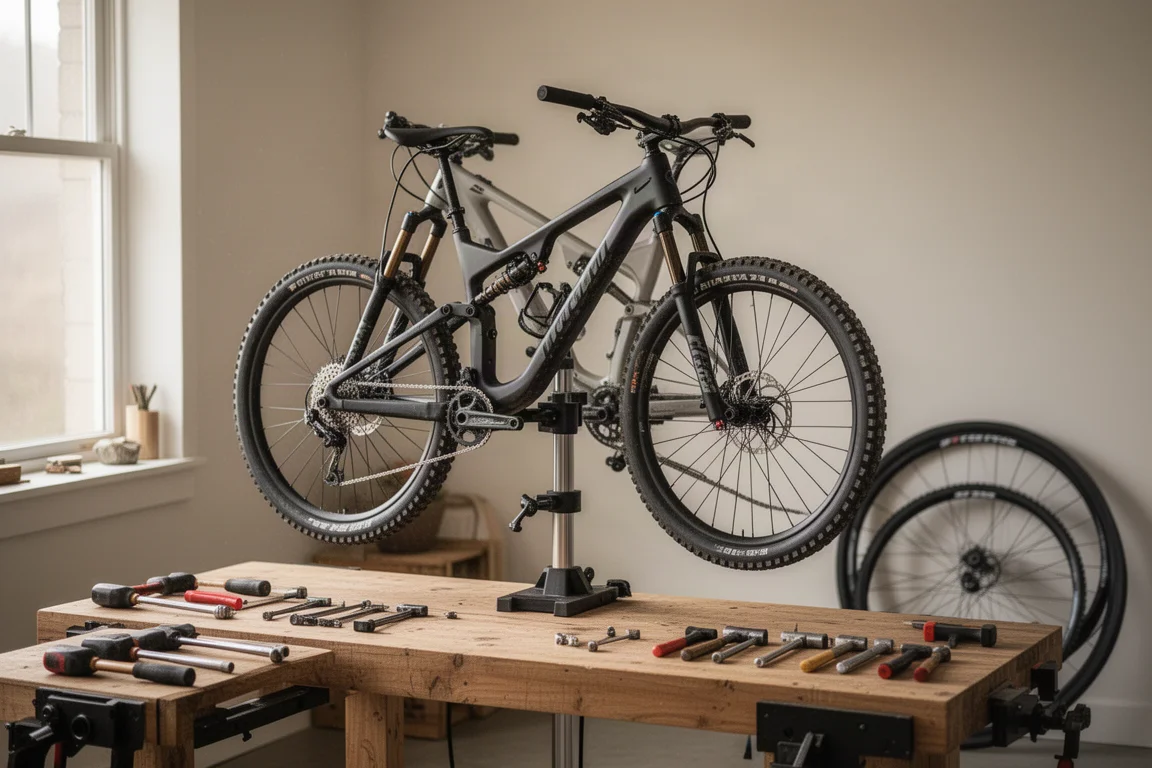
The 2005 Element 70 makes sense for a different set of priorities: an affordable route into full suspension, a restoration project, or a bike for gentle trails and fire roads where its efficiency and simplicity are enough. Anyone considering one should expect to work harder on descents and to feel every small bump through the 26-inch wheels. It is also worth checking the condition of older components carefully, since a fork of that era can reach the end of its service life.
Either way, the comparison is a useful reminder of how much has changed. Wheel size, geometry and cockpit dimensions account for most of the difference in how the two bikes ride, and those are the things worth weighing before choosing between a classic Element and a modern one.
Conclusion
Both bikes carry the Element name, but they were built for different eras and different riders. The 2005 Element 70 shows how capable a 100 mm aluminum 26er could be, and it remains efficient on smooth climbs with the shock locked out. The Element C70 shows where two decades of development led: bigger wheels, more travel, slacker geometry, a shorter stem, a wider bar and a dropper post, all of which make it far more confident on descents and easier to live with on mixed terrain.
If your riding involves rough descents and you want a bike that feels secure at speed, the modern Element is the one to look at. If you want an affordable entry into full suspension or a project bike with a bit of history, the 2005 Element 70 still has a case.
Further reading
Related Reviews
Mountain Bikes
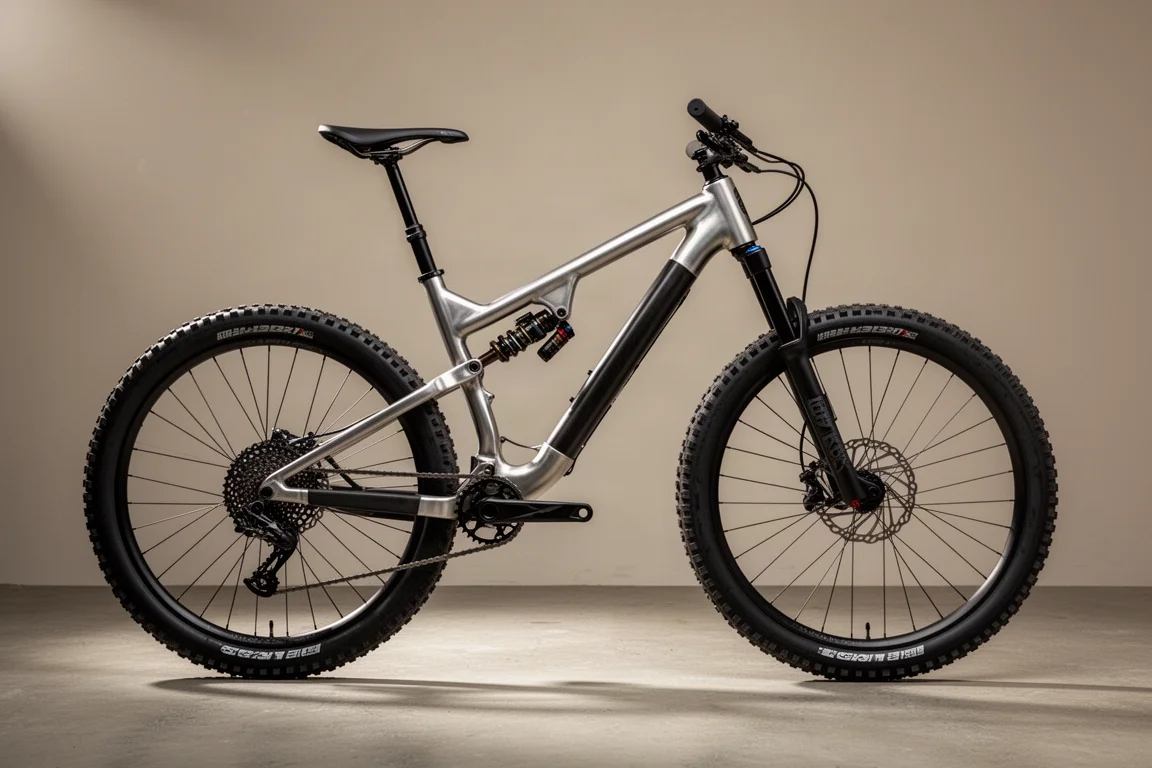
Atherton AM.130 Review: 3D-Printed Titanium Lugs and a 130mm Trail Bike That Descends Like a Bigger Machine
The Atherton AM.130 pairs 3D-printed titanium lugs with carbon tubes and a DW6 suspension platform. Here is how it rides, what the build delivers, and who it suits.
Mountain Bikes
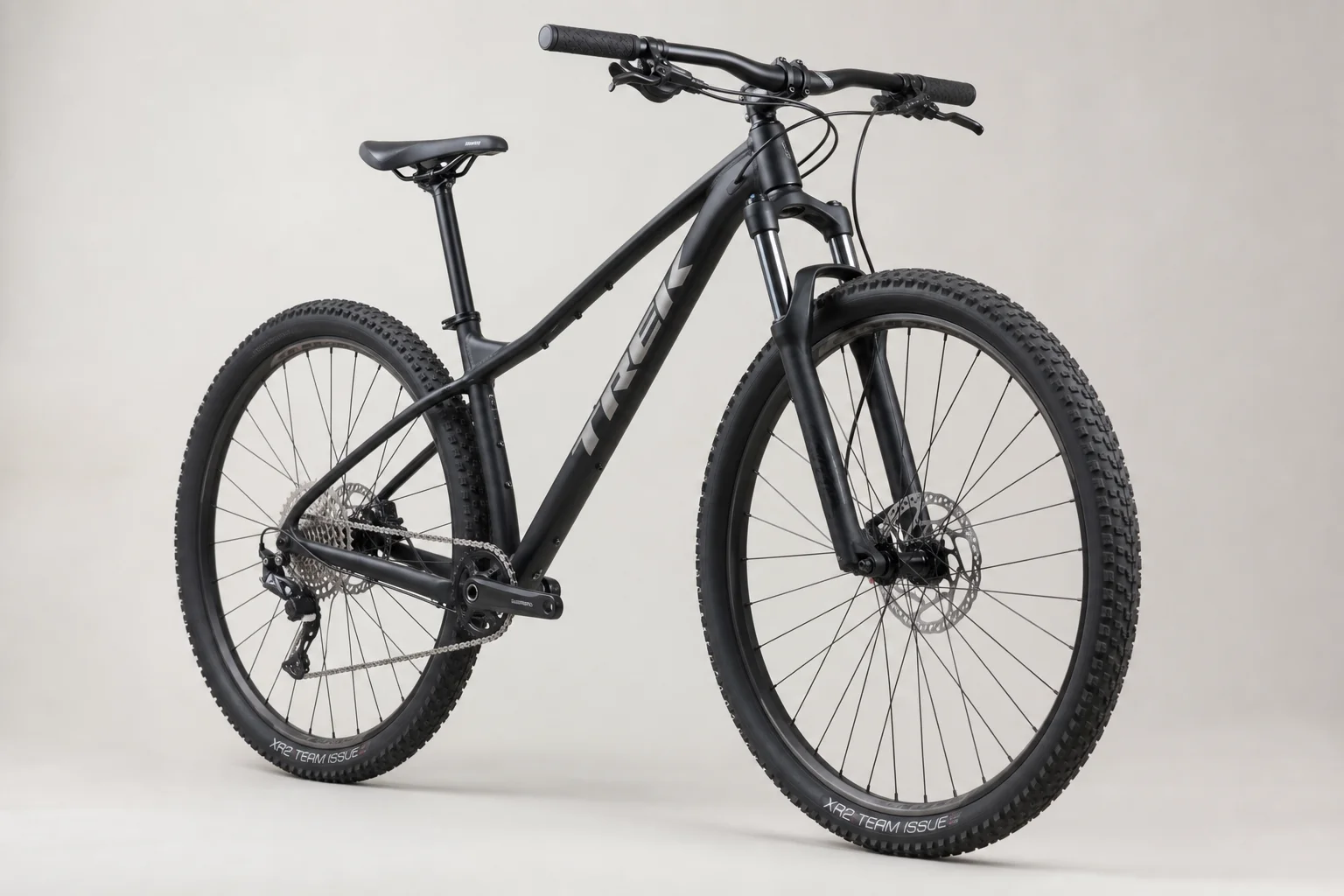
Beginner Mountain Bike Buying Guide: What to Look For in a Trailworthy Hardtail
A practical framework for evaluating beginner mountain bikes, whether new or used, by examining key components that indicate real trail capability.
Mountain Bikes
Best Aluminum Mountain Bikes 2026: Five Alloy Bikes Worth Your Attention
Five aluminum mountain bikes that show how far alloy has come, from a 120mm trail bike and a versatile machined frame to a 180mm freeride machine.