Mountain Bike Suspension
RockShox Sid Range Review: Sid Ultimate, SidLux and Sid SL
A practical look at the RockShox Sid Ultimate, SidLux shock and Sid SL, covering the three-position damper, the Debonair+ air spring and what each option suits.
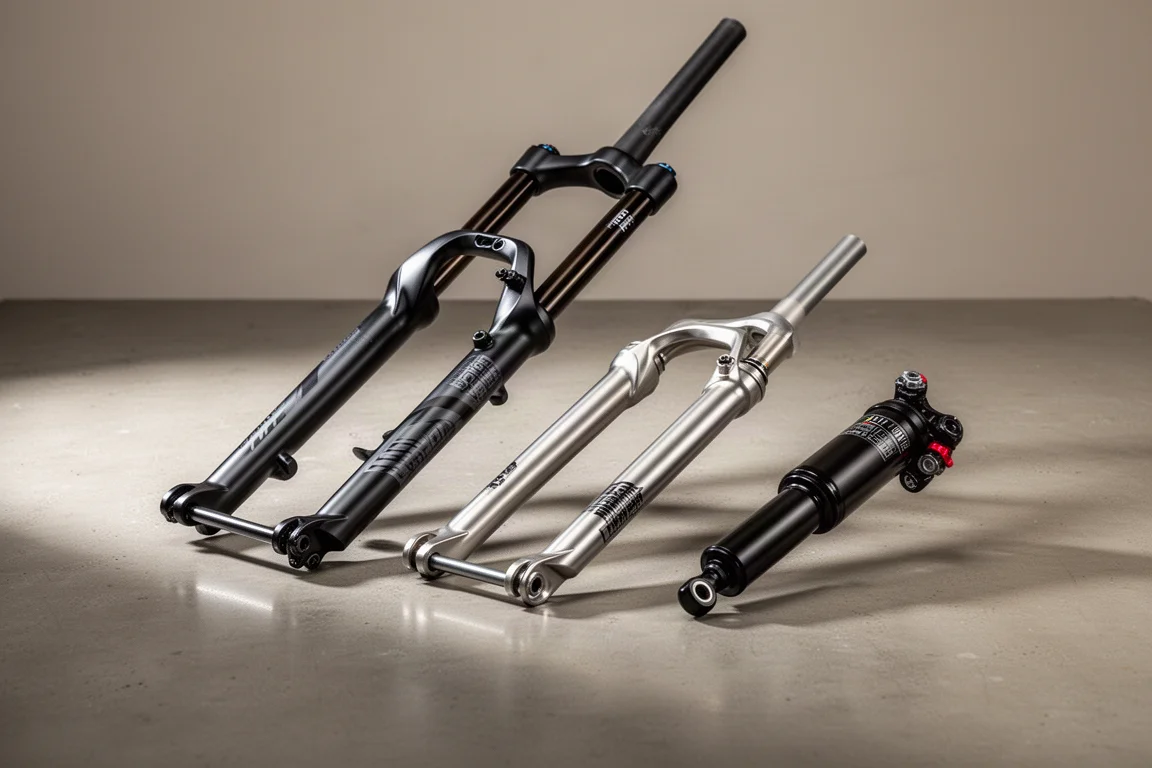
Introduction
The RockShox Sid has been a fixture of cross-country racing for decades, and the family now stretches well beyond the race tape. The latest generation pushes the range in a direction that should appeal to racers, but also to riders on short-travel and down-country bikes who want a fork that stays composed when the trail turns rough.
Two forks and a matching shock define the line-up: the Sid Ultimate, the Sid SL and the SidLux rear shock. All three share a common theme: more usable travel, more traction, and a damping setup that works harder outside of race conditions than the generation it replaces.
What Changed Across the Sid Range
The previous generation arrived in 2020, splitting the line-up between a 32 mm-stanchion Sid SL and a burlier 35 mm Sid. The larger fork weighed around 150 g more but brought a stiffer structure suited to increasingly technical World Cup courses and the rise of more capable down-country bikes.
For this generation, the headline change is the Charger Race Day 2 damper, which debuts on Ultimate and Select Plus models. The earlier Charger Race Day damper offered little beyond open and lock. The new unit adds a middle pedal position, giving riders three settings to choose from. Switching between open, pedal and lock alters low-speed compression damping, firming the fork and reducing bob so the bike feels more efficient under power. Pedal mode is the interesting one: the goal is to keep the front wheel tracking over bumps and holding traction without letting the fork bounce excessively under rider input.
Riders who already own the previous Sid or Sid SL fork can retrofit the new Charger Race Day 2 damper, which means the new damping can be added without replacing the whole fork.
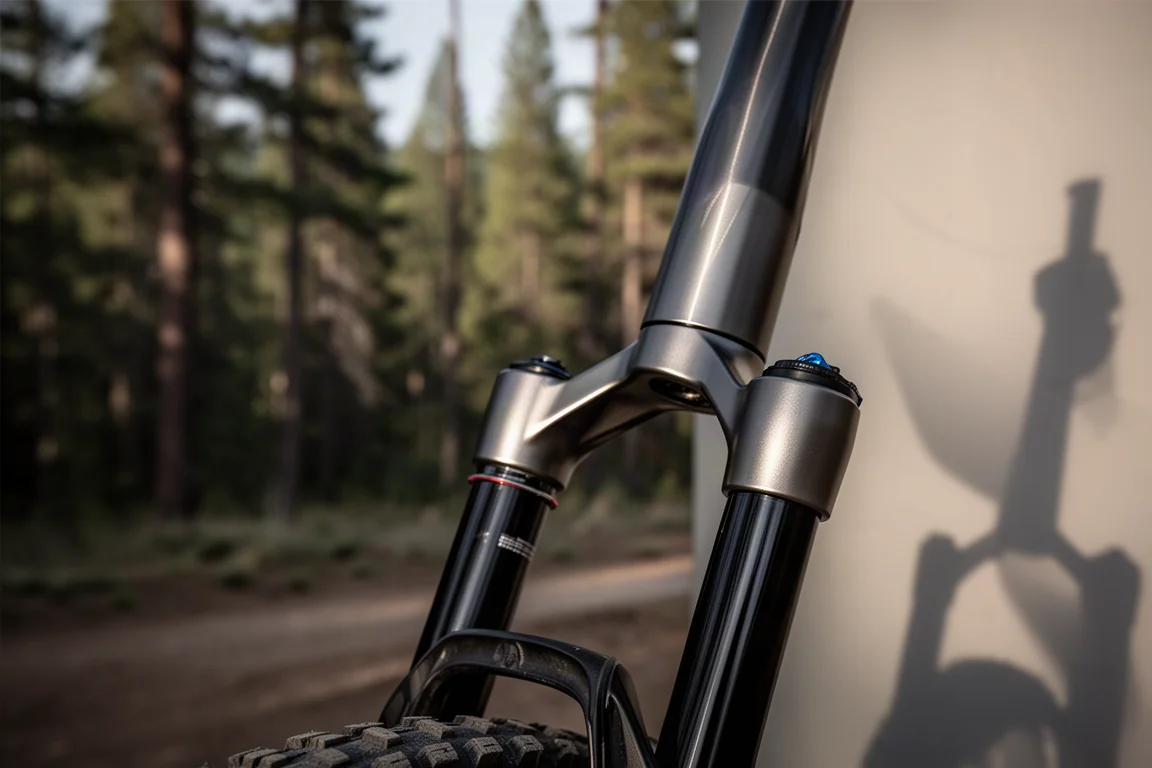
The other significant addition is the Debonair+ air spring, which appears across the fork range with the exception of the new Sid SL. Positive air volume increases by 15 percent and negative air volume by 50 percent. The intention is to let the fork settle into the first part of its travel more easily while reducing the progressive ramp-up at the end of the stroke, so more of the available travel is usable without running unusually low pressure. A new top-out coil spring replaces the previous rubber bumper, and a conically spaced bottom-out bumper cushions the final part of the stroke.
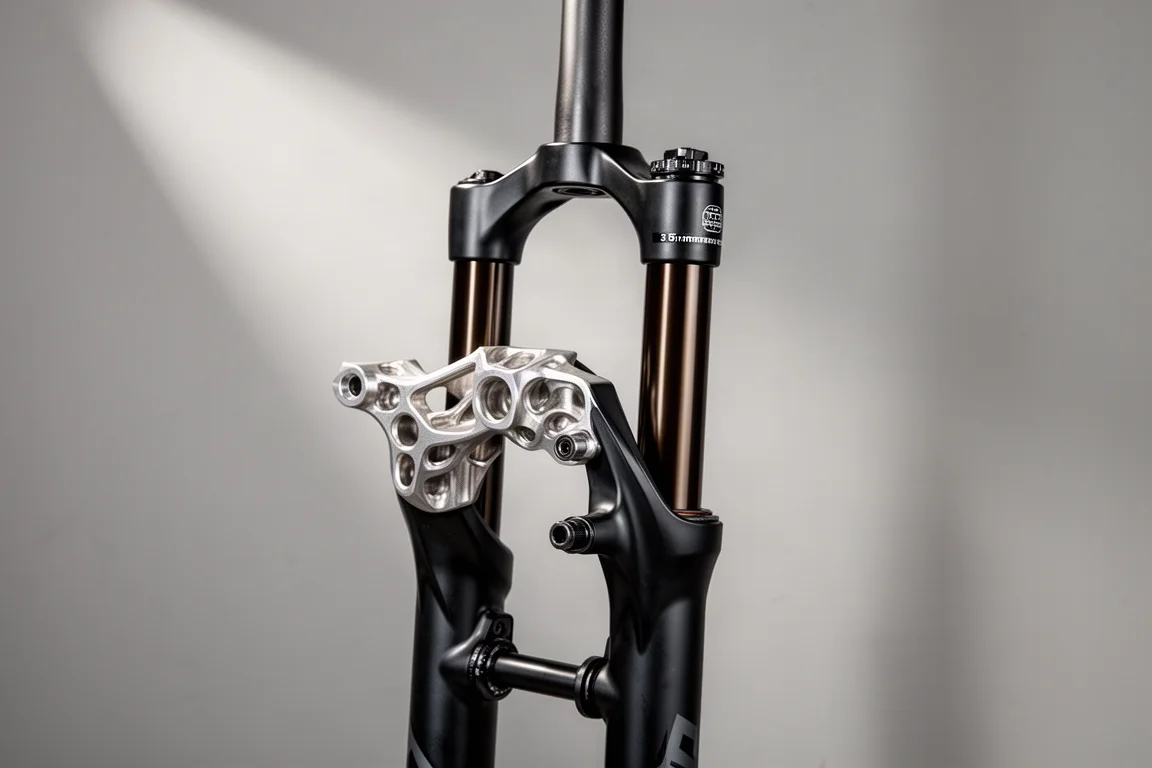
Chassis updates round things out. The 35 mm Sid keeps its upper tube diameter but removes material from key areas, most visibly in a heavily machined aluminium crown that is said to be lighter than before. RockShox states the new crown is stiffer at a comparable weight, which is why a carbon option was not considered necessary. The changes add up to a 30 g saving, with a claimed 1476 g for the range-topping Sid Ultimate. Upper tubes are 25 mm longer and the bushings are spaced further apart to increase bushing overlap, which is intended to reduce side load on each bushing during impacts, limit friction and improve durability.
One caveat worth knowing before ordering parts: the new Debonair+ spring is not backwards compatible, because many of its changes are tied to the revised chassis.
RockShox Sid Ultimate
The Sid Ultimate is the range-topping option and the clearest expression of where the platform is heading. It runs 35 mm upper tubes, the three-position Charger Race Day 2 damper and the Debonair+ air spring, and it carries the claimed 1476 g weight figure.
Ride quality is the real story. The fork is highly sensitive, and it holds the front wheel to the ground noticeably better than the version it replaces, which translates into more usable grip through the early part of the travel. The previous fork ramped up heavily, so reaching full travel took a serious impact. On the new one, full travel is realistically achievable, and the bottom-out is cushioned rather than a hard stop. That also simplifies setup, because there is less need to run lower pressure to compensate for a steep ramp.
RockShox SidLux
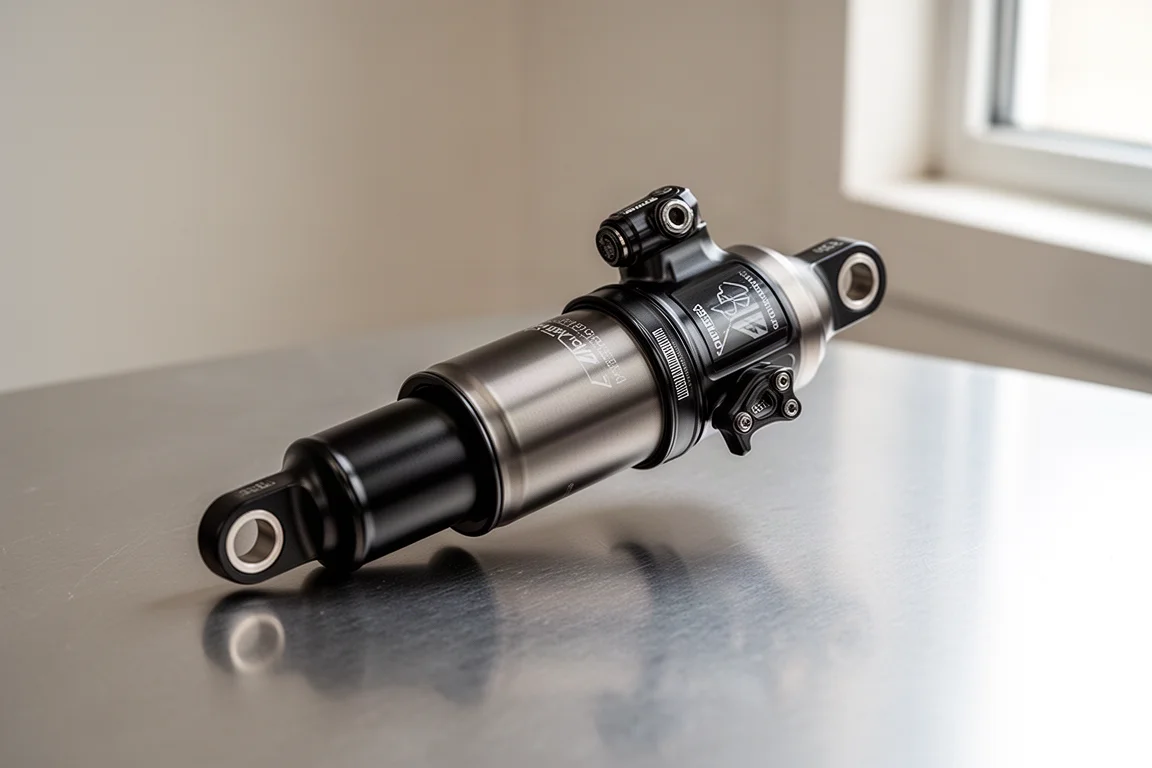
The SidLux shock follows the forks with a three-position damping system of its own. The chassis stays close to the previous version, with the meaningful work happening internally. Compression damping, particularly at high speed, has been eased off so the shock matches the feel of the fork more closely.

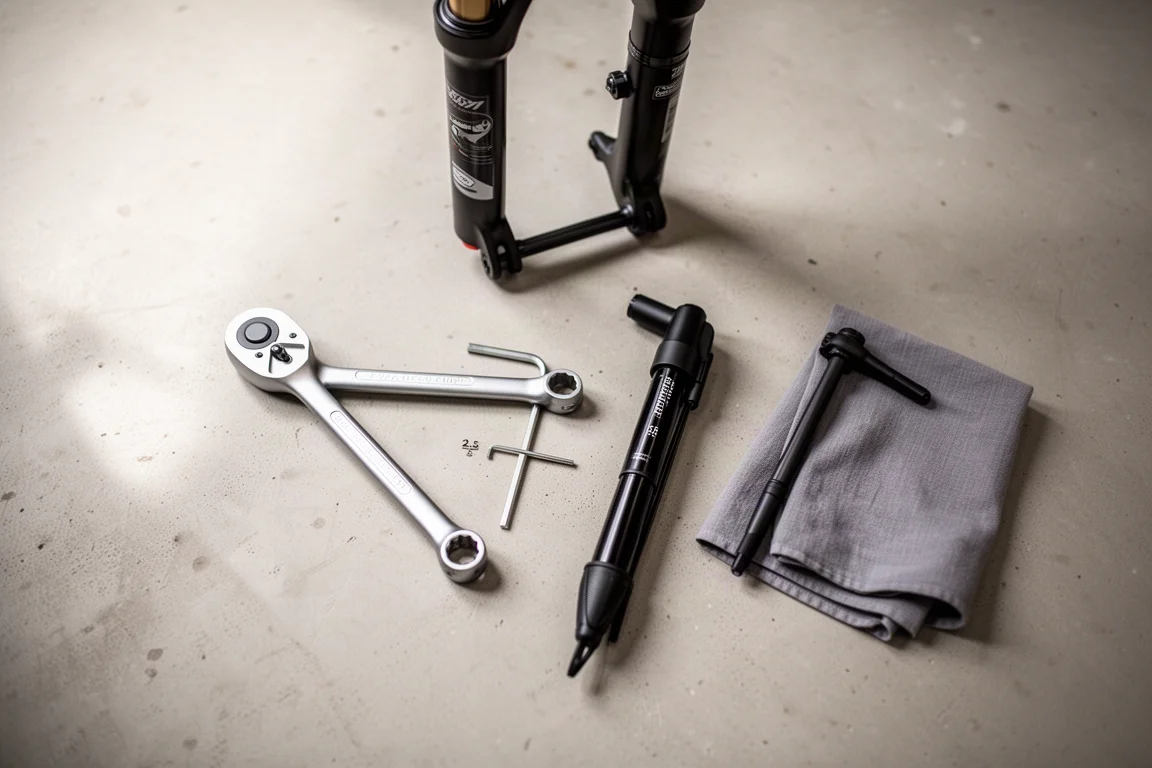
The result is a slightly more forgiving rear end that sinks into its travel and delivers a balanced ride, and it feels a touch more sensitive in choppy terrain as well. Setup stays straightforward but not entirely tool-free: rebound damping still requires a 2.5 mm Allen key, though if you run a Sid or Sid SL fork you can pull the 2.5 mm key that doubles as the fork’s rebound dial and use that instead.
RockShox Sid SL
The Sid SL keeps its lighter 32 mm chassis and remains the weight-conscious choice in the family, and it receives key updates of its own for this generation. It does not adopt the Debonair+ air spring, so riders who want the revised air spring behaviour will need to look at the 35 mm Sid models. If you already own an earlier Sid SL, the new Charger Race Day 2 damper can be retrofitted to the existing fork.
Ride Impressions: Three-Position Damping on the Trail
Ride time across the range covered woodland trails, trail centre loops and a cross-country race, which is a useful spread for judging whether three positions are genuinely worth having. The answer depends on how you ride. The pedal setting firms the shock and keeps the fork relatively open, adding efficiency on smoother climbs without the harshness of a full lock, and it was used far more than expected during racing. Full lockout was rarely needed, mainly for long rides against the clock or a sprint to the line.

Outside racing, the remote is not something you reach for constantly, but the middle position is the setting that earns its place. The wider picture is that the new Sid feels like a fuller-bodied, more controlled fork than before. It is genuinely capable when you head away from groomed trail centre loops in search of something rougher, and it can still be pushed out of its depth if you ride terrain well beyond its intended remit.
Setup Notes and the TwistLoc Remote
The new TwistLoc remote is the one clear gripe. It is only available with push-on grips, in either a smooth or a textured version. The textured grip is more comfortable than the older lock-on version, but there is no lock-on option at all, so riders who dislike the fitting process that push-on grips require have no alternative. It is a small point, and the comfort gain is real, but the loss of choice is worth knowing before buying.
Buying Advice: Which Sid Fork or Shock Fits Your Riding
Start with the fork, because that is where the biggest differences sit. The Sid Ultimate is the pick for riders who want the full set of updates: 35 mm uppers, the three-position damper, the Debonair+ air spring and the lighter machined crown. It suits down-country and short-travel bikes where the fork is expected to work well beyond race day.
The SidLux shock makes most sense alongside a Sid fork, where its revised internal damping can match the fork’s feel and the pedal position can add efficiency without a full lockout. Riders who already own a Sid or Sid SL fork have a third route: retrofitting the Charger Race Day 2 damper rather than replacing the whole fork, provided the chassis is one they are happy with. The Sid SL remains the choice for weight-focused cross-country riders on a 32 mm chassis, with the caveat that it does not receive the new Debonair+ air spring.
One final consideration is the remote. If push-on grips are a dealbreaker for you, factor that into the decision before ordering, because there is currently no lock-on version of the new TwistLoc.
Conclusion
Across the three components, the pattern is consistent: the new Sid range is more capable, more controlled and more forgiving than the generation it replaces, and the three-position damper is the change most riders will notice first. The Sid Ultimate and SidLux combination delivers the most complete package for down-country riding, while the Sid SL stays true to its weight-first brief. Riders already on the previous Sid or Sid SL have a route in through the retrofit damper, provided they accept the chassis they already own.
Further reading
Related Reviews
Mountain Bike Suspension
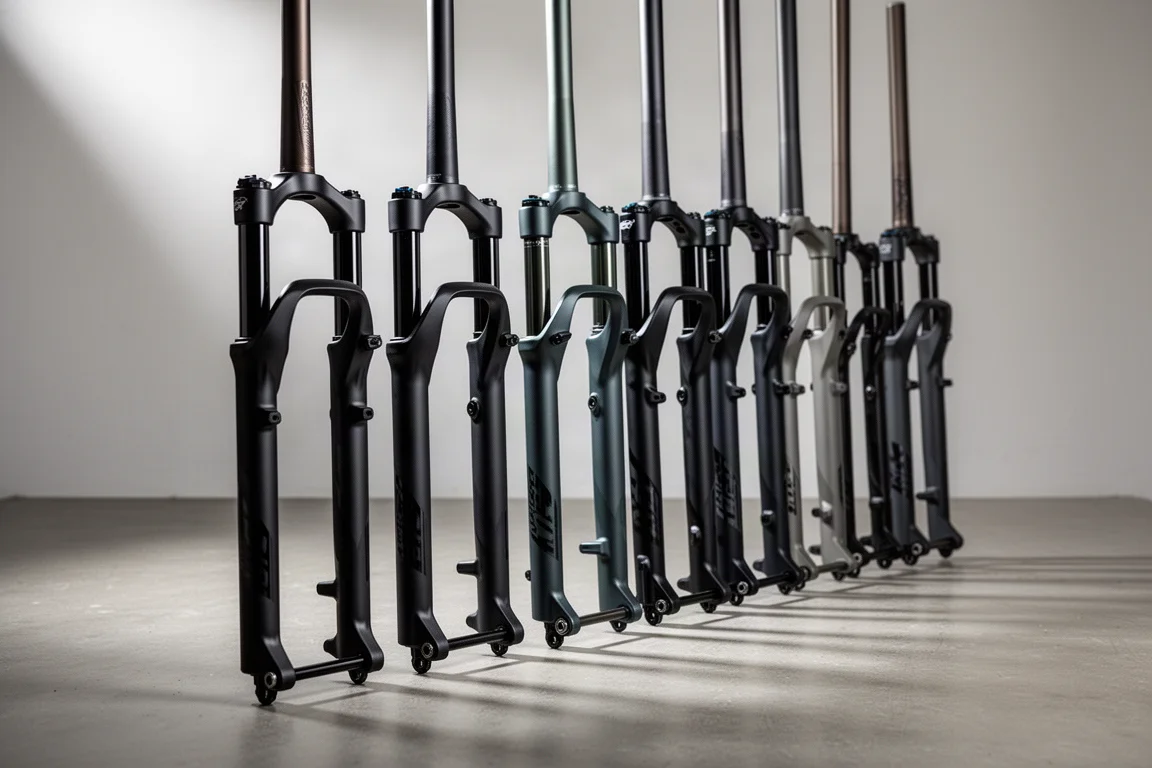
Best Enduro Mountain Bike Forks 2026: Eight Long-Travel Forks Compared
Eight 29-inch enduro forks from major brands, compared on chassis stiffness, spring feel, and damping control, with clear guidance on which suits which rider.
Mountain Bike Suspension
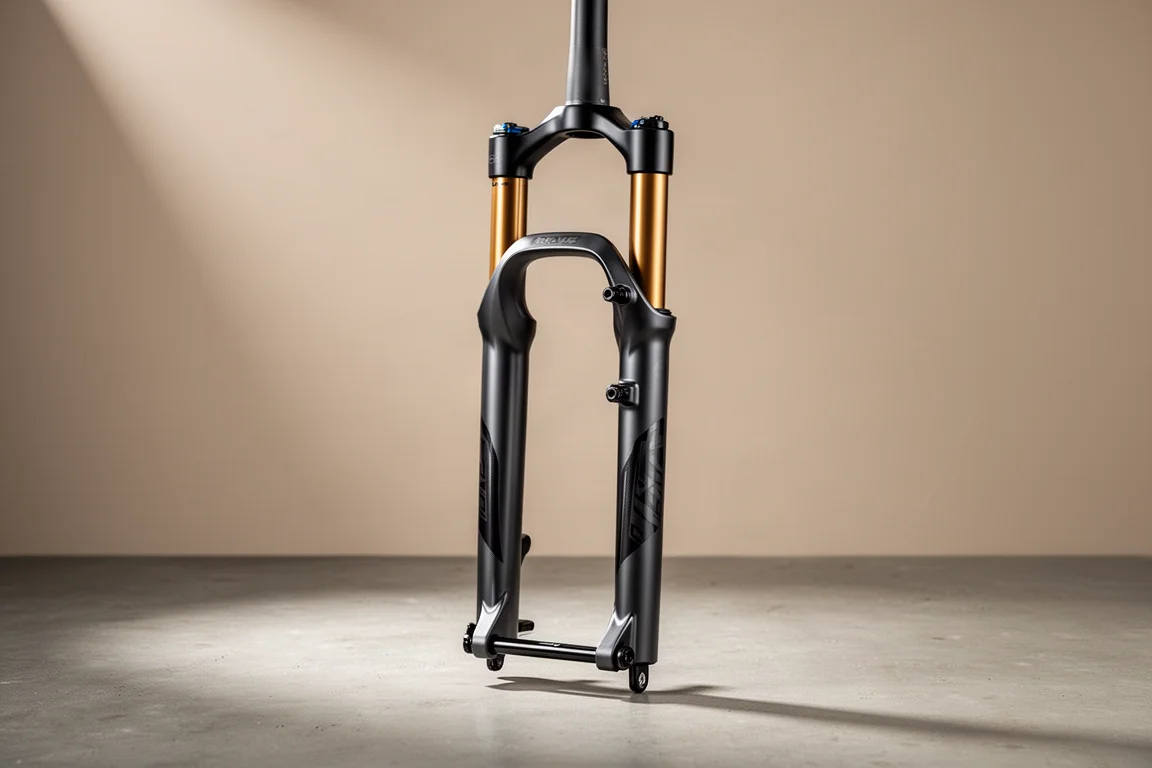
Fox 2025 Forks and Dampers: 32 StepCast, Grip SL, Grip X and Grip X2 Explained
Fox has replaced its FIT 4 and Grip 2 fork dampers with Grip SL, Grip X and Grip X2, and introduced a rear-arch cross-country fork. Here is what changed and which setup suits your riding.
Mountain Bike Suspension
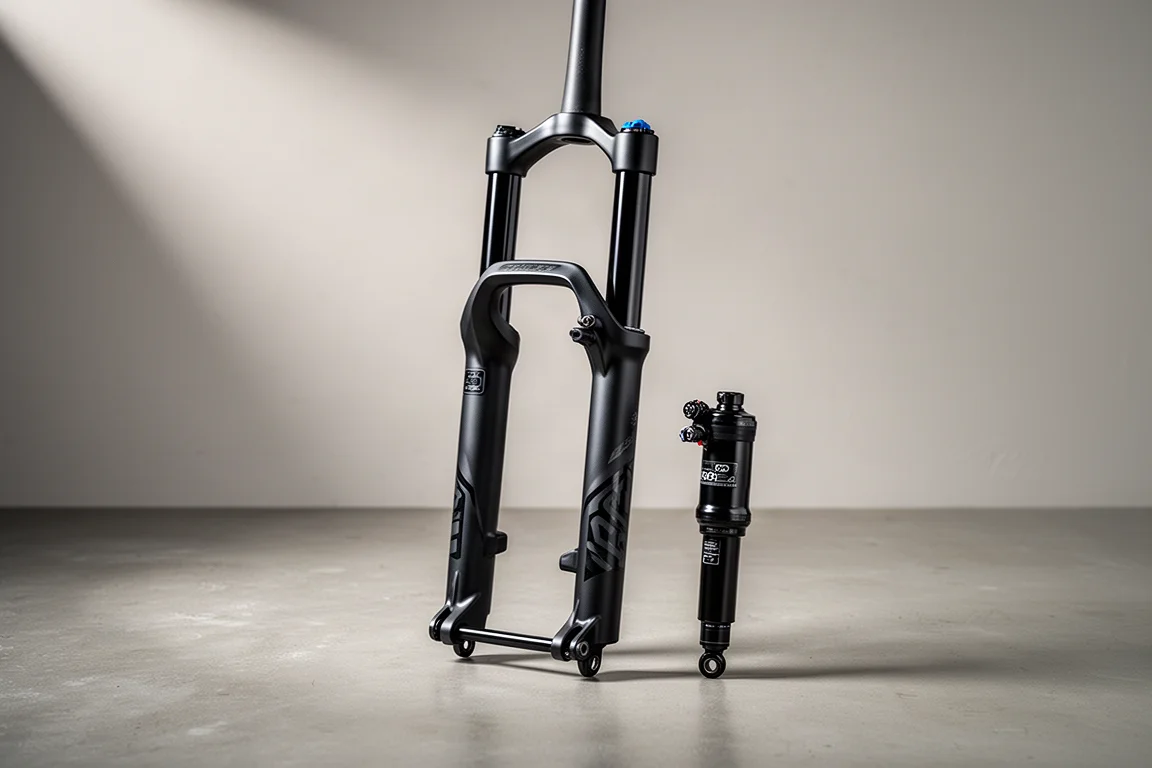
Öhlins XC Suspension Reviewed: RXC 34 M1 Fork, TXC1 and TXC2 Air Shocks
A practical look at Öhlins' cross-country suspension line: the RXC 34 M1 fork and the TXC1 and TXC2 air shocks, covering specs, setup options and early ride impressions.