Mountain Bike Suspension
Best Enduro Mountain Bike Forks 2026: Eight Long-Travel Forks Compared
Eight 29-inch enduro forks from major brands, compared on chassis stiffness, spring feel, and damping control, with clear guidance on which suits which rider.
Introduction
Suspension forks are one of the most influential parts on any mountain bike. They shape how the bike handles, how much comfort it delivers over rough ground, and how much confidence a rider has that the front wheel is going where it is being pointed. For many riders a fork is the first serious upgrade they consider, and with premium options now reaching close to four figures or more, even the cheaper end of the market represents a real investment.
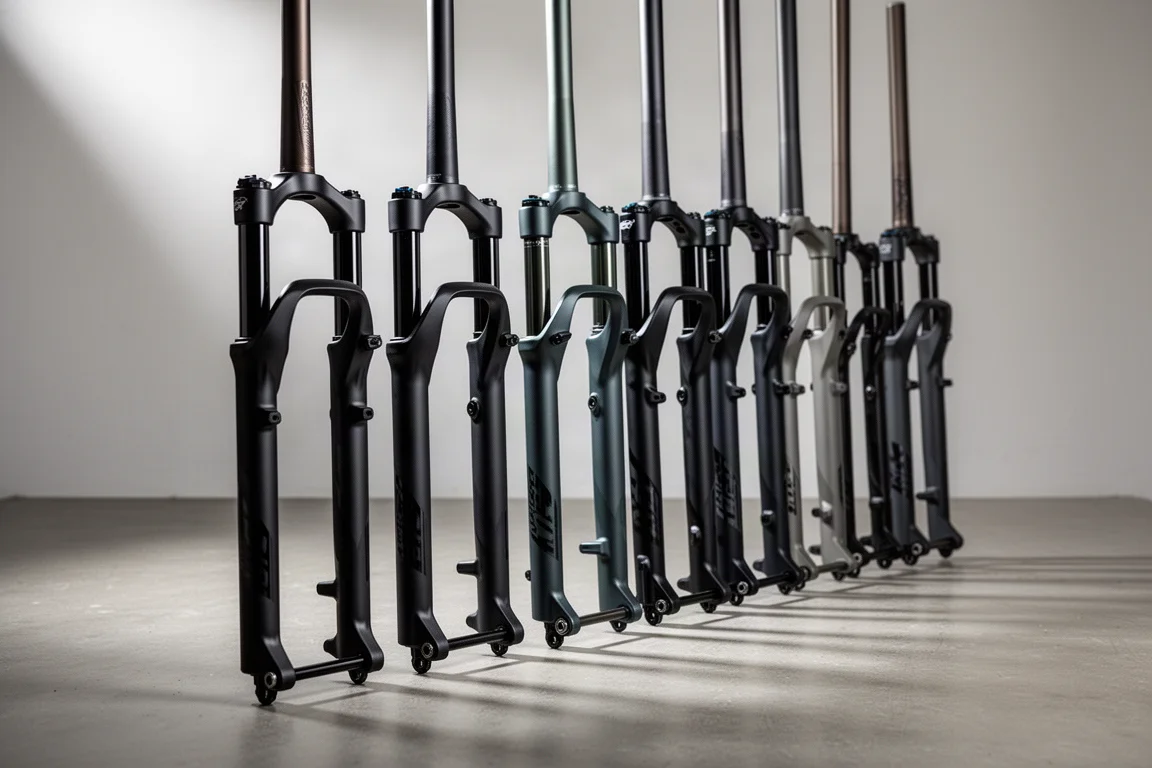
This roundup covers eight 29-inch enduro forks from well-known brands, all long travel and built for enduro riding and racing. Every fork here uses a burly chassis with stanchions between 35mm and 38mm, offers 160mm to 170mm of travel, and is air sprung rather than coil. They all use Boost through-axle spacing and 1.5-inch tapered steerer tubes, with 44mm offset across the group and one fork at 43mm.
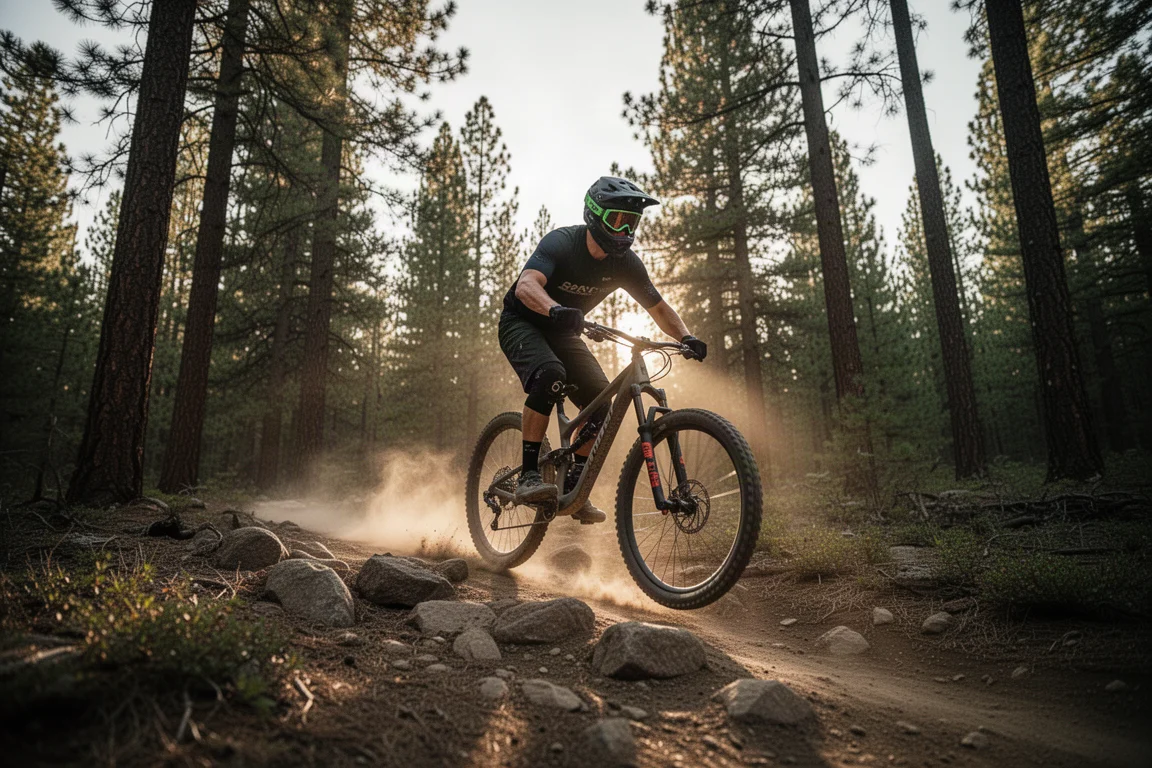
To keep the comparison honest, every fork was ridden on the same bike with the same tires, tire pressures, and bar height, over the same trails. That made it easier to isolate the things that actually matter: chassis stiffness, spring feel, and damping control.
How We Evaluated These Enduro Forks
Comparing suspension only works when the variables are controlled. Running every fork on one bike with identical tires, pressures, and cockpit setup meant differences in ride character could be attributed to the fork rather than to the build around it.
Three qualities separated the group. The first was chassis stiffness under hard cornering and heavy compressions, where the stiffer options stayed on line and the softer ones started to feel vague. The second was sensitivity over small bumps, roots, and slippery rocks, which is what keeps the front tire tracking and maintains grip. The third was mid-stroke support, the quality that lets a rider push into a rough section without the front end diving or collapsing.
Weight and the usable range of adjustment also mattered. A fork with a wide adjustment window is easier to set up well, and lighter riders in particular benefit from damping that still has usable range left at the softer end of the scale.
Fox 38 Performance Elite
The mid-level Fox 38 Performance Elite carries the same adjustability as the top-tier 38 Factory, but does without the gold Kashima coating on the stanchions. The Grip 2 damper offers high and low speed compression plus rebound adjustment with VVC, and the EVOL air spring handles the spring curve.
The 38mm stanchions and burly magnesium lowers make this fork feel commanding no matter how hard it is pushed into a compression or a turn. It is the heaviest fork in this group at 2.46kg. The EVOL air spring has minimal stiction and feels plush yet supportive.
Where the 38 Performance Elite gives ground is its damping. The Grip 2 cartridge damps heavily, which may suit heavier riders, but lighter members of the test team had to run both compression settings fully open to find any sensitivity. The firm support costs comfort compared with others here, and there simply is not enough initial sensitivity to make the fork as good as it could otherwise be.
DVO Onyx SC D1
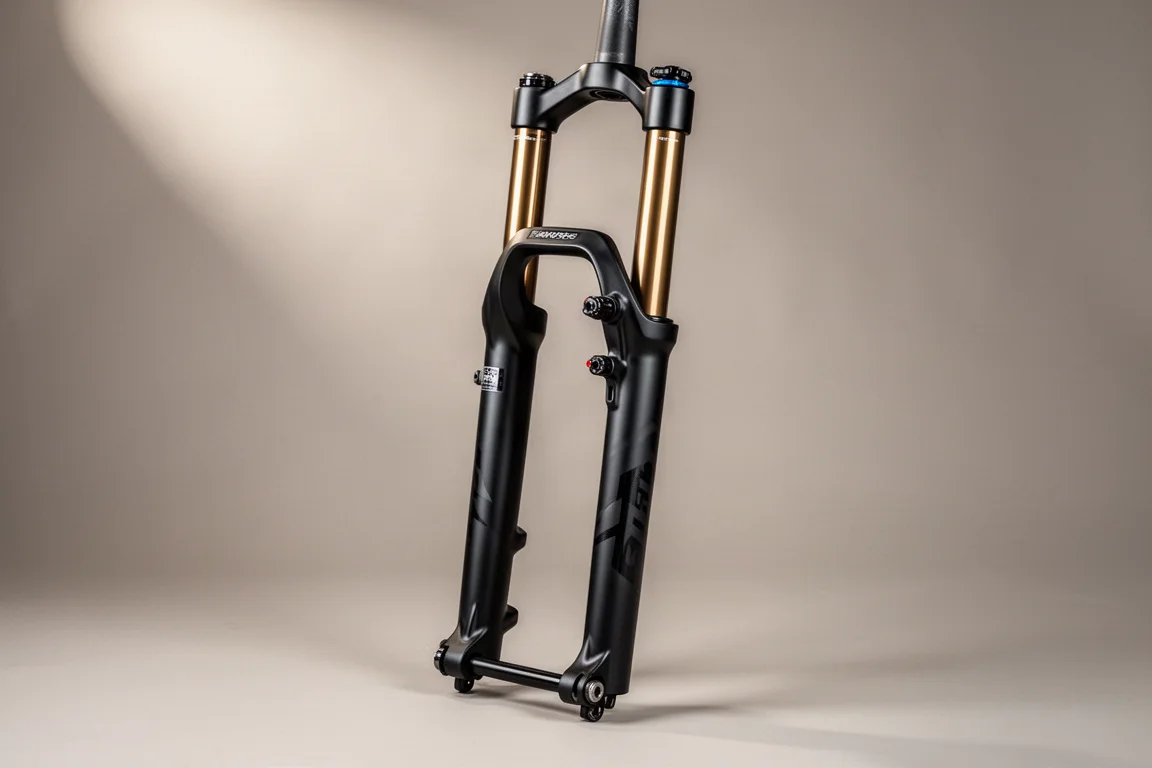
DVO is not the first name most riders think of for suspension, but the Onyx SC D1 is full of top-of-the-line features. It packs low and high speed compression plus low speed rebound adjustment, lower leg bleed valves, and the brand’s OTT (off the top) adjuster. That adjuster is a coil negative spring that can be preloaded to tune how sensitive the first 30 percent of travel feels without influencing the remaining 70 percent.
With robust 35mm stanchions, the Onyx has plenty of muscle to keep a rider on line, and no discernible flex or binding showed up under high loads. Ride feel is middle of the road: it is not the most lively fork here, but neither is it aggressively high riding and supportive in the way some stiffer chassis are.
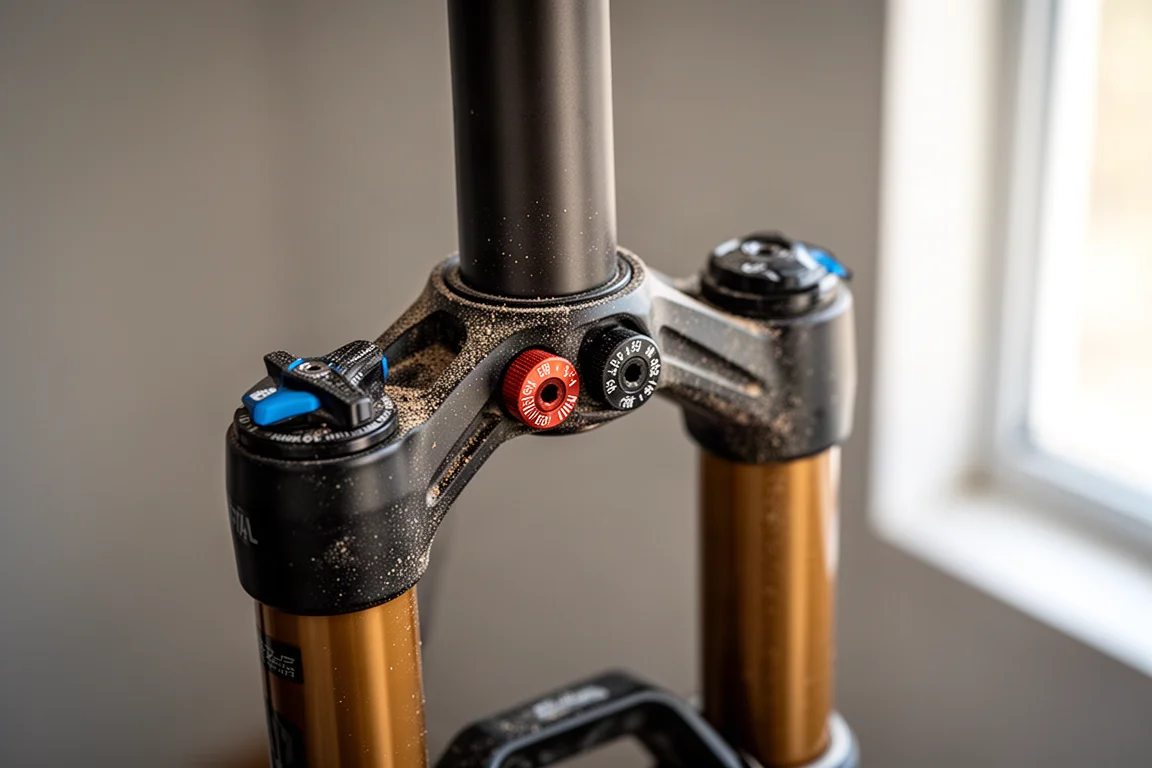
Running the OTT adjuster fully closed gave the best initial feel, keeping the wheel tracking the ground accurately and maintaining grip deeper into the travel. The Onyx is a fairly smooth performer overall, but the damper gives it a firmer character, which supports hard pushes while transferring more feedback through the handlebar.
EXT Era V2
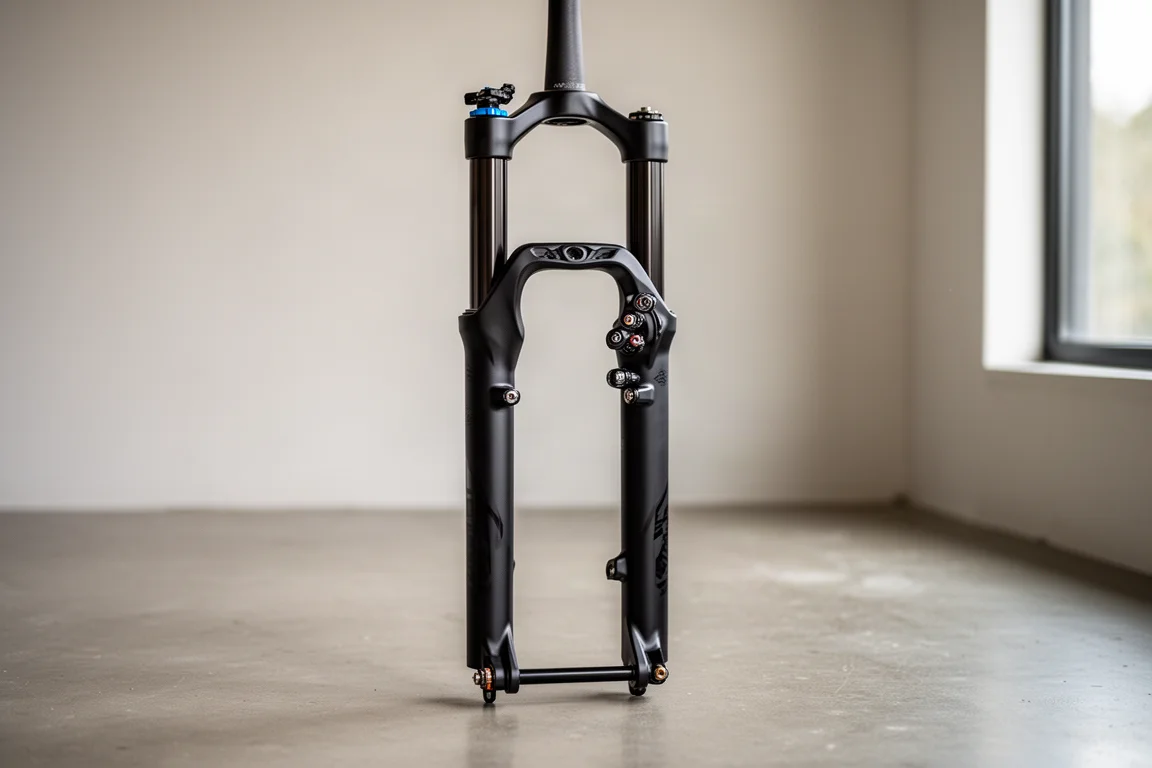
The EXT Era V2 is the most expensive fork in this group and also the only one made in Europe. It uses a clever hybrid coil and air spring, with two adjustable positive air chambers controlling mid and end stroke support and a coil spring improving sensitivity. Damping is handled by external low and high speed compression and rebound adjustment.
Although the 36mm chassis is less beefy on paper than the RockShox Zeb or Fox 38, it could not be flexed out of shape and feels as precise as anything here. It works best when riding fast and pushing hard, but it is also one of the more fatiguing forks in the group.
The Era V2 is not the most sensitive fork here and does not hunt down traction the way the most supple options do over small slippery rocks and roots, even with compression and rebound run fully open. Mid-stroke support is very good though, giving a composed feel with no jarring changes in handlebar height, which lets a rider stay on top of trail bumps and carry speed impressively well.
Formula Selva R
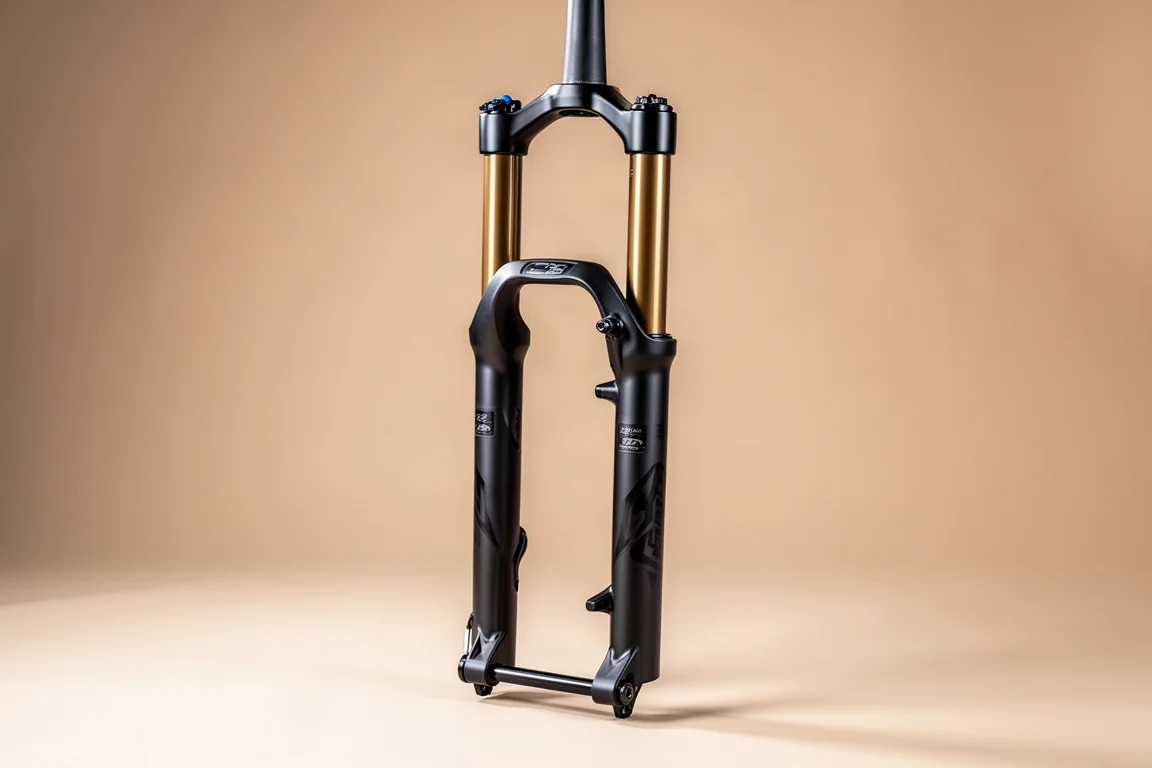
Formula is better known for brakes, but the Selva R makes a strong case for the brand in suspension. Its 35mm stanchions are the joint smallest here, and it makes up for that with adjustability. The air spring uses independently filled positive and negative air chambers, so higher pressure can be run in the negative chamber for a more supple initial part of the travel. Progression is controlled by Formula’s Neopos positive volume spacers, made from closed cell foam that compresses as pressure rises in the positive air chamber.
There is externally adjustable high and low speed compression plus low speed rebound, and the compression valve can be swapped as part of Formula’s CTS (compression tuning system), which offers seven different valves with two included. A lockout lever with an adjustable threshold is fitted as well. At 2.1kg it is one of the lighter forks here.
With 76 PSI in the positive chamber and 96 PSI in the negative, and compression damping open, the Salva R took a few runs to dial in. Initially the mid-stroke felt too supportive and the ride was punishing, but swapping the pre-installed red CTS valve for the blue one at the same pressures added comfort and movement in the mid-stroke and made the fork far more forgiving. Progression stayed impressive and full travel was never entirely used. The fork is incredibly smooth and composed, plush, relatively light, and thoroughly impressive, which makes it the top pick of this group.
Manitou Mezzer Expert
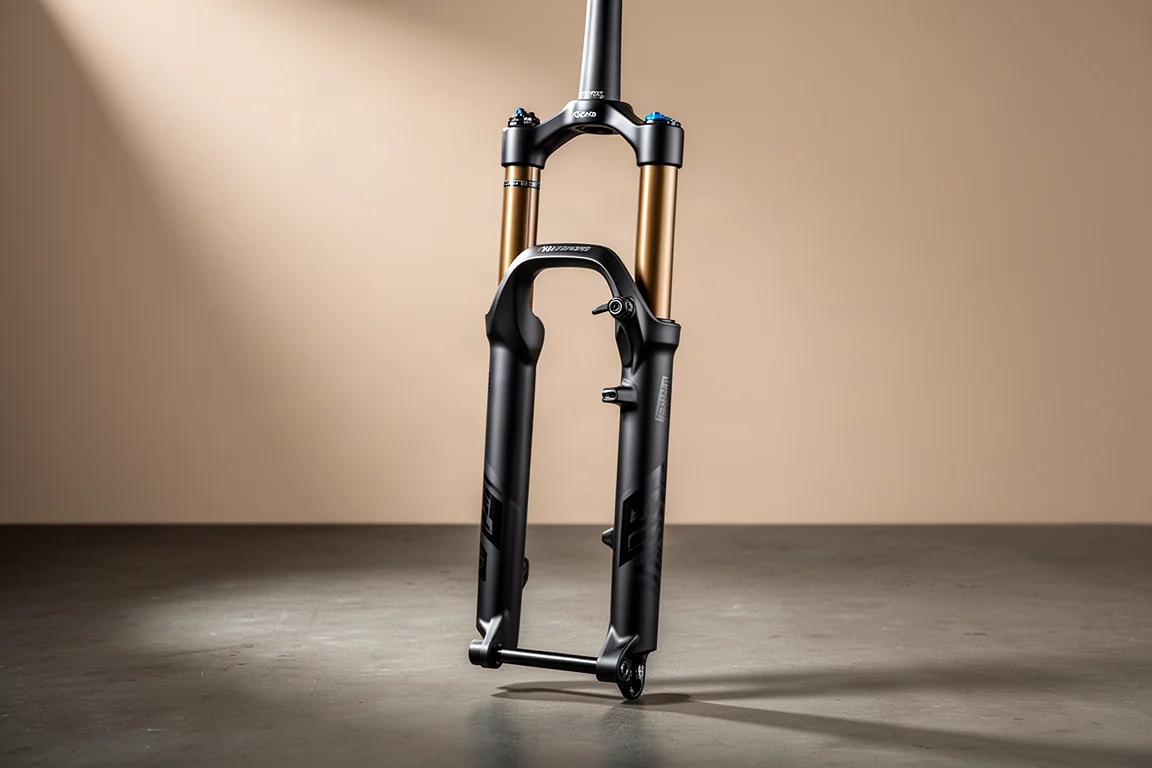
The Mezzer Expert is the cheapest sibling of the Mezzer Pro and costs a very respectable £700 or $849. Despite that tempting price it outperforms a lot of far more expensive forks. It is built around unique 37mm stanchions and a reverse arch design that claims to save weight while maintaining stiffness. At just over 2kg it is the lightest fork in this group.
It features externally adjustable low speed compression and rebound damping with a lockout, and the air spring has built-in volume adjustment. Bleeder valves on the back of the arch release air pressure buildup in the lower legs, though they need an allen key rather than a simple push button. The air spring uses self-equalizing positive and negative chambers, and the fork also uses an incremental volume adjustment system that modifies positive air chamber volume. Damping comes from an open bath cartridge with a six-position external compression adjuster that moves high and low speed damping together, plus low speed rebound at the bottom of the fork.
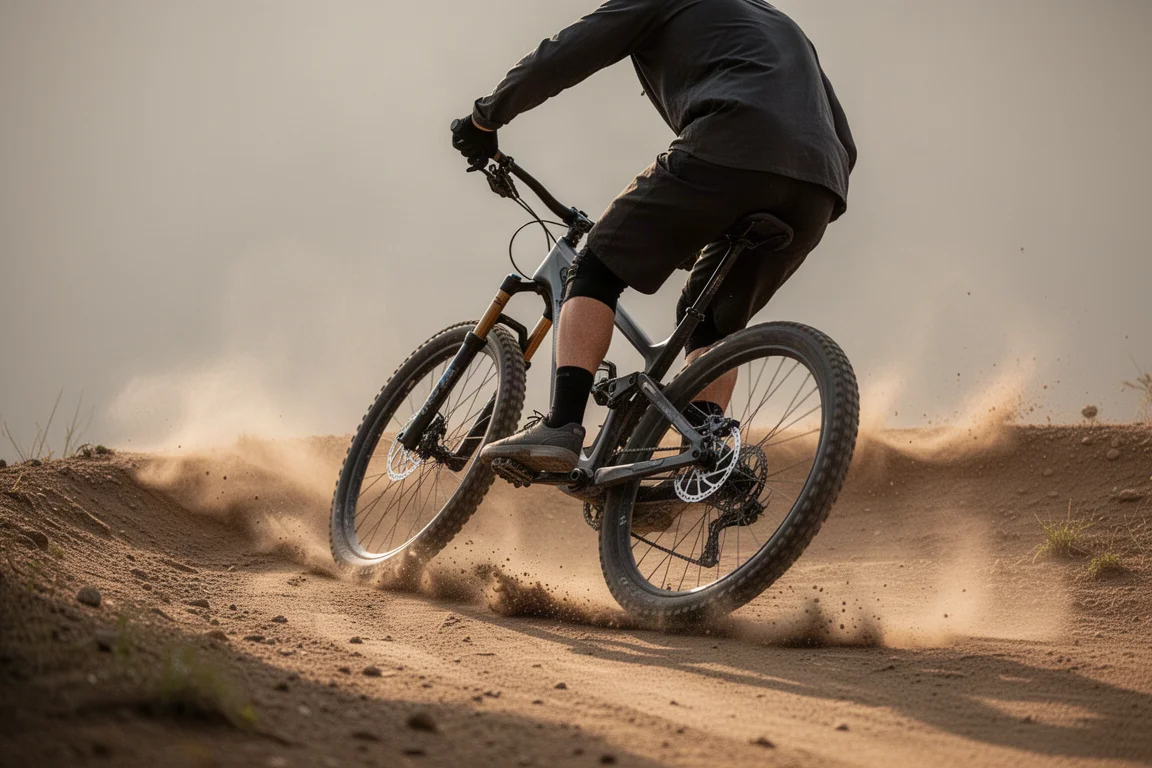
Small bump sensitivity was excellent on chattery trails. Low breakaway force meant the fork sat comfortably in its sag range and soaked up small bumps nicely, reducing buzz through the handlebar and maintaining tire contact. Mid-stroke support is mid-length, and the fork uses its travel and recovers from repeated hits quickly, which delivers excellent control. The burly chassis felt stiff enough and never flexed or bit noticeably under heavy loads, making this a solid all-rounder with an exceptional performance-to-price ratio.
Marzocchi Bomber Z1 Air
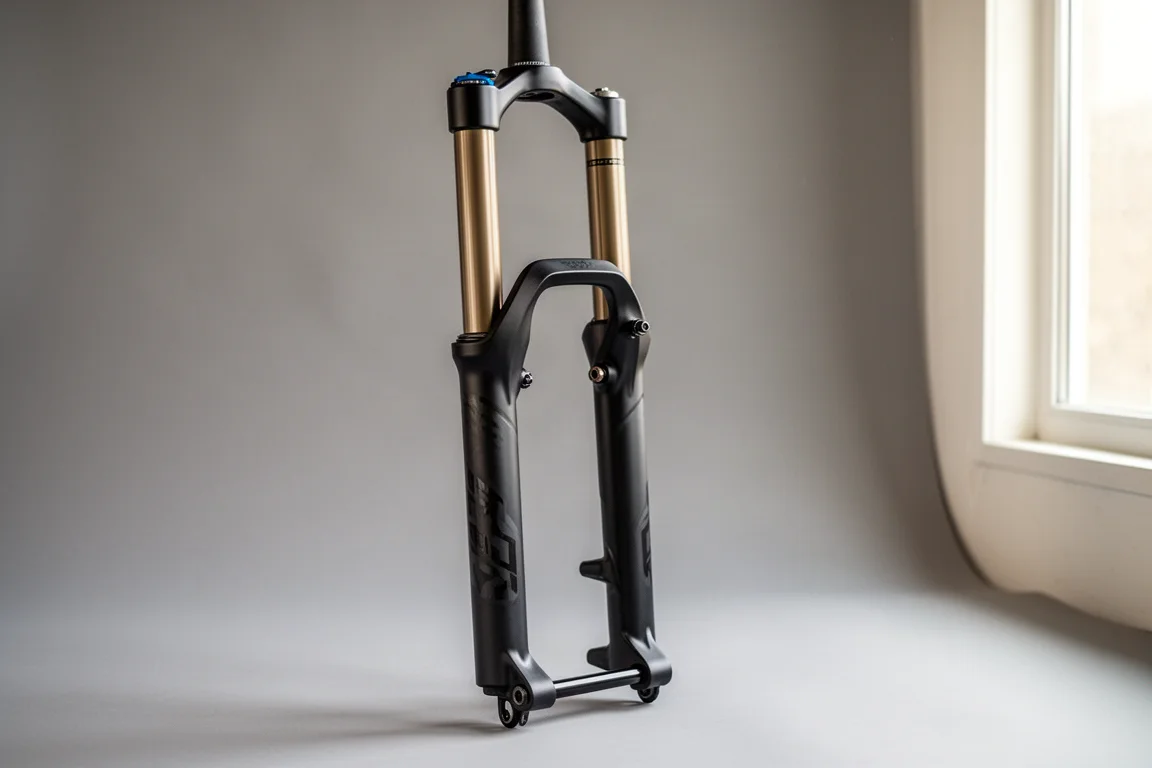
The Z1 from Marzocchi has been a consistent performer for years. Modern Marzocchi forks may not be the oil-filled open bath designs of the past, but the Z1 uses parent company Fox’s user-friendly Grip damper, with external low speed compression and rebound adjustment and an EVOL air spring. These sit inside a Marzocchi chassis with 36mm stanchions. If 36mm upper legs sound too weak and flexy for long travel, the Z1 disproves it: it can be plowed into drops, holes, or pinball rock gardens without a second thought and keeps trucking along exactly where it is pointed.
Despite the basic damper, it has a supportive yet plush feel and carries speed incredibly well. It does not sit into its travel quite as well as the cheaper Manitou Mezzer, so it is not as supple off the top, but it absorbs square-edged bumps efficiently and does a great job of soaking up rough trail features without transferring much feedback to the rider.
Cane Creek Helm MKII
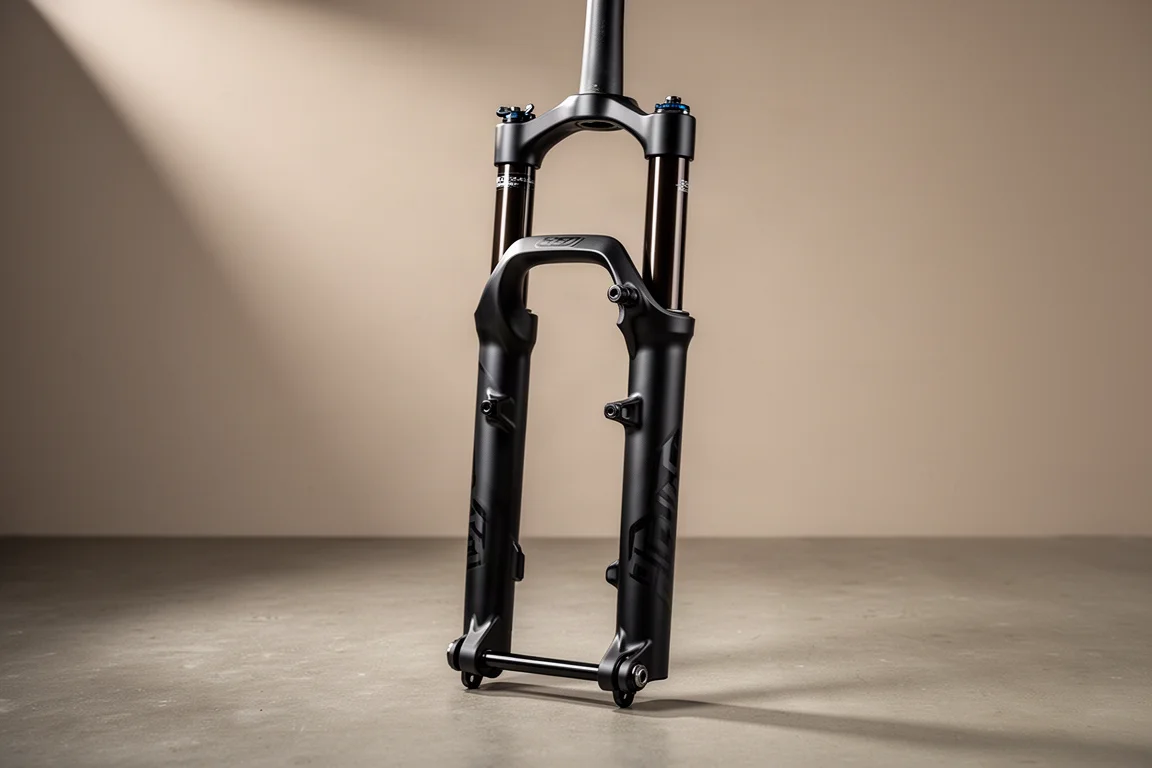
On the outside, the Helm MKII does not look to have the stature to compete with the biggest forks here, thanks to a maximum of 160mm of travel and smaller 35mm stanchions, but it performs where it counts. The smaller chassis and shorter travel make it one of the lightest forks in this group at just over 2kg. It is hand built in Cane Creek’s North Carolina facility, which should mean exceptionally high quality control.
It has externally adjustable high and low speed compression damping plus low speed rebound adjustment, and unlike most of the others it uses an air spring with independently adjustable high volume positive and negative air springs. That gives a chance to fine tune negative pressure against positive to improve suppleness in the initial travel. It takes a little figuring out to set up, but once there it is an impressive piece of kit.
The fork is wonderfully supportive through the initial part of its travel, taking a lot of the sting and buzz out of the trail with no harshness feeding back to the rider. It provided tons of traction through roots and slippery rocks and held speed very well over technical terrain. Mid-stroke support is not the strongest, though there is a good range of low speed compression damping if a rider wants to wind it on, at the cost of a little sensitivity. Through repeated bumps it stays composed, but lighter riders may find the rebound range does not go fast enough, as the 75kg test team ran close to the end of the rebound damping limit. Bigger hits are dealt with comfortably, and despite the smaller chassis the Helm is plenty stiff enough to place the front wheel exactly where it is wanted.
RockShox Zeb Select
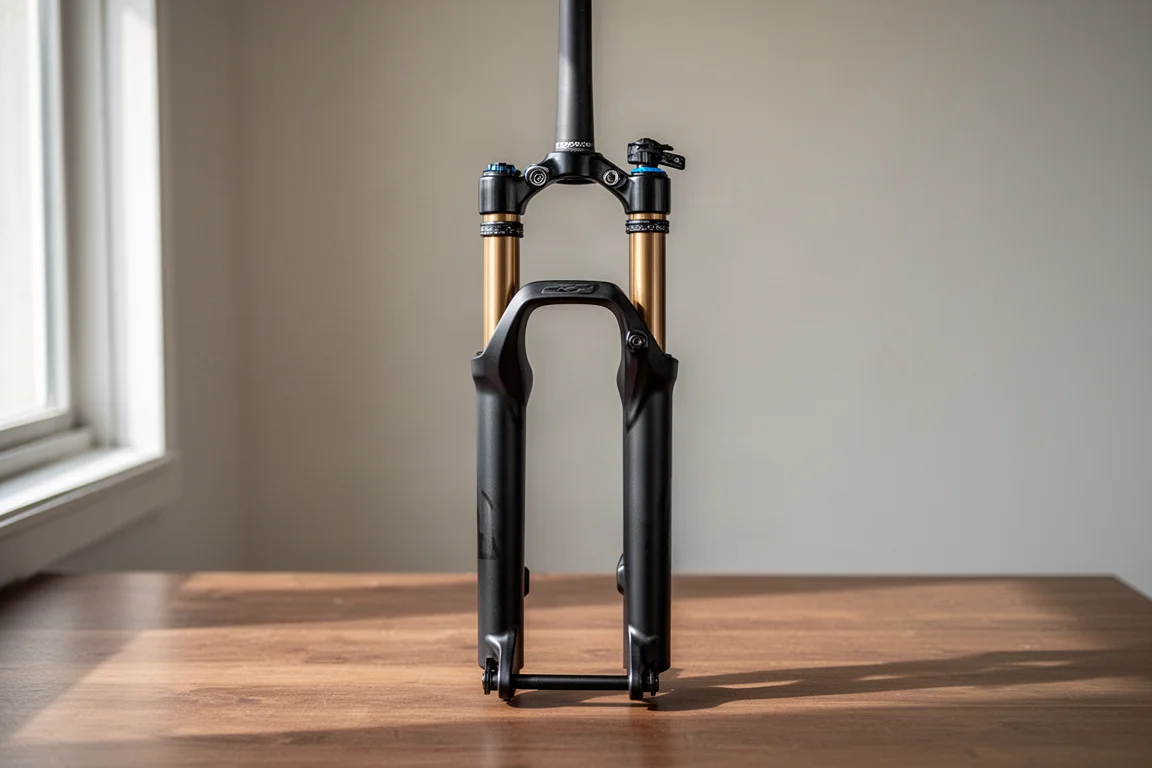
The Zeb Select may be the cheapest set in this group, but it shares the same 38mm stanchions and the Debonair+ spring as the top of the range Ultimate. It uses RockShox’s less sophisticated Charger RC damper rather than the latest Charger 3, which means only external low speed compression and rebound damping adjustment, fewer than the others here. Air spring progression can still be fine tuned with volume spacers.
With the new spring, the fork rides higher in its travel, which helps keep the front end of the bike up so the handlebar can be pushed and loaded into turns. It is not the most supple across small bumps, which limits confidence over roots and in unsupported corners where traction matters most, even running 5 PSI less pressure than RockShox recommends.
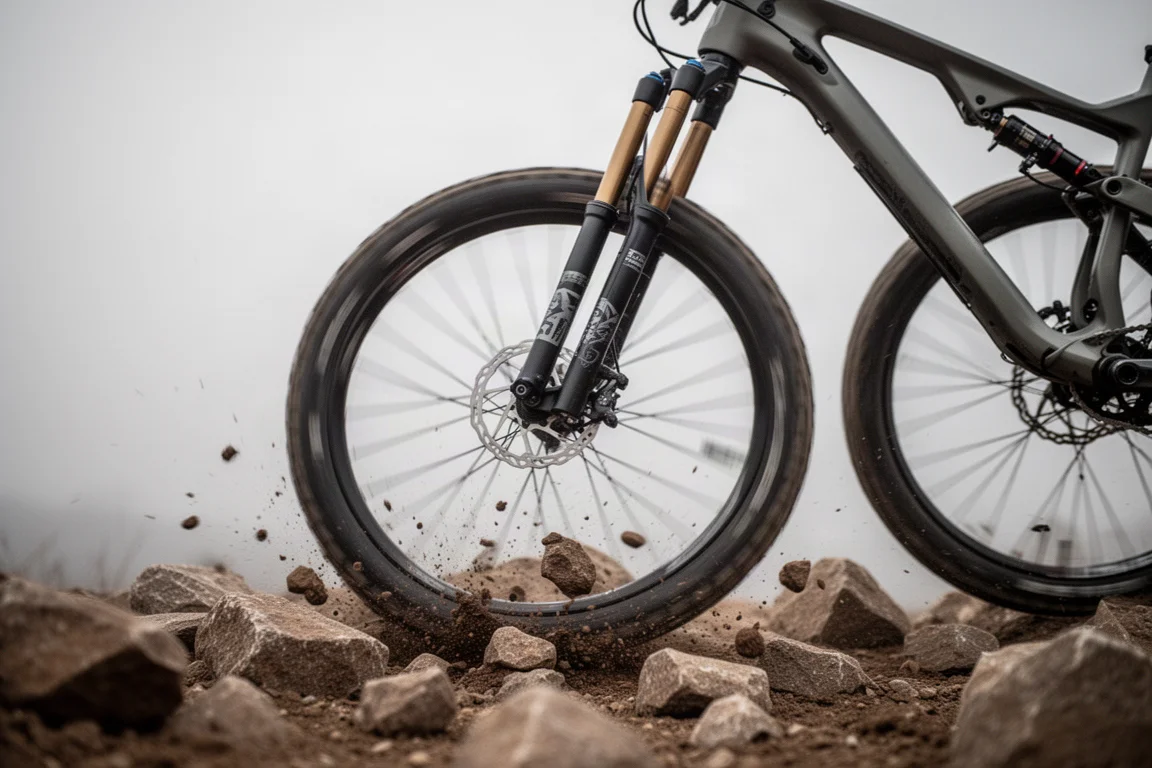
Get it up to speed, though, and the support in the mid-stroke gives the confidence to point the Zeb into a rough section of trail knowing it will soak up bigger hits without getting phased. The rebound damping has a good range and lets the fork run fast so it can recover between impacts. It is certainly impressive for the price, though it is hard to adjust for support and comfort at the same time.
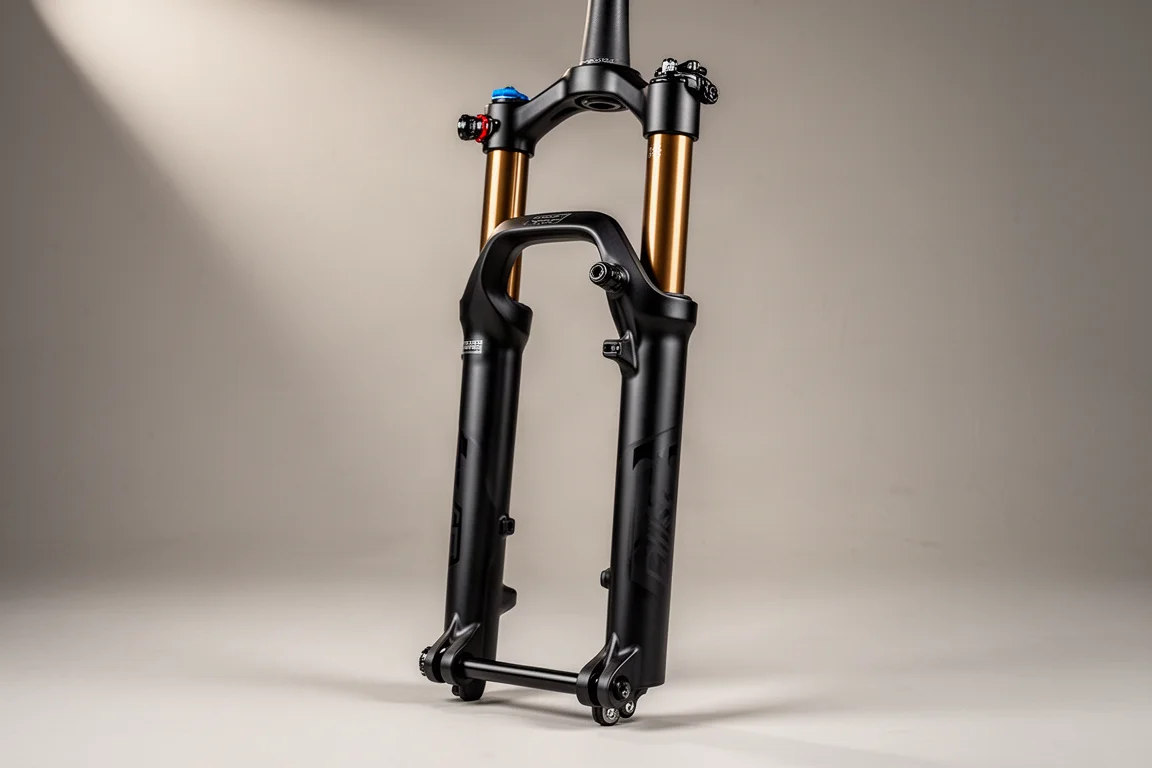
Overall Buying Advice
The right fork depends less on outright price and more on what a rider actually needs from the front end.
If outright value matters most, the Manitou Mezzer Expert is hard to argue with. It was the cheapest fork here, the lightest, and still delivered impressive small bump sensitivity and a stiff, confident chassis. The Marzocchi Bomber Z1 Air is the other strong value play, with a predictable, plush ride and a chassis that stands up to abuse. The RockShox Zeb Select is the most affordable route into a 38mm chassis with a modern air spring, and rewards riders who spend their time at speed rather than picking through slow, technical terrain.
For riders chasing the smoothest, most tunable ride, the Formula Selva R stands out. Its independently filled positive and negative chambers and swappable compression valves make it the most user-tunable fork here, and once set up it delivers plush, composed performance with genuine progression. The Cane Creek Helm MKII is a worthy alternative to the biggest brands, with superb initial sensitivity and a light overall package, provided lighter riders check the rebound range first.
The EXT Era V2 suits fast, aggressive riders who want precise mid-stroke support and are willing to accept a firmer, more fatiguing ride in exchange. The Fox 38 Performance Elite brings a commanding, stiff chassis and full adjustability, but heavier damping means lighter riders should look carefully at whether they can find the sensitivity they want.
Conclusion
Across this group, the forks that impressed most were the ones that combined a stiff, accurate chassis with genuine sensitivity over small bumps and usable mid-stroke support. The Formula Selva R does that better than anything else here and takes the top spot, while the Manitou Mezzer Expert and Marzocchi Bomber Z1 Air make the strongest case on value. Riders who prioritize outright speed and support over comfort will find more to like in the EXT Era V2 and Fox 38 Performance Elite.
Further reading
Related Reviews
Mountain Bike Suspension
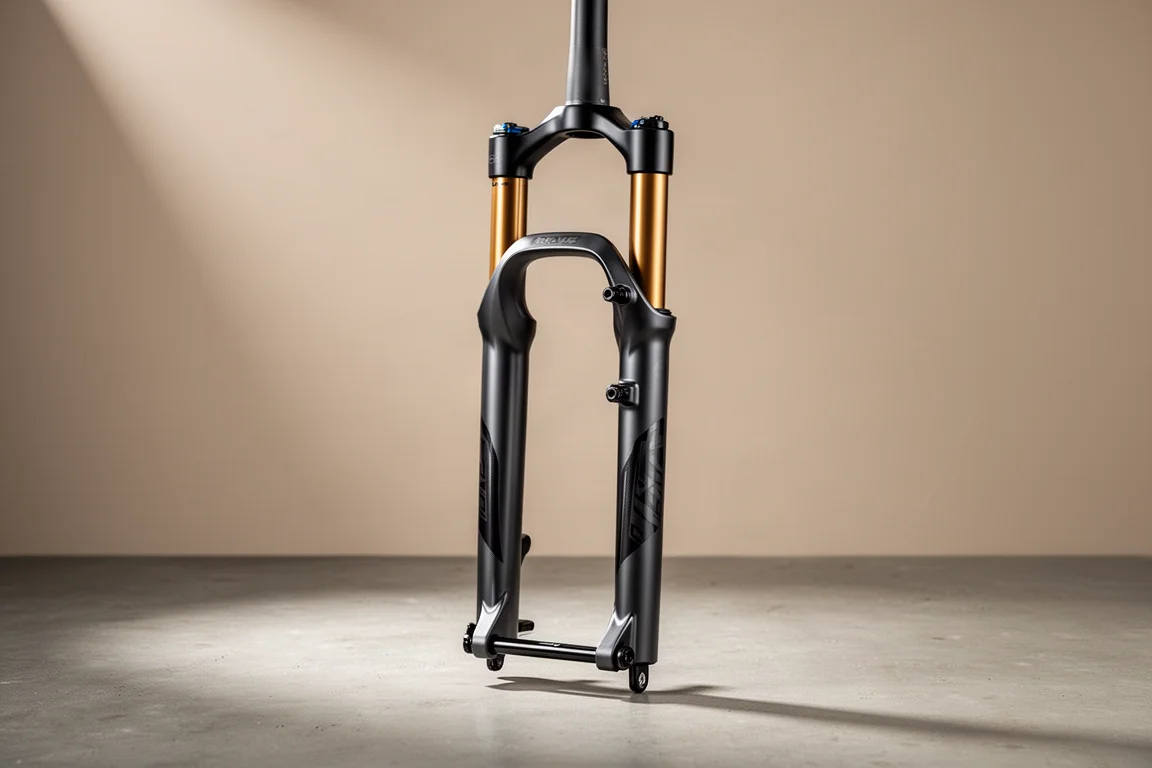
Fox 2025 Forks and Dampers: 32 StepCast, Grip SL, Grip X and Grip X2 Explained
Fox has replaced its FIT 4 and Grip 2 fork dampers with Grip SL, Grip X and Grip X2, and introduced a rear-arch cross-country fork. Here is what changed and which setup suits your riding.
Mountain Bike Suspension
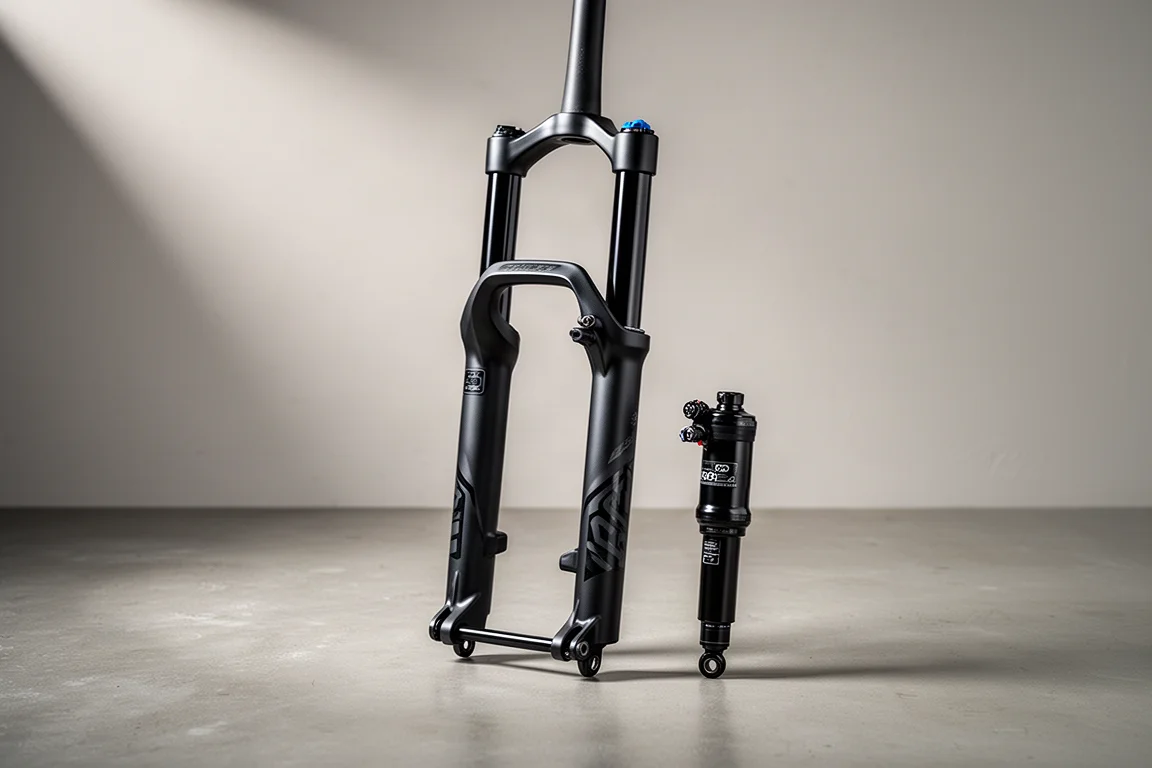
Öhlins XC Suspension Reviewed: RXC 34 M1 Fork, TXC1 and TXC2 Air Shocks
A practical look at Öhlins' cross-country suspension line: the RXC 34 M1 fork and the TXC1 and TXC2 air shocks, covering specs, setup options and early ride impressions.
Mountain Bike Suspension
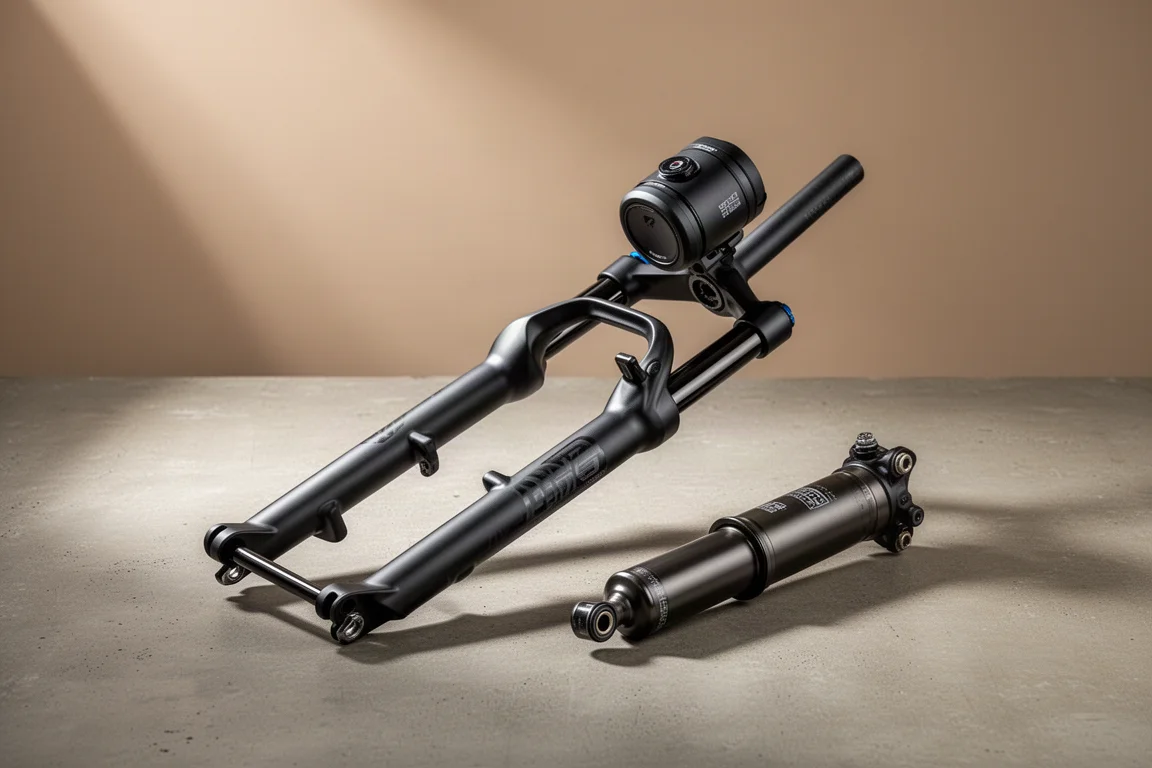
RockShox Flight Attendant Cross Country Review: Wireless Suspension That Thinks for You
An electronic, wireless cross country suspension system that reads your effort and the trail, changing damping modes automatically. Here is what it does well and what to weigh up.