Mountain Bike Suspension
Fox 2025 Forks and Dampers: 32 StepCast, Grip SL, Grip X and Grip X2 Explained
Fox has replaced its FIT 4 and Grip 2 fork dampers with Grip SL, Grip X and Grip X2, and introduced a rear-arch cross-country fork. Here is what changed and which setup suits your riding.
Introduction
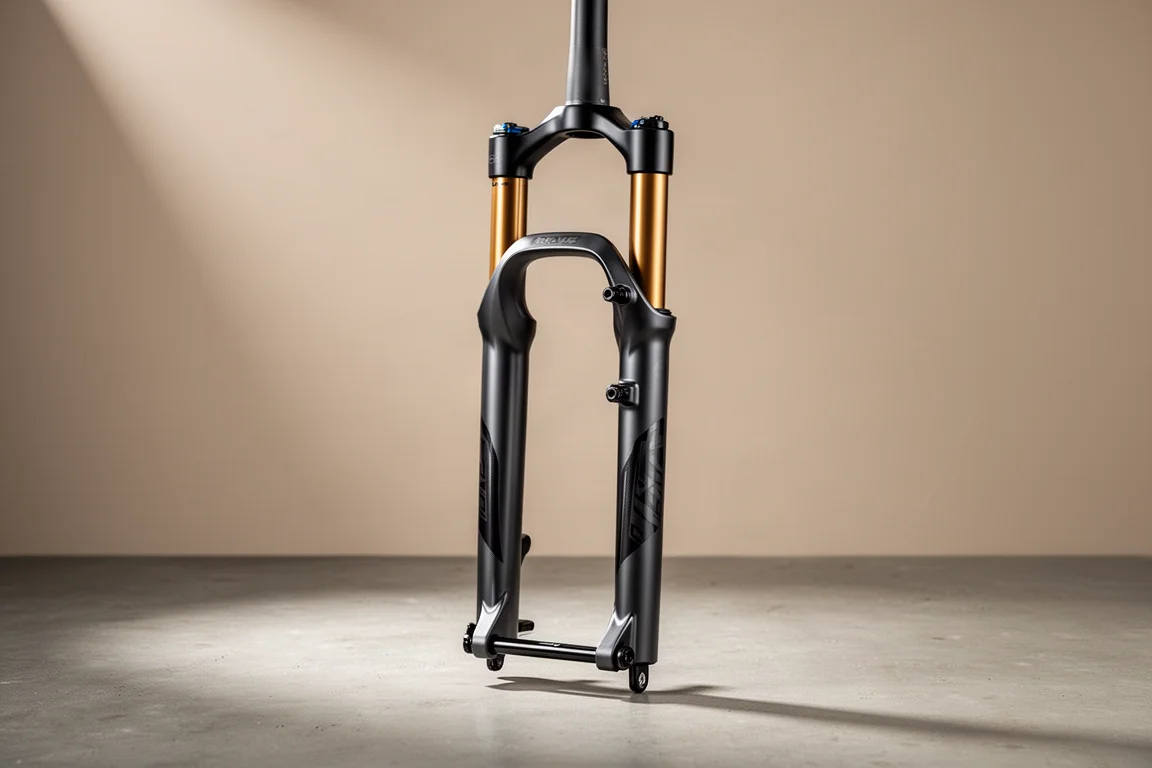
Fox has overhauled its mountain bike fork damper line-up, retiring the FIT 4 and Grip 2 dampers in favour of three new formats: Grip SL, Grip X and Grip X2. Alongside them comes a new cross-country race fork, the 32 StepCast, built around a rear-facing arch that Fox calls Rear Arch Matrix.
The changes reach from lightweight marathon forks through to downhill-ready chassis, and they raise a practical question for anyone shopping: which combination actually suits the riding you do.
What Fox Changed for 2025
The headline is a simpler naming structure. Fox’s fork dampers now follow the same family naming used on its rear shocks, and all three move to the Grip architecture, which uses a spring-back internal floating piston to allow for oil expansion. The outgoing FIT 4 damper used a lighter closed bladder cartridge, while the Grip 2 relied on a spring-back piston design.
Alongside the dampers, Fox has introduced a limited edition gold colorway across the range to mark its 50th birthday.

Two details matter for buyers. First, the new dampers are not fitted across every model: entry-level Performance forks keep the older standard Grip damper. Second, because the chassis on the larger forks is carried over, several of the new dampers can be bought separately as an upgrade.
Fox 32 StepCast: The Rear Arch Matrix Race Fork
The 32 StepCast is the fork that will draw the most attention. Its brace, the arch between the lower legs, faces backwards, a layout already used on Fox’s 32 TaperCast gravel fork. Fox says the design delivers the ultimate lightweight fork for marathon and cross-country racing while improving stiffness over the previous 32 StepCast.
The numbers back up the ambition. Fox claims the Rear Arch Matrix design brings a 40 percent increase in stiffness, and the fork is claimed at 1,287 g, under the 1,300 g mark. Weight savings are spread across the build: the new Grip SL damper, a Kabolt SL axle, double-butted stanchions, an ultralight steerer tube, a stiffer but lighter crown and a super light brake cable guide. The damper contributes the largest single saving.
Fox 34 StepCast: Light Chassis, Grip SL Damper
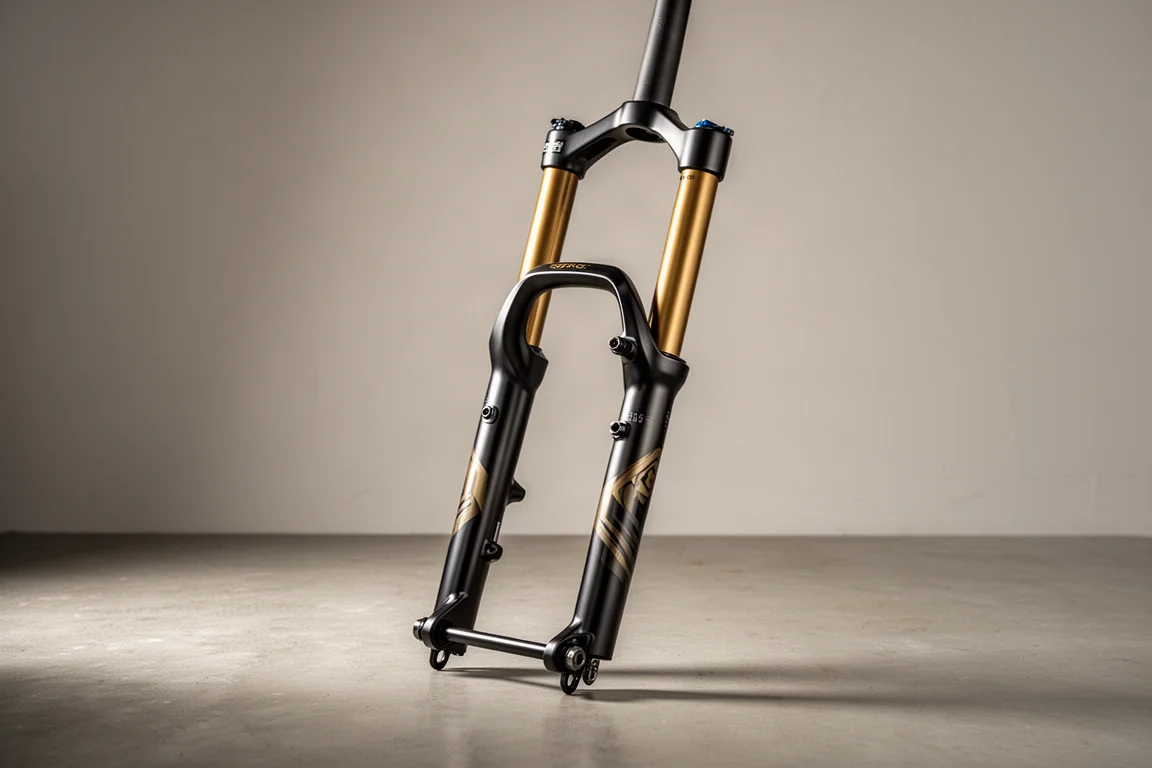
The 34 StepCast keeps its existing chassis and gains the Grip SL damper, which is also the damper fitted to the 32 StepCast and the 32 TaperCast gravel fork. It can be specified with or without a handlebar remote lockout.
Grip SL keeps the three-position adjustment of the old FIT 4 damper, open, medium and firm, but drops the adjustable low-speed compression that lived inside the open mode. Even with the spring-back piston added, Fox claims the Grip SL damper is 60 g lighter in a 100 mm travel format than the FIT 4 it replaces.
Fox 36: Same Chassis, New Damper Choices
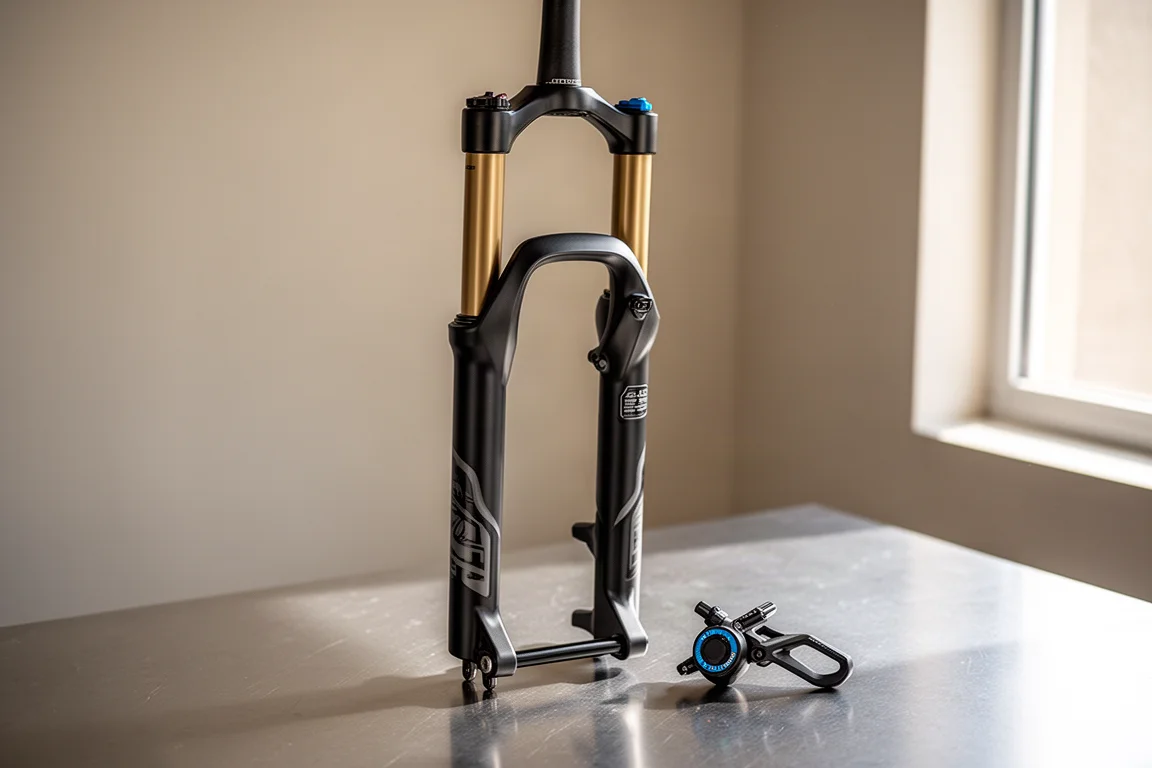
The 36 shows how the current range is organised. Its chassis is unchanged from the previous year, but it now ships with the Grip X damper, and it is also available with the descent-focused Grip X2. Fox has also updated the bushings on the newer model forks and retuned the standard Grip damper.
For riders who already own a 36, the unchanged chassis is good news: the new dampers can be purchased separately and fitted to an existing fork.
Inside the New Damper Range
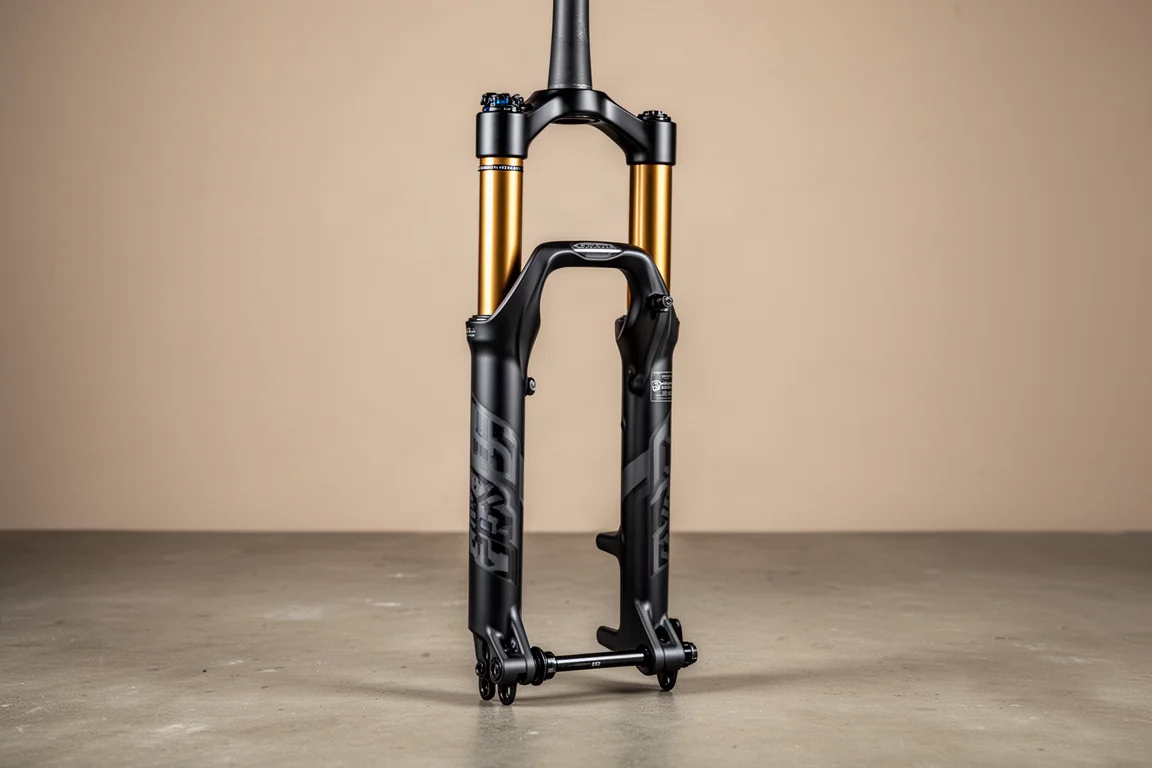
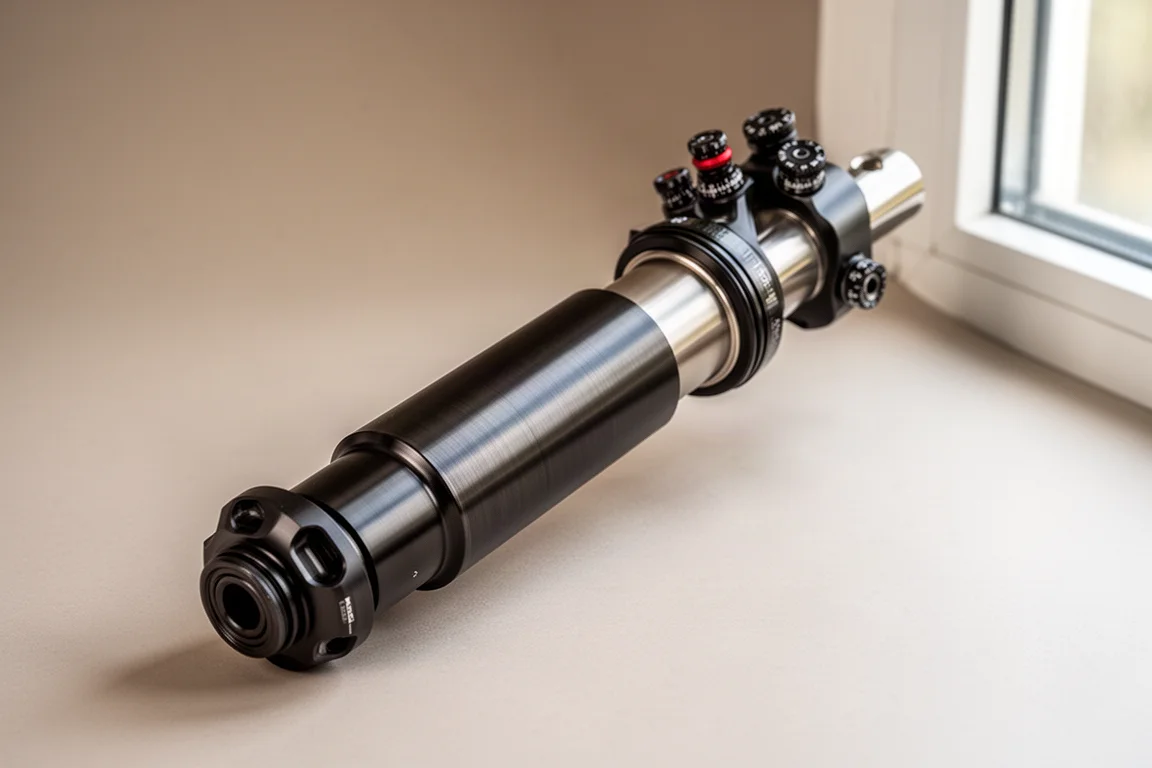
Damper naming can be confusing, so it helps to think of the three options as points on a spectrum from light and simple to heavier and highly tunable. All three use the Grip architecture with a spring-back internal floating piston, which allows for oil expansion inside the damper, rather than the expanding rubber bladder used by the FIT 4.
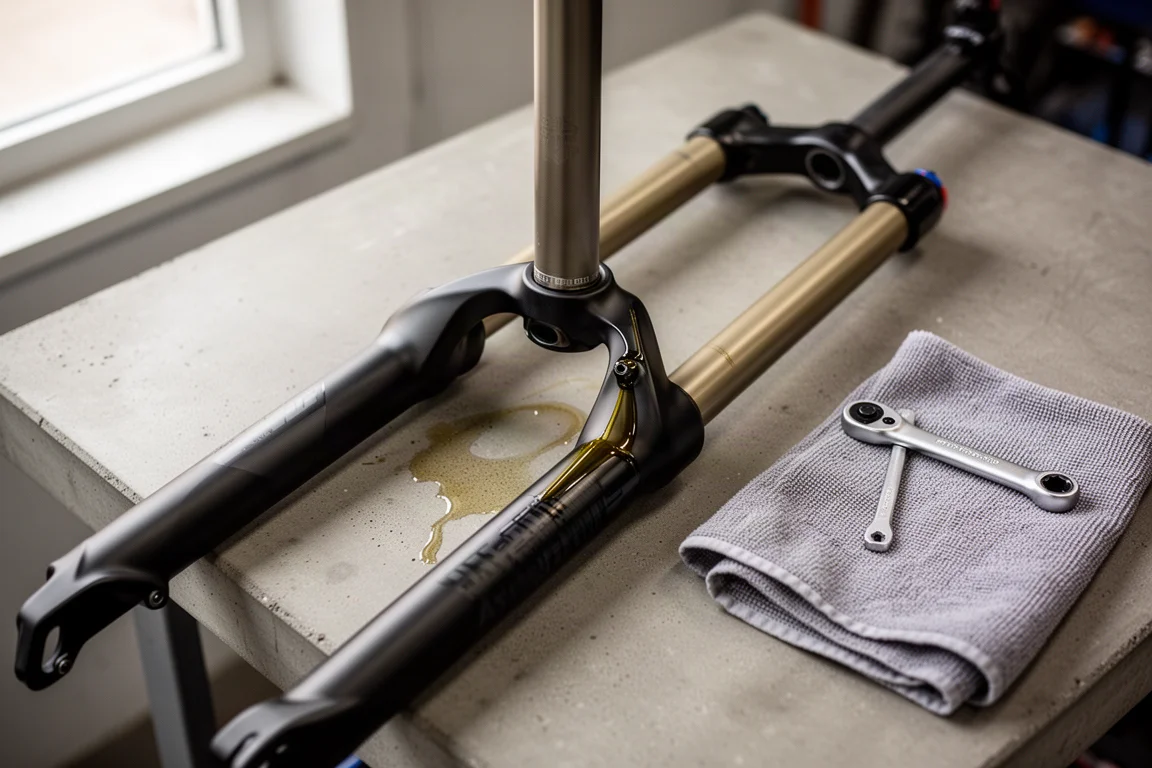
The practical differences come down to adjustability, weight and how the fork behaves deep in its travel. Fox positions Grip SL as the cross-country option, Grip X as the trail and enduro workhorse, and Grip X2 as the most descent-focused damper in the line-up.
Grip SL: The Lightest of the Three
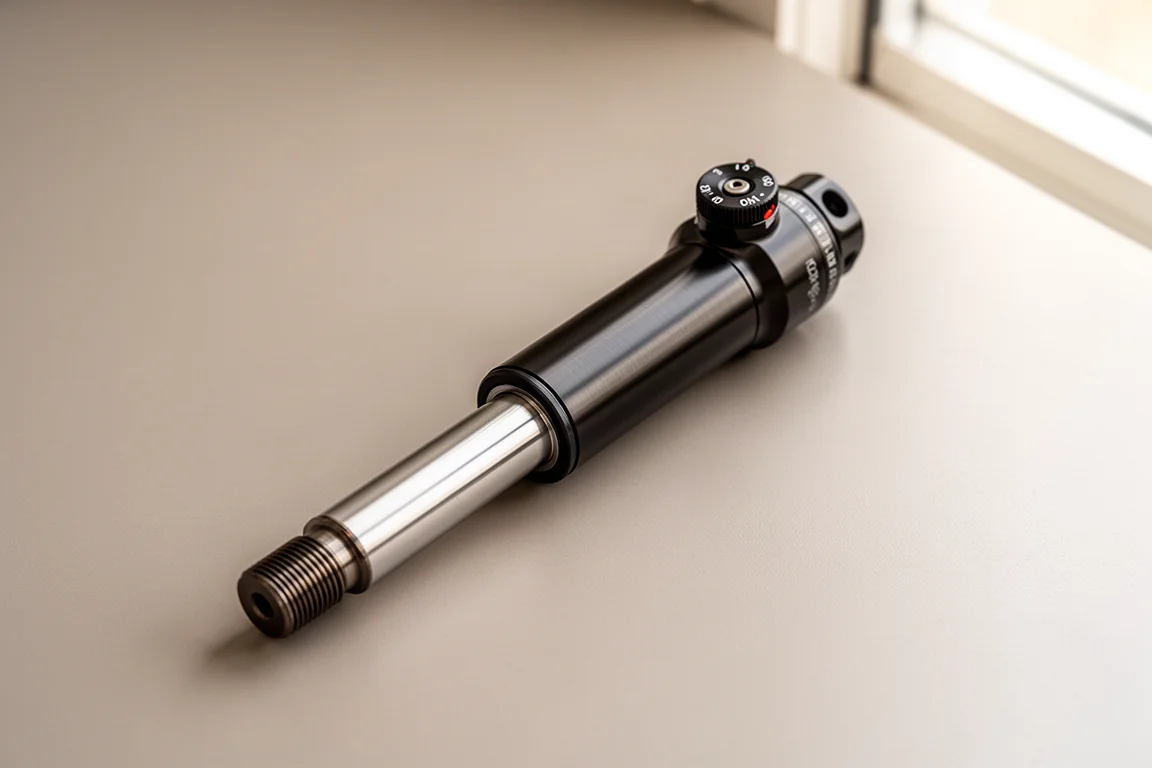
Grip SL is the lightest of the new dampers and the one that saves the most weight, which is why it sits in the 32 StepCast, the 34 StepCast and the 32 TaperCast. It keeps three on-the-fly compression positions and adds a firm lockout that Fox says is suited to hammering the pedals, along with a smooth blow-off force so the fork still absorbs a bump if you hit one while locked out.
The trade-off is adjustability. There is no separate low-speed compression dial here, so riders who like to fine-tune the open mode will want to look further up the range.
Grip X: More Adjustment for Trail and Enduro
Grip X sits between the two extremes. Fox claims it offers more adjustment, traction and predictability than the lighter Grip SL, and it is found on the regular 34, 36 and 38 forks. It brings adjustable high and low speed compression plus low speed rebound.
The unusual detail is the firm mode. Rather than a simple climb switch, the final click of the high-speed compression dial engages it, so you can wind the dial in before a climb and then return it to your preferred setting. With 14 clicks to work through, it takes a moment to get used to.
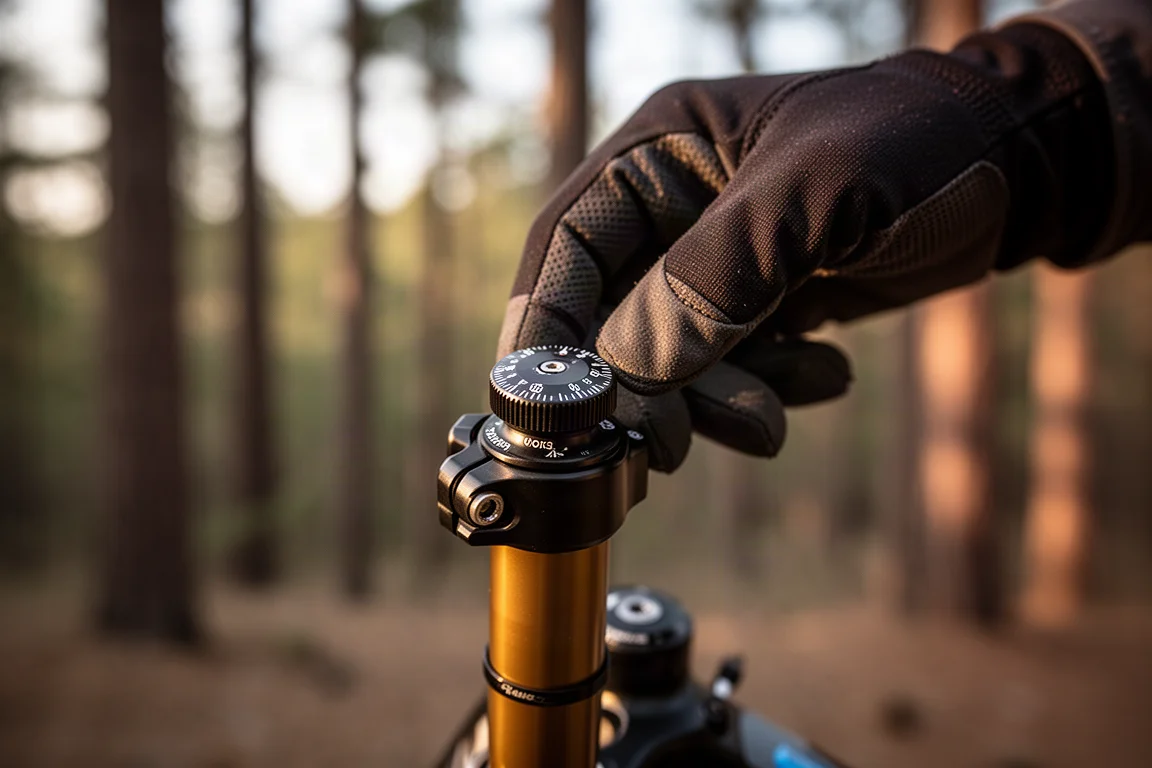
Fox claims a 120 g weight saving over the Grip X2 damper while offering similar traction control and predictability, which makes it a sensible default for most trail riders who want to tune their setup without adding bulk.
Grip X2: The Most Descent-Focused Damper
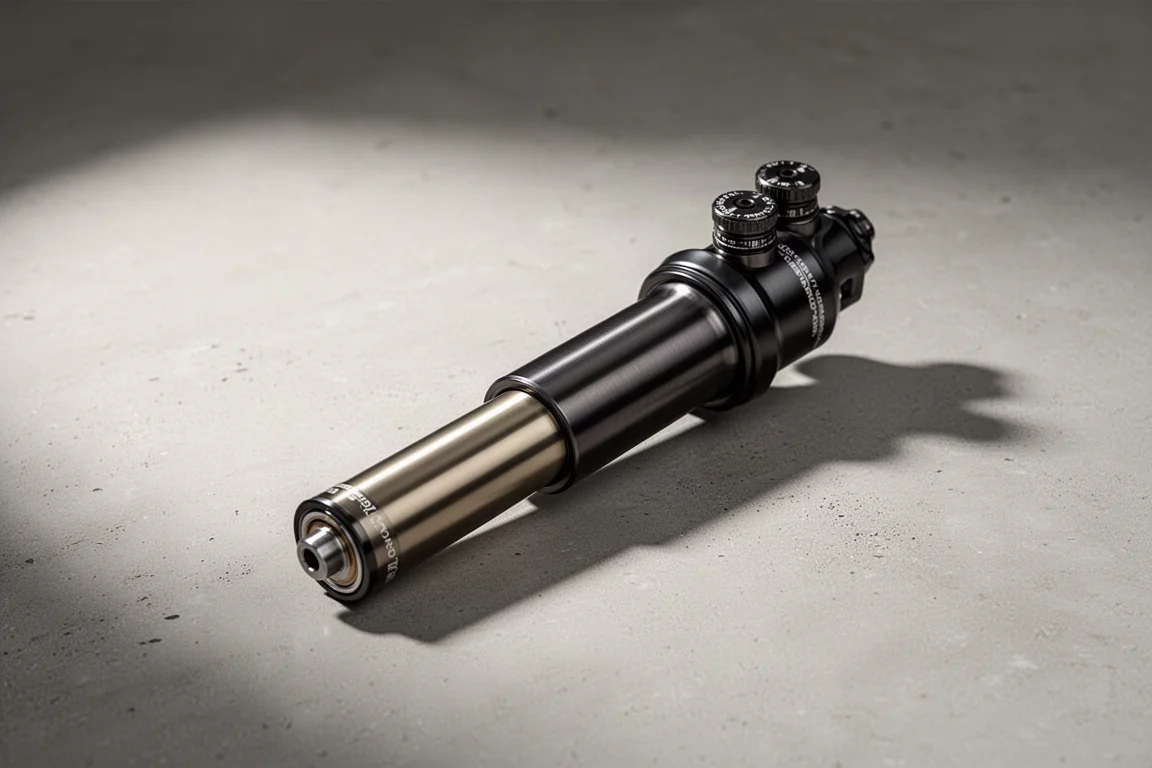
Grip X2 is the flagship of the trio. Fox says it brings the level of tunability found in its motocross and supercross racing suspension, and describes it as the smoothest, most tunable and most supported mountain bike fork damper it has ever created.
Compared with the older Grip 2, the base valve grows to 22 mm and now contains 23 valves, up from 20 mm and seven valves. Those valves control the flow of oil inside the damper, and the result is claimed to be quicker response to bumps, increased sensitivity and extra tuning range. The goal is a fork that sits higher in its travel while keeping the tyre planted for traction and rider confidence.
It keeps the four-way adjustability of the Grip 2, with high and low speed compression and rebound circuits, and it is paired with the 36, 38 and 40 forks, covering everything from heavy-duty trail to downhill bikes. A 34 with Grip X2 will also exist, but only as original equipment on complete bikes rather than as an aftermarket purchase.
Fitment, Pricing and Aftermarket Upgrades
Fox continues to use its Performance, Performance Elite and Factory naming. Entry-level Performance forks still use the older standard Grip damper with a three-position sweep adjustment and a low-speed compression dial. To get one of the new dampers you need a Performance Elite or Factory fork. The easiest visual cue is the stanchion finish: Factory forks use gold Kashima-coated stanchions, while mid-range Performance Elite forks use black stanchions.
Pricing is where the range demands a decision. UK pricing for forks fitted with the new dampers starts above £1,000, which is a serious outlay. Riders who cannot stretch that far still have the cheaper Fox Performance series fork with the regular Grip damper.
There is a middle path. Because the chassis on the 34, 36, 38 and 40 is unchanged, the new dampers can be bought separately and fitted to an existing fork, so a fork you already own can be brought up to date without replacing the whole unit.
Buying Advice: Which Fox Fork and Damper Fits Your Riding
Match the damper to the riding rather than to the price tag. Cross-country and marathon riders who count grams will get the most from the 32 StepCast and the Grip SL damper, accepting simpler adjustment in exchange for the weight saving. Trail riders who want to tune their setup will find Grip X on a 34 or a 36 the more flexible choice. Riders whose priority is descending control, or who ride a 38, should be looking at Grip X2.

Two practical checks before buying. Confirm which damper the fork is actually fitted with, since the model name alone does not tell you, and check whether an aftermarket damper swap makes more sense than a complete new fork if your existing chassis is compatible.
Conclusion
This generation of Fox forks is less about wholesale redesign than about consolidation: one damper family, three levels of adjustability, and a striking new cross-country fork. The rear-facing arch on the 32 StepCast is the visual headline, but the more useful change for many riders may be the ability to buy the new dampers separately and bring an existing fork up to date.
Further reading
Related Reviews
Mountain Bike Suspension
Best Enduro Mountain Bike Forks 2026: Eight Long-Travel Forks Compared
Eight 29-inch enduro forks from major brands, compared on chassis stiffness, spring feel, and damping control, with clear guidance on which suits which rider.
Mountain Bike Suspension
Öhlins XC Suspension Reviewed: RXC 34 M1 Fork, TXC1 and TXC2 Air Shocks
A practical look at Öhlins' cross-country suspension line: the RXC 34 M1 fork and the TXC1 and TXC2 air shocks, covering specs, setup options and early ride impressions.
Mountain Bike Suspension
RockShox Flight Attendant Cross Country Review: Wireless Suspension That Thinks for You
An electronic, wireless cross country suspension system that reads your effort and the trail, changing damping modes automatically. Here is what it does well and what to weigh up.