Mountain Bike Suspension
RockShox SID Family Review: SID Ultimate, SIDLuxe Ultimate, SID SL and SID Select+
A practical look at the updated RockShox SID family, from the range-topping SID Ultimate fork and matching SIDLuxe Ultimate shock to the lightweight SID SL and the SID Select+.
Introduction
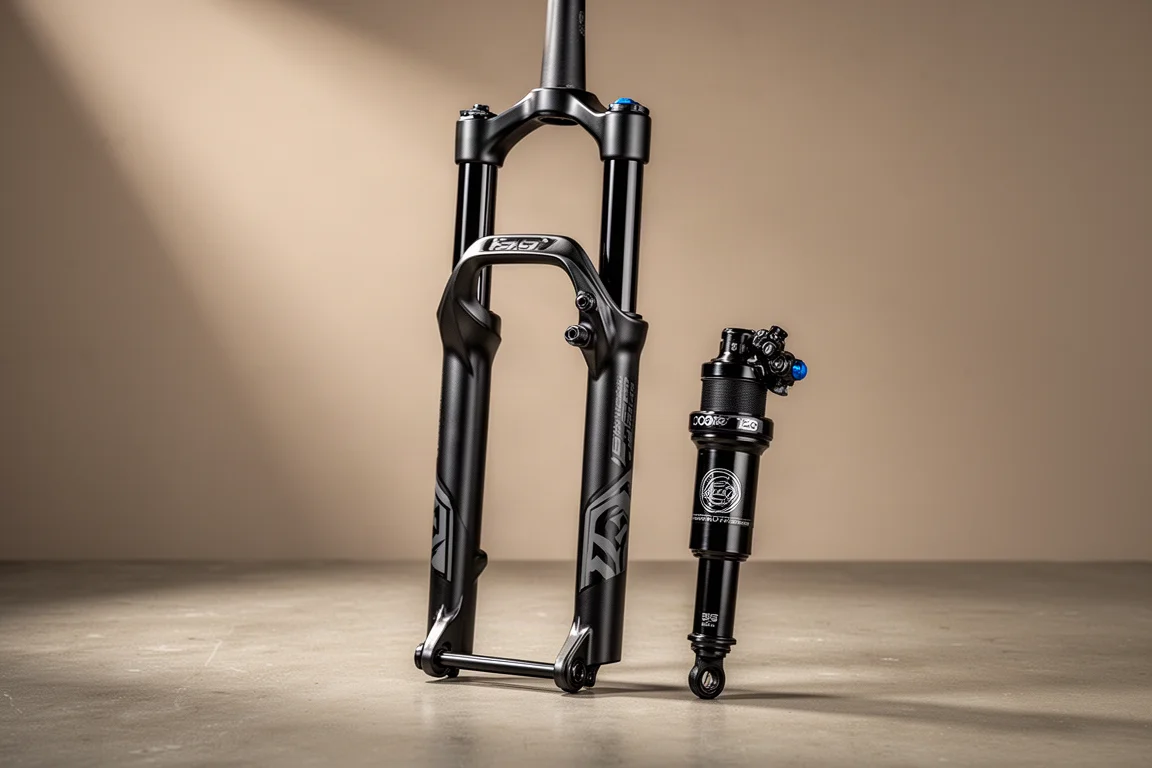
RockShox has been building the SID for a very long time, and the name is woven into cross-country racing history. The last major refresh came in 2020, when RockShox rebadged the lightweight 32mm-stanchion fork as the SID SL and introduced a new standard SID with 35mm upper tubes. That fork weighed around 150 grams more but offered a stiffer structure for increasingly technical World Cup race courses and for the rise of genuinely capable downcountry bikes.
For 2024, RockShox has updated the SID and the matching SIDLuxe shock, and the changes run across the whole SID family, including a new SID SL that is one of the lightest SID forks the brand has made. Weight is part of the story, but the more consequential updates are in damping and air spring behaviour.

The range covers four distinct options for riders building or upgrading a cross-country or downcountry bike: the SID Ultimate fork, the SID Select+ fork, the lightweight SID SL, and the SIDLuxe Ultimate rear shock. Each sits at a slightly different point on the weight, stiffness and adjustment spectrum, and the differences matter more than a quick look at the numbers suggests.
What Changed Across the 2024 SID Range
The headline change is the new Charger Race Day 2 damper, which debuts on the SID Ultimate and SID Select+. Where the original Charger Race Day damper offered open and lock settings, the new version adds a third position. Switching between open, pedal and lock alters low-speed compression damping, effectively firming the fork so it bobs less and, in theory, pedals more efficiently. Pedal mode is the halfway house: the goal is to keep traction and keep the front wheel tracking over bumps without the fork bouncing excessively under rider input. Owners of the previous SID or SID SL can retrofit the new damper if they want it.
The second major change is the Debonair+ air spring, which features across the SID fork range but not on the new SID SL. The previous SID was a very progressive fork, so riders often had to run a big token stack or softer pressures to reach full travel. The new spring increases positive air volume by 15 percent and negative air volume by 50 percent, which should let the fork sink more easily into the first part of its travel and ramp up less aggressively at the end of the stroke. There is also a new top-out coil spring in place of a rubber bumper, plus a conical bumper to cushion the blow if you do smash through the travel. Unlike the damper, the new spring is not backwards compatible, because many of the changes are tied to the chassis revisions.
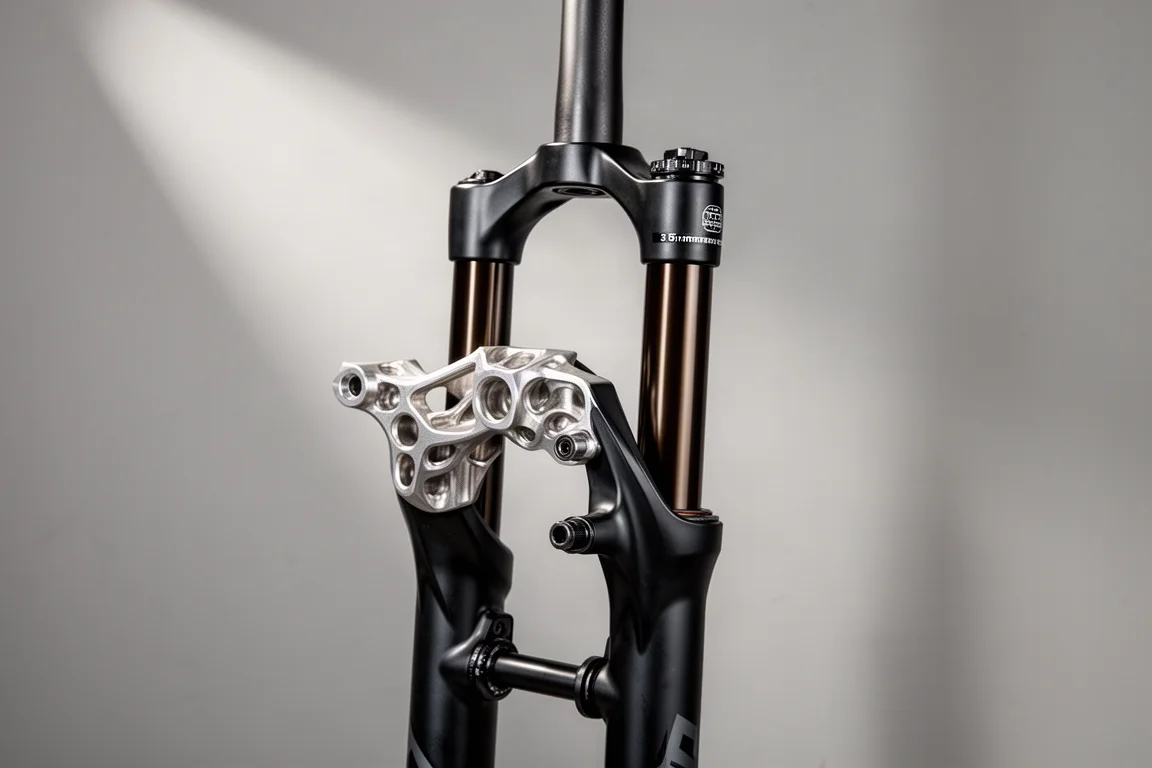
Those chassis revisions are subtle but real. The SID keeps its 35mm upper tubes, but RockShox has removed material from key areas, most visibly the lower legs and a new heavily machined aluminium crown that is claimed to be lighter than the previous one. RockShox says the new crown is stiffer at a comparable weight, which is why a carbon option was considered unnecessary. The overall saving is around 30 grams, with a claimed 1,476 grams for the range-topping SID Ultimate. Upper tubes are 25mm longer and the bushings are spaced further apart to increase bushing overlap, which should reduce side load on each bushing during impacts, limit friction and improve durability.
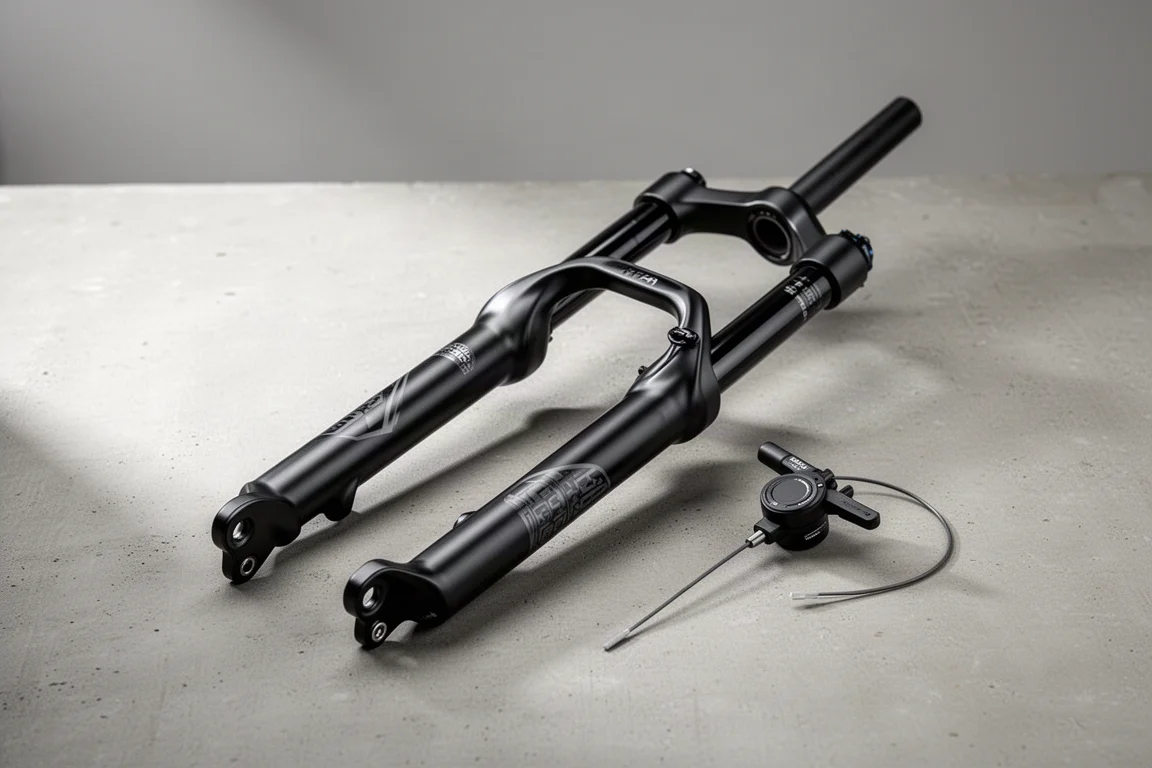
One practical detail worth knowing before you buy: the new twist-lock remote is only available with push-on grips, in either a smooth or a textured version. They are comfortable, but riders who prefer lock-on grips do not have that option right now.
RockShox SID Ultimate
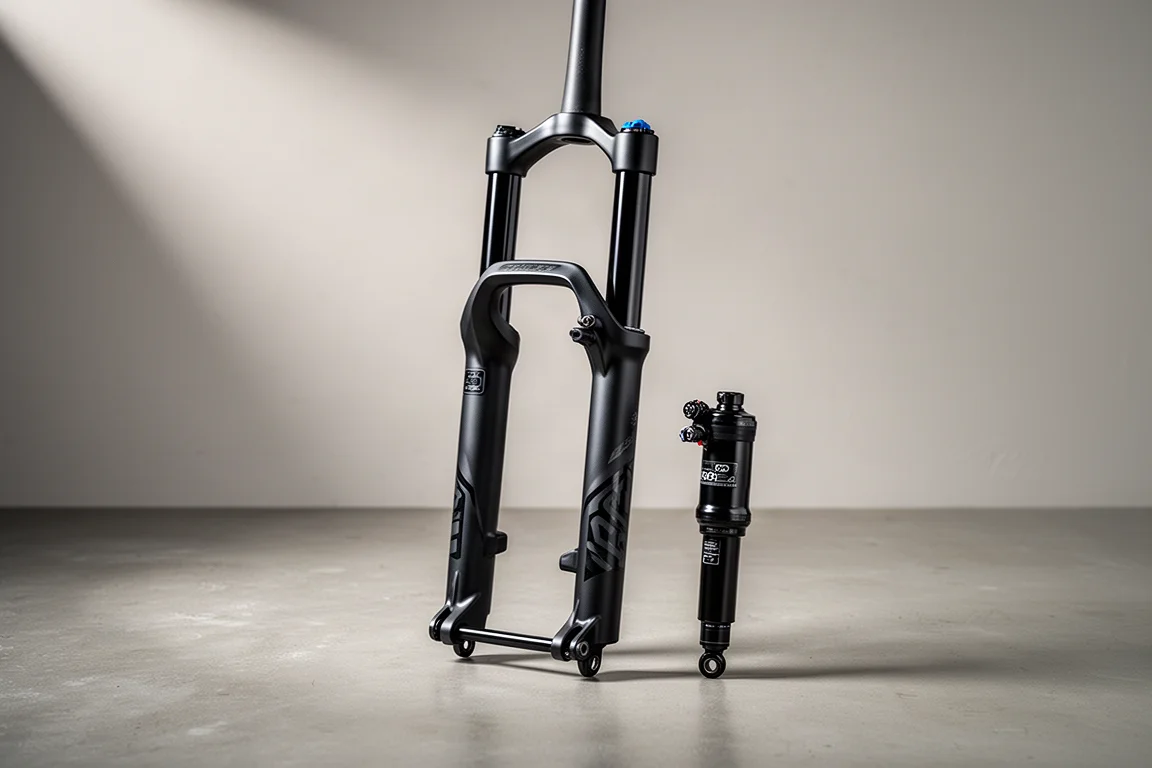
The SID Ultimate is the range-topping fork, and it carries every update in the family: the 35mm chassis, the new machined crown, the Debonair+ air spring and the three-position Charger Race Day 2 damper. Claimed weight is 1,476 grams, roughly 30 grams lighter than before.
On the trail, the most noticeable quality is sensitivity. The fork flutters in and out of the first part of its travel and keeps the front wheel attached to the ground, which translates into more usable grip than the previous SID. Just as important, full travel is genuinely accessible now. The older fork ramped up heavily and needed a serious hit to bottom out, which pushed riders into running softer setups just to see more of the stroke. The new one reaches the end of its travel without a harsh metal-on-metal feel, so setup involves far less compromise.

That extra composure carries over when you leave the race course. The SID Ultimate feels like a fuller-bodied fork than its predecessor, more controlled and more capable when a ride wanders onto rougher, more technical ground. It can still be pushed out of its depth if you ride something genuinely gnarly at speed, but for exploring beyond the trail center or the race loop it is a clear step forward.
RockShox SIDLuxe Ultimate
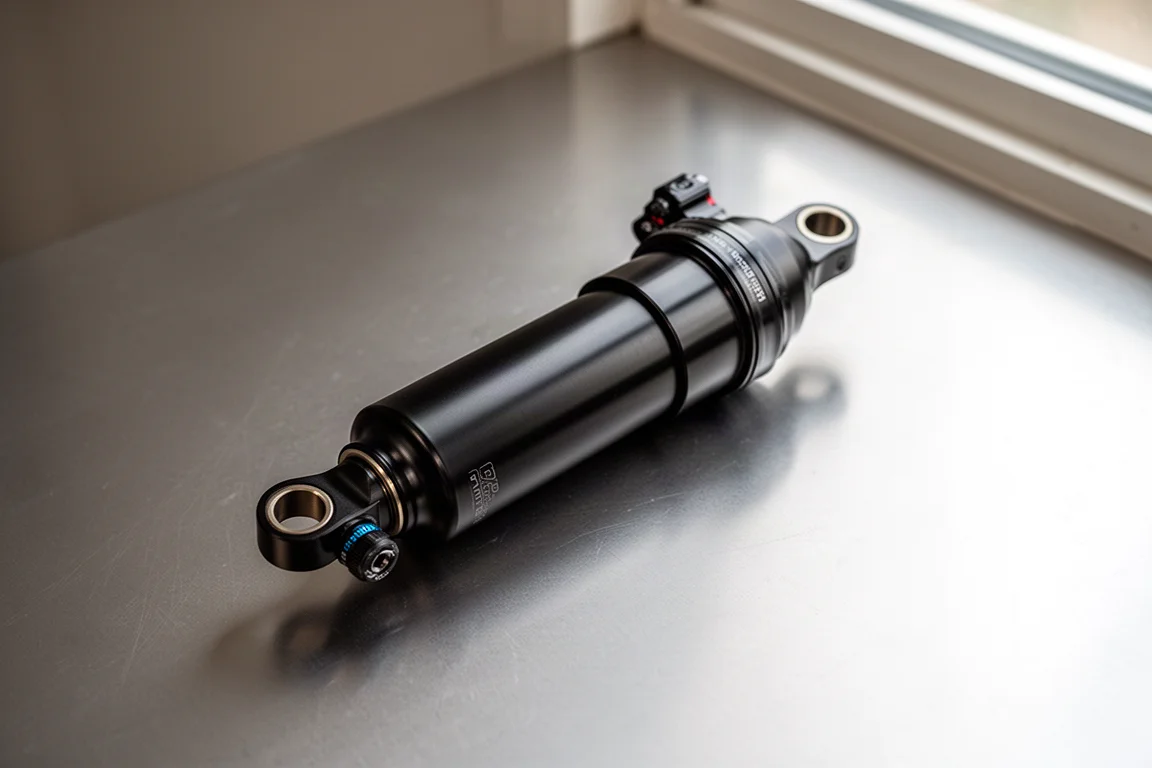
The SIDLuxe Ultimate is the matching rear shock, and for 2024 it moves to a three-position damping system. Externally the chassis is more or less unchanged, with the real work happening internally: compression damping has been eased off, particularly at high speed, to create a shock that closely mimics the feel of the fork.
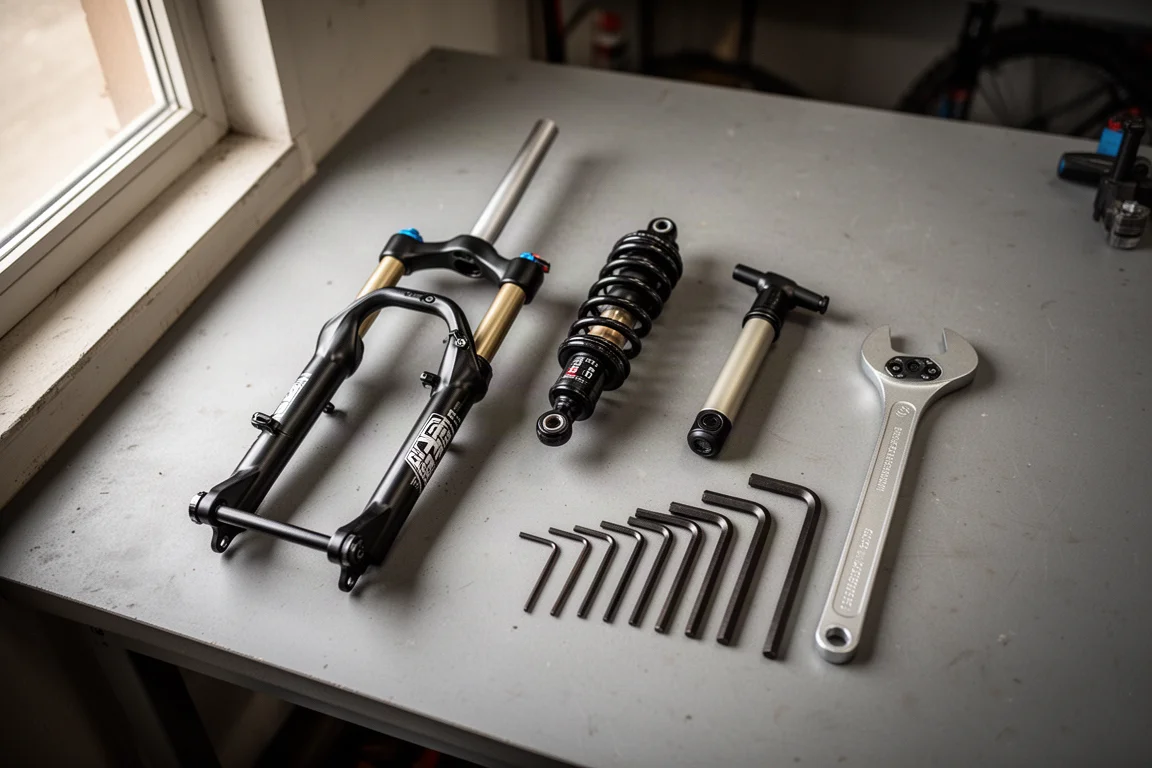
The result is a more forgiving shock that sinks well and delivers a fairly balanced ride alongside a SID fork. On choppy terrain it feels a touch more sensitive than the previous version. Rebound damping is still adjusted with a 2.5mm Allen key, and if you run a SID or SID SL fork you can use the key that doubles as the fork’s rebound dial.
The middle pedal position is the most interesting part of the package. On the shock it firms things up to keep the bike efficient without hurting the fork’s behaviour, and a flick of the remote returns everything to fully open. In a race situation it is easy to use more than you expect, particularly for keeping the bike composed on smoother sections and for a final sprint to the line. Outside of racing, many riders will barely touch it, but the option is genuinely useful and the full lockout remains there when you want it.
RockShox SID SL
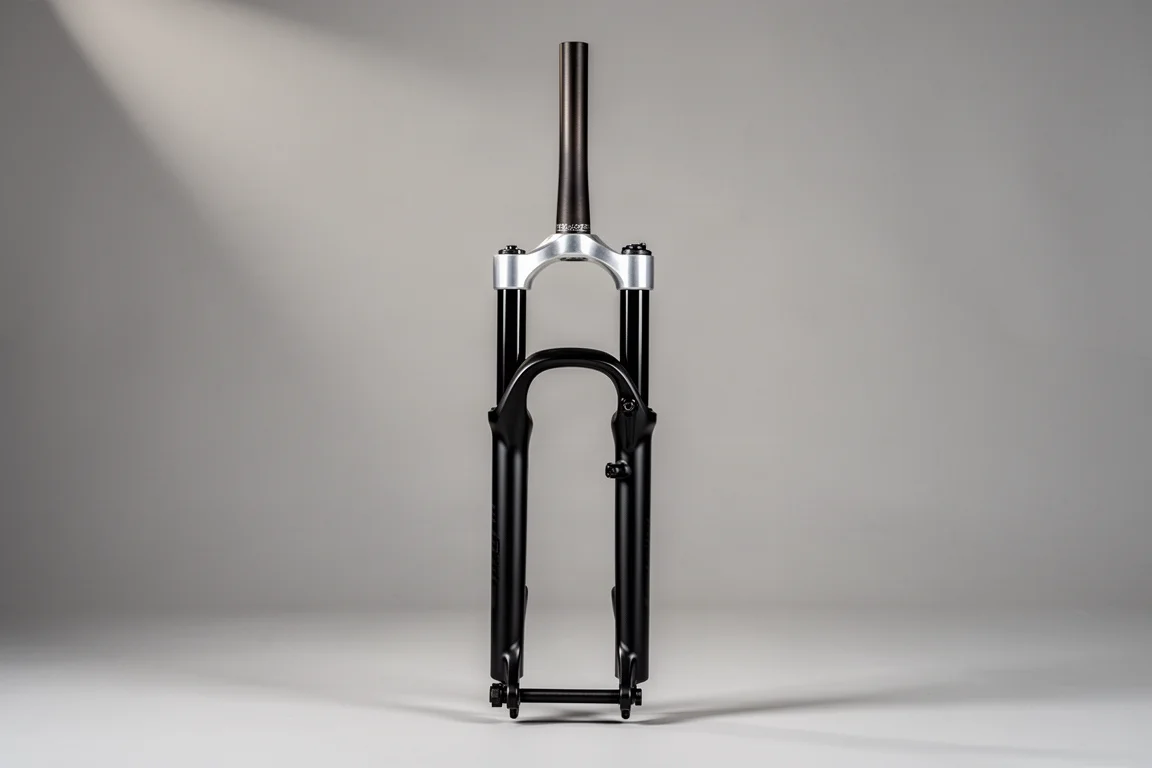
The SID SL is the lightweight side of the family, built around 32mm stanchions and positioned as one of the lightest SID forks RockShox has produced. It receives key updates for 2024, but it does not get the Debonair+ air spring that the 35mm models use, so riders who want the new air spring behaviour will need to look at the SID or the SID Select+ instead.

That makes the SID SL a fairly focused choice. It is aimed at riders for whom low weight and a light front end matter more than the extra stiffness of the 35mm chassis, and who are content with the fork’s existing spring characteristics. If your priority is a fast, efficient race build on smoother courses, that trade-off makes sense.
RockShox SID Select+
The SID Select+ is the second model to receive the new Charger Race Day 2 damper, alongside the Ultimate. It also uses the Debonair+ air spring, so it delivers the same three-position damping and the same more accessible travel as the top fork, in a package that sits below the range-topping Ultimate.
For riders who want the updated damper and spring without going to the very top of the SID range, the Select+ is the logical place to start. The same remote consideration applies here: the new twist-lock remote ships with push-on grips only.
Overall Buying Advice
Choosing within the SID family comes down to which of the 2024 updates matter most to you. If you want the full package, the SID Ultimate and SIDLuxe Ultimate pairing is the most complete expression of the range: the three-position damper, the Debonair+ spring, the lighter crown and the claimed 1,476-gram weight all in one fork, with a shock tuned to match its feel.
If weight is the priority and the terrain you ride is smoother, the SID SL remains the lightest route into the family, with the caveat that it does not use the Debonair+ air spring. If you want the new damper and spring further down the range, the SID Select+ brings both. And if you already own a previous-generation SID or SID SL, the Charger Race Day 2 damper can be retrofitted, which is a considerably cheaper way to pick up the most significant change of this generation.
Two practical points before you commit. First, the new Debonair+ air spring cannot be retrofitted to older forks, so that spring behaviour is only available on a new fork. Second, budget for grips as well as the remote if you are moving to the new twist-lock system, since it is push-on only.
Conclusion
The updated SID range is a broader and more capable family than the one it replaces. The SID Ultimate and SID Select+ gain a genuinely useful third damping position and an air spring that lets riders use the travel they paid for, the SIDLuxe Ultimate mirrors that feel at the rear, and the SID SL keeps the lightweight option alive for weight-focused racers. The changes are not dramatic on paper, but they add up to forks that feel more controlled and more willing to be ridden hard away from the race tape.
Further reading
Related Reviews
Mountain Bike Suspension
Best Enduro Mountain Bike Forks 2026: Eight Long-Travel Forks Compared
Eight 29-inch enduro forks from major brands, compared on chassis stiffness, spring feel, and damping control, with clear guidance on which suits which rider.
Mountain Bike Suspension
Fox 2025 Forks and Dampers: 32 StepCast, Grip SL, Grip X and Grip X2 Explained
Fox has replaced its FIT 4 and Grip 2 fork dampers with Grip SL, Grip X and Grip X2, and introduced a rear-arch cross-country fork. Here is what changed and which setup suits your riding.
Mountain Bike Suspension
Öhlins XC Suspension Reviewed: RXC 34 M1 Fork, TXC1 and TXC2 Air Shocks
A practical look at Öhlins' cross-country suspension line: the RXC 34 M1 fork and the TXC1 and TXC2 air shocks, covering specs, setup options and early ride impressions.