Mountain Bike Suspension
RockShox Lyric Ultimate Review: A Focused All-Mountain Fork
A detailed look at the redesigned RockShox Lyric Ultimate, covering its Charger 3 damper, DebonAir+ spring, real trail strengths, and the setup quirks worth knowing before you buy.
Introduction
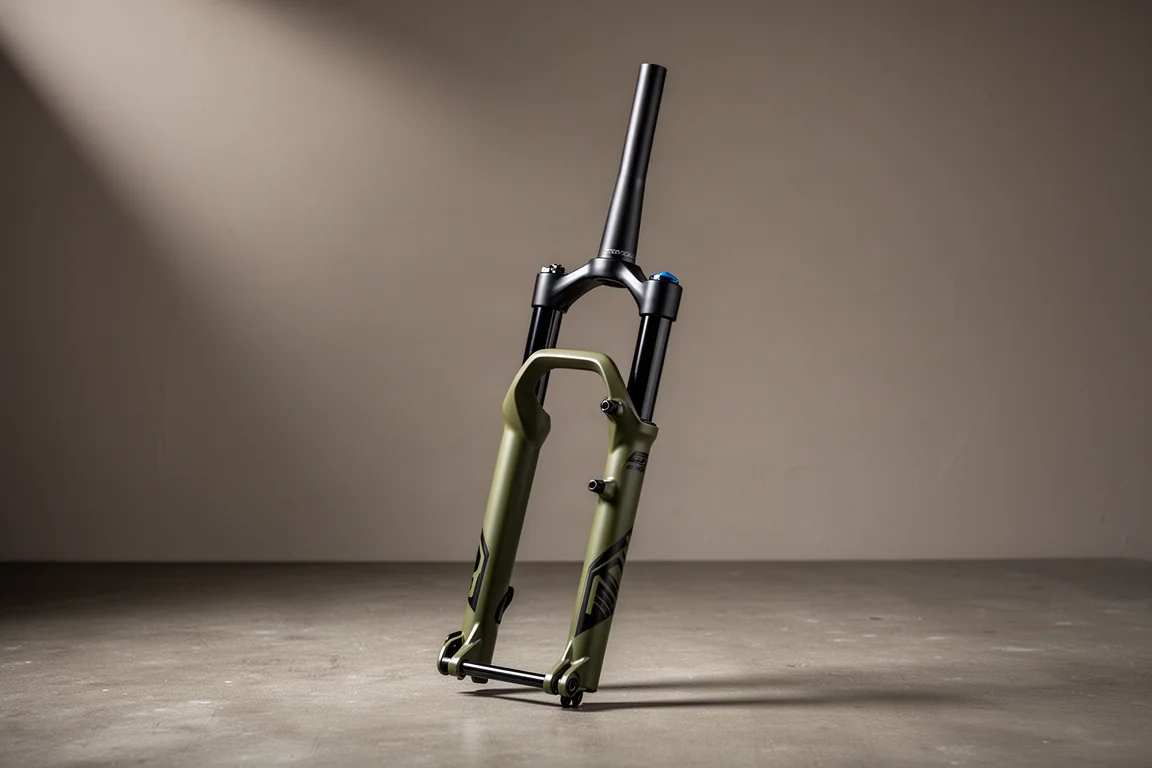
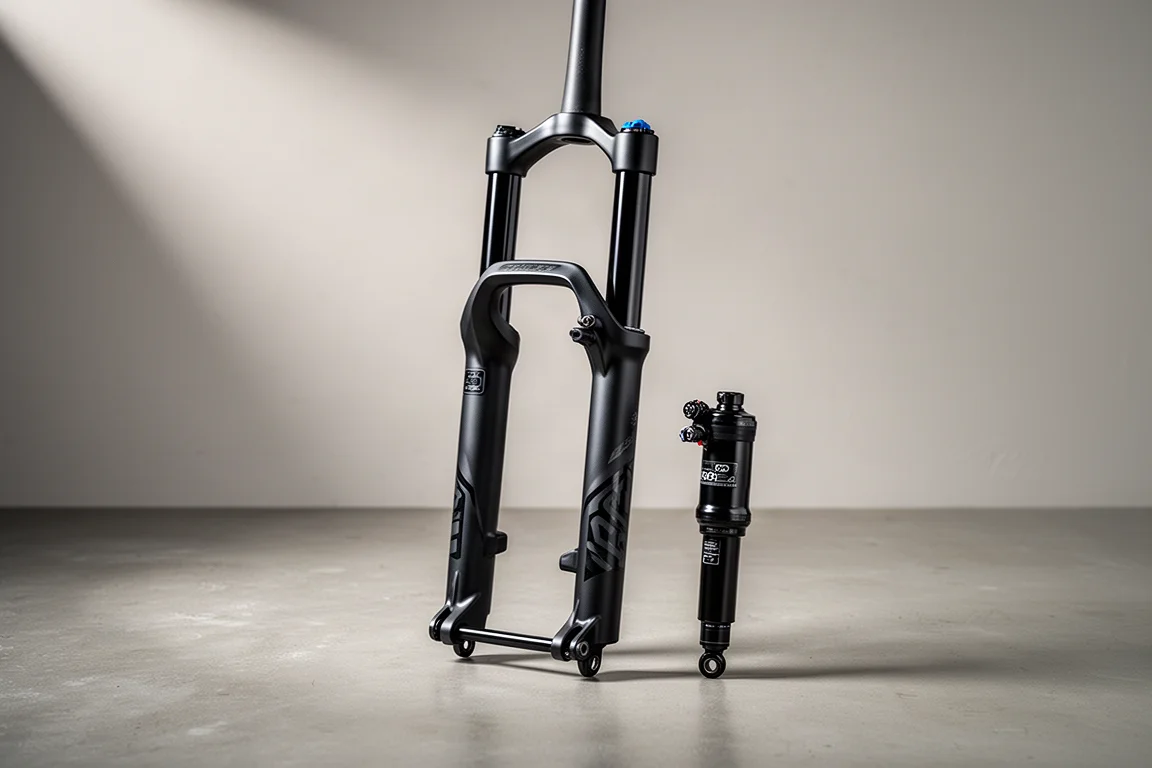
The RockShox Lyric was redesigned for 2023 with a narrower brief than before. Rather than stretching across the whole range of single crown riding, from trail through to enduro, the new fork focuses squarely on all-mountain riding. That refocusing brings a completely new damper, an overhauled air spring, and a revised chassis.
The headline change is the Charger 3 damper, which replaces the expanding bladder system of the Charger 2 and 2.1 with a coil spring-backed internal floating piston. The ButterCups first introduced on Flight Attendant forks now appear on the Lyric as well. These rubber bumpers sit between the lower legs and both the damper and spring assemblies, with the aim of reducing high frequency vibration. The air spring has also been rebuilt as DebonAir+, intended to keep the supple beginning stroke and bottom-out resistance of the previous springs.
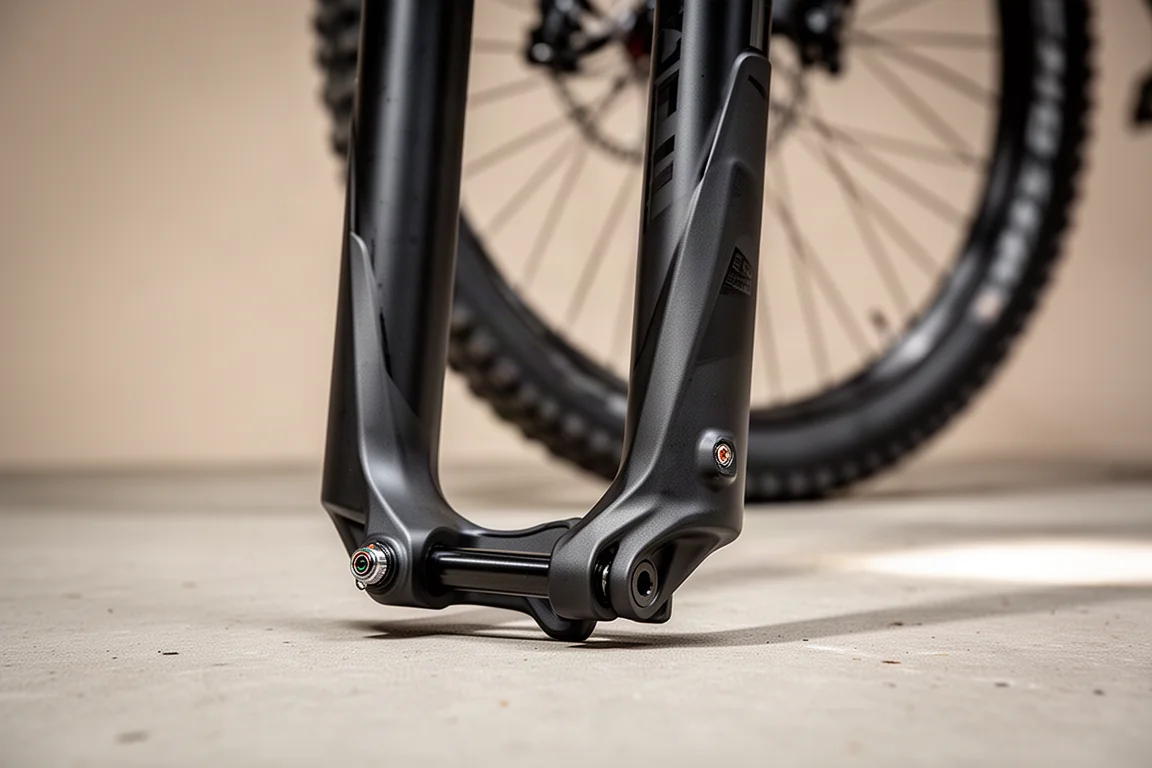
The top-of-range Ultimate model tested here retails at $1,049 USD, with UK and European pricing listed at £1,013 and €1,134. It is fitted exclusively with the Ultimate bushing package, which uses increased overlap on both the upper and lower bushings. RockShox also claims torsional stiffness is up by 20 percent compared with the outgoing fork, and the lower castings have been slimmed and reshaped into a more angular, lighter chassis. Pressure release valves are moulded into the rear of the lower castings to clear unwanted air buildup.
Who this product is for
This fork is aimed at hardcore trail, all-mountain, and light enduro riders. Although RockShox positions the Lyric as an all-mountain fork, the 160mm travel version tested here carries plenty of composure for enduro-style riding. Riders coming from an older Lyric who want more support and better ride height control are the most natural audience.
It is a less obvious fit for anyone who prizes plush, easy small bump compliance above everything else, or who prefers a fork that needs almost no setup time. The new damper and spring respond best to patient tuning, and riders who are willing to experiment will get considerably more out of it. Those who want to set sag from a sticker and ride will likely be leaving performance on the table.

Main strengths
The standout quality of the new Lyric is its mid-stroke support and the gradual, smooth ramp up toward bottom out. The Charger 3 damper and DebonAir+ spring work together here, and the amount of damper support available even at low spring pressures is genuinely impressive. The front wheel can be weighted confidently when hammering into steep catch berms without the fork diving deep into its travel or wallowing through the mid-stroke.
That support translates into stability through berms and compressions. Ride height stays consistent even with large, exaggerated shifts in body weight, so the front end is not constantly sinking and rising. The practical result is that the rider can focus on going harder and faster rather than shifting weight around to compensate for a lack of damping. Even with far more static sag than usual, the fork remained well positioned in its travel.
The air spring itself is among the best around. It tolerates lower spring pressures while still ramping up subtly but effectively, and full travel was used on descents without a single harsh bottom out. Big hits are absorbed with control and composure, and the fork never became overwhelmed or failed to recover for the next bump. Harshness from large square-edged impacts was essentially absent, which reduces fatigue on long descents.
The chassis keeps the blend of stiffness and flex the Lyric is known for. On steep terrain and in high and low corners there was no perceptible flex or twist, and the front wheel tracked exactly where it was pointed. That accuracy does not come at the cost of comfort, and steering deflection from an overly stiff fork was not an issue. The fork is also notably quiet on the trail.
Setup and tuning notes
Setting up the new Lyric is not a quick job. The new air spring and damper call for a different approach than the outgoing RockShox models and most other forks on the market. The suggested pressures from the companion smartphone app matched the sticker on the back of the fork, but reaching a good ride still required experimentation.
Starting with three volume reducer spacers, the same count used in previous Lyric forks, and 80 psi for a 76kg rider, the fork felt poor. The initial travel compressed too quickly and the spring-based ramp up was harsh and sudden. After speaking with SRAM, all volume spacers were removed and the spring was re-inflated to 80 psi, with damping adjustments set to their middle points except rebound. That felt better.
From there, spring pressure was reduced incrementally until it settled at 65 psi with a single volume reducer spacer. That produced 47mm of sag, or 29.37 percent, which is a lot by conventional standards. Thanks to the mid-stroke support and bottom-out resistance, the DebonAir+ spring can be run at much lower pressures than most riders would expect. Final damper settings were high speed compression fully open, low speed compression at the middle stock setting, and low speed rebound fully open. Anyone buying this fork should plan on spending real time trying different combinations.
Things to consider before buying
Small bump performance is the clearest weakness. The ButterCups do create a muted, damped feel over harsher smaller bumps, but outright small bump compliance is not quite there. Worn trail centre surfaces littered with small jagged rocks were the least likely to be absorbed. Instead of fluttering in and out of its travel, the fork stayed almost static until bump sizes increased.
Through the bars, those surfaces felt more like a high density squash ball rolling along a bumpy surface than a soft foam sponge conforming to it. Neither transmitted harshness, and the behaviour did not cause discomfort, limit traction, or otherwise spoil the ride, but it was noticeable. The exact cause is hard to diagnose. It could be the reworked air spring, friction within the damper, or the larger bushing overlap. Riding the new Zeb briefly showed a much more supple start to its travel, which points toward the air spring design and the relative size of its positive and negative air chambers rather than the chassis.
The rebound damping is also heavier than before, and the range of adjustment is smaller, particularly toward the faster end. Some riders may find that limiting.

Buying advice
Set against the model year 21 Lyric Ultimate, the differences are clear. The older fork needed much less force to enter the first part of its travel, which made light work of bumps on worn trail centre runs, but it dived into its stroke more easily on steeper sections until the air spring caught it. The new fork sits higher in its travel through large compressions and steep trail, which is where its support becomes obvious. The new fork is also eerily silent compared with the older model.
The 2023 Lyric is a significant improvement over the fork it replaces, especially in air spring feel and compression damping. Its support and ride height control set a high bar, and crucially that support does not come at the cost of high speed small bump smoothness. The compression adjustments are meaningful, fully usable, and cover a broad range before either circuit meaningfully affects the other, which makes the fork highly tunable across different riders and trail conditions.
RockShox claims the Charger 3 has eliminated crosstalk between low and high speed compression adjustments. In practice it comes very close. Fully closing the low speed adjuster with high speed fully open made the fork feel harsher on high speed hits than running low speed half closed, and fully closing high speed with low speed fully open made the fork ride higher than a mid high speed setting. Those are small interactions rather than the broad interference of older dampers, and few forks on the market manage as little.
If you are a hardcore trail, all-mountain, or light enduro rider who wants strong support, stable ride height, and genuinely useful compression tuning, the Lyric Ultimate is easy to recommend, provided you accept the reduced small bump sensitivity as the trade-off and commit to dialling it in.

Conclusion
The redesigned Lyric Ultimate succeeds at the job RockShox set for it. The Charger 3 damper and DebonAir+ air spring deliver support and ride height control that raises the bar, backed by a stiff, precise, and quiet chassis. Small bump sensitivity is down on the previous model and the rebound range is narrower, so it is not the fork for every rider. For those who prioritise composure and adjustability and are willing to spend time on setup, it is currently one of the strongest options in its class.
Product link
View more details for RockShox Lyric Ultimate
This product is mentioned in the review. Check the specifications, options, and compatibility before buying.
View more details for RockShox Lyric UltimateFurther reading
Related Reviews
Mountain Bike Suspension
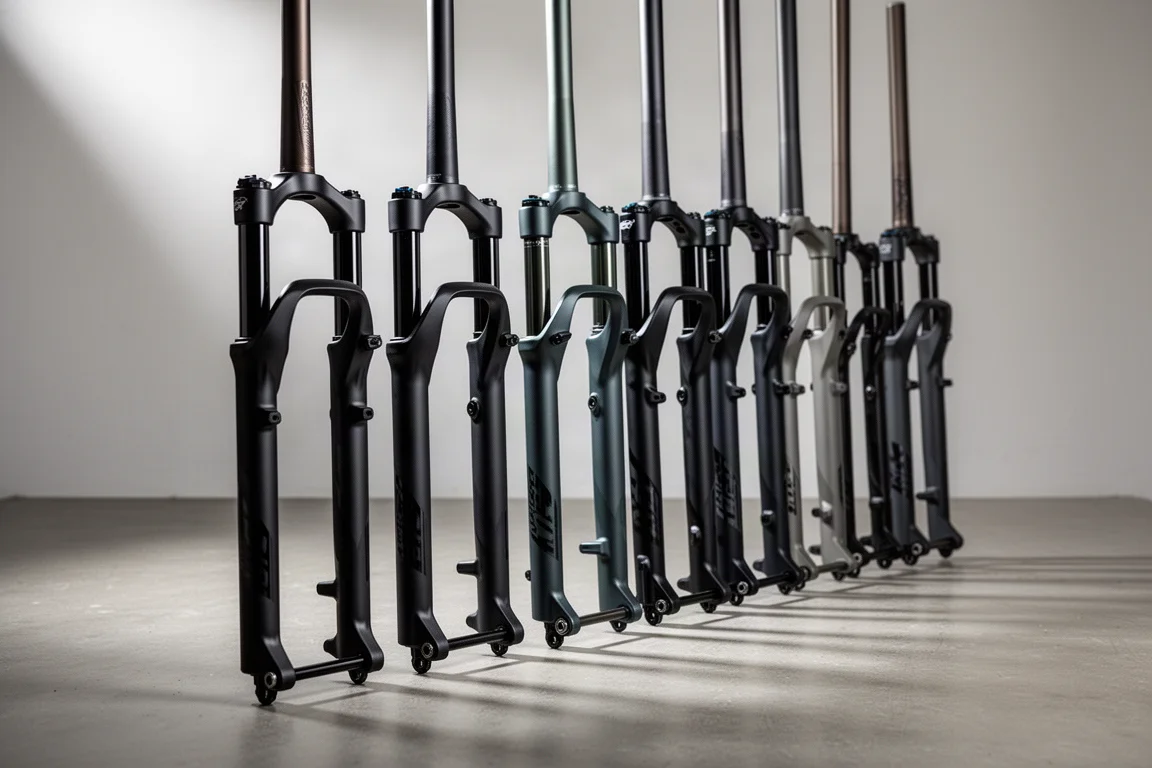
Best Enduro Mountain Bike Forks 2026: Eight Long-Travel Forks Compared
Eight 29-inch enduro forks from major brands, compared on chassis stiffness, spring feel, and damping control, with clear guidance on which suits which rider.
Mountain Bike Suspension
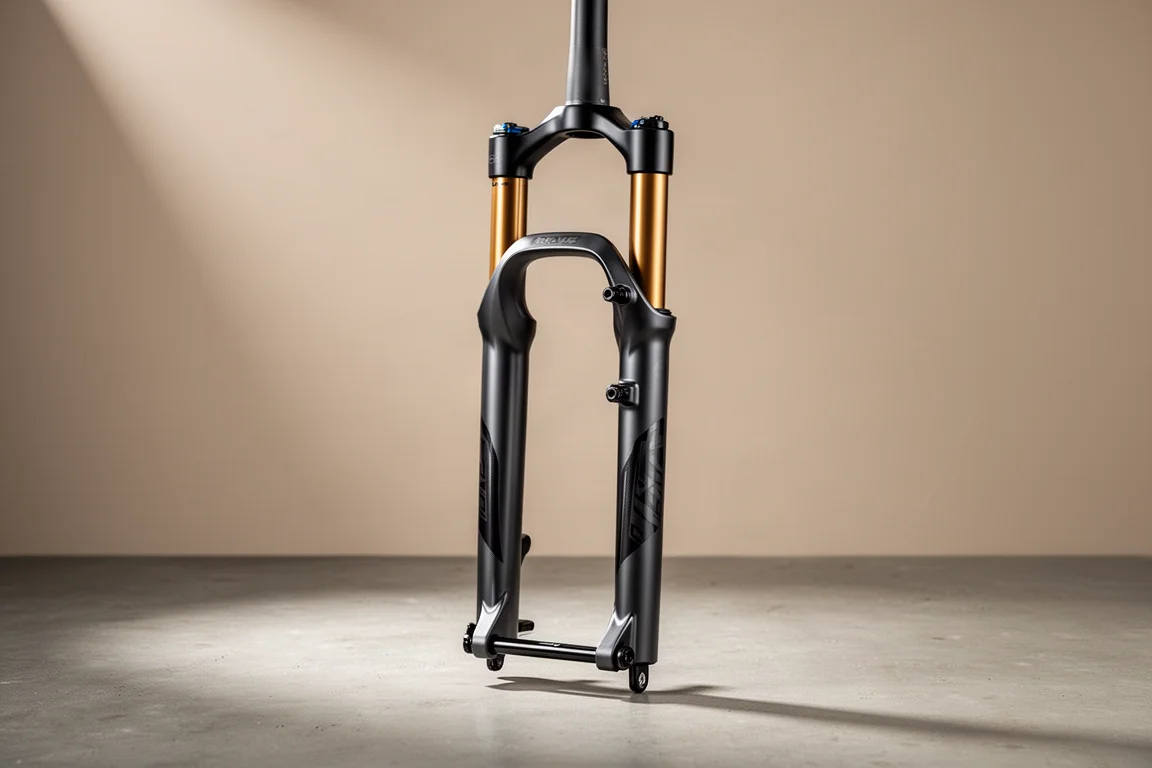
Fox 2025 Forks and Dampers: 32 StepCast, Grip SL, Grip X and Grip X2 Explained
Fox has replaced its FIT 4 and Grip 2 fork dampers with Grip SL, Grip X and Grip X2, and introduced a rear-arch cross-country fork. Here is what changed and which setup suits your riding.
Mountain Bike Suspension
Öhlins XC Suspension Reviewed: RXC 34 M1 Fork, TXC1 and TXC2 Air Shocks
A practical look at Öhlins' cross-country suspension line: the RXC 34 M1 fork and the TXC1 and TXC2 air shocks, covering specs, setup options and early ride impressions.