Mountain Bike Suspension
RockShox Flight Attendant Review: Wireless Cross-Country Suspension That Thinks for You
RockShox Flight Attendant brings wireless, algorithm-driven suspension mode changes to cross-country bikes. Here is how it works, what it costs, and who should consider it.
Introduction
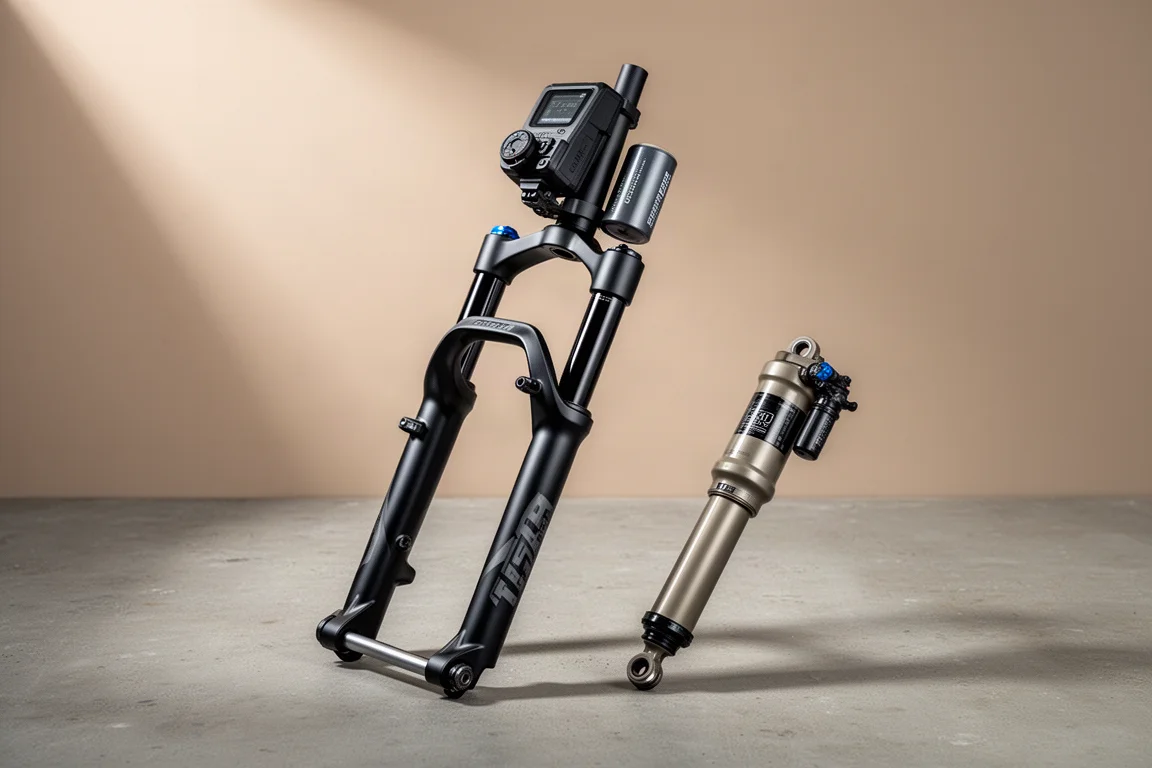
RockShox Flight Attendant is an electronic, wireless suspension system that decides when your fork and shock should be locked out, set to pedal mode, or left fully open. The cross-country version brings that idea to short-travel race bikes, using algorithms that adapt to the way you ride instead of asking you to flick a remote lever at the exact moment the trail changes.
It sits inside the SRAM AXS ecosystem, so the suspension, drivetrain and controllers can communicate as one system rather than operating as separate parts. The promise is straightforward: stop spending attention on your suspension and spend it on going faster. Anyone who has dropped into a descent on a fork they forgot to unlock will recognise the problem being solved.
Who Flight Attendant Is For
This system is aimed at cross-country racers and fast trail riders whose terrain changes constantly, with punchy climbs, rooty descents, smooth fire roads and technical singletrack all arriving in the same hour. It is less about convenience for a relaxed rider and more about removing a small but constant mental task from the ride.
There are hardware requirements worth knowing before you get excited. You do not technically need an AXS seatpost, derailleur or pod controller to make Flight Attendant work, but you do need a SRAM crankset with a power meter, or a pedal sensor. To unlock everything the system is capable of, including Active Ride Dynamics and Overdrive mode, you also need the derailleur and the left-hand pod controller.

If most of your riding happens on steady fire-road grinding or long, smooth climbs where one suspension setting works all day, the value is harder to justify. The system earns its keep on terrain that forces frequent mode changes, which is precisely where a manual remote becomes a chore.
Main Strengths: What the System Does Well
Flight Attendant keeps the same three damping modes as the mechanical SID family: lock, pedal and open. Set it to Auto and the system moves between them based on terrain. Because it is electronic rather than cable actuated, it can place the fork and shock in different positions at the same time to suit what the rider needs, which a dual cable remote lockout simply cannot do.
The clearest evidence of how often that matters comes from racing. In a record-breaking 34th World Cup victory, Flight Attendant changed suspension settings 1,325 times in just under 90 minutes of racing. That works out at roughly 15 changes a minute, or one every four seconds, a rate no rider could match by hand.
RockShox also says its internal testing found riders on Flight Attendant-equipped bikes were on average 1.8 percent faster than their own average speeds and times on a manual system. That sounds small until you put it against a World Cup distance and 90 minutes of racing, where it works out to about 96 seconds, the difference between winning and finishing nowhere.
How Flight Attendant Works
The hardware is compact but the logic behind it is where the system gets interesting. A SRAM crankset with a power meter, or a pedal sensor, feeds effort data into the system, while accelerometers and other sensors housed in the fork-mounted control module read what the trail is doing. Those inputs drive the automatic switching between lock, pedal and open.
Fine-tuning lives in a bias adjust control. You start at zero and there are two adjustments either side of it: plus one and plus two favour the pedal and lock modes, while minus one and minus two favour the open and pedal modes. That gives you a way to shift the system’s overall character without switching it off.

The cleverest layer is Active Ride Dynamics. An algorithm continuously collects fresh data and updates the system as you ride, calculating personalised effort zones: Sprint, High, Medium and Low. Those zones, combined with trail inputs and your own settings, influence mode selection in real time. Push into your calculated Sprint zone and the system biases towards lock. Drop to high effort and it optimises mode selection for efficiency. Medium effort balances comfort and efficiency, while the low effort zone used when recovering, descending or riding relaxed prioritises comfort and compliance.
Two lock disable modes are new for this version, and both are accessed through the AXS app. They allow the fork and shock, or just the fork, to switch only between open and pedal when the system is set to Auto, removing the lock function entirely. If you would rather take back control, you can step through the modes manually using the control module on the fork or a single button press on an AXS pod controller. Overdrive mode then flips the system from Auto to your pre-chosen override position, which can be open, pedal or lock, and back again.
Ride Feel and Mode Changes
Setup takes a few steps before the first ride, which is normal for this class of technology. Once running, the damping modes in the SID and SIDL components each have a distinct feel, and shifts between them are fast. The system does not get choked up on itself or confused when the terrain is undulating or technical, and the speed at which it opens the damping circuit stands out: hit a pothole on the road and it deals with it more smoothly than you would expect. You can also hear it working, buzzing as it adjusts in real time.
Not every decision is perfect. There are moments when a different mode would be preferable, generally a more pedal-friendly one. A rough descent that runs straight into a smoother climb is the clearest example, where you may turn a few pedal strokes in open or pedal before the system drops into lock. That is the nature of a reactive rather than proactive system, and it will occasionally get it wrong more often than a purely rider-input setup. You can preempt a smooth climb as you approach it, and the vast majority of the time the system performs very well with zero rider input.
Tuning is good. Adjusting the bias mode from the fork is quick, simple and effective at changing the demeanour of the system, and in a race it is the kind of change worth making after a sighting lap. There is further adjustability in the app to help ensure the bike works the way you want.
Things to Consider Before Buying
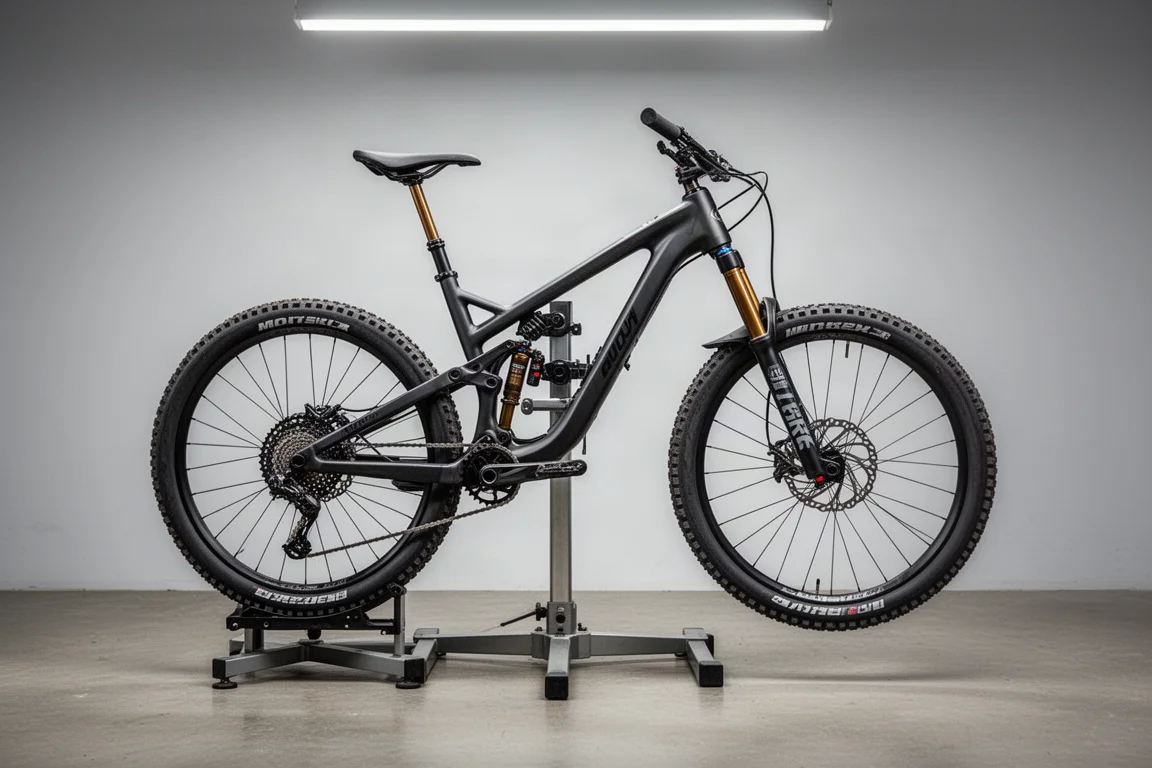
Cost is the first consideration, and it is a serious one for cutting-edge technology. The most straightforward route into the system is buying a complete bike that ships with it. A list of bikes available with Flight Attendant was not confirmed at the time of writing, while the list of bikes SRAM will offer aftermarket kits for is more clearly defined. One example of a bike built around the system was a new Specialized S-Works Epic 8.
Existing owners should note that a firmware update bringing the new modes to current Flight Attendant systems is believed to be coming, but this has not been confirmed. If your bike already has a 2024 model year SID or SID SL without Flight Attendant, it is possible to buy the control module and a race damper separately, though availability and pricing have not been confirmed either.
Electronics on a mountain bike remain a personal choice. This system adds an app, firmware and wireless components to a part of the bike that has traditionally been mechanical and self-contained. Whether that trade is acceptable depends entirely on how much you value the automatic behaviour described above.

It is also worth being honest about what the system is not. It reacts to what has already happened rather than predicting what is about to happen, so riders who prefer to read the trail themselves and manage suspension manually will not get much from it. For everyone else, the question is simply whether the attention it frees up is worth the money.
Buying Advice and Pricing
Aftermarket pricing is the clearest guide to the cost of entry. A Flight Attendant-equipped SIDL shock is listed at around $849, while the SID SL Ultimate and SID Ultimate Flight Attendant forks are listed at around $1,339 and $1,449 respectively. Check compatibility with your frame and crankset before ordering, and remember that the full feature set also depends on having the derailleur and pod controller.
If you already run a Flight Attendant system, waiting for confirmation on the firmware update makes sense before spending anything further. If you are starting from scratch and want the complete experience, budget for the pod controller and derailleur alongside the suspension, since Active Ride Dynamics and Overdrive mode depend on them. Riders who mainly want the automatic mode changes and nothing more can run a simpler setup with a compatible crank-based power meter.
Conclusion
RockShox Flight Attendant is an impressive piece of engineering, and the cross-country version makes a stronger case for itself than the idea of electronic suspension might first suggest. Automatic mode changes at a rate no rider could match by hand, a system that can position the fork and shock independently, and effort-based tuning that adapts as you ride all add up to something genuinely useful on terrain that never settles down.
It is not flawless. The system reacts rather than anticipates, it asks for a compatible crank and additional controllers to reach full functionality, and the aftermarket pricing puts it firmly in premium territory. For cross-country racers and fast riders who want their suspension decisions handled for them, that trade can make sense. For everyone else, the technology is worth watching as it matures.
Product link
View more details for RockShox Flight Attendant
This product is mentioned in the review. Check the specifications, options, and compatibility before buying.
View more details for RockShox Flight AttendantFurther reading
Related Reviews
Mountain Bike Suspension
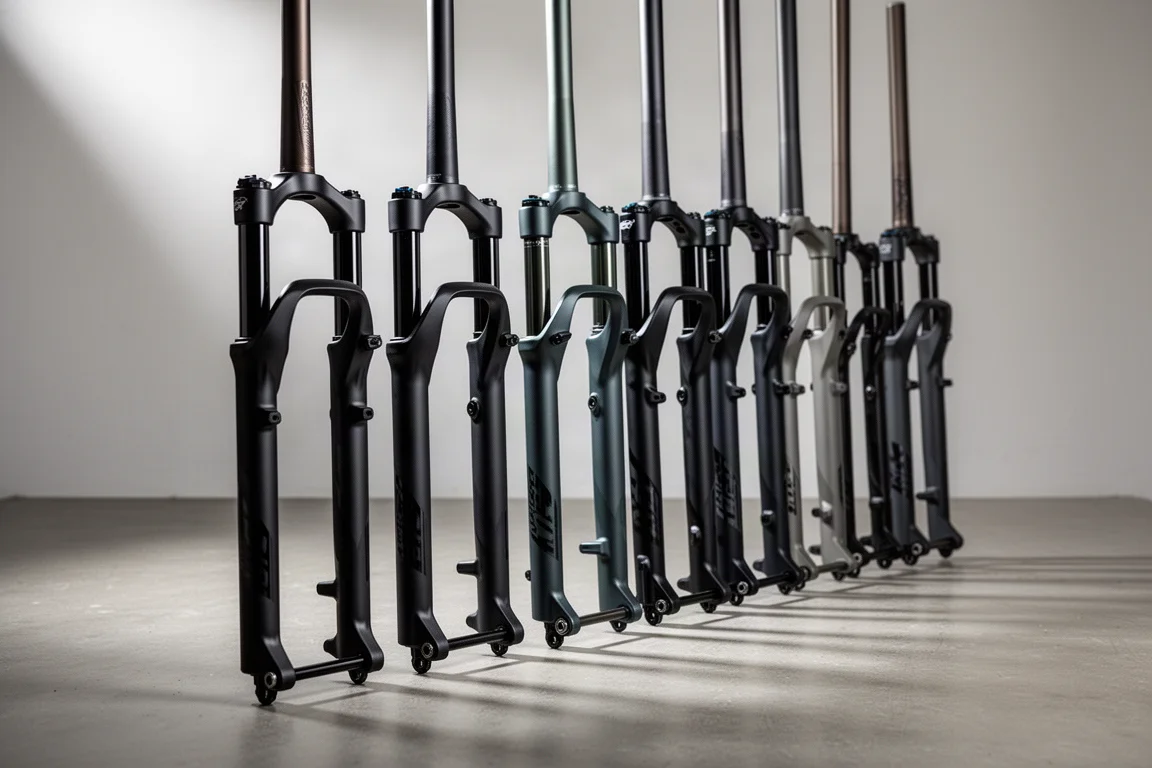
Best Enduro Mountain Bike Forks 2026: Eight Long-Travel Forks Compared
Eight 29-inch enduro forks from major brands, compared on chassis stiffness, spring feel, and damping control, with clear guidance on which suits which rider.
Mountain Bike Suspension
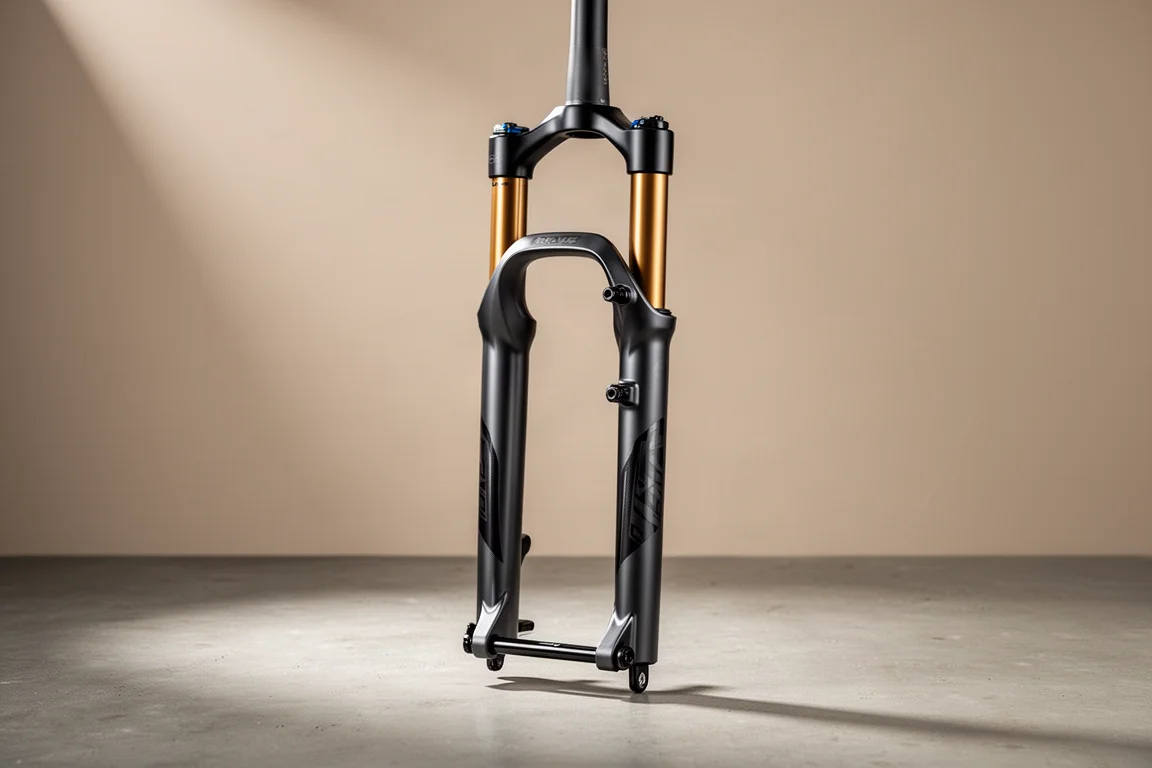
Fox 2025 Forks and Dampers: 32 StepCast, Grip SL, Grip X and Grip X2 Explained
Fox has replaced its FIT 4 and Grip 2 fork dampers with Grip SL, Grip X and Grip X2, and introduced a rear-arch cross-country fork. Here is what changed and which setup suits your riding.
Mountain Bike Suspension
Öhlins XC Suspension Reviewed: RXC 34 M1 Fork, TXC1 and TXC2 Air Shocks
A practical look at Öhlins' cross-country suspension line: the RXC 34 M1 fork and the TXC1 and TXC2 air shocks, covering specs, setup options and early ride impressions.