Mountain Bike Suspension
RockShox Flight Attendant Cross Country Review: Wireless Suspension That Thinks for You
An electronic, wireless cross country suspension system that reads your effort and the trail, changing damping modes automatically. Here is what it does well and what to weigh up.
Introduction
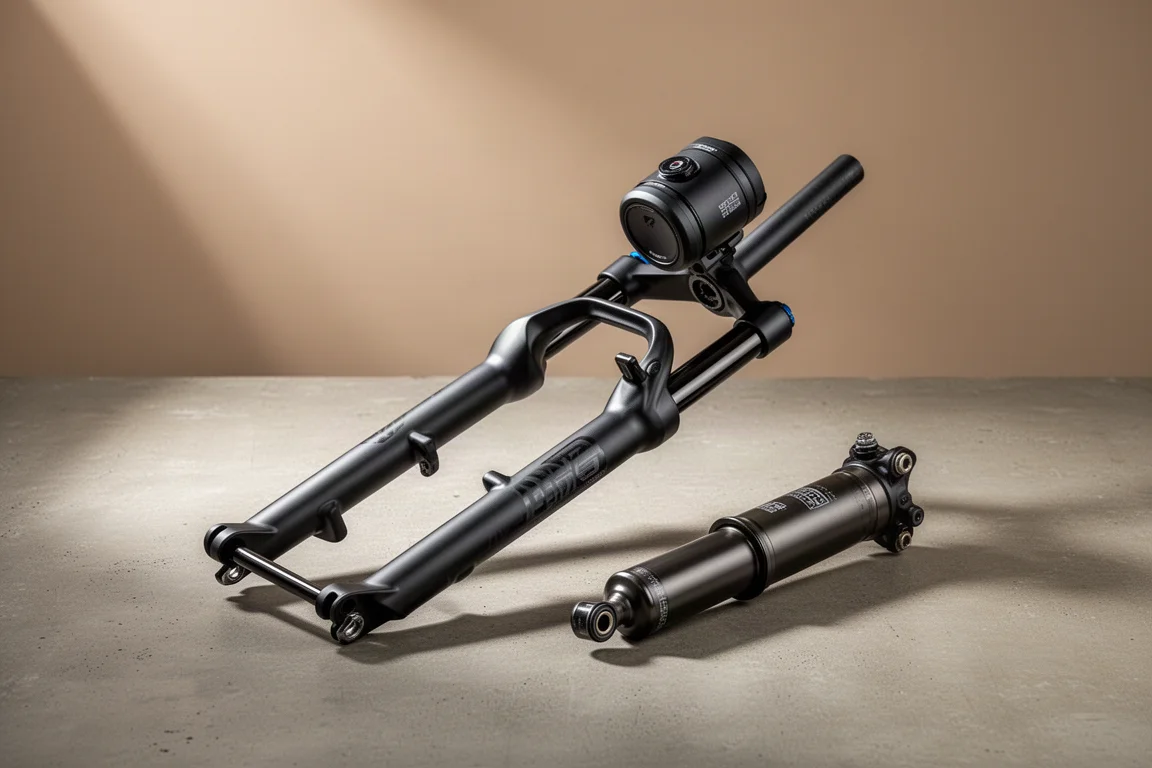
RockShox Flight Attendant Cross Country is an electronic, wireless suspension system that uses algorithms to decide how your fork and shock should be set while you ride. It is the cross country focused member of a platform already used on RockShox trail forks and shocks.
The idea behind it is straightforward. Instead of reaching for a lockout lever or remembering which mode you left your suspension in, the system makes those calls for you, so more attention goes to the trail ahead.
How Flight Attendant Cross Country Works
The system is part of the SRAM AXS ecosystem, and all of its components talk to each other. Drivetrain and suspension work together as one unit.
You do not technically need an AXS seatpost, derailleur, or pod controller for Flight Attendant to function, but you do need a SRAM crankset with a power meter or a pedal sensor. Using that crank data alongside accelerometers and other data sources housed in the fork mounted control module, the system automatically switches between suspension modes. To unlock everything the system is capable of, including Active Ride Dynamics and Overdrive mode, you will need the derailleur plus the left and right pod controller.

As with the non Flight Attendant SID fork and SID SL shock, there are three damping modes: lock, pedal, and open. Set the system to Auto and it changes between them according to the terrain. It can also place the fork and shock in different positions to suit the requirements of the rider, something a dual cable actuated remote lockout system cannot do.
Who This System Is For
This is cross country racing technology first. Riders chasing World Cup style pace, or anyone who wants to stop thinking about lockout levers on the way into a descent, are the clearest audience.
It also makes most sense for riders already inside the SRAM AXS ecosystem, since the full feature set depends on an AXS derailleur and pod controller. If you prefer a purely mechanical bike, or you would rather not deal with charging and pairing components, this is not the system for you.
Main Strengths: Fast, Accurate Mode Changes
Accuracy in picking the correct mode is very good. Each damping mode in the SID and SID SL has a distinct feel, shifts between modes are fast, and the system does not get choked up on itself or confused when riding undulating or technical terrain.
The speed at which it opens the damping circuit is impressive too. Hit a pothole on the road and it deals with it more smoothly than you might imagine.
Racing context strengthens the case. The system was used to win a record breaking 34th World Cup victory, and during that race it changed suspension settings 1,325 times in just under 90 minutes. That works out at roughly 15 changes every minute, or one every four seconds, a rate no rider could match by hand.
RockShox internal testing found riders on Flight Attendant equipped bikes were on average 1.8 percent faster compared with their average speeds and times on a manual system. Over a World Cup distance and 90 minutes of racing, that is around 96 seconds.
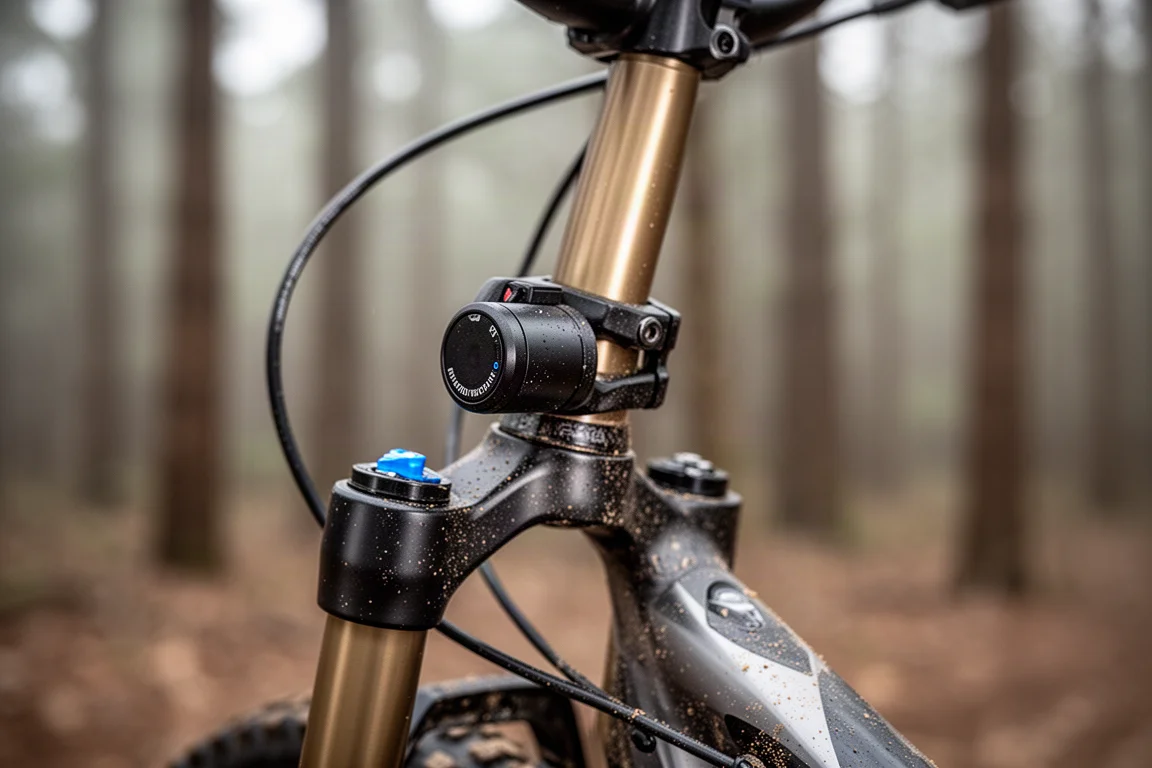
The audible buzz as the system adjusts in real time is a reminder of how much work is happening beneath you, and it is happening without any input from your thumbs.
Active Ride Dynamics and Effort Zones
Active Ride Dynamics is the learning element. An algorithm continuously collects fresh data and updates the system as you ride, calculating personalized effort zones: Sprint, High, Medium, and Low.
Those zones, combined with inputs from the trail and your own settings, influence mode selection in real time. In the Sprint zone, when you are putting in maximum effort, the system biases toward lock mode. Drop slightly to High effort and it tries to optimize mode selection for efficiency. Medium aims to balance comfort and efficiency. In the Low effort zone, whether you are recovering, descending, or riding more relaxed, it prioritizes comfort and compliance.
Tuning and Overdrive Modes
There is a bias adjust for fine tuning the Auto mode. You start at zero and have two adjustments either side of it. Plus one and plus two favor the pedal and lock modes, while minus one and minus two favor the open and pedal modes.
Two lock disable modes are available through the AXS app. These mean that both the fork and shock, or just the fork, will only switch between open and pedal when set to Auto, which eliminates the lock function.
If you want control back, you can manually swap between modes using the control module on the fork or a single button press on an AXS pod controller. Overdrive mode switches from Auto to your pre-chosen override position, which can be any one of open, pedal, or lock, and back again.
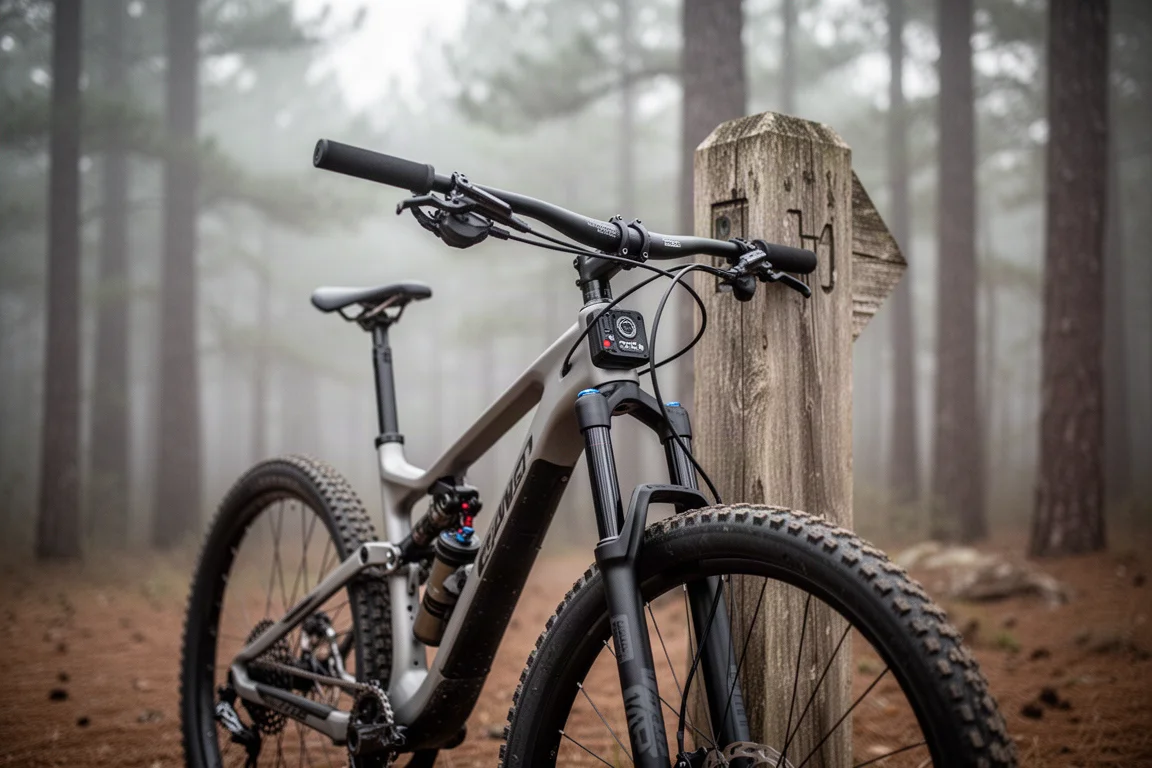
Adjusting the bias mode through the fork is quick, simple, and effective at changing the demeanor of the system. In a race, this is the kind of adjustment worth making after a sighting lap.
Things to Consider Before Buying
The system is reactive rather than proactive, and that shapes how it behaves. There are times when a different mode would be preferable, generally one that is more pedal friendly and quicker, notably when you come out of a rough descent and head straight into a smoother climb. You may end up doing a few pedal strokes in open or pedal before it drops into lock. You can preempt a smooth climb as you transition toward it.
Setup involves a few steps to complete before the system is ready, as with most modern tech.
If your bike already has a 2024 model year SID or SID SL without Flight Attendant, you can buy the control module and race damper separately, though availability and pricing for that route have not been confirmed. Existing Flight Attendant owners may see the new modes arrive through a firmware update, but that has not been confirmed either.
Buying Advice: Pricing and Compatibility
The easiest way in is to buy a bike with the system already fitted, such as a Specialized S-Works Epic 8. A full list of bikes available with Flight Attendant has not been published, but there is a list of bikes SRAM will offer aftermarket kits for.
For those bikes, the Flight Attendant equipped SID SL shock is priced at $849, while the SID SL Ultimate or SID Ultimate Flight Attendant fork is $1,339, rising to $1,449 for some options. That is a serious outlay, and this kind of cutting edge technology has rarely been cheap.
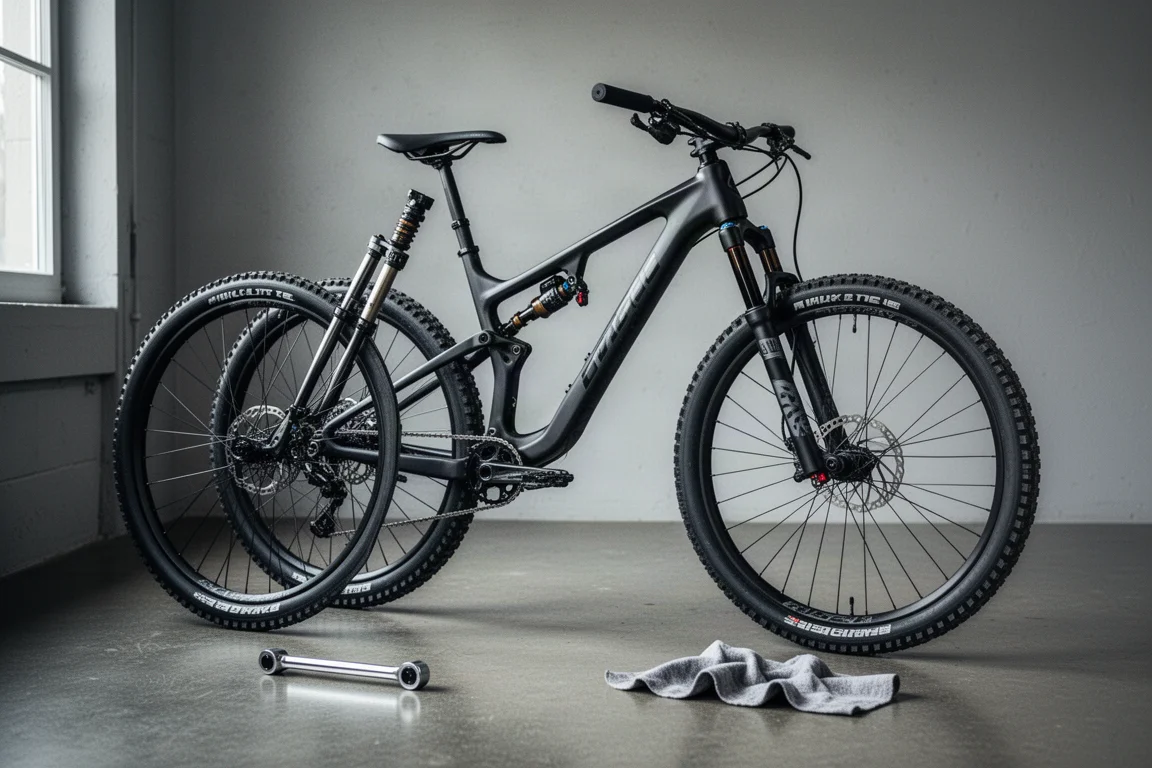
When you weigh it up, the decision usually comes down to how much mental bandwidth you spend on suspension during a ride. Riders who race, or who ride fast technical terrain regularly, will notice the benefit most clearly.
Conclusion
Flight Attendant Cross Country is genuinely impressive technology. Mode changes are fast and accurate, the tuning options are broad, and the learning algorithm makes the system feel personal rather than preset.
It is not perfect. The reactive approach occasionally lags behind the terrain you are about to ride, and the price puts it firmly in premium territory. For riders who want to think less and ride faster, it is a compelling piece of kit.
Product link
View more details for RockShox Flight Attendant Cross Country
This product is mentioned in the review. Check the specifications, options, and compatibility before buying.
View more details for RockShox Flight Attendant Cross CountryFurther reading
Related Reviews
Mountain Bike Suspension
Best Enduro Mountain Bike Forks 2026: Eight Long-Travel Forks Compared
Eight 29-inch enduro forks from major brands, compared on chassis stiffness, spring feel, and damping control, with clear guidance on which suits which rider.
Mountain Bike Suspension
Fox 2025 Forks and Dampers: 32 StepCast, Grip SL, Grip X and Grip X2 Explained
Fox has replaced its FIT 4 and Grip 2 fork dampers with Grip SL, Grip X and Grip X2, and introduced a rear-arch cross-country fork. Here is what changed and which setup suits your riding.
Mountain Bike Suspension
Öhlins XC Suspension Reviewed: RXC 34 M1 Fork, TXC1 and TXC2 Air Shocks
A practical look at Öhlins' cross-country suspension line: the RXC 34 M1 fork and the TXC1 and TXC2 air shocks, covering specs, setup options and early ride impressions.