Road Cycling
Road Bike Upgrades vs a Superbike: Do Tires and Wheels Close the Gap?
A real-world comparison of an affordable all-road bike with two sensible upgrades against a £10,000 superbike, with lap times, weights and honest trade-offs.
Introduction
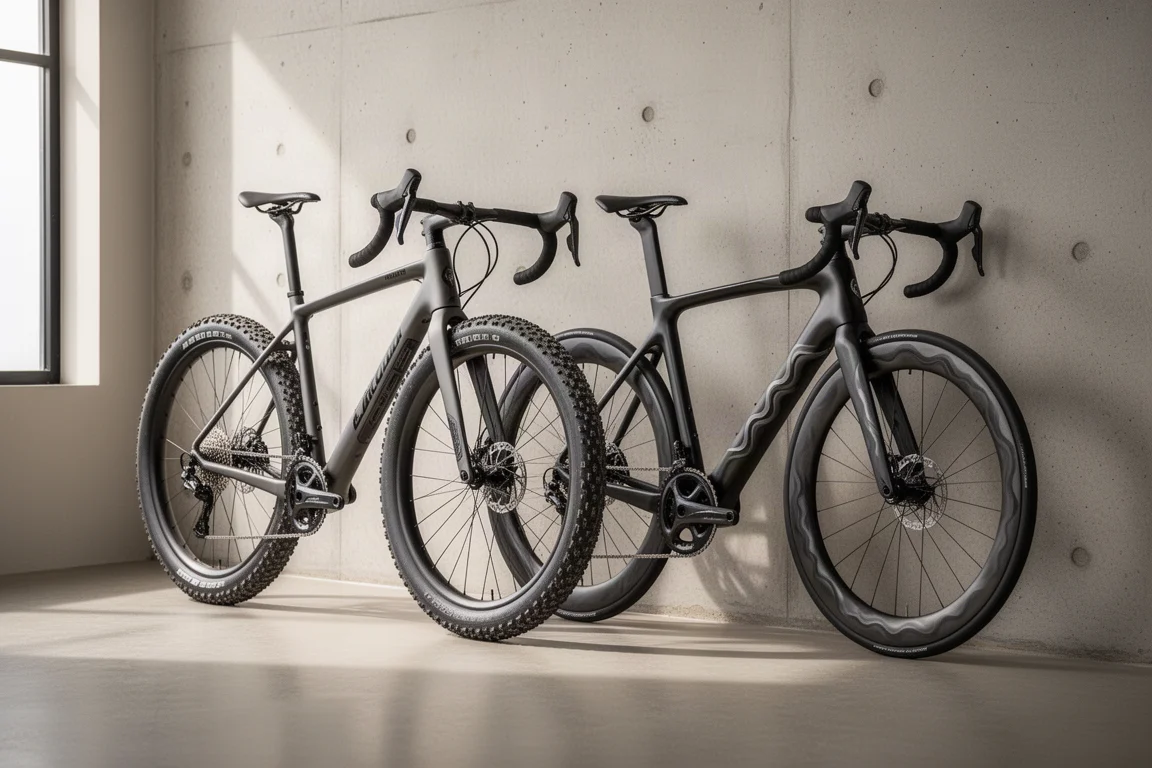
A £10,000 superbike and a mid-priced all-road bike look like different species on paper, but the question worth asking is simpler: how much of the gap lives in the frame, and how much lives in the parts you can change? This comparison took an affordable all-road platform, fitted two upgrades that almost any rider can make, and ran it against a superbike over the same 4 km course on the same morning at the same average power. The aim was to find out how close a sensible, real-world upgrade path gets to a bike costing roughly ten times as much.
Canyon Endurace AllRoad: The Base Bike
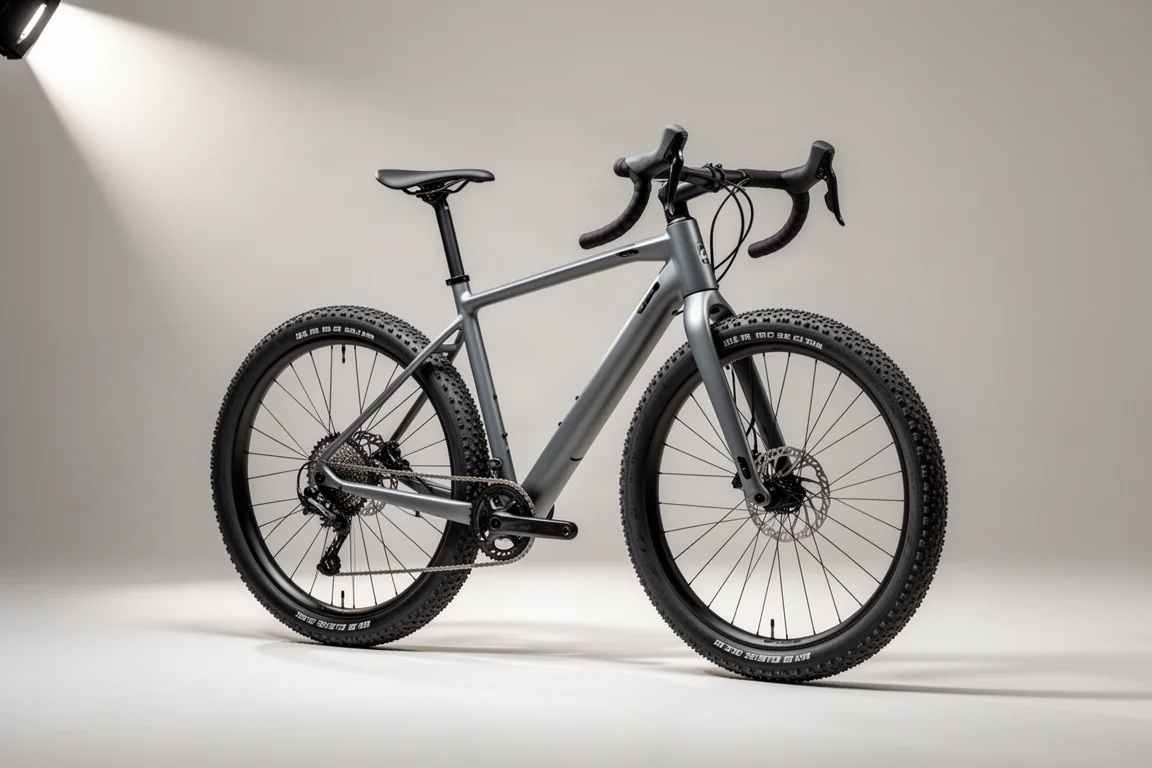
The Endurace AllRoad is a strong value proposition and offers a lot of equipment and performance for the money. As it ships, though, it weighs 10.4 kg, and a good share of that sits in the stock wheels. It also arrives with 35 mm gravel tires, which make sense for mixed surfaces but give away speed on tarmac.
Setup details matter too. The stock 80 mm stem felt cramped, and moving to a 110 mm stem transformed the fit. That change was straightforward thanks to a conventional head tube and steerer with external cable routing. The 42 cm handlebar and the higher front end, however, are comfortable rather than aerodynamic, and they are part of the reason this bike gives away time to a race-focused superbike.
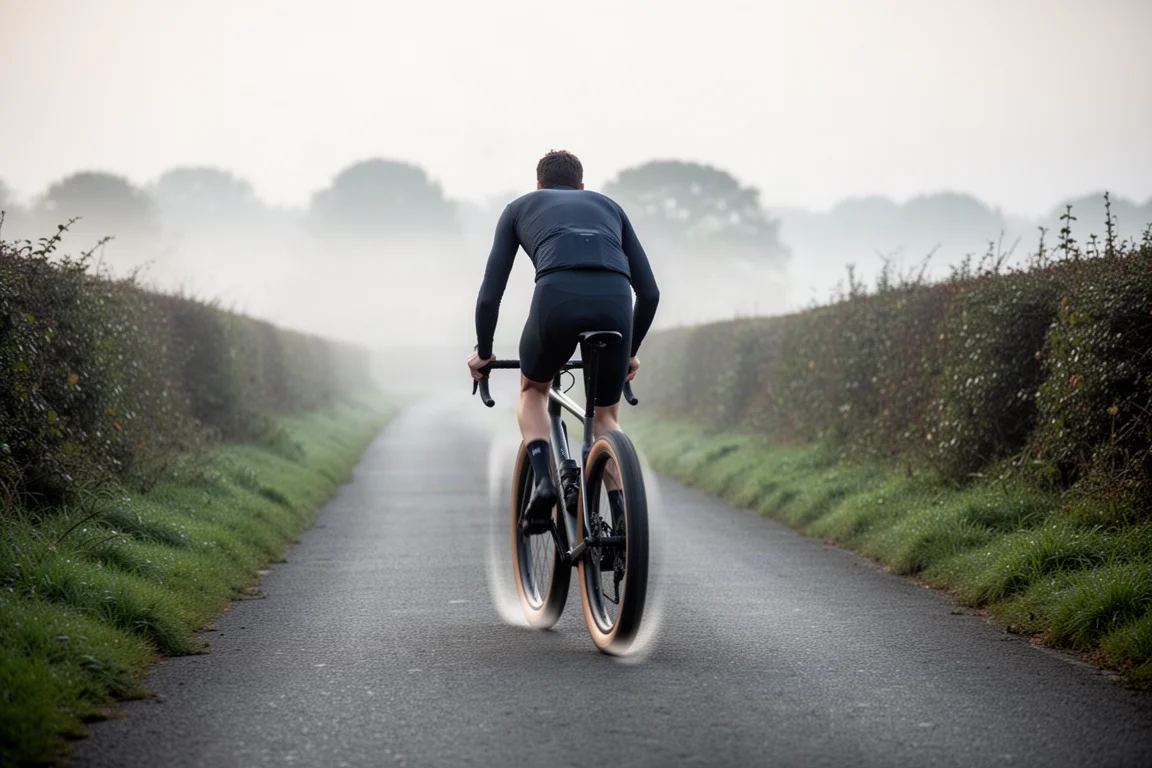
With slick tires on the stock wheels, the bike covered the 4 km test course in 7 minutes 42 seconds at an average of 218 W, which works out to just over 30 km/h. That is the baseline: a capable bike that responds strongly to better parts.
Continental Grand Prix 5000 STR: A Simple Tire Upgrade
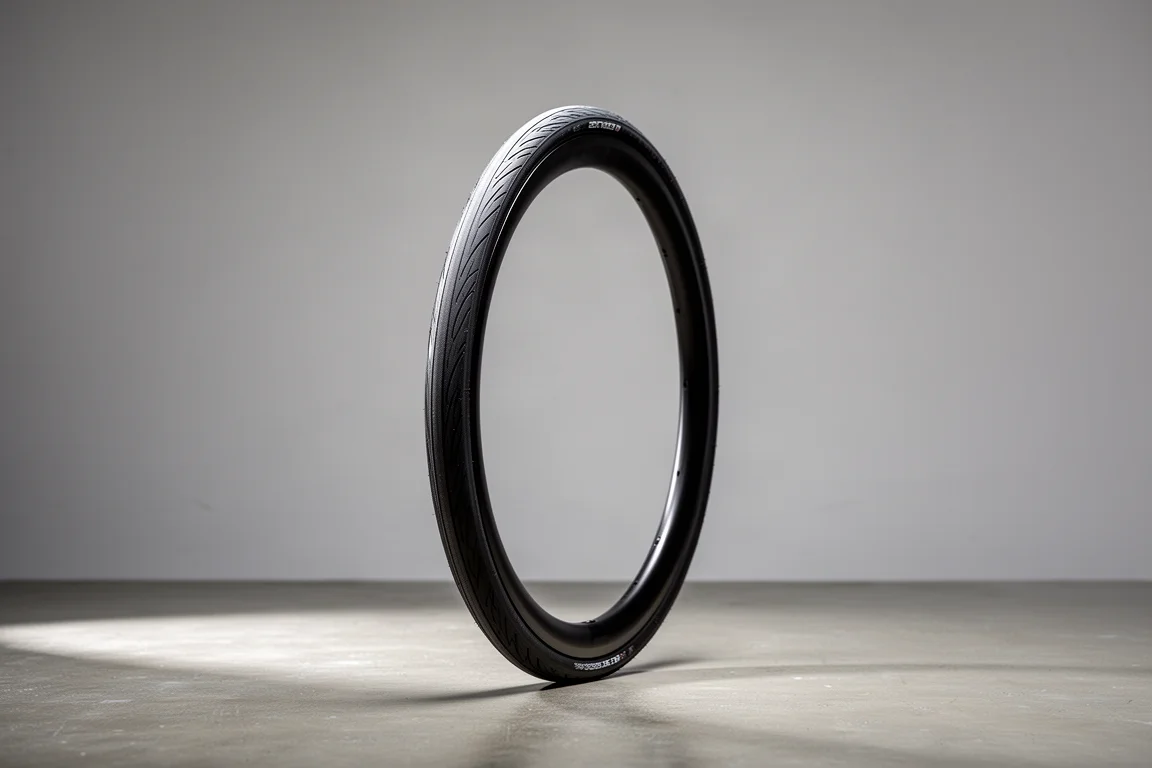
Tires are the easiest and most effective first upgrade on any road bike, and this comparison is the clearest possible demonstration of it. The stock 35 mm gravel tire is a fine choice for road and off-road riding but slow on tarmac. Fitting a slick, high-quality road tire changed the character of the bike immediately: quicker, more efficient, and far more convincing as a road machine.
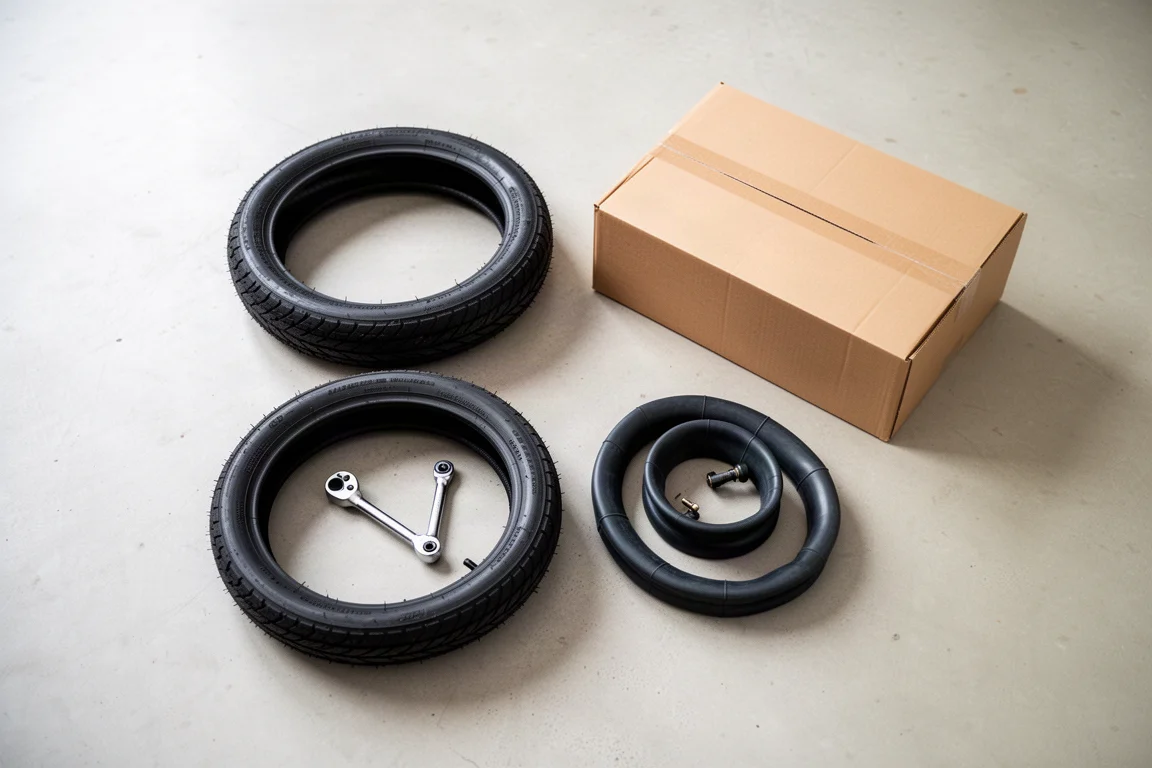
The Grand Prix 5000 STR is a tubeless-ready tire, but in this setup it ran with TPU inner tubes inside and measured 32 mm when fitted. The complete tire and inner tube change saved around 500 g for a cost of about $120, which is a remarkable return for the money.
The trade-off is surface versatility. A 32 mm slick is a road-first choice, so riders who split their time between tarmac and gravel should keep a gravel tire or a second wheelset for off-road days.
Super Team S Carbon Ultra H2: The Wheel Upgrade
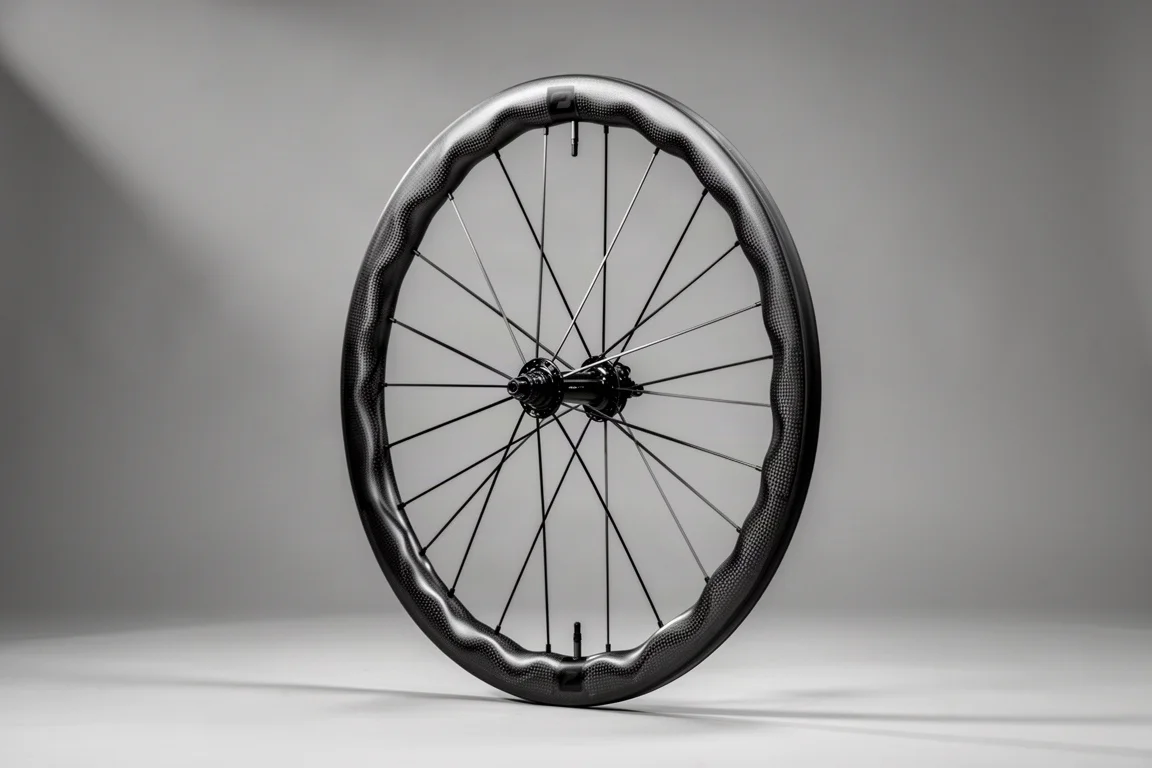
The S Carbon Ultra H2 is a flagship deep-section carbon wheelset, and on the scales it weighed just 1,359 g. That is an impressive figure for a deep rim, particularly at a price under £900. The specification is serious: a deep wavy rim profile with a dimpled shark fin texture on the sidewalls, carbon fiber spokes, in-house aluminium hub shells with ceramic bearings, and a 54-tooth engagement freehub. The rims use a hooked design with a 23 mm internal width and suit tires from 30 to 34 mm. There is a 120 kg rider weight limit and a three-year warranty.
On the bike, the difference was as much about weight as speed. Fitting the wheels dropped the Endurace AllRoad from 10.4 kg to 9.5 kg, and the same 4 km course came down to 7 minutes 28 seconds at 218 W, 14 seconds quicker than on the stock wheels. Beyond the clock, the bike held higher speeds with less effort and no longer felt like it was working at the limit of its potential on the small climb.
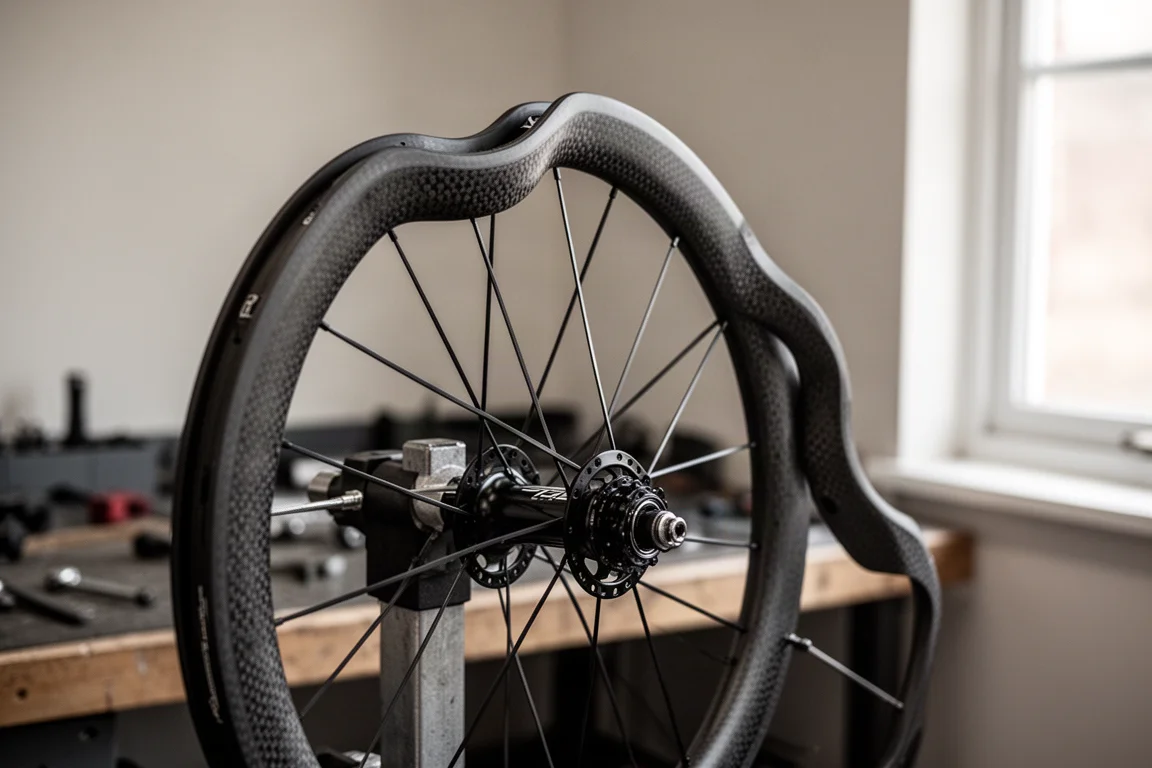
Durability has held up as well. After around four weeks of riding on rougher roads, there were no issues with the hub bearings, spoke tension, or general reliability. The brand is less familiar than the mainstream wheel names, but on paper and out on the road the wheels compare well with them, which is the whole point of the price.
Colnago C68: The Superbike Benchmark
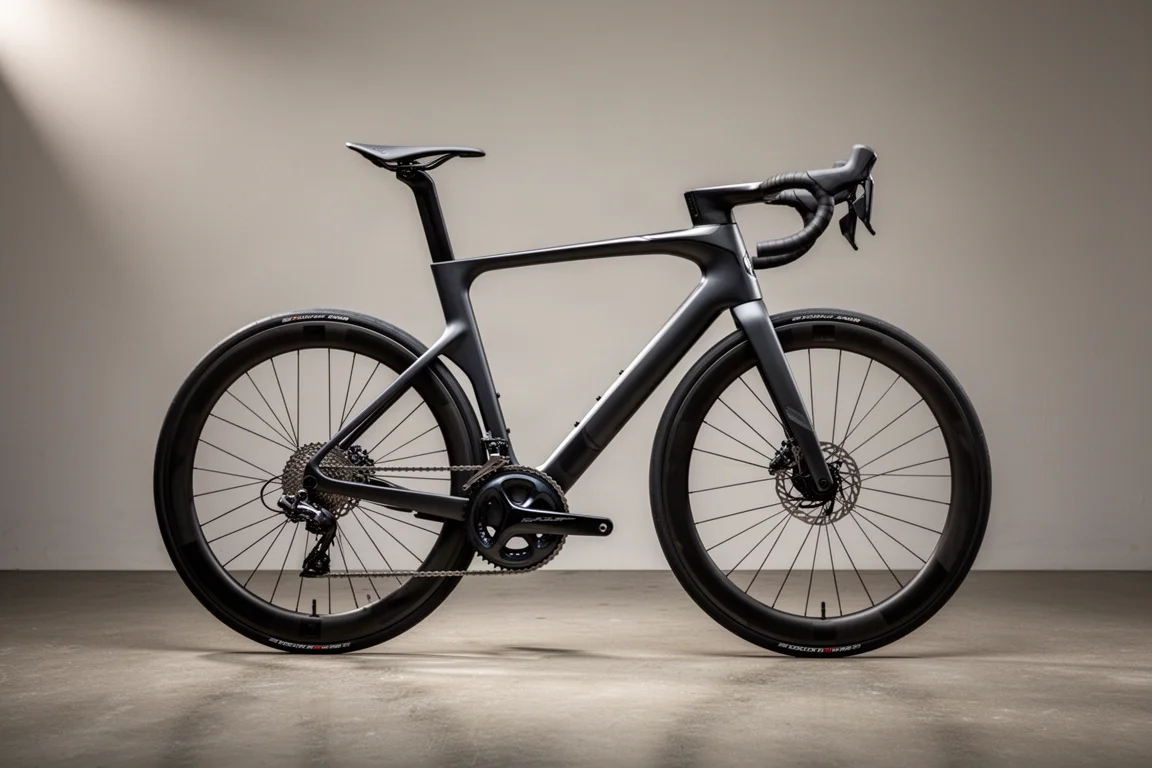
The C68 is the benchmark here, a superbike build costing roughly £10,000 as tested. Over the same 4 km course at the same 218 W average, it recorded 7 minutes 4 seconds, an average speed of 33.2 km/h. It stayed ahead of the upgraded all-road bike even when both ran the same wheels and the same tires.
The reasons are structural rather than component-level. The C68 is lighter, its front end sits lower, and its narrow one-piece handlebar puts the rider in a smaller frontal area. Riding in the same position on the hoods, the rider is narrower and lower on the C68, so less air is being pushed aside. That is an advantage no wheel or tire change can fully erase.
What the Numbers Show
All three runs were completed on the same 4 km course, on the same morning, at an average power of 218 W.
| Setup | Time over the 4 km course |
|---|---|
| Colnago C68 | 7:04 |
| Endurace AllRoad, slick tires, stock wheels | 7:42 |
| Endurace AllRoad, slick tires, S Carbon Ultra H2 wheels | 7:28 |
The pattern is clear. The tire change produced the biggest shift in how the bike felt and rode, the wheels cut a further 14 seconds, and the remaining gap to the superbike is explained by weight and aerodynamics rather than anything bolted to the drivetrain.
This is a real-world test rather than a wind tunnel or laboratory measurement. Every run was completed at the same power on the same morning to keep the variables manageable, so the numbers are a useful guide to relative performance rather than a definitive verdict on any single component.
Buying Advice
The takeaway for anyone shopping in this part of the market is that tires and wheels offer the best return on a road bike, regardless of what the frame costs. A fast slick tire is inexpensive, saves real weight, and changes the ride immediately. A lightweight deep-section carbon wheelset costs more but saves considerably more weight and adds an aerodynamic benefit that grows with speed.
Riders who spend most of their time on tarmac will get the most from both upgrades. Anyone who mixes road and gravel riding should keep a gravel tire or a second wheelset so the bike stays versatile. And for riders whose priority is outright speed with the budget to match, a superbike still offers a lighter frame, a lower front end, and a narrower cockpit that upgrades cannot replicate.
Conclusion
The gap between an affordable all-road bike and a £10,000 superbike is real, but it is narrower than the price difference suggests once tires and wheels are addressed. A tire change costing around $120 and a wheelset priced under £900 closed a meaningful part of the gap over 4 km at identical power. The superbike remains quicker, and it should, but the upgraded bike is dramatically better than its stock build and genuinely fast in its own right.
Further reading
Related Reviews
Road Cycling
Best Looking Tour de France Bikes: Eight Race Machines and Their Paint Schemes
A closer look at eight Tour de France race bikes, from a gold-detailed presentation build to rainbow watercolours, water-transfer finishes and a clean title-sponsor livery.
Road Cycling
Best Road Bike Upgrades 2026: Clipless Pedals Compared and What to Change First
Two clipless pedal systems worth shortlisting for 2026, plus the lighter inner tubes, wheels, tires and saddles that genuinely change how a road bike rides.
Road Cycling
Best Road Bike Upgrades 2026: Five Pro-Level Picks Worth Buying
Five road cycling upgrades tested over months of hard riding, from a carbon-shell helmet and mixed-depth wheels to a tubeless race tire and a tight aero jersey.