Cycling Components
Road Bike Saddles Ranked: Which Shapes Work and Which to Avoid
A practical ranking of road bike saddles by shape, width, and pressure relief, with clear notes on who each design suits.
Introduction
Saddle choice is personal, but the patterns behind comfort are not random. Width across the rear, flare angle, nose length, padding, and the size and position of the pressure relief channel all shape how a saddle behaves once a rider is actually sitting on it. The saddles below are grouped by how they tend to perform in practice, from designs that regularly create fit problems to shapes that come out on top in pressure testing. The groupings are a starting point rather than a verdict, because the same saddle can feel completely different on two riders with different positions.
How These Saddles Were Assessed
Each saddle was judged on the details that change comfort most: the width across the rear, how aggressively the shell flares out towards the wings, whether there is a nose and how long it is, the size and position of the pressure relief channel, the upper material and padding, and the rail material and adjustment range. Price and weight were recorded separately, since neither guarantees a better fit.
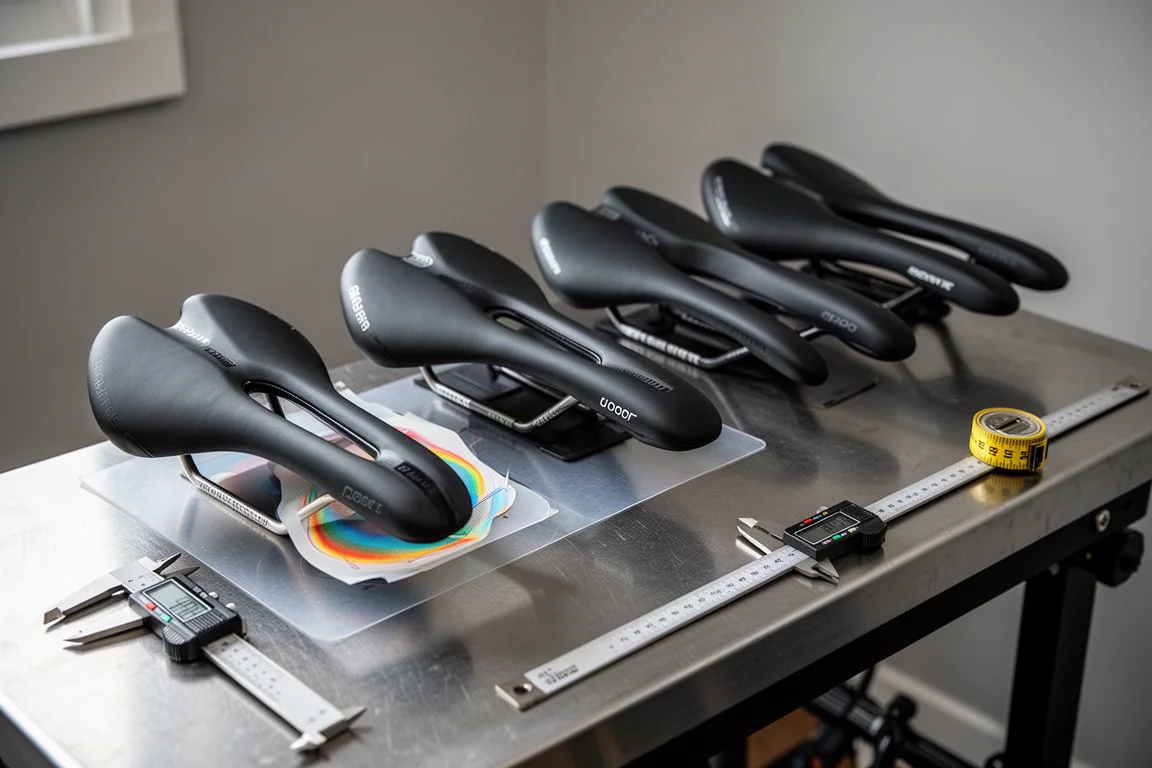
Pressure mapping was used to compare saddles back to back, which makes it easier to see how a shape distributes load across the soft tissue and the sit bones rather than relying on first impressions. That data explains why some widely used saddles score poorly here while narrower, less padded designs can score well.
Saddles That Often Create Fit Problems
Specialized Power
The Power is one of the most widely fitted short-nose saddles, and it is also one of the most divisive. The shell is broad with an aggressive flare angle, which pushes many riders far forward; from there the thighs start clipping the wings. Because there is effectively no nose to sit on, the resulting position often shows up as saddle discomfort alongside neck, shoulder, and hand issues. A 168mm version is exceptionally wide, and even narrower sizes show the same wing interaction.
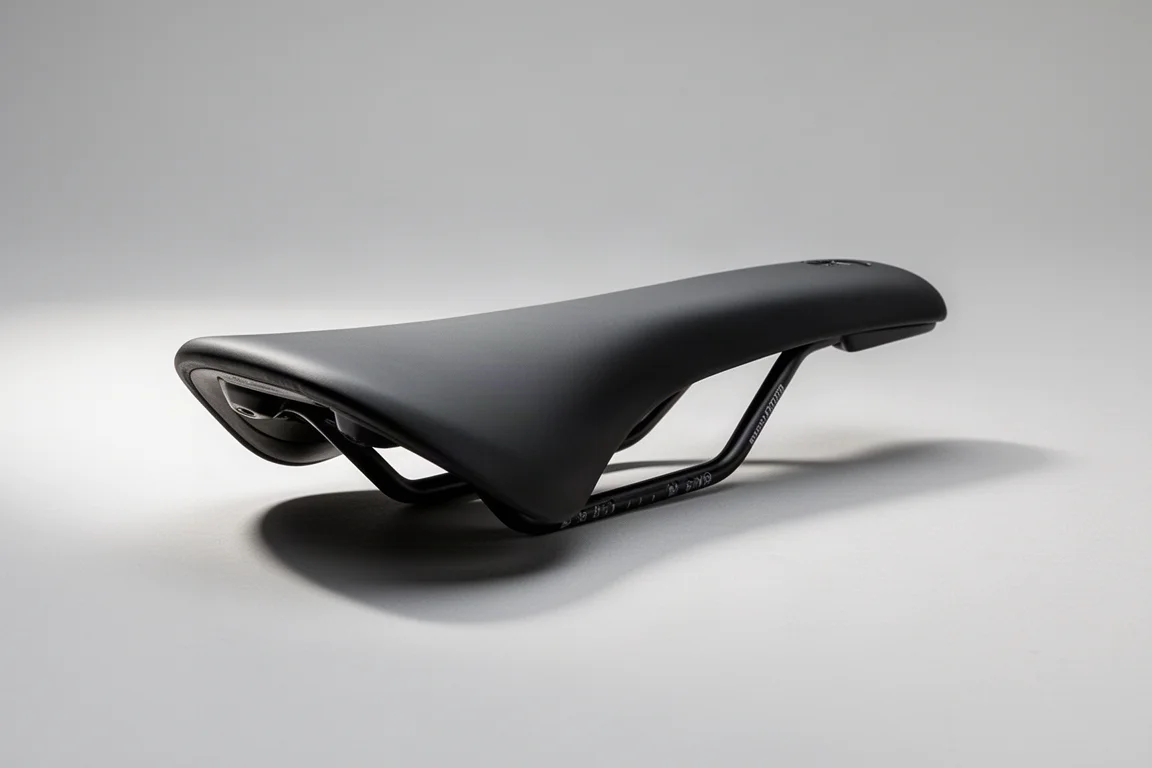
Specialized Power Mirror
The Mirror version softens some of that behaviour. The nose is slightly wider when the rider sits forward, and the 3D-printed upper is softer, more supportive, and effective at relieving pressure. The flare angle is unchanged, so the same thigh-to-wing contact remains the dominant complaint. It is an improvement rather than a fix, which makes it a cautious choice rather than a clear recommendation.
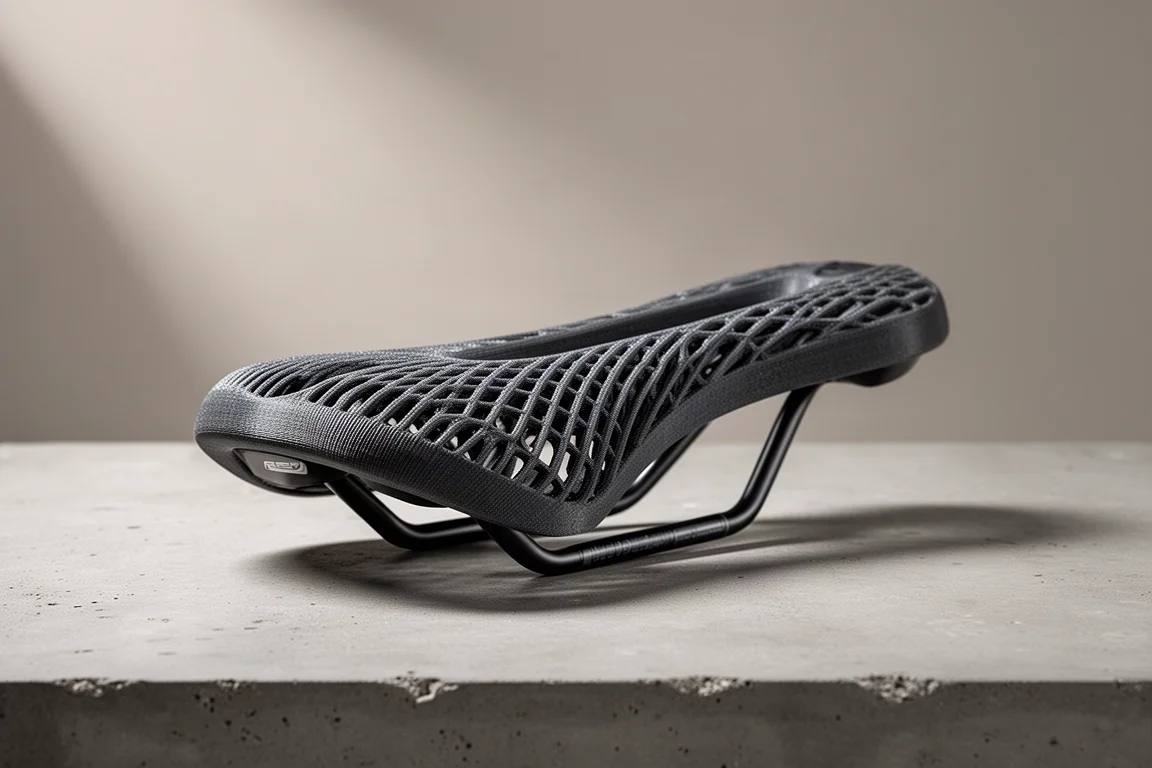
Selle Italia Diva Lady
Marketed as a women’s saddle, the Diva Lady is very soft, which costs pelvic stability and support. It has a reasonable pressure relief channel, but the pronounced nose produces frontal pressure on soft tissue. Saddle fit is individual rather than gender-determined, so the label alone is not a reliable guide.
Fabric Scoop
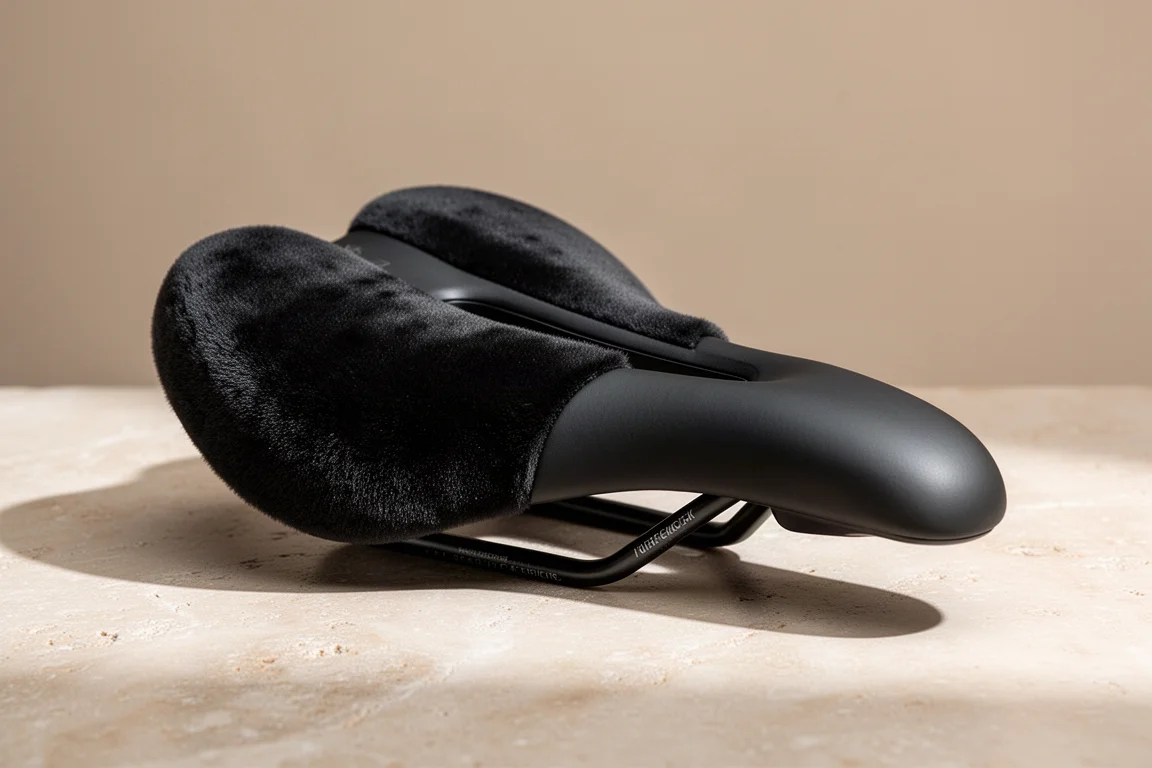
The Scoop has been a common original equipment saddle on Cannondale and Charge bikes, and it is offered in flat, radius, and shallow versions. It has no pressure relief channel, which tends to encourage an asymmetric position as riders shift to one side to reduce soft tissue pressure. The shape itself is reasonable and the build quality is decent for around £50, but the missing channel is a genuine limitation.
Specialized Power Mimic
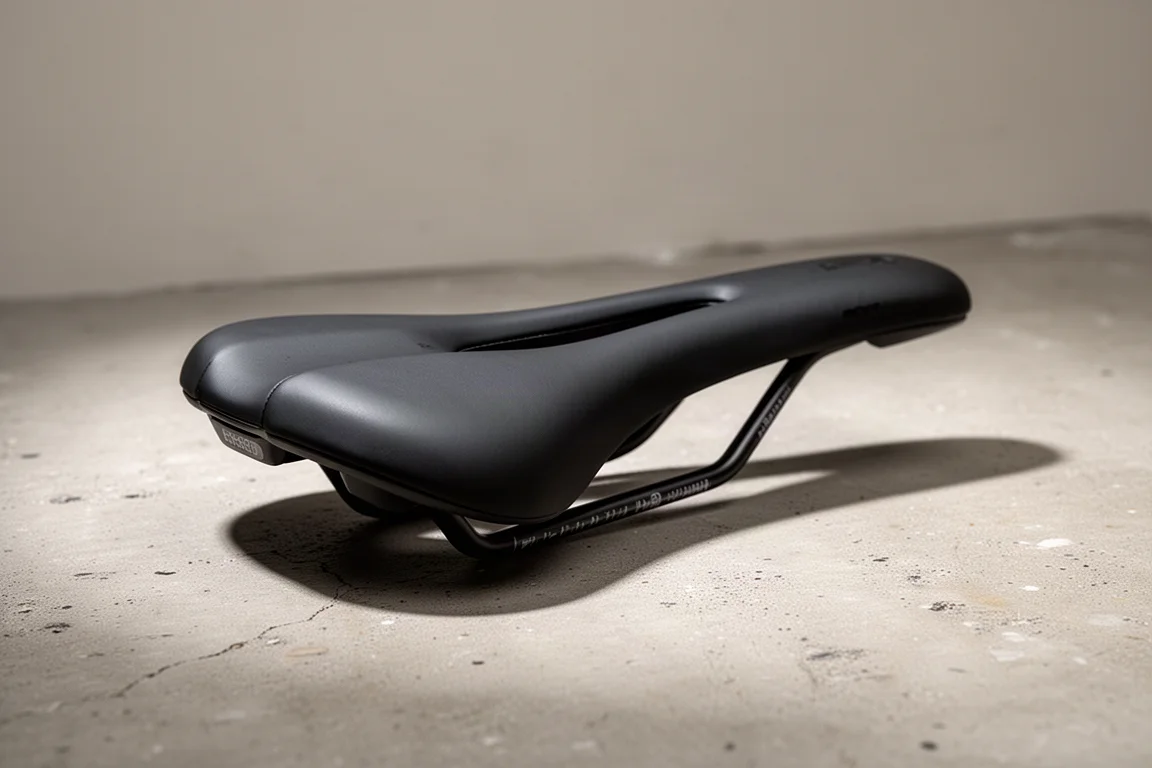
The Mimic carries over the wide, flared shape of the standard Power and adds a soft insert over the pressure relief channel. That insert does not appear to change much in practice, and the upper material is not especially effective at reducing pressure. Riders still end up forward on the shell, with the same thigh contact as the standard version.
Pro Stealth
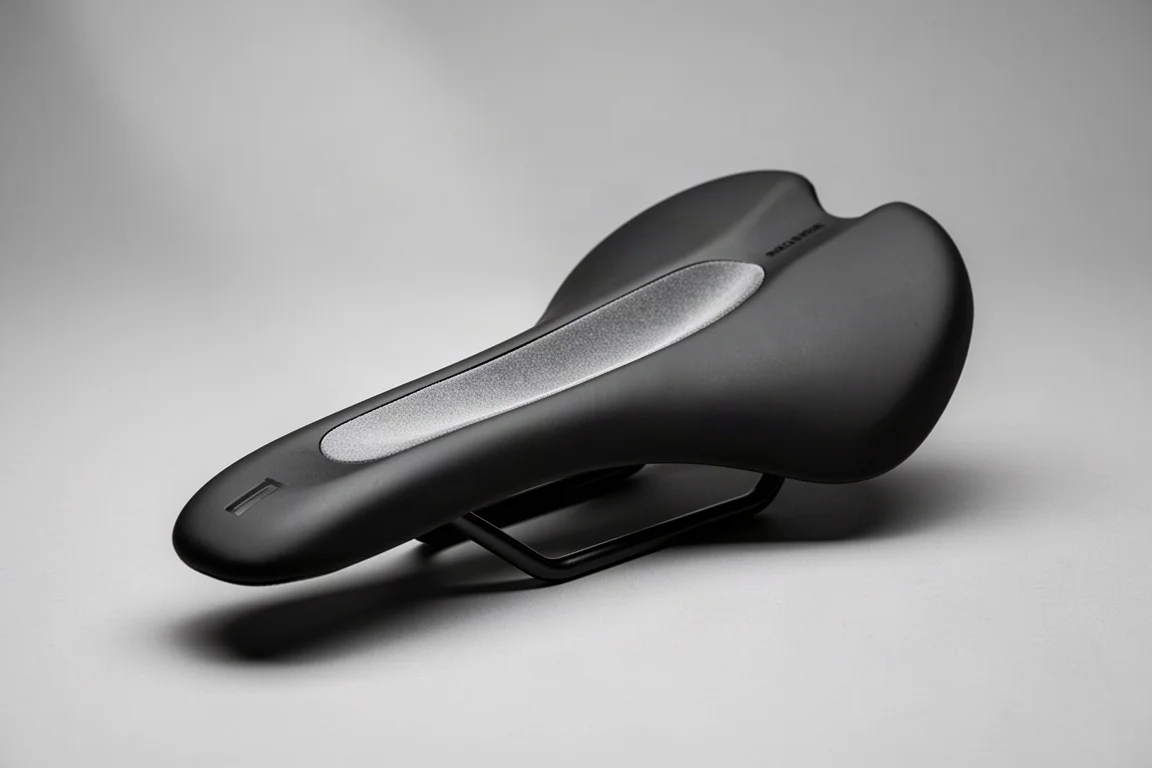
Pro is Shimano’s component arm, and the Stealth has been revised, though the changes are modest. It comes in 145mm and 152mm widths. The main issue is the width of the nose: when a rider sits in the correct place towards the back of the saddle, the nose tends to catch the thighs, which leads to chafing and a gradual drift forward onto the front of the shell.
Fizik Arione
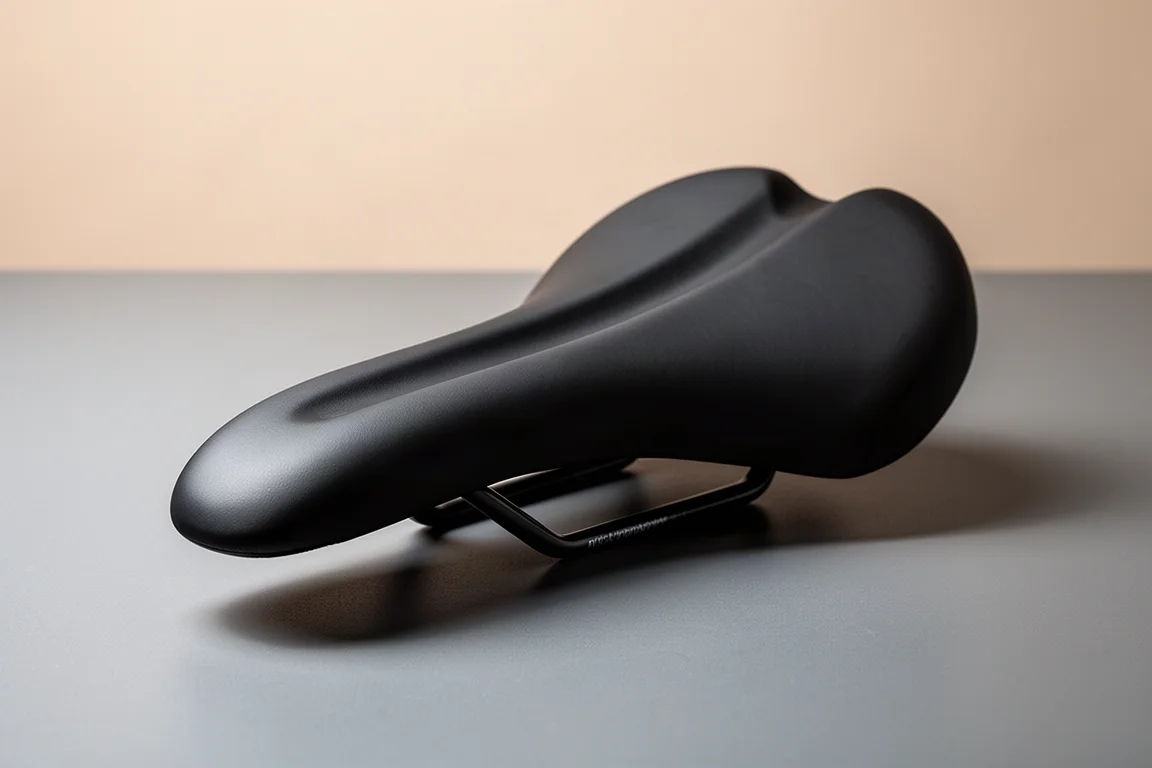
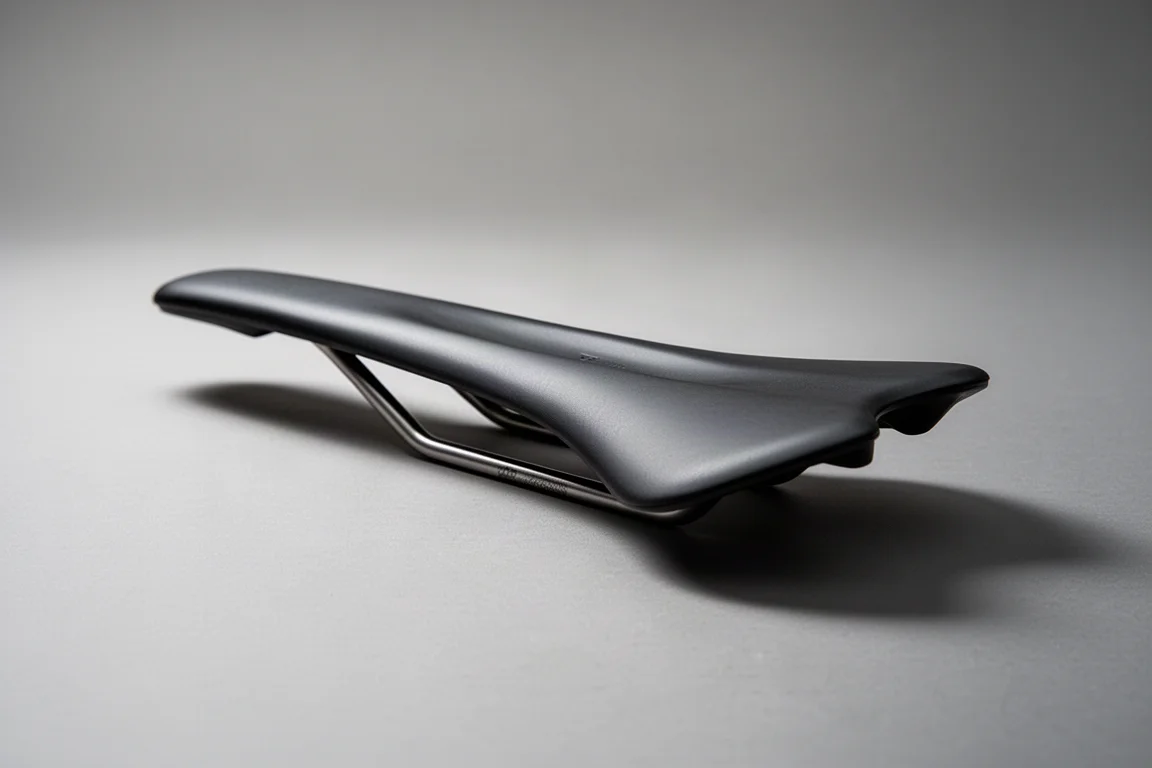
The Arione dates back to the early 2000s and is rarely seen now. Its very long shape allows a wide range of seating positions, which means it can sit on a poor bike fit without producing obvious discomfort, often at the cost of saddle sores later on. It also tends to encourage an asymmetric position. Placed correctly it can be reasonably comfortable, but the design is dated.
Solid All-Round Options
Pro Griffin Anatomic
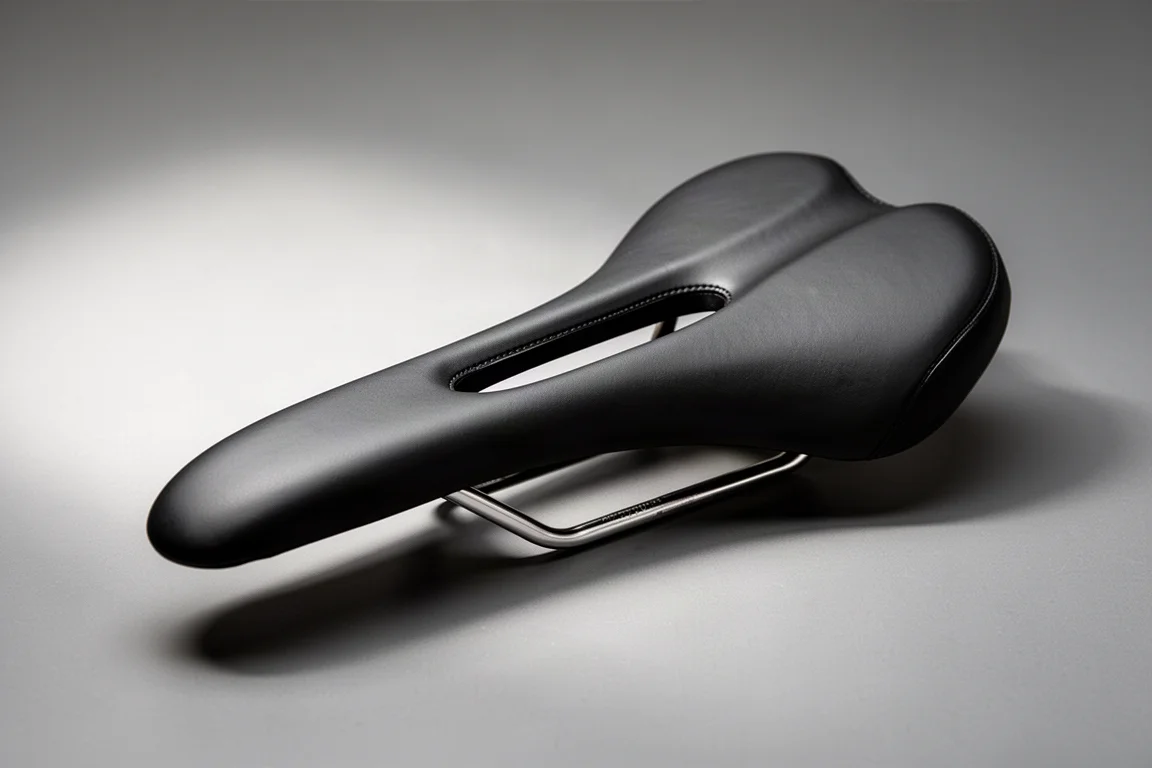
A traditional long, flat saddle with a central cut-out, gel padding, and a moderate amount of pressure relief. Riders who like having a nose for support and who move around on the saddle tend to get on well with this shape, and at around £100 it is a straightforward option.
Pro Griffin Anatomic EVO
The EVO version costs roughly twice as much and weighs around half as much, with a carbon rail and a lighter base. It also has a larger pressure relief cut-out, which makes it easier to find the relief zone. The overall shape is otherwise the same as the standard model.
ISM PS1.1
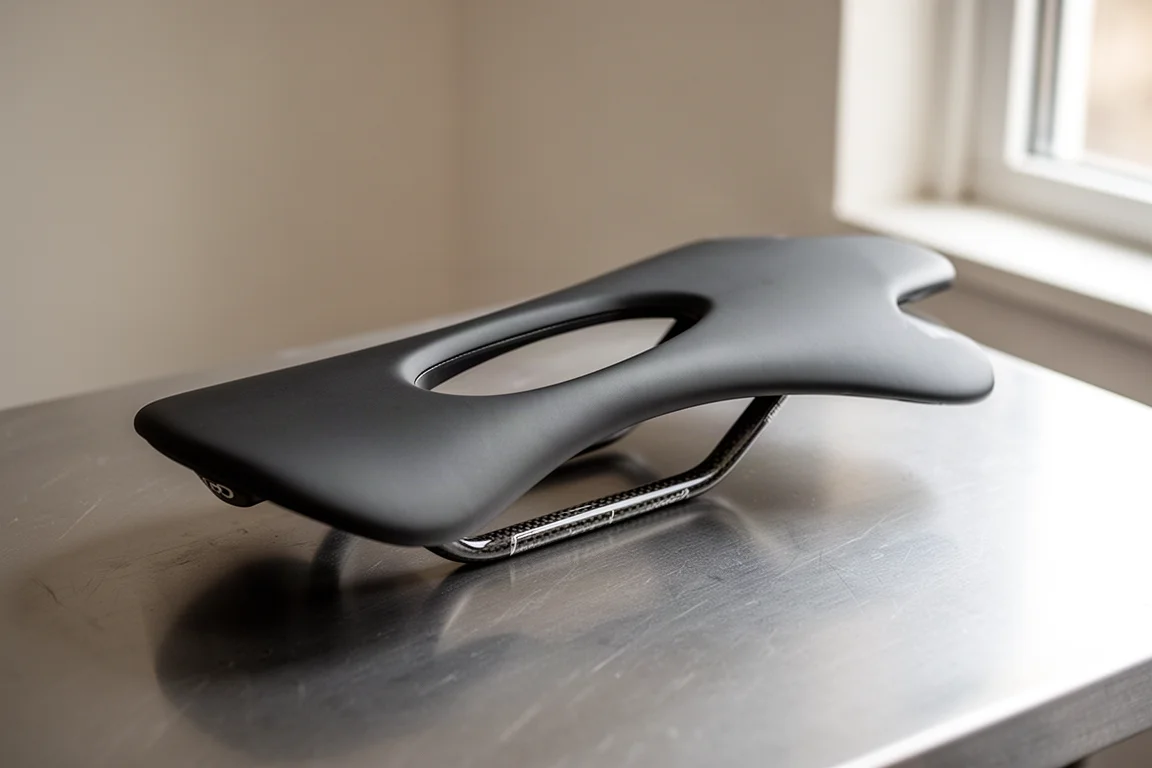
ISM saddles are built around time trial and triathlon positions, where pelvic orientation is very different from a road bike. On a road bike the design does not support the pelvis enough, so weight transfers to the hands and feet, and that pattern is associated with hand numbness and neck and shoulder problems. As a triathlon saddle it works well; as a road saddle it is a compromise.
Fizik Vento Argo
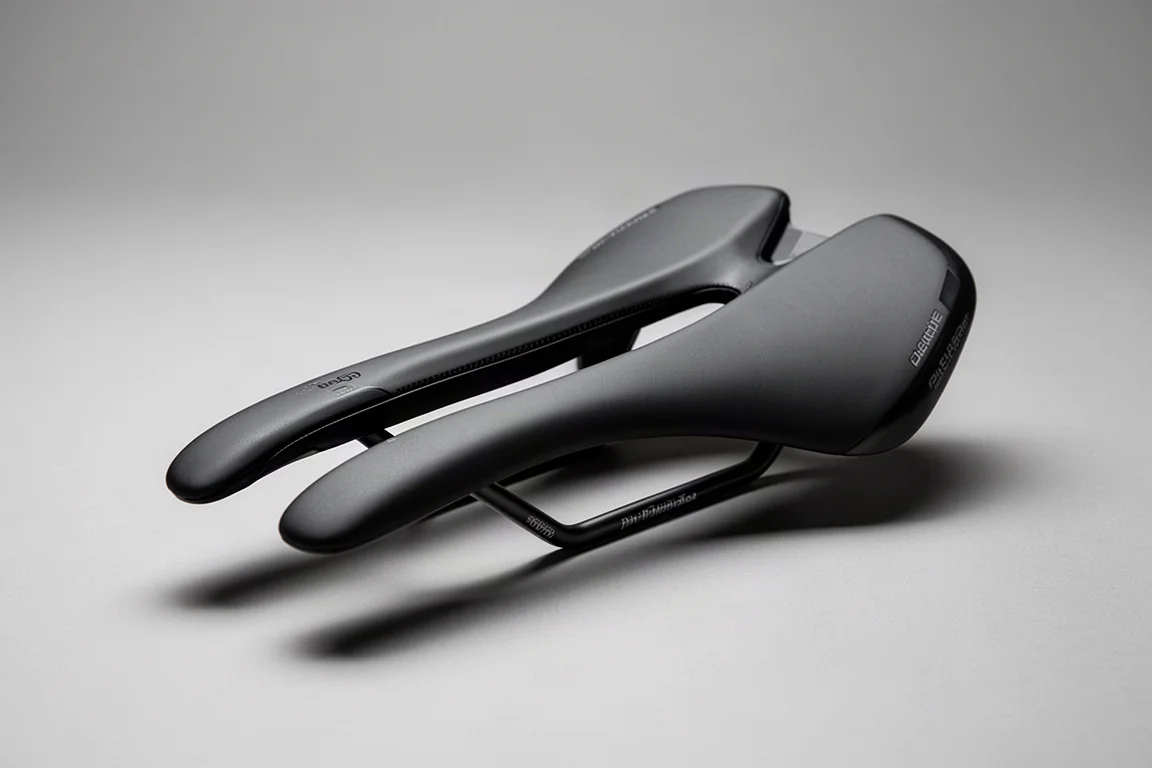
Commonly found as original equipment on Canyon bikes, the Vento Argo has a large pressure relief channel, a reasonable flat area for the sit bones, and a useful range of rail adjustment. The wider 150mm version shows the same thigh interaction as the broad Specialized shapes, so the narrower sizes are the more sensible starting point.

For riders who want a generous relief channel without the extreme width, the narrower Argo sizes sit in a comfortable middle ground. The flat rear section gives the sit bones something stable to load, which is why it holds up as an all-rounder rather than a specialist choice.
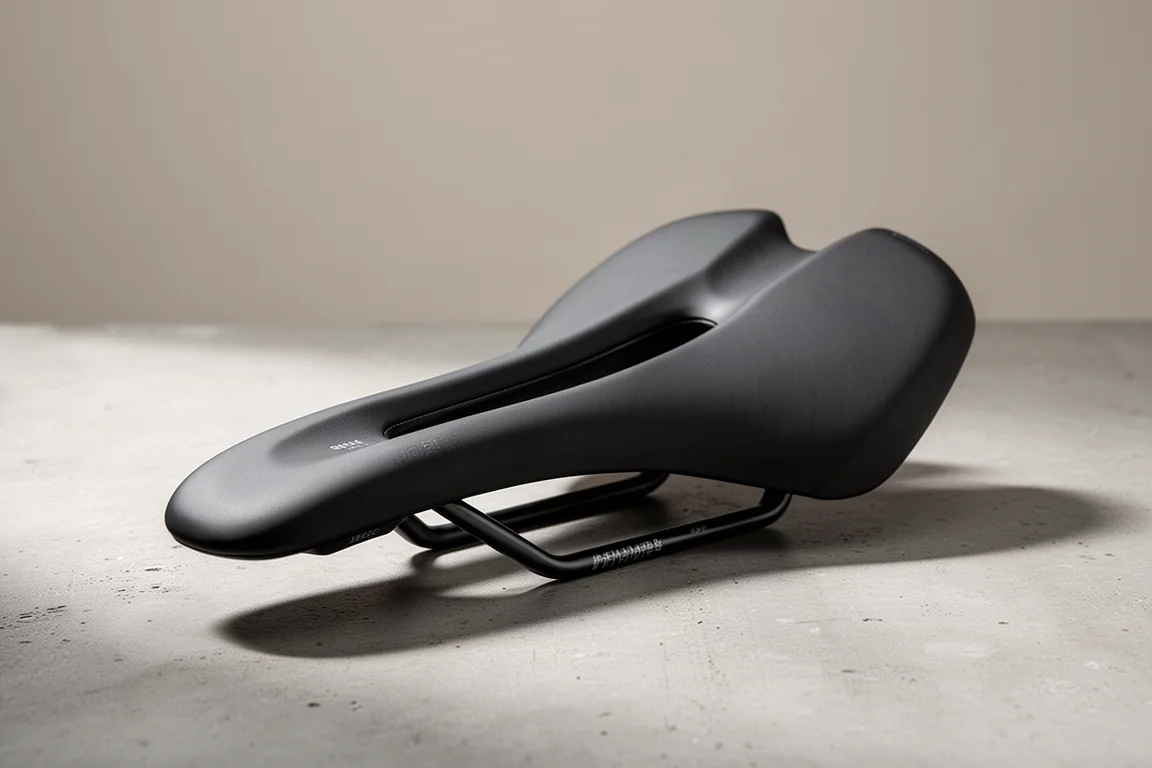
Selle Italia SLR Boost S3 3D
The 3D-printed version of the SLR Boost S3 uses the same narrow outline with a lattice upper. In back-to-back comparisons the conventional version is usually preferred, and some riders can feel the lattice structure through their shorts. It remains a reasonable saddle for anyone who specifically wants a 3D-printed upper.
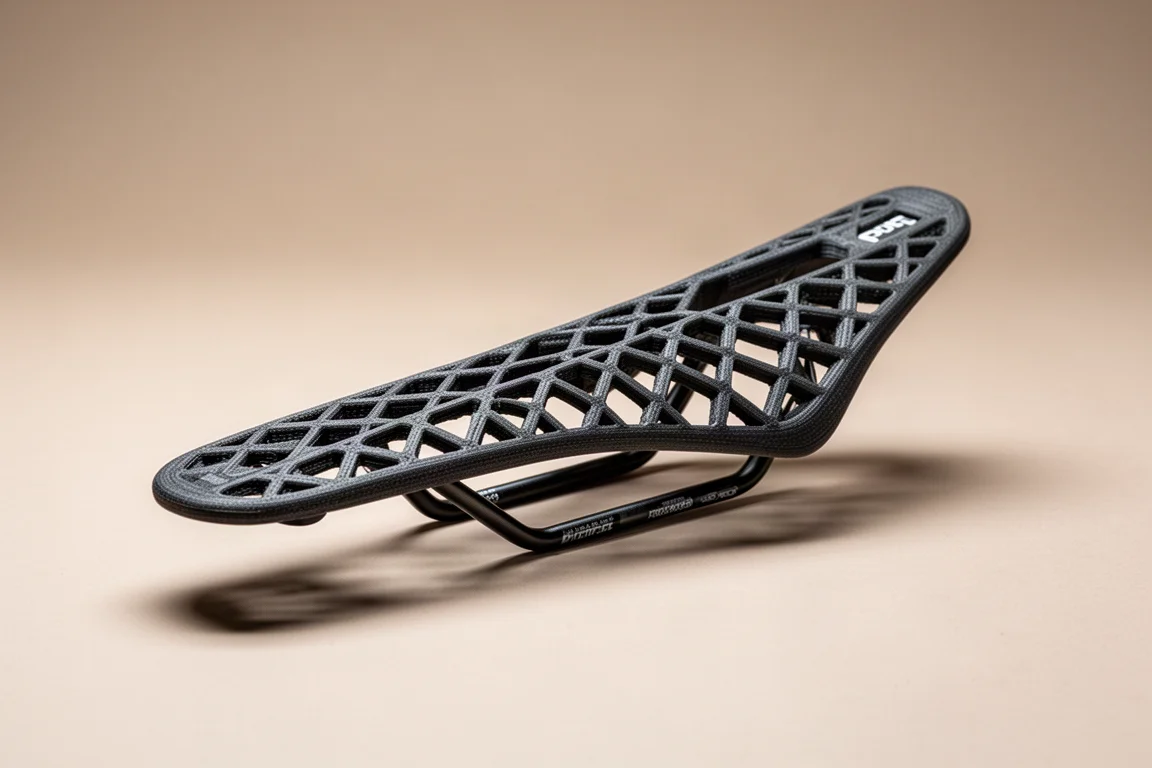
Selle Italia Advan
The Advan is the newer Selle Italia shape and is better finished than the cheapest SLR Boost S3 builds, which had a habit of creaking. It feels like a more premium product for a similar price, around £5 more. The open question is the ridges on the surface: with the saddle still relatively new on the market, riders have reported being able to feel them.
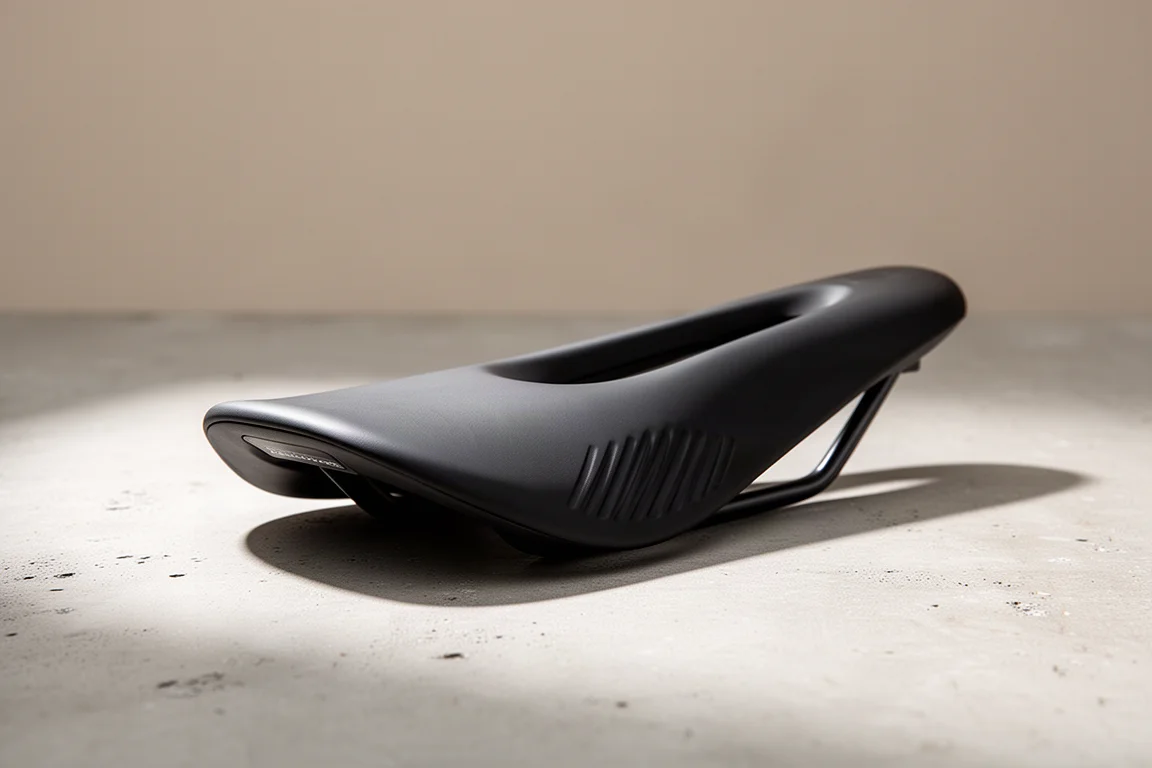
Ergon SR
Designed by an ergonomics company, the Ergon SR uses an orthopedic foam upper and a reasonable, if not fully cut-out, pressure relief channel. It is flat and stable, and some riders find the nose a little wide. It comes with steel, titanium, or carbon rails in two widths; the small/medium is the more popular choice, while medium/large works well for larger riders.
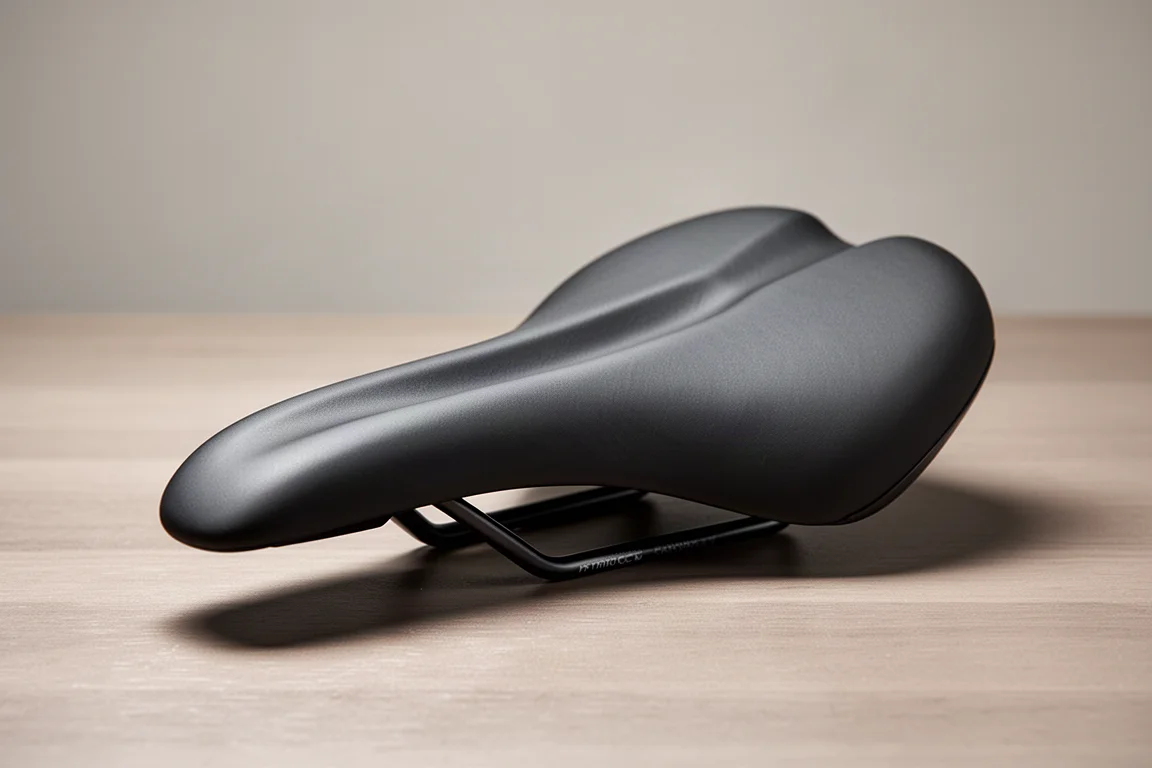
Standout Choices Worth Considering
Ergon SR Women’s
The women’s version of the Ergon SR moves the pressure relief channel slightly further forward, which is the main reason it suits many female riders. The upper is orthopedic foam, the flat rear section engages the sit bones well, and it comes in two sizes with chromoly, titanium, or carbon rails. Pricing starts at around £100, which is modest next to the most expensive saddles in this ranking.
Berk Lupina Short Fit
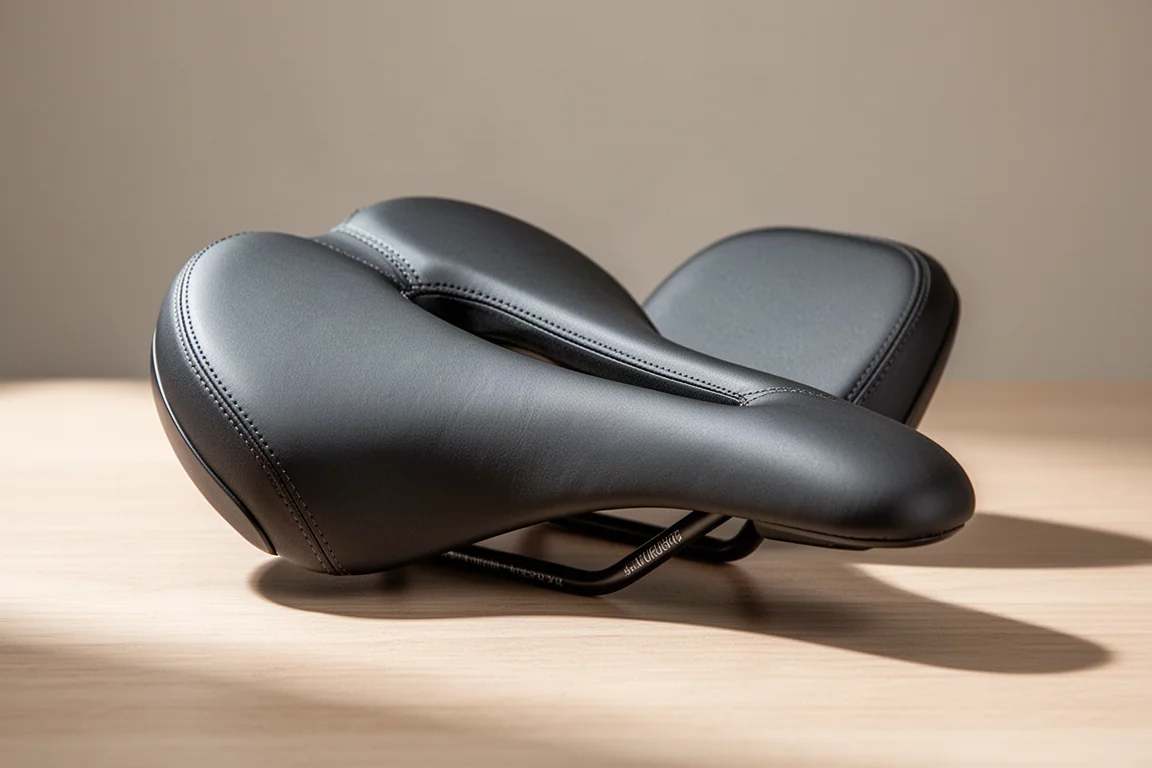
Handmade in Slovenia, the Lupina Short Fit is extremely light at around 80g, with carbon rails, a carbon shell, and minimal padding. It comes in 132mm and 145mm widths, with the narrower version far more popular. The shell has a useful amount of flex and chamfered edges, which helps reduce sit bone and soft tissue pressure. At around £250 it is good value for a saddle at this weight, and it is a credible alternative to the SLR Boost.
Top Tier Picks
Specialized Power Evo
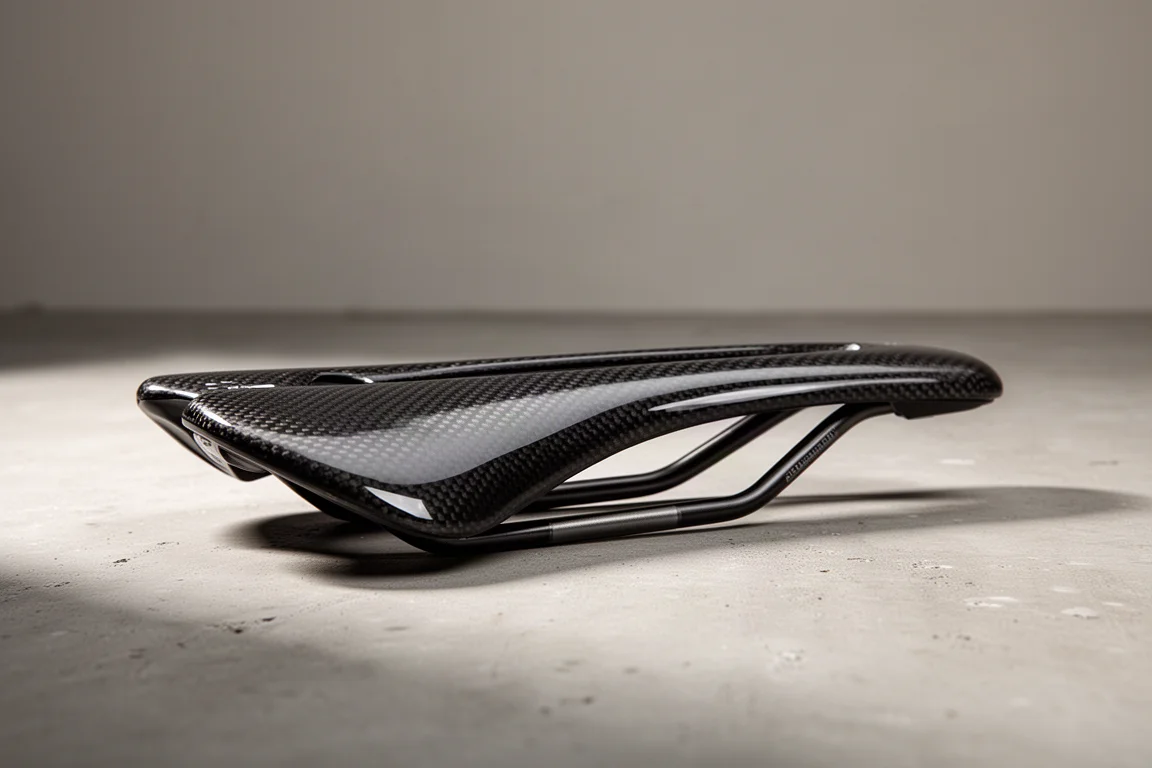
The Power Evo is the shape the standard Power arguably should have been: significantly narrower, with the aggressive flare angle removed. The 3D-printed lattice upper performs very well in pressure mapping for both soft tissue and sit bone pressure. It is the most expensive saddle in this ranking, at over £400, and the performance is what the price reflects.
Specialized Romin Mirror 143mm
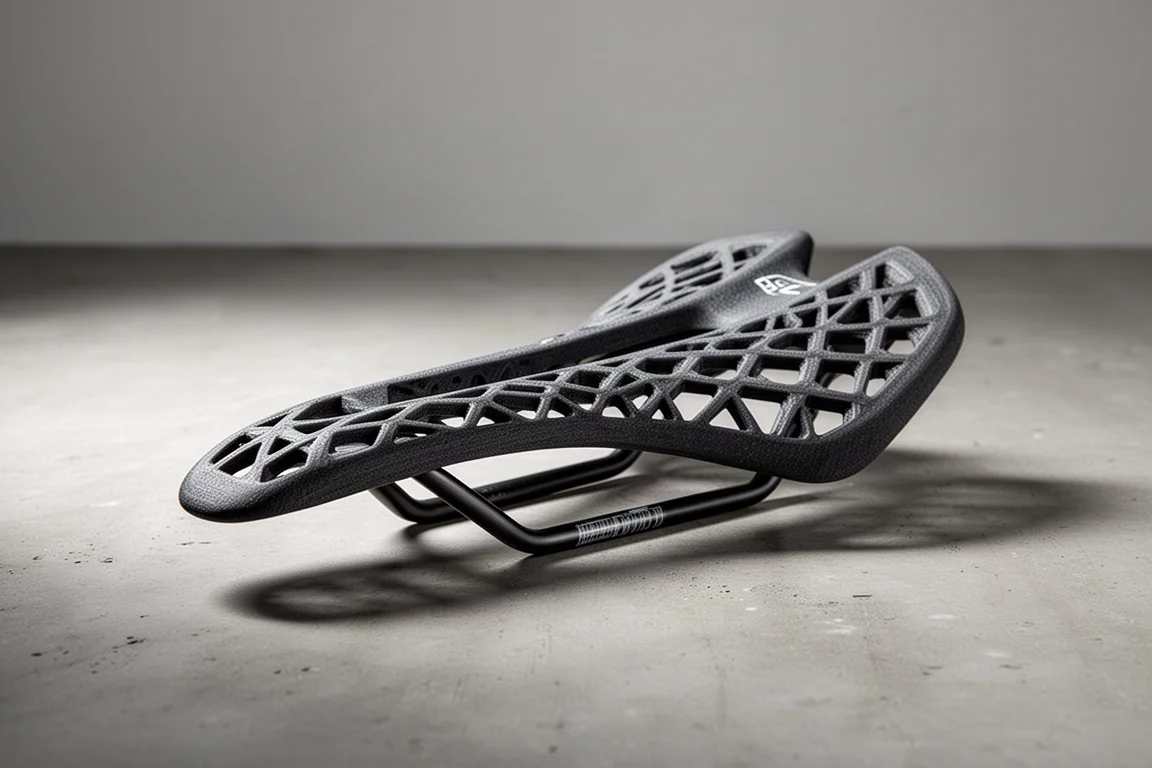
The Romin shape has been around for many years and has returned with a 3D-printed lattice upper. It came out at the top of the group in pressure mapping, with strong results for soft tissue and sit bone pressure, and it costs around £200. For riders who want a proven outline with a modern upper, this is one of the strongest options here.
Selle Italia SLR Boost S3
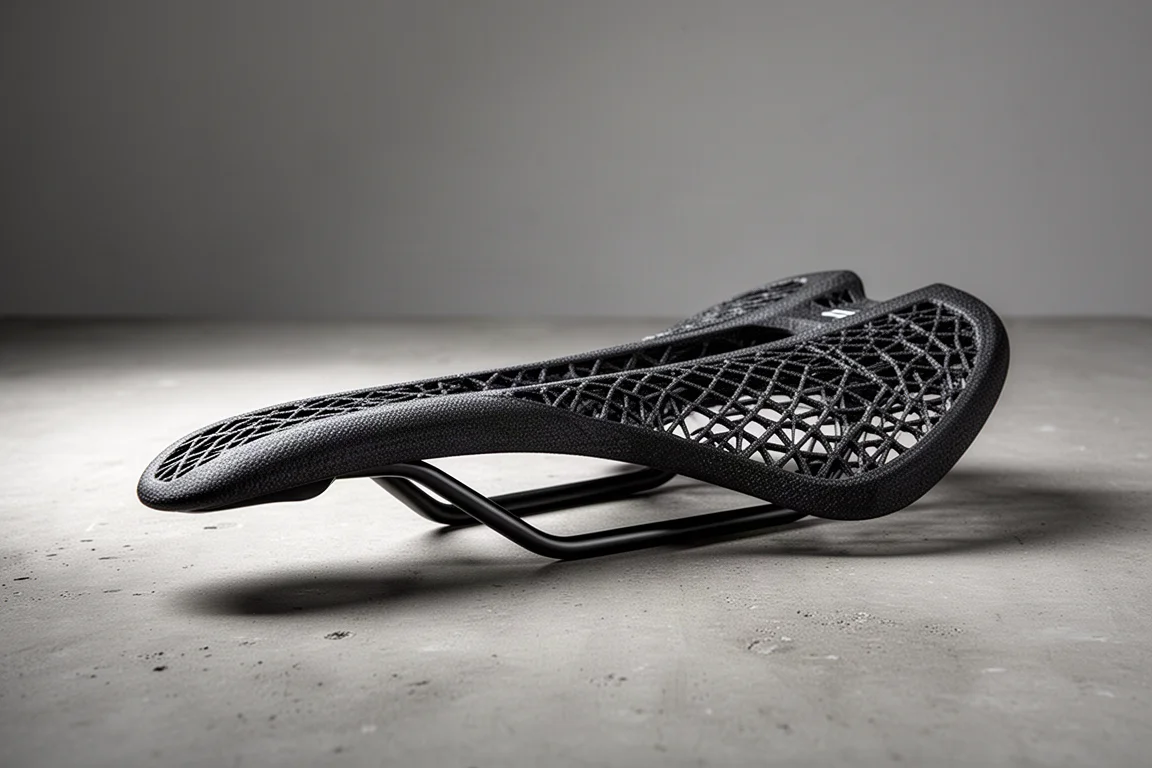
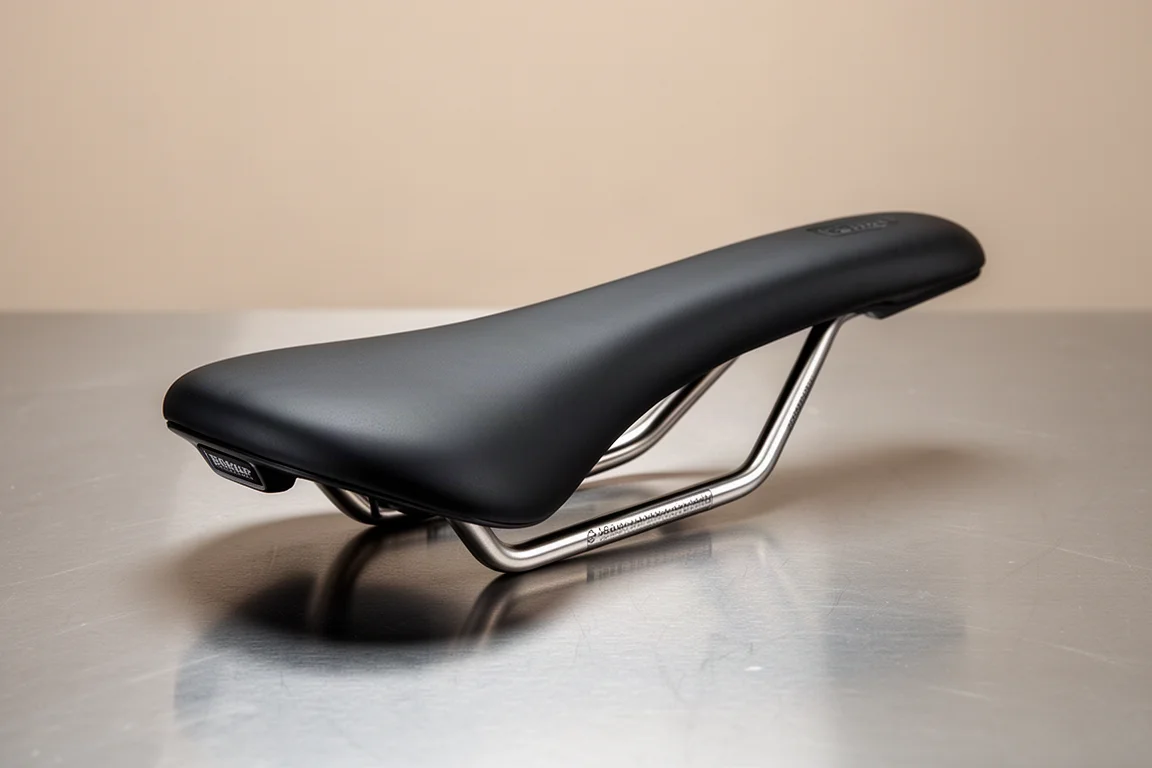
This saddle is very narrow, which encourages a more rearward seating position and lets riders use the full width of the shell rather than being pushed onto the nose. The Endurance version uses a gel-padded upper and titanium rails, and it may be discontinued, so availability is worth checking before committing.
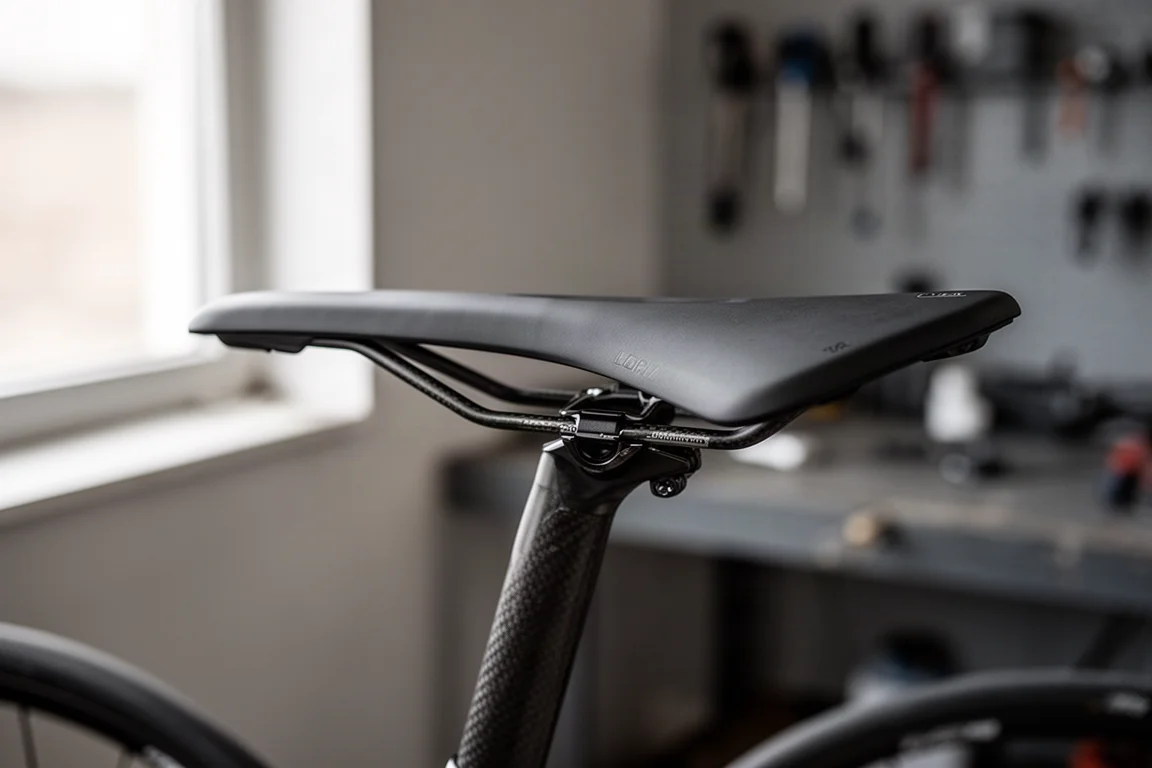
The narrow outline suits riders who sit further back on the saddle, and the titanium-railed build adds a little padding without changing the underlying shape. Complaints about this saddle are frequently traced back to position rather than the design itself.
Buying Advice
Start with the pressure relief channel. Saddles without one, such as the Fabric Scoop, tend to push riders into an asymmetric position, and that is a design limitation rather than a personal preference. Where a channel exists, its position matters as much as its size: the Ergon SR Women’s shifts it further forward, which is the main reason it suits many female riders.
Width and flare angle come next. Broad rear sections with an aggressive flare, as seen on the standard Specialized Power and the wider Fizik Vento Argo, cause thighs to contact the wings and push riders forward. Narrower outlines such as the SLR Boost S3 and the Specialized Power Evo let riders sit further back and use more of the shell.
Material is a separate question from shape. 3D-printed lattice uppers are not automatically more comfortable: the Romin Mirror and the Power Evo performed very well in pressure testing, while the 3D-printed SLR Boost S3 was usually less comfortable than its conventional counterpart. Price follows a similar pattern. The Power Evo at over £400 is genuinely strong, but the Ergon SR Women’s starts at around £100 and suits a lot of riders, and the Berk Lupina Short Fit offers a very light carbon build at around £250.
Finally, remember that saddle discomfort often comes from position rather than the saddle itself. Riders who find the SLR Boost S3 uncomfortable are frequently sitting too far forward. If a new saddle does not solve the problem, a bike fit is usually a better investment than another purchase.
Conclusion
The strongest shapes here share two traits: enough width to support the sit bones and a flare angle that does not force riders forward. The Specialized Power Evo, the Specialized Romin Mirror 143mm, and the Selle Italia SLR Boost S3 deliver that combination, and the Berk Lupina Short Fit and Ergon SR Women’s offer much of the same benefit at lower weights and prices. Designs such as the standard Specialized Power and the Selle Italia Diva Lady are best avoided unless they have already been confirmed to work on a specific bike and position. Match the saddle to the shape of your position first, and the rest of the decision becomes much simpler.
Further reading
Related Reviews
Cycling Components
A 20,000-Mile Budget Race Bike Build: Five Parts Worth Knowing
A rim brake race bike assembled from low-cost components and ridden for 20,000 miles. Here is what delivered real speed, what caused problems, and what to weigh before copying the formula.
Cycling Components
7 Bike Fit Products Fitters Avoid: What to Check Before You Buy
Seven bike components that regularly cause knee, foot and saddle problems, with the specific concerns behind each one and what to look for instead.
Cycling Components
Four Affordable Bike Upgrades That Improve Ride Feel
Four low-cost cycling products that make a real difference to ride feel, plus the free setup changes worth trying first.