Cycling Saddles
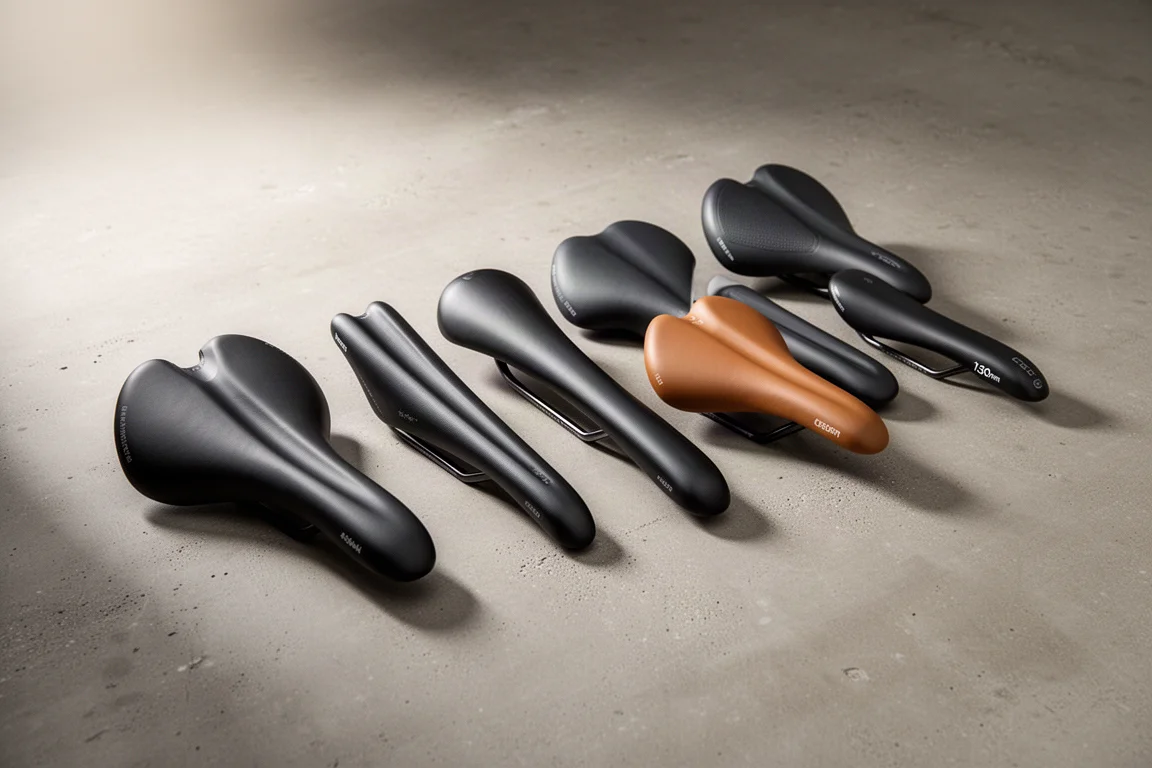
Road Bike Saddles Ranked: 9 Shapes From Worst to Best
A practical ranking of nine road bike saddles, from shapes that push riders onto the nose to the narrow platform that fits the widest range of riders.
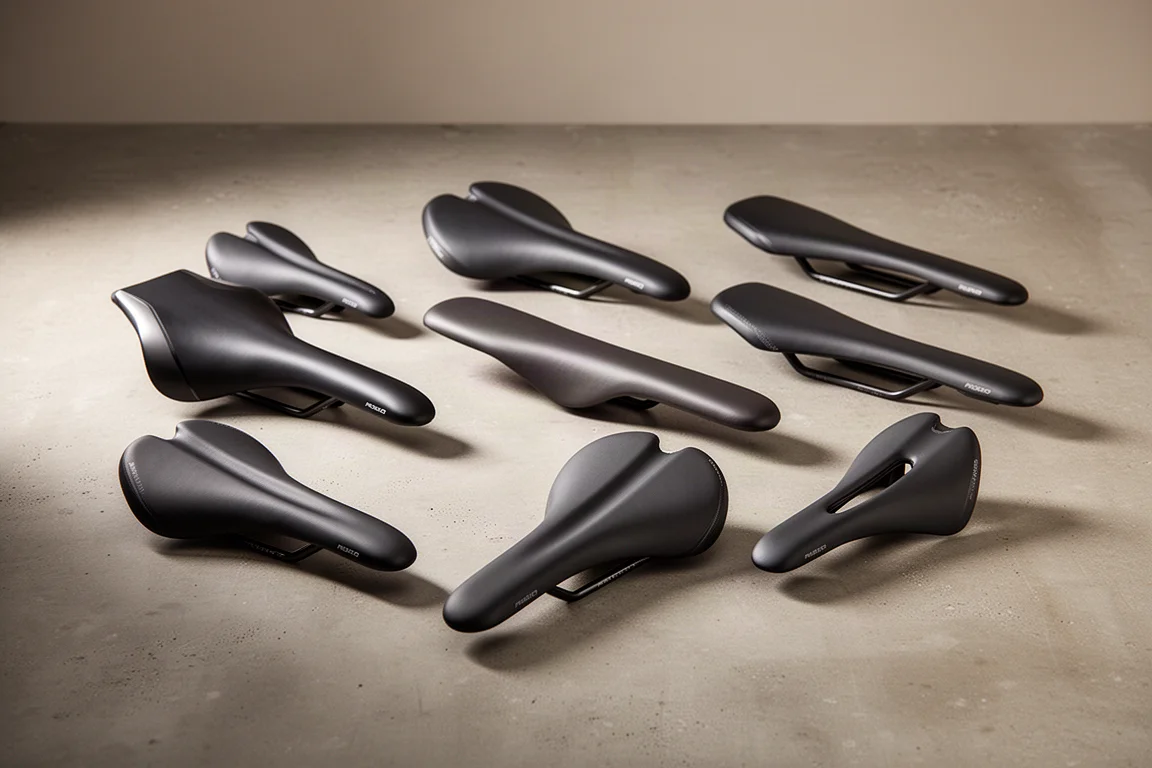
Introduction
Finding a saddle that works for you is genuinely difficult. There are many brands, many models, and the differences that matter are rarely visible on a spec sheet. The list below runs from the shapes that create the most problems in practice to the one that ends up working for the largest number of riders.
One thing is worth saying before the list: most saddle discomfort is not really a saddle problem. Saddle height, reach, setback and foot position do more to decide whether you are comfortable than any particular shape. The buying advice at the end of this article covers that side of things.
How This Ranking Works
Every saddle here is judged on the things that decide whether a rider can stay comfortable for hours: how the width and the flare angle interact with the thighs, whether the shape pushes the rider forward onto the nose, how much usable pressure relief the channel provides, how much rail adjustment is available, and how often the saddle works out in a real fit session rather than on paper.
The order reflects practical results. The saddles near the top of the list cause problems for a lot of riders. The ones near the bottom tend to work across a wide range of people.
Triathlon-specific designs are a separate category. Those saddles load a different part of the pelvis, the ischiopubic rami, to support a more anterior pelvic tilt, which suits a triathlon position. That is a different brief from a conventional road saddle, so those designs are not ranked here.
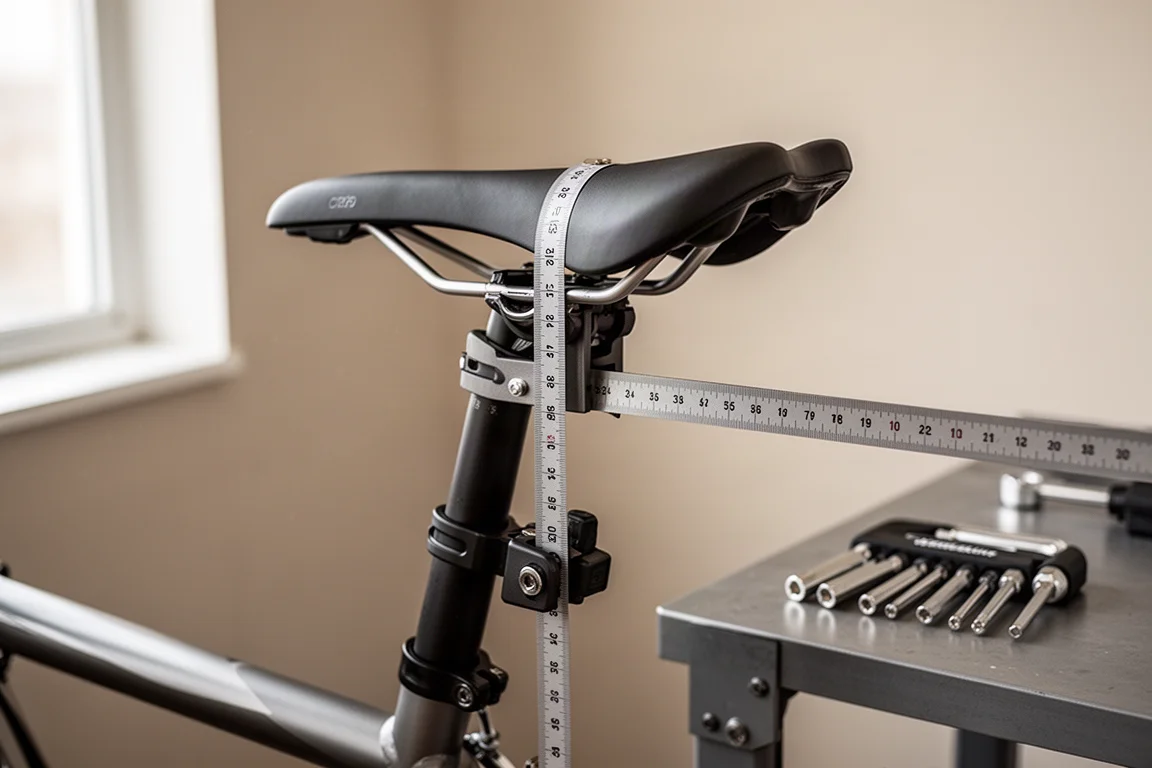
One more point on sizing: the width number on a saddle tells you less than the shape does. Two saddles can measure the same across the widest point and behave completely differently, because the flare angle and the position of the widest part decide where your thighs meet the saddle.
Specialized Power: Wide Shape, Aggressive Flare
The Power comes in three width iterations, and all of them come across as too wide for most riders. The bigger issue is the flare angle, the way the saddle widens out toward the rear. That pushes the edges of the saddle into the thighs, and riders respond by sliding forward. Once you are sitting on the nose, the saddle is not offering much support, because the nose was never designed to carry your weight.
The 168 mm version shows the problem clearly. Sizing systems built around measuring sit bone width have pushed saddles steadily wider, and a saddle this broad behaves more like a paddle than a platform.
It is worth knowing that this model is fitted as original equipment on some complete bikes, and that the smaller frames sometimes come with the wider version. If your bike arrived with a Power and you have never felt settled on it, that is a sensible place to start looking.
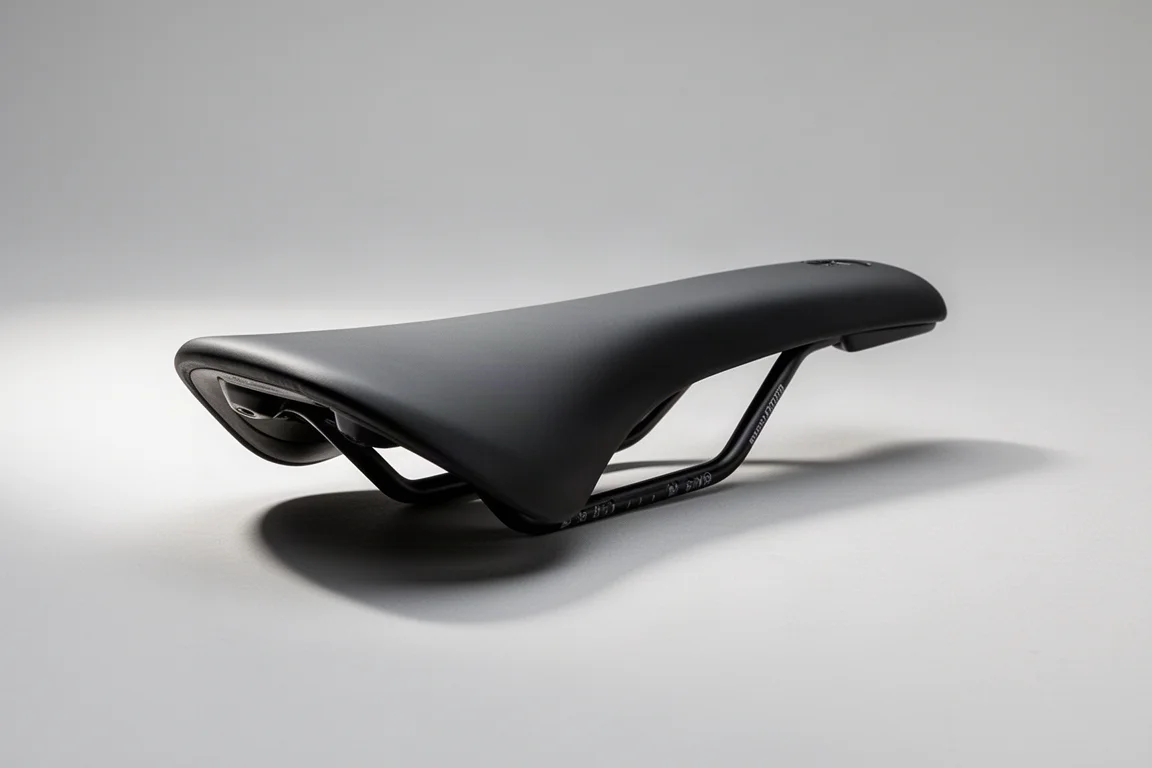
Fizik Arione: Long and Flat, Easy to Sit Anywhere
You do not see the Arione very often now. Its long, flat profile lets you sit almost anywhere along its length with a reasonable degree of comfort, which is useful if you move around on the saddle during a ride.
The catch is where riders end up sitting. The shape usually encourages you to sit well back or off to one side as a way of getting comfortable, and weight going through soft tissue on a thin layer of foam is not something the body tolerates well. For some riders with a poor bike position the Arione can still feel quite comfortable, but the shape tends to reinforce a lop-sided sit rather than correct it.
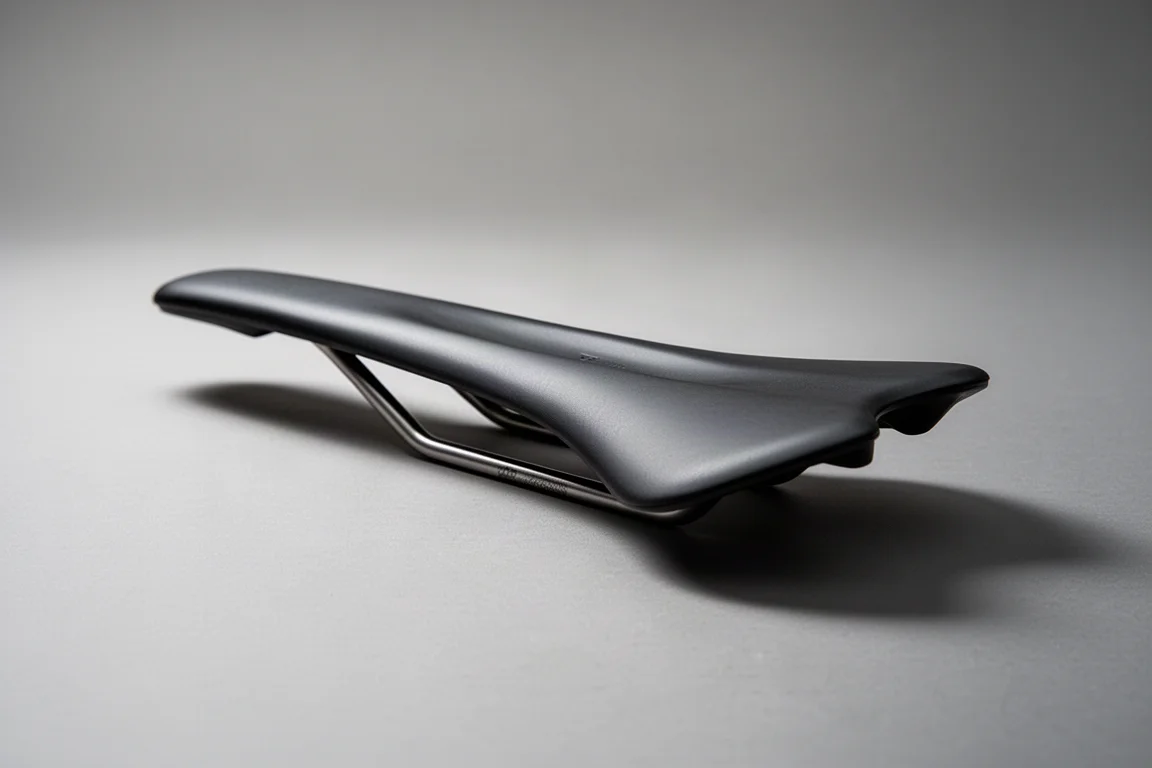
Pro Stealth: Short Fit, Wide Wings
The Stealth is a short-fit saddle, and it runs into trouble at both ends. The wings are wide enough to interact with the thighs, and the nose is broad enough that riders gravitate onto it. That combination produces the familiar set of complaints: pressure where there should be none, and a rider who keeps sliding forward.
The brand’s wider range has a strong reputation, and this is not a criticism of the range as a whole. It is a model that simply does not suit as many riders as the rest of the line-up.
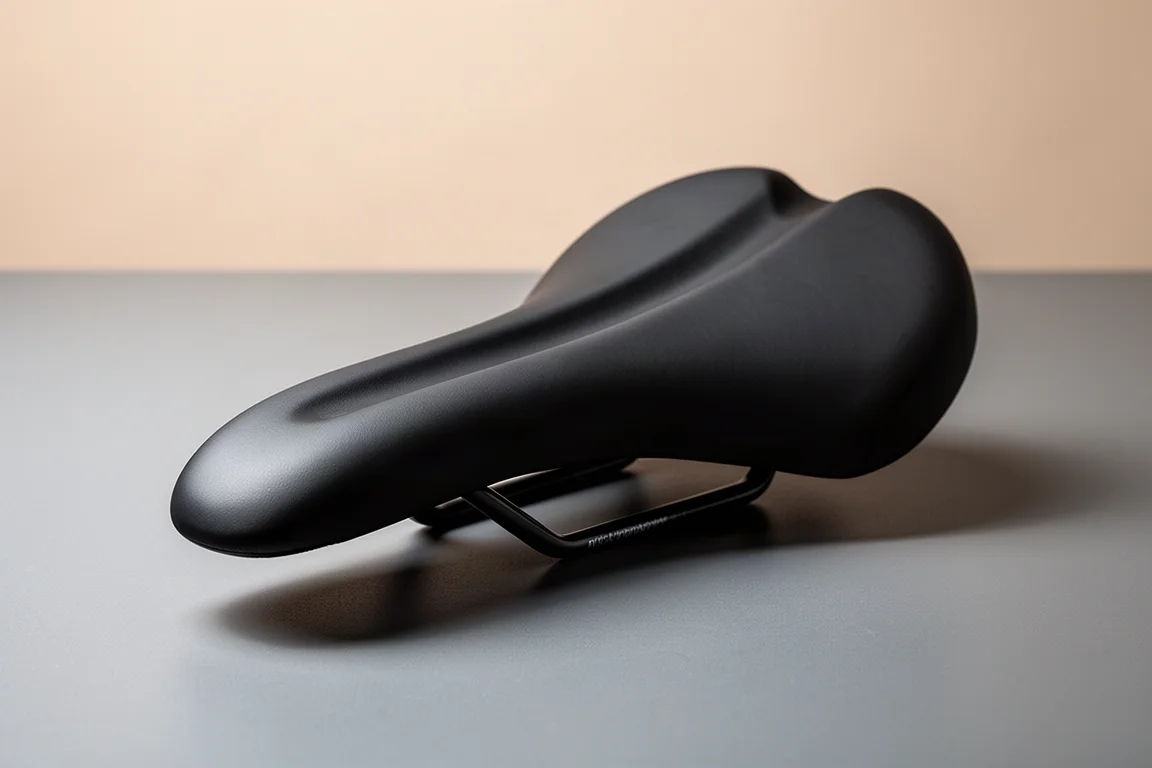
Selle SMP Dynamic: Distinctive Shape, Seating Far Back
The Dynamic is one of the most recognisable shapes in cycling, and the design has real merits. The curved profile can produce decent pelvic interaction, and the rails are very long, which should give plenty of room for adjustment.
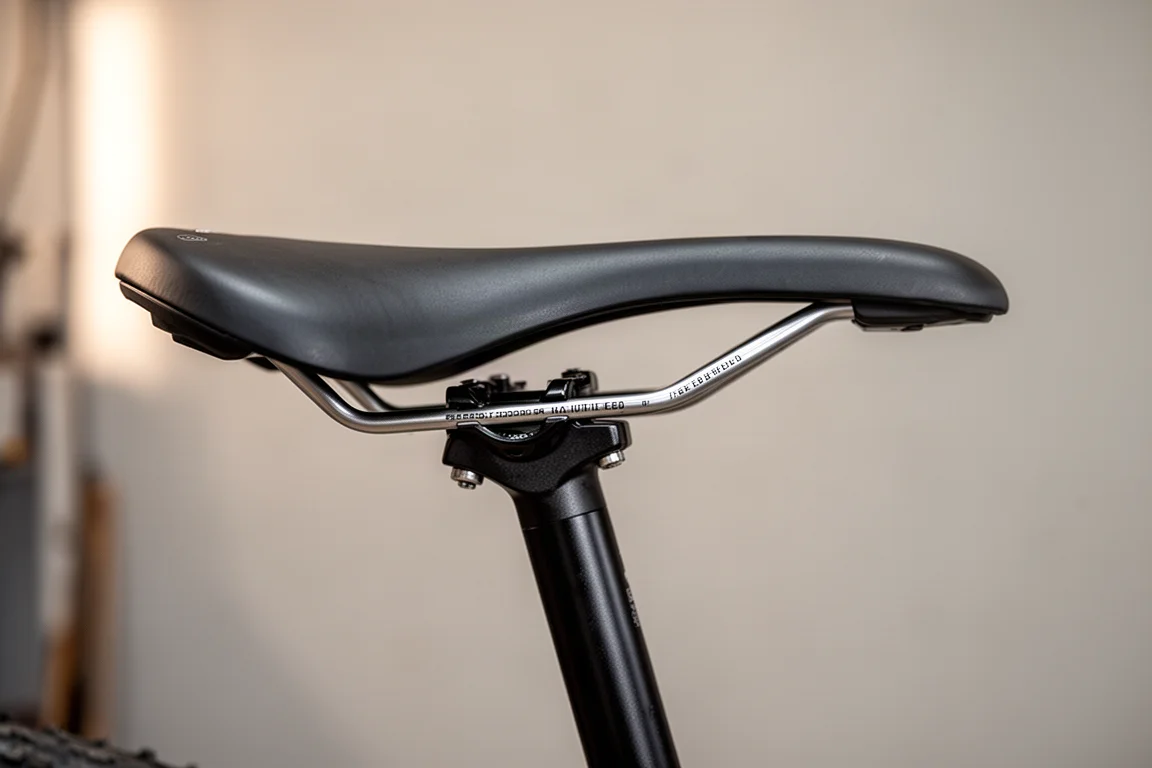
The problem is where the usable seating area sits. Because it is positioned so far back, you end up running the saddle as far forward as the rails allow, which cancels out most of the benefit of that rail length. In practice the Dynamic lands somewhere in the middle of the pack. It is not a bad saddle, and it is worth trying if the shape appeals, but the forward position it demands brings its own limitations.
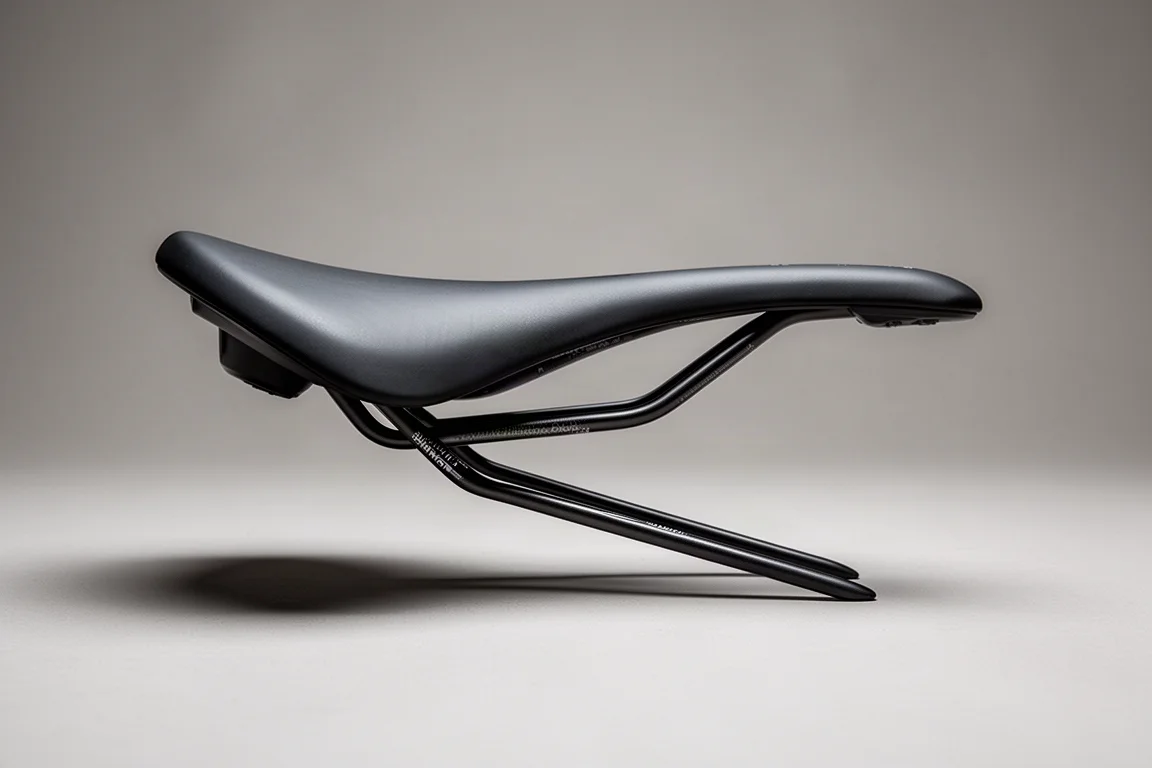
Pro Griffon: Flat in Both Planes
This one used to be a favourite. The Griffon is flat in both directions, across the width and along the length, with a reasonable pressure relief channel running through the middle. That flatness is the point: there is no contour telling you where to sit, so the saddle lets a rider settle instead of steering them into one spot.
It comes in three widths, although the 130 mm version is very difficult to find. Steel and carbon rail versions are both available, so there is a choice at the point of purchase.
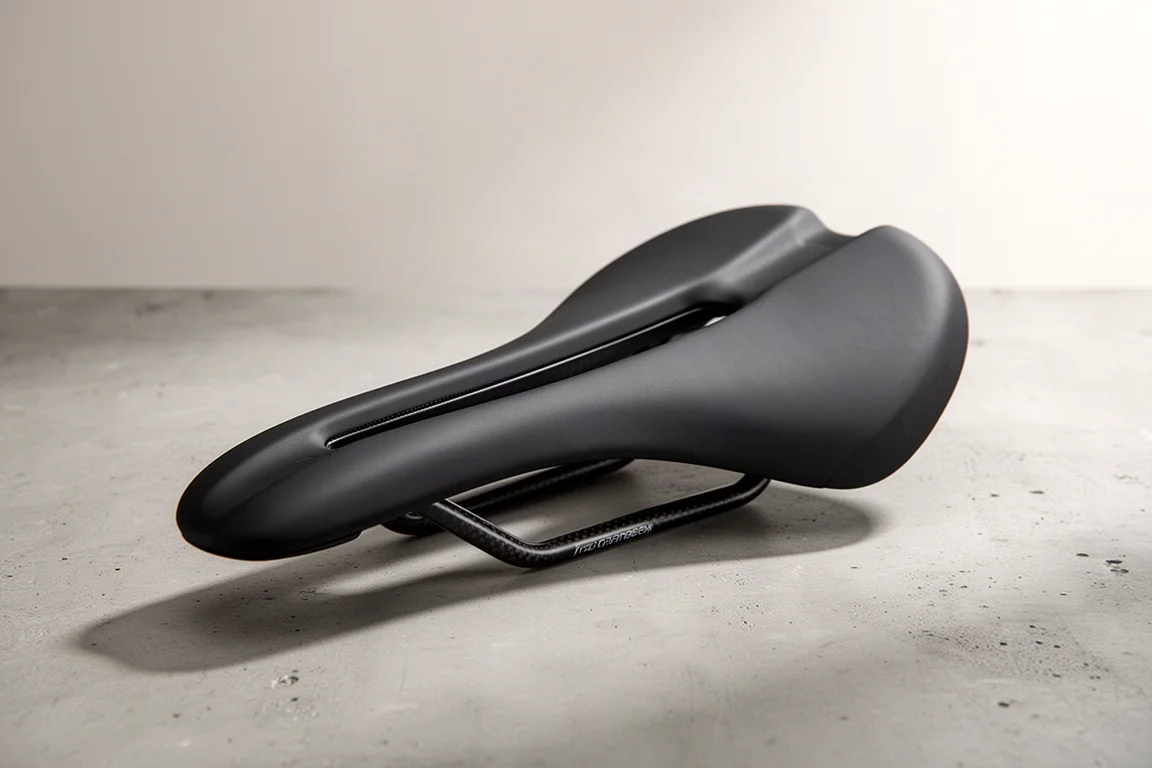
Specialized Toupe: The Flat Platform Behind It
The Griffon’s shape follows an older Specialized design, the Toupe. The Toupe was built around the same flat platform idea, which is why the Griffon feels the way it does. Riders who like a level, uncluttered surface under them tend to get on with both shapes.
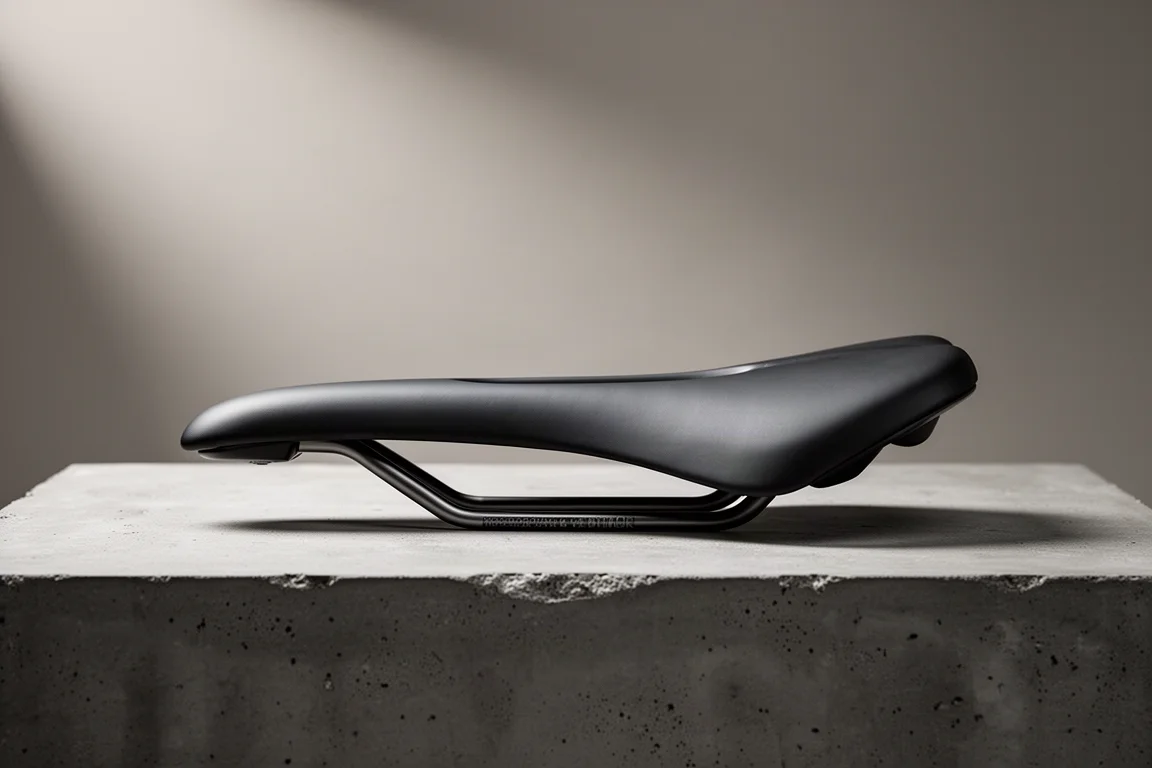
Pro Turnix: More Contour, Less Sit Bone Pressure
The Turnix adds contour to the same family, in both planes. That less flat surface changes how weight is spread, and for riders who typically suffer from sit bone pressure, the contour can make the saddle more suitable than a completely level platform.
If you have tried a flat saddle and felt the pressure concentrate in two spots, this is the shape in this group to look at first.
The difference here is in the shape of the surface rather than in the way the saddle is built, so it remains a firm platform with a more supportive profile under the sit bones.
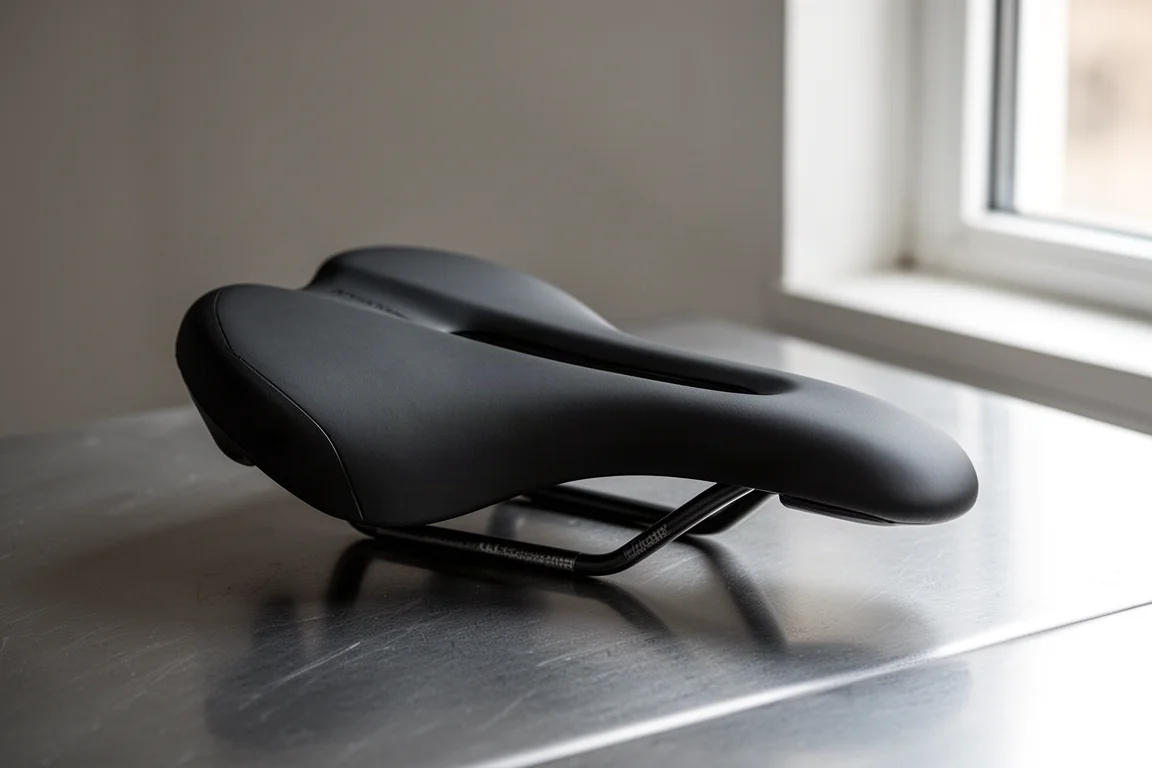
Selle Italia SLR Boost Endurance: Extra Padding and a Titanium Rail
The SLR Boost comes in several iterations, and which one you choose matters. The cromoly rail model is the entry point and has a habit of creaking. The Endurance model adds a little extra padding and comes with a titanium rail, and it does not seem to creak as much. There is also a carbon version and a 3D printed version.
If you want this shape with more cushioning underneath you, the Endurance is the version to look for.
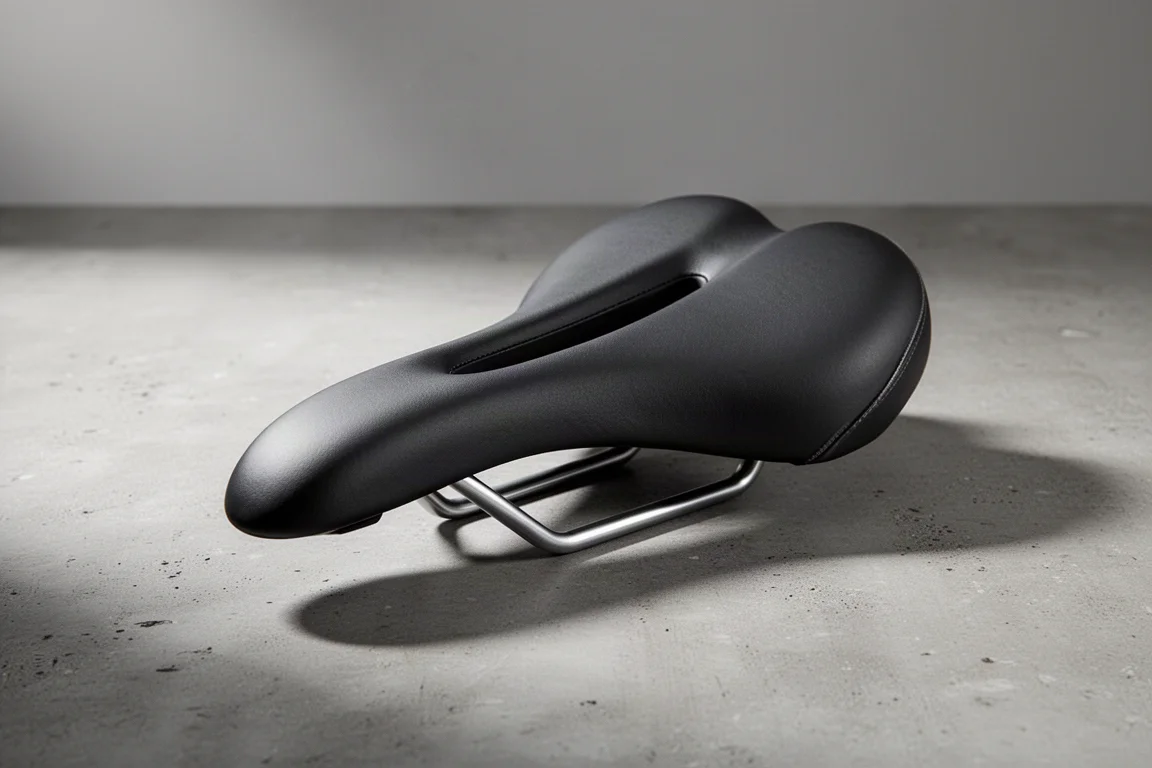
Selle Italia SLR Boost S3: The Most-Fitted Saddle Here
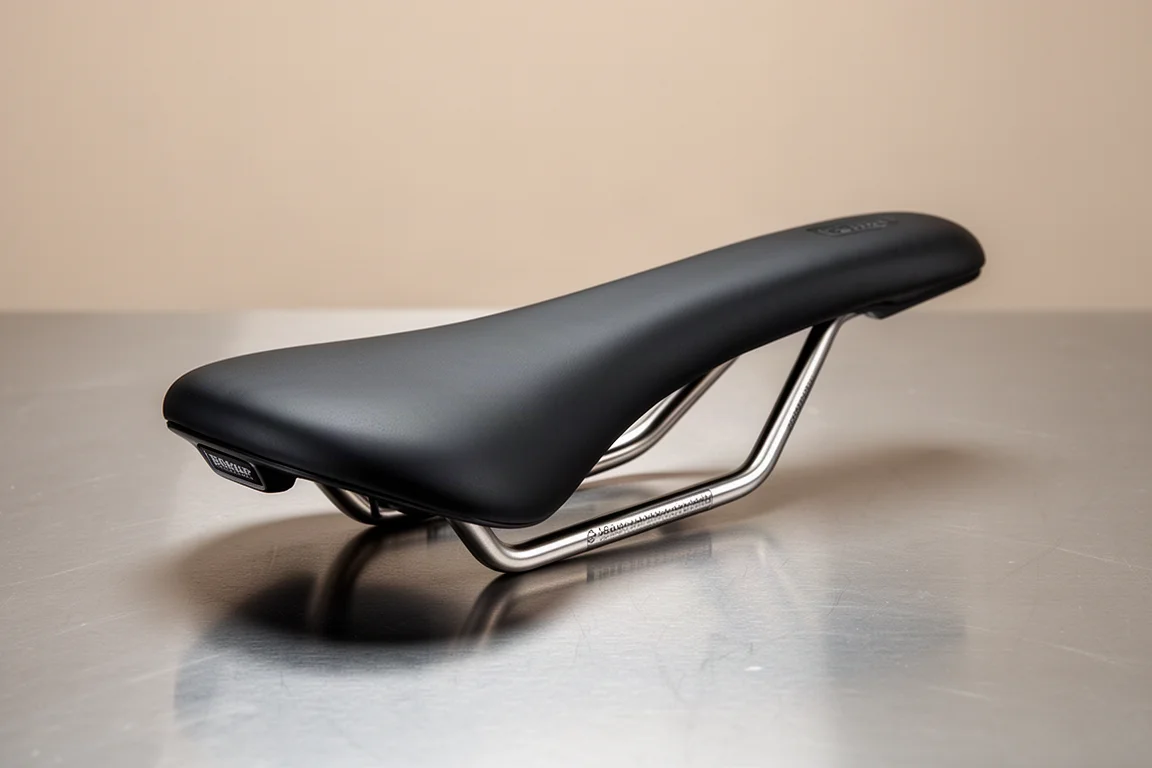
The S3 in the name refers to width: 130 mm, against 145 mm for the L3. That narrow platform is the reason this saddle works so well. Because the rear is not flared out, a rider can sit on the widest part without the wings pushing into the thighs, which encourages a more rearward and more stable position without interfering with the pedal stroke.
In practice this is the shape that leaves a fit session on roughly seven out of ten bikes, and it is available in a range of versions and price points.
Buying Advice: Fix the Position Before You Change the Saddle
The most useful takeaway from this list is that saddle problems should not be medicated with saddles. Around nine in ten saddle complaints trace back to position: the saddle is too high, the reach is too long, the setback is too great, or the feet are too close together. Change any one of those and the same saddle can feel completely different.
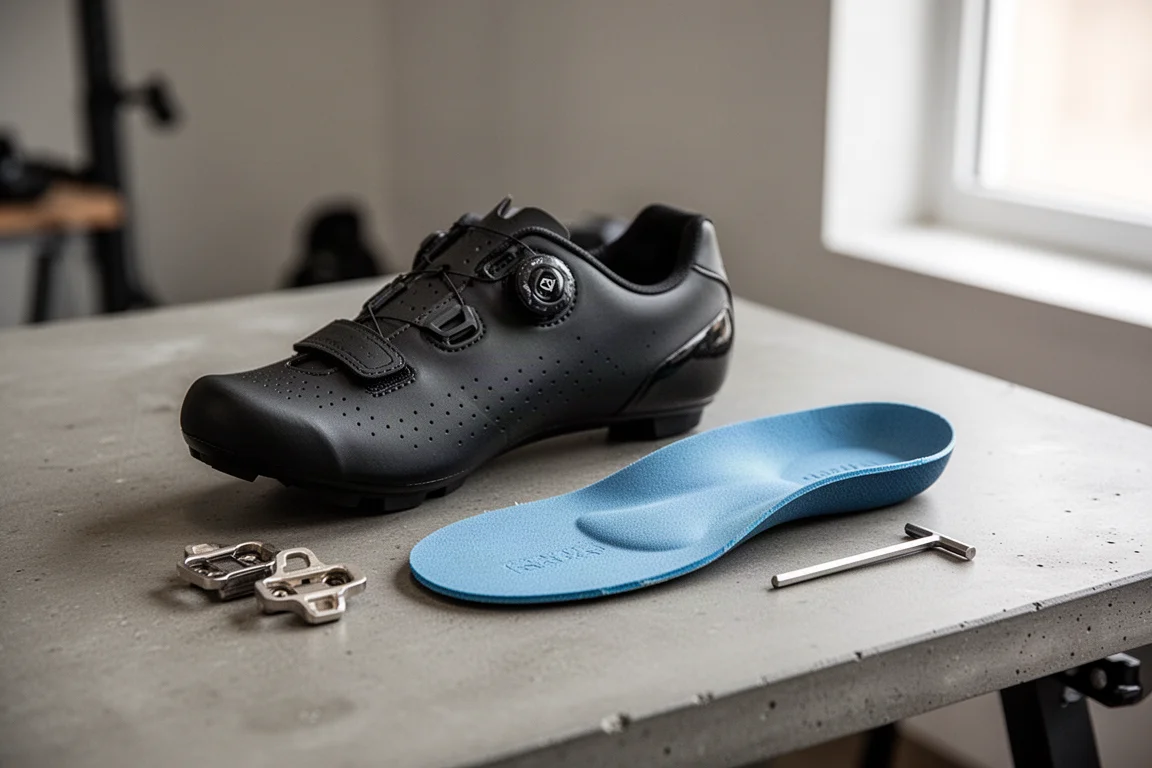
There are gains available away from the saddle as well. Arch support in the shoes has been found to reduce the pressure going through the saddle by up to half, which is a bigger change than most riders expect from an insole.
It is also worth dropping the idea that saddles are gendered. There is not really such a thing as a women’s saddle. Fitters routinely put saddles designed for one group on the other group’s bikes, and both need pressure relief channels. Width and shape matter far more than the label on the packaging.
Before buying anything, have your position checked by a decent bike fitter. If you do end up shopping, the saddles above are a reasonable shortlist, and the SLR Boost S3 is the safest first stop.
Conclusion
Nine saddles, one pattern: the shapes that work are the ones that stay clear of your thighs and give you a stable place to sit. The Specialized Power, the Fizik Arione and the Pro Stealth all push riders forward or sideways. The Selle SMP Dynamic is a genuine design with a compromise built in. The Pro Griffon and the contoured Pro Turnix suit different preferences rather than different budgets, and the Toupe is the older shape the Griffon follows. The SLR Boost Endurance is the SLR Boost with extra padding and a titanium rail, and the SLR Boost S3 is the one that fits the widest range of riders.
None of that replaces a proper fit. Get your position right first, then choose the saddle that matches the way you actually sit.
Further reading
Related Reviews
Cycling Saddles
Best Bicycle Saddles Ranked: Ten Models Compared for Comfort and Fit
A practical ranking of ten road and triathlon saddles, from wide flared shapes that rub the thighs to narrow designs that support the rear of the saddle properly.
Cycling Saddles
Best Road Bike Saddles 2026: Choosing the Right Width and Pressure Relief
A practical guide to road bike saddle selection, covering pressure relief, saddle width, and two widely known designs, the Selle Italia SLR Boost and the Specialized Power.
Cycling Saddles
Best Road Bike Saddles Ranked: Nine Options From Worst to Best
A fitter's ranking of nine road bike saddles, from wide flared designs that catch the thighs to the narrow shape most riders end up choosing.