Cycling Saddles
Best Road Bike Saddles 2026: Choosing the Right Width and Pressure Relief
A practical guide to road bike saddle selection, covering pressure relief, saddle width, and two widely known designs, the Selle Italia SLR Boost and the Specialized Power.
Introduction
Saddle discomfort is one of the most common complaints among road cyclists, and it is also one of the most frequently misdiagnosed. A saddle that feels wrong under a rider is often a symptom of something else in the setup, whether that is saddle height, reach, handlebar drop, crank length, or shoe support. That said, some saddle designs genuinely support a road riding position, and others work against it.
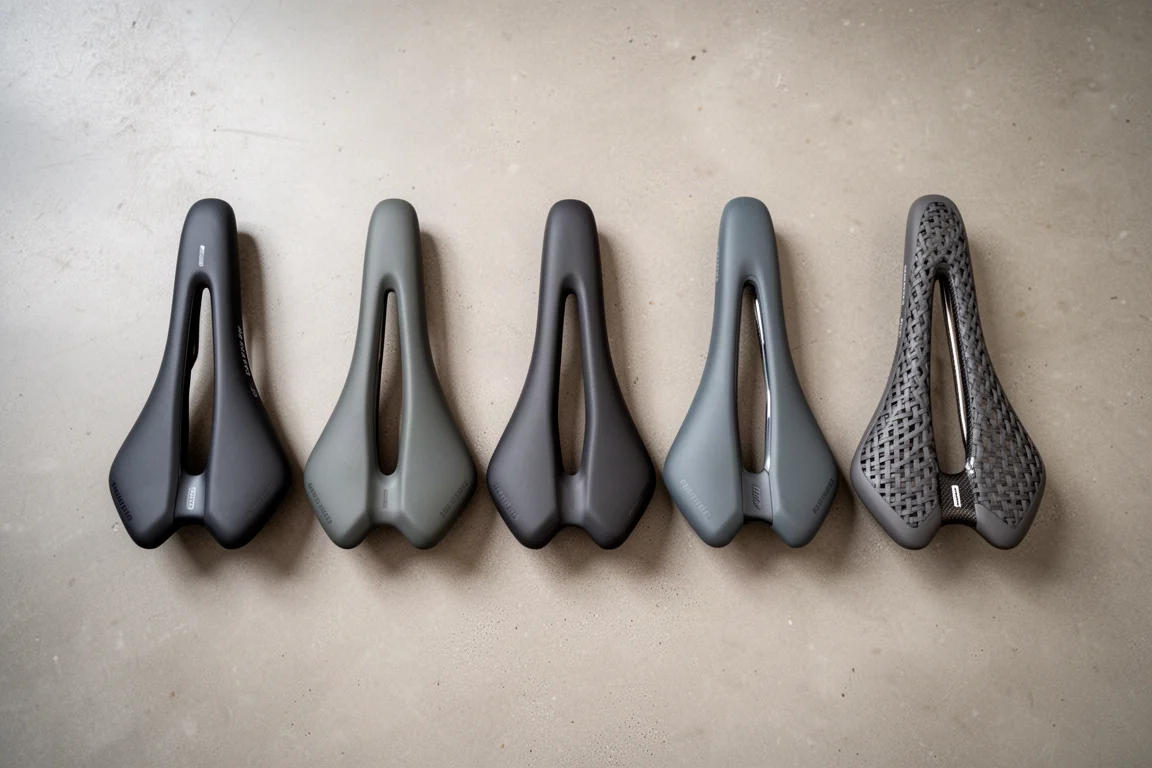
This guide covers the design features that matter most on a road bike, then looks at two widely known saddles. The Selle Italia SLR Boost is a best-selling shape built around a large pressure relief channel. The Specialized Power is a familiar design whose 168 mm version is far wider than most road riders need.
Why Saddle Discomfort Is Rarely Just the Saddle
When a saddle offers no pressure relief, riders rarely sit on it as intended. A more common outcome is that the pelvis rolls away from a neutral position, or the rider shifts to one side to escape pressure. Posterior rotation of the pelvis lengthens the reach to the bars and reduces engagement of the glutes, the largest muscle group and a primary hip extensor. Where those compensations do not happen, the usual result is soft tissue discomfort or numbness.
Pressure relief channels exist to address exactly this. They allow soft tissue to sit clear of the load and encourage a more skeletal connection with the saddle.
It is also worth knowing that saddle interaction is influenced by many variables outside the saddle itself. Stance width, crank length, reach, saddle height, and handlebar drop all change how a rider sits. Arch support in cycling shoes can reduce the pressure going through the saddle by up to 50 percent, which is a meaningful change before a single saddle is swapped.
Saddle Width and Pressure Relief: What to Look For
Sit bone measurement is a common starting point in shops. The apparatus measures the distance between the ischial tuberosities and converts it into a recommended saddle width. In practice, that approach tends to produce saddles that are too wide for the rider’s position. A wide saddle makes the thighs glance off the wings, and the natural response is to slide forward and sit on the nose instead.
Two other details are worth checking. The first is the pressure relief channel, which should be substantial enough to offload soft tissue rather than merely suggested. The second is shell stiffness. Saddles with a very soft shell, which are common among original equipment saddles and traditional leather hammock designs, flex under load. On a bike with a more prone riding position, that softness leaves the rider without a stable platform, and the search for stability shows up as neck, shoulder, and hand discomfort.

A short-nosed saddle with a deep cutout is not automatically the right answer either. Saddles designed for time trial and triathlon positions load a different part of the pelvis, the ischial pubic rami, and they are excellent at offloading soft tissue in a prone position. On a road bike they simply do not support the pelvis well enough.
Best Overall Pick: Selle Italia SLR Boost
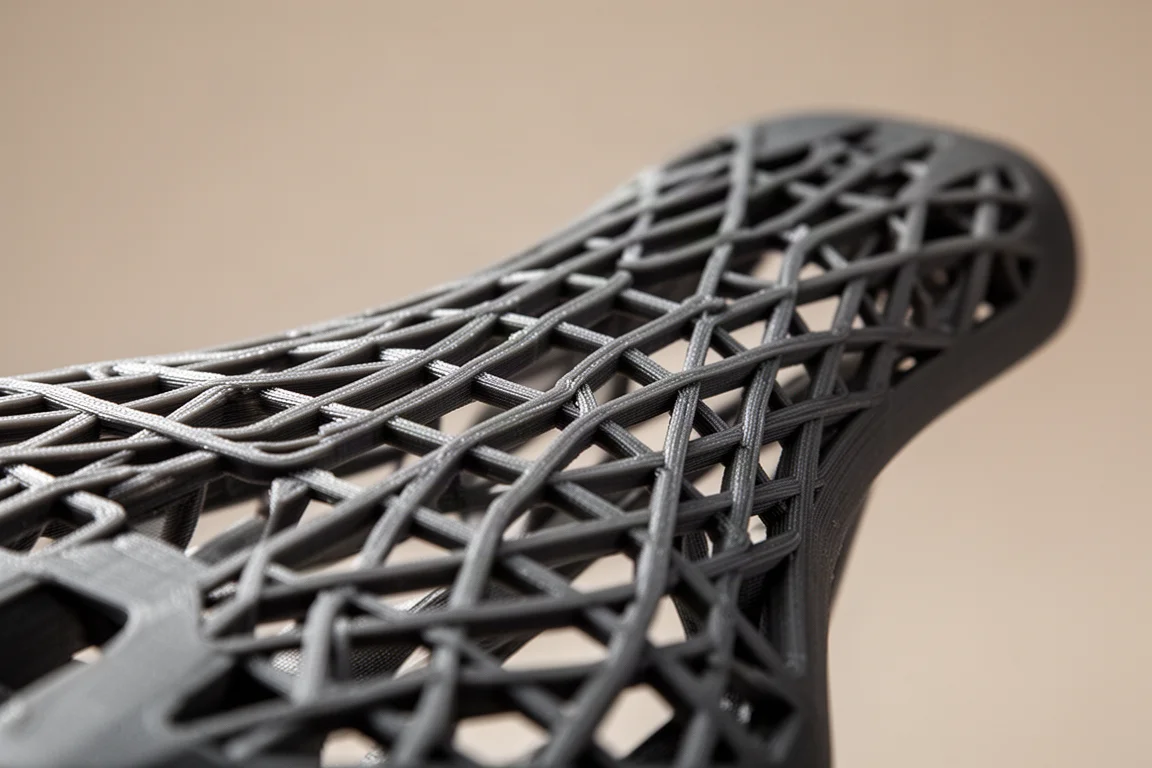
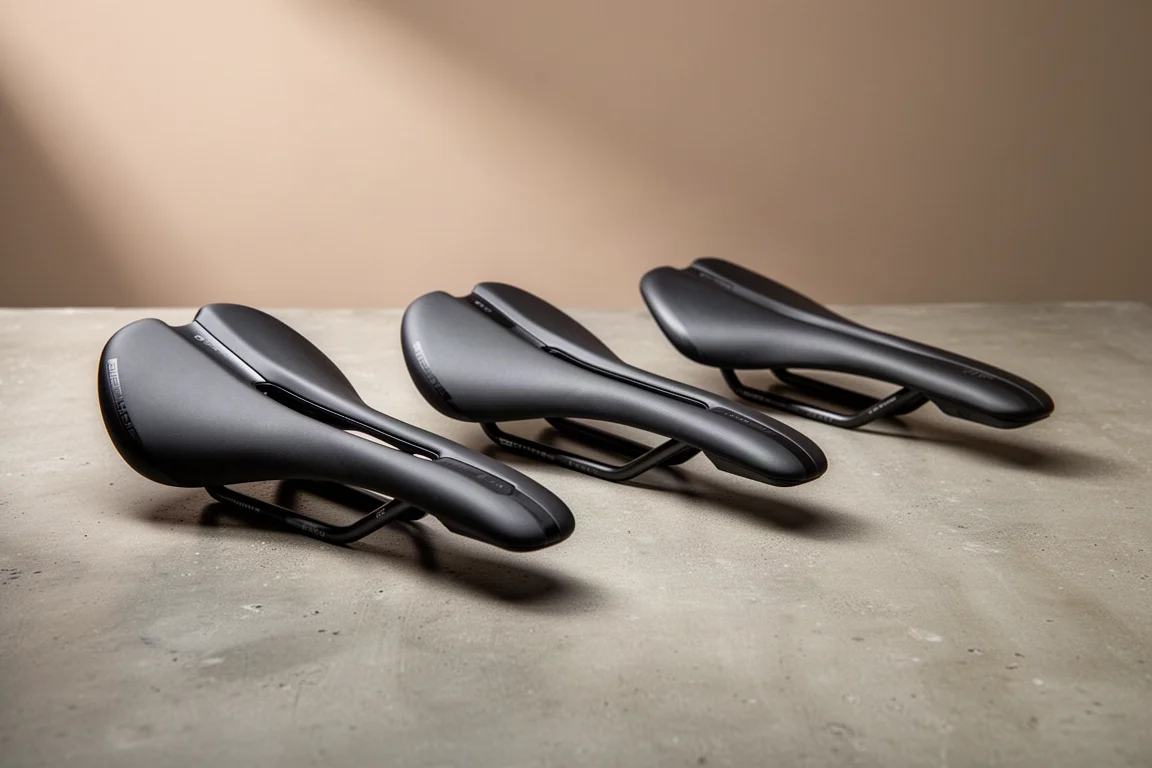
The SLR Boost is a best-selling road saddle, and the S3 is the narrowest version at about 135 mm across its widest point. That narrower platform encourages a more rearward interaction with the saddle, which in turn produces better skeletal support than a wide, softly padded design.
The shape is relatively flat and carries a large pressure relief channel. It is typically set up either level or with around half a degree of nose-down tilt, which keeps the rider supported without tipping them forward. The range spans several versions, from an entry model at roughly £100 up to 3D-printed designs that cost considerably more.
It is not a universal answer. Some riders need a wider platform, and some need a longer one. Even so, a shape like this is a sensible starting point for a large share of road riders, and it has proven comfortable over long distances.
A Wide Saddle Can Work Against You: Specialized Power
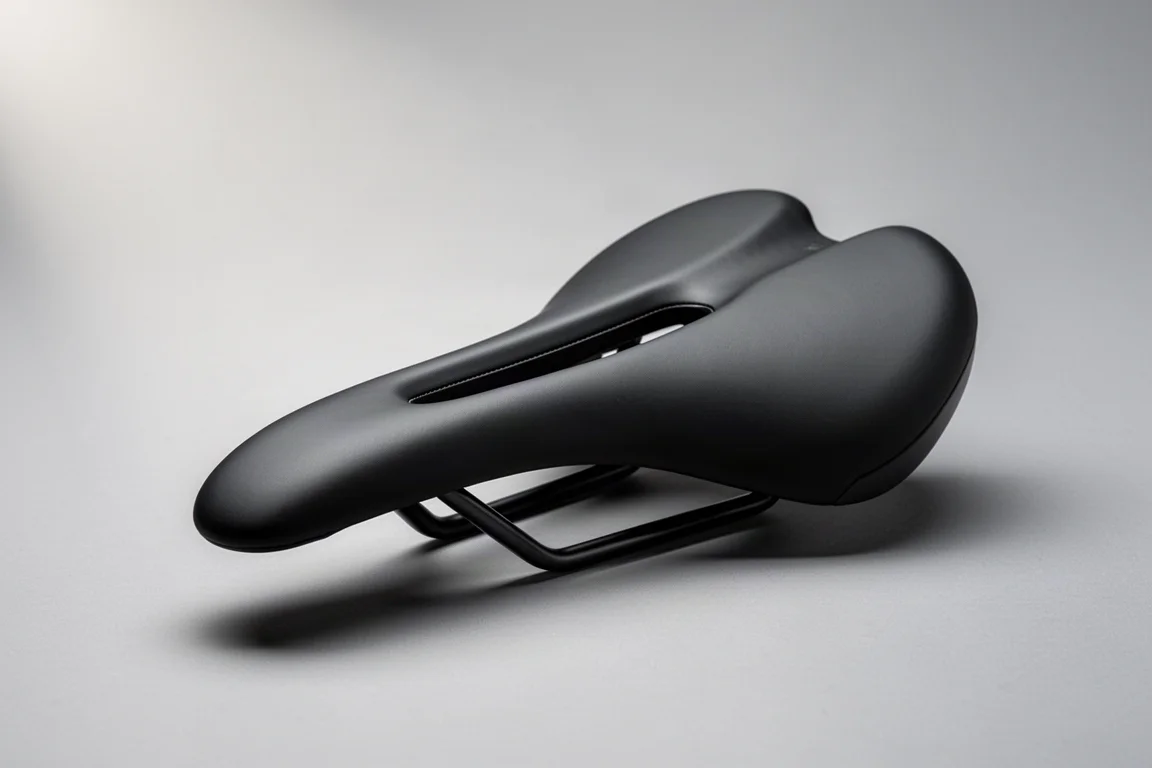
The Specialized Power is a recognisable shape, but the 168 mm version is a clear example of a saddle that is too wide. Width at that level serves no useful purpose on a road bike, and the broad wings encourage exactly the forward slide onto the nose described above.
There is a further problem with how this width is specified. Very small bikes are sometimes supplied with 168 mm saddles, even though smaller riders generally have narrower pelvises and are better served by a narrower saddle. If a bike arrives with a saddle at this width, it is worth questioning before assuming the discomfort is simply something to get used to.
Saddles That Belong on a Different Bike
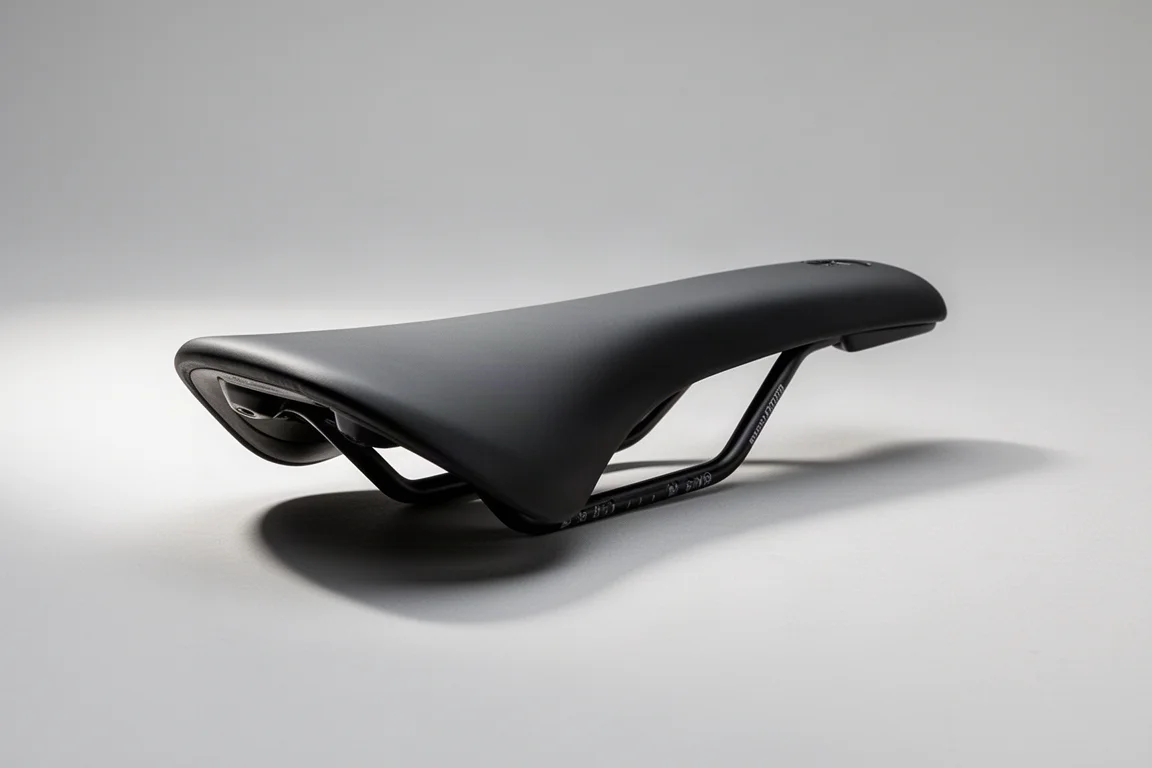
Short-nosed saddles with a deep cutout are designed around a prone, forward-rotated position. They load the ischial pubic rami rather than the sit bones, and they offload soft tissue extremely well when the rider is in that position. Fitted to a time trial or triathlon bike, they make complete sense.
Fitted to a road bike, they provide insufficient pelvic support. They also have a reputation for allowing a saddle to be set too high without producing genital problems, which can hide a position problem rather than solve it. If a road bike cannot be ridden comfortably without a saddle of this type, the position is the issue, not the saddle.
Traditional leather hammock saddles sit at the opposite end of the spectrum. They are comfortable on upright bikes where the rider sits more vertically, but they lack the stability that a sportier position demands. On a road bike with a longer, lower setup, that softness shows up as discomfort elsewhere.
Position, Crank Length, and the Other Variables
Before buying a stack of saddles, it is worth working through the variables that shape how a rider sits. Stance width that is too narrow, cranks that are too long, excessive reach, excessive saddle height, and excessive handlebar drop all change the pressure a rider puts through a saddle. Shoe arch support matters as well.
Comparative testing is the practical way to separate a saddle problem from a position problem. Testing saddles back to back on the same bike, at the same height, tells a rider far more than trying one saddle in isolation.
Buying Advice: Test Saddles at the Same Height
A bike fitter with a reasonable saddle library is the most efficient route to a comfortable setup. A pressure mapping system is a nice extra, but a decent selection of saddles to test is what does the work.
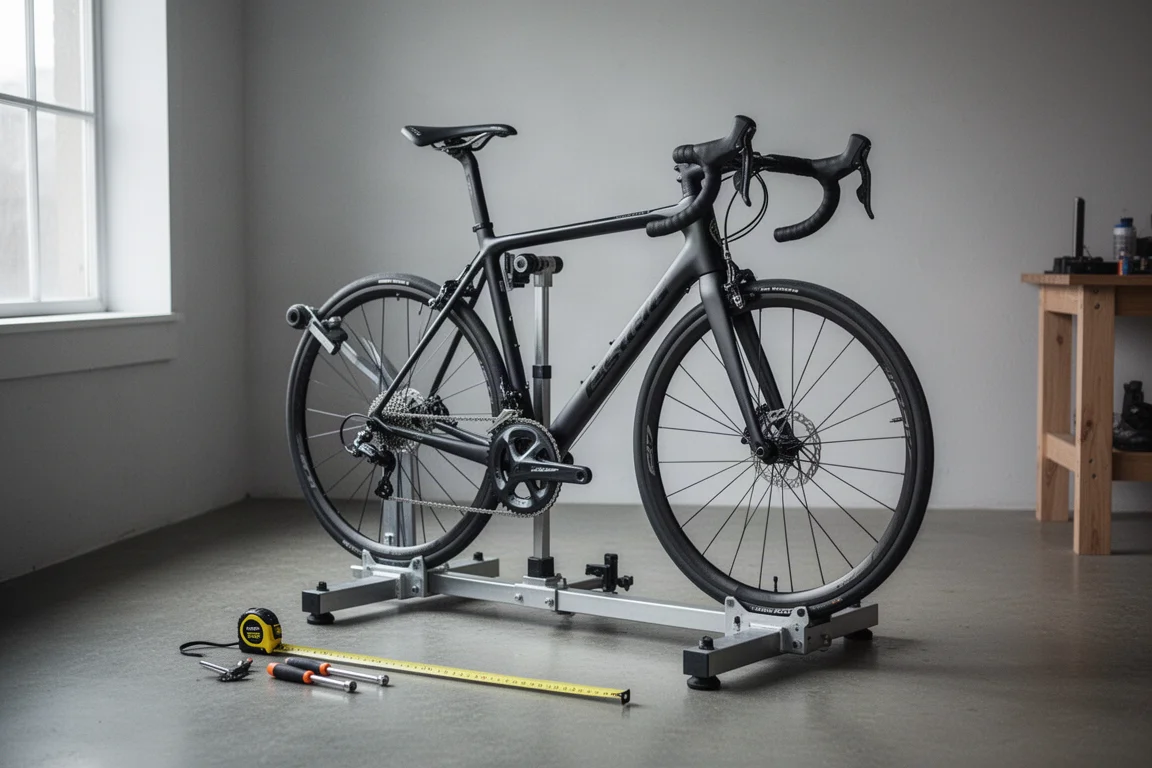
Consistency matters during that testing. Saddles differ in depth, so swapping one for another changes the effective saddle height. Fitting a deeper saddle without adjusting the post raises the saddle, and excessive saddle height is one of the largest single contributors to pain. Keeping the height constant across every saddle in a comparison is the only way to get results that mean anything.
If a narrower, flat saddle with a generous pressure relief channel is not comfortable, the answer is usually found in the position rather than in another purchase.
Conclusion
Saddle discomfort is often a fit problem wearing a saddle’s name. Where the saddle itself is the issue, the pattern is consistent: a generous pressure relief channel, a width that matches the rider rather than the measurement chart, and a shell firm enough to support a sporty position. The Selle Italia SLR Boost fits that description for a large share of road riders, while the 168 mm Specialized Power is a design most riders are better off avoiding.
Further reading
Related Reviews
Cycling Saddles
Best Bicycle Saddles Ranked: Ten Models Compared for Comfort and Fit
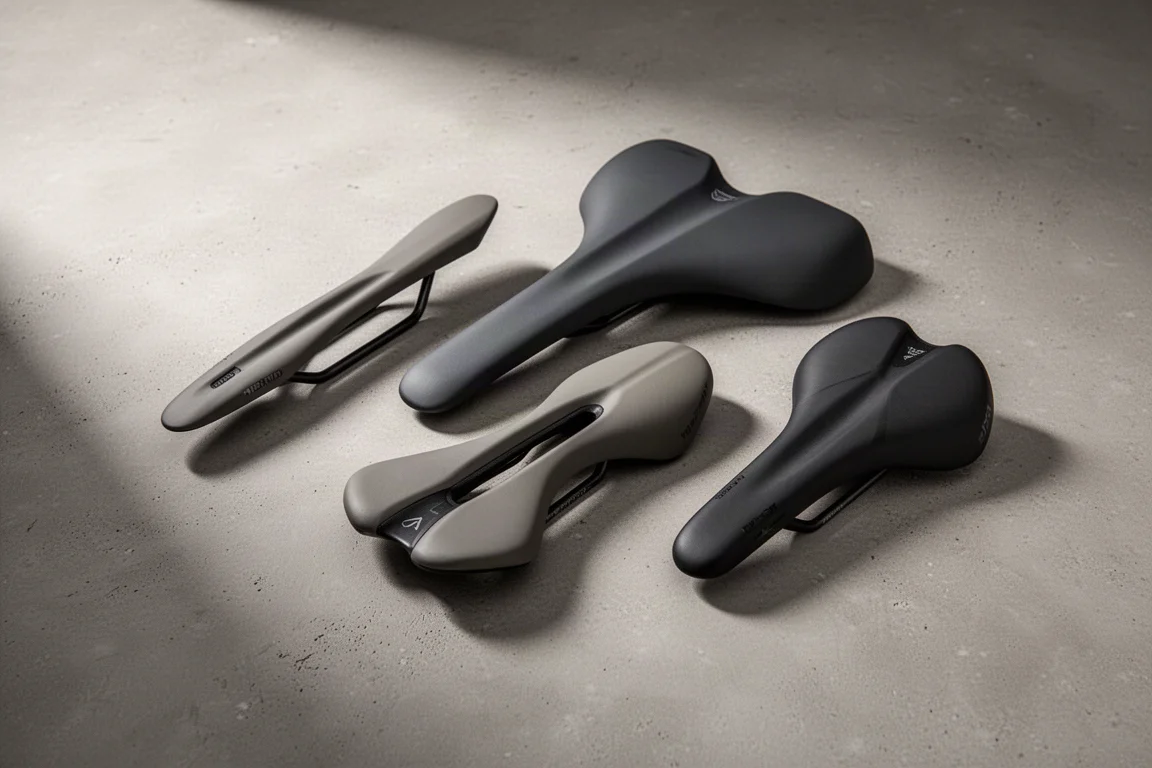
A practical ranking of ten road and triathlon saddles, from wide flared shapes that rub the thighs to narrow designs that support the rear of the saddle properly.
Cycling Saddles
Best Road Bike Saddles Ranked: Nine Options From Worst to Best
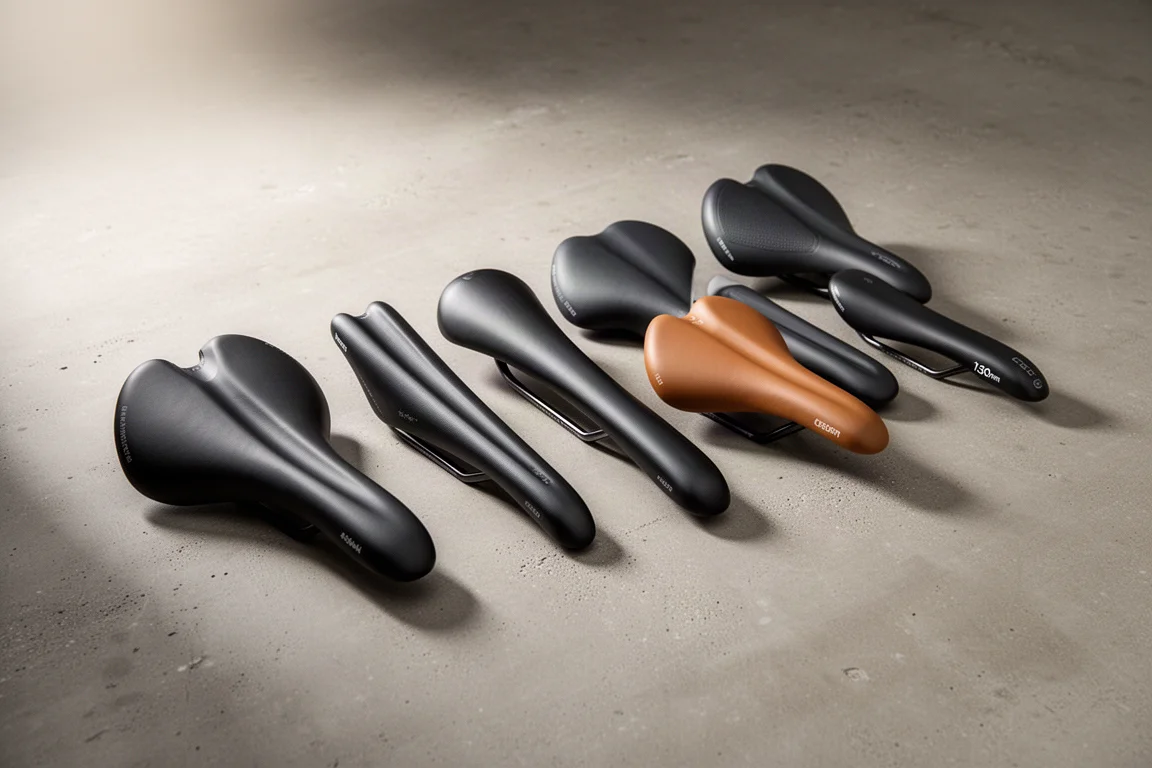
A fitter's ranking of nine road bike saddles, from wide flared designs that catch the thighs to the narrow shape most riders end up choosing.
Cycling Saddles
Best Selle Italia Saddles: SLR, Novus, and Flite Compared
A practical guide to choosing between the Selle Italia SLR, Novus, and Flite, covering width, shape, cutouts, and saddle setup.